REVIEW · KATHMANDU
Annapurna Sunrise Trek
Book on Viator →Operated by Himalayan Holyland Treks and Expedition · Bookable on Viator
Waking for Poon Hill sunrise is a whole kind of payoff. This short Annapurna region trek gives you big views fast, mixing early-morning mountain drama with village paths through green hills and rhododendron forest. You’ll hike your way from Ulleri up to Ghorepani, then head to the best viewpoint before the sun clears the ridges, with the Annapurna world opening up all around you.
I really like how the trip is built for real humans, not hardcore athletes: moderate fitness is enough, and the distances are short compared to many Nepal treks. Two other strong positives: your permits (ACAP and TIMS) are handled for you, and you travel with a professional guide plus a porter system that keeps the load manageable. One thing to consider: the mornings start early (meeting around 5:15am and then pre-dawn for sunrise), and the main route can feel busy on popular days.
In This Review
- Key Highlights Worth Your Attention
- Why This Annapurna Sunrise Trek Feels So Addictive
- Your Week in Motion: Kathmandu to the Sunrise Trail (What the Rhythm Really Means)
- Day 1 in Kathmandu: Swoyambhu, Thamel, and Getting Your Bearings
- Day 2: Pokhara and Phewa Lake Time Before You Start Climbing
- Day 3: Nayapul to Ulleri—The Walk That Teaches You the Trail
- Day 4: Ulleri to Ghorepani—Forest Trails and Peak-Spotting at 2,800m
- Day 5: Poon Hill Before Dawn and the Descent to Tadapani
- Day 6: Tadapani to Ghandruk—A Culture Walk Through Gurung Country
- Day 7: Pokhara to Kathmandu and a Farewell Dinner Reset
- Price and Logistics: What You Pay For (and Why It’s Not Just “Cheap” or “Expensive”)
- Guides, Porters, and the Comfort Level You’ll Actually Feel
- Fitness, Altitude, and What Moderate Really Means on Poon Hill
- Packing and Small Costs That Catch People Off Guard
- Should You Book This Annapurna Sunrise Trek?
- FAQ
- Where does the tour start and what time is the meeting?
- How do I get to Pokhara during the trek?
- Is airport pickup and drop-off included?
- Do meals during the trek cost extra?
- Are trekking permits included?
- What about hotel stays in Pokhara?
- Is a guide and porter included?
- What costs are not included in the price?
- Can I get a full refund if I cancel?
Key Highlights Worth Your Attention
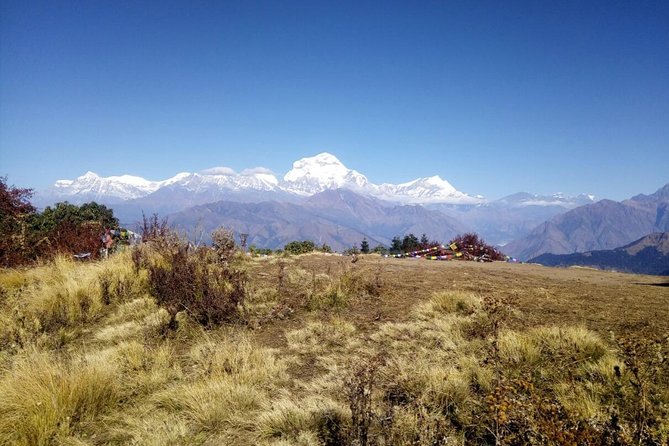
- Poon Hill at 3,210m: a pre-dawn hike timed for sunrise views over Dhaulagiri, Annapurna, Machhapuchhre, and more
- Guide + porter support: professional guidance and a porter ratio of 2 trekkers to 1 porter for your baggage
- Permits handled: ACAP Permit and TIMS card included
- Rhododendron and river valleys: forest hiking with crossings and small-town stops along the way
- Pokhara comfort included: hotel stay in Pokhara on a B/B basis with sightseeing time and a farewell meal
- Private group feel: only your group participates, so pacing and questions are easier
Why This Annapurna Sunrise Trek Feels So Addictive
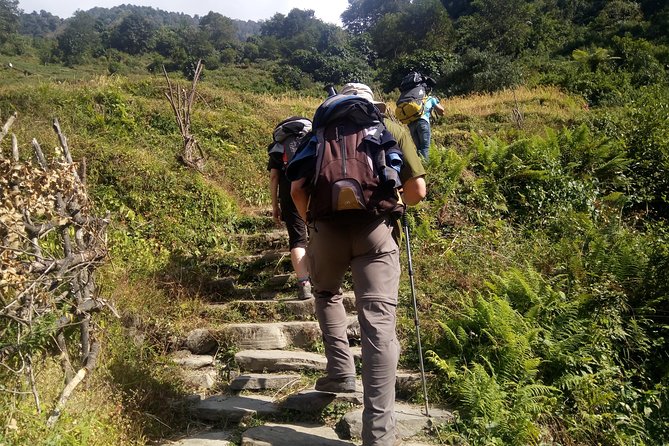
This trek has the rare mix of easy logistics and huge scenery. You start in Kathmandu, ride to Pokhara, then walk into a landscape where terraced hills and forest trails slowly lift you into the Annapurna viewpoint zone. On this route, it’s the timing that matters: you’re not just hiking for pretty mountains. You’re hiking for that moment when the light hits the peaks and everything turns sharp and real.
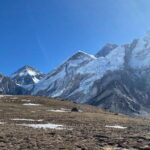
What makes the Ghorepani Poon Hill version so satisfying is that it compresses the best parts of the Annapurna region into a short trip. You get the view credits (Dhaulagiri, Annapurna I and South, Machhapuchhre/Fishtail, Hiunchuli, Nilgiri, Tarke Kang), plus the in-between hiking—river crossings, village lanes, and forest sections that keep your legs busy in a good way.
And yes, the trail is popular. That’s not a deal-break. If you show up ready for shared viewpoints and early starts, it can still feel like an authentic Himalayan experience.
You can also read our reviews of more tours and experiences in Kathmandu.
Your Week in Motion: Kathmandu to the Sunrise Trail (What the Rhythm Really Means)
The trip is laid out so you don’t burn vacation time on endless travel. Day 1 is all about getting settled in Kathmandu and getting oriented fast. After pickup, you head to your hotel and then do a short visit to Swoyambhunath Chaitya near Thamel. It’s a useful primer for Nepal days ahead—simple, central, and a good place to understand the city before you leave it.
Then comes the big transition: Kathmandu to Pokhara by tourist bus. That drive is long—about 7 hours—but it’s also part of the experience. You pass terraced fields, dense forest, rocky gorges, and different communities along the route. You arrive in Pokhara and get downtime, including time around Phewa Lake. If skies cooperate, you’ll get those classic reflections people hope for around Machhapuchhre and the Annapurna range.
Why this matters for you: if you’ve ever started a trek right after a stressful arrival, you know how much that first day can affect your energy. This route gives you a smoother ramp.
Day 1 in Kathmandu: Swoyambhu, Thamel, and Getting Your Bearings
Your day starts with an airport or pickup transfer in a private vehicle. That’s a small detail, but it’s a big help when you land in Nepal and want a quick, low-stress start. After checking in, you’ll take a walk around Thamel and visit Swoyambhunath Chaitya. The sightseeing isn’t the main event; the real value is how it sets the tone and helps you understand the trekking program in plain language.
Practical tip: because your trek days start early, treat Kathmandu Day 1 as your sleep-and-charge day. You’ll be glad you did when you’re up before dawn later.
Day 2: Pokhara and Phewa Lake Time Before You Start Climbing
On Day 2, you leave Kathmandu early, eat breakfast, and ride the tourist bus toward Pokhara. Plan for the full 7-hour drive. Once you arrive, you get hotel time plus leisure, including boating on Phewa Lake. This is the first place where the whole Annapurna area starts to show you what you’ll be aiming for.
What I like about this design: you aren’t rushed into trekking right away. You get a calmer evening with mountain views in the background, and that makes the next day feel like a true start instead of a grind.
Small consideration: the bus day can be tiring. It’s worth keeping your evening low-key and letting your body settle.
Day 3: Nayapul to Ulleri—The Walk That Teaches You the Trail
Day 3 begins with a drive from Pokhara to Nayapul (about 42 km, roughly 1.5 hours). Then the trekking starts. You walk toward Birethanti and head through lush forest with river valleys and crossings. You’ll cross a suspension bridge over Tikhedhunga Khola, then continue to Ramghai for lunch.
The afternoon is your climb phase. You’ll ascend up to Ulleri, around 1,960 meters. It’s not just a “go up” day in theory—it’s a day that helps your body learn the rhythm: steady steps, frequent breath catch, and letting your legs find their pace.
A realistic drawback: this is a long-ish day. The trekking time is listed at about 6 hours of journey, plus the drive. If you’re a beginner, take it slow early so the later ascent doesn’t surprise you.
Day 4: Ulleri to Ghorepani—Forest Trails and Peak-Spotting at 2,800m
Today is an ascent day. You climb from Ulleri toward Banthanti and enjoy wide views that include Machhapuchhre and surrounding green hills. The route crosses two rivulets, and after lunch you keep moving uphill for about 1.5 hours to reach Ghorepani at around 2,800 meters.
This is also your big “views are getting serious” day. The plan calls out major peaks you may see from this area, including Dhaulagiri, Annapurna I, Annapurna South, Tarke Kang, Nilgiri, and Hiunchuli. Even if the clouds change your exact sightlines, you’ll understand why Ghorepani is a base for sunrise and sunset hikers.
The night setup: you stay in a guesthouse in Ghorepani. That’s where the trip shifts from scenery hiking to cozy mountain-lodge vibes. You’ll be close to other trekking groups, but it’s also a chance to share trail talk and swap practical tips before sunrise.
Day 5: Poon Hill Before Dawn and the Descent to Tadapani
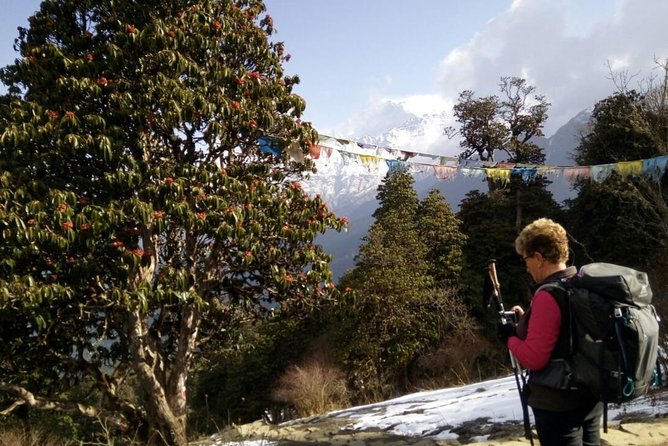
This is the day that people remember. You wake early before dawn and hike up to Poon Hill at 3,210 meters. From there, the goal is sunrise: sun over the ridgelines, with major Himalayan names showing up in the view spread.
The route description lists the peaks you can expect to see from this viewpoint: Dhaulagiri, Annapurna I and South, Fishtail, Himchuli, Thapa Peak, plus several neighboring peaks. Even if you don’t catch all of them due to weather, the viewpoint timing is the core experience here.
After sunrise, you hike back down, have breakfast, and continue on naturally rich trails to Tadapani. The walking time is around 6.5 hours. This day feels like two halves—high effort early, then a steady downhill trek that lets you recover a bit while still staying in the rhythm.
Practical advice for you: bring warm layers. Sunrise hikes can be cold, and it’s the kind of cold that makes you grateful for a good jacket.
Day 6: Tadapani to Ghandruk—A Culture Walk Through Gurung Country
Day 6 shifts your focus from peak viewpoints to village life. You trek toward Ghandruk and pass forests, rivers, and waterfalls along the way. You’ll have breakfast in Bhaisi Kharka, then continue down to Ghandruk.
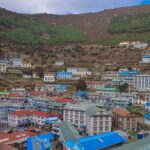
Ghandruk is described as feeling like it has traditional Gurung houses and terrace charm. You’ll also have time for culture stops like Gurung museums and monasteries, plus exploring the village itself before heading toward Nayapul.
The end of the day blends trekking and transport: you trek down to Nayapul, then drive back to Pokhara. The trek portion is about 5.5 hours, and the drive is around 1.5 hours.
Why this day matters: it keeps the trek from becoming only about altitude. You see how people live around the Annapurna trail system and how communities built their towns around the flow of hikers.
Day 7: Pokhara to Kathmandu and a Farewell Dinner Reset
On Day 7 you return to Kathmandu by tourist bus, about 7 hours. Once you’re back, the schedule includes time to explore UNESCO world heritage sites in Kathmandu—Pashupatinath Temple and Durbar Square are specifically mentioned.
Then you close with a farewell dinner at a Nepali restaurant. It’s a nice way to stitch the trip together: views in the morning, walking through villages, then a proper sit-down meal to end the week.
Small consideration: after a 7-hour bus ride, you might not want a huge sightseeing marathon. Pick one or two highlights and save energy for sleep.
Price and Logistics: What You Pay For (and Why It’s Not Just “Cheap” or “Expensive”)
The price is listed as $769.24 per person, for an experience that covers a lot more than just “a guide and some hiking.”
Here’s what you’re getting that affects real value:
- Pickup and drop-off in a private vehicle in Kathmandu
- Pokhara hotel accommodation on a B/B basis
- All transportation described in the route
- A professional guide
- Porter support, including a porter for baggage and a strong porter system with a 2 trekkers to 1 porter arrangement
- Meals on the trek: three times (B/L/D) during trekking days
- Permits and paperwork: ACAP Permit and TIMS card
- Insurance for guide and porters
- Government and local taxes included
What’s not included matters too:
- Nepal visa and your international flights
- Food and accommodation in Kathmandu
- Client travel and rescue insurance
- Personal expenses like hot showers, battery charging, bar bills, cold drinks, and laundry
- Tips for guide and porter
- Any extra night accommodation in Pokhara beyond the plan
So how do I judge the value? If you were to DIY this trek, you’d quickly pay for permits, local transport, guide time, and porter logistics. The included package reduces the hassle at the exact moments you want clarity. You’ll still have personal costs like drinks, charging, and tips, but the big-ticket operational pieces are handled.
Guides, Porters, and the Comfort Level You’ll Actually Feel
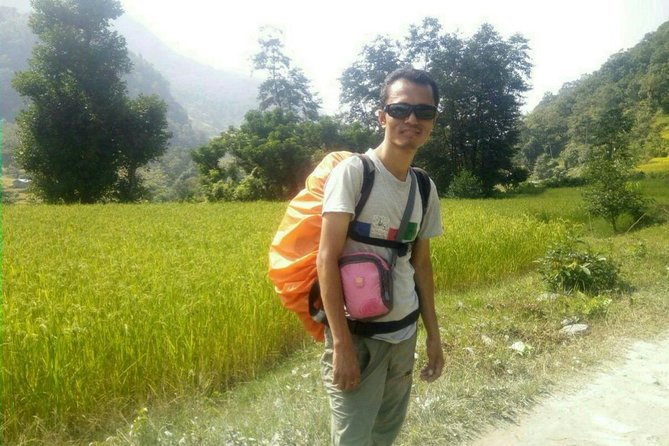
The most praised part of this trek is the guiding and team setup. The guide experience is highlighted as friendly and well prepared, and one name comes up again and again: Bijay. That matters because on a short trek, the guide isn’t only pointing the way. They shape your pace, your confidence, and how you understand what you’re seeing.
Porter support is also a real comfort factor here. The plan includes a porter to carry your baggage and a strong porter system (2 trekkers to 1 porter). That means you can keep your daypack manageable, which is especially helpful on the ascent and on the long return days.
Also, this is a private tour/activity, meaning you’re not stuck in a mixed group pace that doesn’t match yours. If you ask questions, you’re more likely to get straight answers without waiting your turn.
Fitness, Altitude, and What Moderate Really Means on Poon Hill
This trek is designed for moderate physical fitness. That’s a good sign for you if you’re fit enough to walk uphill for hours, but you’re not training for a technical expedition.
The route reaches:
- Ulleri at about 1,960 meters
- Ghorepani at about 2,800 meters
- Poon Hill at 3,210 meters
That’s not Everest-style altitude, but it’s enough elevation to make your breathing notice the change, especially on the early climbs. Your best move is pacing: start slower than you think you need and keep your effort steady.
A practical note: if you’re sensitive to cold in the mornings, plan for layers on sunrise day. Pre-dawn starts can feel colder than you expect.
Packing and Small Costs That Catch People Off Guard
The trip includes trek meals and most core logistics, but personal expenses can creep in. The plan specifically calls out items like hot shower, battery charge during the trek, bar bills, cold drinks, and laundry as personal costs.
Here’s how I’d plan for that as a traveler:
- Bring a headlamp or small light for early starts (especially for sunrise hikes)
- Pack warm layers for pre-dawn temperatures
- Plan to keep your electronics batteries charged selectively, since charging can cost extra
- Expect laundry and hot shower to be optional, not included
And don’t forget tips for the guide and porter. They’re not included, and it’s a key part of fair compensation for the team behind the trip.
Should You Book This Annapurna Sunrise Trek?
If you want the classic Annapurna viewpoints without committing to a long multi-week trek, this is a strong fit. I think it’s especially good for:
- first-time trekkers who want a short, guided plan
- people who care about sunrise timing and peak views
- anyone who prefers private-group pacing with a professional guide and porter support
- travelers who want culture stops like Ghandruk, not only mountain photos
I’d hold off if you dislike early mornings, don’t want to share popular viewpoints, or you’re looking for a quiet, off-the-beaten-track experience. The trail is popular for a reason, and you’ll feel that energy.
If you’re ready for a week of forest paths, village life, and a serious sunrise payoff, this Annapurna Sunrise Trek is a sensible, value-packed way to do it.
FAQ
Where does the tour start and what time is the meeting?
The start time is 5:15am, with pickup arrangements from your location in Kathmandu.
How do I get to Pokhara during the trek?
You travel from Kathmandu to Pokhara via tourist bus, about 7 hours of drive.
Is airport pickup and drop-off included?
Yes. The package includes airport pickup and drop in a private vehicle.
Do meals during the trek cost extra?
No. The trek includes three times meal during the trekking days (breakfast, lunch, and dinner).
Are trekking permits included?
Yes. The plan includes ACAP Permit and TIMS card.
What about hotel stays in Pokhara?
Hotel accommodation in Pokhara is included on a B/B basis, with the stay matching the itinerary. Extra nights in Pokhara are not included.
Is a guide and porter included?
Yes. A professional guide is included, and you also get porter support for your baggage.
What costs are not included in the price?
Not included are Nepal visa, international flights, food and accommodation on your Kathmandu days, travel and rescue insurance of clients, personal expenses (like hot shower, battery charge, drinks, laundry), extra night accommodation in Pokhara, and tips.
Can I get a full refund if I cancel?
Yes, free cancellation is available. You can cancel up to 24 hours in advance for a full refund. If you cancel less than 24 hours before the start time, the amount paid is not refunded.