REVIEW · MOUNT RINJANI
Mount Rinjani 2-Day Trek to Senaru Crater Rim
Book on GetYourGuide →Operated by Rinjani Hero · Bookable on GetYourGuide
Some treks feel like a workout. This one feels like a story. You climb through Lombok’s rainforest to a crater-rim camp with sunset views aimed toward Bali. I especially like how the team keeps the pace humane with breaks and how the porters handle the heavy lifting so you can focus on the trail. The main drawback: it’s a serious hike with steep, slippery sections, so you’ll need real fitness and the right mindset.
If you’re ready for mountains, this trek delivers big. Expect long climbs, cold-or-windy crater evenings, and a descent that can be slippery underfoot. The payoff is the crater-rim experience: camp setup, dinner, and that wide-open view as the sky turns over Mount Agung in Bali.
In This Review
- Key Highlights You’ll Feel Right Away
- How Rinjani Permits Work (and What You Must Do First)
- Your Two-Day Game Plan: Gate, Shelter, Rim, Then Senaru
- Day 1: Rainforest Climb from National Gate to Montong Satas
- Day 1 Evening at the Crater Rim: Agung in the Distance
- Day 2: Sunrise, Then the Descent Through Rainforest to Senaru
- Guides and Porters: This Is Where the Trek Wins
- Food, Water, and Camping Comfort (Without the Fantasy)
- What to Pack: Keep It Under 5 kg
- Price and Value: What You Pay Versus What You Still Need
- Fitness, Safety, and Who Should Rethink This Trek
- Should You Book This Mount Rinjani 2-Day Trek?
- FAQ
- What time does the trek start on day one?
- What is the lunch stop on day one?
- What time do you reach the crater rim on day one?
- Are park entrance fees included in the price?
- How can I register for the Mount Rinjani permit?
- Is camping equipment included?
- What should I carry in my backpack?
- Is it possible to see black monkeys during the trek?
Key Highlights You’ll Feel Right Away
- A two-day push with porters so your small pack stays light
- Rainforest trail from 7:00–7:30 AM with birds and butterflies along the way
- Montong Satas Shelter lunch at 1,500m before the climb continues
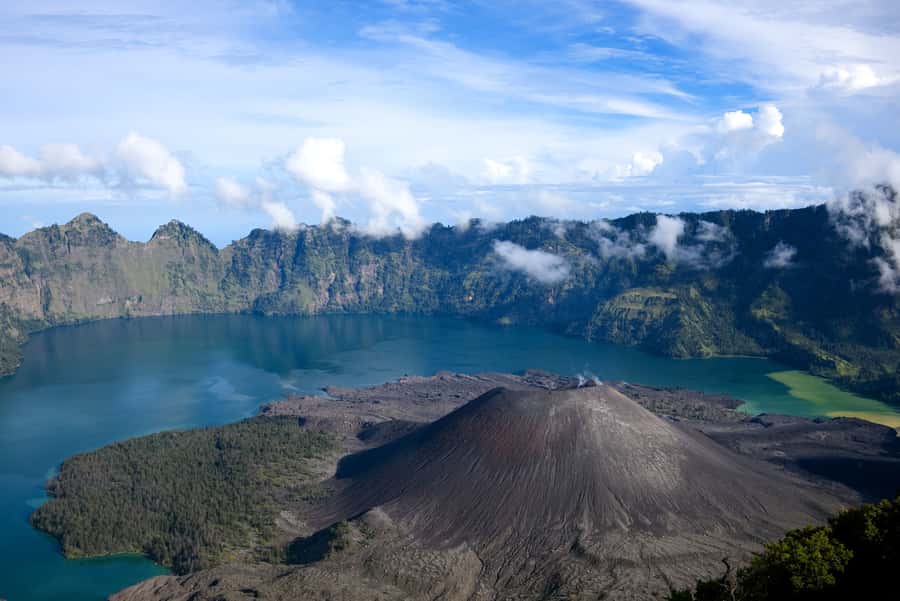
- Crater rim camp at 2,641m with sunset watching toward Bali
- Possible black monkeys on the descent to Senaru
- English-speaking guides in a small group (max 15)
How Rinjani Permits Work (and What You Must Do First)
Mount Rinjani is special, but it’s also regulated. Permits/tickets for the national park are limited to 240/day, and if the quota is gone, you can’t just show up and join the trek that day. That means your planning needs to be early, not hopeful.
You can register through the ERinjani app. You’ll enter details like your passport number, full name, birthday, weight, height, and nationality. Then you pay directly via an Indonesian bank transfer to the government account. The government fee shown is RP 250K per person per day.
If you’d rather not deal with the forms, you can contact a local guide to help with registration—because permits are limited and speed matters. I’d treat this as step one, not step five on your checklist.
Your Two-Day Game Plan: Gate, Shelter, Rim, Then Senaru
This trek is built as a steady climb on day one, then a full descent on day two. You start with a transfer to the Rinjani National Gate for registration and a briefing, then you hit the trail early at 7:00–7:30 AM.
The route is timed to give you a solid afternoon arrival at the crater rim on day one—so you’re not rushing in the dark. Then day two starts with a sunrise routine and a long walk down through rainforest toward Senaru Village, where you’ll end with shower time and a welcome drink.
Group size stays small, with a maximum of 15 participants, and the guide is live and English-speaking. That matters because you’ll want clear instructions on steep, uneven ground.
Day 1: Rainforest Climb from National Gate to Montong Satas
After breakfast, you’re transferred to the national gate for registration and briefing. This part is practical: it gets everyone into the same rhythm and helps you understand what’s coming next.
At 7:00–7:30 AM, the trekking begins. The early trail runs through dense tropical forest with plenty of flora, bird life, and butterflies. This is one of the smartest parts of the itinerary because you’re not fighting views yet—you’re working into the altitude gradually while the trail feels alive around you.
You stop for lunch at Montong Satas Shelter (1,500 meters). It’s a good moment to reset—eat, refill, and let the group catch its breath before the higher section.
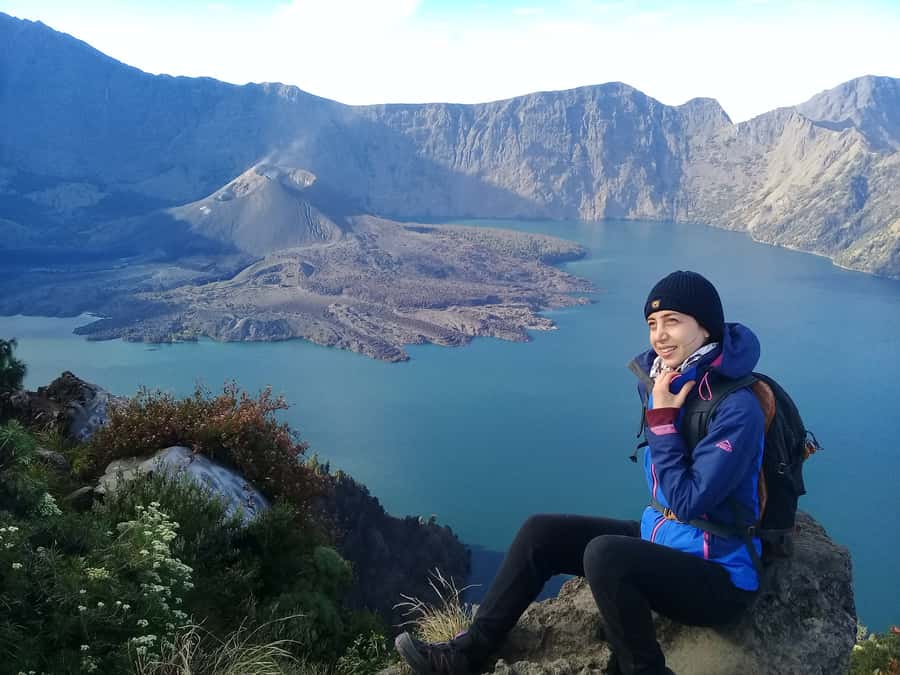
From there, you keep climbing. You’ll reach the crater rim at about 4:00 PM at 2,641 meters, which sets up your first big evening on the mountain.
Day 1 Evening at the Crater Rim: Agung in the Distance
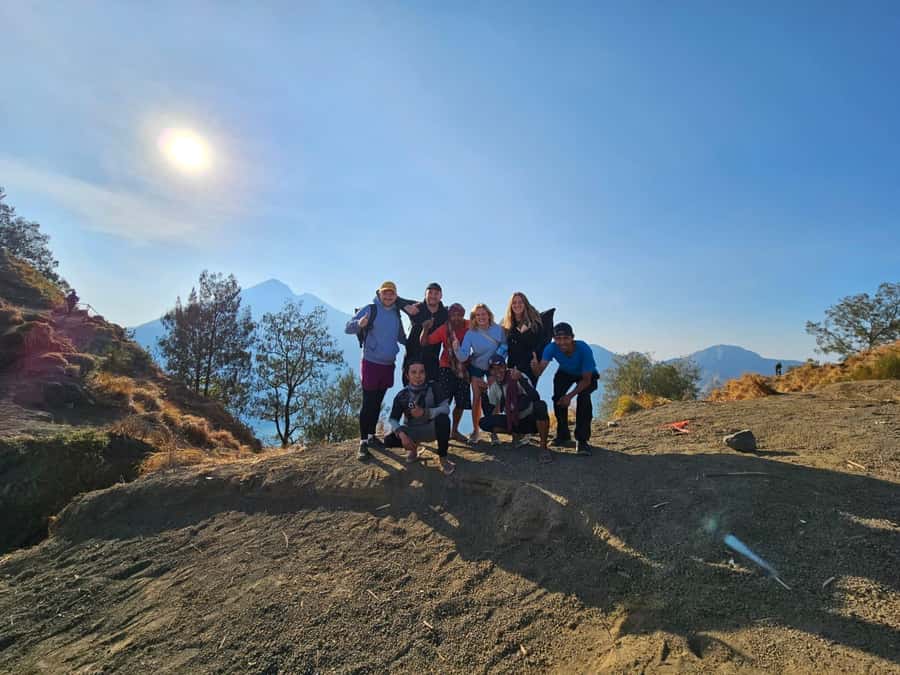
When you arrive at the crater rim, the focus shifts from effort to atmosphere. You camp for the night near the crater, and your guide provides dinner after you settle in.
The highlight here is the sunset and the Bali view. You’ll watch the sunset over Mount Agung in Bali, with smoke from the volcano visible in the distance. It’s one of those scenes that makes the climb feel worth it even before you get any rest.
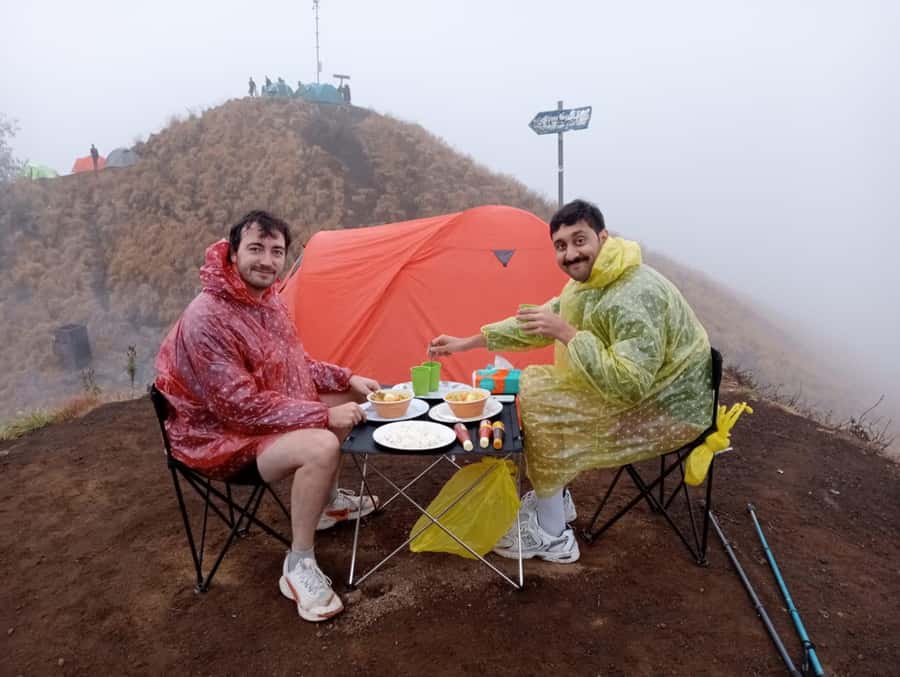
Camp setup is handled for you. The trek includes camping gear like a double-size tent, camp chairs, a toilet tent, and sleeping gear (sleeping bag, pillow, mattress). That’s a big value point: you’re not spending your mental energy figuring out camp logistics after a hard day.
Day 2: Sunrise, Then the Descent Through Rainforest to Senaru
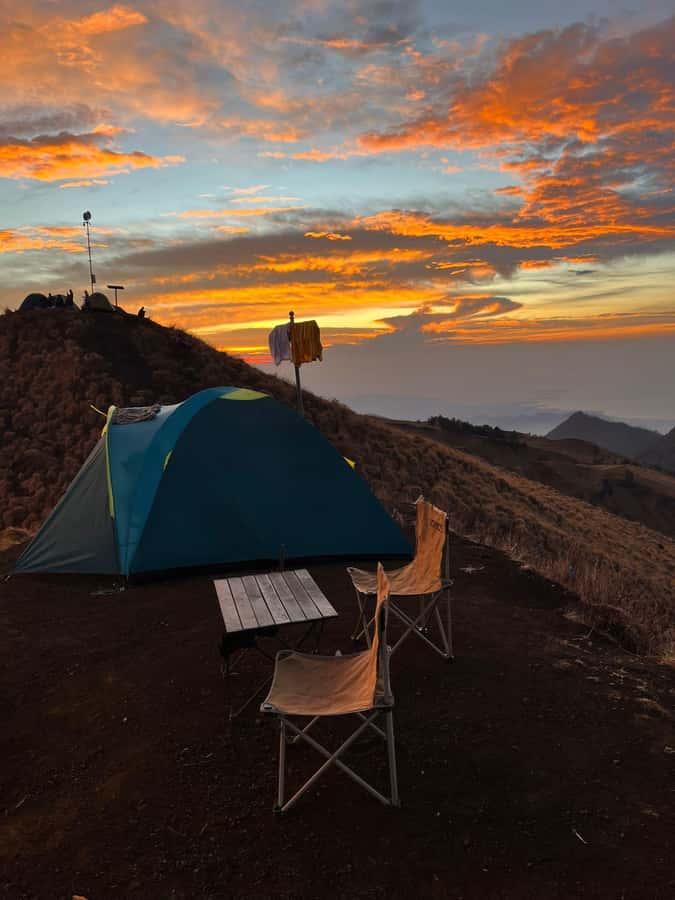
Day two starts after breakfast with a sunrise moment. Then you begin the main descent. The plan is to leave the crater area and walk down through rainforest toward Senaru Village.
The total descent takes around five hours, and you’ll stop for lunch at about 11:30 AM. This timing is helpful because it gives you a clear finish line and keeps the group from dragging through the afternoon.
Along the way, there’s a chance to spot black monkeys. It’s not guaranteed, but it’s one of those “if you’re lucky” mountain moments that adds spice to the walk down.
When you reach Senaru Village, the trek ends with comfort. You’ll head to the local operator’s office for a shower, a welcome drink, and then you’re finished.
Guides and Porters: This Is Where the Trek Wins
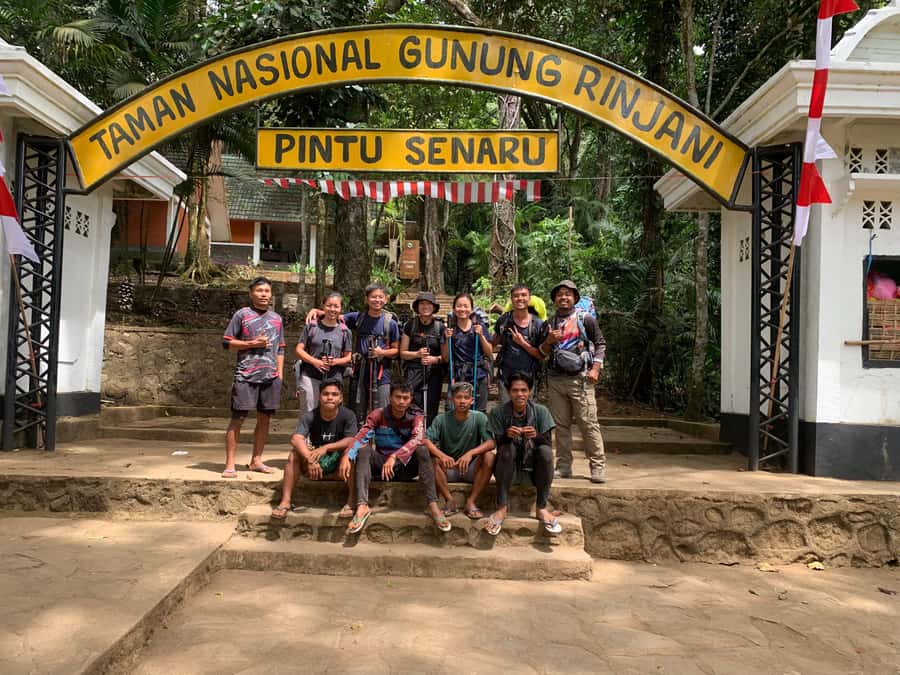
A tough hike can still be a great trip if someone manages pace, safety, and morale. The operator’s strength comes through the guide-porter team.
Guides like Ibrahim, Will, Sip, Odi, Sapar, and Ojik show up in different experiences, and the theme is consistent: they look after you step by step. Many guides are attentive about breaks, water, and snacks, and they keep the group feeling safe on rough terrain.
Then there are the porters, and they’re a big reason this trek works for first-timers who don’t want to carry everything. Porters handle trekking gear and camp items, then set up camp so you arrive to a functioning base—not a pile of equipment. In multiple experiences, the food is also prepared on the trail with real care, not just simple meals.
One practical note: the hike is challenging, so your best support system is good communication and a guide who watches footing. Choose a trip with a team that actively manages that—not one that treats the mountain like a conveyor belt.
Food, Water, and Camping Comfort (Without the Fantasy)
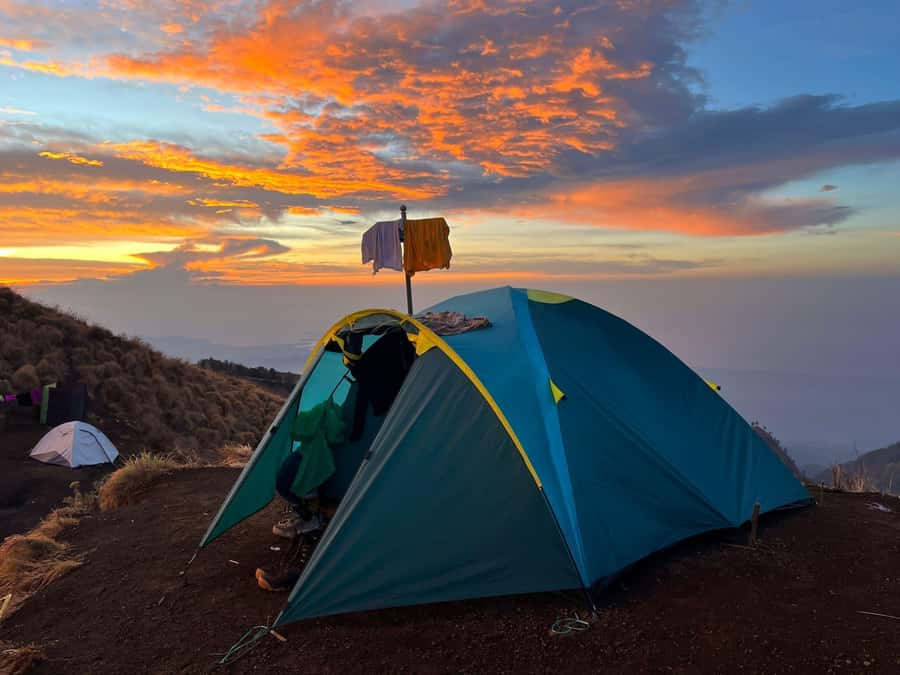
The trek includes breakfast, lunch, dinner, plus safe drinking water. This matters because higher elevations can make you underestimate how much you need to drink, and you don’t want to ration water on steep terrain.
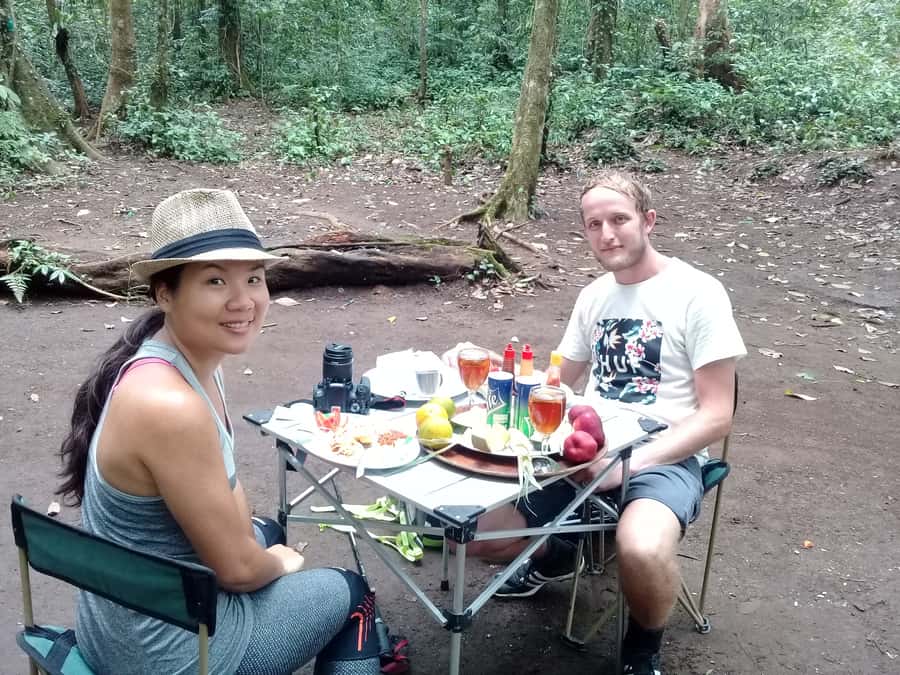
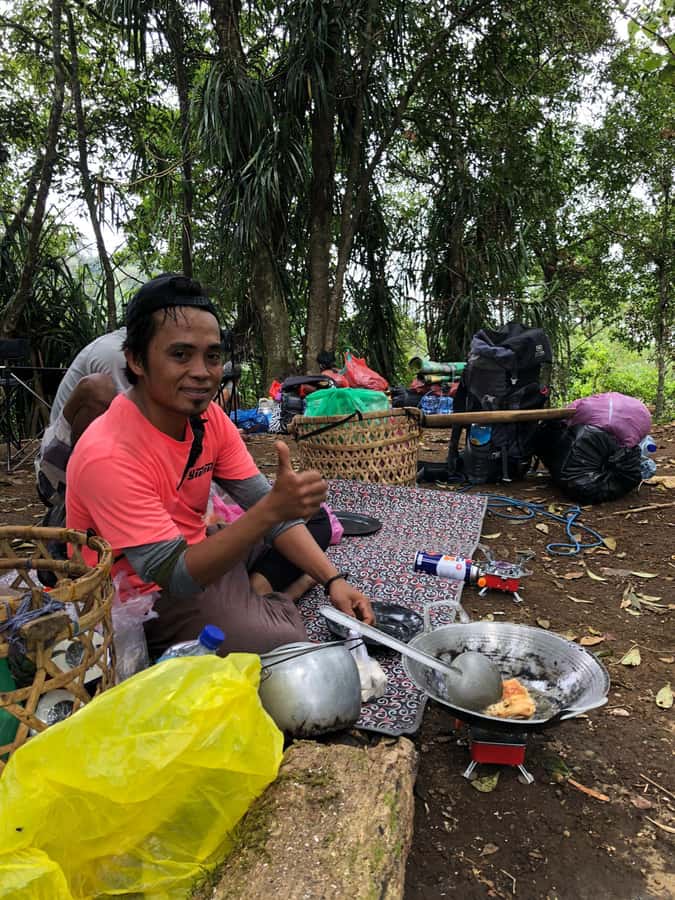
Meals on the trail tend to be more varied than you’d expect from a camping trek. You might see options like fried bananas, pancakes, soup, rice and noodles, fruit platters, and coffee or tea. The recurring pattern is: hot drinks and filling food at points where you need them most.
Camping comfort is supported with included equipment: sleeping bag, mattress, tent, pillows, chairs, and a toilet tent. You still need to expect mountain conditions (wind can happen), but the fact that you’re not bringing your own sleeping system is a real relief.
One practical perk: some people report jacket availability if needed. That isn’t listed as guaranteed, but it’s worth asking your operator if you’re going in with lightweight layers.
What to Pack: Keep It Under 5 kg
The trek is designed around a small backpack no more than 5 kilograms. Everything else can be stored at the local operator’s office. If that’s your first mountain trek, this rule alone can make or break your experience.
You’ll want essentials like:
- trekking shoes
- toiletries and personal medication
- sunscreen and insect repellent
- camera and a small towel
- cotton t-shirts (2–4)
- long trek pants
- windproof jacket
- shorts (2 pieces)
- sandals
- swim wear
Also remember: trekking shoes, long pants, and gloves aren’t included. A day pack is also not included, so plan around what you’ll carry on your person during the walk.
If you want a little extra help, there’s an option to add an extra porter service to carry your personal belongings during the next booking page. This can be a smart move if you’re carrying bulky items like extra layers or heavier camera gear.
Price and Value: What You Pay Versus What You Still Need
The listed price is $150 per person for the 2-day experience. That price covers a lot: trekking guide, porters for your camping equipment and belongings, meals and drinks (breakfast, lunch, dinner), safe drinking water, trekking insurance, and the full camping setup.
What’s not included is the Rinjani National Park entrance fee. At the same time, the permit fee shown for registration through ERinjani is RP 250K/person/day. In practice, this is the cost bucket you should expect to handle separately from the tour package price.
So what does $150 buy you? Mostly it buys you relief from logistics: guides who manage pace and route, porters who take weight off your shoulders, and camp gear that arrives ready. If you were planning the trek yourself, you’d still pay for guiding, permits, and serious camp logistics.
One more small value note: the experience offers free cancellation up to 24 hours in advance and also includes reserve now & pay later. That can help if your flight or local travel timing is uncertain.
Fitness, Safety, and Who Should Rethink This Trek
This trek is not a casual walk. You need a good level of fitness and the ability to walk long distances. It’s also not for people with mountain sickness issues or height phobias.
Altitude and terrain matter here. The climb gains about from the starting elevation to camp at 2,641 meters, and day two is a long descent. Even if you’re not going “super fast,” the mountain keeps asking for steady effort.
If you don’t use trekking poles, consider them anyway. Some people found the descent slippery when they didn’t have sticks, and footing gets more important the lower you go.
Your best mental approach: accept that you’ll slow down. The guides help with breaks and pacing, but your body still needs time to work through the steep parts.
Should You Book This Mount Rinjani 2-Day Trek?
Book it if you want a classic “big mountain” experience in a short timeframe and you’re okay with hard walking. I’d especially recommend it if you care about being looked after—because the guide-and-porter setup is the difference between suffering and surviving comfortably.
Skip it (or rethink it) if you’re expecting flat trails, easy footing, or light effort. The hike is tough enough that it should match your fitness level, and the descent can be slippery.
Also book it early because of permits. With only 240/day available, last-minute plans can strand you.
If you’re the kind of traveler who likes rainforests in the morning and volcanic views at sunset, this is a strong choice for Lombok. Just come prepared, keep your pack light, and let the team do what it’s good at.
FAQ
What time does the trek start on day one?
Day one trekking begins at about 7:00–7:30 AM after registration and briefing at the Rinjani National Gate.
What is the lunch stop on day one?
Lunch is at Montong Satas Shelter at an altitude of 1,500 meters.
What time do you reach the crater rim on day one?
You reach the crater rim at around 4:00 PM and camp there for the night.
Are park entrance fees included in the price?
No. The Rinjani National Park entrance fee is not included. You must handle permits/entrance fees separately.
How can I register for the Mount Rinjani permit?
You can register via the ERinjani app by entering your personal details (including passport number, full name, birthday, weight, height, and nationality) and then paying to the government account through an Indonesian bank.
Is camping equipment included?
Yes. The trek includes camping equipment such as tents, camp chairs, a toilet tent, sleeping bags, pillows, and mattresses.
What should I carry in my backpack?
Items should fit in a small backpack of up to 5 kilograms, including trekking shoes, toiletries and personal medication, sunscreen, insect repellent, a camera, a small towel, cotton t-shirts, long trek pants, a windproof jacket, shorts, sandals, and swim wear.
Is it possible to see black monkeys during the trek?
There is a chance to spot black monkeys during the descent back to Senaru Village, if you are lucky.