REVIEW · KATHMANDU
3 Days Chisapani Nagarkot Trek
Book on Viator →Operated by himalayan sanctuary adventure private limited · Bookable on Viator
Three days, big Himalayan payoff. This trek strings together forest breathing space and clear mountain viewpoints in a tight route you can actually fit into a short Nepal trip. You’ll hike from Chisapani to Nagarkot, then roll into UNESCO-listed sightseeing on the final day.
I especially like that you get all meals on the hike plus an English-speaking guide and porter, so you’re not doing logistics homework while you’re trying to enjoy the trail. A second win is the private feel: it’s just your group, so the pace and comfort level can match your style. The main consideration is that you’re walking 4–7 hours per day on uneven paths, so you’ll want decent stamina even if the trip is described as suitable for most people.
In This Review
- Key highlights that make this trek work
- Why the Chisapani to Nagarkot route is so satisfying
- Price and value: what $320 covers on the trail
- Getting there: Kathmandu pickup and the Sundarijal start
- Day 1: Sundarijal up to Chisapani’s lodge and panoramic break
- Day 2: Forest, villages, and the long road to Nagarkot’s views
- Day 3: Sunrise at Nagarkot, Chagunarayan temple, then Bhaktapur
- The real comfort system: guides, porters, and meals
- Pace, elevation, and who this trek suits best
- What to pack and how to enjoy it more
- Should you book this Chisapani Nagarkot trek?
- FAQ
- Is the trek private?
- What’s included in the price?
- Are meals included in Kathmandu?
- Do I get a porter and help with luggage?
- What temple and cultural stop are included on the last day?
- Do I need travel insurance or a visa?
Key highlights that make this trek work
- English-speaking guide leadership: You get real trail guidance, plus help with pacing and comfort.
- Porter support for luggage: Less weight on your body, more energy for views.
- All trail meals included: Breakfast, lunch, and dinner are handled while you’re hiking.
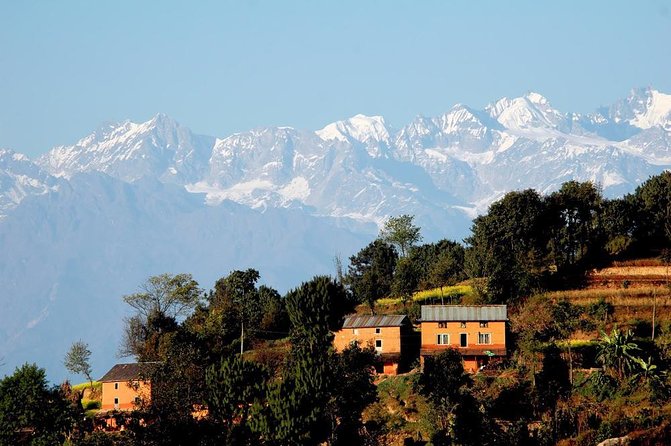
- Sunrise and sunset viewpoints: Nagarkot is timed for both kinds of magic.
- Private trek for just your party: You’re not squeezed into a big group rhythm.
- Bhaktapur Durbar Square on the way back: Temple and city culture wrap up the trip without extra planning.
Why the Chisapani to Nagarkot route is so satisfying
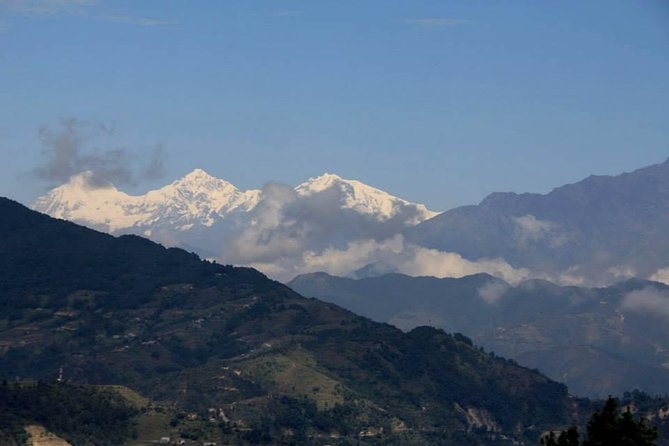
This is one of those Nepal treks that feels like the “best parts, without the slog.” You start with uphill forest walking and end with big-sky viewpoint time at Nagarkot. In between, you pass through villages and terraced fields where you can actually see how people live around the trail.
The altitude jump is noticeable but not extreme on paper: you go from about 2115m at Chisapani to around 2195m at Nagarkot. That helps make the itinerary feel focused and doable for a wide range of visitors, especially if you’re smart about pace and breaks.
You can also read our reviews of more tours and experiences in Kathmandu.
Price and value: what $320 covers on the trail
At $320 per person, this trek isn’t the cheapest option in Nepal. But the value is built in, not added later.
Here’s what you’re paying for that matters in real life:
- Private transport from Kathmandu to the trekking start (and back from the end)
- National park permit
- All meals while hiking (not just breakfast)
- Accommodation at night (lodge on Day 1 and hotel on Day 2)
- An English-speaking guide
- A porter to carry luggage (listed as 1 porter for up to 2 trekkers)
- Sightseeing in Bhaktapur Durbar Square on your return day
What’s not included is also clear: meals in Kathmandu, sightseeing entrance fees, travel insurance, visa fee, and personal extras like drinks and laundry. If you add those up on your own, the trip often looks more fair.
My practical take: if you want a short Himalayan hike with less admin stress—transport, permits, meals, and support handled—this price makes more sense than it sounds at first glance.
Getting there: Kathmandu pickup and the Sundarijal start
You start at 7:45am. After breakfast in Kathmandu, you drive to Sundarijal, where the trek begins. The drive is nearly two hours, plus the overall plan suggests about an hour-ish transfer time depending on your exact pickup.
Why this matters: you’re not burning half a day just to reach the trail. And Sundarijal is a common gateway into the lower foothills, where you ease into hiking instead of going straight to steep altitude work.
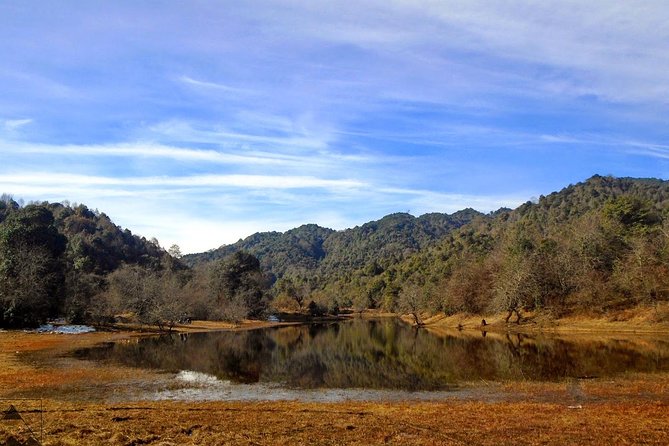
You’ll also enter a pine and oak forest zone during Day 1. That’s more than scenery—it’s your early “warm-up” environment. Cooler air under trees can make the first day feel less punishing, especially if you pace yourself.
Day 1: Sundarijal up to Chisapani’s lodge and panoramic break
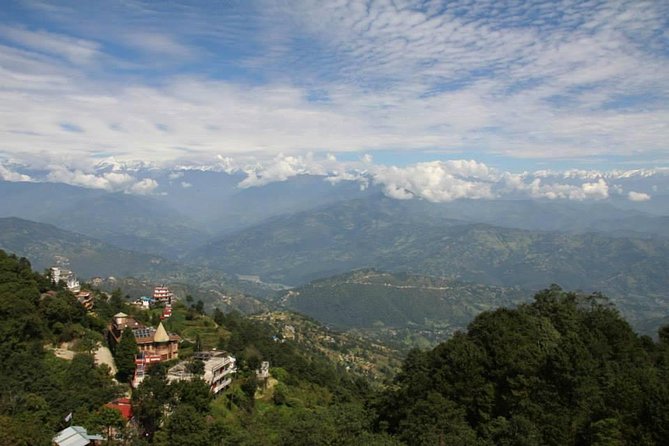
Day 1 is a steady climb into Chisapani (2115m). The walk is described as about 4–5 hours, with an additional note that you’ll start uphill for roughly 5–6 hours before reaching Chisapani. Either way, plan for a full hiking morning and afternoon with gradual elevation.
What you’ll notice on the trail:
- The pine and oak forest feel like a real breath of “away from the city”
- The area is linked to Shivapuri National Park, which is known for bird watching and the chance of seeing wildlife
- The vibe is quiet and natural—this is the day you stop listening for traffic and start listening for birds
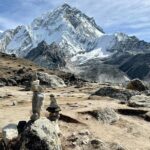
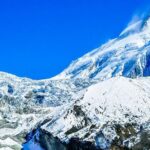
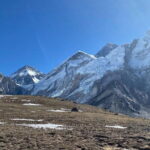
Chisapani is where the view payoff starts. From here, you can expect panoramic Himalayas and valley views, and the route is described as passing through landscapes connected with the Sherpa ethnic group in the area around Chisapani.
Overnight is at a lodge, and your meals are handled (lunch and dinner listed). This is a good structure: Day 1 ends with enough time to settle in without making you rush.
Practical drawback: because Day 1 is mostly uphill, if you start too fast you’ll pay for it tomorrow. Go easy early, take the breaks your guide suggests, and keep your effort smooth rather than heroic.
Day 2: Forest, villages, and the long road to Nagarkot’s views
Day 2 is the heart of the hike: Chisapani to Nagarkot (2195m), about 6–7 hours walking. It starts with an unsealed road through the forest for roughly 2–3 hours. That stretch is often easier than a constant steep trail because the surface feels more forgiving, but it can still feel long.
You’ll hear birds along the way and feel yourself moving deeper into the natural rhythm of the valley. Then you descend toward Jhule and Chauki Bhanjyang. Lunch is scheduled at Chauki Bhanjyang after several hours of walking.
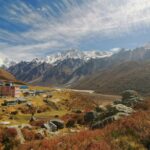
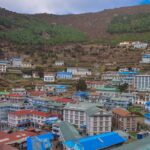
After lunch, the trail continues through villages and terraced fields. This section is where the trek shifts from “scenic walk” into “human landscape.” You’re not just watching mountains—you’re walking through working countryside.
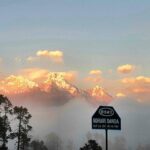
Then comes the climb: the trail ascends toward Nagarkot. The reward is the reason so many people choose Nagarkot—big Himalayan panorama and strong sunset viewing.
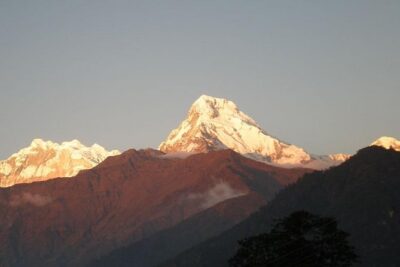
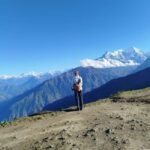
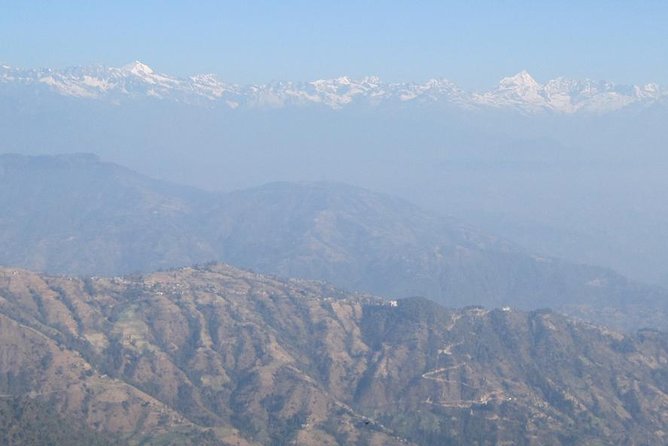
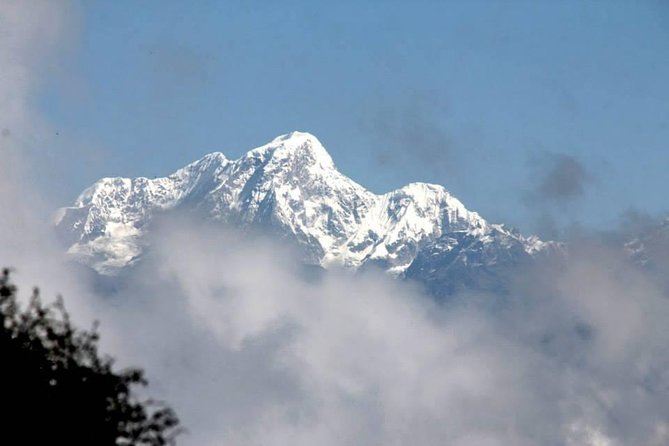
The mountains referenced for visibility include Annapurna, Langtang, and Everest, and the broader description mentions the range stretching roughly from Dhaulagiri in the west to Kanchenjunga in the east. Real talk: your exact view depends on weather, but the spot itself is designed for skyline drama.
You’ll stay overnight at a hotel in Nagarkot, with meals again included (breakfast, lunch, dinner listed).
Day 3: Sunrise at Nagarkot, Chagunarayan temple, then Bhaktapur
Day 3 begins with a plan for sunrise viewing. Nagarkot sits on a hilltop, which is why it’s so valued for morning views. If you want the classic “mountains appear out of darkness” feeling, this is the day to prioritize early wake-up energy.
After breakfast, the hike continues—this day is described as downhill to Telkot, then a small ascent to Chagunarayan Temple. Chagunarayan is described as an old artistic temple and noted as UNESCO-listed in the information provided.
From Chagunarayan, you continue with a cultural stop: Bhaktapur Durbar Square. Then you finish the day with a car back to Kathmandu and drop-off at your hotel.
Why this ending works: it gives your legs a break on the way down, but still keeps you moving on day three. And the temple-and-square combo makes the trek feel like part of a bigger Nepal story, not just three days of hiking and then goodbye.
The real comfort system: guides, porters, and meals
The most praised part across the feedback is not just the scenery—it’s how smooth the trek feels when support is in place.
You’ll have:
- An English-speaking trekking guide
- A porter to carry luggage (not you)
- Meals cooked and provided during the hike
- Overnight lodging at the two stops
Support names you might run into: guides like Ganesh and Bishnu Bhatta have received specific praise in the feedback. Even if your guide is someone else, the consistent theme is the same: people feel well taken care of and safer on the trail.
Meals matter more on a trek than many first-timers expect. When lunch and dinner are already planned, you’re less likely to end up under-fueled or stuck trying to find options along the route. That’s especially helpful on a three-day itinerary where you’re steadily accumulating walking time.
One more detail that helps: this is a private trek for your group. In practice, that means you’re more likely to get a pace that fits you, including if you’re hiking solo or adjusting to altitude and distance.
Pace, elevation, and who this trek suits best
This trek is short, but it isn’t a stroll. You’re looking at:
- Day 1: roughly 4–6 hours walking, with an uphill start into forest
- Day 2: about 6–7 hours walking, with a lunch stop and later ascent to Nagarkot
- Day 3: sunrise plus a hike that includes downhill to Telkot and then an uphill push to Chagunarayan
The good news is the elevation stays in a narrow band: Chisapani at 2115m and Nagarkot at 2195m. That doesn’t make altitude irrelevant, but it helps keep the trek approachable.
Based on the description that most travelers can participate, this is a good option for:
- People who want a taste of Himalayan trekking without committing to a long classic trek
- Solo travelers who appreciate a guide-led route and porter help
- Couples or small groups who want the flexibility and privacy of not being mixed into strangers
Consider it carefully if:
- You have knee issues or find long downhill walking uncomfortable
- You dislike early mornings (sunrise at Nagarkot is part of the plan)
What to pack and how to enjoy it more
The data doesn’t list a gear checklist, so I’ll stick to smart, practical advice that fits the route you’re taking.
You’ll be walking through forest, unsealed road sections, and village paths. That means you want:
- Hiking shoes that can handle uneven ground
- A light layer for mornings, especially with early wake-ups for sunrise
- A rain layer, since cloud cover can also mean damp trail conditions
- Sun protection for the viewpoint time at Nagarkot
For the experience side: treat Nagarkot like your “main event.” The schedule is built around sunset and sunrise, so keep your camera battery charged and your patience for weather realistic. Sometimes mountains show up beautifully; sometimes clouds play hard-to-get.
Also, don’t underestimate the value of pace. A common theme in the feedback is how much guides help people take their time. Even with porter support, you still control how you feel.
Should you book this Chisapani Nagarkot trek?
I think you should book if you want:
- A short Himalayan trek with a clear start and finish
- Support (English-speaking guide + porter)
- All hike meals included, so you’re not hunting food between climbs
- A strong viewpoint hit at Nagarkot (sunset and sunrise)
- A cultural wrap-up with Bhaktapur Durbar Square and Chagunarayan Temple
I’d skip or rethink it if you’re chasing a pure “easy nature walk” with minimal physical effort. Day 2 alone is long enough to feel like a real hike, and day 3 includes an ascent to the temple.
Bottom line: for three days, this is a well-structured mix of hiking, mountain views, and meaningful stops, without the extra logistics that can ruin a short trip. If that matches your travel style, this one is a strong pick.
FAQ
Is the trek private?
Yes. It’s described as a private trek for just you and your party, so you won’t be trekking with unrelated people.
What’s included in the price?
The package includes private transportation from Kathmandu to the trekking starting point and back to Kathmandu, all meals while you are hiking, a national park permit, an English-speaking trekking guide, a porter, and sightseeing at Bhaktapur Durbar Square on the return day.
Are meals included in Kathmandu?
Meals while you’re in Kathmandu are not included. The tour includes meals during the hike.
Do I get a porter and help with luggage?
Yes. A porter is included to help carry luggage, listed as 1 porter for 2 trekkers.
What temple and cultural stop are included on the last day?
On the last day you’ll visit Chagunarayan Temple and also Bhaktapur Durbar Square before driving back to Kathmandu.
Do I need travel insurance or a visa?
Travel insurance is not included. The visa entry fee is also not included, but you can issue the visa upon arrival at Tribhuvan International Airport in Kathmandu.