REVIEW · KATHMANDU
Annapurna Circuit with Tilicho Lake Trek
Book on Viator →Operated by Nepal Social Treks and Expedition · Bookable on Viator
Annapurna with a Tilicho detour is a big altitude story. This small-group trek (max 8) strings together deep river valleys, Tibetan-influenced villages, and high-pass days, with a Jomsom–Pokhara flight built in so you’re not stuck retracing every step. I like that you get accommodation, meals, and permits handled, which makes your brain space free for the trail and the views. One consideration: this is a challenging route, so you’ll want solid fitness and a realistic plan for cold, thin air.
The trip is also built around a guide-led route choice, including a specific Tilicho Lake approach with an easier newer path option. That means less time worrying about navigation and more time adjusting to the rhythm of the Annapurna Range.
In This Review
- Key Highlights You’ll Actually Feel on the Trail
- Why This Annapurna Circuit + Tilicho Lake Plan Works
- Price and Logistics: What Your $1,093.34 Buys (and What It Doesn’t)
- The Guide + Small-Group Setup That Makes a Difference
- Kathmandu to Besisahar: Settling Into Nepal’s Mountain Rhythm
- Stop: Chame (Day 1)
- Pisang, Manang, and the Manang Rest Day: Where Altitude Starts to Ask Questions
- Stop: Pisang (Day 2)
- Stop: Manang (Day 3)
- Stop: Manang (Day 4 Rest Day)
- Khangsar to Tilichol Lake: The Trek Fork That Changes the Whole Feel
- Stop: Khangsar (Day 5)
- Stop: Tilichol Lake (Day 6)
- Stop: Tilichol Lake (Day 7)
- From Yak Kharka to Thorong Phedi: Leaving the Marsyangdi Valley Behind
- Stop: Annapurna Mountain Range / Yak Kharka (Day 8)
- Stop: Thorong Phedi Trail (Day 9)
- Thorong La Toward Muktinath: The Pass-Energy Day
- Stop: Muktinath (Day 10)
- Jomsom and Pokhara: Finishing With the Best Kind of Change
- Stop: Jomsom (Day 11)
- Stop: Pokhara (Day 12)
- Who This Trek Fits Best (and Who Should Think Twice)
- Should You Book This Annapurna Circuit With Tilicho Lake Detour?
- FAQ
- How long is the trek?
- Where does the trip start?
- Is the Jomsom to Pokhara flight included?
- What’s included in the price?
- Are there trekking permits included?
- Do you get porter support?
- What’s the maximum group size?
- What is not included?
- Do I need to arrange a Nepal visa?
- Is airport pickup and drop-off provided?
Key Highlights You’ll Actually Feel on the Trail
- Small group size (max 8) keeps the pace more human and makes logistics smoother.
- Guide-led trekking helps you travel without the worry of getting lost.
- Tilicho Lake route options include a newer, easier trail and an older, tougher one.
- Start early to beat Tilicho winds so weather doesn’t bully your pace.
- Thorong La day structure focuses on steady climbing and deliberate descents.
- Jomsom–Pokhara flight saves a lot of time on the back end.
Why This Annapurna Circuit + Tilicho Lake Plan Works
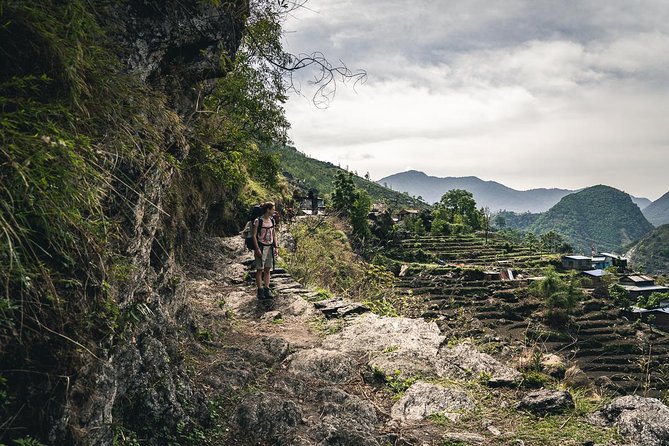
This is not a casual stroll on well-signposted paths. You’re moving through steep valleys, crossing rivers, then stacking altitude day after day, with a rest day in Manang to help you acclimatize. If you like your travel active and your evenings earned, the rhythm fits that mindset.
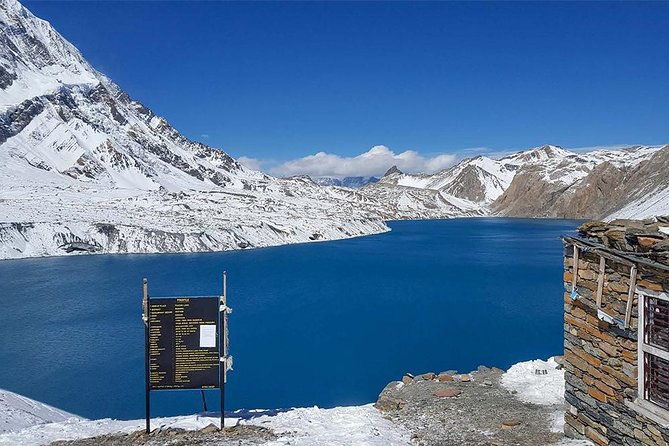
What makes this version feel extra special is the Tilicho Lake detour. Tilicho isn’t just another lake stop. The route up to the Tilichol area runs by a gompa and then splits into two options: an older, harder path and a newer, easier one. That matters because it gives your group a better chance to match the trek to real conditions and real legs.
One more thing I like: the itinerary is organized around guided pacing and local support. You’re not doing this alone, and the plan has first-aid coverage plus a guide who handles day-to-day decisions. You’ll still work hard, but the trip is built to reduce the “what if” stress that can come with high-altitude walking.
You can also read our reviews of more tours and experiences in Kathmandu.
Price and Logistics: What Your $1,093.34 Buys (and What It Doesn’t)
At $1,093.34 per person, this trek isn’t cheap on paper. The value comes from what’s included: guide, permits, meals, teahouse lodging, key transport links, and porter support. A lot of treks on the Annapurna Circuit charge extra once you add permits, a real guide, and the flight piece—so here you’re paying upfront for the big-ticket items.
Here’s what’s covered:
- Accommodation in teahouse/guesthouse during the trek
- Meals: breakfast listed for 13 days, with lunch and dinner listed for 11 days
- Permits: Annapurna Conservation Area Permit and TIMS
- A certified professional guide
- Jomsom–Pokhara flight
- Airport pickup and drop-off as in the itinerary
- Transport by private vehicle
- First aid kit
- Porters: 1 porter for every 2 travelers (for personal gear and group equipment)
- Trekking gear use (sleeping bag and duffel bag, per the trip gear list)
What’s not included is mostly the stuff you can’t bundle neatly:
- Drinks and alcoholic drinks
- Accommodation in Kathmandu
- International flight ticket
- Nepal entry visa fees (you pay directly)
- Medical/travel insurance (not included)
- Emergency coverage via insurance (you’ll need your own)
If you want a simple mental checklist: you’re buying the trek package and support system, not the personal spending budget.
The Guide + Small-Group Setup That Makes a Difference
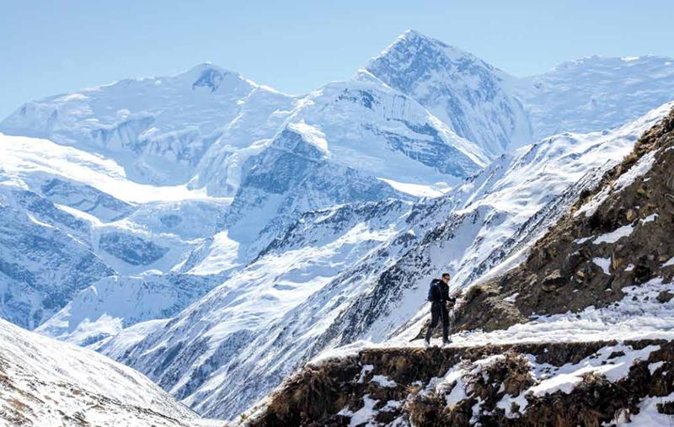
This trek caps at 8 travelers, which is a sweet spot. Big groups slow down decision-making and feel more chaotic on narrow parts of trail. With a smaller team, your guide can adjust pace and spacing without the whole day turning into a traffic jam.
Your guide is a certified professional, and the plan is built around safety through route management. That includes picking times and approaches based on conditions. A clear example is the Tilicho Lake day: starting early helps avoid strong winds that often build later due to the temperature contrast between land and cold air. On a high, exposed route, timing isn’t a detail; it’s comfort and progress.
Also, porter support matters more than people expect. The trip includes porters to carry personal gear plus group equipment. If you travel with a pack that’s usually too heavy, this is where you’ll notice the value fast.
One note from a past trek team example: guide NC Sherpa and porter MisterD Sherpa were specifically credited for professional, kind support and smooth organization. That lines up with what this itinerary is designed to deliver: you’re not only buying a route, you’re buying calmer execution.
Kathmandu to Besisahar: Settling Into Nepal’s Mountain Rhythm
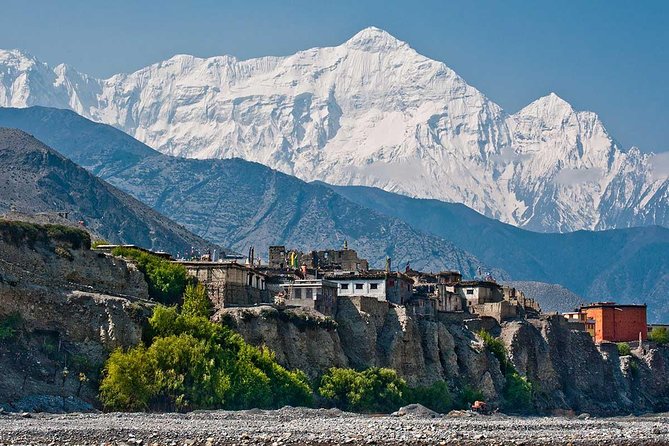
Your day starts with an 8:00 am start time and pickup/transfer plans built into the schedule. The trip begins with a drive from Kathmandu to Besisahar, following the Kathmandu–Pokhara highway corridor through Dumre, then narrowing roads along the Marsayangdi River to reach Besisahar.
This matters because you’re not wasting the first day. You’re setting your baseline early: get to the trek start point, then get moving while your energy is still fresh.
Stop: Chame (Day 1)
Chame is part of the Annapurna Circuit storyline, and reaching it typically means you’re already learning how quickly the trail alternates between effort and view rewards. Expect a full-day push that’s as much about rhythm as it is about distance.
Pisang, Manang, and the Manang Rest Day: Where Altitude Starts to Ask Questions
After Besisahar, you continue toward Pisang through forested sections and a narrow, steep valley. The route includes crossings over bridges at 2,910 meters and 3,040 meters, so you feel the elevation right away.
Stop: Pisang (Day 2)
This day is about getting used to steep trail angles and tight paths in valleys. You’ll likely notice how “breathing harder” becomes “breathing differently,” especially if you push too fast early.
Then you move into the Manang area.
Stop: Manang (Day 3)
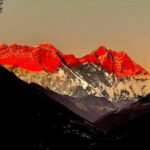
You start ascending on a steep ridge with big sightlines over the Manang Valley, with Tilicho Peak visible in the distance (listed at 7,134 meters). After that ridge, you descend through Humde, near the Manang airstrip at 3,280 meters.
Stop: Manang (Day 4 Rest Day)
The rest day is key. It’s built for altitude adjustment, and it also gives you time to walk around Manang as a village, not just as a waypoint. On a trek like this, the best use of rest day is often simple: short walks, hydration, and not treating the day like a bonus hiking day.
A practical idea: if you tend to get restless, aim for light exploration and let your body do the work of acclimatizing.
Khangsar to Tilichol Lake: The Trek Fork That Changes the Whole Feel
Stop: Khangsar (Day 5)
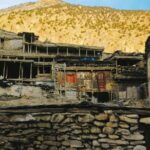
This stage follows the river path and includes a bridge crossing at Khangsar Khola, then an ascent to Khangsar Village. The description emphasizes the Tibetan-style feel of the village. That’s one of the joys of Annapurna: each cluster of villages has its own flavor, and the circuit is basically a moving cultural map.
Stop: Tilichol Lake (Day 6)
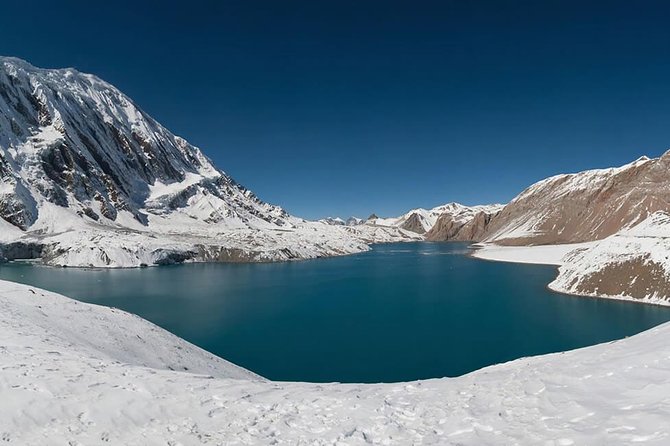
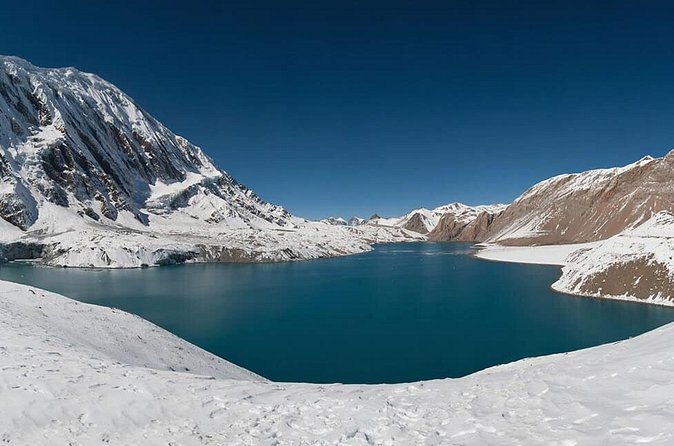
You start by passing a gompa, then head toward a high ridge. Here’s the key detail: there are two routes up—an old, challenging one and a newer, easier option on a newly constructed trail. That choice is the difference between a day that grinds your legs and a day that lets you arrive with enough energy to enjoy the basin and sky.
Stop: Tilichol Lake (Day 7)
This day’s timing advice is unusually specific for a travel plan: begin early to avoid strong winds later. The explanation points to how warm land and cold air mix, which is exactly the kind of mountain-weather logic you want to respect. If you’re used to hiking at midday in home conditions, this is your wake-up call that high altitude follows its own schedule.
Also, the trek here is long on the plan (listed 8–9 hours around base camp to Tilicho area). If you’re prone to “I can do it” overconfidence, this is where you set a steady pace instead.
From Yak Kharka to Thorong Phedi: Leaving the Marsyangdi Valley Behind
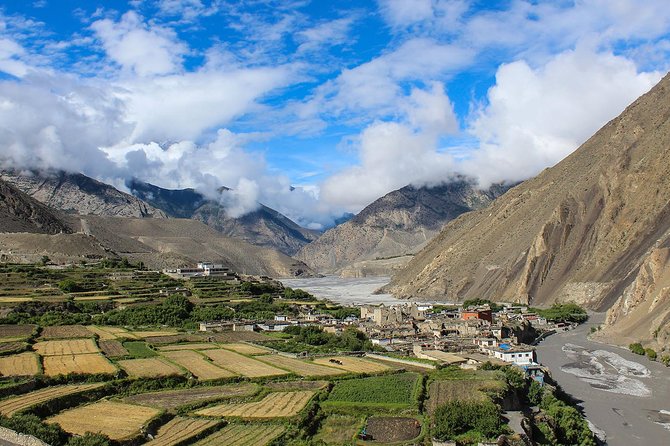
Stop: Annapurna Mountain Range / Yak Kharka (Day 8)
After Tilicho Base Camp, you descend slowly and then climb about 500 meters to reach Yak Kharka. The route also shifts: you leave the Marsyangdi Valley and head toward the Thorong region.
This day is where your body learns the new game: less dramatic elevation spikes than some days, but lots of steady uphill work after a long Tilicho effort.
Stop: Thorong Phedi Trail (Day 9)
You start with breakfast, then climb toward a ridge before descending toward the Kone River. You cross the river by wooden bridge, then continue on a narrow path.
Thorong-side trails tend to feel tighter and more exposed. Even if your distance isn’t the longest, the mental strain can be higher. Slow steps and calm breathing help more than pushing speed.
Thorong La Toward Muktinath: The Pass-Energy Day
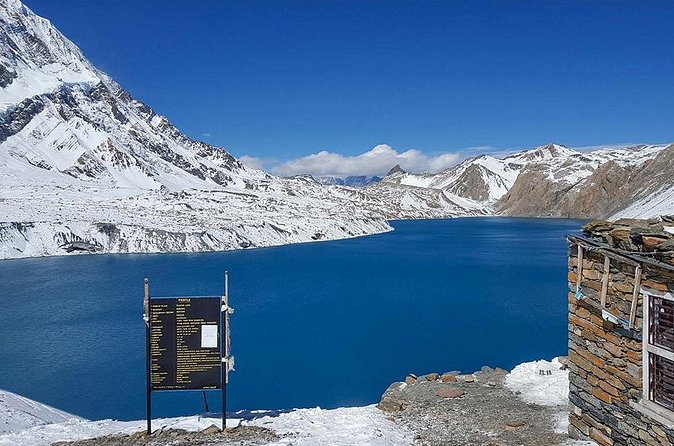
Stop: Muktinath (Day 10)
This is the long trek day toward Muktinath, starting early. You pass through the Thorang La Pass area, and the description flags extreme snow risks in cold conditions.
I can’t overstate how important it is to dress for cold at altitude—even when your legs feel warm. If you run hot, you still need a real cold plan for wind and snow.
The payoff is spiritual and scenic. Muktinath is one of those places where the trail energy feels different: less only about “making it,” more about arriving.
Jomsom and Pokhara: Finishing With the Best Kind of Change
Stop: Jomsom (Day 11)
From the Muktinath side, you trek down along the banks of the Kali Gandaki River. Your route can follow paths toward Jomsom such as Kagbeni or Lupra. Jomsom is described as a picturesque, chilly valley with amenities and as a key market area for the region.
This is a good day to shift from mountain mode to village mode. You’re still trekking, but the environment starts to soften compared with high-pass terrain.
Stop: Pokhara (Day 12)
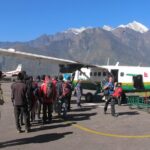
You wake early for a morning flight to Pokhara. Flight days can feel like a cheat code after days of foot travel, but they also come with their own reality: you’ll want a calm breakfast routine and a plan for any timing changes.
Once you arrive, you’re escorted toward a Kathmandu-bound setup. Your schedule lists a tourist coach with about 7 hours of driving back to Kathmandu, with overnight arranged in Kathmandu.
Who This Trek Fits Best (and Who Should Think Twice)
This is best for fit, active travelers. The itinerary clearly calls it a challenging trek, and the sequence (Tilicho + Thorong La region) means long hiking days plus altitude pressure. If you’re comfortable doing steep, sustained walking and you don’t mind cold nights and early starts, you’ll likely thrive here.
If you’re unsure about altitude tolerance, the built-in structure helps: Manang rest day, guide planning, and a route that can shift via the Tilicho trail options. Still, nothing about this is “easy altitude.” Go into it with respect for the thin air and the weather.
Also consider your gear and comfort needs. The trip provides a sleeping bag and duffel bag for use during the trip, which can be a big help if you’re traveling lightly.
Should You Book This Annapurna Circuit With Tilicho Lake Detour?
I’d book it if you want a guided Annapurna Circuit that includes the hard parts (Tilicho and Thorong side) without turning your trip into logistics homework. The strongest reasons are practical: permits, meals, teahouse lodging, porter support, and the Jomsom–Pokhara flight are built in, and the guide-led approach helps you stay calm on tough days.
I’d pause and reassess if you know you struggle with long days in cold and thin air, or if you don’t have a plan for travel insurance and basic cold-weather readiness (those are explicitly not covered). If you can meet the fitness and weather reality, this is a solid “one main trek, lots of payoff” package.
FAQ
How long is the trek?
The trek is listed at about 13 days.
Where does the trip start?
It starts in Kathmandu, with a start time of 8:00 am and airport pickup/drop-off included as described in the itinerary.
Is the Jomsom to Pokhara flight included?
Yes. The itinerary includes a Jomsom–Pokhara flight.
What’s included in the price?
Accommodation in teahouses/guesthouses during the trek, meals (breakfast for 13 days and lunch/dinner for 11 days), trekking permits (Annapurna Conservation Area Permit and TIMS), a certified professional guide, porters, transport, and a first aid kit.
Are there trekking permits included?
Yes. The package includes the Annapurna Conservation Area Permit & TIMS.
Do you get porter support?
Yes. The plan includes porters with a ratio of 1 porter for 2 travelers, carrying personal gear and group equipment.
What’s the maximum group size?
The maximum group size is 8 travelers.
What is not included?
Drinks (including alcoholic drinks), accommodation in Kathmandu, your international flight ticket, and Nepal entry visa fees (paid directly). Travel and medical insurance are also not included.
Do I need to arrange a Nepal visa?
Yes. Nepal entry visa fees are not included and must be paid directly by you.
Is airport pickup and drop-off provided?
Yes. Airport pickup and drop-off are included as mentioned in the itinerary.