REVIEW · KATHMANDU
Everest Base Camp Trek
Book on Viator →Operated by Alliance Adventure Pvt. Ltd · Bookable on Viator
Your body climbs before your eyes do. This Everest Base Camp trek turns that reality into an epic rhythm: Lukla flights, Sherpa villages, and the high-altitude payoff at Kala Patthar sunrise. I especially like how the trip is structured for acclimatization (you’re not just rushing upward) and how the team role matters on the mountain, from Aashish the guide to the helpful porters. One thing to consider: you’ll pay extra for the small comforts you may assume you’ll get—like hot shower/hot water and phone charging—so pack with that in mind.
I also appreciate the human side of the planning. From the moment I’d be in Kathmandu with the welcome dinner and gear prep, to a founder check-in night with Mr. Urja (Alliance Adventure’s organizer), the focus is on keeping you moving and calm, especially when altitude starts squeezing your pace. You get a clear day-by-day flow: Namche for acclimatization, then on to Tengboche area monasteries, and finally the Base Camp push.
If you like a trip where guides manage details like meals and pacing (not just pointing uphill), this fits well. The pace is still your responsibility—you’ll need to walk slowly and take it seriously when the air gets thin around the upper days.
In This Review
- Key highlights you’ll actually feel on this trek
- Kathmandu prep: get your bearings fast, then move
- The Manthali drive and Lukla flight: the start of the real altitude math
- Namche Bazaar acclimatization day: your body gets a practice run
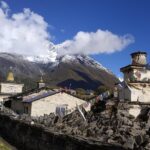
- Tengboche and monasteries: when the trail has soul
- Pangboche, Nangkartshang Peak, and the thin-air lesson
- Gorak Shep to Everest Base Camp: carry your water and energy
- Kala Patthar sunrise and the long walk back toward Lobuche
- Monjo, Namche, and your final celebration with guide and porters
- Lodges and meals: comfortable, but not hotel-comfy
- Aashish and Urja: why the service quality shows up on hard days
- Gear: what you get, what you must bring
- Price and value: what you’re paying for at $1,850
- Should you book this Everest Base Camp trek?
- FAQ
- How many days is the Everest Base Camp trek?
- What’s included in the tour price?
- What isn’t included?
- Do I need trekking permits for this trek?
- Where is the meeting point and when does the trip start?
- Is this a group tour or private?
- Can I change or get a refund if I cancel?
Key highlights you’ll actually feel on this trek
- Kala Patthar sunrise: an early push for views over Everest and the surrounding range
- Thoughtful acclimatization: a full day in Namche Bazaar plus built-in rest time mid-route
- Aashish’s guiding style: patient, encouraging, and focused on slow breathing and steady walking
- Lodges + meals covered: breakfast, lunch, dinner, tea/coffee during the trekking days
- Gear included: warm down jacket, sleeping bag, and trekking poles (plus a waterproof duffel bag)
Kathmandu prep: get your bearings fast, then move
Most Everest Base Camp treks live or die on how smoothly the early days go. Here, you start with arrival at Tribhuvan International Airport and a warm welcome, then get briefed on the trek and time to sort your packing. That matters because Nepal trekking isn’t just about courage. It’s about having the right layers, water plans, and shoe setup before you’re far from help.
You also get 3 nights in Kathmandu with breakfast, plus welcome and farewell Nepali culture dinners. The half-day city tour is a nice reset before the big mountain phase, and the schedule gives you time to buy any missing essentials without panicking.
One detail I like: the trip includes gear basics you’d otherwise spend money on—like a warm down jacket and sleeping bag—so you can pack more efficiently. You’ll still want your own basics (layers, gloves, socks), but this reduces the risk of over-buying.
You can also read our reviews of more tours and experiences in Kathmandu.
The Manthali drive and Lukla flight: the start of the real altitude math
On the second day, after lunch, you drive to Manthali Airport (about a 4-hour drive). The value of this stop is simple: it gets you positioned for the next step into the Everest region without losing a whole day to logistics.
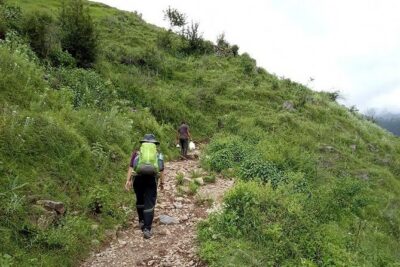
Then comes the big one: an early domestic flight from Kathmandu to Lukla Hillary Airport. Lukla isn’t just a runway—it’s the doorway into Sherpa country. Once you land, your trek begins through Himalayan Sherpa villages with mountain views, then it’s onward to trail days that climb, contour, and occasionally surprise you with suspension bridges and Hilary steps.
Here’s the practical thing: the first hiking day should feel manageable. If you go too hard, you pay for it later. The team approach on this tour pushes steady pacing early, which sets you up for better acclimatization later.
Namche Bazaar acclimatization day: your body gets a practice run
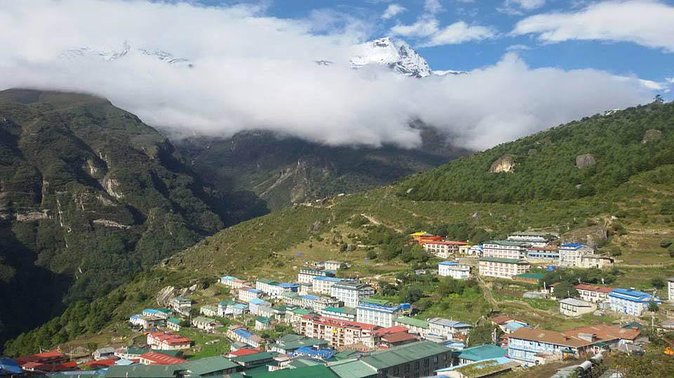
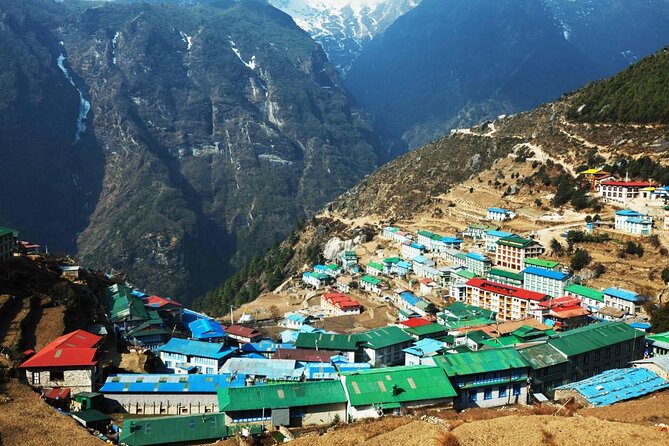
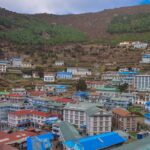
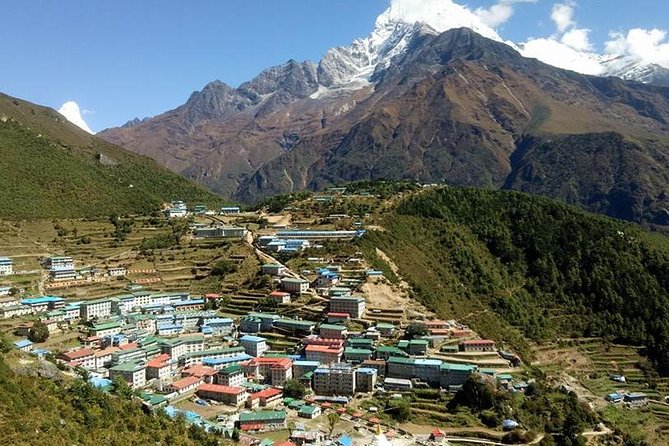
Namche Bazaar is the hinge point for many Everest treks, and this plan treats it like one. After you climb up from the lower valleys—crossing suspension bridges and making your way via Hilary steps—you reach Namche. If the weather is clear, you may catch views of Mount Everest and neighboring peaks, which makes the arrival feel extra rewarding.
Then you spend a day acclimatizing in Namche. This is one of the best decisions you can make on the Everest trail. Altitude gain is not a line you draw on a map; it’s something that hits your lungs and sleep patterns. A rest day gives your body time to adjust while you can still move around.
You’ll also visit the Sagarmatha National Park area and the Everest View Hotel, plus you go to Khumjung Village to see the Hillary school, before returning to your lodge in Namche for recovery. I like this balance: short, meaningful walks during daylight, then back to lodge life where you can hydrate and let your breathing slow down.
Tengboche and monasteries: when the trail has soul
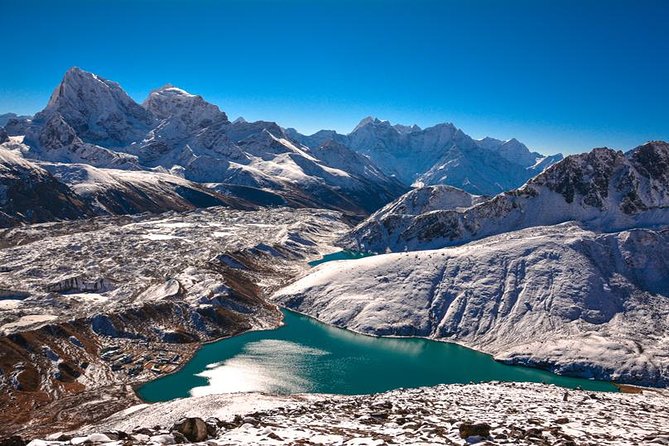
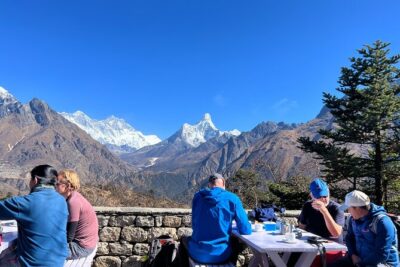
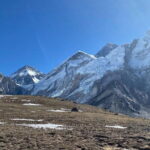
Once you leave Namche, the trek leans into classic Everest-region scenery: mountain passes, river valleys, and big stone-and-sky moments. Your route moves through areas described with views of peaks like Ama Dablam and Thamserku (along with Everest views depending on conditions), then you head toward Tengboche monastery.
Tengboche is special because it breaks the monotony of climbing. It gives you a cultural landmark in the middle of physical strain. And because the walk includes both up-and-down segments, it helps you stay mentally engaged rather than just counting steps.
If you like your days to have structure—walk, stop for views, visit a site, eat, sleep—this part delivers. Plus, having the guide help with timing keeps you from wandering too long in cold or windy periods. When the weather changes quickly, that pacing control is more than convenience. It’s safety.
Pangboche, Nangkartshang Peak, and the thin-air lesson
Higher up, the trek gets quieter and harder in a way that has nothing to do with scenery. It’s about breath. The route includes a day passing through older villages like Pangboche, and then a hike to Nangkartshang Peak. That peak hike is not just for photos. It’s training for how your body handles effort above the point where comfort disappears.
Then comes the day you really learn the mountain’s rules. You’re moving into much thinner air, and the plan specifically emphasizes going slowly, breathing longer, staying warm, and drinking more hot water. The guidance also includes honey-ginger, which you’ll likely appreciate as a comfort ritual when you feel the cold in the upper elevations.
I like that the instructions are practical rather than vague. When you know you need to move slower, keep warm, and fuel with warm fluids, your trekking day becomes more predictable. You may still struggle, but at least you understand what’s happening and what to do about it.
Gorak Shep to Everest Base Camp: carry your water and energy
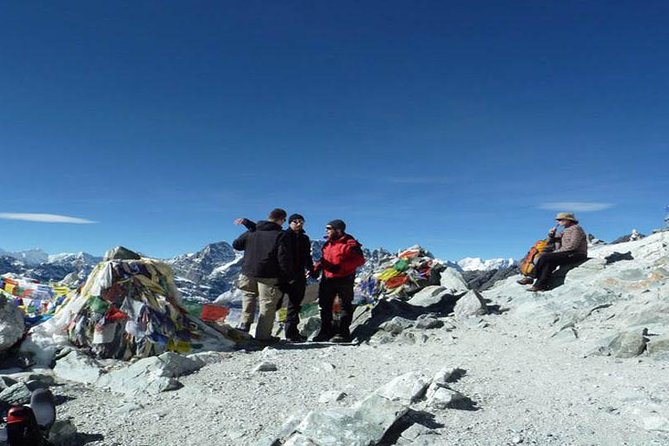
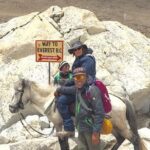
The push to Everest Base Camp is the emotional peak of the trek, but the logistics are the part that can trip you up. The plan notes that from Gorak-Shep to Everest Base Camp, there aren’t tea shops along the way. Translation: if you come unprepared, you’ll feel it fast.
So you’ll want to carry enough drinking water and some energy snacks like energy bars. The tour covers meals and drinks in the lodge system on the trekking days, but you’ll still need to manage your personal fuel during this leg.
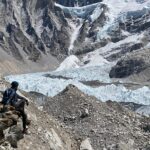
Once you check in and grab a quick lunch at Gorak-Shep, it’s onward to Base Camp. This is where the big-mountain feelings hit: scale, silence, and a sense that you’re near something larger than your own effort. Whether you feel overwhelmed with awe or more focused and determined, Base Camp is the moment your trek becomes more than a route.
And after you’ve tasted that moment, you’ll understand why the earlier acclimatization days were not wasted time.
Kala Patthar sunrise and the long walk back toward Lobuche
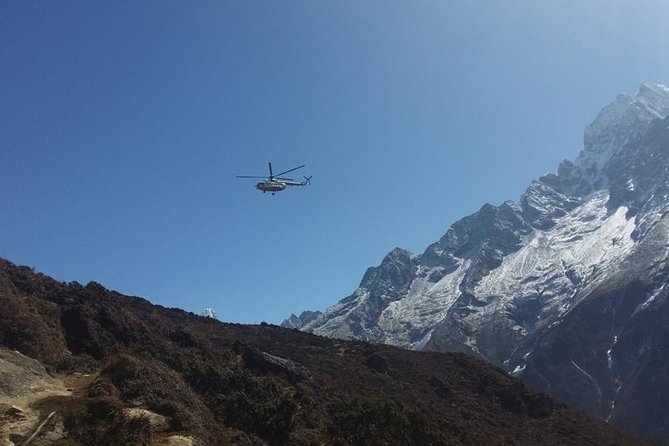
If Everest Base Camp is the destination, Kala Patthar is the highlight. The plan includes an early morning hike to catch sunrise over Kala Patthar, then you trek back toward Lobuche.
This is a tough but worthwhile rhythm: early start, cold air, steep effort, and then the view reward that makes the timing feel justified. Sunrise mornings in the Everest region can be brutally cold, so dressing right matters. The tour provides a warm down jacket and sleeping bag, but you still need your own hat, gloves, and warm layers to handle the pre-dawn chill.
On the way back, you’ll continue through the upper trail network. There’s also time to revisit monasteries on a later day, including a stop near one of the biggest Buddhist monasteries in the Solu Khumbu area. That mix of spiritual landmarks and physical recovery helps the return days feel less like a victory lap and more like a steady descent.
Monjo, Namche, and your final celebration with guide and porters
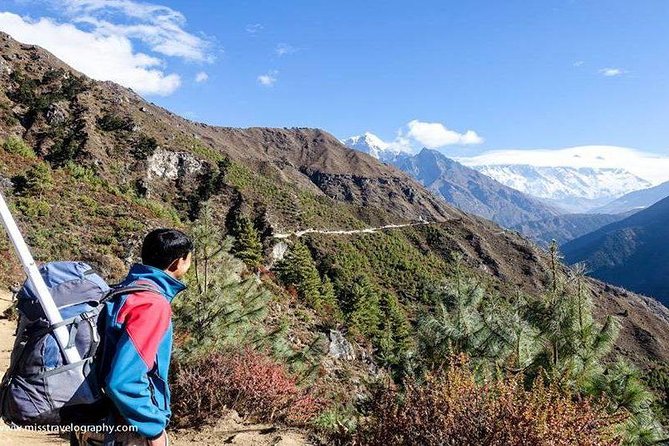
As you head downward, the days start to feel longer in a different way. Legs may be tired even as altitude pressure eases. The plan brings you back through Namche Bazaar and onward down to Monjo, with a stop that includes a chance to visit and pray at a monastery before continuing the walk.
By the final trekking day in the Everest region, you’ve earned a different kind of energy. The plan sets aside time for last steps and a celebration with your guide and potter. That’s the part I think about when I judge how “real” a guided trek feels. You want that sense of closure, because the mountain experience doesn’t just end when you reach a sign. It ends when you re-enter normal life with gratitude.
Then you shift back to transport: a short flight to Manthali Airport, about a 4-hour drive back to Kathmandu, a rest day, and a final day that includes exploring a heritage site plus a farewell dinner.
Lodges and meals: comfortable, but not hotel-comfy
This trek runs on lodges. That’s part of the adventure, and it’s also why the package matters. In this plan, you get comfortable lodge stays plus breakfast, lunch, dinner, and tea/coffee along the trekking days. That removes a lot of day-to-day guessing.
But you should understand what you won’t get. The trip does not include cold drinks, mineral water, hot shower, hot water, battery charging, phone calls, laundry, or bar bills. These items are often available, but they’re not part of the included package. If you assume you’ll be able to charge your phone whenever you want or wash with hot water every day, you’ll feel it in your budget and mood.
A smart move is planning for minimal tech use and using what you bring: a flashlight (with spare batteries), sun protection, and basic hygiene discipline. The sun in high altitude can be intense, so lip balm, sunscreen, and sunglasses aren’t optional-feeling.
Aashish and Urja: why the service quality shows up on hard days
The most praised part here isn’t the mountains—it’s how the team handles the mountain. In the trip’s feedback, Aashish is repeatedly described as patient and encouraging, especially with the message to go slow. That matters because on Everest treks, “slow” is not a suggestion. It’s how you reduce altitude stress and keep your body working.
Another detail that shows up in praise: meal time handling. When a guide and porter team manages the practical side—so you’re not juggling logistics with low oxygen—it lets you focus on walking and resting.
The organizer Mr. Urja is also singled out for making the process feel taken care of, from landing in Kathmandu to meeting the team later. That kind of continuity matters for trust, especially if you’re new to Nepal trekking.
I’d call this a service style that aims to make you feel supported without taking away the sense of achievement. You still do the work. The team helps you do it safely and sanely.
Gear: what you get, what you must bring
The package includes some key cold-weather gear: a warm down jacket, a sleeping bag, and walking poles after your trek return to the company (so you aren’t left carrying everything home). You also get a trekking duffel bag (waterproof) and a T-shirt.
Still, you should pack your own essentials based on the tour’s guidance:
- gloves and a hat or cap
- sunglasses and sun block for high-altitude sun
- comfortable trekking shoes and warm socks
- thermal undergarments for cold nights (or at least warm night layers)
- a flashlight plus spare batteries
Comfort clothing also matters. You’ll want loose layers you can move in and that dry with ease. If you’re someone who hates cold mornings, lean into windproof outer layers and warm down insulation.
One more practical point: you’ll need passport copy and a passport-size photo for trekking permit and TIMS cards, and you should provide your flight details and airline name for coordination.
Price and value: what you’re paying for at $1,850
At $1,850 per person for a roughly 16-day private trek, you’re not just paying for beds and views. You’re paying for the entire system that makes Everest feel doable: transport, lodge management, guides and porters, permits, medical kit coverage for the trek, and cold-weather gear support.
What makes the value feel real is the combination:
- Permits and TIMS are included
- Meals (breakfast/lunch/dinner plus tea/coffee) are covered during trekking days
- Guide and porter support are built in, with insurance for them during the trek
- Kathmandu lodging and culture dinners are included, so you’re not left scrambling on arrival
Of course, you’ll still have personal expenses: tips, phone use, hot drinks if you stray from included routine, charging, and the stuff you choose to buy. Also note: altitude sickness insurance for you is not included, so check your own coverage and consider adding a policy that fits high-altitude trekking plans.
If you want a clean, guided experience where most of the logistics are handled, this price is easier to justify.
Should you book this Everest Base Camp trek?
Book it if you want:
- a structured acclimatization plan with a full Namche day
- a guide team that emphasizes slow trekking, warm-up habits, and steady pacing (and yes, that matters a lot on the upper days)
- the convenience of included lodge meals and trekking permits
- a service approach that feels attentive, not chaotic
Skip or compare other options if:
- you rely on frequent hot showers, charging, and frequent add-on services (those aren’t included)
- you want a more independent trek style without much guidance support
- you don’t have a plan for altitude-risk coverage beyond the included items
This isn’t a stunt. It’s a disciplined, well-run Everest Base Camp trek that gives you the famous moments—especially Kala Patthar sunrise—with the everyday support that keeps the whole thing from turning into a stress test.
FAQ
How many days is the Everest Base Camp trek?
The trek runs about 16 days (approx.), starting with arrival and Kathmandu days, then flying to Lukla and trekking through the Everest region, with return flights and driving back to Kathmandu.
What’s included in the tour price?
It includes arrival-to-departure transportation, 3 nights in Kathmandu hotel with breakfast, welcome and farewell culture dinners, comfortable lodge meals (breakfast/lunch/dinner plus tea/coffee), guide and porter support, trekking permits and TIMS cards, a medical kit bag during the trek, and certain trekking gear like a warm down jacket, sleeping bag, and walking pole.
What isn’t included?
Not included items are cold drinks, mineral water, hot shower/hot water, battery charging, phone calls, laundry, bar bills, tips for guide and potters, and altitude sickness insurance for the traveler. Kathmandu lunch and dinner, and sightseeing entrance fees are also not included.
Do I need trekking permits for this trek?
Yes. Trekking permit and TIMS cards are part of the trek, and the permit process requires your passport copy and a passport-size photo.
Where is the meeting point and when does the trip start?
The meeting point is in Kathmandu Valley (Bagmati Zone, Central Region), and the start time is 6:00 am.
Is this a group tour or private?
This is a private tour/activity, meaning only your group will participate.
Can I change or get a refund if I cancel?
The experience is non-refundable and cannot be changed for any reason. If you cancel or request an amendment, the amount you paid is not refunded.