REVIEW · MINCA
Trekking History and Indigenous Heritage in Minca + Cacao & Coffee + Waterfall
Book on GetYourGuide →Operated by Macondo Project Tourism · Bookable on GetYourGuide
One sweaty jungle walk can teach more than a whole day of reading. This Minca trek pairs historic trails with cacao-and-coffee heritage, then ends at a natural waterfall. I love how it’s guided by locals who connect the Tayrona legacy to what you see on the path, and I like the farm visit where you get context for coffee and cacao beyond just tasting. One thing to consider: it’s a medium hike and it runs rain or shine, so come ready for mud, sun, and a bit of scrambling.
You’ll meet at Minca’s Central Park (by the central chapel) and spend about 4.5 hours moving through the area, with time to talk with an Arhuaco family and learn their relationship with the land. I also appreciate the built-in respect piece: you’re expected to follow the indigenous community’s guidance while you’re there. If you’re expecting an easy stroll with no sweat, this probably isn’t it.
In This Review
- Key highlights that make this tour worth your time
- Where this trek actually takes you: Minca’s indigenous roots and jungle pace
- The meeting point and timing: start in Minca Central Park, finish where you began
- Stop 1: Parque de Minca—getting oriented before the historic trail begins
- The hike itself: historic trails tied to Tayrona legacy and living knowledge
- What to watch for on the trail
- Stop 2: Cabanas Bosque Cacao—Arhuaco coffee and cacao, plus a tasting you’ll actually remember
- If you’re lucky with your guide, this part gets even better
- The farm is also a chance for respectful conversation
- Relaxing at the waterfall: the cooling reset and the reason to pack a swimsuit
- What’s included (and what isn’t) so you can budget like a grown-up
- Price value: why $41 can make sense here
- Difficulty and who it fits (and who should skip it)
- Practical packing checklist so you don’t end up buying stuff mid-hike
- Small rules that matter more than they seem
- Should you book this Minca trek with cacao, coffee, and a waterfall?
- FAQ
- How long is the trekking experience?
- Where do I meet the guide?
- What languages are available?
- Is this hike easy?
- Do I need a swimsuit?
- Is food included?
- Is transportation included from Santa Marta to Minca?
- What’s the price?
- Is it okay if it rains?
- What age limits apply?
- Is it accessible for wheelchair users?
Key highlights that make this tour worth your time
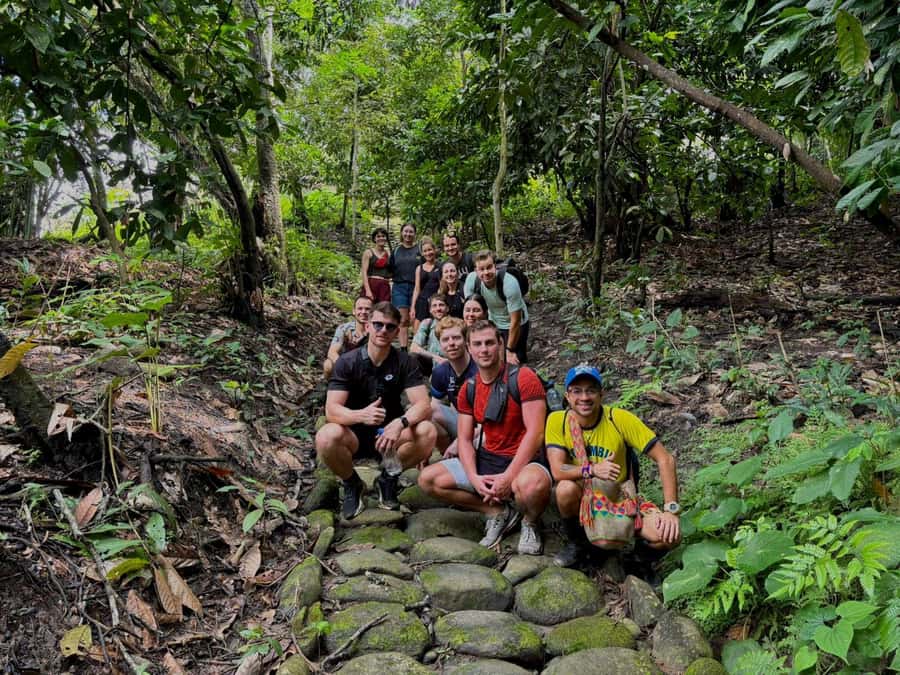
- Tayrona-era heritage on real trails: the route reflects indigenous history tied to the region
- An Arhuaco cacao and coffee farm visit: learn cultivation and transformation, not just “coffee talk”
- A real tasting moment: you try cacao and coffee as part of the story
- You meet people, not just places: time to talk with community members about tradition and change
- A waterfall reset: bring a swimsuit since water may be partway during the hike
- Bilingual guidance: English and Spanish are available with a guide specialized in indigenous history
Where this trek actually takes you: Minca’s indigenous roots and jungle pace
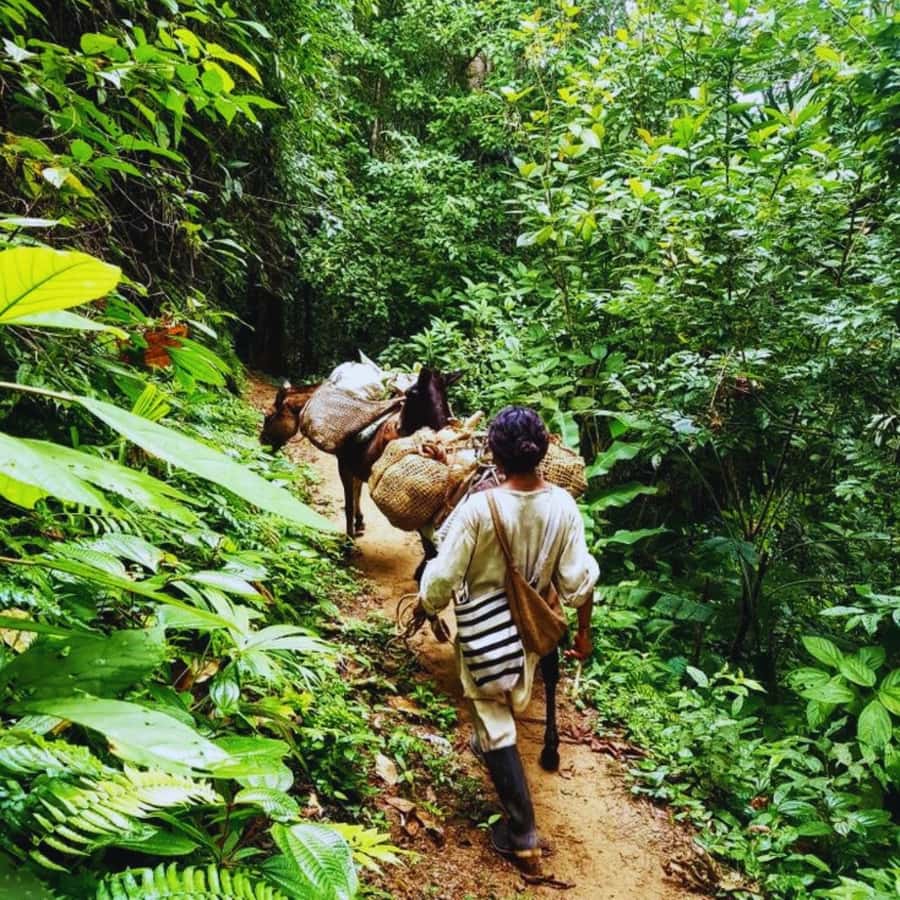
Minca is one of those places where you can hike for hours and still feel like you’re learning the local “why” behind everything. This experience is designed for that. The trail follows historic routes that connect to the legacy of the Tayrona, and you’ll hear how communities linked to the region—Kogui, Wiwa, Arhuacos, and Kankuamos—maintained knowledge through generations.
What I like about framing it this way is that it gives you a reason to look up and pay attention. You’re not just walking through green. You’re learning how people traditionally read the land: what grows, why it matters, and how daily life connects to ancestral practices.
The pace is listed as medium. That usually means you’ll feel it in your legs, especially if you aren’t used to uneven ground. You don’t need to be an athlete, but you do want comfortable shoes, good balance, and patience on steep sections.
You can also read our reviews of more tours and experiences in Minca.
The meeting point and timing: start in Minca Central Park, finish where you began
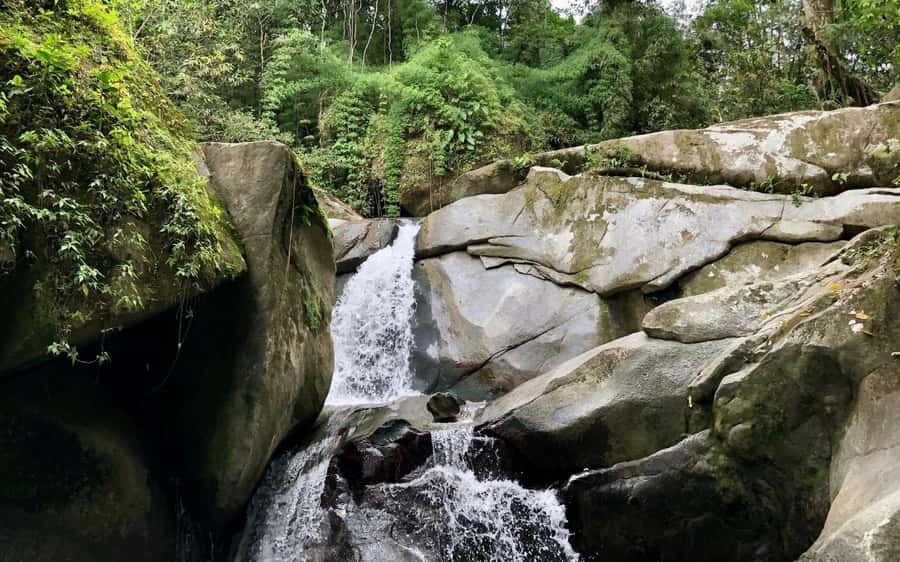
You’ll meet your guide at Minca’s Central Park, at the central chapel, and you end back at the same spot. That matters more than it sounds. When a tour loops cleanly back, you don’t have to worry about finding a ride or recalculating where you’ll be at the end of your day.
Duration is about 4.5 hours (the total is roughly 4 to 5 hours). That’s a sweet spot in Minca: long enough to feel like you left the village, but not so long that you lose your whole afternoon. It also makes it easier to plan around other activities in Santa Marta or nearby.
Your guide is bilingual (English and Spanish). In practice, this is huge if you care about meaning, not just facts. You’ll get explanations of the farms and the indigenous worldview, and it’s far easier to ask follow-up questions when language isn’t a barrier.
Stop 1: Parque de Minca—getting oriented before the historic trail begins
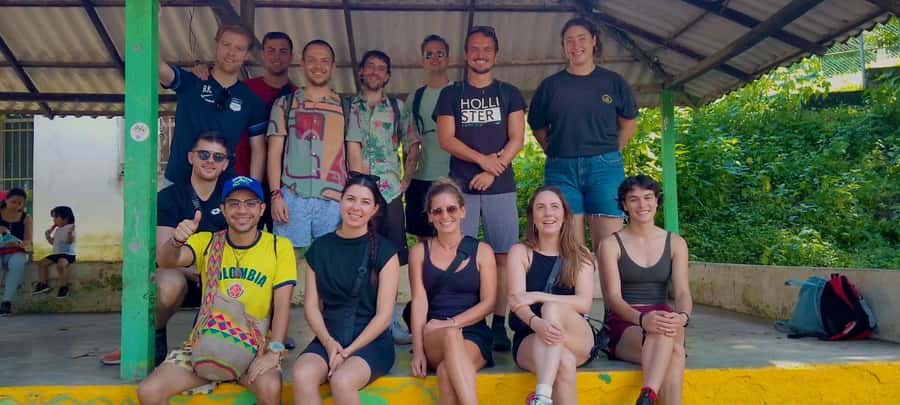
Starting at Parque de Minca is practical. You’re not rushing from the outskirts to find the right entrance. You start in the center, right by the central chapel, then you move out into the paths and vegetation that make Minca famous.
This first stretch is usually where you’ll get your “how to walk this area” briefing: what the trail is like, what to expect from the terrain, and what you’ll learn along the way. When a guide is strong here, you feel confident from the first 10 minutes instead of guessing the rest of the hike.
Also, since the tour is tied to indigenous heritage, the start sets the tone for cultural respect. You’re not treated like you’re just collecting scenery; you’re being guided to understand what you’re seeing and how to behave appropriately.
The hike itself: historic trails tied to Tayrona legacy and living knowledge
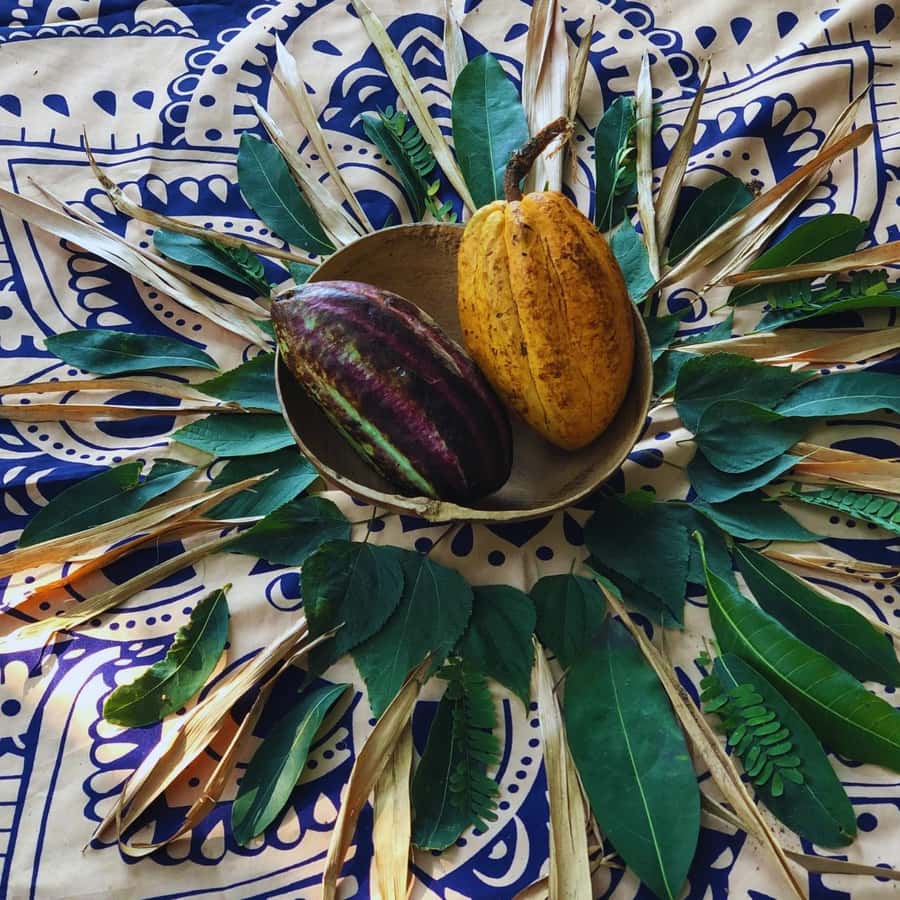
The main action happens on the trail. You follow nature trails with Tayrona heritage, and the experience focuses on how the local ecosystems interact with traditional practices. Expect stops or slowdowns for context—what native vegetation suggests, how different species relate to how communities lived, and why ancestral knowledge is still relevant today.
You’ll learn about:
- How descendants of Tayrona-related communities (Kogui, Wiwa, Arhuacos, Kankuamos) kept connections to nature
- How traditional knowledge survives sociocultural changes
- How the ecosystem and daily practices affect one another
One helpful detail: the tour is built around context, not just cardio. That means you’ll walk, but you’ll also get meaning. If you like experiences where you can point and ask questions, this one fits.
What to watch for on the trail
Rain or shine is part of the deal, except in extreme conditions. So:
- Sun can hit hard, even in the jungle—pack sunscreen and a sun hat.
- If it’s been raining, expect slippery sections.
- Be ready for insects. Bring biodegradable repellent if you have it.
Stop 2: Cabanas Bosque Cacao—Arhuaco coffee and cacao, plus a tasting you’ll actually remember
This is where the tour turns from walking-and-listening into something you can taste and see. You visit a cacao and coffee farm managed by an Arhuaco family, and you’ll learn their approach to cultivation and transformation of both products.
What makes this stop more valuable than a standard coffee tour is the worldview angle. You don’t just hear “how coffee is processed.” You hear how cacao and coffee fit into the indigenous way of understanding land, value, and tradition.
You’ll typically cover:
- How cultivation works on the farm
- How cacao and coffee are transformed (not just grown)
- How these products are used within an indigenous worldview
- Time to talk with members of the Arhuaco community
And yes, there’s also traditional cacao and coffee tasting. That tasting is the reward for all the context you’ve collected on the walk. It helps you remember the flavors, but it also helps you remember the story behind them.
If you’re lucky with your guide, this part gets even better
In real-world operation, the tour can be led by bilingual guides who know how to keep things clear and fun. Some named examples include Jorge, Andres, and Santiago. The common thread is strong local knowledge and the ability to explain things clearly (including for English speakers). When a guide is good, you’ll leave understanding not only what you ate, but why people here care about it.
The farm is also a chance for respectful conversation
You’re given time to talk with community members, which is what turns the visit from “tour mode” into “human conversation mode.” Just keep it respectful. You’re in their territory, learning from them, not watching a performance.
Relaxing at the waterfall: the cooling reset and the reason to pack a swimsuit
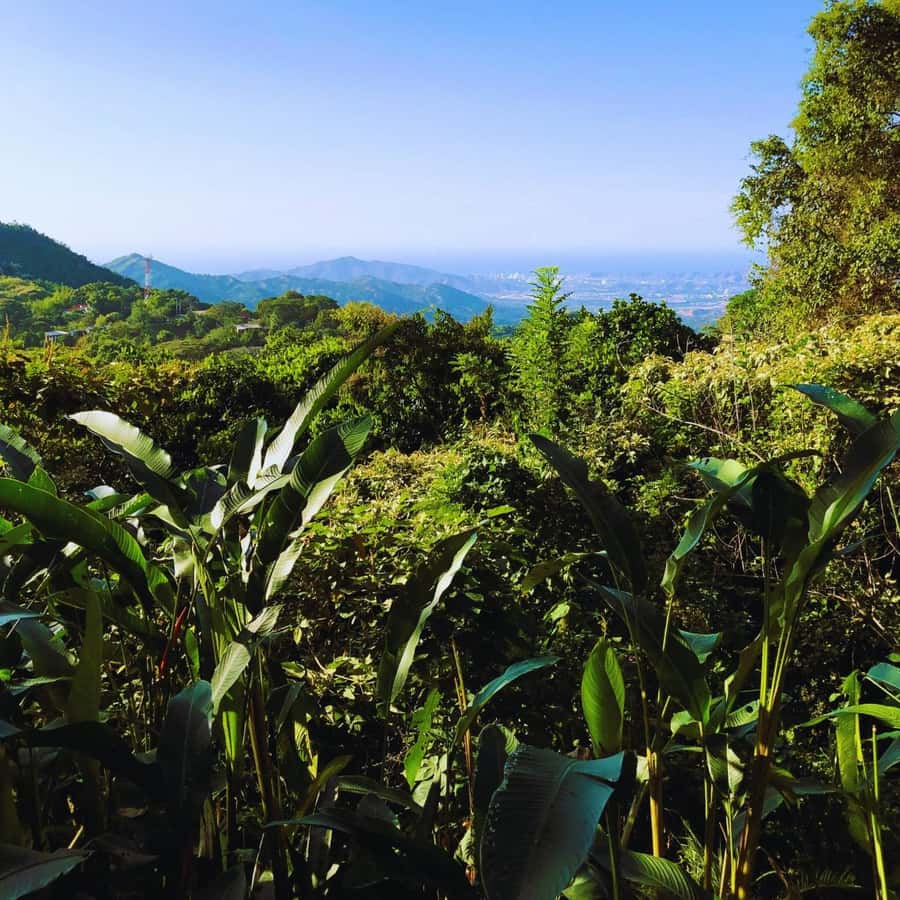
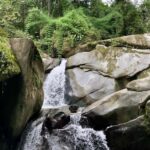
The tour ends with time to relax at a natural waterfall. The experience also warns you that you might find a waterfall along the way, so packing a swimsuit is smart rather than optional.
This is the practical payoff for the hike:
- You cool down fast after moving through warm jungle air
- You get a scenic break without needing another bus or activity
- You can simply sit, rinse off, and let the rest of your Minca day feel easier
If you hate getting cold, don’t force it. You can just enjoy the setting and the break. If you do bring a swimsuit, you’ll have more flexibility.
What’s included (and what isn’t) so you can budget like a grown-up
Included:
- A local guide specialized in indigenous history and culture
- Guided hike along nature trails with Tayrona heritage
- Visit to an indigenous coffee and cacao farm (Arhuaco family)
- Explanation of cultivation and indigenous worldview
- Traditional cacao and coffee tasting
- Time to talk with members of the Arhuaco community
- Access to a natural waterfall to relax
- Direct contribution to indigenous community projects
- Assistance insurance during the activity
Not included:
- Food and beverages
- Transportation
Price value: why $41 can make sense here
At $41 per person for about 4.5 hours, this isn’t just a hike with a photo stop. You’re paying for:
- A bilingual guide with indigenous-history focus
- A farm visit with tasting
- Direct community project support
If you tried to DIY the same day—transport to a farm, a guide who can explain the indigenous context, plus a structured trail—it would likely cost more in time and money. For many people in Minca, this is a cost-effective way to get meaning, not just motion.
The only budget warning is simple: plan for snacks or lunch on your own. This tour doesn’t include food.
Difficulty and who it fits (and who should skip it)
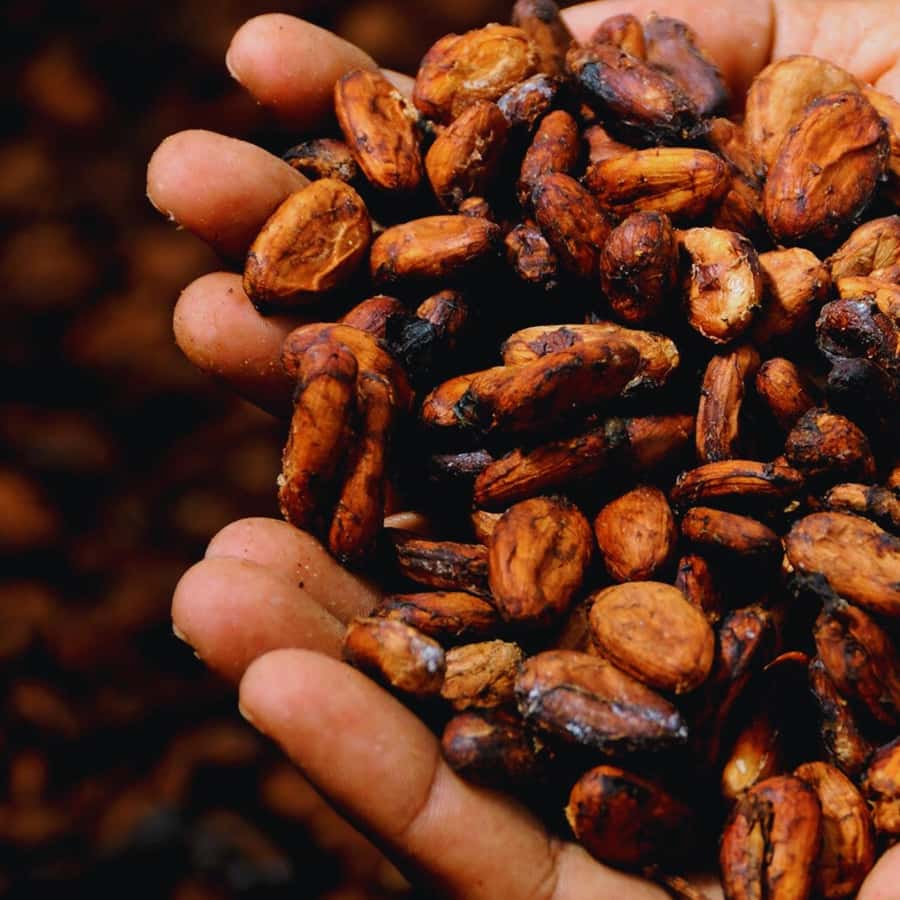
The difficulty level is medium, and the guidance says good physical condition is recommended. That points to people who can handle uneven ground, steep sections, and a few hours outdoors.
Not suitable for:
- Wheelchair users
- Children under 12
- People over 95 years
It’s also not a good match if you want a totally effortless day. If you’re walking comfortably now and you don’t mind hiking pants and closed-toe shoes, you’ll likely enjoy it.
It’s also a strong fit if you care about:
- Indigenous heritage with real context
- Biodiversity and how ecosystems connect to traditional practices
- Coffee and cacao that comes with a story
- A day that mixes culture with nature
Practical packing checklist so you don’t end up buying stuff mid-hike
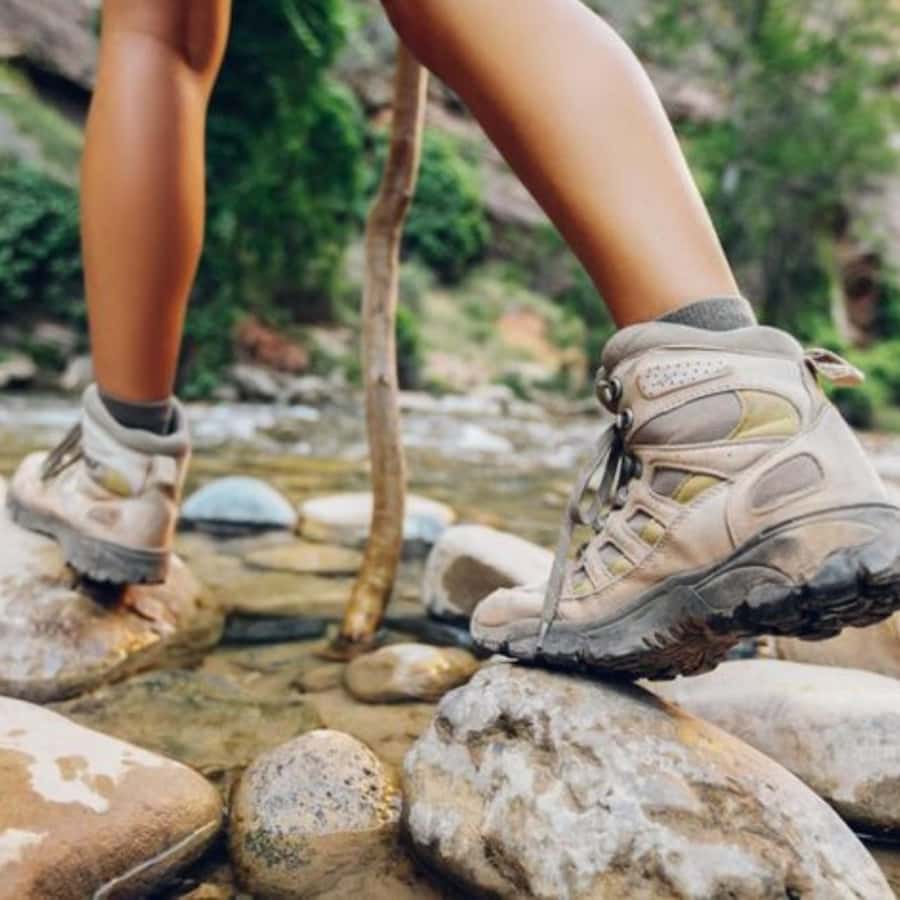
Bring:
- Comfortable shoes (and ideally proper hiking footwear)
- Sun hat
- Sunscreen + biodegradable sunscreen
- Swimsuit
- Reusable water bottle
- Biodegradable insect repellent
- Hiking pants
- Trekking gear you already use
Quick note: the tour specifies biodegradable products, which is a good sign that they care about minimizing environmental impact. If you don’t have biodegradable options, try to get them before you go if you can.
Small rules that matter more than they seem
There are clear “no” items: weapons/sharp objects, intoxication/alcohol/drugs, and littering or nudity. That’s less about being strict and more about keeping everyone safe and respectful in a community setting.
The big one for the vibe of the day: cultural respect. Follow the indigenous community’s instructions. If they ask you to pause, look, or refrain from something, go with it. That’s part of how the experience stays meaningful.
Should you book this Minca trek with cacao, coffee, and a waterfall?
I’d book it if you want a day in Minca that actually explains what you’re seeing—Tayrona heritage on the trails, plus an Arhuaco family farm where cacao and coffee are tied to worldview, not just production. The waterfall payoff also makes it feel complete, like you earned the cool-down.
I wouldn’t book it if you:
- Want a short, easy walk with no sweat
- Hate rain-or-shine outdoor plans
- Don’t want to plan around a swimsuit and bug/sun protection
If you’re in the middle—curious, decent walking ability, and you enjoy guided context—this is a high-value way to experience Minca beyond the usual viewpoint loop.
FAQ
How long is the trekking experience?
It runs about 4.5 hours (total time is approximately 4–5 hours).
Where do I meet the guide?
You meet your guide at Minca’s Central Park, at the central chapel.
What languages are available?
The guide offers English and Spanish.
Is this hike easy?
It’s listed as medium difficulty, and good physical condition is recommended.
Do I need a swimsuit?
Yes, it’s a good idea. The tour may include a waterfall along the way, and you’ll also relax at a natural waterfall.
Is food included?
No. Food and beverages are not included.
Is transportation included from Santa Marta to Minca?
Transportation isn’t included. The provider can share contact information for a private driver if you need help.
What’s the price?
The price is $41 per person.
Is it okay if it rains?
The activity happens rain or shine, except in extreme weather conditions.
What age limits apply?
It’s not suitable for children under 12 years old.
Is it accessible for wheelchair users?
No, it isn’t suitable for wheelchair users.