REVIEW · MARRAKECH
3-Day Marrakech to Merzouga Desert Experience and Camel Trekking
Book on Viator →Operated by Marrakech Activities Expert · Bookable on Viator
It starts with a mountain climb and ends under Sahara stars. This 3-day Marrakesh to Merzouga trip strings together High Atlas Pass views and the golden dunes with real Berber culture along the way. You’ll move by air-conditioned minibus, then switch to camels for the desert part.
I especially love the camel trekking at sunset and sunrise (one camel per person), because it turns the desert into a moving, changing scene—not just a photo stop. I also like that you get real human contact in the middle of the trip: a local guide in Tinghir plus time for a women’s handicraft cooperative and a Berber family shop where you can try on traditional clothing and take pictures.
The main thing to consider is the pace. This is a long-drive experience across Morocco, and lunches plus drinks are not included, so you’ll want to budget and plan for a big day on Day 3.
In This Review
- Key points to know before you go
- Marrakech to Merzouga in 3 days: the pacing that makes it work
- Tizi n Tichka Pass: the drive that sets expectations
- Ait Ben Haddou and the Thousand Kasbahs Road: UNESCO plus film-fan energy
- Tinghir’s local guide day: daily life, not just viewpoints
- Todra Gorge and Melaab: rock walls, then hands-on culture
- Merzouga desert camp: sunset, sand boarding, and the starry hour
- The camel ride return and Day 3’s long drive back to Marrakech
- Price and logistics: what $129.58 covers, and what you should budget for
- Guides and drivers: why English/French support matters
- Who should book this, and who might want a different style of trip
- Practical tips that make the desert part feel smooth
- Should you book this 3-day Marrakech to Merzouga desert experience?
- FAQ
- How long is the Marrakech to Merzouga experience?
- What does the tour cost?
- Is pickup offered, and do I get a mobile ticket?
- What meals are included, and are lunches provided?
- Are camel rides included, and when do they happen?
- Is sand boarding included?
- Is Ait Ben Haddou guided, and is there an extra cost?
- Can I cancel and get a full refund?
Key points to know before you go
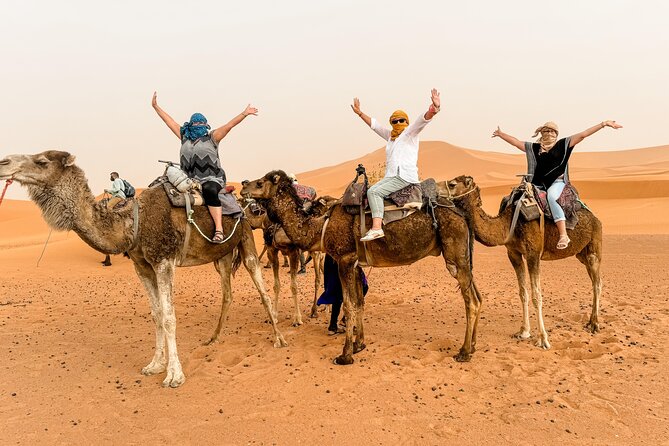
- Sunset and sunrise camel rides with one camel per person, plus sand boarding for fun in the dunes
- Tinghir with a local guide (Jewish quarter, historic sections, and a women’s handicraft cooperative)
- Ait Ben Haddou stop at UNESCO ksar, with an optional paid guided tour at extra cost
- Desert camp night in a traditional Berber camp with shower time, dinner, and campfire music and dancing
- English/French-speaking driver in an air-conditioned minibus, with fuel included
- What costs extra: lunches (about 12 euros), drinks, tips, and optional guides
Marrakech to Merzouga in 3 days: the pacing that makes it work
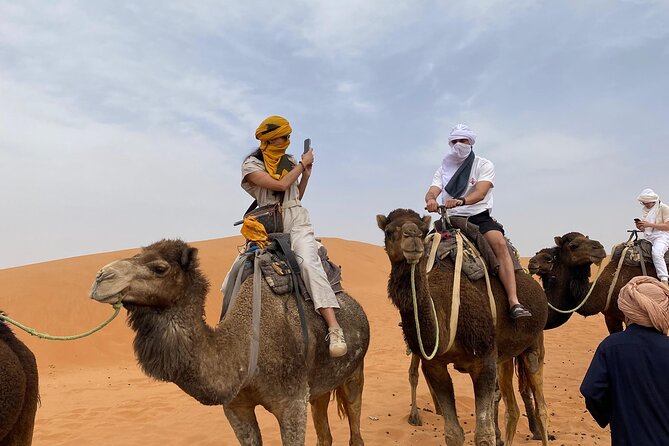
This is a smart route for people who want “big Morocco” without juggling a lot of separate bookings. You cover major terrain changes quickly: mountains first, then gorge country, then you drop into the Sahara dunes. That means you spend less time deciding and more time seeing.
You’ll also get a travel rhythm that suits most visitors. The day structure mixes driving with short guided stops and a couple of longer anchors: the UNESCO stop on Day 1 and the desert night on Day 2. Day 3 is the long one, with the return drive stretching about 10 hours.
Group size matters too. With a maximum of 60 travelers, you’ll likely be part of a manageable group rather than a huge crowd stampede—especially once the group splits into smaller activities like camel riding. Expect the desert camp to be set up for tours, not a quiet backcountry experience.
You can also read our reviews of more tours and experiences in Marrakech.
Tizi n Tichka Pass: the drive that sets expectations
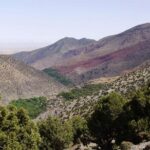
On Day 1, the first eye-opener is Tizi n Tichka Pass. It’s one of Morocco’s most scenic mountain passes, reaching about 2,260 meters (7,400 feet). Even if you’re not a “mountain person,” this kind of elevation shift changes how the whole trip feels. The air gets sharper, the terrain turns rugged, and the views reward patience.
You’ll have a stop time of about 15 minutes here, with the admission listed as free. That’s short, but it’s enough for the basic goal: stretch your legs, look out over the switchbacks and valleys, and get your camera ready before the road starts again.
Practical note: mountain weather can surprise you. If you run warm in Marrakech, pack a layer for the ride. A light jacket can save you from freezing the moment the minibus pulls into a cooler pass zone.
Ait Ben Haddou and the Thousand Kasbahs Road: UNESCO plus film-fan energy
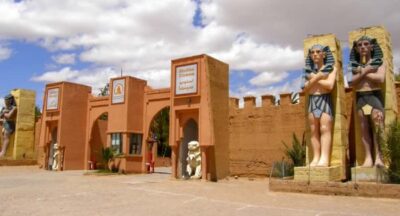
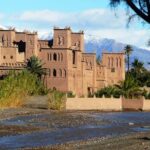
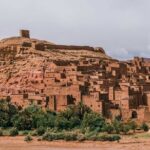
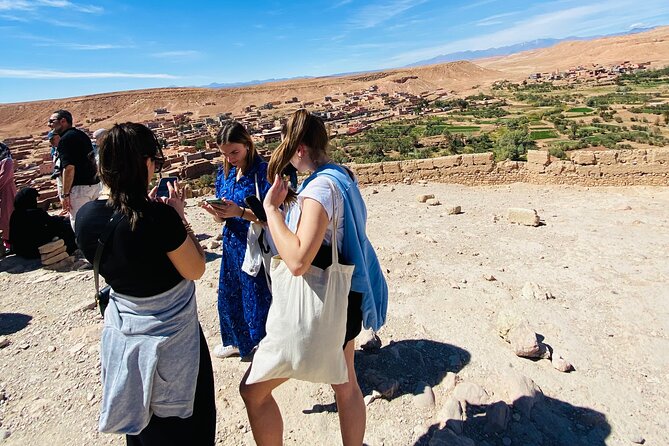
Next comes Aït Benhaddou, a UNESCO World Heritage site known for its fortified village (ksar). This is the stop that most people remember weeks later, partly because the place looks like it belongs on a movie set—and partly because it’s genuinely old and built for defense.
A guided tour is available and lasts about an hour, but it’s not included. The additional guide cost is listed as small—around 2 euros per person for groups over 10. If your group is larger, the price can make sense as an add-on, because a local guide helps you understand how the ksar is laid out and why it’s built the way it is.
On the way, you’ll pass through Ouarzazate and travel along the Thousand Kasbahs Road. Even if you don’t stop, this stretch adds texture to the journey. It’s the “in-between Morocco” that stops feeling boring because you’re always moving through different terrain—plus you’re heading toward the desert hotel in the evening.
Tinghir’s local guide day: daily life, not just viewpoints
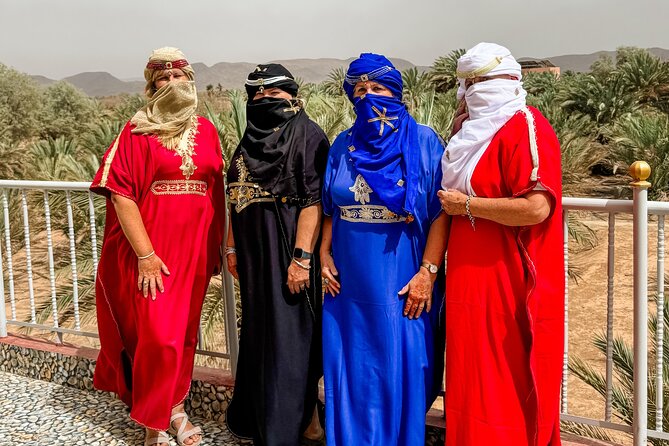
Day 2 starts with Tinghir, and this is where the trip gets personal. You’re not just dropped at a scenic spot and pointed at a view. You meet a local guide who shows you around for about an hour, covering daily life, the Jewish quarter, and historic sections.
This kind of guided time is valuable because it answers the questions that pop up when you see old quarters and traditional buildings. It’s also a smart way to understand where people live, trade, and socialize—especially if you’ve been in a “tour bus only” rhythm so far.
The guide’s included, and you may also visit a women’s handicraft cooperative. That’s one of the practical cultural stops you’ll feel good about: you’re seeing how craft work supports families, and you get a chance to ask questions in a context that isn’t rushed shopping.
Todra Gorge and Melaab: rock walls, then hands-on culture
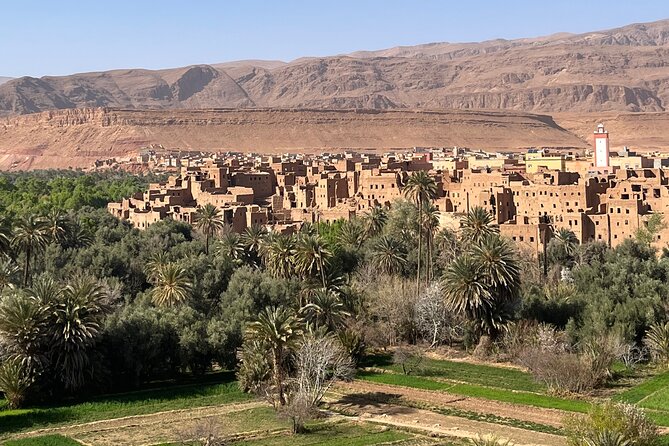
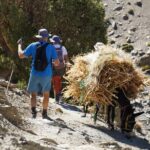
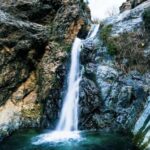
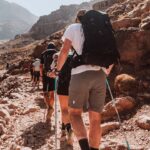
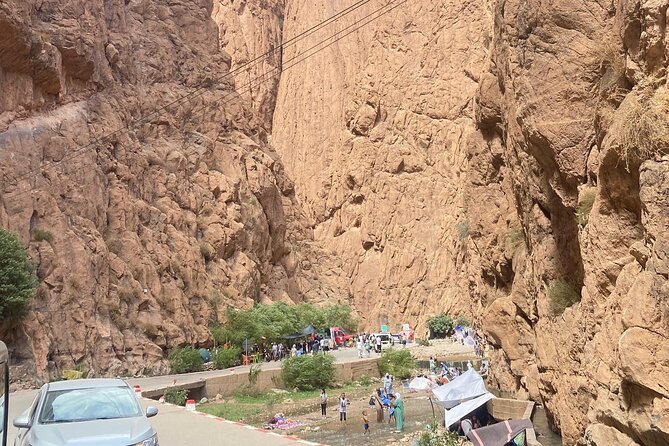
After Tinghir, you head to Todra (Todgha) Gorge, a dramatic canyon area in the High Atlas Mountains. Expect tall rock formations and a spot that’s popular with both tourists and climbers. The stop time is about an hour with the same local guide.
This is one of those places where you don’t need a lot of explanation to appreciate it. Still, having a guide can help you orient yourself so you don’t just walk around randomly with a camera. You’ll leave with a stronger sense of why the gorge is so striking.
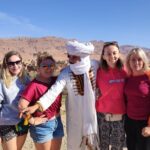
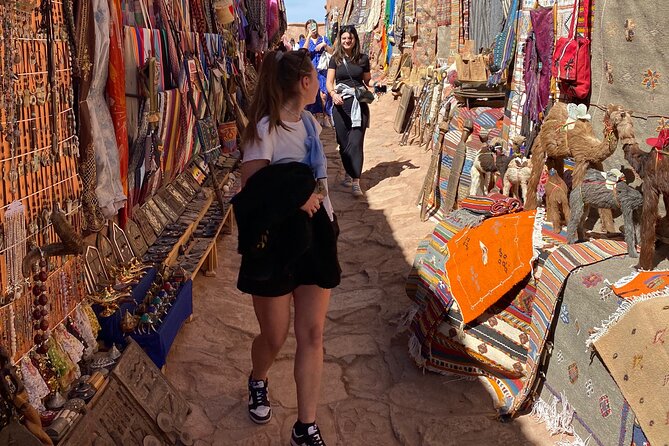
Then there’s lunch in Tinejdad, followed by a stop at Melaab, a Berber family shop. This is a small stop with outsized payoff. You can try on traditional Berber attire, take free photos, and learn enough to make the outfit feel like part of living culture instead of costume. You can also buy scarves for your camel ride—useful because desert weather can shift, and having a head/scarf option helps you stay comfortable.
Merzouga desert camp: sunset, sand boarding, and the starry hour
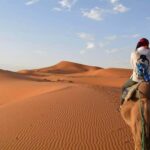
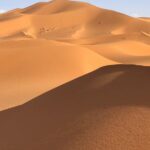
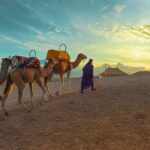
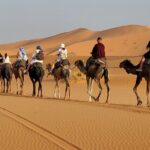
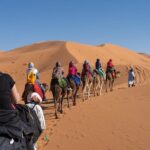
When you reach Merzouga, the trip switches from minibus travel to camel travel. You meet your camel, and the ride across the dunes is described as about an hour to the desert camp. You’ll catch sunset during the ride, then arrive to settle in.
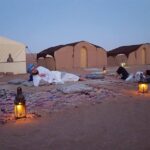
Once at camp, you’ll have a shower time before dinner, which is a big comfort point on a trip like this. After dinner, you’ll enjoy traditional music and dancing around the campfire. This is one of the moments where the experience becomes more than sightseeing—because it’s shared, rhythmic, and easy to join.
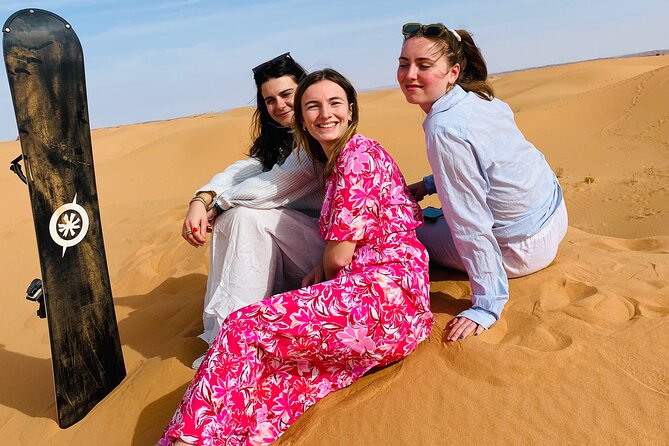
You’ll also have sand boarding, included. The dunes are the kind that tempt you into trying something even if you’re not a sports person. It’s a “quick win” activity: short, fun, and a great way to burn off tour-day energy.
A small reality check: desert camps vary by setup and package level. The good news is your stay is included, and the camp experience is built around the classic rhythm—ride in, dinner, music, sleep, then the next morning’s ride.
The camel ride return and Day 3’s long drive back to Marrakech
Day 3 is the marathon day. After an early breakfast, you head out again on camels for the ride back to the meeting point where your car is waiting. This is also the second camel experience (the tour includes sunrise camel riding), so you get the classic desert contrast: warm sunset colors one day, quieter light in the morning.
You’ll then do the big drive back toward Marrakech, with stops for rest, meals, and stretching your legs. The total day is listed as about 10 hours, and that timing matters. If you hate long vehicle days, this is the part of the trip where you’ll feel it most.
El Kelaa M’gouna is named in the schedule, but the details are light. Still, what matters for you is the pattern: the desert part wraps up early enough that the drive becomes manageable, but long enough that you’ll want snacks and patience.
Price and logistics: what $129.58 covers, and what you should budget for
At $129.58 per person for an approx. 3-day trip, the value comes from the bundle. Your included costs cover air-conditioned transportation (minibus and fuel), accommodations (first night hotel in Tinghir or Dades, second night desert camp), two breakfasts and two dinners, plus camel rides at sunset and sunrise and sand boarding.
That’s a lot included for one price. It’s especially helpful on routes like this where piecing everything together yourself can get complicated fast. Also, the driver speaks English/French, which reduces stress when you’re traveling through multiple regions.
What you should budget for:
- Lunches: about 12 euros per person
- Drinks: not included
- Tips/gratuities: not included
- Local guide at Ait Ben Haddou: optional, about 2 to 3 euros per person
So the real question isn’t just the sticker price. It’s whether you’re comfortable with extra meal spending and the “long road” reality. If yes, you’re buying convenience and structure, not just transport.
Also, note the guide coverage: you get a local guide in Tinghir included, while Ait Benhaddou’s guided tour is optional. That’s a normal split for this kind of tour and keeps costs reasonable—but it’s worth deciding in advance whether you want that ksar guide.
Guides and drivers: why English/French support matters
This kind of tour lives or dies on communication. The driver is listed as speaking English/French, and the trip also includes a local guide for Day 2 activities in Tinghir. That combination matters when you’re asking questions, negotiating time, or trying to understand what you’re seeing in older neighborhoods and gorge areas.
Names that have shown up in this tour experience include Malek (guide), Kareem (driver), Mohammed, Said, Ichou, and Muha. If you meet one of these guides/drivers, you’ll likely appreciate how they handle questions and pacing. One practical pattern I like: multiple stops are possible for comfort needs, which makes the long drive easier to tolerate.
Tip: if you’re the type who likes to ask questions while driving, jot down your questions before the day starts. It’s easier to time them when you have dedicated stop moments.
Who should book this, and who might want a different style of trip
Book this if you want a 3-day Morocco experience that mixes scenery with people-to-people cultural moments. It’s a good fit for adventure-friendly travelers who can handle long drives and don’t mind early mornings. The desert night and camel rides are the main draw, but the Tinghir guidance and cultural stops keep it from feeling like only “views on repeat.”
Think twice if you need a slow pace, luxury comforts, or an all-inclusive food plan. Lunches and drinks are not included, and Day 3 runs long. Also, the hotel and desert camp are included at a price level that matches the overall tour cost—so aim for “comfortable and memorable,” not “high-end resort.”
It also helps if you’re okay joining a group. With up to 60 travelers, the trip works best when you’re flexible about timing and meeting points.
Practical tips that make the desert part feel smooth
A few things make a big difference on this route:
- Pack layers for the mountain pass and early mornings. Desert mornings can feel cooler than you expect.
- Wear comfortable shoes for gorge walking. Todra is the kind of place where your feet do most of the work.
- Bring cash or a card for lunches (about 12 euros) and drinks. You’ll want the option without hunting around.
- If you want to cover your head during the camel ride, buy a scarf on the Berber shop stop or bring your own.
- Bring a small snack for Day 3. The drive is long, and stops help, but your energy still matters.
If you’re the type who likes photos, plan to shoot at the stop moments and during the dunes ride. The lighting changes fast around sunset and early morning.
Should you book this 3-day Marrakech to Merzouga desert experience?
I’d book it if you want an organized route that hits the classic Morocco trio—High Atlas roads, Ait Benhaddou, and the Sahara—without making you coordinate every leg. The included camel rides at sunset and sunrise, desert camp dinner with music, and the guided time in Tinghir are the strongest reasons the price works.
I’d skip it if you dread long car days, need every meal and drink included, or expect a luxury-style camp. This is a real road trip through real regions, with comfort details where they count (like the shower at camp), not a “stay in one place” vacation.
FAQ
How long is the Marrakech to Merzouga experience?
It runs for about 3 days overall. Day 3 is the longest, with the return drive taking about 10 hours.
What does the tour cost?
The price is $129.58 per person.
Is pickup offered, and do I get a mobile ticket?
Pickup is offered, and you’ll receive a mobile ticket.
What meals are included, and are lunches provided?
Breakfast is included for 2 days and dinner is included for 2 days. Lunches are not included and cost about 12 euros per person.
Are camel rides included, and when do they happen?
Yes. Camel trekking is included in both the sunset and sunrise, with one camel for each person.
Is sand boarding included?
Yes, sand boarding is included.
Is Ait Ben Haddou guided, and is there an extra cost?
Aït Benhaddou is a stop where a guided tour is available for a small fee. A local guide at Aït Benhaddou is not included and is listed at about 2 to 3 euros per person.
Can I cancel and get a full refund?
Yes. You can cancel for a full refund up to 24 hours in advance of the experience start time. If you cancel less than 24 hours before, the amount paid is not refunded.