REVIEW · PARO
8 Days Bhutan Cultural Tour with 2-Day Bumdrak Trek
Book on Viator →Operated by Bhutan Acorn Tours and Travel · Bookable on Viator
Hike to Bumdrak, then meet Tiger’s Nest. This trip strings together temples, small village life, and real hiking in a smart loop through Paro, Thimphu, Punakha, and Phobjikha. The big hook is spending a full night at 3,860m on a mountain meadow before tackling the most famous monastery in Bhutan.
I really like the balance: you get guided culture stops in towns, then you swap elevation for quiet on trails. I also like that the trek isn’t treated like a checkbox—Bumdrak includes time at the sacred cave, prayer flags, and a slow return descent with monastery viewpoints along the way.
One thing to consider: you’ll be at higher altitude and the Taktsang and Bumdrak days involve real uphill and steep downhill. If you’re not comfortable with long walking days, you’ll want to pace carefully and manage your expectations for how much energy you’ll have each afternoon.
In This Review
- Key things that make this tour worth your time
- Western Bhutan’s best mix: culture days plus altitude days
- Paro arrival and Thimphu first-day hits (Ta Dzong, Buddha Dordenma, archery)
- Tango Monastery and Thimphu’s arts institutions: faith plus craft
- Dochula Pass to Punakha Dzong: a valley day with real architectural drama
- Homestay night in Yusakha: what you actually experience matters more than the view
- Phobjikha Valley and Gangtey Monastery: winter cranes and a monastery that studies for years
- Paro Nature Trail and Kyichu Lhakhang: a gentler hiking day that still feels authentic
- Bumdrak trek to 3,860m: prayer flags, fir forests, and a sacred cave
- Bumdrak sunrise to Taktsang return: steep downhill, big payoff
- Homestay and meals at Sonam’s farmhouse: good food, optional stone bath
- Price and logistics that actually affect your experience ($2,740 per person)
- Who this Bhutan cultural and trekking tour fits best
- Should you book this 8-day Bhutan tour with the Bumdrak trek?
- FAQ
- How long is the tour and where does it start?
- What is the highest point on the Bumdrak trek?
- Are meals and accommodations included?
- Is pickup from the airport included?
- Is the National Museum entry fee included?
- How long does the e-Visa take and is the visa handled for you?
Key things that make this tour worth your time
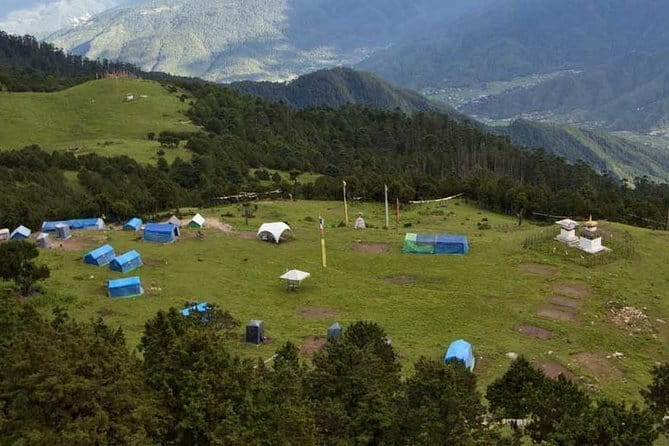
- Bumdrak trek at 3,860m with camping on a mountain meadow, chortens, and prayer flags
- A classic Bhutan arc: Paro → Thimphu → Punakha → Phobjikha → back to Paro
- Culture stops are specific, from Paro Ta Dzong (National Museum) to Zorig Chusum arts training
- Wildlife and seasonal notes are built in (black-necked cranes in Phobjikha; wildflowers in April)
- Real local nights with homestay meals and optional hot stone baths
Western Bhutan’s best mix: culture days plus altitude days
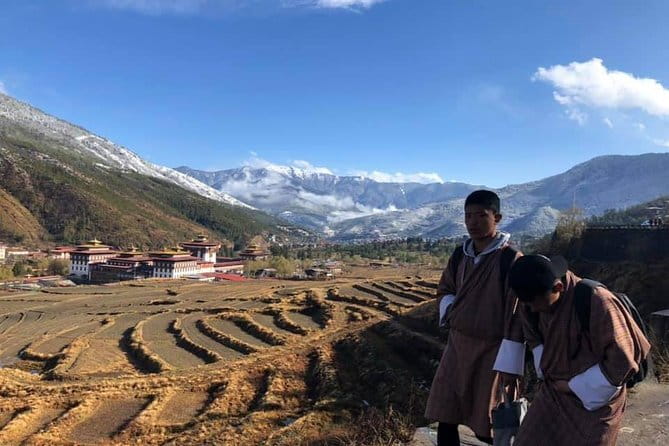
This isn’t a “sit in the van and see icons” itinerary. It’s set up like a human-scale story: first you learn the basics of Bhutanese religion and daily life, then you step outside and feel the terrain that shapes how people live and worship.
You start in Paro, the entry point, and quickly shift into Bhutan’s heritage through the National Museum housed in Paro Ta Dzong, an old watchtower fortress. Then you move through Thimphu, with its big monuments and traditional crafts, before dropping down into Punakha’s river valleys and up to Phobjikha’s glacial basin.
The reason this works is simple: Bhutan changes as the altitude changes. Temples feel different in the valleys versus on ridges, and the hiking days don’t feel random. They’re the glue that ties everything together.
You can also read our reviews of more tours and experiences in Paro.
Paro arrival and Thimphu first-day hits (Ta Dzong, Buddha Dordenma, archery)
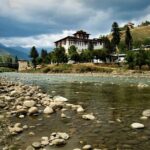
Your day begins at Paro International Airport, Bhutan’s only international entry point. From there you visit the National Museum of Bhutan inside Paro Ta Dzong, built in 1649, later converted to a museum in 1968. It’s a concentrated way to understand what Bhutanese life looked like across centuries—costumes, armor, weapons, and everyday tools.
Then you transfer to Thimphu, about a two-hour drive with normal stopovers. Thimphu is the country’s government and commerce hub, and it helps to arrive here early in the trip. You get a feel for how Bhutan functions beyond sightseeing.
The day’s monuments are memorable in a very Bhutan way:
- Buddha Dordenma: a bronze giant statue over 169 feet tall on a hilltop. It began in 2006 and finished in 2015, and the statue includes more than 100,000 smaller Buddha statues inside.
- Weaving at Gagyel Lhundrup: an eye-opening look at textile work done by men and women. You’ll see intricate patterns, and it’s the kind of craft that used to be done by one family member for everyone.
- Changlimithang archery ground: Bhutan’s national sport in action, with archers dancing and singing when they hit a target 145 meters away.
If you like museums but hate long, slow ones, this day hits the sweet spot. It’s guided, time-managed, and packed with “this matters because people still do it” energy.
Tango Monastery and Thimphu’s arts institutions: faith plus craft
After breakfast, you hike to Tango Monastery, a return hike that’s about 2–3 hours total. The trail is described as easier than some other monastery paths because much of the footpath is paved, with an uphill climb that’s not as steep. The monastery sits north of Thimphu, across the same mountain where Cheri Monastery is also located.
What makes Tango interesting is its religious lineage. Founded in 1222 by the Tibetan saint Phajo Drugom Zhigpo, it’s tied to the Drukpa Kagyu school in Bhutan. This is the kind of stop where the guide’s explanation really matters, because the visual calm is only half the story. The other half is the long chain of teachers and places that kept Buddhism moving through the region.
Back in Thimphu, you also visit places built to preserve culture in practical ways:
- National Institute for Zorig Chusum (13 traditional arts & crafts): designed to keep these skills alive by training Bhutanese youth.
- National Library and Archives of Bhutan: founded in 1967 to protect and promote Bhutanese literary and religious heritage, including scriptures, manuscripts, xylographs, and wooden printing blocks.
This pairing—temple hike plus preservation institutions—turns “culture” from an aesthetic word into something you can actually measure. Skills still being taught, documents still being stored, texts still being studied. That’s how traditions survive.
Dochula Pass to Punakha Dzong: a valley day with real architectural drama
Driving from Thimphu toward Punakha means crossing Dochu La Pass at 3,150m. On clear days, you can see some of Bhutan’s highest peaks. The pass also has a spiritual layer: before the 108 Druk Wangyal chortens were built there in 2004, it was already considered a sacred place blessed by Lam Drukpa Kunley in the late 15th century.
Then it’s down to Punakha, where you visit Punakha Dzong, built in 1637 by Zhabdrung Ngawang Namgyel. It sits on a small strip of land where two rivers meet—Phochu and Mochu—which adds to the sense that the building belongs to the water as much as the mountain. Inside, the sacred wall paintings, intricate woodwork, and core architecture show how Bhutanese craftsmanship still shapes what gets built today.
You also get a quieter but charming visit nearby: Chimi Lhakhang, reached by a walk through terraced paddy fields and traditional farmhouses. The history tied to Lama Drukpa Kunley is unusual—he’s known as the Divine Madman, and phallus imagery is described as a spiritual tool for subduing malevolent spirits and breaking social dogma. If you’re the type who wants context (not just photo spots), this stop rewards curiosity.
The day includes a walk to Punakha Suspension Bridge, said to be the longest suspension bridge in Bhutan. It’s one of those “it’s not just there to cross the river” moments. You get river views, you stretch your legs, and you feel why Punakha is such a classic base for Bhutan travel.
Homestay night in Yusakha: what you actually experience matters more than the view
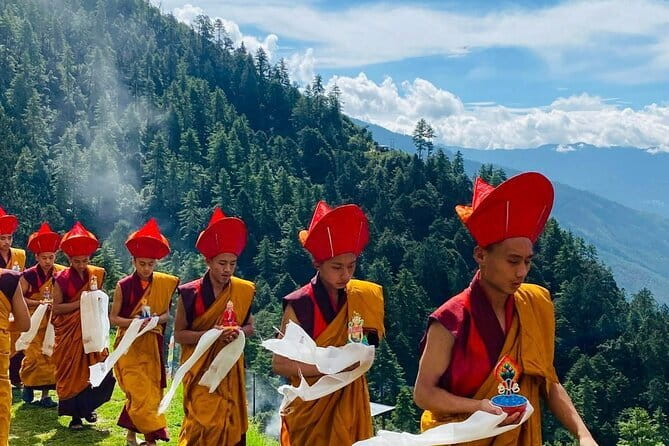
The tour then shifts into daily life through an overnight at Namgay Zam Homestay in Yusakha. This is the part that tends to stick, because you’re not just learning about Bhutan—you’re eating with Bhutanese families and getting hands-on with the rhythms of home.
You can help prepare dinner and learn how to cook Bhutanese dishes. If you’re interested, there’s also the option of a traditional hot stone bath. The idea is therapeutic and revitalizing, and it’s powered by stones heated over a wood-fired fireplace before being dropped into a wooden tub.
A key practical note: this homestay experience is not described as a luxury setup. It’s a cultural exchange. If you pack a bit of flexibility—wake time, routine, and comfort levels—you’ll get more out of it than someone expecting a resort-style “amenity menu.”
Phobjikha Valley and Gangtey Monastery: winter cranes and a monastery that studies for years
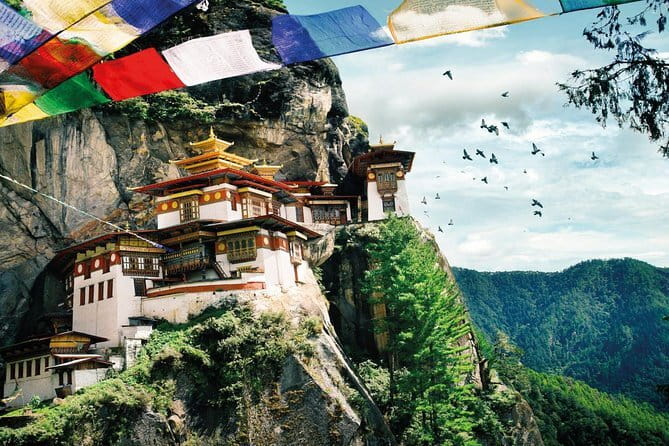
From Punakha, you hike at Khamsum Yulley Namgyal Chorten on a ridge overlooking Punakha valley. The round-trip hike is about 2.5 hours, and the payoff is the view of the Mochu river winding through the valley.
Then you transfer to Phobjikha Valley, a U-shaped glacial valley around 3,000m. This is where Bhutan’s seasonal nature takes center stage. Phobjikha is the winter home for the endangered black-necked crane from November to March. The valley also hosts the Black Necked Crane Festival on November 11 each year, timed with the cranes’ arrival.
In Phobjikha, you visit Gangtey Monastery (Gangtey Gonpa), founded in 1613 and described as one of Bhutan’s larger monasteries. The monastery includes a monastic college where monks study Buddhist philosophy for nine years. That study detail matters: it’s not just a building to visit—it’s a living place of learning.
Gangtey Tshechu is mentioned as an annual festival in autumn, featuring sacred mask dances and Bhutanese folk dances. Even if you don’t time your trip to the festival, the monastery context gives you a better understanding of what the community gathers to celebrate.
Paro Nature Trail and Kyichu Lhakhang: a gentler hiking day that still feels authentic
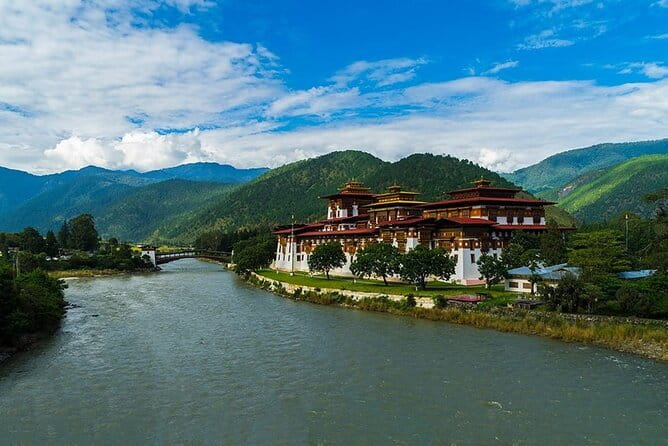
Once back in Paro, you get Gangtey Nature Trail—a 5km hike taking about 3 hours through woods, meadows, village houses, farmland, and crystalline streams. This is a smart contrast to the altitude trek days: it gives you movement, but it’s shorter and more forgiving.
The goal here is to understand livelihood. The trail isn’t just about scenery; it’s about seeing how people live along the valley edge, and how trails connect homes to water and fields.
Later you visit Kyichu Lhakhang, one of the oldest monasteries in Bhutan, believed built in 659 A.D. by King Songtsen Gampo of Tibet. The site is tied to the idea of building 108 temples in the Himalayan region to subdue a demoness thought to obstruct Buddhism’s spread. Bhutan is said to have four of these temples, with two in Haa valley and the fourth in Bumthang.
If you enjoy religious architecture details, Kyichu helps you spot continuity. The religious ideas shift over centuries, but the sacred geography remains.
Bumdrak trek to 3,860m: prayer flags, fir forests, and a sacred cave
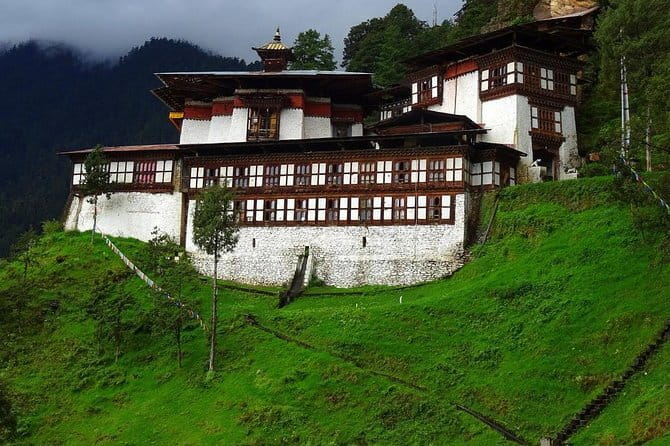
Day 6 is the turning point. After early breakfast, you drive about 30 minutes to Paro Sangchoekhor Buddhist College, which overlooks Paro valley. You can visit the monastery and get blessings before starting the trek.
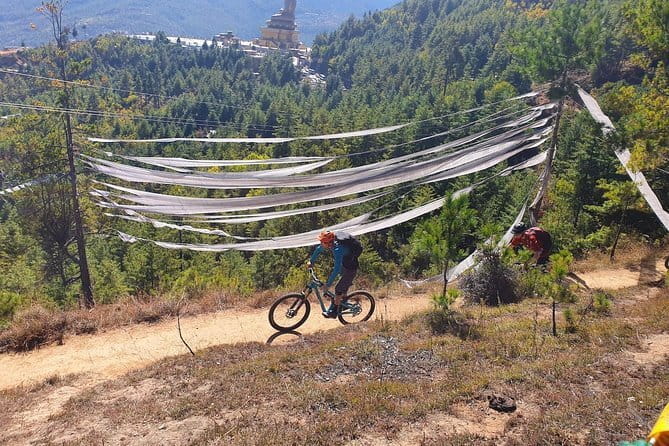
Then you climb steadily through fir and pine forests. The description highlights April as a good trekking season, when wildflowers are in full bloom and rhododendron flowers are along the route. This isn’t just a weather note; it shapes the feel of the walk. More color, more scent, more life.
After about 2.5 hours of gradual climbing, you reach a cleared spot where colorful prayer flags are hoisted and a packed lunch is served. From there, the trek continues to the Bumdrak campsite, and camping is described as on a serene mountain meadow at 3,860m, decorated with chortens and surrounded by prayer flags.
The next layer is spiritual and practical: Bumdrak Monastery sits on a cliff close to the campsite, with a sacred cave inside. The cave is described as blessed by 100,000 dakinis in the 8th century AD during the life of Guru Padmasambhava. You can visit, pray, and meditate, and if you’re still energetic you can continue about 45 minutes further to a summit for panoramic views.
The takeaway: this trek feels like a pilgrimage you can physically reach. You’re not just hiking to a viewpoint; you’re reaching a sacred stop that locals and monks consider meaningful.
Bumdrak sunrise to Taktsang return: steep downhill, big payoff
On Day 7, early risers can try to catch sunrise on a clear morning. The tour notes you might spot an endangered Himalayan monal pheasant wandering near the camping tents—one of those details that makes a campsite feel like more than “a bed with views.”
After breakfast, you head out on the return route to Paro via Taktsang. The descent from Bumdrak is described as steep, but you walk at your own pace and explore flora along ancient monk and pilgrim trails. That means you’ll likely take breaks, not just run downhill.
You stop at viewpoints and temples on the way down:
- Ugyen Tsemo (15th century), reached after descending less than 2 hours
- A further temple stop associated with Guru Padmasambhava’s abode, referred to as Zangdogpelri
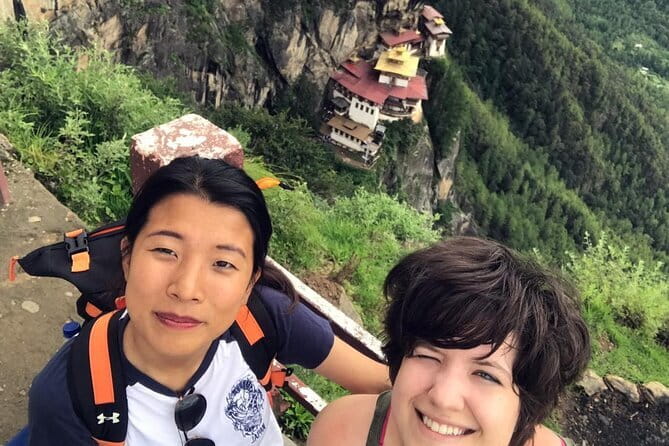
- From there, the top-down view of Taktsang is described as impressive because it sits on its cliff like a fixed point in the cliff face
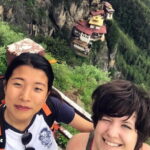
Finally you reach Paro Taktsang (Tiger’s Nest). It’s on an 800-meter rock cliff and is described as the most recognized site in Bhutan. The round-trip hike from the base is noted as usually taking 4–5 hours, so plan for a long, steady effort. Taktsang is tied to Guru Padmasambhava (Guru Rinpoche), associated with Tantric Buddhism and his visit to Bhutan in the mid-eighth century A.D.
Practical pacing tip: save your energy for the last stretch. The steep bits can be mentally tiring, and taking it slow protects your knees for the long day.
Homestay and meals at Sonam’s farmhouse: good food, optional stone bath
On the late afternoon of Day 7, you visit Sonam’s Homestay, another farmhouse setting for home-cooked local cuisine. You may learn to prepare Bhutanese dishes, which is a nice way to “close the loop” after days of temple and trail time.
There’s also an optional hot stone bath if you want it, run on the same general idea: stones heated in a wood-fired fireplace and dropped into a wooden tub for mineral-rich soaking. Ara, a locally brewed liquor, is mentioned as available if you’re interested (with an extra cost implied by the tour’s phrasing).
This is a practical bonus because it keeps the day from ending right after Taktsang. You get recovery time, food, and a sense of how daily life looks after tourists head back to town.
Price and logistics that actually affect your experience ($2,740 per person)
At $2,740 per person for about 8 days, the best way to judge value is to look at what’s already handled. Your trip includes visa fee and processing, all meals and light snacks, 6 nights in twin-sharing 3-star hotels, and 1 night full-service camping at 3,860m. It also includes an English-speaking licensed guide, all ground transportation including round-trip airport transfers, and trekking permits plus National Museum entry.
That matters because it reduces the number of separate things you have to book yourself. Bhutan travel isn’t just about the places—it’s about permits, timing, and transportation between valleys. When those are handled, you can focus on walking and observing.
What’s not included: travel insurance (strongly recommended), international flights, tips, laundry and personal expenses, and most entry fees beyond the National Museum. So if you’re counting every temple fee, build a bit of buffer into your spending plan.
One more value note: the group size is capped at 12 travelers. A smaller group often feels easier during hikes and viewpoint stops, especially on steep days.
Who this Bhutan cultural and trekking tour fits best
This is a solid match if you want more than a photo list. You’ll enjoy it most if you like the mix of guided culture and active walking, and if you’re comfortable with altitude and long days.
It’s also a good fit for people who like structured guidance: licensed English-speaking guides, pre-arranged transport, and clear pacing across Paro, Thimphu, Punakha, and Phobjikha. The tour notes that most travelers can participate, but the Bumdrak day and the Taktsang day include steep downhill and long hikes, so you’ll want decent fitness and a calm, steady style.
If you’re traveling solo, it can still work well because the trip runs as a group and the company has a track record of responsive communication. In feedback, Karma (the person handling coordination) is praised for being exceptionally responsive and accommodating with custom requests, and a guide named Tashi is specifically mentioned as thoughtful and effective.
Should you book this 8-day Bhutan tour with the Bumdrak trek?
If your dream Bhutan trip includes one big hiking milestone—Bumdrak at 3,860m—and you also want to understand Bhutan beyond the headline sites, this is a strong choice. The route makes sense geographically, and the mix of museums, monasteries, weaving and arts training, crane country, and homestays gives you a fuller picture than many “western Bhutan in a hurry” plans.
I’d lean toward booking if you:
- can handle steep downhill and long walking days
- want at least one night camping at altitude
- prefer a guided structure over “wing it” travel
I’d think twice if you’re sensitive to elevation, hate uneven ground, or need a vacation where you’re never more than a short walk from a vehicle.
FAQ
How long is the tour and where does it start?
It’s about 8 days, starting at Paro International Airport in Paro, Bhutan.
What is the highest point on the Bumdrak trek?
The Bumdrak campsite is at about 3,860m.
Are meals and accommodations included?
Yes. All meals (breakfast, lunch, dinner) and light snacks are included, along with 6 nights in twin-sharing 3-star hotels and 1 night full-service camping on a mountain meadow.
Is pickup from the airport included?
Yes. Ground transportation includes round-trip airport transfers.
Is the National Museum entry fee included?
Yes, the trekking permit and entry fee for the National Museum are included.
How long does the e-Visa take and is the visa handled for you?
The visa fee and processing are included, and you receive your e-Visa within 4–5 business days.