REVIEW · AEOLIAN ISLANDS
Stromboli: sunset trekking to Sciara del Fuoco – Ashàra
Book on Viator →Operated by Ashàra Etna & Stromboli Guides · Bookable on Viator
Stromboli at sunset feels unreal. This guided hike takes you up to a legal maximum altitude for volcanology explanations, then down again in the dark—so you can focus on the views and the science.
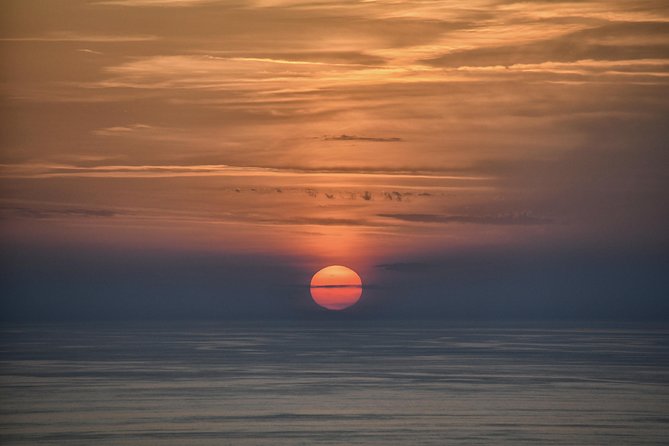
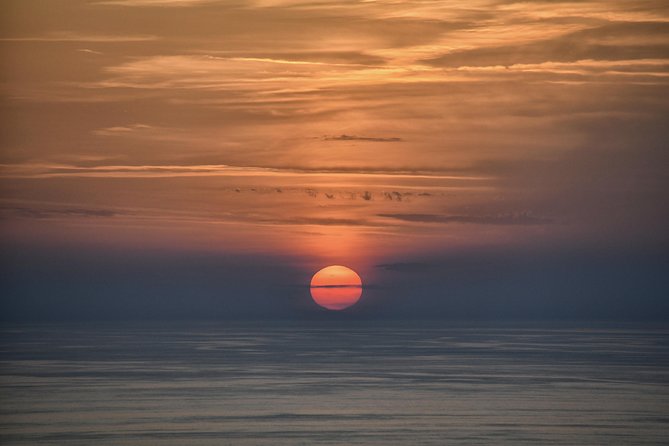
What I like most is the up-close feeling of the Sciara del Fuoco as the light shifts red across the Aeolian Islands. I also like that you hike with a guide, not a trail map, with stops for photos, including a final panoramic overlook.
One drawback to weigh: this is a night-return trek in wind and cold, and it’s not a short stroll. If you’re not comfortable hiking uphill and then descending with a headlamp, plan extra care with pace and layers.
In This Review
- Key highlights to know before you go
- Why the Sciara del Fuoco sunset is worth the fuss
- The 5-hour plan: from Piazza San Vincenzo to the eruption view
- 400 meters doesn’t mean easy: pace, wind, and the dark descent
- Gear: what’s provided vs what you should bring anyway
- The guide experience: science, route choices, and named experts
- The night show: eruptions, waiting, and realistic expectations
- Price and value: $36.30 for a guided volcano trek
- Who this trek is best for (and who should rethink it)
- Quick reality check on timing and logistics
- Should you book the Stromboli sunset trek to Sciara del Fuoco?
- FAQ
- How high do we hike on this Stromboli trek?
- What gear is provided, and what should I bring?
- When does the tour start and how long is it?
- Is this hike suitable for people with moderate fitness?
- What language is the tour offered in?
- What happens if weather is bad?
Key highlights to know before you go
- 400 meters max altitude with a volcanology guide keeps the trek within the allowed limit
- Sunset + night visibility: you get the changing light, then a chance to see eruptions as the sky darkens
- Guide-led route: safer navigation and better explanations than wandering on your own
- Gear included for the dark: at minimum a headlamp and helmet are provided
- Scenery checkpoints: breaks for photos plus a stop at the island’s old cemetery
- Small group feel: capped at 25 people for a more manageable hike
Why the Sciara del Fuoco sunset is worth the fuss
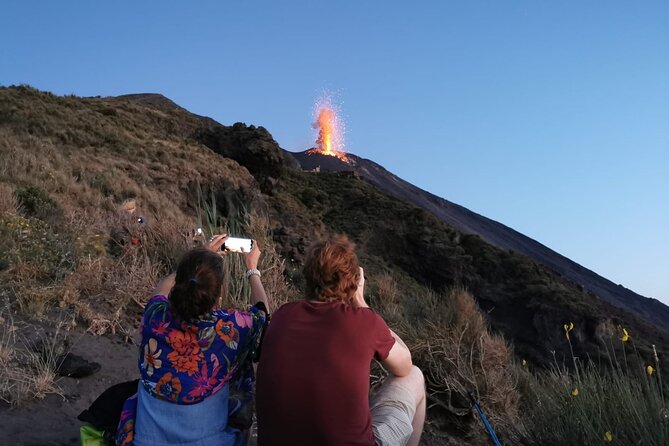
Sciara del Fuoco is one of those places where your brain keeps trying to catch up with what your eyes are seeing. The best time is right at sunset, when the island lighting turns dramatic and the volcanic area looks closer and sharper.
This trek is designed around that timing. You’re not just “passing through” on a bus or waiting at one viewpoint. You’re moving through the terrain with a guide, so the eruption zone gradually comes into focus as the sky darkens.
I also appreciate the balance of wonder and structure. The hike keeps you at a defined maximum altitude with a volcanology guide, and that helps you see the right things without overdoing it. You get a mix of craters, lava-flow context, and classic Aeolian views, plus breaks to take photos.
The 5-hour plan: from Piazza San Vincenzo to the eruption view
You meet at Piazza San Vincenzo 2 hours before sunset. After a safety briefing, you start walking along a nature trail that leads up to 400 meters, which is the maximum altitude allowed with a volcanology guide.
The route includes several “okay, stop and look” moments. You’ll have breaks to admire viewpoints, and you’ll also visit the island’s old cemetery on the way. That cemetery stop adds a more human scale to the trip, especially because Stromboli isn’t just a volcano—it’s a lived-in island with history.
As you climb, you cross Mediterranean scrub, and the view of Strombolicchio stays in frame. That matters because Stromboli isn’t an isolated rock. Seeing the nearby islet alongside the volcanic features helps you place what you’re looking at.
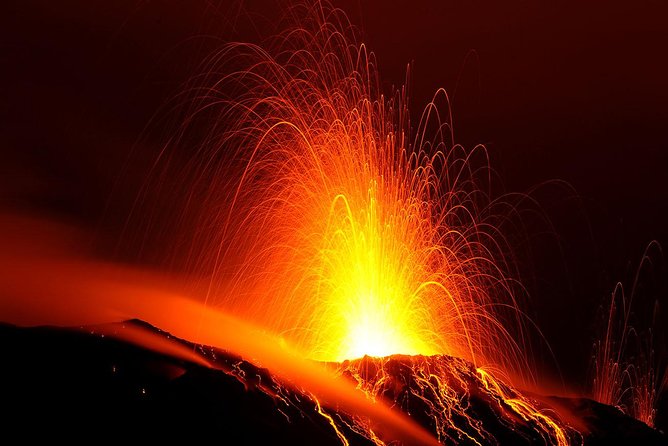
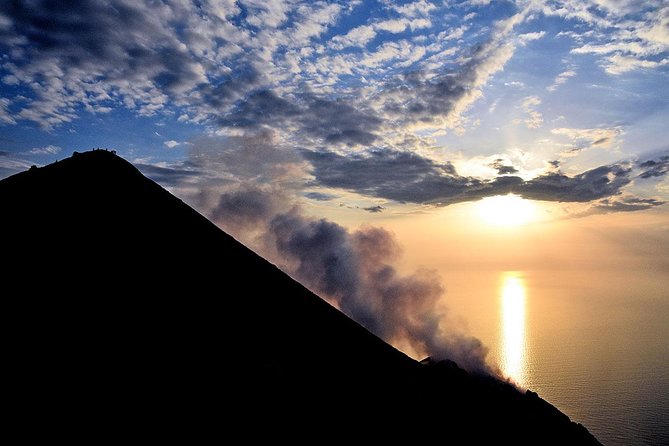
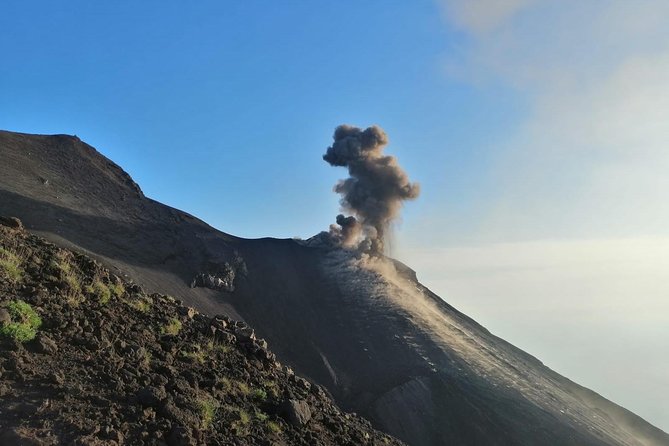
Then comes the key arrival: the panoramic overlook area at Sciara del Fuoco. This is where the sunset colors the Aeolian archipelago red, and where you can watch volcanic activity light up the night sky. The plan calls for returning downhill in the dark, using lighting like headlamps (and the itinerary also references torches).
A practical note: sunset treks on Stromboli can run longer than the headline duration. One family described a day that went from around 17:00 into the late evening, so treat this as a “many-hours out of your hotel” kind of activity, not a quick afternoon excursion.
400 meters doesn’t mean easy: pace, wind, and the dark descent
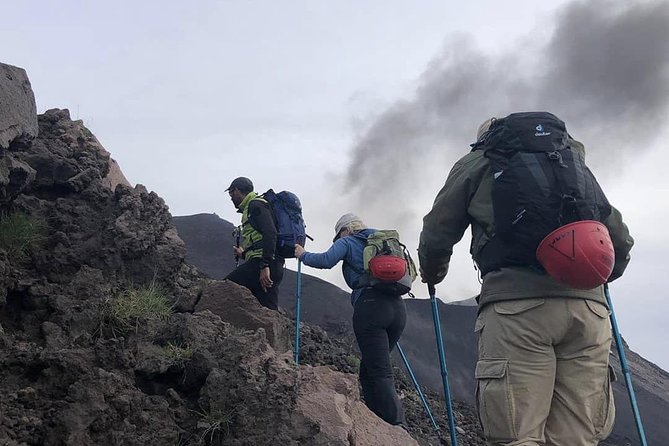
The tour is listed for people with moderate physical fitness. The hike up and down is described as mildly challenging by many guests, with the main effort on the ascent and the real difficulty coming from conditions—wind, cold, and the slower pace used to keep everyone together.
If you’re hoping for an athletic, sprint-style climb, adjust expectations. Guides set the pace for a mixed group, and the itinerary includes multiple stops for views and explanations. That slow-but-sure pace is part of why people feel it’s worth it when they reach the top.
Wind is a real factor near the upper area. Even if you start warm, you can get cold while you wait for the show. Bring layers you can add quickly, and don’t plan on having time to warm up before the eruption viewing.
The other factor is the night return. You’ll head downhill after sunset with lighting, so good footing matters. Proper footwear with grip is a big deal here; some hikers noted they needed rental shoes, and that’s a hint to pack better-than-sneakers.
Gear: what’s provided vs what you should bring anyway
At minimum, the included gear is a headlamp and helmet. The highlights also mention hiking shoes and poles provided for a safer hike, but even with that, I’d still think like you’re responsible for your comfort.
Here’s what I’d plan for:
- Wear supportive hiking shoes with solid traction. If you’re between sizes or shoes are worn out, fix that before the trek.
- Bring a wind layer. The upper platform can be windy while you wait.
- Bring more water than you think you need. Bottled water isn’t included, and the information specifically calls out at least 1.5 liters. One detailed tip from a hiker suggests you plan for 2 liters per person, especially in summer heat and during long hours on foot.
- Pack a small snack if you’re prone to low energy. Dinner and snack are not included.
Also, consider that the trek can be several hours long. There’s no mention of toilet stops on the plan, so treat bathroom breaks as something you manage before you start.
The guide experience: science, route choices, and named experts
This tour stands or falls on the guide. The value here is not just safety, it’s interpretation. You’re hiking to see active volcanic features and understanding them makes the whole thing click.
The volcanology approach shows up in the way guides talk about rock formations and volcanic activity. Guests specifically praised guides such as Giuseppe, including an older Giuseppe, and also mentioned Pepe and Fabio. People highlighted that their guides explained what you were seeing on the route and kept the group moving at a comfortable pace.
One of the smartest things a guide can do is choose the route that fits the group. Several comments pointed out there are different ways to approach the hike, and that the chosen path balanced view time and effort. That’s especially useful if your group includes different abilities.
One caution from the feedback: language expectations matter. A few people said their guide didn’t match the language they expected, so if language is important for your trip, confirm it when you book and be ready to rely on the overall volcanology explanations rather than perfect translation.
The night show: eruptions, waiting, and realistic expectations
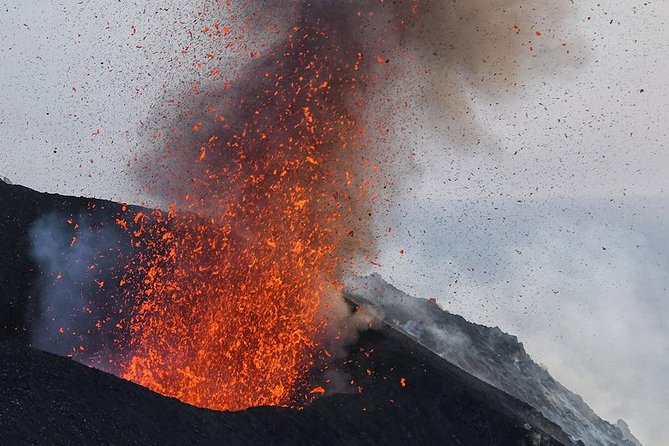
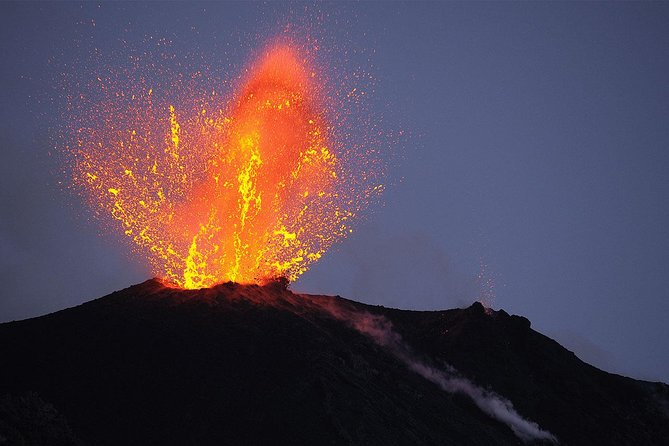
The main payoff is the combination of sunset glow and possible eruptions lighting the sky. The plan is built around that: you reach the Sciara del Fuoco panoramic area in time for sunset, then stay long enough to observe volcanic activity after dark.
Here’s the reality check: the intensity of eruptions can vary from one night to the next. Some hikers described only minimal eruptions, while others saw strong activity and felt the whole area “alive.” You’re going for a chance at up-close lava-flow views, not a guaranteed constant eruption.
Even when the eruptions are light, the setting still works. You’re at a viewpoint watching how Stromboli behaves when the day ends. That’s different from quick sightseeing: you’re there long enough to understand patterns, not just capture one photo.
If wind makes waiting uncomfortable, don’t fight it. Keep moving gently where you can, use layers, and rely on your headlamp for balance during the darker sections.
Price and value: $36.30 for a guided volcano trek
At $36.30 per person, this is priced like a smart add-on to a Stromboli stay. What makes it good value is the guiding component plus the gear for night walking (headlamp and helmet), and the fact you’re hiking to a regulated 400-meter limit with a volcanology guide.
Could you do something similar on your own? You might be able to hike parts of Stromboli, but the key difference is that this experience is structured for safety, timing, and interpretation. The guide helps you avoid the frustration of route confusion and makes the volcano feel understandable instead of just scary.
The small group cap of 25 also matters here. It’s not a huge crowd funneling you through quick stops. That makes it easier to pause for photos and listen to explanations without feeling rushed.
Who this trek is best for (and who should rethink it)
This is a strong fit if you want an active, guided way to experience Stromboli beyond the harbor. It works especially well for:
- People who like walking tours with a clear endpoint and time for photos
- Couples and small groups who want science explanations with real views
- Travelers who are comfortable hiking uphill and doing a dark descent with proper lighting
You might want to rethink it if:
- You’re very sensitive to cold and wind. The upper area can get windy, and waiting time is part of the plan.
- You don’t like night walking or have trouble with stairs and uneven footing.
- You need frequent stops. This is a multi-stop hike, but not described as a frequent-rest tour.
If you’re traveling with kids, it can still be possible—one review mentioned a 9-year-old doing the excursion—so the real question is how the child handles pace, cold, and darkness.
Quick reality check on timing and logistics
Meeting time is fixed relative to sunset: you depart from Piazza San Vincenzo about two hours before sunset. The overall activity is listed at around 5 hours, but plan for a longer day depending on conditions and how the eruption viewing plays out.
The tour ends back at the meeting point, which is convenient. For your food planning: bottled water, dinner, and snacks are not included. If you’re hungry before you start, find a place to eat earlier on Stromboli so you’re not stressed halfway up.
Should you book the Stromboli sunset trek to Sciara del Fuoco?
Yes, I think you should book it if you want the classic Stromboli experience at the right time: moving uphill for the views, watching sunset color the islands, then staying for the volcano’s night lighting. The guide component is a big part of the appeal, and it’s what turns a tough walk into an unforgettable, understandable one.
Book it with two expectations in mind. First, dress for wind and cold and treat the night return seriously. Second, eruptions can be more dramatic on some nights than others, but you’ll still get a rare viewpoint and a better experience because you’re there with a volcanology guide and the right timing.
If you’re choosing only one “must-do” thing on Stromboli, this is a top candidate—especially if you like hikes that have a payoff beyond a single photo spot.
FAQ
How high do we hike on this Stromboli trek?
The hike reaches up to 400 meters, which is the maximum altitude allowed with a volcanology guide.
What gear is provided, and what should I bring?
A headlamp and a helmet are included. The hike highlights also mention hiking shoes and poles provided, but you should still bring layers and plan for water since bottled water is not included.
When does the tour start and how long is it?
You meet at Piazza San Vincenzo about two hours before sunset. The duration is listed at about 5 hours.
Is this hike suitable for people with moderate fitness?
Yes. The activity is described as suitable for travelers with moderate physical fitness.
What language is the tour offered in?
The tour is offered in English.
What happens if weather is bad?
This experience requires good weather. If it’s canceled due to poor weather, you’ll be offered a different date or a full refund.