REVIEW · KATHMANDU
Ghorepani Poonhill Trek
Book on Viator →Operated by Mountain Rock Treks And Expedition Pvt. Ltd. · Bookable on Viator
Step into Nepal’s sunrise show.
The Ghorepani Poon Hill Trek is a popular, time-friendly way into the Annapurna region, with rhododendron forests, guesthouse nights, and the kind of mountain panorama that gets people up before their alarm. I especially love the Poon Hill sunrise setup—early hike, then wide-ranging views over the Annapurna and Dhaulagiri regions, plus Manaslu when the sky cooperates.
You’ll also like how the trek balances scenery with culture, including a stop in Ghandruk and a visit to the Gurung Museum area. The one real consideration: even though this is considered easier than many Nepal treks, you still face a tough stretch—a 3,300-step climb (plus some rocky and uphill sections)—so “easy” doesn’t mean “effort-free.”
In This Review
- Key things to know before you go
- Poon Hill in 9 Days: What Makes This Trek Feel Manageable
- Kathmandu to Pokhara: The Ride That Sets Your Pace
- Birethanti Checkpoint to Ulleri: Rivers, Checkpoints, and the First Climb
- Ulleri to Ghorepani: Rhododendron Forests and the 3,300-Step Reality
- Poon Hill Pre-Dawn: The Sunrise Hike You Actually Plan For
- Ghandruk and the Gurung Museum: Local Culture Without Detours
- Tadapani to Nayapul to Pokhara: The Walk Out and the Return to Comfort
- Price and Value at $700: What You Get, What Costs Extra
- Guides, Safety, and the Feel-Good Part of “Well Run”
- Effort Level, Weather Reality, and What to Pack
- Should You Book the Ghorepani Poon Hill Trek?
- FAQ
- What is the duration of the Ghorepani Poon Hill Trek?
- Where does the tour start in Kathmandu?
- What time does the tour start?
- Is pickup included?
- How do you get to Pokhara from Kathmandu?
- What is the hardest part of the trek?
- Is Poon Hill sunrise included?
- Are meals included?
- What is the group size limit?
- What happens if weather is bad?
- What is the cancellation window for a full refund?
Key things to know before you go
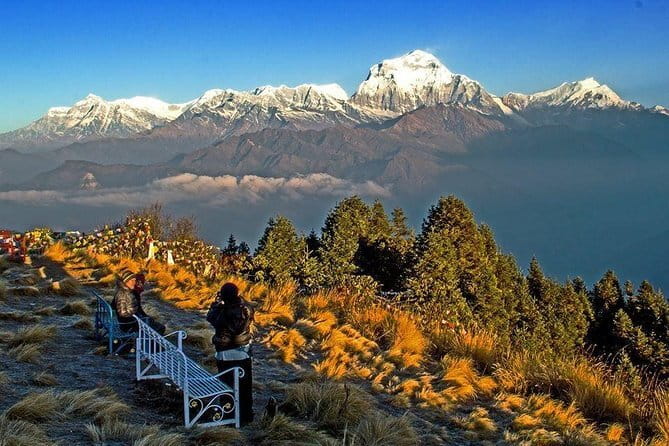
- Poon Hill is the main event: early hike, then sunrise views over multiple major ranges.
- Forest hiking is a big part of the charm: rhododendron and oak forests show up on the route.
- Expect one brutal-but-short stair challenge: the climb up toward Ghorepani includes thousands of steps.
- Meals are partly included: the package lists 9 breakfasts, 5 lunches, and 5 dinners, while drinks are extra.
- Small group size: maximum of 14 travelers, which usually makes logistics feel calmer.
- Transport does most of the heavy lifting: long drives and a bus transfer connect Kathmandu–Pokhara–Kathmandu.
Poon Hill in 9 Days: What Makes This Trek Feel Manageable
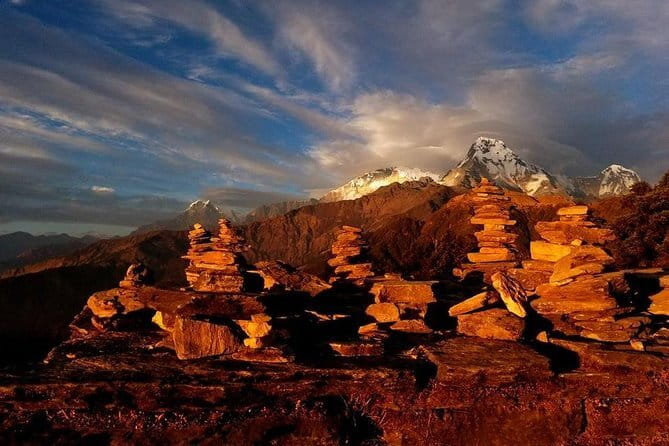
This trek works because it’s built around a clever tradeoff: you get Himalayan payoff without committing to a long, high-altitude slog. The route stays lower than many Annapurna adventures, so you’re not dealing with the kind of extreme elevation that scares off beginners. It’s also short enough that you can still enjoy the journey instead of feeling like you’re always “recovering from yesterday.”
That said, you should take the “easy” label with common sense. Walking days include steady uphills, rocky bits, and the famous staircase effort near Ghorepani. If you’re comfortable climbing stairs for an hour or two, you’re in good shape for this trek.
Another plus I like: you don’t only hike. You also get real village life moments, including Ghandruk, where local heritage is part of the stop.
You can also read our reviews of more tours and experiences in Kathmandu.
Kathmandu to Pokhara: The Ride That Sets Your Pace
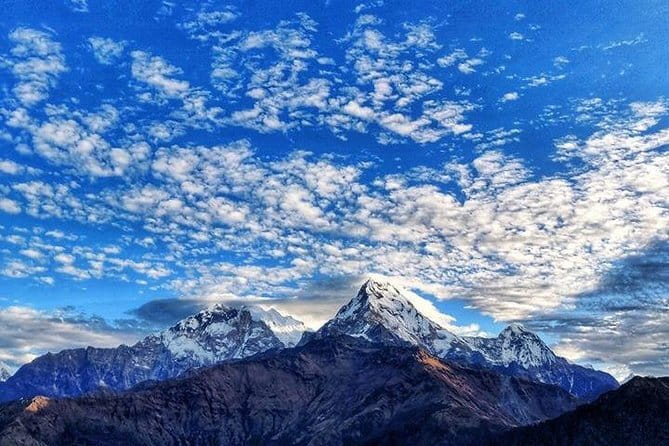
Most people start in Kathmandu, with a premeeting at Hotel Florid Nepal, then a bit of time around Thamel to prepare and confirm details. The start time is listed as 7:15 am, which helps because it gets you moving early and avoids wasting daylight on the first travel day.
From Kathmandu to Pokhara, the overland transfer is about 6–7 hours by bus (roughly 200 km). You’ll also have a choice: a 30-minute flight is available, but it costs extra. I like having both options because it means you can match the trip to your energy level—bus if you enjoy the ride and want the cost down, flight if you’d rather save stamina for the trail.
Either way, you’ll get some evening free time in Pokhara, which is useful. Nepal treks can be simple, but your body still appreciates a night where you’re not rushed.
Birethanti Checkpoint to Ulleri: Rivers, Checkpoints, and the First Climb
When you head toward the trail area, there’s a practical transition from city logistics to trekking reality. After a drive from Pokhara to Nayapul (about 1 hour), you start walking through the riverbank area along the Modi Kola stretch toward the route’s early checkpoints.
One stop worth noticing is Birethanti Bridge, where a TIMS checkpoint happens and where the Annapurna glacier river area mixes in. Even if you’ve done paperwork elsewhere, this is the point where you switch mindset—from tourist mode to trek mode. Expect your guide to handle the admin side, but still keep your travel documents ready.
Then it’s hike time: you’ll work your way from early villages like Hile and Tikhedhunga up toward Ulleri, with the day building toward steeper effort. This is also where you begin to feel the rhythm—short pauses, consistent steps, water breaks, and the steady climb that sets the tone for what comes next.
Ulleri to Ghorepani: Rhododendron Forests and the 3,300-Step Reality
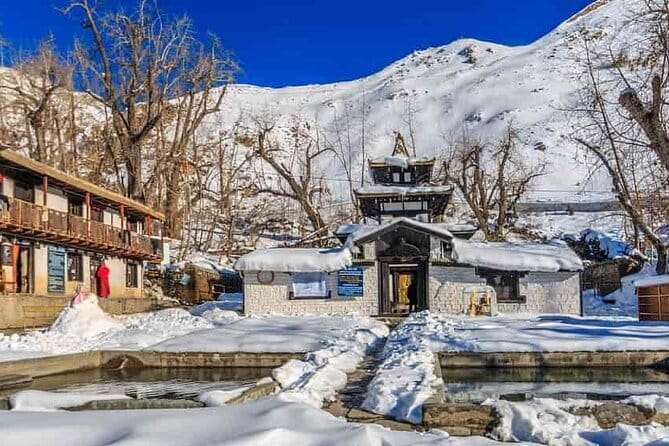
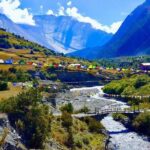
This is the day section that most directly explains why Poon Hill feels beginner-friendly—up to a point. From Ulleri, the route takes a gentle ascent through rhododendron and oak forests, which is exactly the kind of terrain that makes walking feel scenic instead of like punishment.
Eventually you reach Banthanti, then continue on to Ghorepani, with the route paced as a couple of hours between key segments. The overnight is in a guesthouse in Ghorepani, which matters because it puts you in the right position for the next morning’s early start.
Now for the part to plan around: you’ll hear about the staircase challenge—around 3,300 steps toward Ghorepani. That’s not just a number; it changes how you pace. Your legs will feel it, especially if you start too fast. The trick is to keep the effort steady, take short breaks, and focus on breathing rather than speed.
One more good reason to stay calm on this day: rhododendron season and forest light can make the walk feel surprisingly pleasant, even when your legs complain.
Poon Hill Pre-Dawn: The Sunrise Hike You Actually Plan For
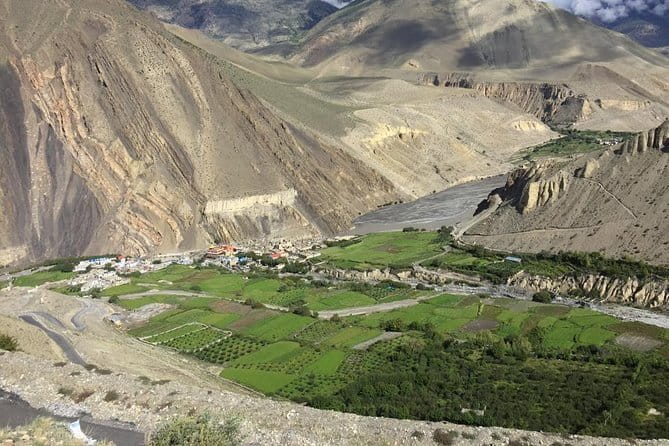
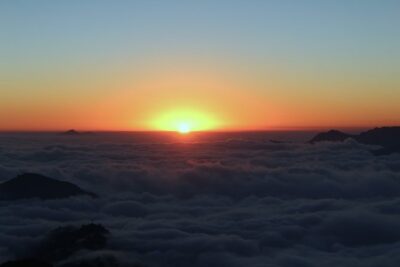
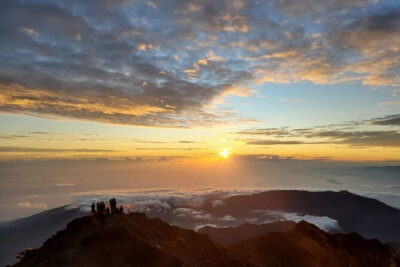
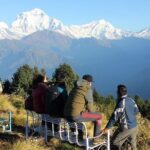
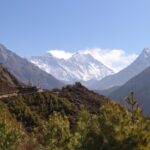
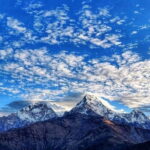
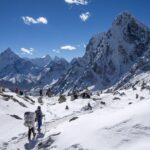
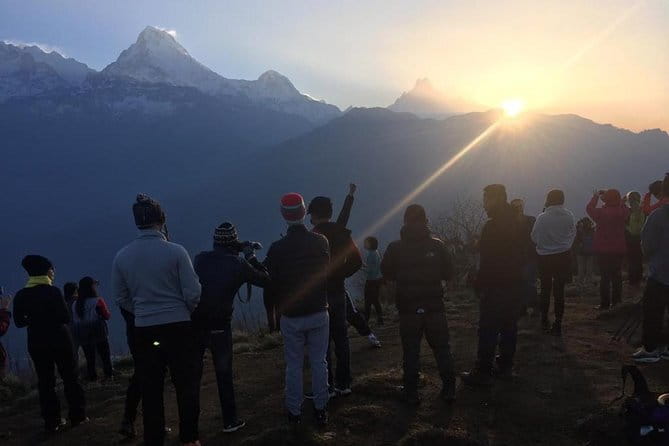
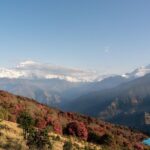
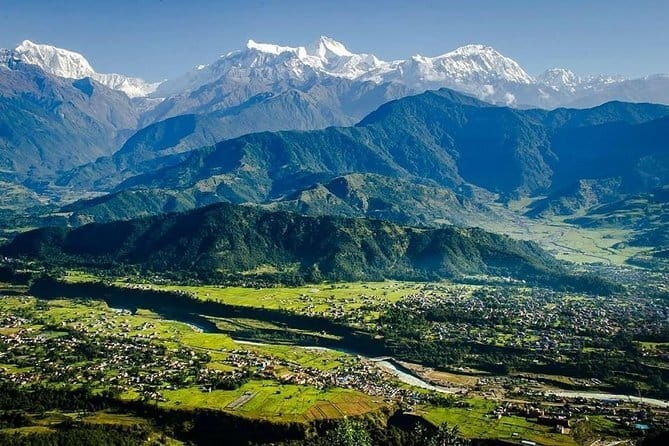
The next morning is built around Poon Hill, with an early hike of about 1 hour. This is the “wake up now, thank yourself later” moment. Poon Hill is where you get the wide-ranging Himalayan panorama—Manaslu, Annapurna, and Dhaulagiri mountain ranges are mentioned as the highlight ranges, with sunrise described as unbelievable when skies align.
After the sunrise time, you return to Ghorepani for breakfast, then continue onward. This portion of the day is smart because you don’t just sprint up for a view and then scramble for the rest of the trek. You get a break, refuel, and then move.
From there, you continue to Tadapani for an overnight stay. This gives you a more gradual landing after the intensity of early morning effort. It also means you’re not hiking into the night, which matters for comfort in small mountain villages where lighting and warmth can be basic.
Ghandruk and the Gurung Museum: Local Culture Without Detours
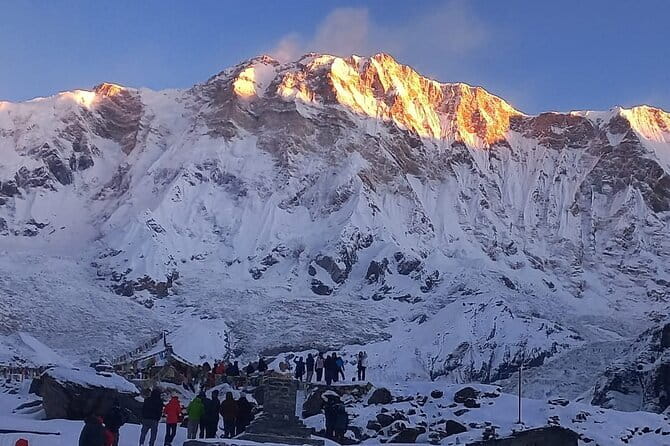
Day 6 has a different flavor: a shorter hike described as around 3–4 hours to Ghandruk. Even if you’re physically tired, this kind of day helps you feel like you’re not only chasing views—you’re also learning where those views fit into real communities.
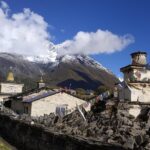
Ghandruk is described as historically important because of Gurkha soldiers, and the route includes visits around the village area, including the Gurung Museum. This is the part that adds meaning to the trek. When you see locals doing daily life—after you’ve climbed—you understand the trek isn’t only a photo stop. It’s a way into place.
Overnight in a guesthouse again keeps the style consistent. You’ll usually find simple rooms and a steady flow of other hikers nearby, especially around the bigger viewpoints.
Tadapani to Nayapul to Pokhara: The Walk Out and the Return to Comfort
On the next section, you hike back toward the lowlands, which can feel like a “different kind of work.” The hike is described as about 5 hours to Nayapul. You start with a decent section, then continue along a more continuous road stretch until Nayapul.
After that, you switch back to vehicle travel: a car ride takes you back to Pokhara. This two-step approach—walk out, then drive—often feels more satisfying than spending extra days gradually trudging downhill. Your body gets the movement it needs, but you’re not locked into hiking for the sake of hiking.
Then you’ll head back toward Kathmandu on Day 8. The drive is about 6–7 hours by tourist bus, and there’s a farewell dinner in Kathmandu that night at the end of the trek. Finally, Day 9 ends with a drop-off back at Thamel and airport transfer via a representative.
Price and Value at $700: What You Get, What Costs Extra
The package price is $700 per person for approximately 9 days. That’s not a budget price, but it also isn’t a luxury mountaineering package. For most people, the best value comes from how much is handled for you: transportation, trekking permissions, and meal support.
Here’s what’s listed as included:
- Both-way transportation (Kathmandu–Pokhara and back, plus ground transfers connected to the trek)
- All activities fees and national park fees
- Fuel surcharge and landing/facility fees
- 2 nights accommodation (listed as included, but you should confirm exactly which nights this covers for your dates)
- Meals: 9 breakfasts, 5 lunches, 5 dinners
What’s not included:
- Drinks (water, sodas, and other beverages will add up)
- Tips for guide and hotel staffs
- Food during transfer segments to Chitwan and from Chitwan to Kathmandu are listed as not included
That last bullet is a wildcard. The core trek route you’ll walk is clear, but the transfer mention suggests there may be added travel segments in some versions of the overall journey. Before you pay, I’d ask the operator to confirm what meals are missing during all vehicle days, so there are no surprise costs.
Group size is also part of value. With a maximum of 14 travelers, you get structure without feeling like you’re herded with hundreds of people.
Guides, Safety, and the Feel-Good Part of “Well Run”
One of the biggest strengths of this operator is how people describe the team’s support and safety. In feedback received, guides and staff were praised by name—Dawa, Eku, and Sudip—for making the experience feel well managed and enjoyable. That matters because even an easier trek has real risks: weather, slippery trail sections, and simple fatigue.
If you’re nervous, this kind of support can make a big difference. The trek is physically manageable for many people, but early mornings and stair climbs test your patience. When your guide is calm and prepared, the whole trek feels less like guesswork.
Also note the human side: the meeting and briefing around Thamel and the premeeting at Hotel Florid Nepal give you a chance to get oriented early. And the pickup approach helps you start without the stress of hunting for meeting points.
Effort Level, Weather Reality, and What to Pack
This trek is often chosen because it’s shorter and lower than many Annapurna options. But the trail still asks for stamina. Expect:
- Uphills and rocky sections at points
- A large stair effort near Ghorepani (the 3,300-step highlight)
- Early start timing tied to the Poon Hill sunrise hike
Weather is not an afterthought here. The experience description notes it requires good weather, and if it’s canceled due to poor conditions you’re offered an alternate date or a full refund. That’s not a promise of perfect skies, but it does mean weather risk is taken seriously.
Packing advice stays simple and practical for this kind of trek:
- Bring layers for cold pre-dawn sunrise hours
- Plan for foot fatigue—comfortable hiking shoes with grip
- Expect guesthouse conditions to be basic, so bring what makes you comfortable (like a warm layer you trust)
- Bring a plan for drinks, since drinks are not included
If you can handle stairs and start early without grumbling too much, you’ll likely enjoy the day-to-day rhythm.
Should You Book the Ghorepani Poon Hill Trek?
Yes, consider booking if you want a Himalayan view trek that doesn’t demand a long commitment, and you’re happy trading one big stair effort for big rewards in scenery and sunrise timing. This is a solid match for beginners who are willing to walk consistently and for anyone short on time who still wants authentic Nepal village moments.
Hold off or ask extra questions before booking if you’re very sensitive to stair climbs, or if the transfer days that involve Chitwan affect your meal budget. The trek includes a lot, but drinks and some food segments are not listed as included.
If you want sunrise over major Himalayan ranges, forest walking, and a culture stop in Ghandruk—this route is built for exactly that balance. And if the team’s support matters to you, the guide names mentioned in feedback—Dawa, Eku, Sudip—are a good sign that this operator takes care of the human side, not just the schedule.
FAQ
What is the duration of the Ghorepani Poon Hill Trek?
The trek is listed as about 9 days.
Where does the tour start in Kathmandu?
The premeeting is at Hotel Florid Nepal, followed by time around Thamel.
What time does the tour start?
The listed start time is 7:15 am.
Is pickup included?
Yes, pickup is offered.
How do you get to Pokhara from Kathmandu?
You can take a 6–7 hour bus drive (about 200 km) or an optional 30-minute flight at an additional cost.
What is the hardest part of the trek?
The route includes a staircase climb of about 3,300 steps, plus some rocky and uphill sections.
Is Poon Hill sunrise included?
Yes. There is an early morning hike to Poon Hill for sunrise views, followed by breakfast back in the Ghorepani area.
Are meals included?
Meals are partly included: the package lists 9 breakfasts, 5 lunches, and 5 dinners. Drinks are not included.
What is the group size limit?
The tour has a maximum of 14 travelers.
What happens if weather is bad?
The experience requires good weather. If it’s canceled due to poor weather, you’ll be offered a different date or a full refund.
What is the cancellation window for a full refund?
You can cancel up to 6 days in advance for a full refund (and changes within 6 days are not accepted for full refund).