REVIEW · PARO
9 Days Druk-path Trek with Cultural sightseeing
Book on Viator →Operated by Bhutan Travel Club · Bookable on Viator
Bhutan can feel big and intense, yet this trip keeps it calm. You get a classic Druk-path trek vibe—blue pine forests, ridge walks, high passes—then you slow down for temple time in Paro and museum-and-stupa time in Thimphu.
I like two things most. First, the routing gives you max exploration time with very little driving. Second, the culture is woven in at the right moments, not dumped in at the end—Paro temples early, Tiger’s Nest as your acclimatization highlight, and Thimphu’s major sights after the trek.
One drawback to plan for: the itinerary includes multiple long trek days and a high pass or two, so you’ll want solid moderate fitness and realistic expectations about weather views.
In This Review
- Key things that make this tour work
- Paro Valley Welcome: Dzongs, Lhakhangs, and a first look at Bhutan
- Day 2 in Paro: Rinpung Dzong and Kyichu Lhakhang details you’ll actually remember
- Day 3: Paro Taktsang (Tiger’s Nest) as your altitude and emotion stop
- Day 4 trekking start: Jili Dzong ridge climb into blue pine and fir forests
- Days 5 and 6: Jangchu la pass, trout-lake country, and yak herder camps
- Day 7: Gangkar Puensum views if weather cooperates, then a smooth descent into Thimphu
- Day 8 in Thimphu: Buddha Dordenma, Folk Heritage, textiles, and stamps
- Day 9: Easy departure back to Paro and out of Bhutan
- What you get for the price: value math that makes sense
- Service level: why the guide-and-driver matter more than you think
- Who this trek-and-culture combo suits best
- Should you book this 9-day Druk-path trek with Paro and Thimphu?
- FAQ
- How long is the trek and sightseeing package?
- Where does the tour take place?
- What time does it start?
- Are accommodations included?
- What meals are included?
- What’s included for the trek itself?
- What major costs are not included?
- Is this tour suitable for moderate fitness?
- What is the cancellation refund rule?
Key things that make this tour work
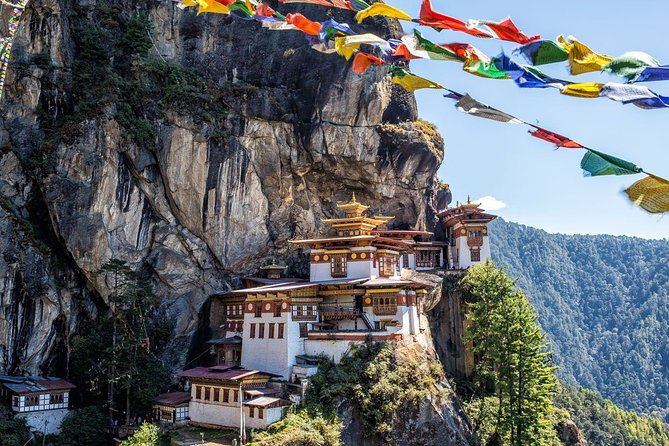
- Tiger’s Nest (Paro Taktsang) with altitude acclimatization built in, not as a random add-on
- Leisure pacing on the ground: short transfers and more time walking around the sights
- High ridge trekking plus lake-country moments, including trout-lake scenery
- Temple stops that teach how Bhutanese Buddhism shows up in daily life (dzongs, lhakhangs, monasteries)
- Strong on-the-ground support, with guide-and-driver service called out repeatedly in feedback
- 3-star stays and full meals included, so you can budget without day-to-day guesswork
Paro Valley Welcome: Dzongs, Lhakhangs, and a first look at Bhutan
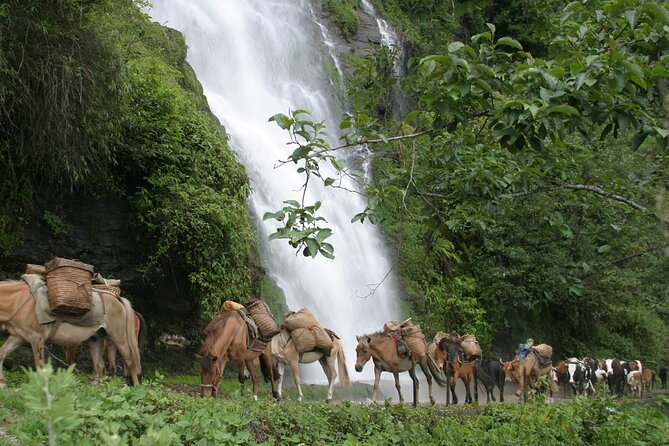
Your trip starts in Paro, right where the Himalaya drama begins—on approach you’re near some of the highest glacial peaks. The flight experience matters here. It sets the mood fast, before you’ve even checked into your hotel.
After you land, you’ll meet your English-speaking guide and driver. You’re then driven into the Paro valley, passing the slivery Pa Chu (Paro River) winding below Paro Dzong. It’s a good first lesson in how Bhutan’s towns are built: river first, fortress nearby, then the day-to-day around them.
In the evening, you’ll do an easy stroll in Paro and have dinner. This is more than a free-floating wander. It helps you get your bearings fast—especially useful because you’ll be on foot again almost right away.
Like what you’re paying for: you don’t burn hours in transfers. Day 1 is about easing in, not rushing.
You can also read our reviews of more tours and experiences in Paro.
Day 2 in Paro: Rinpung Dzong and Kyichu Lhakhang details you’ll actually remember
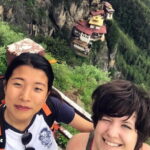
Day 2 is temple-focused, and that’s smart. You’ll see Paro Rinpung Dzong overlooking the Paro river. Dzongs in Bhutan aren’t just fancy buildings. They’re fortress-monastery complexes tied to history, governance, and faith. Being on the hillside above the river gives you the right perspective.
Then you’ll visit Kyichu Lhakhang, believed to date back to the 8th century. This is the kind of site where the age is part of the feeling. Even if your guide speeds through history, you’ll notice the difference between an old temple and a newer one: the reverence looks lived-in.
Next comes Dungtse Lhakhang, known for its chorten-like form. Small detail, big payoff: it shows that Bhutanese religious architecture isn’t one-size-fits-all.
If you feel like stretching your legs, you may also choose a short, easy hike option—Zuri Dzong—about an hour to Uma Paro Hotel from the area mentioned in the plan. It’s a nice break from temple-on-temple pacing.
In the evening, you’ll explore Paro on foot and check out handicraft shops. This is where you start to see Bhutan’s craftsmanship in real-world context: textiles, small religious items, and local art sold where people actually buy it.
Day 3: Paro Taktsang (Tiger’s Nest) as your altitude and emotion stop
Day 3 is the headline. The hike to Paro Taktsang (Tiger’s Nest) is also your built-in acclimatization. Plan on a two-hour hike each way. The temple sits clinging to a cliff about 1,000 feet above you.
What I like about making Taktsang Day 3: you’re not yet exhausted from trekking. Your body is still fresh enough to enjoy the climb instead of surviving it. It also works psychologically. You start the trek with a major spiritual “anchor point,” so the rest of the Druk-path walking feels connected.
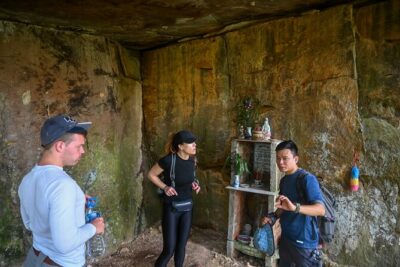
The setting is seriously solemn. You’ll get that meditative feel at the monastery—less carnival energy, more quiet focus. In the evening, you can return to Paro for another relaxed stroll.
Practical tip: start early, keep water handy, and don’t chase speed on the first steep parts. The view comes whether you sprint or steady-walk.
Day 4 trekking start: Jili Dzong ridge climb into blue pine and fir forests
Day 4 shifts from temple Bhutan to trekking Bhutan. You drive from the National Museum area via farm roads toward Jili Dzong fortress. The ride is mostly countryside: gravel roads, farm views, then the road starts climbing.
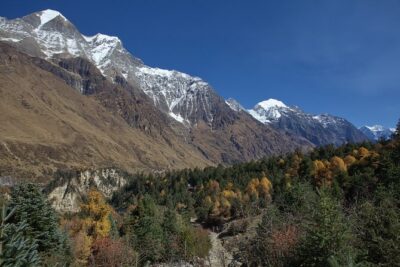
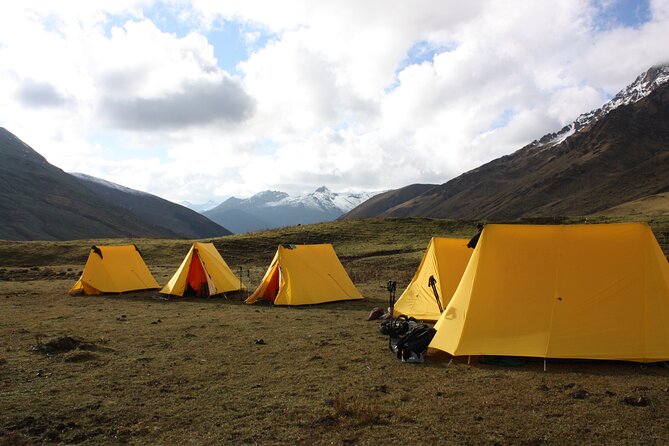
Once you’re near Damche Gom, your trek begins with a climb for around 1.5 hours. After that, you ascend more gradually through alpine forest with dwarf rhododendron. This is classic Bhutan trek country: not just big mountains, but the texture of the forest and the constant change in the trail.
You might see yaks and yak herders around the campsite area. That small realism matters. Bhutan trekking isn’t only about scenery; it’s about living landscapes.
Your trekking crew is set up for the evening—so you’re not arriving at camp and figuring out gear logistics. That’s a real comfort on a day like this, when your legs are still waking up.
Days 5 and 6: Jangchu la pass, trout-lake country, and yak herder camps
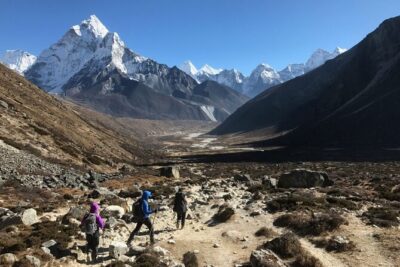
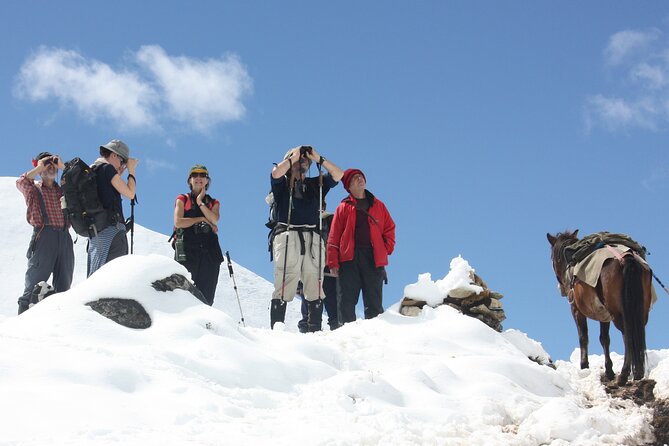
Day 5 is ridge walking with lake-country moments. On clear days, the views over valleys and mountain ridges are excellent. You’ll trek to a saddle around 4,040m, then drop a bit and head to Jangchu la pass (4,180m).
There’s also lake scenery: the plan includes Jimilang Tsho (Sand Ox Lake). It’s described as known for giant sized trout. Whether you see fish or just admire the water, lakes like this are where trekking feels meditative. You get a quiet pause from constant climbing.
Day 6 continues through dwarf rhododendron and around Janetso Lake. You may spot yak herder camps, which is your chance to see nomad-style life in the less-touristy way: not staged, just part of the day-to-day rhythm out there.
The day ends near Simkotra Tsho Lake. Another lake stop means your trek days aren’t just about uphill effort. You get an actual sense of place.
Day 7: Gangkar Puensum views if weather cooperates, then a smooth descent into Thimphu
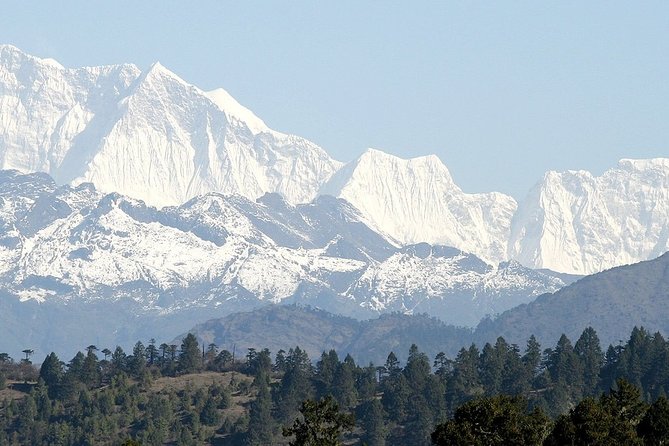
Day 7 starts with a gradual climb. If the weather is friendly, you can get views of Mount Gangkar Puensum, described as the highest mountain in Bhutan, along with other Himalayan peaks. Weather is the great equalizer in Bhutan trekking. If you don’t catch the big view, you still get the ridge-to-forest rhythm and the monastery stretch that follows.
From the pass area, you head downhill toward Phajoding monastery. Then the trek continues down toward Thimphu (Mothitang), mostly through blue pine forest. This is a long downhill day—about 6 hours to the road pickup point.
After you reach the road point, you’ll get picked up and taken to your hotel for a relaxing night. On the way in, you’ll stop at Changangkha monastery.
In the evening, you visit the Memorial Chorten Stupa. Then dinner at the Babesa village restaurant is part of the plan—good to know, because it’s a specific place, not a vague dinner suggestion. Food after trekking is where your body finally shuts up and lets you enjoy.
Day 8 in Thimphu: Buddha Dordenma, Folk Heritage, textiles, and stamps
Thimphu day is a switch from hiking effort to slow cultural browsing. It’s also where you’ll see Bhutan’s modern civic pride. You drive to Kuensel Phodrang, home to the 169-foot Buddha Dordenma statue.
Then you’ll enjoy a panoramic view of Thimphu from there, plus a short scenic hike through the park. That park-and-view combo is useful after a trek because it gives your legs movement without demanding more steep climbs.
Next you’ll hit a set of cultural anchors:
- Folk Heritage museum (three stories with insight into daily life and household artifacts)
- Royal Textile Museum and Academy, tied to Bhutan’s textile craft tradition
- Bhutan Post Office, where you can see famous stamps and send postcards home
You end the day at the Crafts Bazaar. It’s a practical wrap-up because you can pick up smaller items without needing a whole “shopping day.”
Day 9: Easy departure back to Paro and out of Bhutan
Day 9 is simple. After breakfast, your driver takes you to the airport in Paro. That’s it—no extra scramble, no last-minute packed schedule. It’s a good way to finish a trek trip, when your body has already done the hard work.
What you get for the price: value math that makes sense
At $2,800 per person for a 9-day trek plus cultural sightseeing, the cost only feels fair when you factor in what’s included.
You’re paying for:
- Permit fees and monument entry fees worth about $200
- All transfers and driving between sights
- All meals and evening tea (breakfast, lunch, dinner listed across the trip)
- 3-star accommodations
- Drinking mineral water
- English-speaking tour leader and driver
- New model SUV for inland transfers
- Trekking equipment and haulage, plus trekking crew support
- Extra mattresses for trekking
Your biggest additional costs are not in the tour price: airfare, visa fee (listed as $40), travel/medical insurance (not included), and a daily tourism tax listed as USD 100 per day. Personal shopping and tips also land outside the package.
So here’s the practical bottom line: if you’re the kind of traveler who hates piecing together permits, equipment, and meal planning while you’re also figuring out altitude trekking logistics, this type of package can be good value. If you’re already budgeting for a lot of separate Bhutan paperwork and you can self-organize trekking gear, you might compare alternatives. But for most people, the included trekking gear, crew, and meals are what keep the trip sane.
Service level: why the guide-and-driver matter more than you think
In the feedback, the strongest praise is consistency and responsiveness. People mention quick communication before the trip and confidence that everything was organized. They also praise the “everyday people” factor—guides and drivers described as friendly, helpful, and ready to handle adjustments.
Some named examples show up in reviews: guide SP, driver Suba, and key team members like Pelden and Bijay. One review even mentions a birthday picnic planned during the trip—small detail, big sign of how seriously the team takes comfort and care.
That kind of service matters on a trek trip. It affects pacing, meal timing, and how smoothly you switch from trekking to museums to stupa visits.
Who this trek-and-culture combo suits best
This works best if you want:
- A leisure-paced plan with minimal driving
- Real trekking time (not a token “walk and pose” day)
- Cultural depth in Paro and Thimphu, tied to temples and museums
- A group setup where your needs are handled (equipment, haulage, crew)
You should think twice if:
- You want a super easy walk all the way through (this includes several multi-hour trek days and passes)
- You’re hoping for perfect weather views every day (views depend on conditions)
- You dislike altitude challenges, even though pacing and acclimatization are built in
Should you book this 9-day Druk-path trek with Paro and Thimphu?
If your idea of a great Bhutan trip includes both walking in high forests and understanding the sacred sites that define the culture, this is a strong match. The route is structured so you get the big highlight at the right time—Taktsang early enough to enjoy it—then the trekking days follow a logical ridge-and-lake rhythm before you land in Thimphu for museums, stupa visits, and city views.
Book it if you want a package that handles the heavy logistics: permits, trekking gear, meals, crew support, and the switch between Paro, trek, and Thimphu.
Skip it if you’re chasing a nonstop festival style trip or you’re not comfortable with multi-hour hiking days. Also do the math on extra costs like airfare, visa, travel insurance, and the daily tourism tax so you don’t get surprised late.
FAQ
How long is the trek and sightseeing package?
It runs for about 9 days, starting in Paro and ending back at Paro (the meeting point mentioned).
Where does the tour take place?
You’ll be based in Paro for the start and trekking, then you’ll trek down toward Thimphu and finish with Thimphu sightseeing before returning to the Paro area for departure.
What time does it start?
The start time listed is 8:30 am, meeting at Paro International Airport Airport Road, Paro.
Are accommodations included?
Yes. The package includes 3-star accommodations during the trip.
What meals are included?
Breakfast, lunch, and dinner are included (with dinner listed for 8 days, lunch for 8 days, and breakfast for 8 days). Evening tea is also included.
What’s included for the trek itself?
Trekking equipment and haulage are included, along with services of the trekking crew and extra mattresses for trekking.
What major costs are not included?
Airfare, visa fee (listed as $40), travel and medical insurance, the daily sustainable development fund/tourism tax of USD 100 per day, and personal expenses like laundry and tips are not included.
Is this tour suitable for moderate fitness?
It’s best for travelers with moderate physical fitness, since the plan includes trekking days and a pass at high altitude.
What is the cancellation refund rule?
You can cancel up to 6 days in advance for a full refund. Cancelling 2–6 full days before gives a 50% refund, and cancelling less than 2 days before is not refunded.
—
If you tell me your hiking background and travel month, I can help you sanity-check the altitude and forecast risk for Taktsang and the higher pass days.