REVIEW · MARRAKESH
Atlas Mountains:Full-Day Trek to Berber Villages & Waterfall
Book on GetYourGuide →Operated by discover camp · Bookable on GetYourGuide
One day in the Atlas and Marrakech feels far away. This full-day trek takes you through Berber villages and up toward a waterfall, guided by people who explain what you’re seeing in Arabic, French, or English. I like how the day mixes real village life with big mountain views, plus a proper lunch break at a local Berber house.
I also appreciate that the guides manage the walk with a human pace, and they’re the type to keep asking if you’re okay rather than marching you onward. The one drawback to plan for is physical walking on uneven mountain paths, so you’ll want sturdy shoes and a bit of patience for uphill sections.
In This Review
- Key highlights worth knowing before you go
- From Marrakech to the Atlas: how the day actually starts
- Berber villages: seeing everyday Morocco up close
- The hike to the waterfall: where the views earn their keep
- Lunch at a local Berber house: food that feels part of the day
- Guides and pace: why the names people mention matter
- Price vs. value: how $18 can work (or not) for you
- What to pack and how to stay smooth with pickup
- Who this trek suits best (and who should adjust expectations)
- Should you book this Atlas Mountains trek from Marrakech?
- FAQ
- How long is the Atlas Mountains trek?
- How much does it cost?
- What’s included in the price?
- What languages do the guides speak?
- Is transportation from Marrakech provided?
- Is the tour wheelchair accessible?
- Do I need a phone number for booking?
- Can I cancel and get a refund?
- Can I reserve now and pay later?
Key highlights worth knowing before you go
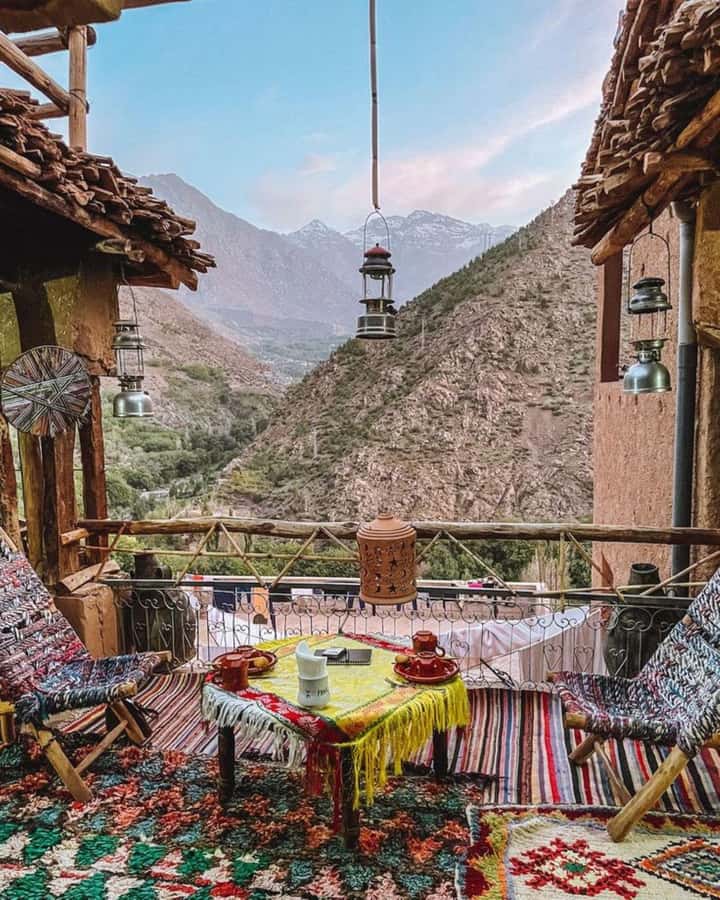
- Round-trip transport from Marrakech with pickup and drop-off from a designated meeting point
- Berber village visit with a warm welcome and time to see how daily life works
- Waterfall stop built into the hike so you get your photos without turning it into a race
- Lunch at a local Berber house (and in some departures, reports of breakfast and bottled water)
- Multilingual guides who share practical context, from local traditions to village history
From Marrakech to the Atlas: how the day actually starts
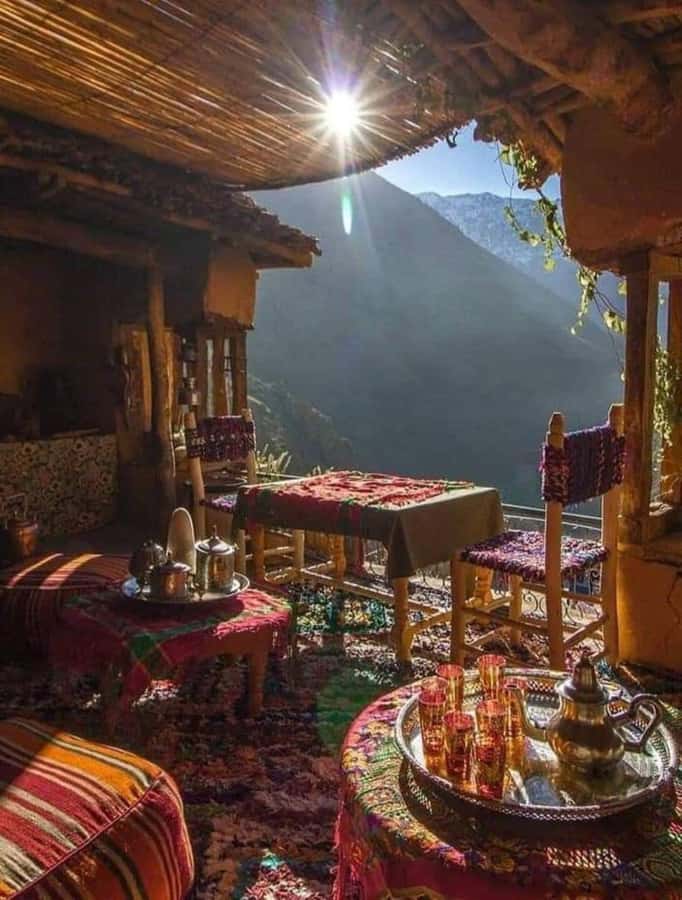
Your day begins with pickup in Marrakech. You meet at a designated meeting point, then head out toward the Atlas Mountains with transport included both ways. The exact pickup time is confirmed by your guide based on that day’s schedule and other participants, so don’t treat it like a fixed train timetable.
One small step that makes this whole experience easier: give a valid phone number when you book and stay reachable. The guide coordinates pick-up via WhatsApp, so reply quickly when the message comes through. It’s a simple thing, but it prevents the morning stress that can sneak up on you in a city with a lot going on.
Once you’re on the road, you’re already getting the point of this trip. You’re moving from busy streets to a very different rhythm, with mountain air and wider views replacing cars and shop fronts. That shift alone is one of the reasons this trek works so well as a day escape.
Berber villages: seeing everyday Morocco up close
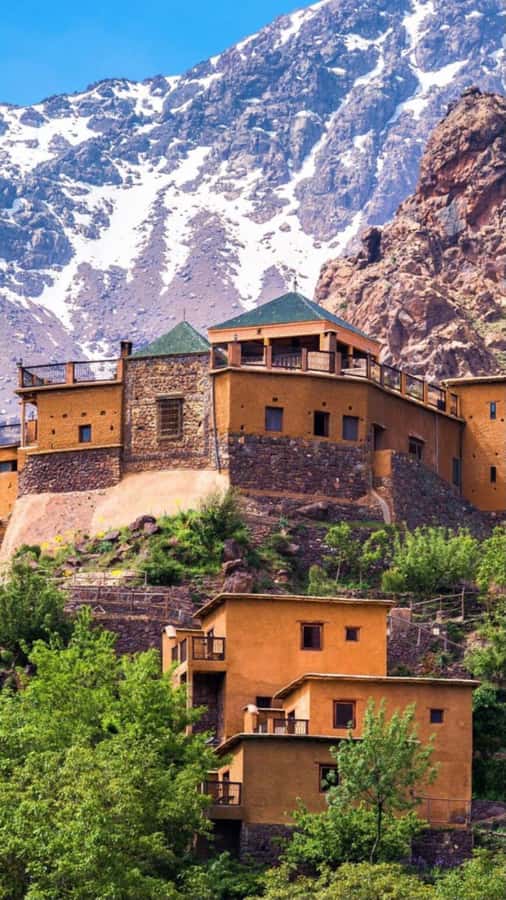
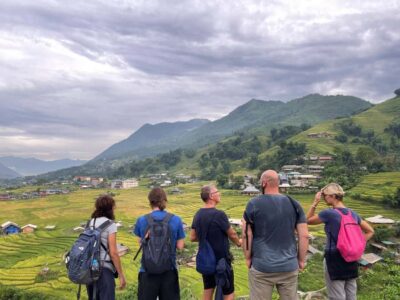
This trek isn’t just about walking past scenery. You actually spend time with traditional Berber villages, where you get a look at how people live and how the landscape ties into daily routines. Expect friendly interactions, guided explanations, and moments to observe without feeling like you’re on a set.
A lot of value here comes from the guide’s role. Guides you might meet, like Mustapha, Jawad Mazik, Achraf, Rabia, Amina, Tarik, or Rachud, are consistently described as patient, helpful, and clear in their explanations. Even when the walk is active, they’re still working as your translator of sorts: why a village is arranged a certain way, what locals do, and how traditions show up in normal life.
This is also where the day becomes less predictable—in a good way. You might slow down for a conversation, pause for a better angle, or take a moment when the group needs it. That flexibility matters if you’re not trying to break a personal record on a mountain trail.
The hike to the waterfall: where the views earn their keep
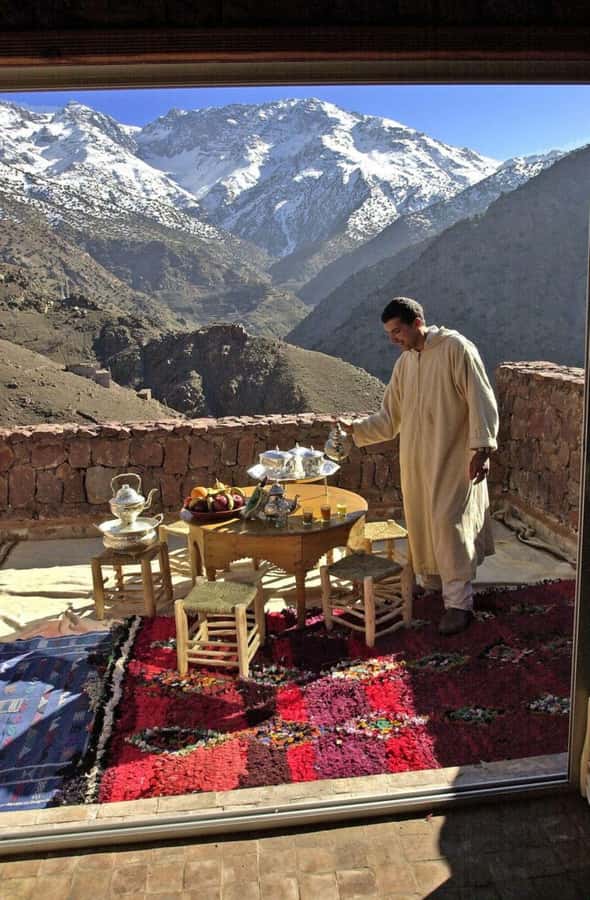
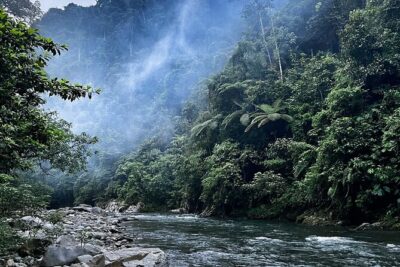
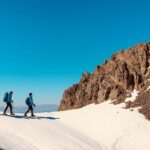
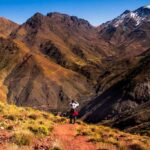
The payoff for the walking is the mountain scenery, especially the waterfall area. You’re hiking through valleys and up toward higher points where you can see the scale of the Atlas—peaks in the distance, and a feeling of space that you just don’t get in Marrakech.
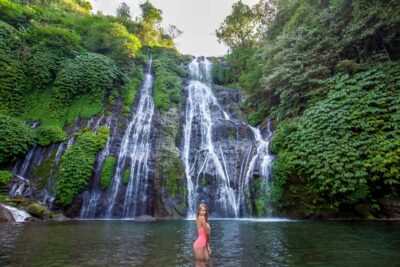
The waterfall stop is built into the day so you get a real break, not just a quick look and go. It’s a chance to cool down, reset your legs, and take photos without feeling rushed. When conditions are right, it’s also one of the most satisfying “arrival moments” because the waterfall gives you something tangible at the end of the climb.
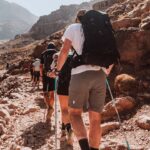
Now for the reality check: this is still a trek. Even if your guide manages the pace, you’ll be walking on paths that are not flat and smooth like a city sidewalk. Go with a mindset of comfort over speed, and you’ll enjoy it much more. If you’re prone to knee issues, bring proper shoes and consider asking your guide what the steepest parts look like on your specific route.
Lunch at a local Berber house: food that feels part of the day
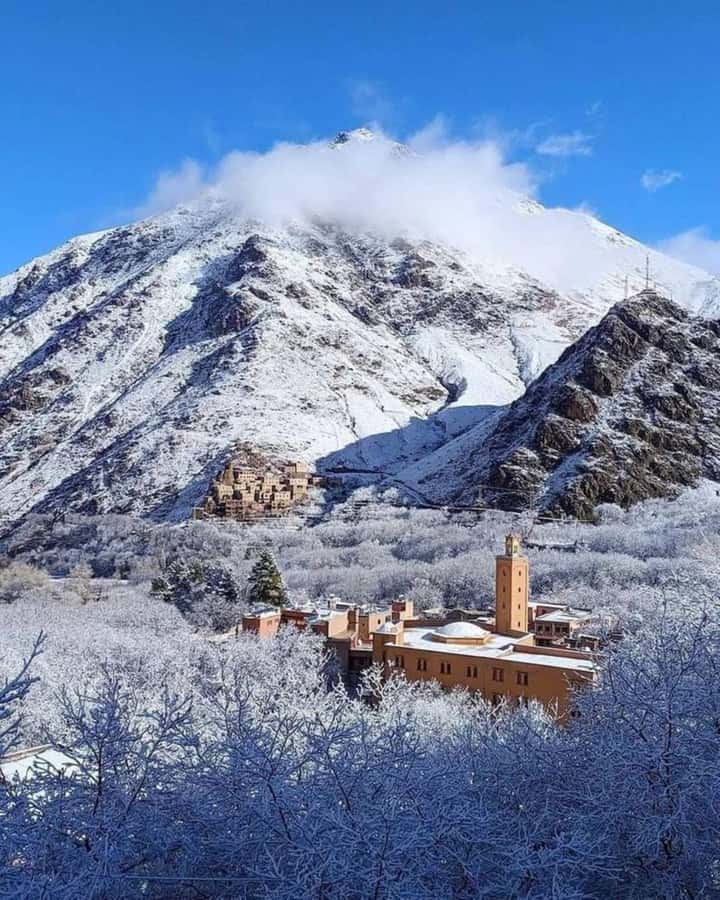
Lunch is one of the easiest “yes” decisions on this tour. You eat at a local Berber house, not a tourist cafeteria. The result is a more relaxed meal, with the day’s story continuing right at the table.
In past departures, people have highlighted lunch quality and the view from where they eat—mountain valleys can be right in front of you. Some groups also report a light breakfast and bottled water included, which is handy if you don’t want to hunt for food before the hike.
The best way to think about this lunch is as a cultural bridge. You’re not just watching village life from outside. You’re sharing a meal in a home setting, with context from your guide and the chance to ask normal questions. Even if your Moroccan Arabic is limited, your guide’s language skills (Arabic, French, or English) help turn awkward silence into actual conversation.
Guides and pace: why the names people mention matter
If you’ve been to enough tours, you learn the truth fast: the guide shapes the entire experience. On this trek, the guide role comes through again and again—clear communication, caring attention, and explanations that don’t feel like a textbook lecture.
People often mention guides like Mustapha and Jawad Mazik for being friendly and informative, and Achraf for making sure everyone is comfortable and updated on the schedule. There’s also a theme of guides adjusting to the group. In one case, a guide was described as accommodating someone who couldn’t fully do the hike, which tells you the operator thinks about real-life needs, not only perfect itineraries.
Pace is another big deal. Mountain walking can be slow by nature, especially when the group wants photos, explanations, and breaks. Guides are doing the balancing act: keep you moving, but don’t steamroll the day. That’s why the experience is often remembered as a hike plus a human connection, not just legs and views.
If you want to get the most out of the day, show up ready to talk. Ask questions during village stops, and listen during the short history and tradition explanations. You don’t need a special background to enjoy it, but curiosity turns this into more than “another tour.”
Price vs. value: how $18 can work (or not) for you
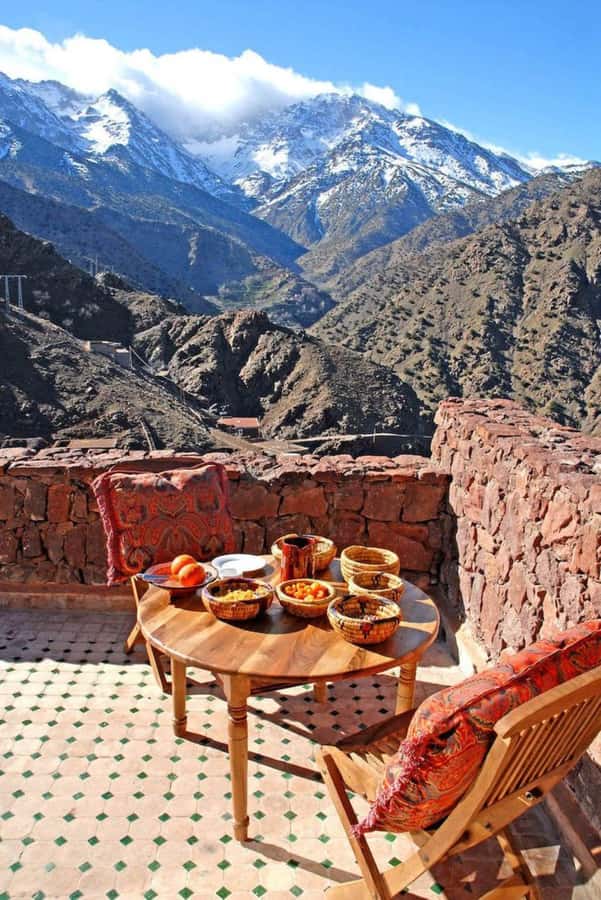
At $18 per person for a full day, this is priced like a budget-friendly outing that still aims to feel authentic. The value isn’t only the low price—it’s that the day includes transport, a guided trek, village and waterfall time, and lunch.
Let’s translate that into practical terms:
- Transport matters here because getting out to the Atlas efficiently usually costs more time and coordination on your own.
- Guidance matters because the explanations help you understand what you’re seeing, especially in village areas.
- Lunch included reduces decision fatigue. You’re not hunting for food right before the climb or trying to squeeze meals between stops.
Your main “value risk” is the hike itself. If you’re looking for a light stroll with minimal elevation, you might feel like the effort doesn’t match your expectations. But if you’re comfortable with a guided walking day and want a real change of scenery, the price-to-experience ratio looks strong.
Also, the guides and transport are described as safe and organized, and equipment is described as modern. That’s worth something on a day in mountain conditions.
What to pack and how to stay smooth with pickup
This is the kind of tour where the basics make a big difference. Bring:
- Sturdy walking shoes with grip
- Water (even if bottled water is provided on some departures, don’t bet your day on it)
- A light layer for the morning and higher points, since mountain air can feel cooler than Marrakech
- Sun protection for the times you’re exposed
For pickup, follow the instructions and stay reachable. You’ll need a valid phone number, and you should respond to WhatsApp messages when the guide confirms timing. Since the exact pickup time can vary by the day’s schedule, it’s smart to keep your phone charged and your location easy to find.
If you’re booking with mobility needs, note that the tour is listed as wheelchair accessible. That said, mountain routes can still involve uneven ground. If you need a particular support setup, message the operator in advance so they can plan the safest, most comfortable option for you.
Who this trek suits best (and who should adjust expectations)
This outing is ideal if you want:
- A full-day change from Marrakech
- A mix of walking, village visits, and a waterfall payoff
- A guide who explains what you’re seeing in Arabic, French, or English
- A meal experience that feels connected to local life
It may not be the best fit if you want mostly vehicle sightseeing with minimal walking. The core experience is still a trek through the mountains, so comfort with walking on uneven paths matters.
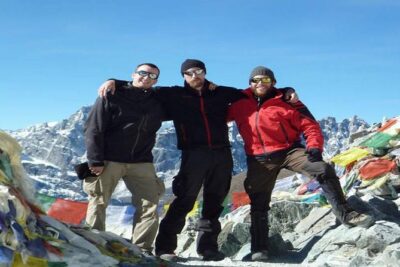
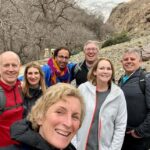
If you’re traveling as a couple, solo, or with friends and you like meeting your guide and moving together as a group, this works well. The day is structured, but it doesn’t read like a factory line of stops. Guides reportedly adjust to pace, and that’s a real plus if you don’t travel at the speed of an action movie.
Should you book this Atlas Mountains trek from Marrakech?
I think this is a strong choice if you want a genuine day out of Marrakech that costs less than most “full experience” tours, yet still includes the essentials: transport, expert guidance, village time, waterfall scenery, and lunch at a local Berber house. The many positive mentions of specific guides—like Jawad Mazik and Achraf—all point to the same thing: care, clarity, and people who manage the day with common sense.
Book it if you’re comfortable with a walking day in mountain conditions and you want to come away with stories, not just photos. Consider a different option if you want flat, minimal-effort sightseeing or you’re very sensitive to uneven terrain.
If you decide to go, do the small prep that makes everything better: proper shoes, responsive WhatsApp pickup communication, and a mindset that the day’s best moments come after you’ve earned them on the trail.
FAQ
How long is the Atlas Mountains trek?
It’s listed as a full-day activity with a duration of 1 day. Starting times depend on availability.
How much does it cost?
The price is $18 per person.
What’s included in the price?
Transportation from Marrakech to the Atlas Mountains and back, an expert guide, lunch at a local Berber house, and visits to traditional Berber villages and a waterfall.
What languages do the guides speak?
The live tour guide supports Arabic, French, and English.
Is transportation from Marrakech provided?
Yes. Pickup and drop-off are included from a designated meeting point in Marrakech.
Is the tour wheelchair accessible?
The activity is listed as wheelchair accessible.
Do I need a phone number for booking?
Yes. You’re asked to provide a valid phone number when making your booking.
Can I cancel and get a refund?
Yes. Free cancellation is available up to 24 hours in advance for a full refund.
Can I reserve now and pay later?
Yes. The offer includes reserve now and pay later, with the option to book your spot and pay nothing today.