REVIEW · BALI
Bali/Mount Agung: Sunrise Trekking Adventure With Transfers
Book on GetYourGuide →Operated by Bali Instaguide Tours · Bookable on GetYourGuide
A midnight start on Bali’s highest peak. This Mount Agung trek is a sunrise mission, built around night climbing, a serious ascent, and a payoff view you remember long after your phone battery dies.
Two things I really like: the private local guide who sets your pace and watches your footing on the hard parts, and the included summit breakfast after you earn the morning. In my notes from the guides I’ve seen lead this, Mudia and Juna in particular come up as professional and supportive, and that matters when the final stretch turns steep and awkward.
One possible drawback: this is a challenging climb. It’s not made for first-timers, and it’s specifically not suitable for people with altitude sickness or health issues. Add in the cold at the top and the sometimes-crawly sections, and you’ll want to judge your fitness honestly before you say yes.
In This Review
- Key Things To Know Before You Go
- Why This Mount Agung Sunrise Trek Feels Worth It
- Pickup After 8:30 PM: The Logistics That Set the Tone
- Two Starting Points: Besakih Temple vs Pasar Agung Temple
- Besakih Temple Route: Longer, Classic Hike to the Summit
- Pasar Agung Temple Route: Shorter, Steeper Ascent
- The Climb at Night: What It Really Feels Like
- Sunrise at the Summit: The Moment You’re Waiting For
- The Descent: Why Coming Down Can Be the Hard Part
- Price and Value: Is $92 a Smart Deal for a Sunrise Climb?
- What to Bring (and What to Leave Behind)
- Who This Mount Agung Trek Fits Best
- Should You Book This Sunrise Trek?
- FAQ
- How long is the Bali Mount Agung sunrise trekking adventure?
- What time does pickup happen?
- What’s included in the price?
- Do you provide trekking equipment?
- Are there different routes for Mount Agung sunrise?
- Is it suitable for beginners?
Key Things To Know Before You Go
- Mount Agung starts at night: you’ll be climbing in the dark, so headlamp use is real, not optional
- Two climb styles: the Besakih start is a longer hike; the Pasar Agung option is steeper and more hand-on
- Guides make or break the experience: named guides like Juna, Mudia, Leni, and Khaki show up as the type who stay patient and safety-first
- You get summit fuel: breakfast on the top plus water, and many guides also bring extra snacks
- Cold is part of the deal: warm layers and gloves matter once the sun is still a rumor
- The view comes with effort: the descent can be just as tough, especially on loose sand and stones
Why This Mount Agung Sunrise Trek Feels Worth It
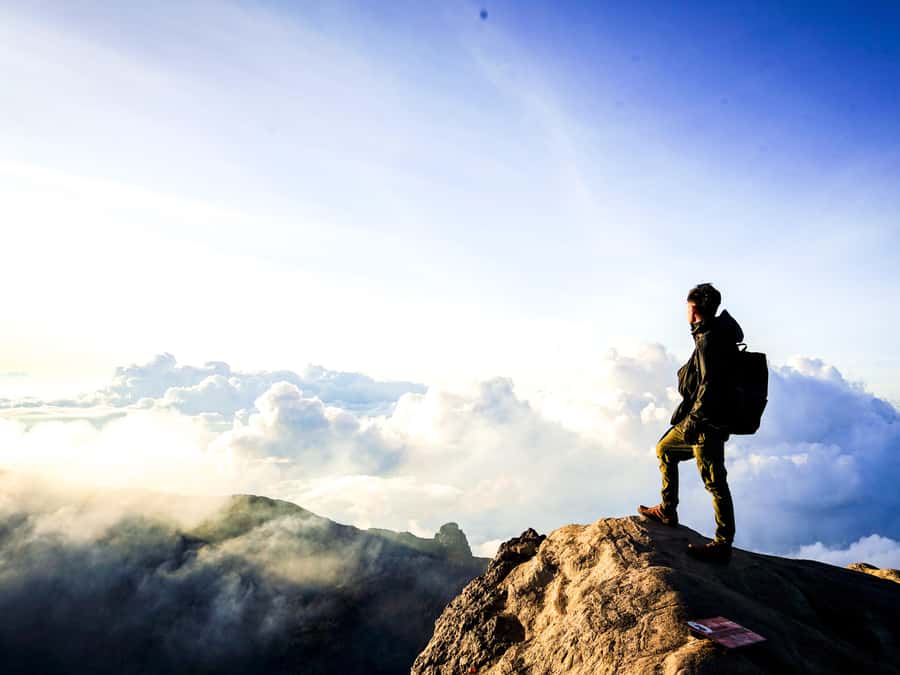
If you’ve done Bali before, you already know the island can be gorgeous without trying. This experience is different because it asks you to work for it. You’re not hopping between temples and beaches at a relaxed pace. You’re climbing Mount Agung at night, then waiting for sunrise at altitude, where the air is cooler and the world feels quieter.
I especially like that the spiritual side is part of the setting. Mount Agung is sacred for the Balinese people, and the Besakih area is tied to the famed Besakih Temple, often called the mother temple of Bali. Even if you don’t follow the rituals, it gives the climb a meaning beyond a workout.
What you end up with is a day that mixes physical challenge, sunrise drama, and a very real sense of accomplishment. One person described the value like this: you need a guide to do it safely, and once you reach the top it’s unforgettable. That matches what I’d tell you to expect if you want the real deal.
You can also read our reviews of more tours and experiences in Bali.
Pickup After 8:30 PM: The Logistics That Set the Tone
This trek runs close to a full day, about 12 hours total, but the action begins late. You’ll get picked up from your hotel around 8:30 PM–9:00 PM, depending on where you’re staying. Pickup coverage includes common Bali areas like Kuta, Legian, Seminyak, Canggu, Denpasar, Sanur, Ubud, Nusa Dua, and Jimbaran.
If you’re in Uluwatu, there’s an additional 20 USD cash charge mentioned for pickup there. It’s small, but it’s the kind of thing you don’t want to forget on a night you’re already thinking about headlamps and warm layers.
What I think this kind of night pickup does well is simple: it gets you to the trailhead without you having to figure out transport while you’re tired. You also get an orientation session with the regular package, which helps you know how the day works and what to expect before you start moving uphill.
Two Starting Points: Besakih Temple vs Pasar Agung Temple
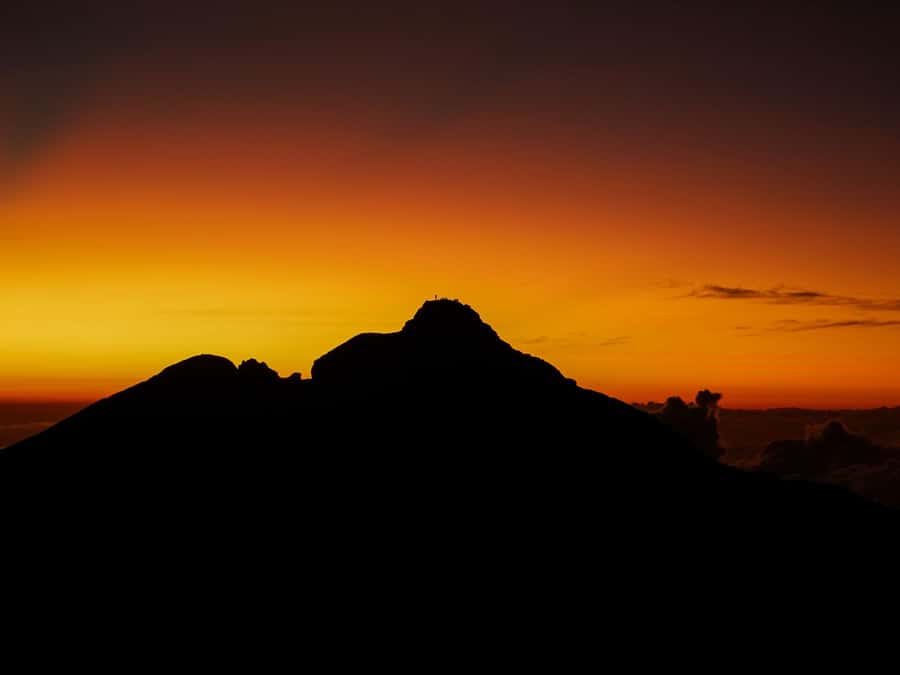
The tour comes with options, and choosing the right one can save you from misery—or upgrade your bragging rights.
Besakih Temple Route: Longer, Classic Hike to the Summit
The Besakih option starts near Besakih Temple. From there, you trek through the Besakih jungle area and cover about 7 kilometers in roughly 6 to 7 hours to reach the summit.
This route is described as challenging and rewarding, with a tough final stretch that can be steep enough that you may need to crawl. That detail matters: this isn’t just a nice trail. It’s a climb with sections where hand-and-foot movement helps.
One of the big reasons to pick this route is that you get a fuller hiking experience. If you love trekking, hate rushing, and want your legs to gradually feel the mountain rather than instantly fight you, this tends to fit better.
Pasar Agung Temple Route: Shorter, Steeper Ascent
The Pasar Agung option is built around an ascent of about 1,500 meters in 3–4 hours. Instead of an all-day trudge, it’s more like a direct effort line.
Here’s how it’s framed: you’ll be moving up quickly through greenery, then reaching a zone with panoramic views. The details say vistas are visible about 250 meters below the summit, so you may not always feel like you’re fully grinding to the very top before the best sight time.
Some hikers found this version to be more of a literal climb than a walk, where you use your hands to help yourself up much of the time. If you’re fit but prefer intensity over distance, this route might feel more your style.
The Climb at Night: What It Really Feels Like
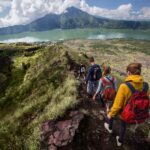
This trek is tough, and it’s tough in a specific way: you’re climbing in the dark. That’s why the tour includes a headlamp/torch and hiking poles. On steep sections, poles help you keep balance. Headlamps help you pick your footing and keep your steps consistent instead of swinging around in the gloom.
You’ll also get gloves and drinking water, plus entrance fees and insurance. That’s a lot of the stuff that can quietly add up if you’re trying to DIY this.
On the way up, you’ll make stops. One traveler specifically noted a stop where the group had a campfire, which makes sense because it gets really cold as you wait and climb. Cold isn’t just uncomfortable—it can make your hands less dexterous, which is one reason gloves are included.
And the guides’ job isn’t only pointing the way. People described guides holding their hands on the descent when fear kicked in. One example: a guide named Juna was credited with helping physically and mentally during the hike, keeping people steady on tricky footing. Another person highlighted that Wayern had a spare headlamp when batteries died, and that timing helped them reach the top before sunrise.
That’s the thing: a good guide doesn’t just get you there. They manage problems before they become panics.
Sunrise at the Summit: The Moment You’re Waiting For
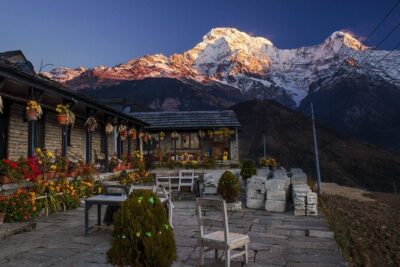
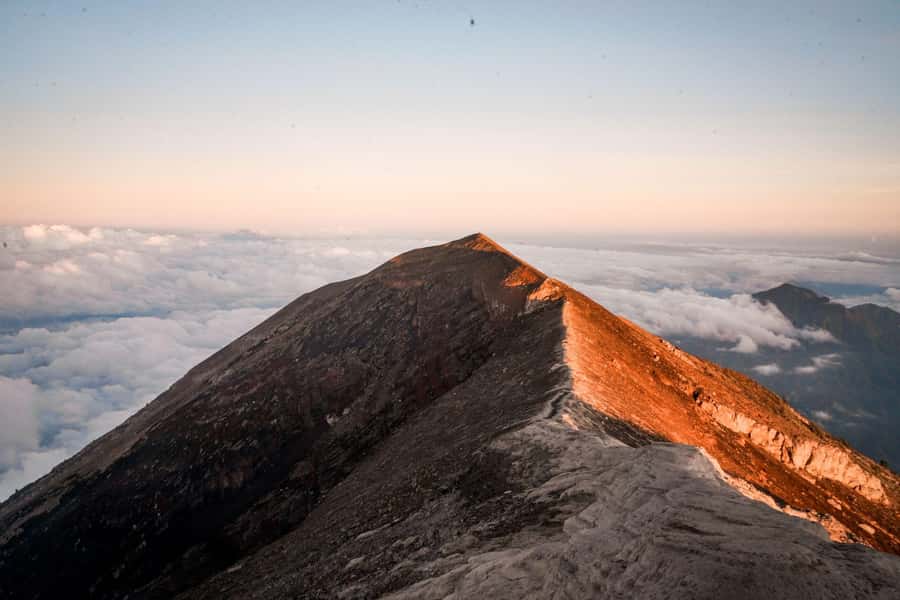
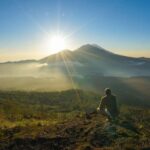
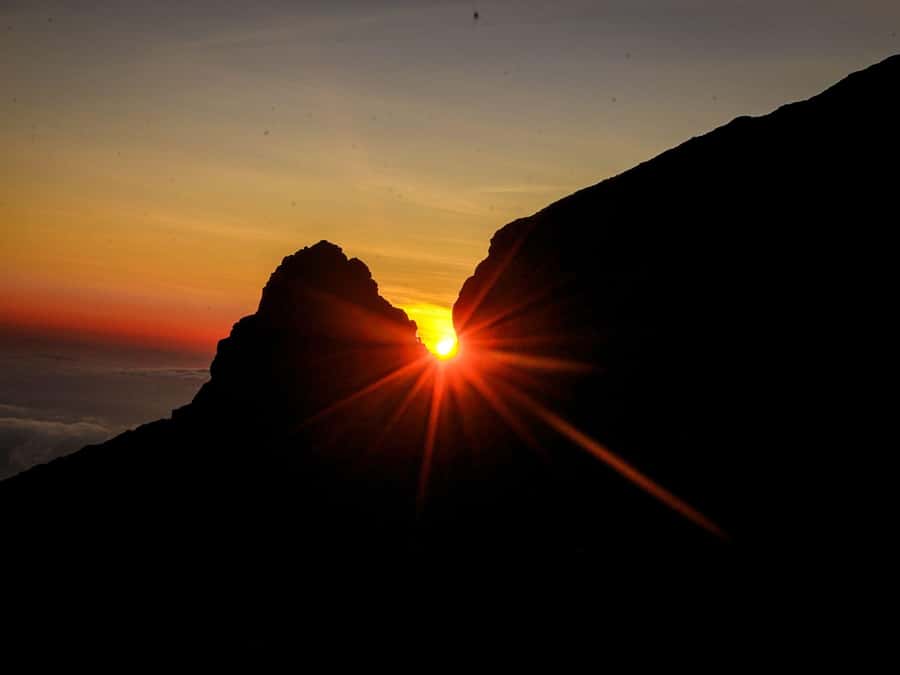
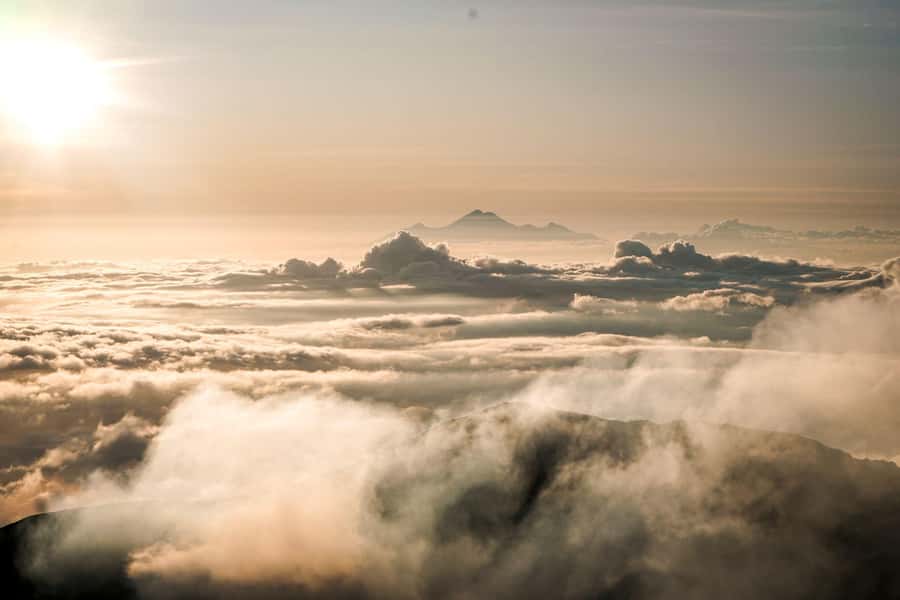
This is why you’re doing it. You’re aiming to see the sunrise from Mount Agung’s highest point, where the view can stretch across Bali.
The plan described includes summit timing so you catch the morning light, with mention of sunrise over Mount Rinjani and panoramic views that include Caldera Batur and Lake Batur as the world wakes up. Even if cloud cover shifts the visibility on your exact morning, the overall goal stays the same: be at high altitude when the light turns magical.
One traveler mentioned sunrise with a rainbow as the cherry on top. That kind of thing is never guaranteed, but it tells you the sunrise payoff can be dramatic.
Also, you’re not arriving empty-handed. The tour includes breakfast on the top. That’s huge because sunrise waiting can take time, and eating something warm or filling helps you avoid feeling wiped out right when your body wants to celebrate and then crash.
The Descent: Why Coming Down Can Be the Hard Part
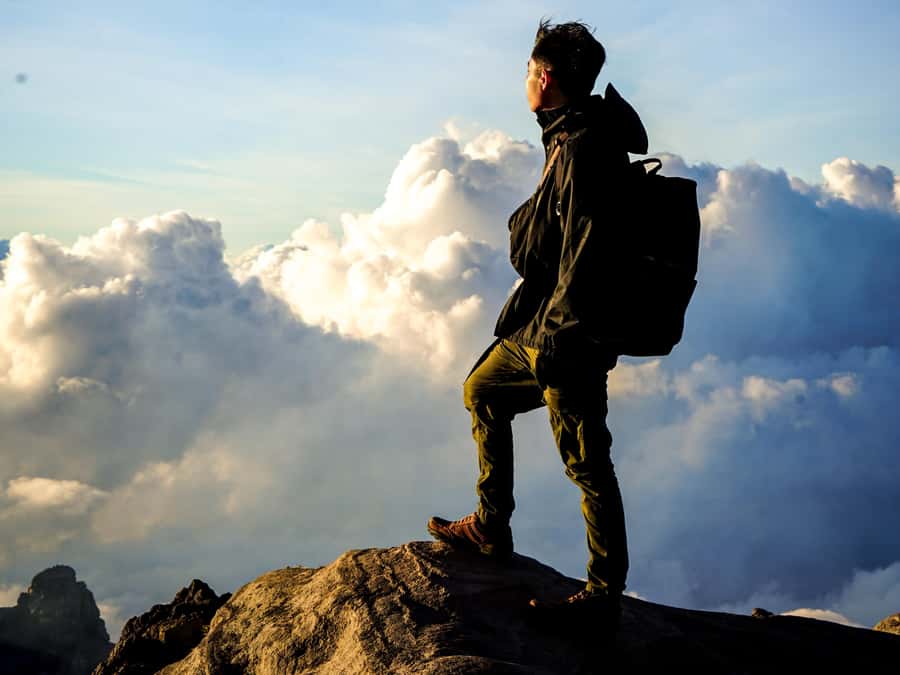
Here’s the honest twist: some hikers said the way down felt just as challenging—or even worse. The reasons are practical. Loose sand and stones can make each step less secure, and your legs may already be tired from the ascent.
One person described the descent as a never-ending test because the ground could be loose. Another said having good shoes with grip helps a lot. Your guide will also manage your pace, and you may get hand-on help in the toughest bits.
This is where good hiking shoes matter. If your footwear is more for strolling than for traction, you’ll feel it.
And yes, it can get cold during the early hours. A warm jacket helps, but the real trick is layers you can adjust as you sweat uphill and then feel the chill near sunrise.
Price and Value: Is $92 a Smart Deal for a Sunrise Climb?
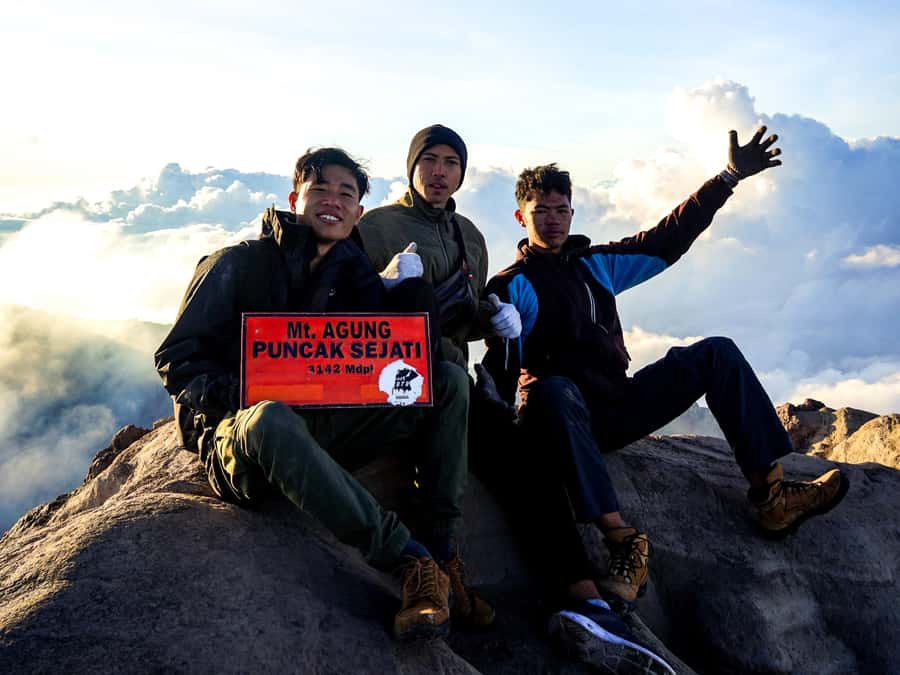
At $92 per person, the value comes down to what you get besides the hike itself.
Included items you should treat as part of the package value:
- Hotel pickup and drop-off (in a broad Bali area)
- Private local trekking guide
- Headlamp/torch, hiking poles, gloves
- Drinking water
- Breakfast on the top
- All entrance fees
- Insurance
If you compare this to booking a guide separately, arranging late-night transport, and then sourcing your own safety gear, you’re basically paying for convenience and risk management. That doesn’t mean it’s automatically the best deal for everyone, but it does mean you’re not buying the climb piece by piece.
Also, this isn’t a short walk. A full-day program with night timing and summit planning costs time and logistics. The reviews also point to punctual transport and supportive guiding, which is exactly the kind of value you feel immediately on a night climb.
What isn’t included: a GoPro and personal expenses. So bring a little cash for anything you want beyond the essentials.
What to Bring (and What to Leave Behind)
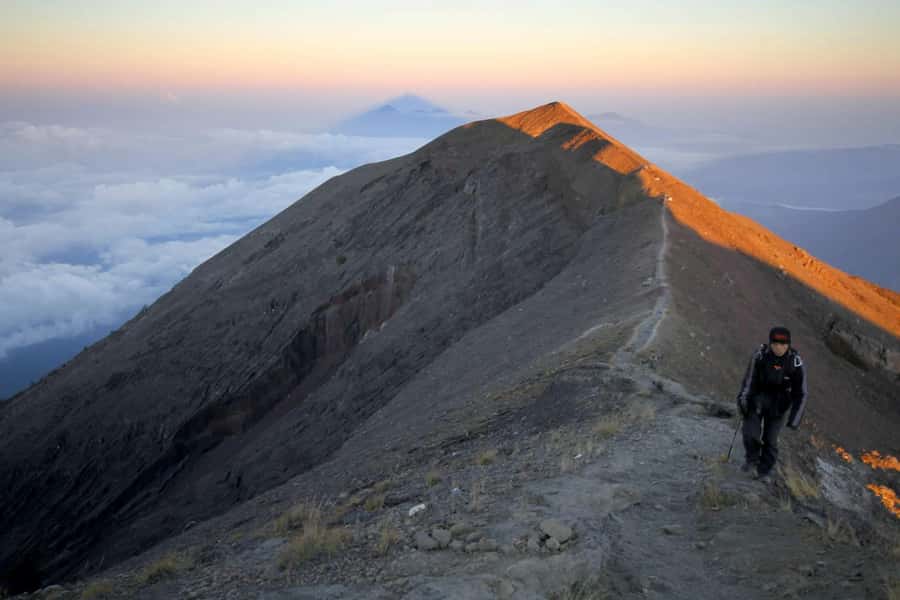
The essentials are clearly stated, and I’d follow them closely.
Bring:
- Hiking shoes
- Jacket
- Hiking pants
- Waterproof bag
- A hat can help at altitude and in cool wind
- A flashlight or headlamp is provided, but if you’re the type who trusts backups, you might bring your own as well
What matters most is foot control and warmth. You’re working hard uphill, then waiting and moving again in cold air.
Not allowed:
- Alcohol and drugs
If you’re thinking about how to pack, keep it simple: dry layers, secure shoes, and enough space for your items so you’re not constantly adjusting your bag during steep parts.
Who This Mount Agung Trek Fits Best
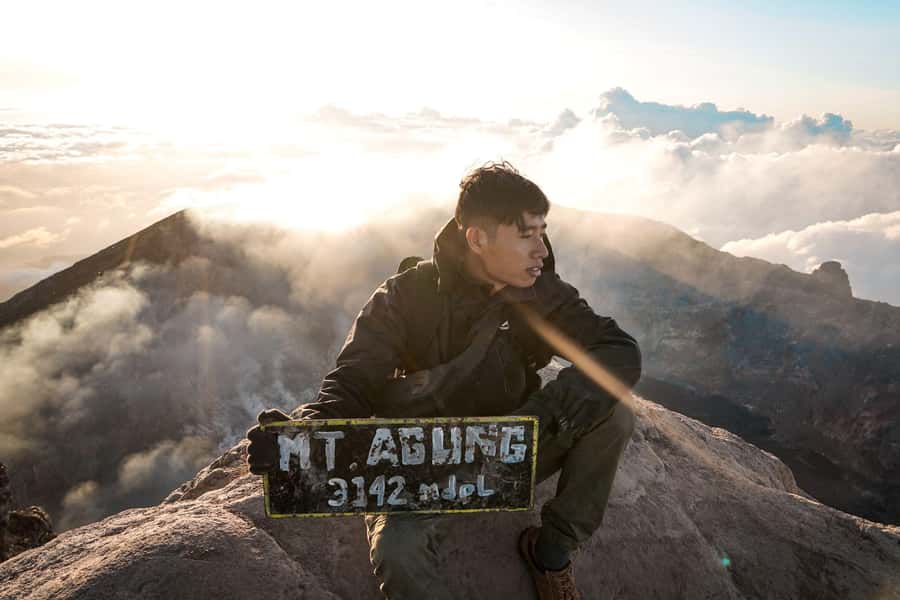
This tour fits people who want a challenge and understand that “challenging” here is literal.
You’ll likely enjoy it if you:
- Hike regularly or at least feel comfortable with steep terrain
- Want a sunrise moment with real altitude and a summit goal
- Like trekking more than lounging
- Prefer a guide who helps with pacing, balance, and morale
It’s not the right match if you:
- Have altitude sickness risk (the tour notes it’s not suitable)
- Have health issues that could be affected by a hard climb
- Are looking for an easy scenic walk
A practical note from the experiences shared: some people admitted they overestimated themselves. If your guide suggests a safer approach or route adjustment, I’d take it seriously. You’ll get the better version of the day, with less drama.
Should You Book This Sunrise Trek?
Book it if you want the classic Mount Agung experience: night climbing, summit breakfast, and a sunrise you can’t replicate from a café view. The included transport, gear, and private guidance make it a solid value, especially at $92, because you’re paying for planning, safety support, and the hard-to-schedule timing.
Skip it (or choose another plan) if you’re a beginner, altitude-sensitive, or not ready for steep terrain where hand support may be needed. If you’re unsure, be honest with yourself about your fitness and ask the guide questions before you start.
If you can handle a serious hike and you want sunrise at Bali’s highest volcano, this is one of the most memorable ways to spend your time on the island.
FAQ
How long is the Bali Mount Agung sunrise trekking adventure?
The duration is about 12 hours, including trekking time, with the full day experience running roughly 10 to 12 hours depending on conditions.
What time does pickup happen?
Pickup is scheduled around 8:30 PM to 9:00 PM, depending on your hotel location.
What’s included in the price?
The price includes hotel pickup and drop-off, a private local trekking guide, summit breakfast, drinking water, hiking poles, headlamp/torch, gloves, entrance fees, and insurance.
Do you provide trekking equipment?
Yes. Hiking poles, a headlamp/torch, and gloves are included.
Are there different routes for Mount Agung sunrise?
Yes. One option starts near Besakih Temple with a longer hike (about 7 kilometers in 6 to 7 hours). Another option starts from Pasar Agung Temple with a steeper ascent (about 1,500 meters in 3 to 4 hours).
Is it suitable for beginners?
No. It’s a challenging trek and isn’t recommended for beginners or people with health issues. It’s also noted as not suitable for people with altitude sickness.
If you want, tell me your fitness level and which Bali area you’re staying in, and I’ll help you pick the safer route option (Besakih vs Pasar Agung) for how you like to hike.