Sleep under the Himalaya edge of Snowline. This 2-day trek out of McLeod Ganj is a simple, high-payoff way to experience the Dharamsala hill country, with a guided climb to Snowline, a stop through Triund, and a proper overnight camp. I especially love the professional guide and the fact that all meals are included, so you can focus on walking instead of meal math.
One possible drawback: guide handoffs and planning can be a weak spot. I’d go in with flexible expectations and double-check your guide assignment once you arrive, especially because I’ve seen a report of groups being shuffled and someone left without clear guidance.
In This Review
- Key highlights you can plan around
- McLeod Ganj start: your day begins with altitude homework
- Day 1 to Snowline: Triund Top views, then the campsite grind
- Overnight at Snowline: what the included camping kit really means
- Day 2 back to McLeod Ganj: a morning reset with a known route
- Price and value: why $28 can work (if you pack smart)
- Who should book Snowline Trek—and who should skip it
- Weather and altitude reality: plan for cold nights and changing conditions
- Group size and guide reality with ImmVentures
- Should you book Snowline Trek?
- FAQ
- How long is the Snowline Trek?
- What meals are included?
- What camping gear is provided?
- Do I need to bring trekking shoes or poles?
- Is Triund part of the trek?
- What if the trek gets cancelled due to weather?
Key highlights you can plan around
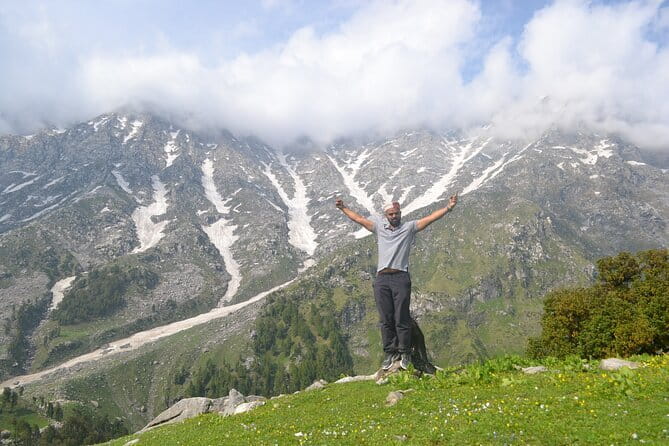
- Guided hike to Snowline with an experienced trek leader so you’re not guessing the route
- Triund stop included (you’ll pass Triund Top for a short look)
- Camping setup included: tents plus sleeping bag and mattress, plus a washroom tent
- All meals covered with breakfast and dinner included across the two days
- Group size kept reasonable with a cap of 50, so it’s not a moving festival
McLeod Ganj start: your day begins with altitude homework
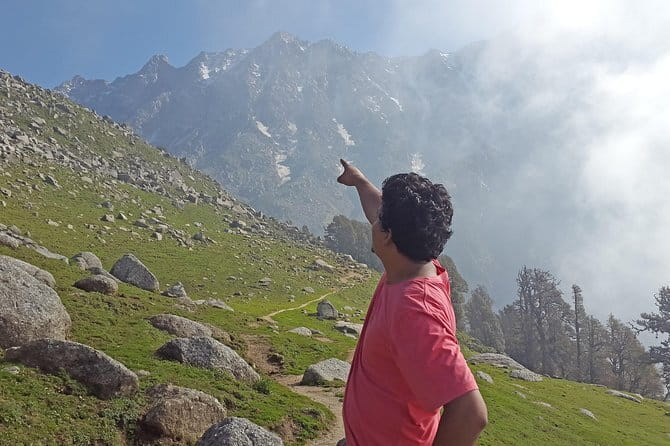
McLeod Ganj is where you’ll base yourself before the hike, and it’s practical for arrivals since it’s near public transportation. The morning start matters here: the plan has you meeting in McLeod Ganj early, with the trek beginning soon after. Your confirmation should spell out the exact meeting time, because the provided start time can differ from the daily schedule you’ll follow on the ground.
If you want a low-stress first day, arrive with the attitude of: show up early, get your bearings, and let the guide lead. You’ll get started at a steady pace and spend the bulk of the day earning the campsite.
You can also read our reviews of more tours and experiences in Dharamsala.
Day 1 to Snowline: Triund Top views, then the campsite grind
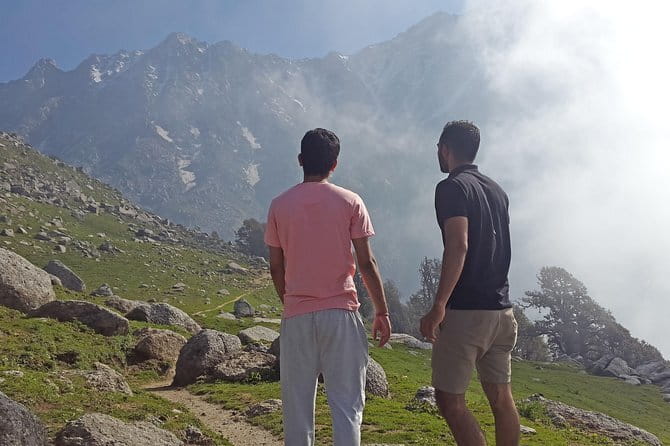
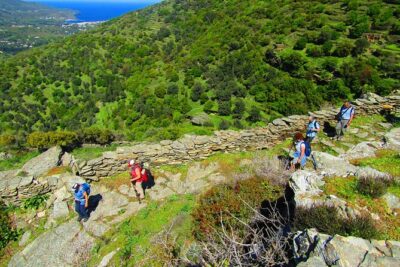
The first day is the workhorse. You’ll start hiking toward Snowline and it takes about 4–6 hours to reach the camping area. That’s a solid chunk of time on trail, so you’ll feel it—especially if you’re not used to steady uphill walking.
The good part: you don’t just climb in silence. You’ll make a stop that lets you check out Triund along the way, passing through Triund Top for about an hour. Triund is known for being a popular viewpoint area, so even with a short stop, it gives you that classic “we’re in the mountains now” feeling without turning the trek into a full sightseeing day.
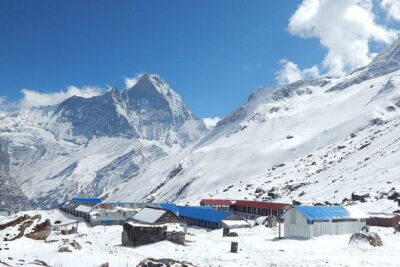
When you reach Snowline, the day shifts from hiking effort to camp mode. Dinner is served at the campsite, and then you settle in for the night in tents with included sleeping gear. It’s a nice rhythm: walk, eat, rest. Repeat tomorrow.
Overnight at Snowline: what the included camping kit really means
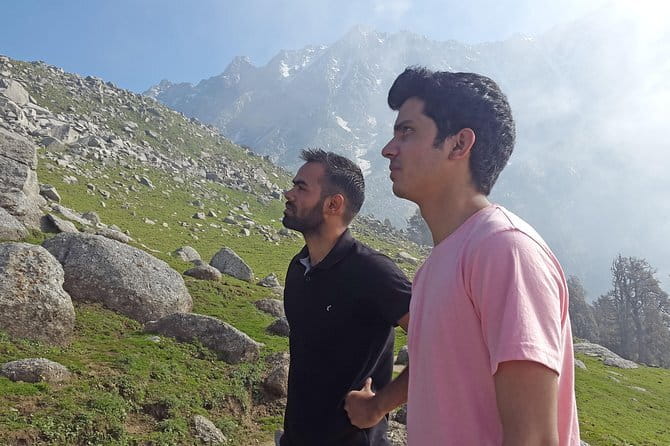
You’re not just paying for a trek. You’re paying for the overnight piece to be handled. At Snowline you’ll sleep in tents, with a sleeping bag and mattress provided. There’s also a washroom tent, which sounds basic but is the difference between enjoying the night and spending it improvising with bad options.
This matters because the comfort level changes your second-day energy. If you have decent sleep (or at least less misery), the return hike feels doable instead of punishing. The provided setup keeps the logistics light: you don’t need to bring camping bedding for two days.
The practical reminder: “included” doesn’t mean you won’t want a few personal items. You still need to manage water, since packaged bottles and extra luggage carrying help aren’t included. If you tend to get dehydrated on climbs, plan ahead.
Day 2 back to McLeod Ganj: a morning reset with a known route
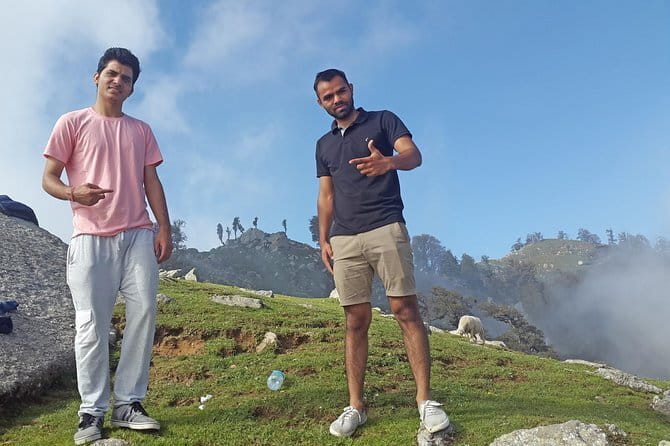
The second day starts with breakfast at the campsite. Then you’ll head back toward McLeod Ganj, again via Triund, with a morning departure time set for around 8:00. The good news is the schedule is straightforward: by noon you’re back in McLeod Ganj.
This is not a “rush to the finish” kind of trek, but it’s also not a lazy stroll. The return is your chance to see what you missed on the way up—plus it’s when you feel how your legs handled yesterday’s climb.
If you like having time after your hiking day—cafes, rest, and a real hot shower—this tour structure helps. You’ll still have part of the day open instead of arriving late and exhausted.
Price and value: why $28 can work (if you pack smart)
At around $28 for the experience, the value comes from what’s actually bundled: guide support, two meal moments (breakfast and dinner), and the overnight sleeping setup at Snowline. For a camp trek, that combination usually costs more once you start pricing out gear rentals or hiring separate support.
Where the price can feel thin is in what you have to bring yourself. Trekking footwear and equipment like shoes or poles aren’t included, and you’re also responsible for water bottles and any extra potter for carrying luggage. In plain terms: the tour covers the hike and camp essentials, not your personal kit.
So the best value play is simple:
- bring or buy the right footwear
- pack a water strategy you’ll actually use
- keep your load light so you enjoy the trek instead of fighting your pack
If you do that, $28 feels like a bargain for a guided overnight camping experience in this region.
Who should book Snowline Trek—and who should skip it
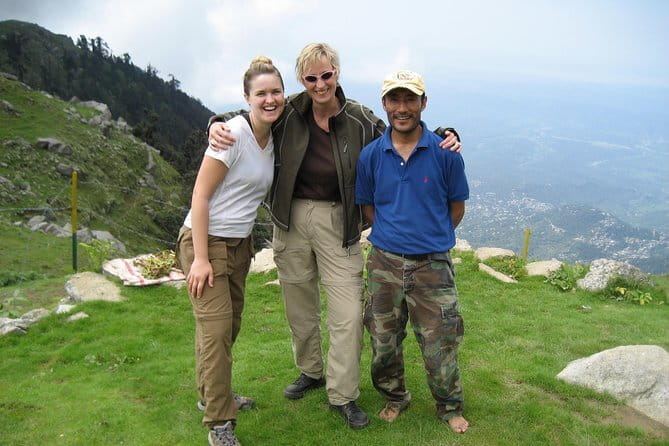
This trek is best for people with moderate physical fitness. That means you don’t need to be a mountain athlete, but you should be comfortable with several hours of uphill walking. It’s also ideal if you like structured travel: start times, a guide, included meals, and a clear route back.
I’d be cautious if you’re dealing with mobility limitations or if you’re expecting a short, easy “wow” hike. The Snowline day is long enough that your body will tell you whether you’re ready. Bring a realistic mindset and it’ll feel satisfying, like you earned the campsite.
It’s also a good choice if you want a group experience without a massive crowd. With a maximum of 50, you should still feel like a real trek group rather than a slow-moving line.
Weather and altitude reality: plan for cold nights and changing conditions
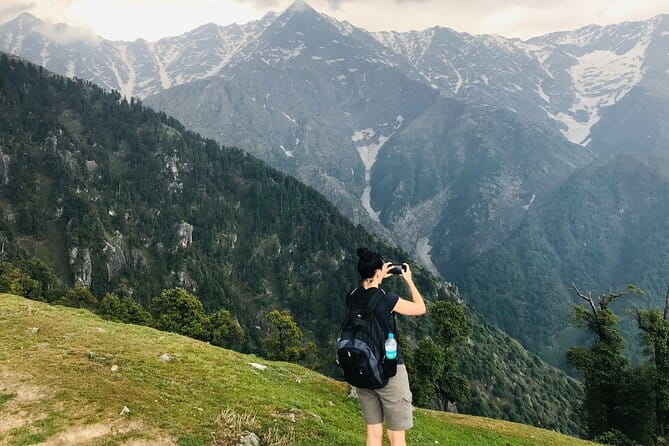
This experience requires good weather, which is a key clue that conditions near Snowline can turn fast. If weather forces cancellation, you should expect a date change or a full refund.
What that means for you day-to-day: pack for cool temperatures and expect the night to feel colder than you think at lower elevation. Even without exact temperature ranges provided, the Himalayan camping vibe is typically a “layer up” situation.
Also keep your hiking instincts simple:
- start steady
- take short breaks instead of big stops
- don’t rely on buying supplies mid-trek if you can avoid it
Group size and guide reality with ImmVentures
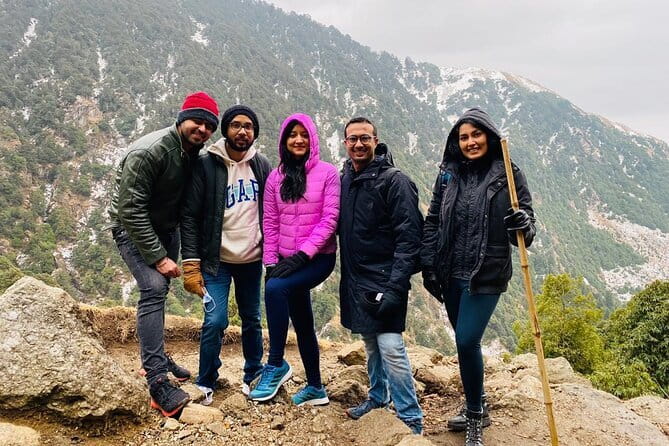
The trip runs with an experienced trek leader, and that’s the reason many people choose camp treks in the first place. A guide helps with pace, timing, and route confidence—especially on trails where getting lost would waste your day.
Still, organization can make or break the experience. I’d pay attention to guide assignment when you meet up. I’ve seen a report of an outsourced agency not having a clear plan for the guide on the day, including cases where a group was redirected and someone was left without clear guidance. That’s not something you should ignore.
My practical advice: when you arrive, ask calmly about who your guide is, what the planned start is, and where the group forms. Then confirm you have the correct group for your trek length and destination. You’ll feel better fast.
Should you book Snowline Trek?
Book it if you want an affordable guided camp trek with real overnight value: tents plus sleeping bag and mattress, meals handled, and a clear two-day route between McLeod Ganj, Snowline, and Triund Top. It’s also a strong choice if you’re the type who likes having a plan but still wants to feel like you’re in the mountains, not stuck in a bus.
Skip it or go in extra cautious if your priority is flawless organization. There’s enough evidence of guide mix-ups to justify a quick confirmation on the day, especially around who’s leading your specific group. If you handle that check, you can reduce the risk and still get the best parts: guided hiking, included camp comfort, and a satisfying return by noon.
FAQ
How long is the Snowline Trek?
It’s listed as approximately 2 days. You’ll hike up on day 1, sleep overnight in tents at Snowline, then return to McLeod Ganj by around noon on day 2.
What meals are included?
Breakfast and dinner are included. Dinner is on the Snowline campsite at the end of day 1, and breakfast happens on day 2 before you start hiking back.
What camping gear is provided?
You’ll get tents, sleeping bags, and mattresses. There’s also a washroom tent at the campsite.
Do I need to bring trekking shoes or poles?
Extra trekking equipment like shoes and poles is not included, so you should plan to bring what you need for comfort and safety.
Is Triund part of the trek?
Yes. You’ll stop to check out Triund along the way and pass through Triund Top. Triund admission is included in the plan.
What if the trek gets cancelled due to weather?
This experience requires good weather. If it’s canceled because of poor weather, you’ll be offered a different date or a full refund.