REVIEW · UGANDA
4 Days mount Elgon Trek, 4321m a.s.l
Book on Viator →Operated by Discover Sipi · Bookable on Viator
Wagagai at 4,321m is the real pull. This 4-day hike climbs Uganda’s side of an ancient volcano and takes you through altitude zones where giant lobelia and groundsel grow high on the moorland. I particularly like that the route is built for Wagagai views at 4,321m rather than just a general “mountain walk.”
I also like how the team-driven setup keeps things moving: you register at Bushiyi Gate, then hike with ranger guides, porters, and a cook who help make the days feel structured and safe. The one drawback to plan for is simple: you need strong fitness, because day 1 includes a steep start and the summit day is your big push.
In This Review
- Elgon Trek Highlights You’ll Actually Feel
- Uganda’s Mount Elgon: Why This Volcano Tour Feels Different
- Day 1 Starts Early: Entebbe Pickup, Mbale Transfer, and Bushiyi Gate Registration
- Shiloko Camp (First Night): The Steep Start That Helps You Adjust
- Day 2 to Dubi Camp (~3,300m): Acclimatization With Purpose
- Wagagai Summit Day (Day 3): A 9km Push With Views Mixed in
- Day 4 Crater Walk and Hunter’s Cave Camp (3600m): Ending at the High Point of the Story
- The Crew Makes or Breaks It: Rangers, Porters, and William’s Motivation Style
- What You Pay ($550): The Value Math for a 4-Day, Guided Mountain Trek
- Fitness and Weather Rules: The Two Gatekeepers for Wagagai
- Who This Trek Suits Best (and Who Should Rethink It)
- Should You Book This 4-Day Mount Elgon Trek?
- FAQ
- Where does the trek start and end?
- What time is the pickup?
- What’s the highest point you reach on this trek?
- Are meals included?
- Is accommodation included?
- What happens if weather is poor?
Elgon Trek Highlights You’ll Actually Feel
- Uganda’s Wagagai peak (4,321m): the highest point of Mount Elgon on the Ugandan side
- Real altitudes, real acclimatization: Shiloko first, then Dubi Camp around 3,300m
- Guides, rangers, and porters as a full team: typical crew includes rangers plus a lead guide and support staff
- Camp life with stars: campfires at night are part of the vibe
- Crater walking and Hunter’s Cave Camp (3600m): a memorable finish at high elevation
Uganda’s Mount Elgon: Why This Volcano Tour Feels Different
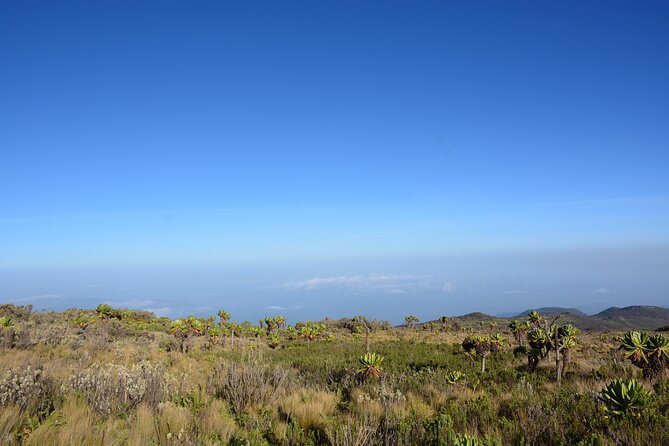
Mount Elgon isn’t a fast, high-speed mountain. It’s an enormous extinct volcano with a huge caldera area, and the hike feels more like traveling through layers of elevation than just “going up to a point.” The mountain also acts as a major watershed, which is why vegetation changes so much as you climb.
A key detail: even though Mount Elgon straddles Uganda and Kenya, the loftiest peak, Wagagai (4,321m), lies in Uganda. That matters because the Ugandan-side access supports this classic 4-day rhythm: hike, rest, acclimatize, summit, then finish with crater scenery.
And because Elgon is still relatively under-visited compared with the flashier names in the region, you get more of that quiet, local feel—plus the chance of wildlife sightings. You’re not guaranteed anything, but the mountain’s slopes support forest monkeys and small antelope, and there’s potential for larger animals like elephants and buffalo too.
You can also read our reviews of more tours and experiences in Uganda.
Day 1 Starts Early: Entebbe Pickup, Mbale Transfer, and Bushiyi Gate Registration
You kick things off with a 06:30 pickup and an eastward drive past Mbale toward Mount Elgon. Mbale is about 3–4 hours from Kampala along a good tarmac road, so the transfer day is not a rough, slow grind the whole way.
On arrival, the day’s pacing turns practical and local. After breakfast at Riverline Hotel, you take boda bodas (motorbikes) to the trail starting area around Bushiyi Village, moving through the community and covering a short distance (about 8–9 km) to the patrol office area in Bududa village.
Then comes the part you’ll appreciate later: at Bushiyi Gate, you handle registrations and meet the team—rangers, guides, porters, and the cook. This is where you get your bearings and your safety plan. It also sets the tone: you’re not just dropped at a trailhead and told good luck.
What’s to consider? The morning start and the boda-boda segment can be tiring if you’re not used to early departures. It’s also one of those “arrive ready” moments, not a lazy sightseeing day.
Shiloko Camp (First Night): The Steep Start That Helps You Adjust
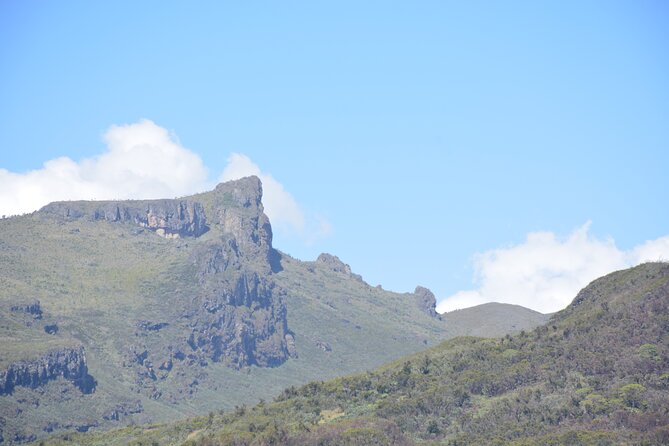
Day 1 is your steep climb phase. After lunch, you hike roughly 6 km up to the first camp at Shiloko, then settle in for the night and use that time to acclimatize.
Why this camp choice works: it puts you at a manageable “getting serious” elevation early, so your body has a chance to adapt before you head higher. You’ll likely feel the incline, but the day is long enough to get your muscles working without pretending it’s an easy stroll.
You’ll want to treat the first evening as part of your climb plan. Keep water intake steady, eat well, and pace your conversation so you don’t burn energy. The best summit days start with disciplined rest.
Day 2 to Dubi Camp (~3,300m): Acclimatization With Purpose
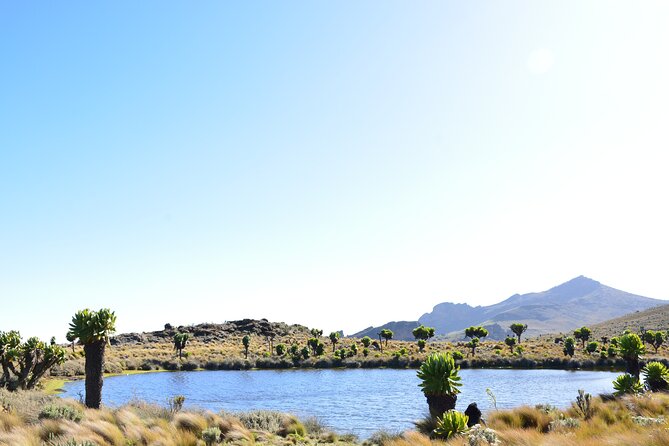
Day 2 begins early after breakfast. You hike to the second camp, Dubi Camp, which sits at about 3,300m. This overnight is the bridge between your first elevation push and the big summit day that follows.
The value here is that you’re not just camping higher—you’re also learning what your pace needs to be. Trails at this altitude can feel deceptive: you might not be walking far compared with some long trek routes, but the climb effort is real.
You’ll also get your “next day” setup. The team uses this time to prepare for the summit attempt to Wagagai (4,321m), so your questions can get answered before you’re in full push mode.
Wagagai Summit Day (Day 3): A 9km Push With Views Mixed in
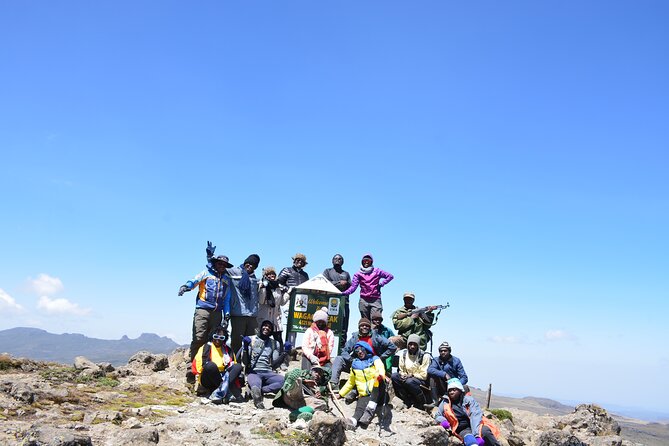
Day 3 is the day with the payoff. After an early breakfast, you start your hike from Dubi Camp for about 9 km to the summit.
The climb is described as a mix: you’ll see beautiful views along the way, plus a combination of flat sections and gentle steeper climbing. That matters because a purely steep trail can grind you down. This “mixed rhythm” helps you regulate pace, especially when altitude makes every effort feel heavier.
At the summit you reach 4,321 meters, then you head back. Depending on how you feel, you return to Dubi Camp or Shiloko for your third night.
Real talk: summit day is not the moment to be a hero. If you feel breathless, you slow down. If you feel good, you still keep it controlled. This is exactly the kind of hike where steady effort beats fast effort.
Day 4 Crater Walk and Hunter’s Cave Camp (3600m): Ending at the High Point of the Story
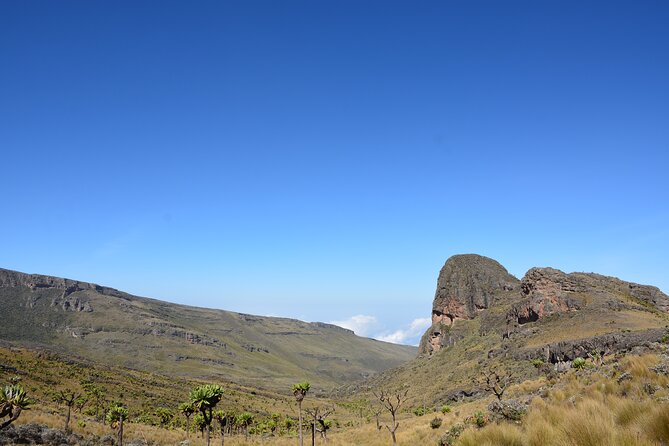
On day 4, you cross the crater area and continue to Hunter’s Cave Camp (3600m). This is your high-elevation finish point, and it’s a cool change from the straight-up climbing mindset.
Meals are included on this day—breakfast, lunch, and dinner—and you sleep at Hunter’s Cave Camp. You’ll get the sense that Elgon isn’t just a mountain you climb; it’s a giant volcanic structure you experience in sections.
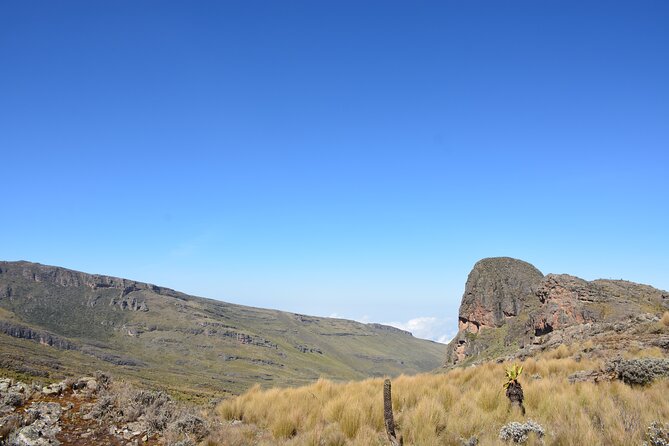
If you’re hoping for the “wow” factor without extreme technical scrambling, crater walking is a strong closer. It gives you time to look around and take in the big picture of the caldera terrain.
One thing to keep in mind: your overall activity includes return travel back toward the meeting point, but the exact flow from camp to the final return isn’t spelled out here. I’d treat the final day as a full, active day and plan for a longer travel wrap-up.
The Crew Makes or Breaks It: Rangers, Porters, and William’s Motivation Style
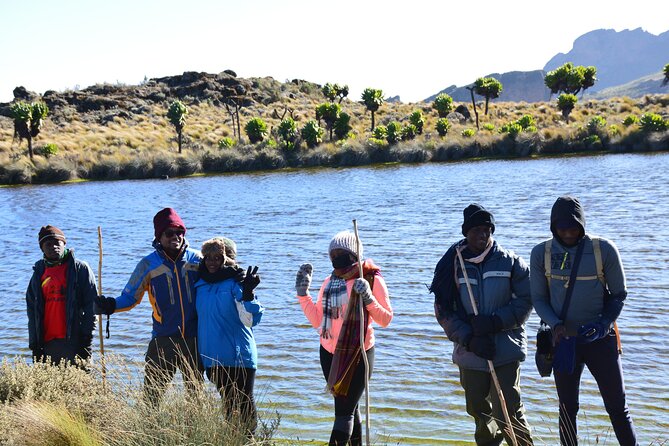
This trek runs well because it’s built around people, not just trail markers. Your team includes ranger guides and porters, plus a cook who handles camp meals. One common pattern you’ll see on the ground is that the crew may include two rangers, a guide, and support staff who help keep camp comfortable.
The biggest praise is about motivation and organization. Guide support like William is repeatedly associated with clear communication ahead of time and a calm, encouraging approach on the trail. That kind of leadership matters at Wagagai altitude, where morale can change faster than weather.
You’ll also feel the porters’ impact in how camps work. Camp support often means you’re not wrestling with every detail after a hard day of walking. Food is described as fresh and satisfying, and nights are sometimes punctuated by campfire moments under the stars.
What You Pay ($550): The Value Math for a 4-Day, Guided Mountain Trek
At $550 per person for four days, the value here comes from what’s included versus what you still need to budget separately.
Included items:
- Lunch and breakfast and dinner (meals are part of the trek setup)
- Local transportation
- Tour guide
- Dinner and breakfast
- Hunter’s Cave Camp accommodation is specifically listed as included
Not included:
- Accommodation (listed generally as not included)
- Private transportation (so if you need extra transfers beyond what’s arranged, you may pay separately)
How to think about this: you’re paying for a guided expedition structure—team, meal support, and the hike logistics that make a mountain trip doable. You’re not paying for hotel comfort or extra private transport add-ons.
Also note: the experience is set up as private—only your group participates. That’s a value point if you’re traveling with friends and want a team that adjusts pace and needs to your group rather than shoehorning you into a mixed schedule.
Fitness and Weather Rules: The Two Gatekeepers for Wagagai
This trek expects strong physical fitness. You’ll be walking uphill on multiple days, with day 1 described as a steep climb and summit day being your big effort at altitude.
The good news is the structure helps: you acclimatize overnight at Shiloko first, then you gain altitude again on day 2 with Dubi Camp around 3,300m. That’s the logic of this itinerary—don’t rush to the top.
Weather is the other gatekeeper. The experience requires good weather. If conditions are poor and the trek can’t run as planned, you’ll be offered a different date or a full refund.
So what should you do as a traveler? Pick a time when you can be flexible. If your schedule is fixed to a single day, this is one of those hikes where the weather may call the shots.
Who This Trek Suits Best (and Who Should Rethink It)
You’ll be happiest on this hike if you:
- Enjoy day hikes with real effort, not just casual walking
- Like the idea of camping and campfire nights
- Want an experience with team support from rangers and porters
- Are excited by altitude ecology—the plant zones change with elevation, including giant lobelia and groundsel
You might rethink the tour if you:
- Don’t have a strong fitness base for steep climbs and summit-day effort
- Prefer fully comfortable, hotel-based travel throughout (accommodation beyond the listed camp is not included)
- Want zero early mornings (the pickup is 06:30)
Should You Book This 4-Day Mount Elgon Trek?
Book it if you want a mountain that feels big and under-visited, with a real summit objective (Wagagai at 4,321m) and a well-supported team on the ground. The day-by-day acclimatization rhythm is built for hikers who want to reach the top without turning the trip into a suffering contest.
Before you book, do two practical checks:
- Confirm what “accommodation not included” means for you personally, since the only explicitly named camp accommodation is Hunter’s Cave Camp.
- Ask how the team handles weather changes, since good weather is required.
If you like organized treks, fresh camp food, and motivated guides, this is a strong choice. And if you’re after views plus a quieter side of Uganda’s mountain world, Mount Elgon is a smart bet.
FAQ
Where does the trek start and end?
The activity starts at Entebbe Airport, Entebbe, Uganda and ends back at the same meeting point.
What time is the pickup?
Pickup is scheduled for 06:30.
What’s the highest point you reach on this trek?
The summit objective is Wagagai Peak at 4,321 meters above sea level.
Are meals included?
Yes. Breakfast, lunch, and dinner are included.
Is accommodation included?
Accommodation is listed as not included, but Hunter’s Cave Camp is specifically mentioned as included in the experience.
What happens if weather is poor?
The trek requires good weather. If it’s canceled due to poor weather, you’ll be offered a different date or a full refund.