REVIEW · DHARAMSALA
Laka Glacier Trek with Manu Adventures India
Book on Viator →Operated by Manu Adventures India · Bookable on Viator
Snow, sleep, and glacier views in three days. This guided trek from Dharamsala takes you from the Mcleodganj/Triund area up to Laka Got Glacier, with an overnight camp and that big Himalaya payoff of wide valley views. I especially like how the Manu Adventures India team runs the show, with guides such as Manu, Ranji, Ranu, and Shivam showing up as real, present leaders—not just name tags.
I also like the practical touch: your day packs stay light because gear can be carried by mountain ponies, so you hike more freely and worry less about hauling. And when you reach the glacier area, you get actual time for snow fun—including making a snowman and snapping photos. One consideration: this is still real altitude hiking (Triund is about 9500 ft), so if you’re not comfortable with a steady climb and cold nights, you’ll feel it.
In This Review
- Key Highlights You’ll Actually Notice
- Triund to Laka Got Glacier: Why This Trek Works
- Getting There and Meeting Point Reality Check
- Day One: The Climb to Triund and Your Overnight Base
- Day Two: Toward Laka Got Glacier, Plus Snowman Time
- Day Three: Back Down to Dharamsala (Slowly, Carefully, and Grateful)
- What Makes the Guiding Here Feel Different
- Food, Chai, and the Stuff That Makes Cold Nights Work
- Price and Value: Is $74.71 Actually Fair?
- Who This Trek Suits Best
- What to Pack (So Your Body Doesn’t Complain)
- Should You Book Laka Glacier Trek with Manu Adventures India?
- FAQ
- What is the meeting point for the trek?
- What time does the activity start?
- How long is the Laka Glacier trek?
- Is this a guided hike or self-guided?
- Is camping included?
- What fitness level do I need?
- Is it a private tour?
- Will I have a chance to play with snow?
- Is there any support for carrying gear?
- What is the cancellation window for a refund?
Key Highlights You’ll Actually Notice
- Triund first, then Laka Got Glacier: a classic route that builds to the best views and snow play
- Mountain ponies for gear: you hike with lighter backpacks while the team moves the heavy stuff
- Camping experience included: you sleep in the mountains and come back feeling like you did something real
- Snowman time at the glacier: you’re not just walking past snow—you get to interact
- Hands-on guiding from the team: guides like Manu and Ranji are consistently highlighted for care and energy
- Food and warmth matter here: chai/ginger tea shows up often, plus options like omelette by request
Triund to Laka Got Glacier: Why This Trek Works
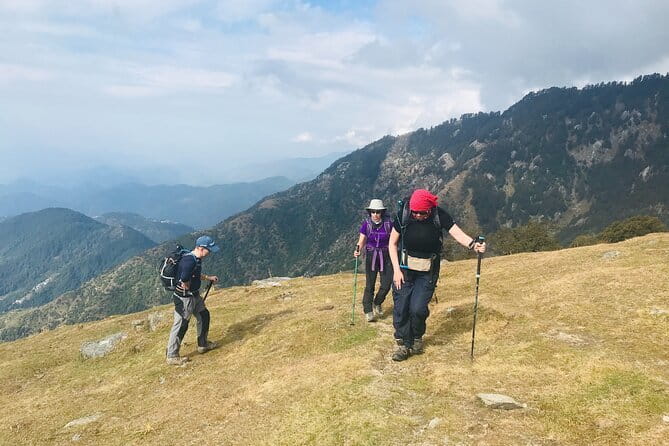
This trek is built for people who want mountain time without turning it into a logistics project. The route is planned, the guiding is active, and you’re not left guessing where to go next. You start from the Manu Adventures India meeting point in Bhagsu Nag, Dharamshala, with the activity beginning at 10:00 am, then you work your way up toward Triund—your first major viewpoint—and continue on toward Laka Got Glacier.
The big value is pacing. You get time to enjoy the scenery instead of only “checking the box.” Triund’s height (around 9500 ft) means the views can feel immediate and dramatic. When you get to the glacier area, it shifts from green-and-mountain scenery into snow country, and that contrast is exactly what makes the trek memorable.
You can also read our reviews of more tours and experiences in Dharamsala.
Getting There and Meeting Point Reality Check
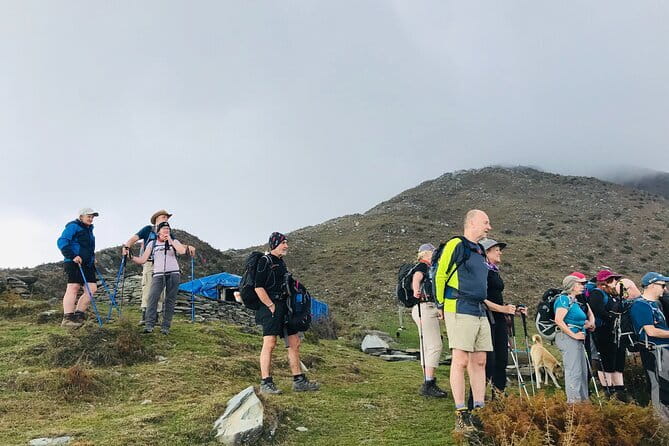
The meeting point is at Manu Adventures India, Bhagsu Nag, Dharamshala, Himachal Pradesh 176219. It’s also described as near public transportation, which matters because it reduces the stress of “how do I even get to the start?”
The start time is listed as 10:00 am, so don’t plan on an ultra-early departure unless you confirm day-of details with your guide. Either way, you’ll want to arrive a bit early so you can check in, get your bearings, and sort out essentials like water, layers, and trekking socks.
Also: this is a private tour/activity, meaning it’s only your group. That usually makes the pace and rest stops feel more natural. Less waiting around, less last-minute scrambling.
Day One: The Climb to Triund and Your Overnight Base
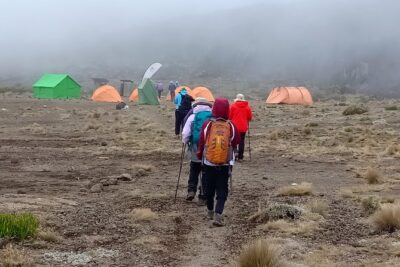
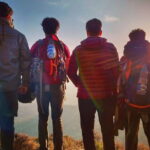
Day one is the “get altitude moving” day. You start in the Mcleodganj/Triund region and work your way upward until you reach Triund, where you camp overnight.
The trek is often described as a solid climb—one itinerary example notes about 9 km and roughly 3000 meters up for day one. Even if your exact numbers differ, the takeaway is the same: you’ll feel the effort, but it’s manageable with a guide who keeps you moving steadily.
What Triund gives you
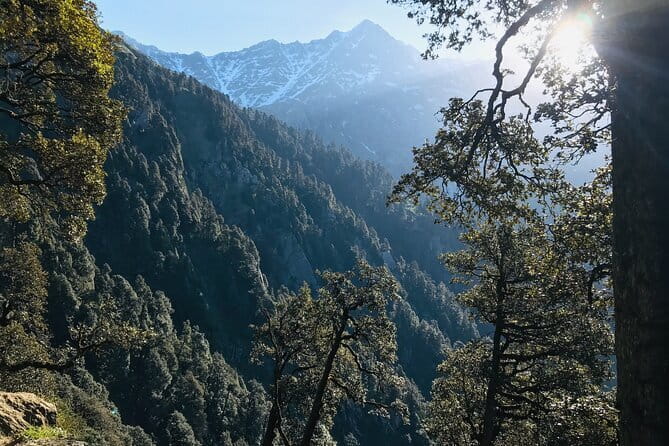
Triund is the viewpoint that rewards the hike. From up there, you can see a wide stretch of the valley and the Himalaya scenery that makes people talk about the region in the first place. This isn’t a stop where you rush in, snap one photo, and rush out. You’ll have time to breathe, look around, and enjoy the mountain air.
The camping factor
Camping overnight is part of the core experience here. Multiple experiences are described as warm and well looked after, which is a big deal at altitude. If you’re used to city nights, you’ll be surprised how quickly cold can show up once the sun drops. That’s why having a team that handles the camp side matters.
Day Two: Toward Laka Got Glacier, Plus Snowman Time
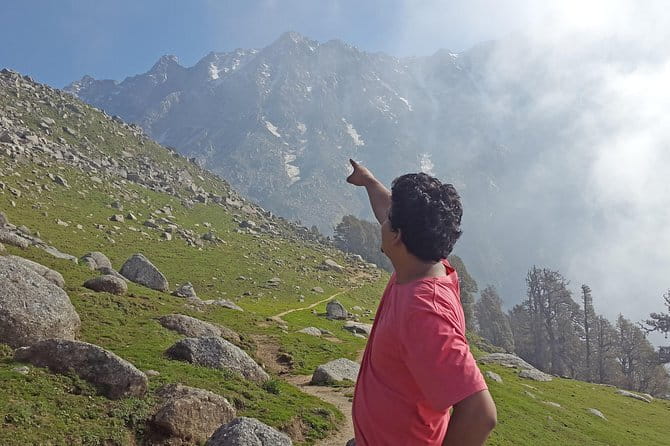
Day two is where the trek earns its name. You follow the planned, popular route toward Laka Got Glacier.
When you arrive, you get time for snow play—specifically mentioned as playing with snow and making a snowman, plus taking photos. That sounds like a small thing, but it changes the whole vibe of the day. Instead of treating snow like a backdrop, you get to interact with it.
A smart rhythm for the day
You’ll likely hike with breaks built in, and you may find that the schedule includes both ascent and descent elements depending on conditions. One example itinerary notes descending partway on the second day and saving the rest for the next morning. That’s not “bad planning”—it’s usually about comfort and time management so the final day doesn’t feel like a death march.
The glacier area payoff
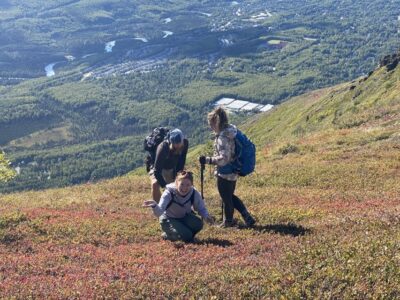
By the time you’re there, you’ll see the big shift: views of mountains with snow, and a colder, sharper atmosphere compared with the lower trail. If you love photos, this is the day. If you love motion and challenge, this is also the day.
And yes—there’s a recurring highlight involving playfulness at altitude. One account calls out cricket around 3300 meters as a memorable moment. That’s the kind of detail that hints at the group energy this trek can have, especially if your guide is the type who keeps spirits up.
Day Three: Back Down to Dharamsala (Slowly, Carefully, and Grateful)
The last day is the descent and the unwind. You hike back down toward the return point, with timing set for getting you all the way down by morning.
This is where you’ll feel what “altitude trekking” does to your legs. Downhills are often harder than uphills because they tax knees and calves. A good guide will manage pace and breaks. And since you’re returning to town at the end, it’s satisfying in a straightforward way: you get that final view, then you shift from effort to relief.
The best part of day three is the mindset. After two nights in camp and a glacier day with snow fun, you’re not just finishing a hike—you’re walking back with a story.
What Makes the Guiding Here Feel Different
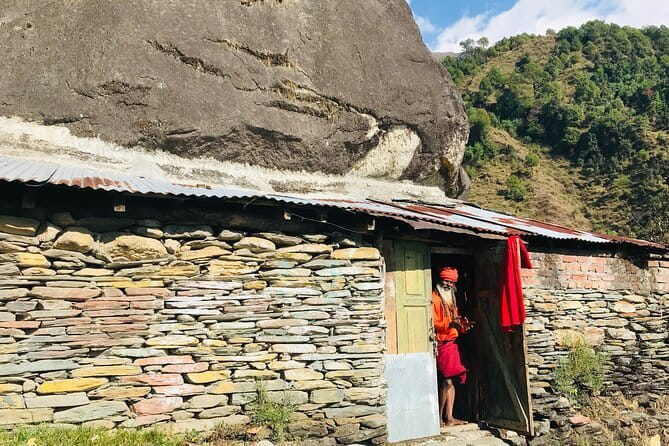
The team behind Manu Adventures India shows up again and again in people’s descriptions as friendly, accommodating, and professional. More than that, the guidance seems to be active: you’re not left to fend for yourself on a tricky trail, and you’re not treated like a customer who just needs instructions and disappears.
Names you’ll see associated with the experience include Manu, Ranji/Ranu, and Shivam. That matters because it suggests you’re getting real people leading you on the ground, not a faceless operation.
If you’re a beginner, this kind of leadership is a comfort. If you’re experienced, it still helps—because a guide who can manage energy, weather timing, and camp setup saves you from small mistakes.
Food, Chai, and the Stuff That Makes Cold Nights Work
Camping is only fun if you’re warm and fed. And here, food comes up as a highlight: people talk about great meals, warm camp life, and chai/ginger tea during the trek. There’s even a note about asking for an omelette if you like.
I’d treat that as a sign of flexible, guest-friendly camp support. Not every trek gives you that level of comfort food. In the mountains, “good enough” is common; this sounds like they try to make it genuinely enjoyable.
Practical takeaway for you: bring snacks you like too, but don’t assume you’ll be eating only what you pack. A guided trek with camp meals can keep your energy steady and your mood upbeat.
Price and Value: Is $74.71 Actually Fair?
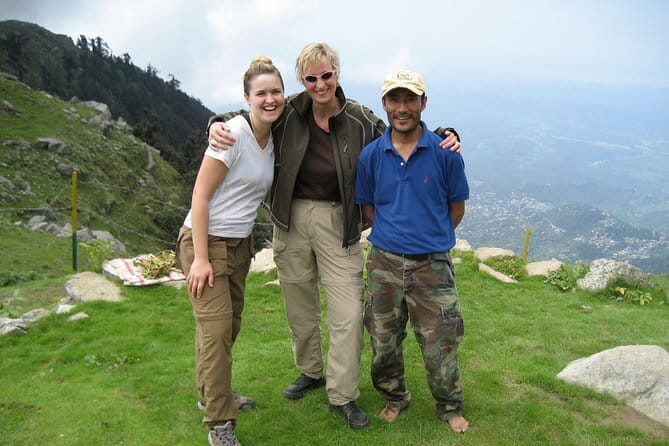
At $74.71 per person for an approx 3-day guided trek with camping and glacier-area snow time, the main question isn’t whether it’s cheap—it’s whether it matches what you’re paying for.
Here’s what you’re typically getting from this kind of setup, based on how the experience is described:
- guided hiking to set route and pace
- camping overnight as part of the trip, not an optional add-on
- mountain-pony support so you hike with less load
- trek food, including chai/ginger tea and meal options
For many travelers, the value comes from reducing decision fatigue. You’re paying to have someone handle the route and camp side while you focus on the hike and the scenery. If you tried this on your own, you’d spend time and money on permits, local logistics, and route clarity—plus you’d take on more risk.
So yes: this looks like solid value for a guided, multi-day Himalayan camping trek—especially if you like the idea of snow play at the glacier rather than only reaching a viewpoint.
Who This Trek Suits Best
This is best for people with moderate physical fitness. That wording is important. You don’t need to be a marathon hiker, but you should be ready for a sustained uphill/downhill effort and a cold-weather camping night.
It also fits well if:
- you’re a first-time trekker who wants a guided experience
- you want a balance of exercise and comfort
- you enjoy scenery and photos, but also like being active
If you hate cold nights, have knee problems with descents, or struggle at altitude, you should be cautious and consider your comfort level before booking.
What to Pack (So Your Body Doesn’t Complain)
The trek is high enough that cold can be a real factor once you camp. The experience emphasizes warm camp life, but you still control your comfort by packing well.
Plan for:
- layers that you can add or remove quickly
- a warm top for evenings at camp
- rain protection (mountain weather can shift)
- trekking socks and shoes you trust on uneven ground
- a water plan (you’ll want enough without overloading)
And since gear may be carried by mountain ponies, you can keep your backpack lighter than you might expect. Still, bring what you’ll personally need during the hike.
Should You Book Laka Glacier Trek with Manu Adventures India?
If you want a guided Himalayan camping trek with real snow play and the payoff of reaching Laka Got Glacier, this is an easy yes to consider. The recurring themes—caring guides like Manu/Ranji, comfortable camp support, and the chance to enjoy snow rather than just pass it—add up to an experience that feels worth the effort.
I’d only hesitate if you’re very altitude-sensitive, strongly dislike cold camping nights, or want a purely easy stroll. This is approachable, but it’s still a real trek.
If you match that moderate fitness sweet spot and you want an authentic “hike, camp, glacier, repeat” kind of story, booking looks like a smart move.
FAQ
What is the meeting point for the trek?
You meet at Manu Adventures India in Bhagsu Nag, Dharamshala, Himachal Pradesh 176219, India.
What time does the activity start?
The start time is listed as 10:00 am.
How long is the Laka Glacier trek?
It’s listed as approximately 3 days.
Is this a guided hike or self-guided?
It’s a guided tour, with hiking in the mountains and support from the trekking team.
Is camping included?
Yes. The experience includes staying in a camp overnight during the trek.
What fitness level do I need?
The trek is described as suitable for travelers with a moderate physical fitness level.
Is it a private tour?
Yes. It’s a private tour/activity, so only your group participates.
Will I have a chance to play with snow?
Yes. The experience description includes playing with snow, making a snowman, and taking pictures when you reach the glacier area.
Is there any support for carrying gear?
You may use mountain ponies for gear so you keep a lighter backpack during parts of the trek.
What is the cancellation window for a refund?
Free cancellation is available up to 24 hours in advance of the experience start time for a full refund.