REVIEW · KATHMANDU
Annapurna Base Camp Trekking
Book on Viator →Operated by Travel Max Guide · Bookable on Viator
One amazing view is the whole point. The Annapurna Base Camp trek strings together forests, Gurung villages, and big mountain moments, ending at 4,130m with a rare quiet feeling. I love how the route mixes gentle village days with dramatic high-altitude scenery, so you don’t feel rushed the whole time.
Two things I especially like: the hands-on support (from airport pickup to a local guide on the trail) and the way the trek feeds you properly with full-board meals. In Kathmandu, you also get a guided run through UNESCO sites, so your first days aren’t just about travel logistics. One drawback to consider: this is real trekking. Even with good pacing, you’ll be climbing and descending daily, and altitude is part of the deal.
In This Review
- Key highlights that make this trip worth your time
- Price and logistics: what the $1,600 covers
- Entering Kathmandu: UNESCO sights plus real help after you land
- Pokhara: the calm before the trail
- Ulleri to Ghorepani: forest walking that slowly turns into mountain air
- Poon Hill views and Chhomrong: the classic payoff day
- Ghandruk and Sinuwa: steps, rivers, and the switch to colder air
- Annapurna Sanctuary and Base Camp at 4,130m: your big mountain day
- The return trek: more time with peaks, plus Jhinu Danda hot springs
- Kathmandu again: farewell dinner, then home
- Guides, group feel, and comfort on the trail
- Altitude and pacing: what you should plan for
- Who this trek fits best
- Should you book this Annapurna Base Camp trek?
- FAQ
- How long is the Annapurna Base Camp trek on this itinerary?
- What is the highest altitude reached?
- What’s included for meals during the trekking portion?
- Are Kathmandu and Pokhara accommodations included?
- Do I need a special permit for the trek?
- Is this tour private?
- What about travel insurance or rescue insurance?
- When can I cancel for a full refund?
Key highlights that make this trip worth your time
- John Shrestha help in Kathmandu: he can assist you with the right gear and keep things moving smoothly after you land.
- Forest-to-alpine trekking: oak and rhododendron trails, then thinner vegetation as you climb toward the sanctuary.
- Poon Hill-style mountain payoff: you get panoramic views early, not only at the finish line.
- Gurung culture stops: Chhomrong and a museum visit in Ghandruk help you understand the people behind the route.
- Hot spring reward at Jhinu Danda: a real treat after long walking days.
- Base Camp day is the show: after Machhapuchhre Base Camp, you reach Annapurna Base Camp and see multiple major peaks.
Price and logistics: what the $1,600 covers
At $1,600 per person for about 14 days, this trek is priced like a guided, all-in-one package—not just a “book a bed and good luck” situation. You’re paying for the structure that matters in Nepal: airport and hotel pickup, transport between cities, a certified English-speaking local trekking guide, permits, and the day-to-day meal plan during the trek.
Here’s what you should expect to be handled:
- Kathmandu and Pokhara accommodations on a twin-sharing basis (with breakfast where stated)
- Guesthouse lodging during the trek (twin sharing again)
- Meals on trek days: breakfast, lunch, and dinner with tea/coffee
- Permits included: an ACAP Permit and a TIMS permit card
- A comprehensive medical kit
- Guide support: includes insurance for the guides (meals, salary, lodging, transportation)
- A farewell dinner with Nepali dance
- A trip accomplishment certificate
What’s not included is also important. Your biggest extra costs usually end up being personal expenses like water, phone, and bar bills, plus tips (tipping is expected). You also need your Nepal entry visa and your international flight. If you don’t already have travel or rescue insurance, you’ll need to arrange that yourself.
You can also read our reviews of more tours and experiences in Kathmandu.
Entering Kathmandu: UNESCO sights plus real help after you land
Your trip starts in Kathmandu at Tribhuvan International Airport. From there, you get a pickup and a drop to your hotel in a private vehicle. If you arrive daytime, you can roam around Thamel. If you arrive at night, the schedule basically nudges you to rest—good call, because the next day is a sightseeing day.
Day 2 is Kathmandu Valley sightseeing with a city guide. The focus is UNESCO World Heritage sites, grouped by stupas, temples, and palaces. The tour is also described as customizable based on what you care about, with route planning handled by the city guide. Practically, that means less guessing and fewer wrong turns on your first full day.
And if you’re worried about gear, you’ll be relieved by the kind of support that showed up in the reviews. One common theme is that Mr. John Shrestha met people in Kathmandu and helped them get the right equipment, then stayed on top of how everyone was doing during the Nepal stay. Even if you already packed well, it’s comforting to have someone competent in your corner.
Pokhara: the calm before the trail
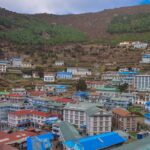
After Kathmandu, you transfer to Pokhara by tourist bus. The ride takes hours, with towns, villages, terraced farmland, and rivers along the way. Pokhara is framed as Nepal’s second big tourism hub (after Kathmandu), and that matters because it’s where you reset before the mountains.
You’ll check into a hotel and then have time in the evening for a walk around Phewa Lake. If you want action, Pokhara is also known for paragliding, zip flyers, and bungy jumping. Those specific activities aren’t listed as part of your package, so think of them as optional ideas if you have energy.
This part of the trip is valuable because it breaks the journey into human-sized chunks. Instead of going straight from city chaos into Day 1 trekking, you get a buffer: sleep, a meal, and a chance to take in the lake and valley vibe.
Ulleri to Ghorepani: forest walking that slowly turns into mountain air
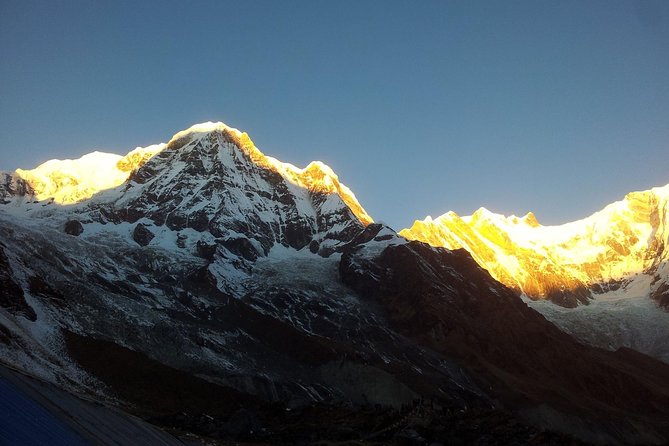
Your first trekking steps start from the route’s beginning point after a drive from Pokhara to Naya Pul. Then the trail heads toward Ulleri through oak and rhododendron forest.
The Ulleri section is described as a mix of an easy-gentle winding trail plus the famous Ulleri stairs. Translation: you’ll walk a lot of steps, but the pace is manageable because the day’s framing is more about getting your legs going than crushing altitude on day one.
You’ll also pass through villages such as Tikhedunga, then continue onward until you reach Ulleri in the afternoon. That pacing is useful. You arrive with daylight to settle in, not at midnight in the dark.
Next up is Ghorepani. This is another forest day: you move via Banthanti and Nangethanti, where lunch is taken. Ghorepani is called out as a place with a perfect view of the Dhaulagiri and Annapurna ranges. Even if the weather shifts, this is one of those areas where you can feel the mountains getting closer.
Poon Hill views and Chhomrong: the classic payoff day
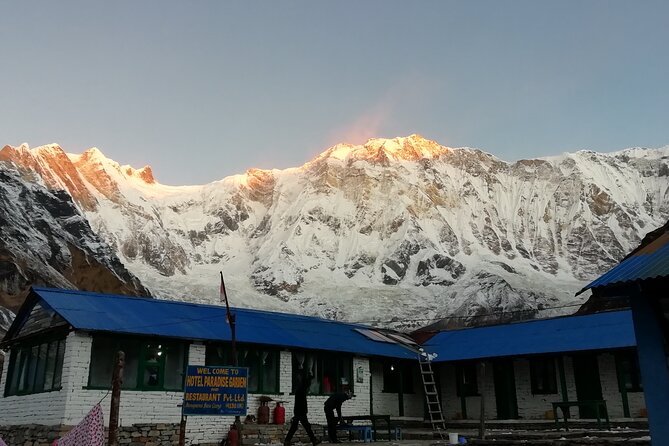
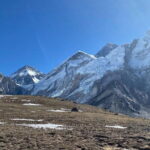
The trek continues to Tadapani via Poon Hill. Poon Hill is positioned as a viewpoint with panoramic mountain views including Dhaulagiri, Annapurna, and Manalsu. This matters because it gives you a major “wow” before you even reach the high, exposed part of the trek.
After that viewpoint moment, you head onward to Tadapani with uphill and downhill sections in forest and on rocky steps. This is where trekking starts to feel more “real.” Expect the trail to ask for attention: your footing, your breath, and your rhythm.
Then you reach Chhomrong. It’s a Gurung village, tucked under the Annapurna massif, and you get time to explore. You’re also pointed toward views of Annapurna South and Machhapuchhre. Practically, that means you’re not just sleeping in a lodge; you’re also seeing why people live in these places and how the villages anchor the route.
Ghandruk and Sinuwa: steps, rivers, and the switch to colder air
By the time you reach Ghandruk, you’ll be dealing with a long day described around 2500 steps. The route includes a descent to Chhomrong Khola, then an uphill back toward Khuldighar (2,380m) and a village called Sinuwa. You’ll also pass through bamboo areas that are damp and cold.
This day is a good example of why Annapurna Base Camp trekking feels so varied. You’re not only going up. You’re repeatedly adjusting: down to river valleys, then up again, so your body keeps working even when the “headline altitude” doesn’t spike.
You’ll also reach the Himalaya Hotel area where you can see glacier views. Again, not every moment is guaranteed because mountain weather can do what it wants. But the day is structured to give you more than one decent photo window.
Annapurna Sanctuary and Base Camp at 4,130m: your big mountain day
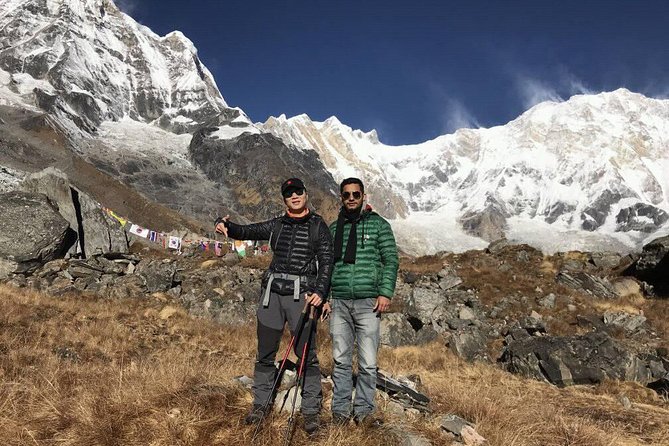
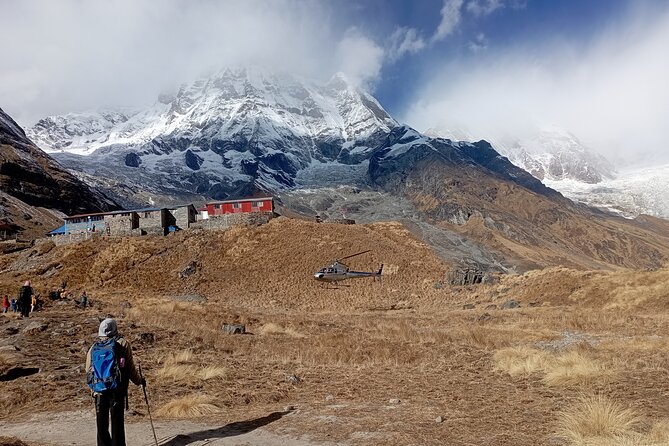
This is the day you came for. You move into the Annapurna Sanctuary, passing areas like Hinko Cave, Deurali, and Machhapuchare Base Camp. The climb gets steeper in feel as vegetation thins and you trek uphill through valley views and waterfalls.
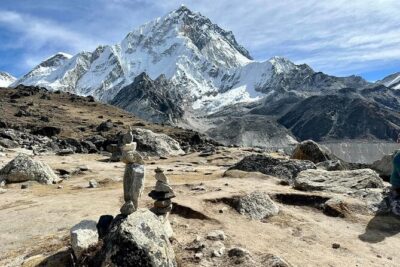
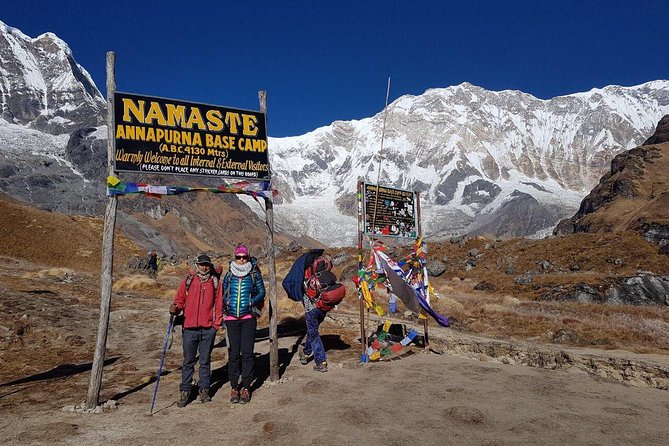
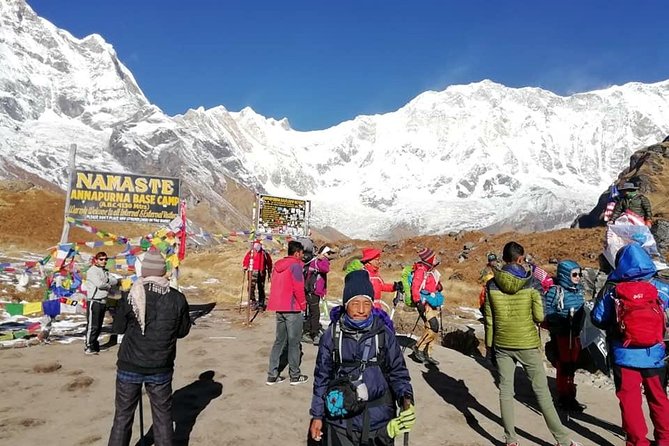
After about two hours from Machhapuchhre Base Camp, you reach Annapurna Base Camp at 4,130m. That staging matters because it spreads the effort. You also get a sequence of views rather than one single moment.
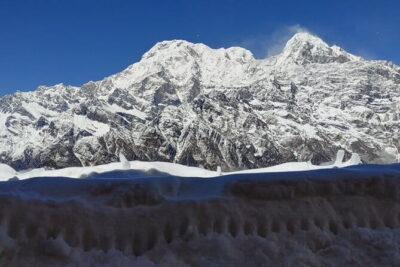
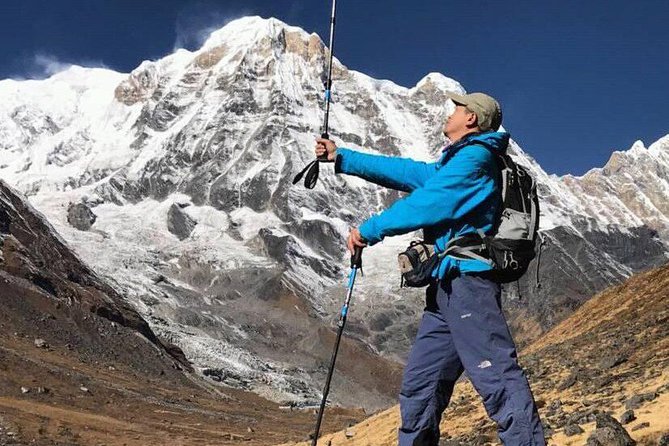
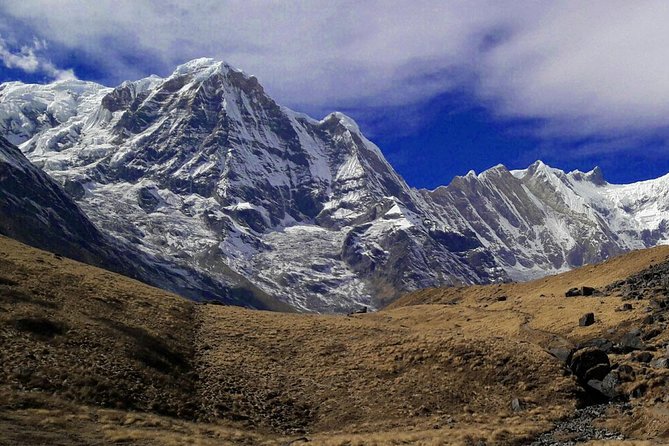
From Machhapuchhre Base Camp, the listed peaks include Machhapuchhre, Mt. Hiunchuli, Annapurna South, Annapurna I, Annapurna III, Gandharvachuli, and Gangapurna. Once you’re at the base camp itself, you’re framed with a clear, unobstructed look at Machhapuchhre, Annapurna South, Annapurna I, and Hiunchuli, plus other peaks.
Real talk: on days like this, the guide’s role becomes more than translating and collecting permits. They help manage your pace so you don’t “burn matches” early. With a certified English-speaking local trekking guide included, you’ve got someone trained for this terrain and these days.
The return trek: more time with peaks, plus Jhinu Danda hot springs
After the base camp day, the return is still active but more forgiving in feel. Your Day 10 trek goes downhill and you retrace much of the route. The trail takes you to Bamboo, still with bamboo, rhododendron, and oak.
Day 11 brings you to Jhinu Danda. You walk uphill from Bamboo, reach Chhomrong Khola, then head downhill to Jhinu Danda. The highlight here is a chance to dip in the hot spring. After cold mornings and long, repetitive walking days, this is one of those practical luxuries that makes the whole trek feel worth the effort.
Day 12 continues the downward travel to Pokhara, passing through Ghandruk. You also visit a museum in Ghandruk focused on Gurung culture and tradition, plus you see views of Annapurna South and Fish Tail (as described). Then the trip back to Pokhara is by jeep or bus.
This return phase is underrated. People sometimes expect it to feel like a boring replay. But you’re moving through the same regions with different light and less pressure, so the mountains often hit differently.
Kathmandu again: farewell dinner, then home
Day 13 takes you back from Pokhara to Kathmandu. Scenery changes again from lush forest to less vegetation, with rivers and streams along the way and hilly landscapes in view.
You check into the hotel and get a farewell dinner at a typical Nepali restaurant with Nepali dance. That’s a nice end-cap after two straight weeks of trekking days and early starts. On Day 14, you’re dropped at the airport in a private vehicle for your onward travel.
Guides, group feel, and comfort on the trail
This is set up as a private tour/activity, meaning it’s only your group. That’s not a tiny detail. On treks, privacy affects everything from pace decisions to how your guide manages breaks and answers questions. It’s also helpful if you need a little extra time for altitude and recovery.
On the trail, you have a Nepal Government certified English speaking local trekking guide. Reviews emphasize friendly, supportive guidance from both the guide and the porter, along with strong route knowledge. Some people specifically credited Mr. John Shrestha’s responsiveness in Kathmandu and the team’s concern for travelers throughout.
Comfort-wise, you’re in twin-sharing guesthouse accommodation during the trek, plus breakfast in Kathmandu and Pokhara. That’s not luxury, but it’s the right model for this kind of trekking. You’re not there to lounge. You’re there to walk, eat well, and sleep so you can do it again tomorrow.
Altitude and pacing: what you should plan for
You’ll reach Annapurna Base Camp at 4,130m. The route includes climb days and return days, and on the way in you pass through areas where vegetation thins as altitude rises. The schedule also builds in an acclimatization-style rhythm by mixing uphill and downhill segments and using rest days for village exploring at spots like Chhomrong.
You should still treat altitude seriously. The package says you need moderate physical fitness level, which is a helpful baseline. For your own success, focus on these basics:
- Walk steady, not fast
- Drink and eat on schedule (water is listed under personal expenses, so budget for it)
- Don’t assume you’ll be fine just because the early days feel easy
If you’re prone to altitude issues, your trekking guide is the person to speak with first. They can adjust pace and advise when it comes to how hard to push each day.
Who this trek fits best
This Annapurna Base Camp itinerary suits you if:
- You want a classic route with major mountain views and cultural stops
- You like having permits and meals handled, not managed day-by-day yourself
- You prefer a private setup with an English-speaking guide
- You’re okay with guesthouse lodging and trekking on steps and forest trails
It might feel like a tougher fit if you want a mostly flat hike or if you have limited tolerance for cold mornings and long walking days.
Should you book this Annapurna Base Camp trek?
I’d book it if you want the full Annapurna Base Camp experience without turning it into a planning project. The value comes from the way the trip covers the key pieces: transport between cities, guided Kathmandu sightseeing, trekking permits, competent guide support, and full-board meals during the hike.
The strongest reasons to choose it are the consistent emphasis on team support and the way the route delivers the big-view moments: Poon Hill mountain payoff, Chhomrong’s Gurung village setting, then the sanctuary and base camp at 4,130m, with multiple peak views listed along the way.
If you hate hiking steps, you may grumble a bit on days like Ulleri and Ghandruk. But if you’re ready for a proper trek and want your logistics handled, this one looks like a solid bet.
FAQ
How long is the Annapurna Base Camp trek on this itinerary?
The trip is listed as 14 days (approx.).
What is the highest altitude reached?
The itinerary specifies Annapurna Base Camp at 4,130m.
What’s included for meals during the trekking portion?
Full board meals are included during trekking: breakfast, lunch, and dinner, with tea/coffee.
Are Kathmandu and Pokhara accommodations included?
Yes. Twin sharing accommodation is included in Kathmandu and Pokhara with breakfast plan stated for those city stays, and twin sharing guesthouse accommodation during the trek.
Do I need a special permit for the trek?
Yes, the package includes an ACAP Permit and a TIMS permit card for trekking.
Is this tour private?
Yes. It is described as a private tour/activity, with only your group participating.
What about travel insurance or rescue insurance?
Travel and rescue insurance is not included, so you’ll need to arrange that yourself.
When can I cancel for a full refund?
You can cancel up to 24 hours in advance of the experience for a full refund.
If you want, tell me your walking pace and your hiking experience level, and I’ll suggest what to prioritize for your packing and acclimatization for this specific 4,130m endpoint.