REVIEW · KATHMANDU
Annapurna Circuit Trek
Book on Viator →Operated by Nepal Trail Finder Treks & Expedition · Bookable on Viator
Altitude climbs fast on the Annapurna Circuit. This 14-day trek takes you from Kathmandu’s 1,350m streets to the Thorong La Pass at 5,416m, while village life and terrain change day after day. I also like that your price covers TIMS and ACAP permits, plus a government-registered guide and porter so you don’t spend your energy on paperwork or lugging gear. The catch: you still need moderate fitness, and the high-pass day is a long, cold slog that won’t be fun if you’re already worn down.
A big plus is the mix of classic trekking with extra sights like Tilicho Lake detours and early mountain viewpoints from the Annapurna foothills. This is a private, guided trip with pickup offered, so you’re not stuck in a giant herd or guessing what to do next.
In This Review
- Key things I’d circle before you book
- Annapurna Circuit: terrain flips from farms to high ice
- Day-by-day pacing: what each section really means for you
- Days 1–2: Kathmandu setup (and why it matters)
- Day 3: Long drive to Jagat
- Days 4–7: Climb into the Manang world
- Day 8: Rest day in Manang
- Days 9–10: Higher camps before the pass
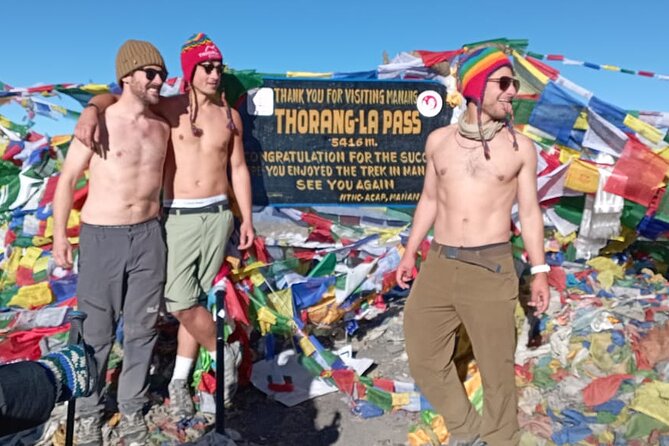
- Day 11: Thorong La Pass day, then down to Muktinath
- Days 12–14: Drive out and fly home
- Side quests: Tilicho Lake, Poon Hill, and Tatopani hot springs
- Tilicho Lake detours
- Poon Hill mountain views
- Tatopani: hot springs for sore legs
- Food, tea/coffee, and what your daily meals will feel like
- Guide and porter value: more than just carrying bags
- Permits and the paperwork headache you avoid
- Price and logistics: does $1,175 feel fair?
- Who should book this Annapurna Circuit trek?
- Should you book this Annapurna Circuit trek?
- FAQ
- How long is the Annapurna Circuit trek?
- What’s included in the trek price?
- Are guide and porter services included?
- Is pickup offered?
- What fitness level do I need?
- Are meals in Kathmandu and Pokhara included?
- Can I cancel for free?
Key things I’d circle before you book
- Thorong La Pass at 5,416m: the day you earn your bragging rights, with a long walk up and a steep descent after.
- Manang rest day: you get a breather in a high-altitude town instead of rushing straight into the pass.
- Permits handled for you: TIMS and ACAP paperwork is included, which saves time and stress.
- Tea/coffee with meals: a small thing that makes trail food feel less grim.
- Hot springs at Tatopani and temple stop at Muktinath: recovery plus culture in one stretch.
- Government-registered guide and porter: luggage support matters when the air gets thin.
Annapurna Circuit: terrain flips from farms to high ice
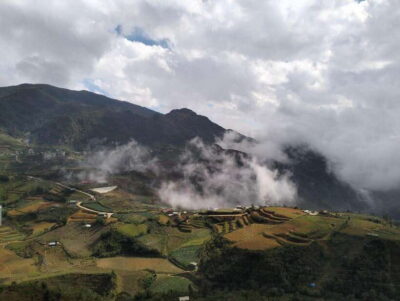
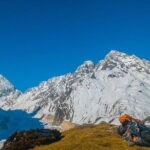
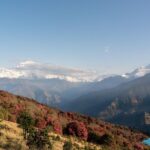
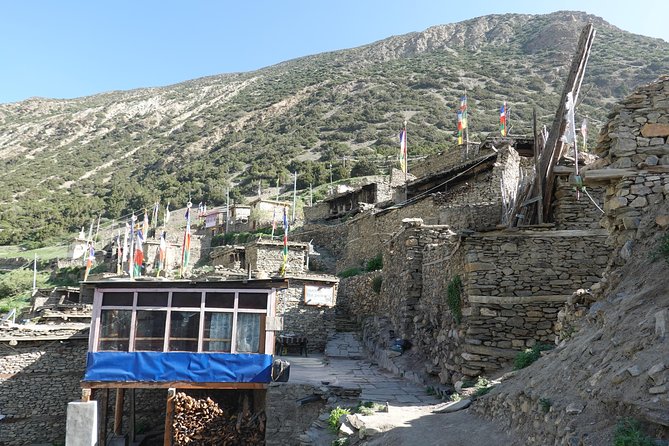
The Annapurna Circuit is popular for a reason: you don’t just walk in the mountains. You walk through climates. In your first days you’re moving through subtropical forests and cultivated areas, then the trail gradually starts feeling drier and higher, with dramatic Himalayan views getting closer each day.
What I like about this route is the built-in rhythm. You’re not thrown from low altitude to “wow, snow” in one step. You start around 1,300m near the Kathmandu valley, then you climb steadily toward higher towns like Chame and Pisang, and eventually into the Manang zone. By the time you’re in the 4,000m+ range, you’ll have already learned how your body reacts on the trail.
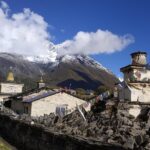
And yes, you’ll also be walking past places where religion and everyday life overlap. The circuit passes through Tibetan Buddhist villages and later shifts toward Hindu pilgrimage sites, especially once you reach the lower Kali Gandaki area.
You can also read our reviews of more tours and experiences in Kathmandu.
Day-by-day pacing: what each section really means for you
This trek is laid out like a training plan. Each day has a purpose, even when the hours look similar on paper.
Days 1–2: Kathmandu setup (and why it matters)
You land in Kathmandu around 1,350m, then spend a day on sightseeing and trek preparation. This is more than sightseeing boxes. Kathmandu is where you test your legs on city sidewalks, buy last-minute supplies, and get your gear dialed in before you’re wearing it all day on rocky paths.
If you’re the type who always forgets one thing (most of us), this is your buffer day. Use it.
Day 3: Long drive to Jagat
You’ll drive from Kathmandu to Jagat by local transport (about 9 hours), reaching around 1,300m. That’s a lot of sitting before any hiking, so plan your first-day energy carefully. A good rule: don’t treat day 3 as a warmup hike. Treat it as travel, stretch time, and early sleep.
Days 4–7: Climb into the Manang world
From Jagat you hike up toward Dharapani/Danakyu (~5 hours, about 2,300m), then continue to Chame (~5 hours, about 2,670m). After that you’re heading toward upper Pisang (~5 hours, about 3,300m), and then toward Ghyaru village and on to Manang (~6 hours, about 3,540m).
Here’s what those days do for you:
- They build stamina gradually.
- They give your lungs time to adjust before the big altitude jumps.
- You learn the trail “feel” before higher passes.
Upper elevations can mean colder nights and more dust in the air. Your pace might feel slower simply because your breathing has to work harder. That’s normal.
Day 8: Rest day in Manang
Manang is a high-altitude hub with a strong trekking presence. You get a full rest day to explore the village. This is one of the smartest parts of the itinerary because it gives you a chance to acclimatize before you push higher.
You don’t have to treat the rest day as a spa day. Even light walking around town can help you stay loose. The goal is simply to avoid the mistake of rushing into altitude stress while you’re still adjusting.
Days 9–10: Higher camps before the pass
You hike to Ledar (~4 hours, about 4,200m), then to Thorong Phedi (~3 hours, about 4,450m). These are the “set the stage” days. You’re getting higher, but you’re still building toward the pass without jumping from one extreme to another.
If you tend to get cranky when you’re cold, this is where you want to tighten up your layering strategy. Expect mornings to feel sharper as the trek heads toward Thorong La Pass.
Day 11: Thorong La Pass day, then down to Muktinath
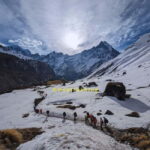
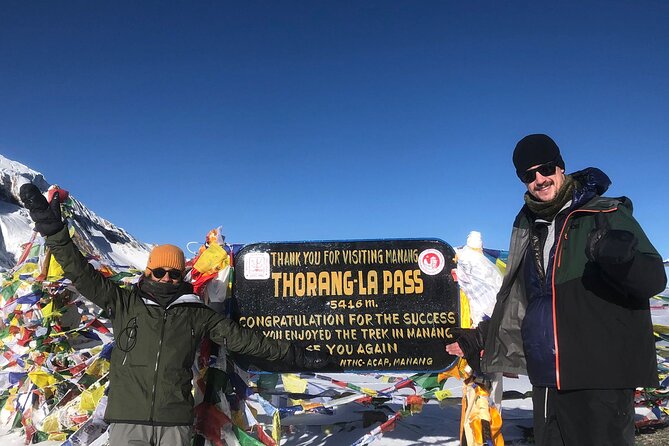
This is the big one. You’ll trek up and reach Thorong La at 5,416m (about 8 hours), then descend down to Muktinath.
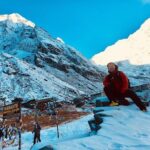
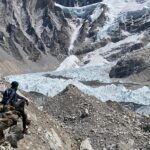
That long day is why I’d treat this itinerary as serious trekking, not a “mostly sightseeing” stroll. At 5,000m+, cold and fatigue aren’t just uncomfortable—they can make decision-making harder. So keep your pace steady and don’t force big surges. Arriving safely matters more than arriving fast.
Once you reach Muktinath, the tone shifts again. The trek becomes more about spiritual sites and cultural stops than about pushing altitude. It’s a psychological win: you’re exhausted, then you see a place that clearly has meaning.
Days 12–14: Drive out and fly home
Day 12 is a drive to Pokhara (about 6–7 hours). Day 13 returns to Kathmandu via tourist bus (about 8 hours). Day 14 ends with a flight from Tribhuvan International Airport.
This is a practical finish: you get recovery time in Pokhara before heading back to Kathmandu for your departure.
Side quests: Tilicho Lake, Poon Hill, and Tatopani hot springs
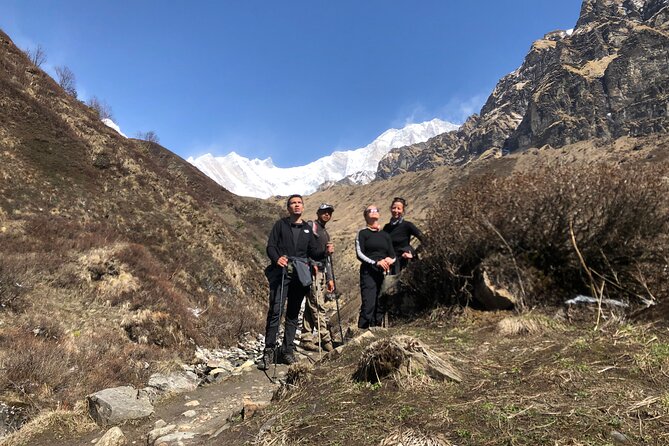
One reason this trek feels richer than the basic “walk around a loop” version is that it adds optional-feeling highlights into the broader circuit story.
Tilicho Lake detours
You’ll see Tilicho Lake listed as a major stop. Tilicho is known for being high and remote-feeling, and it’s the kind of detour that makes your photos look different from the usual pass-and-village shots. Since your exact schedule can shift around weather and trail conditions, think of Tilicho as a high-up promise: it might be delayed, but it’s usually a big reason people book this version.
Poon Hill mountain views
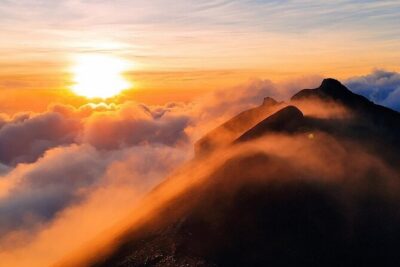
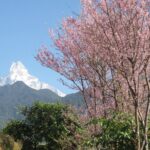
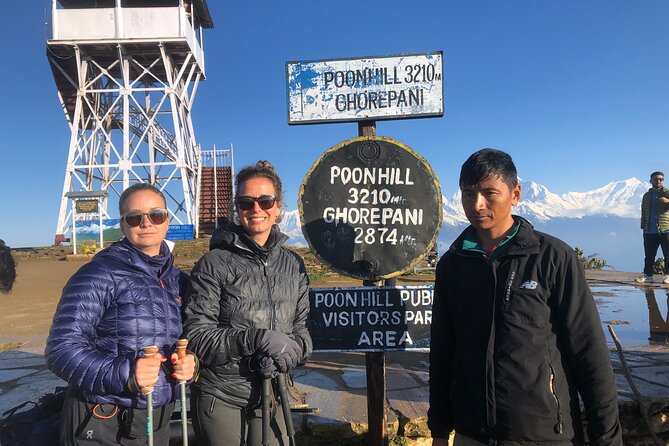
You also get stops tied to Ghorepani and Poon Hill (plus Gurunghe Hill listed). If you’ve never watched the sunrise colors crawl across the ridgelines, you’re in for it. Poon Hill is famous for wide views—over 20 mountains across the Annapurna and Dhaulagiri ranges are part of what you’re aiming for.
This is the “breathe and look up” part of the trek, which you need after a long push through steep terrain.
Tatopani: hot springs for sore legs
Tatopani means hot springs. You’ll reach it as part of the lower section before the later circuit descent toward the Kali Gandaki valley. After days of hiking and descending, a soak can do real work: it can loosen tight calves and help you sleep better.
Don’t treat it as a spa day with a fancy towel routine. Treat it as recovery. You’ll feel the benefit most if you plan an early night after.
Food, tea/coffee, and what your daily meals will feel like
This trip includes breakfast, lunch, and dinner, and you can choose items from the menu at each place. It’s not gourmet cooking, but it’s also not random. You’ll have structure: meals each day plus tea or coffee with every meal.
That tea/coffee detail matters on cold mornings. It can help you start the day warm without needing to scramble for extra cash or snacks. Also, having menu choice usually means you can find something that agrees with your stomach.
One practical note: your body will crave carbs on long trekking days. Your best move is to eat enough before you’re hungry-hungry. Once you’re out of the “I’m fine” zone, it gets harder to think about food.
Meals in Kathmandu and Pokhara are not included, so you’ll pay for those on your own at the end of the trek.
Guide and porter value: more than just carrying bags
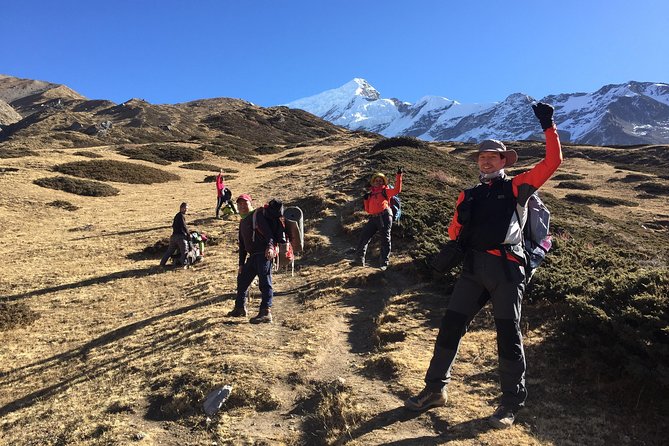
This trek includes a highly experienced government-registered guide and porter. You’re not just buying muscle. You’re buying:
- help setting pace on uneven terrain
- altitude-smart decisions
- navigation and trail continuity
- someone who can manage logistics while you focus on walking
The porter support is especially important because luggage weight can become annoying fast when the pass is near. With a porter handling your gear, you can keep a smaller day pack for layers, water, and snacks.
In feedback tied to this route, the name Gyanu shows up with praise for warmth, patience, and expertise. If you’re matched with a guide who has that calm, supportive style, you’ll probably feel less stressed when conditions get tough.
You also get a first aid box and a farewell dinner plus a souvenir. Those are small, but they add up to a “someone planned this properly” feeling.
Permits and the paperwork headache you avoid
Your price includes TIMS cards and the ACAP permit. For Nepal trekking, that matters. Permits are part of staying legal and supporting the protected areas system.
Instead of you figuring it out in a hurry, the tour handles the necessary documents. That gives you more time to focus on acclimatization and gear fit.
Price and logistics: does $1,175 feel fair?
At $1,175 per person for a 14-day trip, the value depends on what you compare it to.
Here’s what’s included that can be expensive if you book it separately:
- guide and porter with salaries, equipment, food, lodging, and insurance
- hotel stays in Kathmandu and Pokhara on a B/B basis
- mountain accommodation (private or share, single or double depending on your selection)
- air-conditioned vehicle
- all fees and taxes
- meals during the trek (with tea/coffee)
- farewell dinner and a souvenir
Not included items are also clear:
- international airfare, Nepal visa fee, and travel insurance
- meals in Kathmandu and Pokhara
- alcohol, soda/pop, snacks
- tipping and donations
- phone calls, laundry, charging, and other personal expenses
If you want a trekking experience that feels organized end to end—transport, permits, meals, and altitude support—this price can make sense. If you’re hoping to manage everything yourself and minimize spending, you might find cheaper ways to do it. But you’d also be taking on more planning burden.
Who should book this Annapurna Circuit trek?
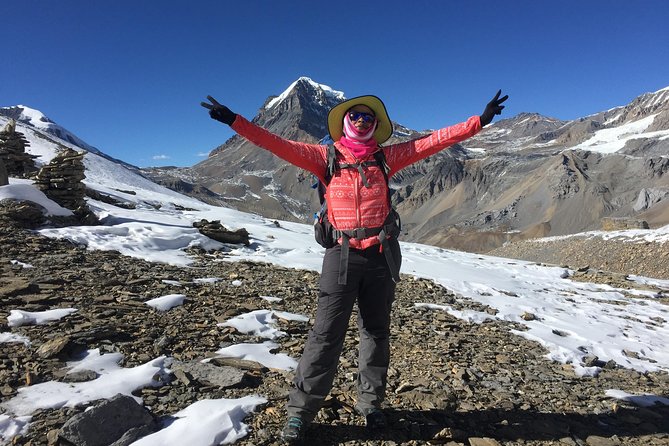
This is best for people with moderate physical fitness who can walk for hours daily and handle high altitude. You’ll want to be comfortable with:
- cold mornings
- long travel days like the Kathmandu-to-Jagat drive
- a major altitude push to Thorong La
- daily meals in simple tea house-style settings
It also fits well if you like structure. Since it’s a private trip and you’ll be with your group only, it’s easier to follow the guide’s pace and stop decisions.
If you’re traveling with a service animal, you’re allowed to bring it (service animals allowed is listed).
Should you book this Annapurna Circuit trek?
Book it if you want the full Annapurna Circuit story—villages, big pass achievement, Muktinath, recovery time at Tatopani, plus extra highlights like Tilicho Lake and Poon Hill views—without having to build the logistics yourself.
I’d hesitate only if your main goal is a super-easy vacation walk. This trek includes a long day to a 5,416m pass, plus steady climbing days before that. If you’re uncertain about altitude or stamina, talk honestly with the provider and be ready to adjust your expectations.
If you can handle hard days and you appreciate good planning, this is the kind of trip that leaves you with more than photos. It leaves you with a route you’ll remember for how it changed, day by day.
FAQ
How long is the Annapurna Circuit trek?
It runs about 14 days, including travel days and the final flight out of Kathmandu.
What’s included in the trek price?
The package includes breakfast, lunch, and dinner during the trek (with tea/coffee with each meal), Kathmandu and Pokhara accommodation on a B/B basis, an air-conditioned vehicle, permits (TIMS and ACAP), and a government-registered guide and porter. It also includes a farewell dinner, a souvenir, and a first aid box.
Are guide and porter services included?
Yes. A highly experienced government-registered guide and a porter are included, covering salaries, equipment, food, lodging, and insurance.
Is pickup offered?
Pickup is offered, and you also start from Kathmandu.
What fitness level do I need?
The trek is listed for travelers with moderate physical fitness. You should be able to handle multiple long hiking days and the highest day reaching 5,416m.
Are meals in Kathmandu and Pokhara included?
No. Meals in Kathmandu and Pokhara are not included.
Can I cancel for free?
Yes. Free cancellation is available, with a full refund if you cancel at least 24 hours in advance. If weather cancels the experience, you’re offered a different date or a full refund.