REVIEW · SA PA
Half Day Sapa Trekking to Visit Lao Chai – Ta Van
Book on GetYourGuide →Operated by VN CHARM TOURISM CO,LTD · Bookable on GetYourGuide
Nine kilometers, two villages, big Sapa views. This half-day Sapa trek is built for you if you want culture and scenery without losing a whole day. I love how the route threads through rice terraces and down toward the Muong Hoa Stream while you’re guided by English-speaking locals.
I especially like the pacing: the walking is substantial, but it’s short enough to be comfortable for a half-day plan. You’ll also get focused stops in Lao Chai and Ta Van for photos, village context, and time to meet people (and yes, do some craft shopping).
One consideration: the terrain can be uneven and slippery in rain, and some village families may try to sell crafts along the way. If you’re sensitive to that kind of pressure, I’d go in with a plan for politely saying no and sticking to your budget.
In This Review
- Key takeaways before you go
- Why this half-day Sapa trek feels like the best kind of short trip
- The timing that makes this trek work (and how to plan your morning)
- From pickup to Y Linh Ho: the walk starts with views and quick orientation
- Lao Chai: rice terraces, Muong Hoa Stream vibes, and Hmong village life
- Ta Van Village: Dzay community, a longer break, and time to slow down
- The scenery: what you’re really paying for beyond villages
- Guide quality is a huge part of the experience
- The real trekking reality: uneven ground, heat, and rain
- Craft shopping: how to handle it without ruining the walk
- What’s included in the price, and why it’s solid value at $22
- Who this trek fits best (and who should adjust expectations)
- Should you book this half-day trek with VN CHARM TOURISM CO,LTD?
- FAQ
- How long is the trek on this half-day Sapa tour?
- What villages does the trek visit?
- Is the pickup time fixed?
- What is included in the tour price?
- What should I bring for the hike?
- Is it suitable for wheelchair users?
Key takeaways before you go
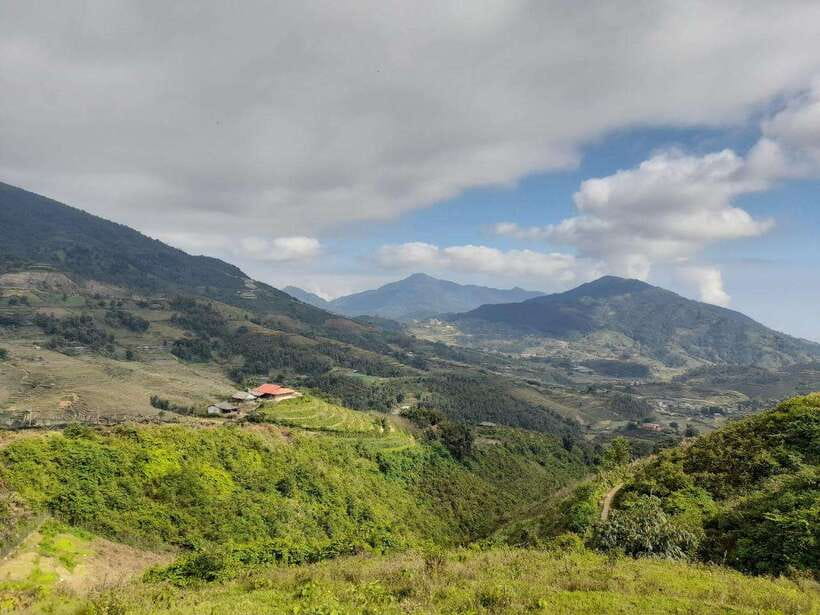
- Lao Chai to Ta Van in one morning: you cover two villages and multiple photo points without rushing.
- Rice terraces plus Muong Hoa Stream: great scenery flow, not just a single viewpoint.
- Local guides with strong English: names you might hear include Tung, Soso, Somg, Song, Sua, Tran, Ku, and Ku.
- Expect uneven, sometimes muddy paths: good shoes matter more than you think.
- Craft shopping happens on the trail: bring a little cash if you want souvenirs, but decide your limits early.
Why this half-day Sapa trek feels like the best kind of short trip
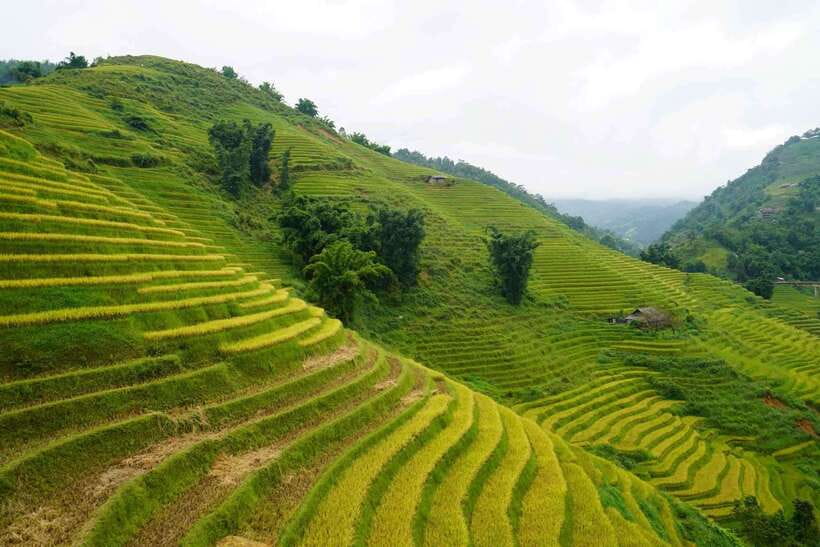
Sapa can be a lot: misty mornings, steep walks, and the sense that everyone is chasing the same postcard view. This trek gives you something more useful—a route that connects daily village life to the mountain scenery. You’re not just hopping between photo stops. You’re walking through working fields and small lanes where people actually live and farm.
I like that the tour is built around two specific village communities in the Sapa area: the Hmong community in Lao Chai and the Dzay community in Ta Van. That means you get cultural context in the places where it matters, not in a distant museum-style stop.
And value-wise, the price is surprisingly fair for what you get: an air-conditioned transfer, an English-speaking local guide, and entrance tickets are included, plus a structured half-day that ends back in Sapa town by lunchtime.
You can also read our reviews of more tours and experiences in Sa Pa.


The timing that makes this trek work (and how to plan your morning)
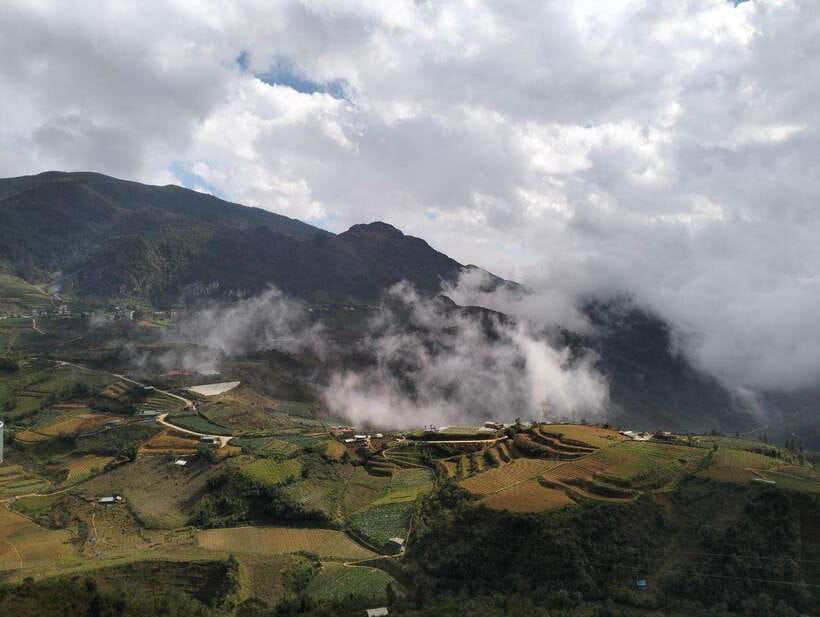
This is a morning trek with a tight but realistic schedule. Pickup is typically around 8:10 to 8:20 from your Sapa hotel. You’ll then start moving toward the trail area and begin walking through the valley.
Your main walking portion is about 4 hours, with trekking around 9 km total. The route is designed to hit multiple points: a first village/terrace photo stop, a guided stop in Lao Chai, and then Ta Van for a longer visit and break. Around 11:30, you’ll head back by bus from the Ta Van Bridge area, and the tour wraps up in Sapa Town by about 12:00.
For you, the benefit is simple: you get a proper trekking experience without losing your afternoon. For most itineraries, that’s gold—because Sapa afternoons can be unpredictable with weather and clouds, and you don’t want your whole day crushed by a late start.
From pickup to Y Linh Ho: the walk starts with views and quick orientation
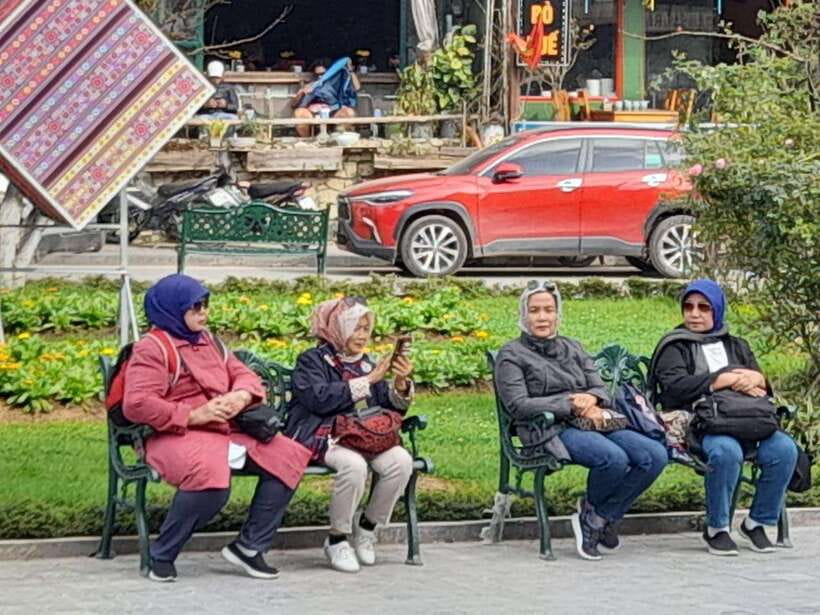
After pickup and a light prep (think quick-change convenience, not a big pack), you begin your trek toward Y Linh Ho. This part is partly about getting your legs going and partly about finding your first good angles on the valley.
At Bản Ý Linh Hồ, you’ll have a photo stop plus a guided visit for about 1 hour. This is a smart first stop because it sets expectations: you see the type of terrain you’ll be on, you get the broader cultural context from your guide, and you start capturing photos before the walk gets more gradual and village-focused.
Practical tip: start slow. The first section can feel a bit faster than you expect. You want to pace yourself before the steeper or rougher portions show up later.
Lao Chai: rice terraces, Muong Hoa Stream vibes, and Hmong village life
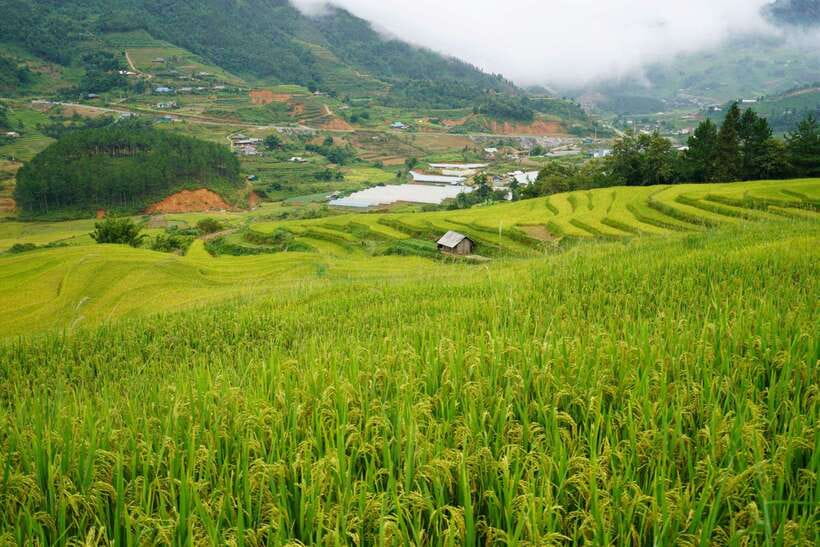
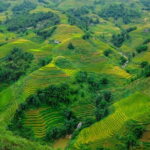
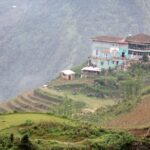
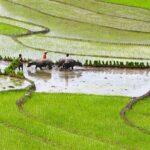
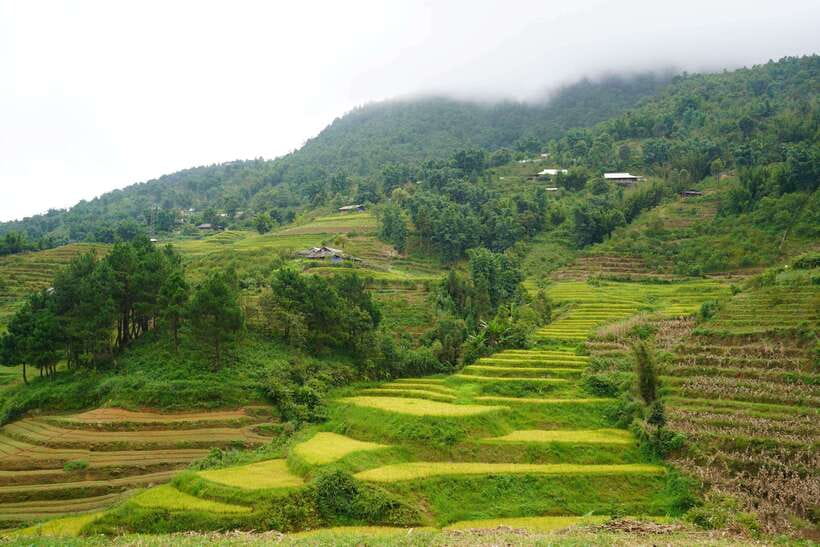
Next comes Lao Chai Village, where the trek continues through rice terraces and along the Muong Hoa Stream area. You’ll also get spectacular views of Hoàng Liên Sơn in clear conditions, and even when clouds roll in, the valley shape is still the star.
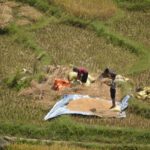
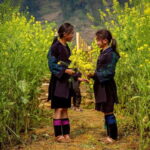
In Lao Chai, you’re set up for another photo stop and guided visit (about 1 hour). This is one of the most praised parts of the trek because it’s where the experience shifts from scenery to people. You’re walking through the edges of daily life, and your guide helps you understand what you’re seeing—costume details, village routines, and how life here connects to the landscape.
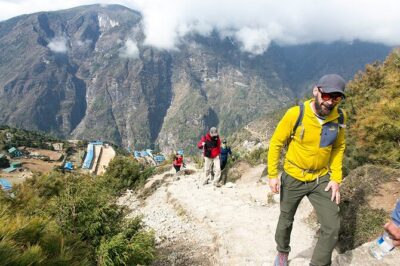
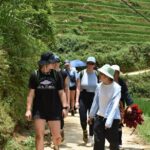
One thing to note: the terrain is real trekking terrain. Even on a half-day route, you’ll step on uneven ground, and dirt paths can turn slick in rain. I’d treat shoes like your main gear, not a fashion item.
Ta Van Village: Dzay community, a longer break, and time to slow down
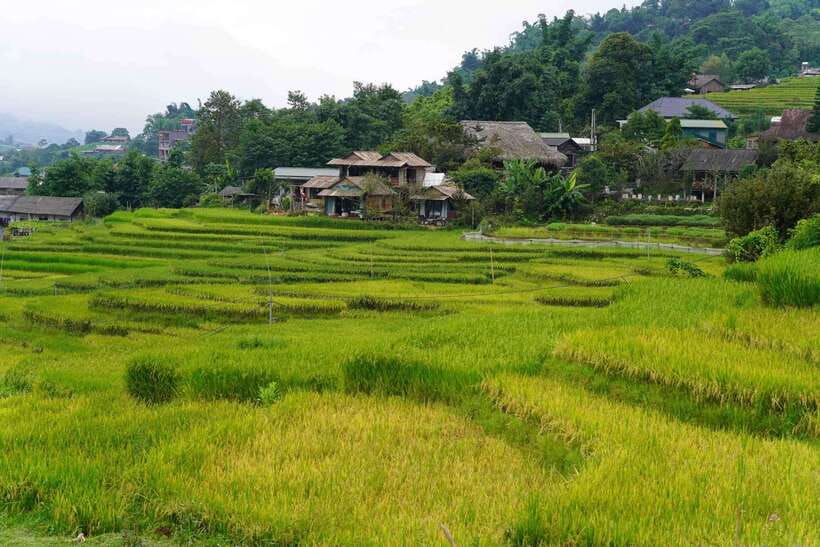
Ta Van Village is where the tour gives you breathing room. Instead of just passing through, you get about 1.5 hours with break time, photo time, and a guided visit.
This stop matters because Ta Van is home to the Dzay ethnic group, and the guide explanation tends to get more personal and grounded here—how people farm, what village life looks like day to day, and what certain traditions mean in everyday terms. If you like experiences that feel close to home life rather than staged for tourists, this is usually the highlight.
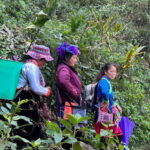
You’ll also see the “trail economy” in full action. Village families (including women who may walk along for part of the route) often offer handmade crafts. Sometimes it’s friendly and easy. Sometimes it’s more persistent. Going in with realistic expectations makes the difference between frustration and a tolerable annoyance.
When the time comes, you’ll rejoin transport around 11:30 from the Ta Van Bridge area and return to Sapa.
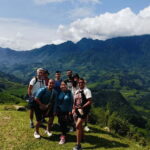


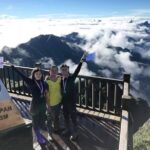
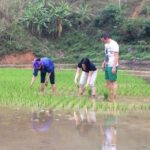
The scenery: what you’re really paying for beyond villages
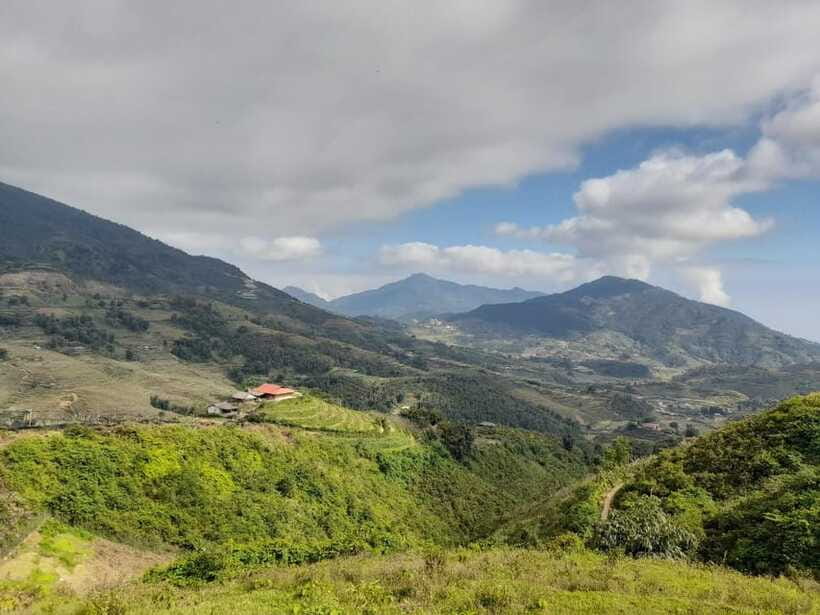
Yes, the villages are the point. But the route is also about the connective tissue—how the walking lines up with the scenery around Hoàng Liên Sơn and the valley corridors by the stream.
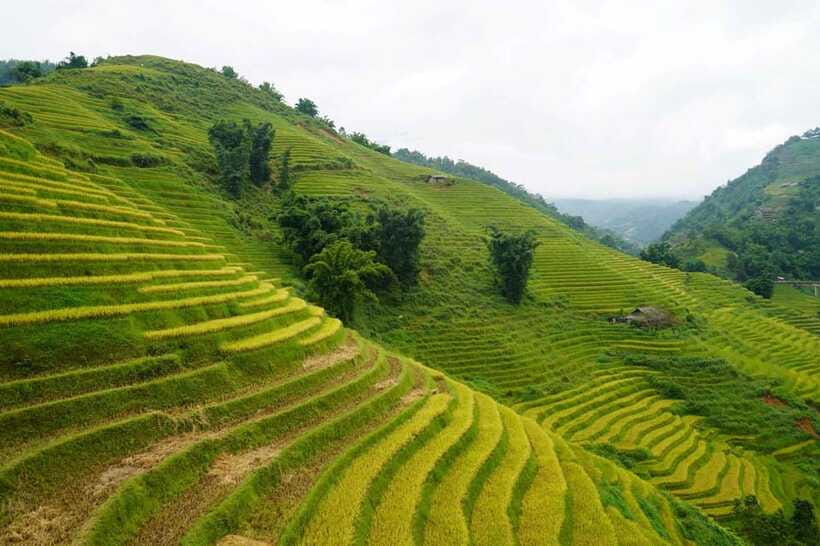
In clear weather, you’ll likely see long views across terraced fields and down toward river bends. In cloudy or rainy weather, the experience still works, just differently: the colors can look flatter and the air is cooler, but you get a strong sense of the mountain environment. The key change is footing. Mud becomes the main “scenery” problem.
If you’re photo-minded, take advantage of the planned stops, but also be ready to snap shots while walking. The best angles often happen on the way between villages, not only at the photo points.
Guide quality is a huge part of the experience
This trek lives or dies by the guide. Here, the tour uses an English-speaking local guide in Sapa, and that local connection shows up in the details: costume explanation, farming context, and small insights that make village visits feel less like a checklist.
Different guides have different styles, but you may hear names like Tung and Soso, and in other groups Somg, Song, Sua, Tran, and Ku. Many guests highlight how well the English works and how confidently the guide answers questions.
Here’s how that helps you:
- You get context fast, so you’re not just guessing what you’re looking at.
- You learn what to ask, like what’s seasonal about the fields or why paths and village locations make sense.
- The guide can adjust pace on rough terrain, which matters when it’s muddy or steep.
The real trekking reality: uneven ground, heat, and rain
The tour is short, but it’s not a flat stroll. Plan for uneven and steep patches. Some days are hot, and some days are muddy—both happened during recent runs.
If weather turns, the path can get slick. One guest noted local help with muddy conditions, which is a good sign that the guide team watches the group closely. Still, you should not rely on luck.
What I recommend based on what you’ll likely face:
- Wear hiking shoes or sports shoes with grip.
- Pack hiking pants (not just shorts).
- Bring sun protection even in the mountains: sunglasses and a sun hat are practical, not trendy.
- If rain is likely, consider rubber boots or footwear with strong traction.
Also: start with water and basic snacks even though the tour doesn’t list beverages as included. You’ll finish around noon, but you don’t want to feel hungry mid-terrace.
Craft shopping: how to handle it without ruining the walk
This is one of the most common friction points on Sapa treks, and this route is no exception. You may have locals walking with you to offer handmade items. In some cases it stays friendly. In other cases, it can become more forceful, including kids following along and asking for purchases.
You have two goals here: respect people and protect your enjoyment. My practical approach:
- Decide your souvenir plan before you start walking. If you don’t want to buy, prepare a calm no.
- If you want something, bring a small budget so decisions don’t get made under pressure.
- Don’t get pulled off-route. Stay with your guide and keep your pace.
If you’re the type who dislikes sales on trails, this is the one to pick carefully. If you’re okay with light shopping and friendly conversation, it becomes part of the lived-in feel of village trekking.
What’s included in the price, and why it’s solid value at $22
At $22 per person, you’re paying for more than a guide and a hike. The included items are key:
- Modern air-conditioned bus for the route between Sapa and the trail stops, including transfers
- English-speaking local guide
- Entrance tickets to indicated sites
Those details matter in real terms. The AC bus takes some of the stress out of mornings when roads and timing can be unpredictable, and entrance tickets keep you from having to track extra costs.
What isn’t included is also useful to know: beverages, travel insurance, VAT, and personal expenses. So you’ll want to plan how you’ll handle drinks on the trail and then lunch afterward in Sapa town.
If you’re trying to make your Sapa trip feel efficient—especially if you only have one night—this half-day format can be a smart value move.
Who this trek fits best (and who should adjust expectations)
This tour fits you best if:
- You want a taste of Sapa village life without a full day gone
- You like short treks with planned photo points
- You enjoy learning about how local ethnic communities live and farm
- You’re comfortable walking about 9 km on uneven ground
You might want to skip or pick a gentler alternative if:
- You have mobility limitations (the trek is not suitable for wheelchair users)
- You dislike muddy conditions and can’t handle uneven paths
- You know you’re sensitive to ongoing requests for craft purchases
Also, if you’re traveling as a family, the half-day length is a plus. One group of five mentioned the trek duration and distance felt right for their schedule and they were back by lunchtime.
Should you book this half-day trek with VN CHARM TOURISM CO,LTD?
If you want a straightforward Sapa morning that blends Hmong and Dzay villages, rice terraces, and mountain views, I’d say this trek is a very reasonable book.
Book it if you:
- Have limited time in Sapa (this ends around 12:00)
- Want guided cultural context from an English-speaking local
- Prefer an organized walk that still feels real and close to daily life
Consider another option if:
- You’re expecting a smooth, easy walk
- You hate any on-trail selling and don’t want to manage that dynamic
- You’re arriving during a weather window where you may struggle with slick terrain
Bottom line: the route is short, but it delivers what people actually come to Sapa for—village connection and mountain valley views. Go prepared with grippy shoes and a simple attitude about souvenirs, and you’ll likely walk away feeling like you understood this corner of Vietnam in a focused, human way.
FAQ
How long is the trek on this half-day Sapa tour?
The total duration is about 270 minutes, with around 4 hours of trekking and roughly 9 km of walking.
What villages does the trek visit?
You visit Lao Chai (Hmong village) and Ta Van (Dzay village), with an earlier stop around Y Linh Ho.
Is the pickup time fixed?
Pickup is scheduled around 8:10 to 8:20 from your hotel in Sa Pa.
What is included in the tour price?
Included are a modern air-conditioned bus, an English-speaking local guide, and entrance tickets to indicated sites.
What should I bring for the hike?
Bring sunglasses, a sun hat, a camera, hiking shoes (or sports shoes), sunscreen, sportswear/hiking pants, and a basic first aid kit.
Is it suitable for wheelchair users?
No, this activity is not suitable for wheelchair users.