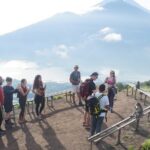
REVIEW · UBUD
Mount Agung Sunrise Trekking with Local Guide
Book on Viator →Operated by Mount Agung Trekking · Bookable on Viator
Night treks in Bali mean business. This Mount Agung sunrise hike turns Ubud darkness into a guided climb toward a sunrise summit and wide-open views. I like that it’s led by a professional local guide who helps you stay on track in the dark, with lots of photo chances along the way.
The second thing I really like is the mix of challenge and support. Even if you’re a newer hiker, you’ll get a careful pace and guidance. Juna and Kadek are two names that show up for a reason: patience, encouragement, and step-by-step help when the descent feels a bit sketchy.
One key consideration: Mount Agung is steeper and more demanding than Mount Batur, and the climb asks for stamina. If you get shaky on downhills, plan to go slow and trust the guide’s footing rhythm.
In This Review
- Key things to know before you go
- Why Mount Agung sunrise feels different than a standard hike
- The night start in Ubud: timing, pickup, and what to expect
- Trek breakdown: how the climb works from darkness to dawn
- Before you feel the altitude burn
- The steeper uphill grind
- Photo moments that don’t derail the climb
- Summit and sunrise reward
- The descent (the part you might worry about)
- Your guide can make or break the experience
- Views at dawn: what you should expect when the world wakes up
- How hard is it, really? Fitness level vs. beginner welcome
- Price and value: is $99 a fair deal for a 13-hour sunrise summit?
- Group size and pacing: why max 15 matters
- Who should book this Mount Agung sunrise trek
- Should you book this trek?
- FAQ
- What time does the Mount Agung sunrise trek start?
- How long does the trek take?
- Is pickup included from Ubud?
- Is admission included?
- Do I need a permit to climb Mount Agung?
- Is this trek suitable for beginners?
- How many people are in the group?
- What kind of views do you get at sunrise?
- What is the cancellation policy?
Key things to know before you go
- Start time at 11:00 pm: you’re trekking in the dark so you’re in position for dawn
- Small group size (max 15): easier to move as a unit and get help when needed
- Photo stops are built in: you won’t just sprint upward with zero chances to shoot
- Steeper than Mount Batur: come prepared for a harder workout and more uneven ground
- Local guide navigation matters: the trail can be hard to follow at night
- Summit views include Bali and beyond: expect panoramic sunrise sights, including Mount Rinjani in the wider scene
Why Mount Agung sunrise feels different than a standard hike
Mount Agung is the kind of mountain that changes the whole mood of your morning. You’re not just walking for a view. You’re climbing in darkness, building rhythm through the hardest parts, then breaking into dawn at the top. That shift is the magic: night effort turns into sunrise payoff.
This trek is also framed by the mountain itself. The climb is tied to Mount Agung’s cultural importance, and a good guide will explain what you’re looking at and why the mountain matters beyond the scenery. That adds meaning when you’re tired and the lights are dim. It also gives you context for the steep, serious terrain you’re working through.
And because this is a sunrise summit plan, you’ll be in the right place at the right time. That’s not an easy trick on Mount Agung. Going with a local guide helps you manage the timing and route so you’re not scrambling for bearings in the dark.
You can also read our reviews of more tours and experiences in Ubud.
The night start in Ubud: timing, pickup, and what to expect
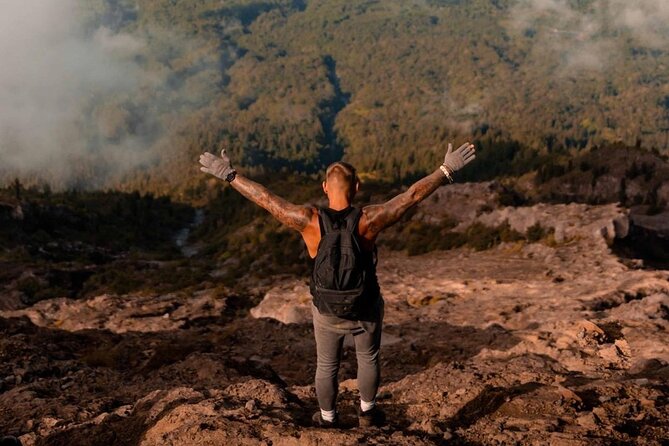
Your day begins late. The start time is 11:00 pm, and the trek runs about 13 hours total. In practice, that means you’ll be moving for most of the night and early morning, with the hardest segments coming before sunrise.
Pickup is offered from Ubud, which is a real convenience. If you’re arriving in Bali and don’t want to figure out night transportation, this is the kind of service that saves time and stress. You’ll also have a mobile ticket, so you’re not stuck digging for printed documents.
Because you’re starting at night, you should assume visibility is limited and surfaces can be slippery or uneven. A local guide’s job isn’t just leading the group. It’s keeping you moving safely when it’s dark and the trail can be tricky to follow.
The tour confirmation happens at booking time, so once you’re set, you can focus on preparing yourself rather than worrying about whether you’ll find the right place and the right time.
Trek breakdown: how the climb works from darkness to dawn
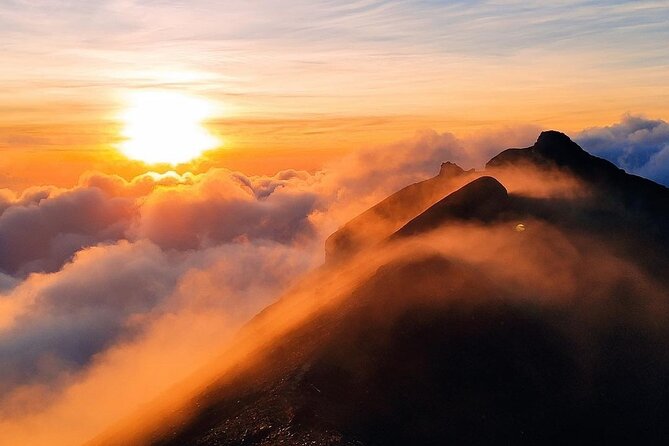
You’ll spend the day focused on one main goal: getting to the top of Mount Agung for sunrise. There’s one big climbing stop that anchors everything.
Before you feel the altitude burn
Right after pickup and meet-up, you’ll begin your ascent planning with your guide. This part matters because it sets your pace. If you start too fast, altitude and steep footing will punish you later. A good guide’s approach here is simple: ease you into it, keep you steady, and help you avoid that early “I feel great” mistake.
The steeper uphill grind
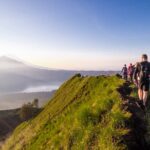
The climb is physically demanding and it’s steeper and more difficult than Mount Batur. The terrain can feel tougher than you expect, even if you’ve been hiking before. This is the part where you’ll want to think about stamina as much as legs.
The guide will also help you navigate. Mount Agung trails can be challenging to follow, especially in the dark. That’s why this trek is designed around having a local leader rather than a self-guided walk.
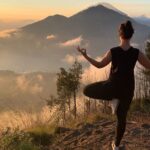

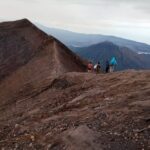
Photo moments that don’t derail the climb
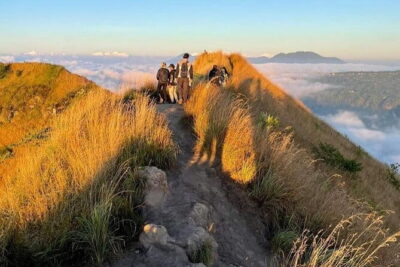
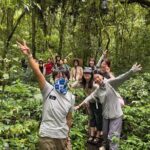
You’ll get plenty of chances to stop for photos. That sounds fun, but it’s also practical. Those short pauses help you reset breathing, check footing, and take in landmarks so you feel less “lost” while you’re climbing through the dark.
Just keep it in mind: photo stops are nice, but the guide’s safety decisions come first. If conditions are slippery or the pace needs adjusting, expect the guide to manage the timing.
Summit and sunrise reward
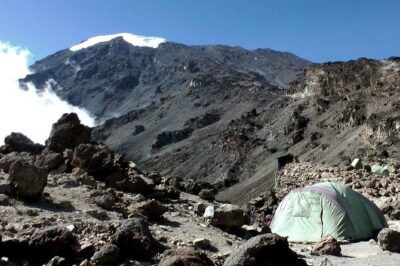
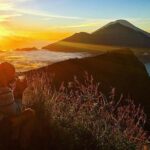
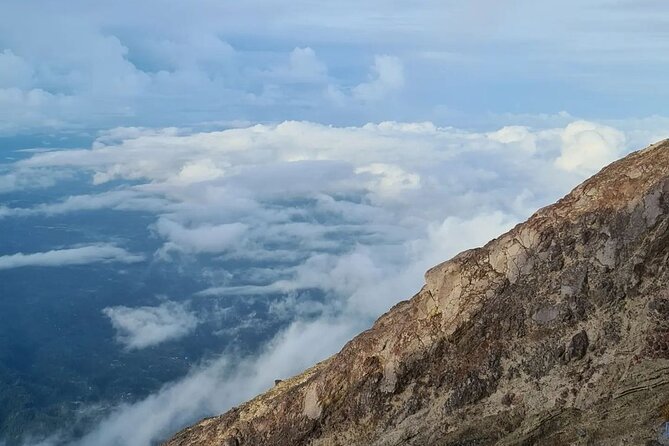
At the top, you’re rewarded with panoramic views of Bali and the surrounding islands. Mount Rinjani can show up in the broader scene, which makes the sunrise feel bigger than just one coastline view. This is where your effort clicks into place.
The descent (the part you might worry about)
The descent is often where nerves show up. One hiker described the descent as pretty intimidating, but the guide guided carefully the whole way and prevented accidents. That’s exactly what you want from a summit trek: support not only on the way up, but when your legs are tired and control slips.
Your guide can make or break the experience
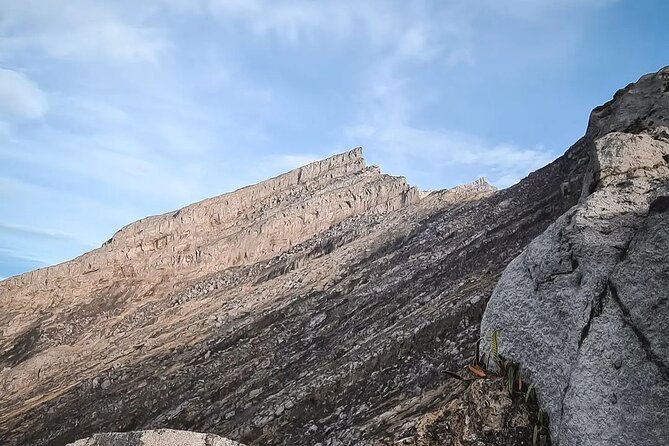
A Mount Agung summit hike isn’t just a fitness test. It’s a skills test for the mountain. That’s why the guide matters so much here.
In the feedback I’ve seen, guides like Juna and Kadek are praised for being patient, encouraging, and attentive. That shows up in real ways: letting you take breaks, keeping you safe on steeper sections, and giving careful direction during tricky downhills.
You’ll also get cultural context from the guide, not just “walk here, turn there.” That matters because on a mountain like this, the climb can feel like a blur. When your guide explains what you’re looking at and why it matters, the day feels more grounded and memorable.
If you’re nervous about hiking, don’t hide it. A good guide will adjust the pace and make sure you don’t rush when you shouldn’t.
Views at dawn: what you should expect when the world wakes up
The entire plan is built around sunrise at the summit. You’re aiming to get high enough and positioned well enough for dawn rather than just arriving after the sun is already up.
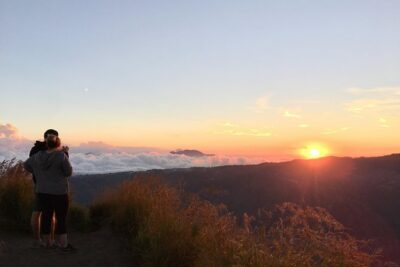
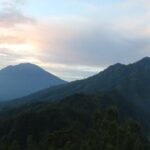
From the top, you should expect panoramic views across Bali and the surrounding islands. Seeing Mount Rinjani in the wider view (when conditions allow) adds a “this is why people travel” moment. Even if the sunrise is cloudy, the summit still has that high-elevation stillness where the air feels different and the scene opens up in layers.
The practical takeaway: be ready to stand for a bit. Sunrise treks often mean waiting in the cold before the sky fully lights up. Dress for the fact that it’s a long night and the top can feel colder than you think.
How hard is it, really? Fitness level vs. beginner welcome
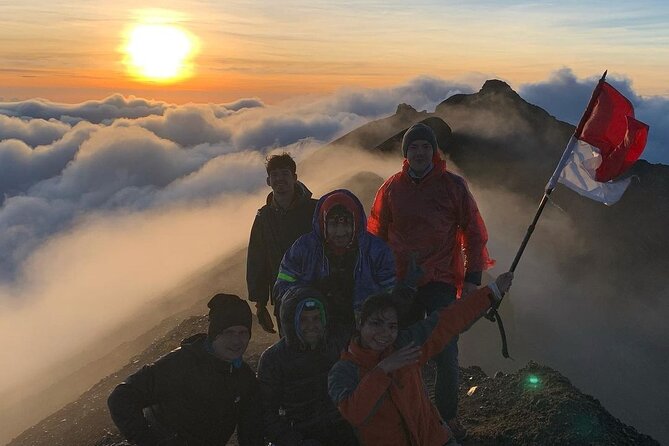
This trek is best for physically fit travelers. It’s also stated as beginner-friendly, with conditions. That “beginner welcome” line makes sense when the group moves safely and the guide keeps the pace manageable.
Think of it like this:
- If you can handle a steep workout for sustained periods, you’ll be in the right category.
- If you’re brand new to hiking, you’ll likely manage it more comfortably with a patient guide and willingness to take breaks.
The bigger factor isn’t whether you’ve done this exact hike before. It’s whether you can keep steady effort late at night and stay careful on uneven ground.
Also, remember the descent. One person found it intimidating until their guide slowed them down and guided them carefully. If that sounds like you, plan mentally for it. Don’t treat the summit as the end of the challenge.
Price and value: is $99 a fair deal for a 13-hour sunrise summit?
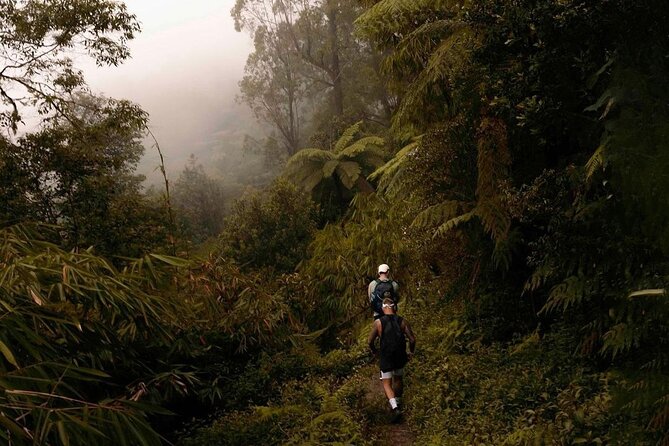
At $99 per person, the value comes from the full package idea: a professional local guide, sunrise timing, and a long guided day that includes the climb. It also includes an admission ticket (listed as included), plus pickup is offered.
The alternative is doing it on your own, which can get complicated fast. Mount Agung usually requires a permit, and the route is harder to follow in the dark without local knowledge. Paying for guidance is not just comfort. It’s risk management and timing.
Is $99 cheap? It’s not “budget on everything” pricing. But for a guided sunrise climb with pickup in a small group, it’s in the reasonable zone—especially if you factor the cost of organizing a safe, timely summit plan yourself.
Group size and pacing: why max 15 matters
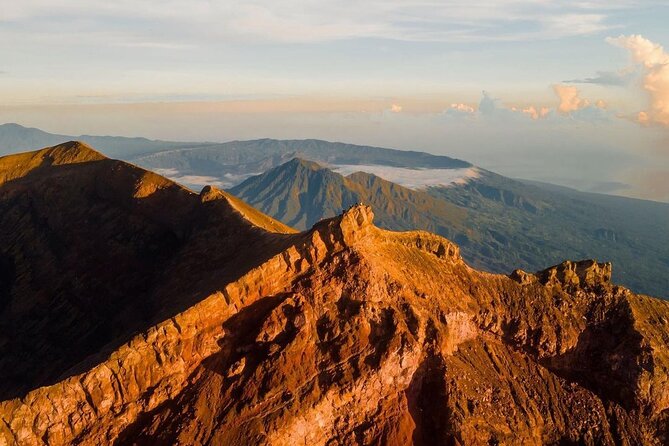
With a maximum of 15 travelers, this trek should feel controlled rather than chaotic. Smaller groups give the guide better control over pace and safety, especially on steeper sections where footing needs attention.
It also helps with the “no one gets left behind” kind of experience. You’ll likely have time to rest when you need it, and the guide can spot who’s struggling and who’s ready to move.
But don’t expect a private hike. With up to 15 people, the group will still move as a group. The skill is how your guide manages that spacing.
Who should book this Mount Agung sunrise trek
You’ll likely love this if:
- You want a true challenge and enjoy early-night adventure
- You’re okay with a demanding hike and you don’t rush the pace
- You want a sunrise payoff with panoramic views from the summit
You might want to reconsider if:
- You’re not ready for steep climbs and a long day (about 13 hours)
- Descents make you anxious and you’re not comfortable taking careful instructions
- You don’t have the stamina to keep moving in the dark for extended stretches
If you’re a first-time hiker, go into it with respect for the mountain. The “beginner welcome” part is real, but it still means you’re signing up for effort.
Should you book this trek?
Book it if you want a sunrise summit experience that prioritizes safe navigation, timing, and guide support. At $99, the value holds up because this isn’t just a walk—it’s a steep, night-to-dawn climb where your guide’s attention matters.
Don’t book it hoping it’s easy. Mount Agung is steeper and more difficult than Mount Batur, and that shows in how you feel on the way down. If you can commit to a steady pace and listen when the guide adjusts the plan, you’re setting yourself up for one of Bali’s most memorable mornings.
If you want my quick decision checklist: choose this trek when you’re fit enough for steep work, ready for a late-night start, and willing to trade comfort for a sunrise at the top.
FAQ
What time does the Mount Agung sunrise trek start?
The start time is 11:00 pm.
How long does the trek take?
The duration is about 13 hours.
Is pickup included from Ubud?
Yes, pickup is offered.
Is admission included?
Yes, an admission ticket is included.
Do I need a permit to climb Mount Agung?
Climbing Mount Agung usually requires a permit. Going with a local guide is recommended for safety and navigation.
Is this trek suitable for beginners?
Beginner hikers are welcome too, but it’s still described as physically demanding, so you should have strong fitness.
How many people are in the group?
The tour has a maximum of 15 travelers.
What kind of views do you get at sunrise?
You get panoramic views of Bali and the surrounding islands, and Mount Rinjani may be visible in the wider scene.
What is the cancellation policy?
Free cancellation is available up to 24 hours in advance for a full refund. If you cancel less than 24 hours before the experience’s start time, the amount paid is not refunded.