REVIEW · CHIANG MAI
From Chiang Mai: Chiang Dao Cave Trekking Full-Day Tour
Book on GetYourGuide →Operated by TripGuru Thailand · Bookable on GetYourGuide
Caves and waterfalls in one long day. This tour pairs Wat Tham Chiang Dao, a maze of limestone caverns packed with Buddha statues, with Thailand’s famous Bua Thong Sticky Waterfall where you can literally climb upward. I also like how the cave visit feels structured, so you don’t just wander in the dark—you learn what you’re seeing as you go.
My second favorite part is the human side: the small group size (up to 9) plus hands-on guides like Art and Nom makes the day feel calm, not rushed. A real consideration though: parts of the cave involve tight, low passages and uneven ground, so it’s not a great fit if you’re claustrophobic or have mobility or back issues.
In This Review
- Key things to know before you go
- Chiang Dao Cave: five caverns, Buddha statues, and cool air
- The biggest practical takeaway
- The lantern-and-guide add-on: worth it for the deeper parts
- My tip
- The market stop and lunch: where your day gets tasty (and local)
- What to look for at the market
- Bua Thong Sticky Waterfall: climbing a waterfall (with rope help)
- A note on comfort
- The van ride between stops: part of the experience
- Small-group tour style: guides make or break the day
- Pacing matters here
- What to bring: your cheat sheet for caves and sticky rocks
- My practical packing advice
- Responsible tourism touches that actually show up
- Price and value: is $106 a fair deal?
- How to judge value for yourself
- Who should book this tour, and who should skip it
- Should you book the Chiang Dao Cave and Sticky Waterfall tour?
- FAQ
- How long is the Chiang Dao Cave trekking and Bua Thong tour?
- Is hotel pickup and drop-off included?
- What’s included in the tour price?
- Do I have to pay extra inside the cave?
- What should I bring?
- Is this tour suitable for claustrophobia or mobility issues?
Key things to know before you go
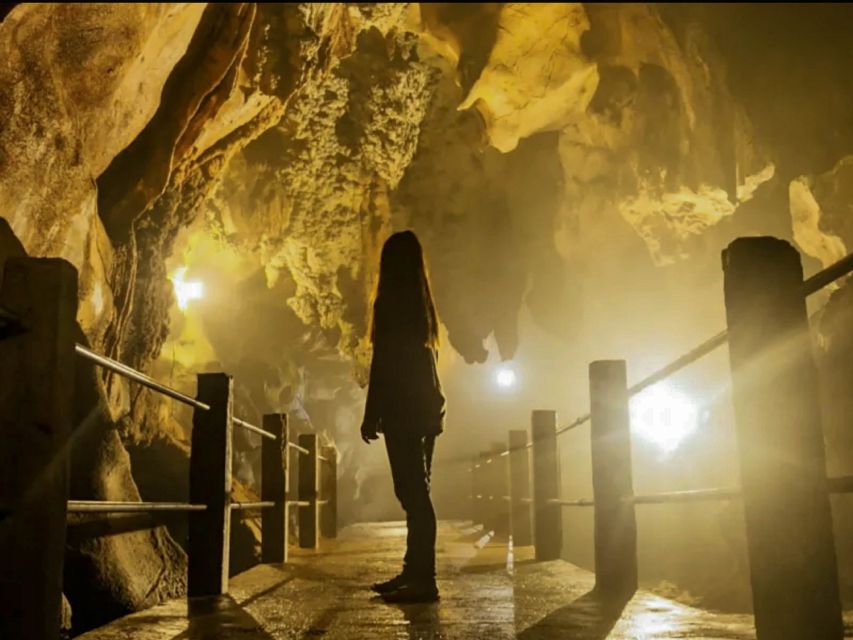
- Five limestone caverns under Chiang Dao with stalactites, stalagmites, and Buddhist shrines
- Cooler cave air plus electric lighting in some sections so you can see formations clearly
- Optional deeper cave route with a lantern/local guide fee you pay in cash on the spot
- Sticky waterfall climbing using natural mineral traction and a safety rope
- Small-group flow limited to 9 people, with guides who help with timing and photos
- Responsible travel touches like glass-bottled water and carbon offsetting, backed by GSTC certification
Chiang Dao Cave: five caverns, Buddha statues, and cool air
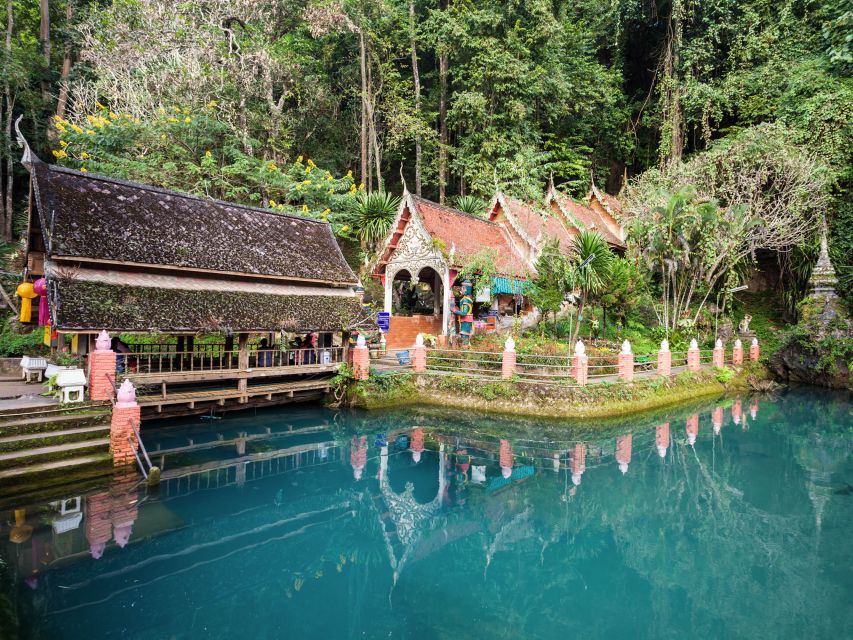
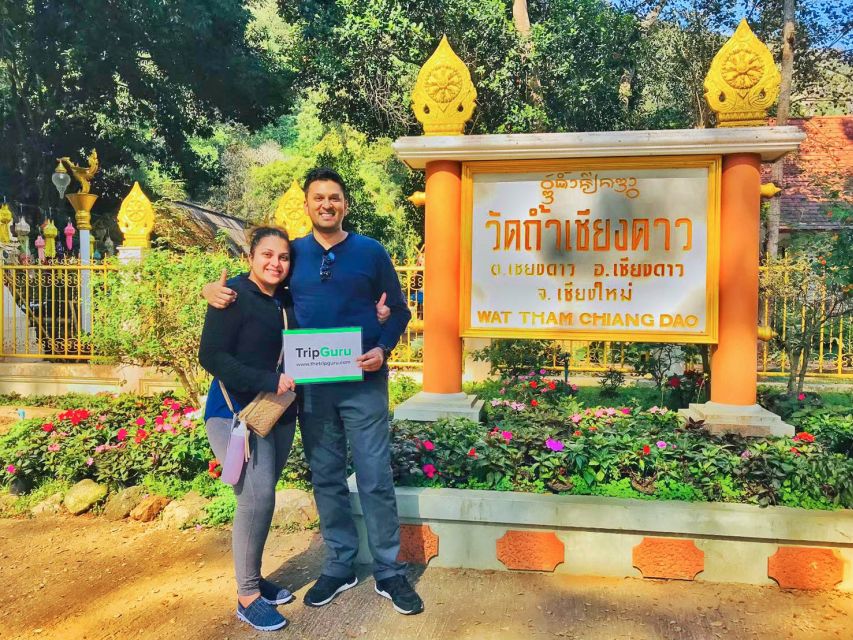
Your day starts with hotel pickup in Chiang Mai city center, then about an hour of riding out toward Chiang Dao. Once you arrive, the real star is Chiang Dao Cave (Wat Tham Chiang Dao)—one of northern Thailand’s most captivating cave complexes.
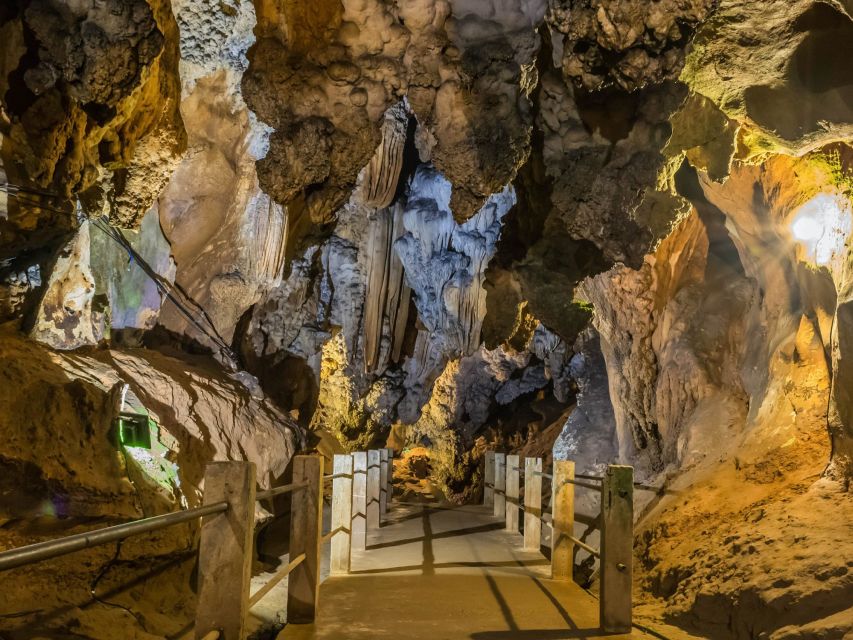
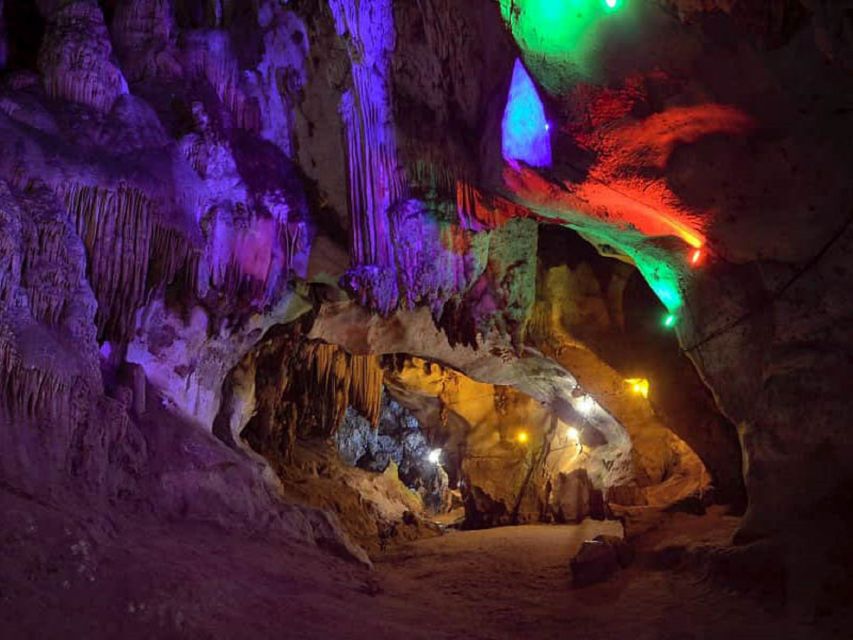
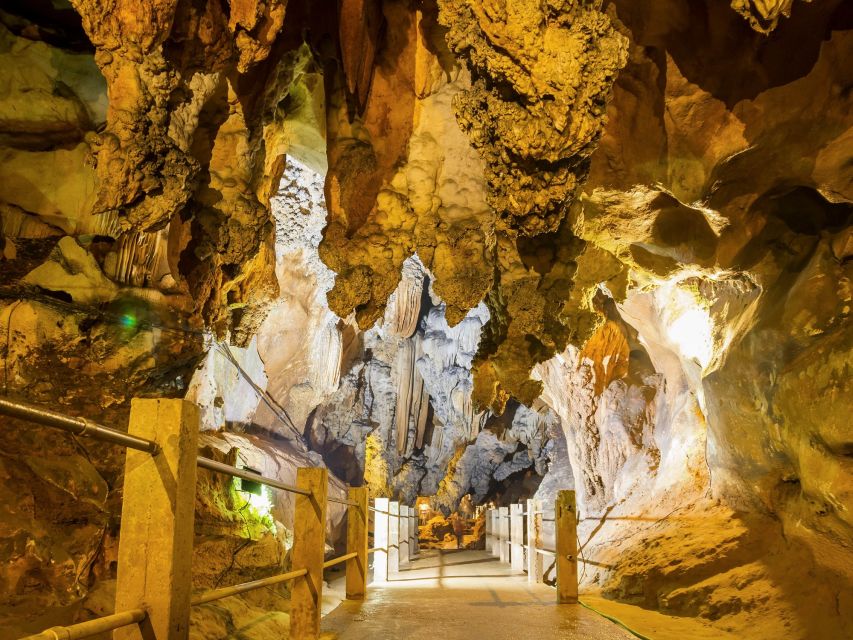
The cave system is spread across five limestone caverns beneath the mountain, with connected passageways that stretch deep into the rock (it’s described as going over seven miles into the mountain). Even on hot days outside, you’ll usually feel that welcome cave chill once you step in. If the weather is humid, it can still feel a bit warm near entrances—but overall, it’s a nice break from northern Thailand heat.
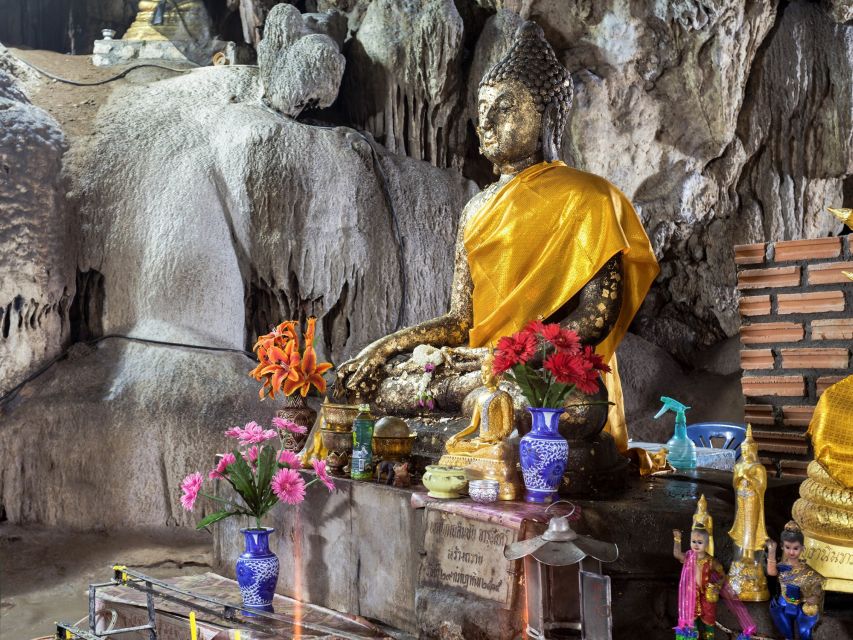
Inside, the cave isn’t just about geology. You’ll see Buddhist art and offerings integrated into the space: stalactites and stalagmites alongside shrines and Buddha statues. A couple of details really stick out. First, in the early cavern, there’s a row of five seated Buddhas that many people find especially impressive. Second, the cave includes a 13-foot reclining Buddha—big enough that you stop thinking about the ceiling and start thinking about scale.
Some sections use electric lights, which helps you appreciate the formations instead of only catching them as vague shapes. You’ll also spend time walking through areas with changing vibes: open chambers feel different from narrower corridors, and you’ll notice the cave architecture shift as you move.
You can also read our reviews of more tours and experiences in Chiang Mai.

The biggest practical takeaway
This is a cave trek with real walking and some crawling. I’d treat it like a short adventure, not a museum tour. If you’re steady on your feet, you’ll enjoy the variety. If you’re expecting perfectly level paths, plan for uneven ground and occasional low spots.
The lantern-and-guide add-on: worth it for the deeper parts
One of the smartest decisions you can make here is whether to pay extra for the lantern and local guide option inside the cave. It’s not included, and you pay it on the spot in cash. Reviews commonly mention the extra cost as around 300 baht, and the reason people are excited is simple: you get access to deeper sections that feel darker, more adventurous, and more atmospheric.
The free or easier portion tends to be more straightforward. The deeper route adds tighter squeezes and more crawling-type movement. That doesn’t mean it’s unsafe, but it does mean you should be honest with yourself about comfort. One person even noted that low tunnels can be a bit tricky if you’re not very mobile, while others said it’s nothing too difficult if you’re prepared.
If you do choose the add-on, bring the right mindset. You’re not just paying for light—you’re paying for context. The lantern guide helps you connect shapes in the rock to what they represent, and you get more storytelling as you move through the deeper chambers.
My tip
If you’re on the fence, think about what you came for. If you want the cave to feel like an actual underground experience, not just a quick walk, do the lantern-and-guide option. If you’d rather stay in easier passages and avoid tight spots, stick with the standard cave route.
The market stop and lunch: where your day gets tasty (and local)
After the cave, you’ll head to the Chiang Dao market area for food and lunch. This is your chance to slow down, refuel, and eat something that tastes like northern Thailand instead of the usual tourist menu.
The tour includes a local restaurant meal setup and time at a market, but it’s important to know that food and drink aren’t included. That means you’ll be choosing what you eat rather than getting a fixed meal. The upside is flexibility. If you’re hungry after the cave walk, you can go for something filling. If you’re picky, you can pick items you recognize.
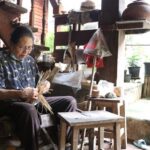
From guide stories shared by previous guests, the guides often steer people toward favorites like local curry noodle styles (for example, Khao Soi shows up in recommendations). Some guides also help you sample snacks and fruit you might not pick on your own.



What to look for at the market
I’d focus on places where you see consistent turnover—food that’s being cooked fresh, not left sitting. And if you see fruit or snack items that look unfamiliar, ask your guide what it is. Even simple questions get you better eating.
Bring some cash here too, since you may want to pay for extras or drinks.
Bua Thong Sticky Waterfall: climbing a waterfall (with rope help)
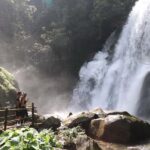
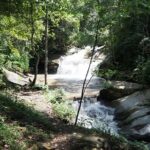
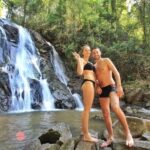
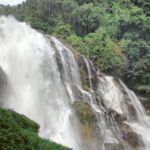
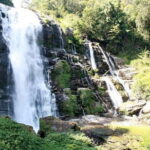
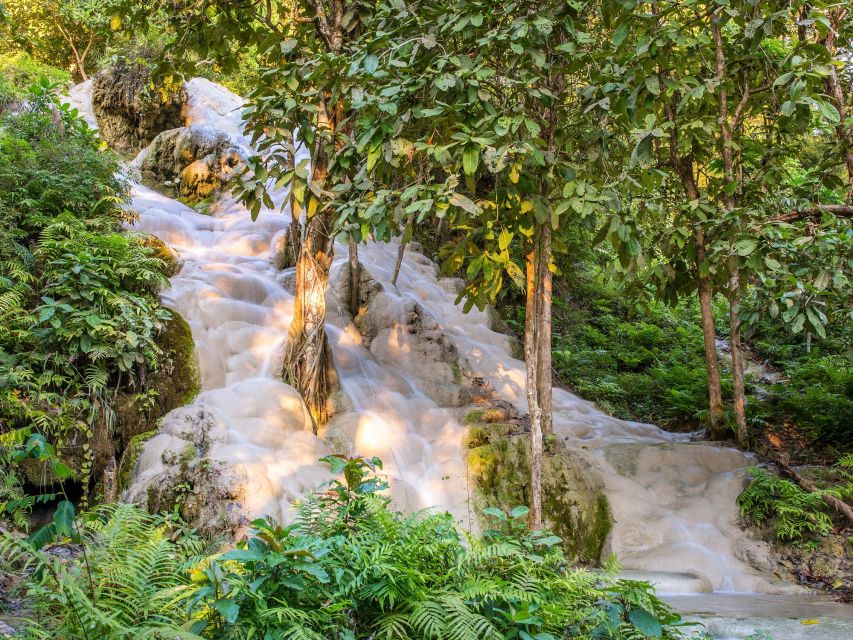
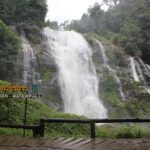
Next comes Bua Thong Sticky Waterfall—the kind of place that sounds made up until you’re standing there. The key feature is mineral deposits on the rocks that make them feel sticky, which lets people climb upward without slipping like you would on a normal waterfall.
You won’t just walk by and take photos. This stop is active. You’ll have time to walk up the waterfall, and a safety rope is provided for extra confidence. In other words: you can treat it as a fun leg workout, not a stunt with no support.
What you can expect depends on conditions and timing. The rocks are naturally traction-friendly, and you may find climbing easier than you thought. Some people go barefoot; others prefer water shoes. The tour guidance you’re given matters here—listen to it and take your time.
A note on comfort
Come prepared to get wet, even if you think you won’t. This is one of those stops where the humidity and spray find their way into your clothes. If you don’t want to spend the rest of the day damp, change clothes will make you happier later.
The van ride between stops: part of the experience
You’ll do at least two main driving stretches—one to Chiang Dao, and one returning to Chiang Mai. The tour uses an air-conditioned vehicle, and the ride is part of the day’s pacing. With small groups, it tends to stay fairly relaxed.
In past experiences, drivers and guides often build in helpful stops when something looks interesting along the way. That’s not guaranteed for every minute of every trip, but it’s a pattern: you’re not trapped in a car for hours with nothing happening.
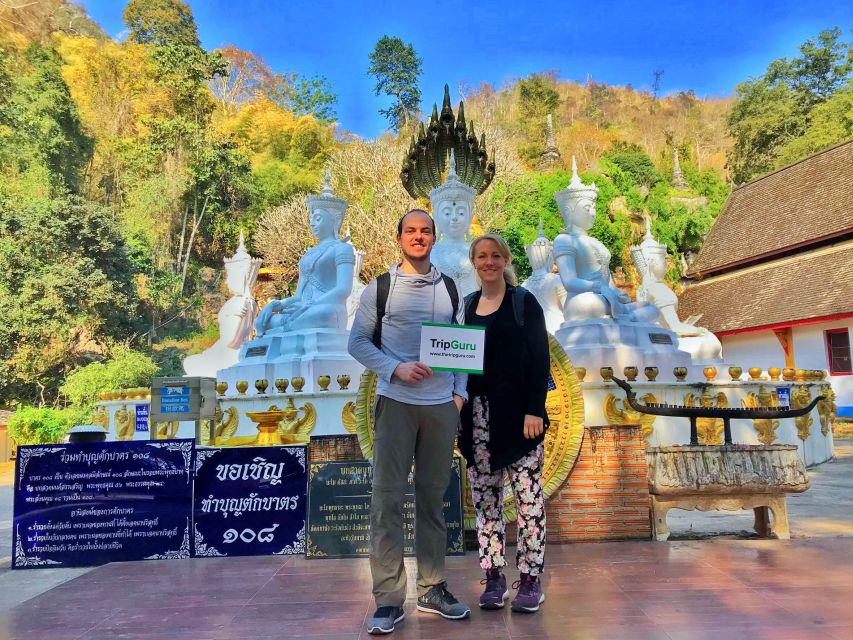
Also, since your hotel pickup time is confirmed by email the evening before, you’ll want to keep an eye on your inbox. On the day, your guide holds a TripGuru sign, and you’ll meet in your lobby about 10 minutes before pickup.
Small-group tour style: guides make or break the day
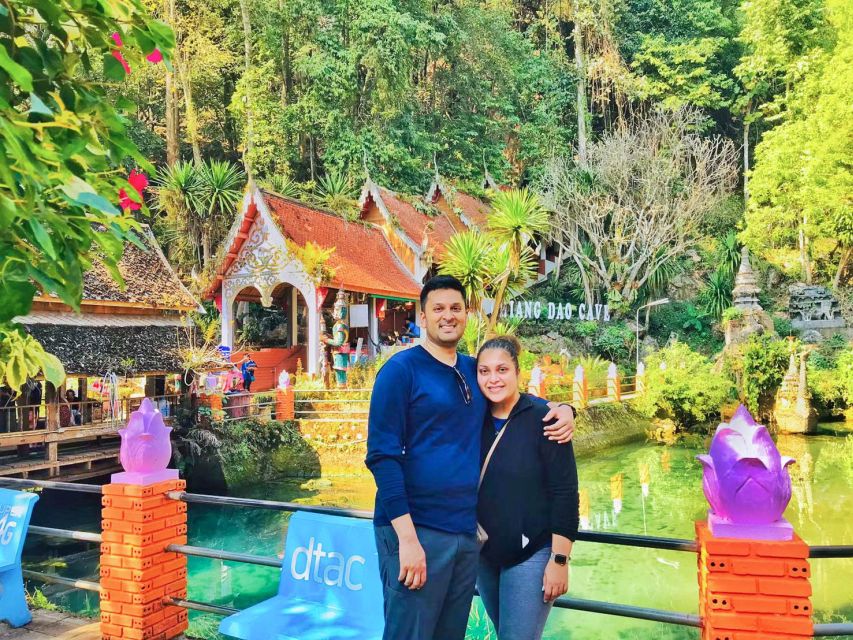
This is a small-group experience limited to 9 participants, and that changes the feel. You don’t get the big-bus scramble. You move as a unit, but you’re not fighting crowds around each formation.
English-speaking guides run the experience live. And the standout theme from guide stories is attentiveness. Guides like Art and Nom are repeatedly described as organized, patient, and eager to explain what you’re seeing. Some guides even take photos for you without making it feel awkward—useful if you’re traveling solo or you hate juggling your camera while walking over slick rock.
Pacing matters here
The cave can be tiring because it mixes walking, low sections, and the mental load of paying attention to what you’re seeing. A good guide helps you keep momentum without feeling rushed. That’s especially valuable in the lantern option area, where people naturally get slower because they want to look closely.
What to bring: your cheat sheet for caves and sticky rocks
Pack for two different worlds: cool underground cave air and wet, sticky waterfall rock. The tour asks you to bring:
- Swimwear
- Change of clothes
- Towel
- Cash
- Flashlight
- Long pants and a long-sleeved shirt
- Trekking gear
- Plus tighter clothing that’s okay for crawling and scraping lightly against rock
If you’re wondering about footwear, consider water shoes. Reviews mention them as helpful, especially for traction at Bua Thong. They’re not always required, but they can make the uphill climb more comfortable.
My practical packing advice
Bring a small bag you can manage while you climb. Dry gear and phone safety matter. Also, keep your flashlight handy for the times when you’re moving through darker cave stretches—even if some areas have electric lighting.
Responsible tourism touches that actually show up
This tour is described as GSTC-certified and designed to be lower-impact. You’ll get water in glass bottles, and carbon emissions are offset for every tour. Those details matter because caves and natural sites feel fragile—more so when you’re actually walking through the environment rather than viewing from a distance.
You’re also traveling in a small group, which generally reduces wear on the site and makes it easier for the guide to keep everyone moving responsibly.
Price and value: is $106 a fair deal?
At $106 per person for about 8 hours, this tour sits in the mid-range for day trips out of Chiang Mai. Here’s what you’re paying for that makes it worth thinking about:
You get hotel pickup and drop-off, transportation in an air-conditioned vehicle, an English live guide, entrance fee to Chiang Dao Cave, and insurance. On top of that, there’s drinking water provided.
The “not included” items are also clear: food and drink, plus the optional lantern/local guide fee inside the cave that you pay in cash. That optional add-on is one of the main reasons people feel the trip is extra memorable, so budget for it if you want the deeper route.
How to judge value for yourself
If you want a hassle-free day with transport handled and a guide to explain what you’re seeing, the $106 price makes sense. If you’re the type who hates optional fees and prefers to pay only for the obvious parts, you might feel the cave add-on cost later. Either way, you’ll want to carry cash for the cave lantern option and spending at the market.
Who should book this tour, and who should skip it
This experience is best for people who enjoy active sightseeing—people who don’t mind uneven ground, getting wet, and moving at a steady pace.
You’ll likely love it if you want:
- A real cave walk with Buddhist art and dramatic rock formations
- A waterfall that’s interactive, not just a viewpoint
- A day organized enough that you don’t have to plan every turn from Chiang Mai
It’s not suitable if you have:
- Back problems
- Mobility impairments
- Claustrophobia
- Heart problems
Even if you’re mostly fine, pay attention to the cave portions that involve tight squeezes and low tunnels. One person described the paid deeper section as more difficult and noted that mobility limitations could matter—so don’t ignore this part of the description.
Should you book the Chiang Dao Cave and Sticky Waterfall tour?
If you’re torn, I’d book it if you want a day that feels like two authentic northern Thailand adventures—caves with Buddha shrines and a waterfall where your feet actually participate. The guide support is a major reason this works, and you can decide on the lantern option based on how adventurous you feel.
Skip it if you hate tight spaces, expect an easy walk, or don’t want to get wet. Also, if your idea of a cave is a short, comfortable stroll, the deeper lantern route won’t match that.
If you do book, go in prepared: long pants, a towel and change of clothes, and some cash for the lantern option. You’ll end the day tired—in a good way—and with photos you didn’t have to force.
FAQ
How long is the Chiang Dao Cave trekking and Bua Thong tour?
It lasts about 8 hours.
Is hotel pickup and drop-off included?
Yes. Pickup and drop-off are included from hotels or registered accommodations in Chiang Mai city.
What’s included in the tour price?
Included items are hotel pickup/drop-off, an English live guide, air-conditioned transportation, a glass bottle of drinking water, the entrance fee to Chiang Dao Cave, and insurance.
Do I have to pay extra inside the cave?
Yes. The fee for the local guide and lantern in the cave is not included and is paid on the spot in cash.
What should I bring?
Bring swimwear, a change of clothes, a towel, cash, a flashlight, long pants, a long-sleeved shirt, and trekking gear.
Is this tour suitable for claustrophobia or mobility issues?
No. It is not suitable for people with back problems, mobility impairments, claustrophobia, or heart problems.