REVIEW · ROVANIEMI
Rovaniemi: Lapland Ski Trekking Safari
Book on GetYourGuide →Operated by Wild about Lapland · Bookable on GetYourGuide
Ski trekking feels like borrowing Lapland’s secrets. In this Rovaniemi safari, you glide on back-country skis into the Taiga forest, then warm up halfway with a cozy campfire snack. It’s a very practical way to see deep snow areas that most people never reach.
The one drawback to plan for: this is winter sport, not a stroll. If you have limited mobility, are pregnant, or have serious medical issues, this route style and gear demands may not be a good fit.
In This Review
- Key points before you go
- Ski Trekking in Rovaniemi’s Taiga: What the 4 Hours Actually Feels Like
- Gear and Setup: Skins, Boots, and Getting Unstuck Fast
- Where You’ll Go: Taiga Forest, Hills, and Sometimes Frozen Water
- Learning with a Real Winter Coach: It’s About Control, Not Perfection
- The Campfire Moment: Warm Snacks Halfway Through the Trek
- Price and Value: Why $128 Can Make Sense for Lapland Time
- Weather, Clothing, and Fitness: Your Best Odds for a Great Day
- Meeting Point, Language, and Group Size: Simple Setup for a Seamless Trip
- Should You Book This Rovaniemi Ski Trekking Safari?
- FAQ
- How long is the Lapland Ski Trekking Safari?
- Is the tour available in English?
- What equipment and food are included?
- Do I need prior skiing experience?
- Where do I meet if I’m staying in central Rovaniemi?
- Who is this tour not suitable for?
Key points before you go
- Back-country skis with skins mean you can go uphill and downhill without excessive speed
- Small groups (up to 8) make it easier to learn and adjust at your level
- A guide chooses the route based on fitness and experience, not a one-size plan
- Halfway campfire break includes warm drinks and Finnish camp snack-style food
- You’ll get a crash course on safety, control, and technique on fresh snow
Ski Trekking in Rovaniemi’s Taiga: What the 4 Hours Actually Feels Like
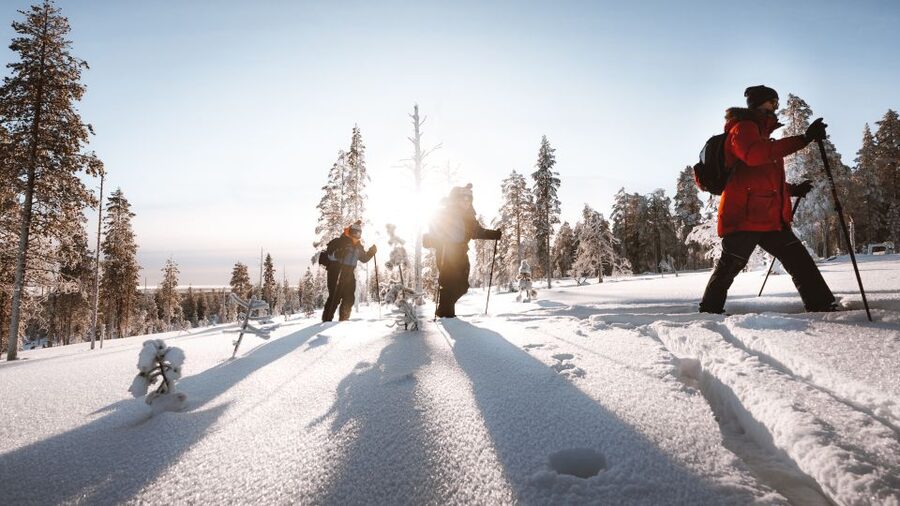
This is the kind of Lapland activity that makes winter geography make sense. You’re not just watching snow from a viewpoint. You’re moving through it—slow enough to notice details, fast enough to feel your lungs work.
The total time is about 4 hours, and you’ll be transported from the meeting point back into Rovaniemi afterward. In that window, the guide will teach you how to use the skis, then take you away from the most traveled paths into the Taiga forest and deep-snow terrain. Expect a mix of technique practice and real trekking, with the route adjusted for the group’s comfort.
What I like most is that it balances adventure with structure. The guide handles the planning and safety. You handle the learning and the fun—like figuring out how to slide downhill without turning every bump into a wrestling match.
You can also read our reviews of more tours and experiences in Rovaniemi.
Gear and Setup: Skins, Boots, and Getting Unstuck Fast
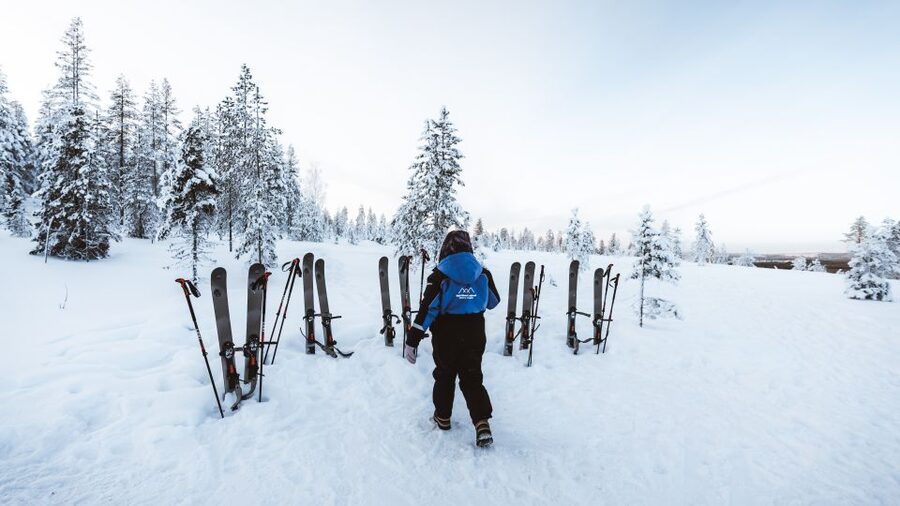
You don’t start by renting mystery gear and hoping for the best. You get a professional winter snowsuit, boots, back-country skis, and ski poles, plus ski instructions. That matters because the gear is half the experience in snowy Finland. Proper boots and warm gear help you focus on balance and technique instead of fighting cold.
Back-country skis here are equipped with skins, the grip strips that help you go uphill. That’s a big deal for first-timers: you can climb without relying on pure leg power and hope. Then, when it’s time to descend, you can control your speed more safely than typical off-piste approaches.
From what you’ll be taught, your first goal is simple: stay upright and get your rhythm. On deep snow, that’s not instantly automatic. But the system is designed to be learnable without needing prior ski expertise—ski trekking is often compared to snowshoeing in how quickly you can adapt to the gears and motion.
Plan on this reality: you’ll feel it afterward. In the best way. Even beginners often come away saying it felt like a workout. If you’re already active, you’ll likely enjoy that burn. If you’re coming off a couch schedule, go in expecting a slow start and gradual confidence.
Where You’ll Go: Taiga Forest, Hills, and Sometimes Frozen Water
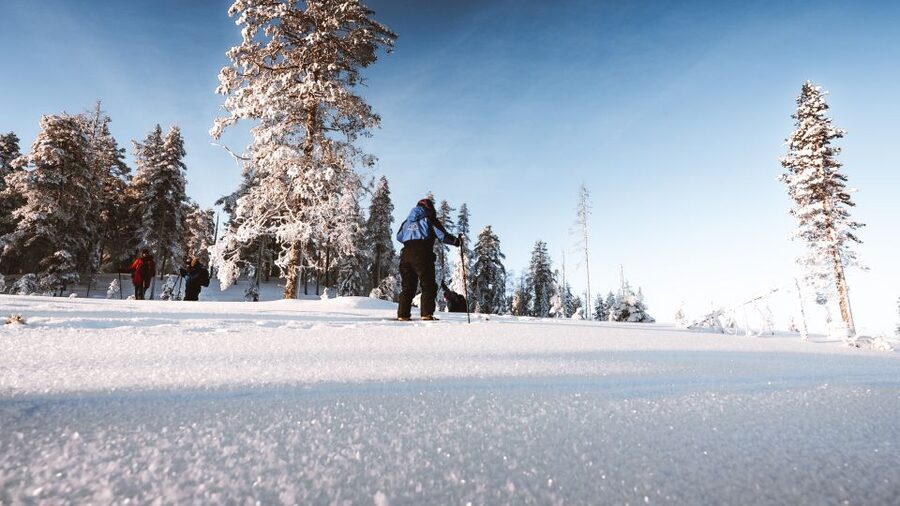
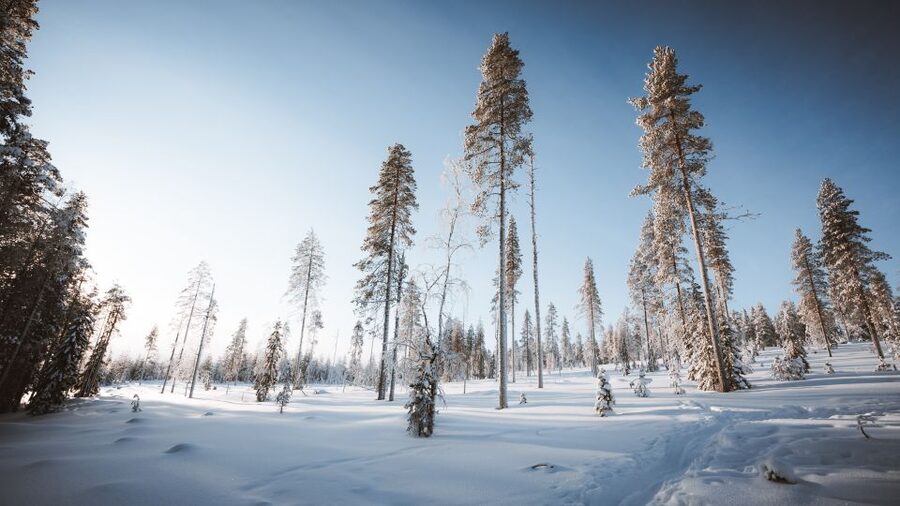
This safari is built around one idea: remote, untouched winter terrain. The guide leads you away from the Rovaniemi area straight into the Taiga forest, where you’ll explore hilly ground, spruce-and-snow country, and deep powder.
Two things to know about the route:
- It’s level-matched. The guide picks a location that fits the group’s needs, so you’re not stuck doing the steepest option just because you signed up.
- Terrain can change quickly. Deep snow means footwork and balance matter. Even when the group is small, the leader may vary pace and stops so everyone stays comfortable.
Some itineraries include skiing across a frozen lake for wide-open views and a different feel than the forest. You may also get time to roam around stops with dramatic, clear-sky scenery, plus occasional hill viewpoints.
A nice perk, when it fits the route: you might reach a lookout area where you can get a more panoramic look toward Rovaniemi. Again, that depends on the plan for your group and conditions—but it’s the kind of bonus moment that makes the afternoon memorable rather than routine.
Learning with a Real Winter Coach: It’s About Control, Not Perfection
What makes this tour work is how the instruction happens. You’re not dumped onto a hillside and told good luck. You’ll get safety instructions, plus technique coaching on fresh snow. The goal is control: how to move, how to slow down, how to handle bumps, and how to recover if you fall.
In practice, the best part is the human factor. Different guides have different teaching styles, and the good ones keep the energy up while correcting one thing at a time. Names you might be lucky enough to get include Tomas, Atanas, Carla, Aina, Eniko, Amy, Maca, and Tiboh. Across those examples, the pattern is consistent: patient coaching, lots of encouragement, and making beginners feel capable by the end.
One more detail I appreciate: the guide chooses the route before teaching you. That means you’re practicing the right skills for the terrain you’ll actually face. You learn to ski trekking in the context of the landscape you’re moving through, not as a random skills session.
The Campfire Moment: Warm Snacks Halfway Through the Trek
In Lapland winter, timing matters. The mid-point break isn’t a gimmick—it’s how the afternoon stays fun instead of turning into a frozen march.
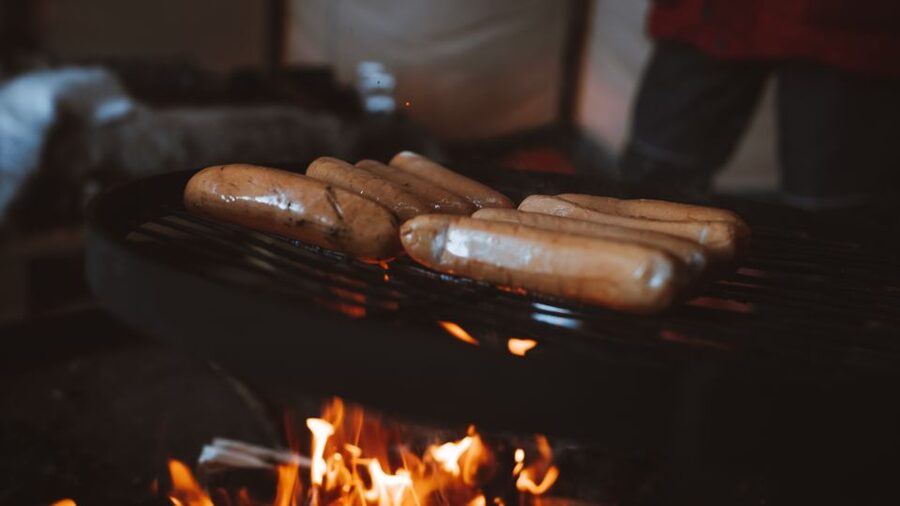
Your guide will stop halfway, light a fire, and provide refreshments as well as a campfire snack. You’ll warm up, drink something hot, and take a breather while everyone regroups. The food style is Finnish camp-style, often centered on sausage BBQ, with options you might see like hot drinks, and even treats such as marshmallow or small pancake-like snacks in some versions.
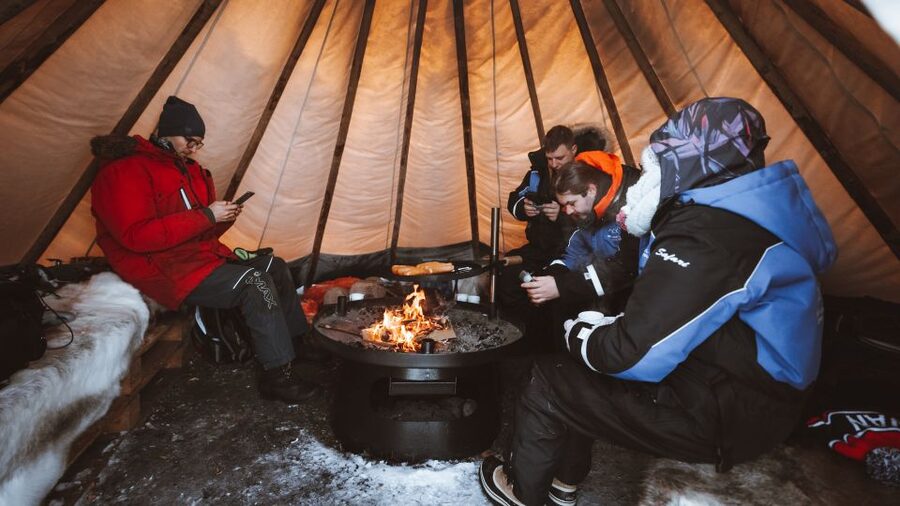
A cozy scene shows up again and again in accounts of this experience: the group sitting near a small tent or yurt area, eating warm sausage, sipping hot chocolate or coffee, and taking a second to look out at the snowfields and trees. That change of pace is part of the value. It turns “exercise in the cold” into “a shared winter story.”
If weather is clear, that break is also when the views tend to hit hardest. Even when it’s sunny, the warmth of the fire makes you feel the temperature difference more clearly—which, honestly, is part of why this works.
Price and Value: Why $128 Can Make Sense for Lapland Time
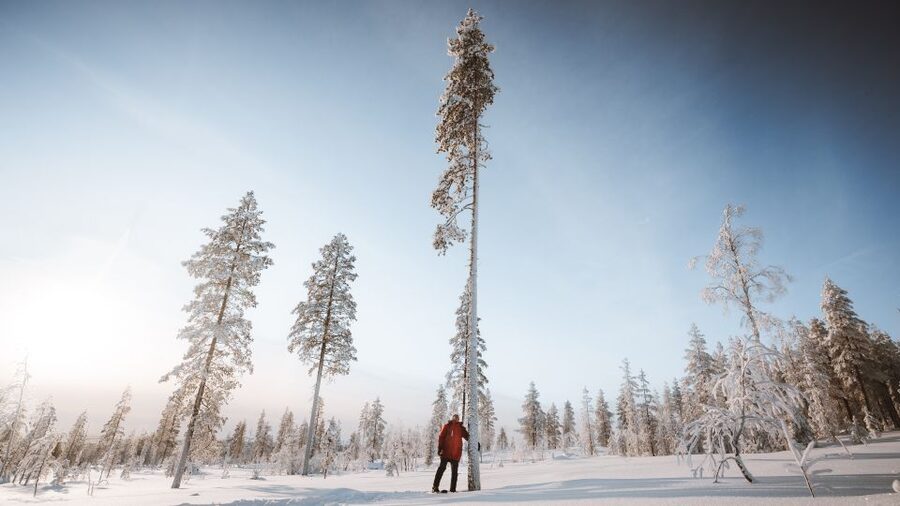
At $128 per person for roughly 4 hours, the price looks reasonable once you connect it to what you’re getting.
You’re not only paying for the guide. You’re also paying for:
- Full ski setup (back-country skis, poles, boots)
- A professional winter snowsuit
- Ski instruction and safety guidance
- Transportation from the meeting point back into the tour flow
- A heated break with campfire snack and bonfire
The tour does not include lunch, so plan to eat after. That’s the main trade-off. But everything else that would cost money separately is already handled for you.
Value-wise, the small group limit (up to 8 participants) is also part of the economics. More attention per person means faster learning and fewer frustrations—especially important when you’re learning how to ski in deep snow.
So if you want an active Lapland experience that feels hands-on and organized, this is priced in the right zone. If you’re already set on spending the day on groomed trails with no instruction, then it might not be the best fit. But if you want deep snow, remote terrain, and coaching, the package is strong.
Weather, Clothing, and Fitness: Your Best Odds for a Great Day
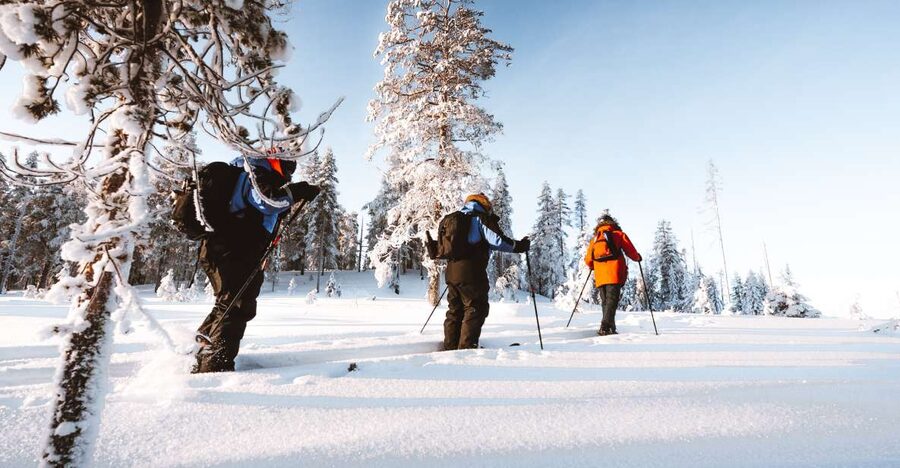
You’ll need to bring warm clothing. That sounds obvious, but it’s the difference between enjoying the day and rushing through it. Since you’ll receive a professional snowsuit, your job is mainly to layer smartly under it and keep your extremities warm.
This tour is not recommended for:
- children under 7
- pregnant women
- people with mobility impairments
- people with serious medical problems
Also, mentally prepare for the fact that deep snow means you’ll work. Even first-timers usually say the learning curve is manageable, but you should still expect effort.
A practical strategy: show up well rested, and treat the first 30–60 minutes as the learning phase. Once you get your rhythm, the trekking feels more like movement through a winter movie than a constant struggle.
Meeting Point, Language, and Group Size: Simple Setup for a Seamless Trip
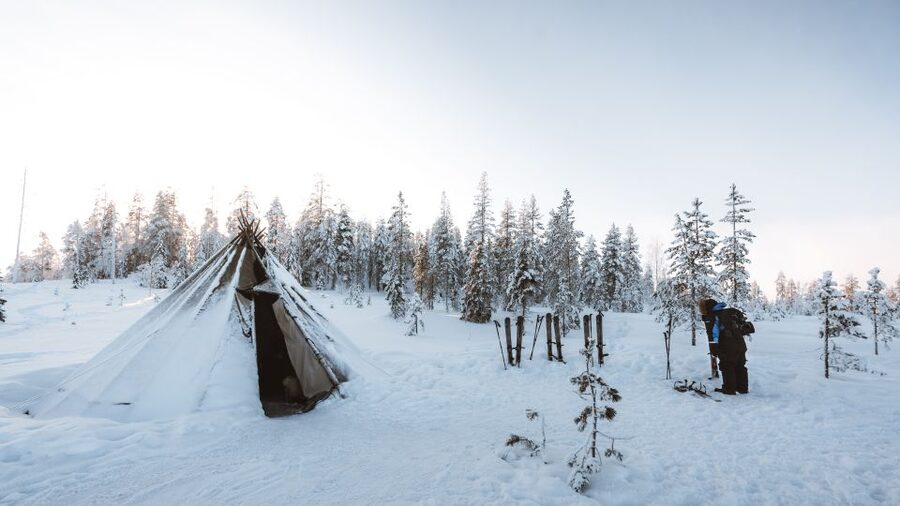
The tour runs in English with a live tour guide. Group size stays small—limited to 8 participants—so you’re not lost in a crowd while learning ski trekking.
Pickup is included if you’re staying in Rovaniemi city center. In that case, you meet at Rovakatu 24, 96200 Rovaniemi. If you’re staying outside the listed options, you’ll need to email your address to the provider so they can confirm the pickup plan.
This matters because off-site winter routes are weather-dependent. A smooth pickup reduces stress and helps you start warm and focused instead of scrambling.
Should You Book This Rovaniemi Ski Trekking Safari?
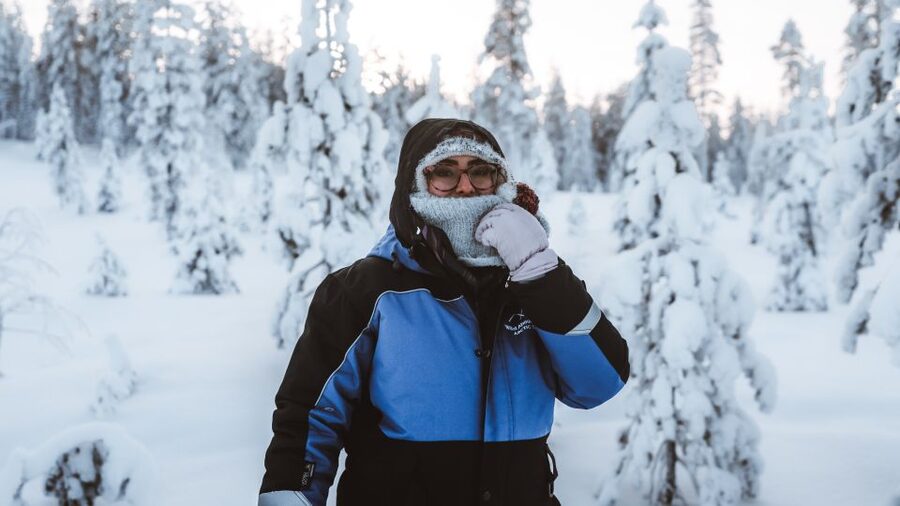
I think you should book it if you want a real winter adventure in Lapland that’s active but not reckless. It’s a great choice for beginners because the skins on the skis support uphill travel, the guide provides safety and technique instruction, and the tour is designed around your group’s level.
Skip it if you know you’re likely to struggle with cold-weather exertion, deep snow footing, or mobility constraints. Also skip it if you’re looking for a long, leisurely outdoor sit. This is trekking and learning—there’s movement for the full block of time.
If you’re the type who likes being outdoors with a plan, small-group energy, and a warm campfire snack break, this safari is exactly your lane. And if you’re lucky with your guide—names like Tomas, Atanas, Carla, Aina, or Maca are among the ones you may encounter—you’ll likely come away feeling proud of what you managed to do in the snow.
FAQ
How long is the Lapland Ski Trekking Safari?
It lasts 4 hours.
Is the tour available in English?
Yes. The tour is guided in English.
What equipment and food are included?
The tour includes ski instructions, back-country skis, ski poles, boots, and a professional winter snowsuit. You’ll also get a campfire snack with a bonfire halfway through. Lunch is not included.
Do I need prior skiing experience?
No. The tour includes ski instructions and is designed to be comfortable for beginners, since the skis have skins to help with uphill travel.
Where do I meet if I’m staying in central Rovaniemi?
If you’re in the city center, you meet at the provider’s office at Rovakatu 24, 96200 Rovaniemi. If you’re not in the city center, you should contact the provider with your address for pickup options.
Who is this tour not suitable for?
It’s not suitable for children under 7, pregnant women, or people with mobility impairments or serious medical problems.