REVIEW · MHAMID
Morocco desert trek dromedary Mhamid dunes
Book on Viator →Operated by travel to desert · Bookable on Viator
Two days in the Sahara hits different. This M’Hamid dromedary trek takes you from rocky hammada country into huge sand dunes, with time for nomad-life moments and big-sky photos. I love the way the trip builds from an afternoon start to a proper sunset and then turns around for an unforgettable next-morning sunrise. I also like that it’s not just riding—there’s room to see how people live at the edge of the dunes, depending on seasonal movement.
One thing to keep in mind: you’re on a camel and spending real time outdoors. That means dust, sun exposure, and a night in a basic desert setup, so comfortable expectations should be set before you go.
In This Review
- Key things to know before you go
- M’Hamid To Sahara: the rhythm of a 2-day camel trek
- Afternoon start: hammada, tamarisks, and first dunes
- Private dromedary riding: the real experience, not a checklist
- Desert camp night: dinner, overnight stay, and campfire energy
- Sunrise and outdoor breakfast: the payoff morning
- What you’re really paying for (and why $112 can make sense)
- Logistics that matter: timing, comfort, and the “good weather” reality
- Who should book this M’Hamid camel trek?
- Should you book? My practical verdict
- FAQ
- How long is the M’Hamid desert dromedary trek?
- When does the camel ride start?
- What’s included in the price?
- Is the tour private?
- Is pickup available from nearby areas?
- What happens if weather is bad?
Key things to know before you go
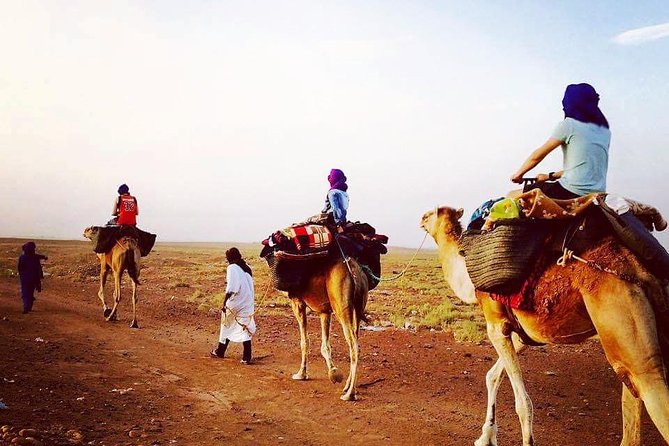
- Afternoon-to-morning timing gives you both sunset and sunrise without rushing.
- Hammada + tamarisks + dunes means varied desert scenery, not just one long sand view.
- Nomad-life encounters are seasonal—you might meet Berber families moving through the desert.
- Dinner, overnight camp, and tea/coffee are included, so you’re not paying for basics in the middle of nowhere.
- Return to M’Hamid around 10:00 on day two keeps your day clear and practical.
- Your group stays private, so the pace and comfort feel more controlled.
M’Hamid To Sahara: the rhythm of a 2-day camel trek
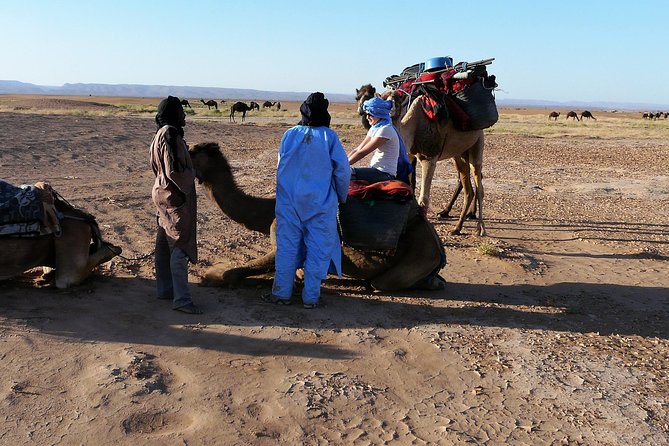
This is a classic-style Sahara experience focused on time outside and a dromedary ride that actually lets the desert change shape under you. You start in the afternoon, ride into the dunes region, then spend the night in a camp with dinner and an overnight stay. Next morning you do sunrise, eat breakfast outdoors, and head back to M’Hamid for an arrival expected around 10:00.
For me, the value of this format is the pacing. Afternoon departures often feel like the best compromise: you get the dramatic light as the day flips toward evening, then the next day starts with that clean, quiet sunrise that makes the dunes look almost sculpted. You’re not trapped in a schedule that starts at dawn and ends at dusk every day—you get a real desert tempo.
You can also read our reviews of more tours and experiences in MHamid.
Afternoon start: hammada, tamarisks, and first dunes
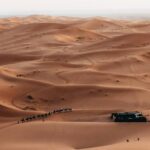
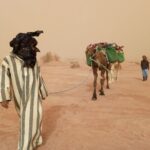
Your day starts later rather than early. The camel trek begins in the afternoon and takes you through a mix of desert environments—hammada (rockier, stony desert ground) along with tamarisks and, later, the big sand dunes.
That mix matters more than it sounds. Hammada can look barren at first, but it changes how your camel ride feels: the ground is tougher and more uneven than soft sand, so the ride has a different rhythm. Then tamarisks add a surprising bit of life—small trees that break up the flat horizon and make the scenery feel more “lived in.” Finally, when the dunes start to open up, you’re in full photo territory.
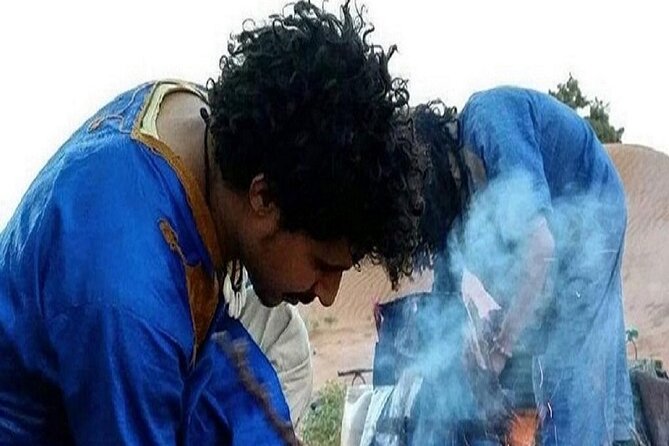
This is also where your guide’s desert knowledge shows up. When seasonal conditions allow, you may meet Berber nomadic families—an encounter that’s about everyday desert life rather than a staged performance. You’ll get that rare feeling of being close to how people adapt to scarce resources: moving, setting up, and living with the desert instead of fighting it.
Practical tip: because you’re outdoors before you reach camp, plan for sun and wind. Even if the night cools down, the first hours can feel intense. Pack something you can adjust in layers, and keep a scarf handy for dust.
Private dromedary riding: the real experience, not a checklist
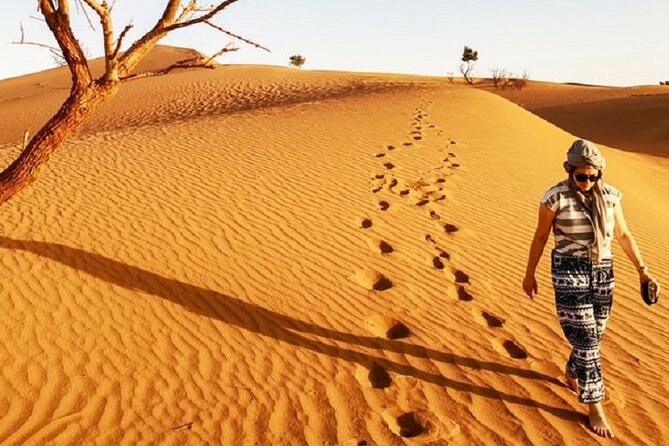
This trek is set up as a private tour/activity, meaning it’s only your group. That’s a small detail, but it changes the experience: you can move at a more human pace and avoid the feeling of being rushed along for group photos.
On the camel ride itself, you’re trading speed for atmosphere. You’re not zipping across the desert in a vehicle; you’re traveling the way the desert expects you to—slow enough to notice changes in the ground and the horizon. And because the itinerary is built around timing (sunset first, sunrise second), the ride feels tied to the light rather than just transport.
One caution: if you’re expecting a smooth, cushioned ride the whole time, you may be surprised. Camel trekking is part adventure, part physical experience. You’ll likely spend hours seated and balancing, and the desert can be dusty. Going in with that mindset turns the discomfort into part of the story instead of a problem.
Desert camp night: dinner, overnight stay, and campfire energy
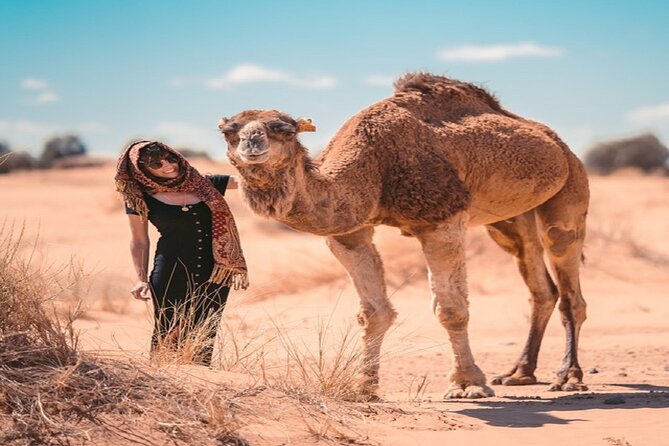
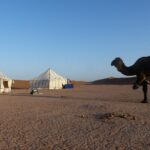
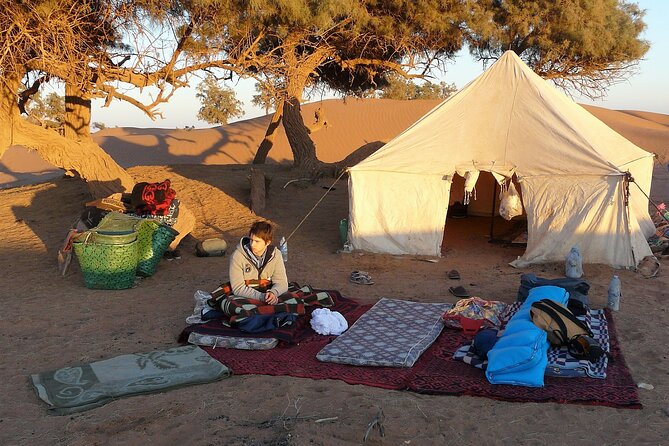
After the day of riding, you reach camp for dinner and an overnight stay. Dinner is included, and you’ll also get coffee and/or tea, which is exactly what you want after a day outside.
Camp nights in the Sahara are usually about contrasts: warm in the early evening, then cooler as the night deepens. Even if the days are comfortable, the desert can get chilly after dark, so bring warm layers rather than relying on one outfit.
In at least some cases, the camp experience also includes evening downtime with music around the fire. That kind of relaxed camp energy is what makes this more than a bed-and-dinner stop. You’re not just passing through—you’re getting a real night in the desert rhythm, the sort of thing you remember because it felt calm and human.
You may also hear about small add-ons from people who took this trek, like a dune-side picnic and even trying fresh camel milk if it’s offered during the experience. These aren’t guaranteed in your planning materials, but they fit the style of the camp: small tastings, simple desert hospitality, and moments that feel personal rather than mechanical.
Sunrise and outdoor breakfast: the payoff morning
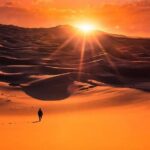
Day two starts with sunrise. There’s something special about getting up early in the desert, not because it’s glamorous, but because the light is different. The dunes change texture under the sun, and the air often feels clearer and cooler than the afternoon.
After sunrise, you’ll enjoy breakfast served outdoors. Outdoor breakfast is one of those “sounds simple” parts that turns into a highlight once you’re there—because you’re eating while watching the desert wake up.
If you’re lucky with timing, you may also see the old side of M’Hamid on the way back. Some past experiences have included a stop at the old ksar of M’Hamid before returning to the village. Even if your exact timing differs, it’s worth knowing that the area isn’t only dunes; there’s a human layer too, with historic mud-brick structures that helped communities adapt to the desert.
You return to M’Hamid village with arrival expected around 10:00 am, which is handy if you’ve got more plans after the trek. It also means you’re not spending the second day stuck in transport all day.
What you’re really paying for (and why $112 can make sense)
The price listed is $112, and it includes dinner, overnight accommodation, breakfast, and coffee and/or tea. It also notes that pickup is offered. There’s also a mobile ticket, which usually means fewer headaches with paperwork.
When you look at value, it’s not just about the camel ride. It’s about the fact that your biggest costs—food, a night of lodging, and guide time—are bundled into the package. In the desert, you can’t really “wing it” for meals without paying for local setup. Here, you’re paying for the whole off-grid rhythm: food, sleep, and desert time.
That said, this is still a budget-friendly trek by desert-standards, not a luxury camp experience based on the info you have. If your top priority is high-end bedding, constant hot water, or fancy bathrooms, you might need a different type of desert stay. If your priority is light, movement, dunes, and a real sense of place, $112 is a sensible range for what’s included.
Also: tips aren’t included. That’s normal for Morocco experiences, but it’s still something to factor in when you budget.
Logistics that matter: timing, comfort, and the “good weather” reality
This experience requires good weather. If conditions are poor and the trek is canceled for that reason, you should expect the operator to offer another date or a full refund. In practice, this matters because wind and rough conditions can affect safety and comfort on the dunes.
The itinerary timing is clear:
- Day 1: afternoon start, ride into the dunes area, camp overnight
- Day 2: sunrise, outdoor breakfast, return to M’Hamid around 10:00 am
The “near public transportation” note is helpful if you’re independently moving around the region. And since it’s private, it’s easier to coordinate with your group’s needs.
What I’d pack for comfort (without overthinking it):
- A warm layer for night and early morning
- Something to protect from dust (scarf/cover)
- Sun protection for afternoon riding
- Closed-toe shoes that can handle sand
Who should book this M’Hamid camel trek?
Book it if you want:
- A short, two-day Sahara experience without losing your whole schedule
- A mix of desert scenery (hammada, tamarisks, dunes)
- Sunset plus sunrise as the core moments
- A private setup that keeps your group more comfortable
It’s also a decent fit for many people since most travelers can participate (no special equipment is listed in your details). If you’re traveling with kids, this kind of family-friendly pacing can work well because the experience is two days rather than a week of daily trekking, but the camel ride itself is still part of the equation—so it’s smart to be realistic about how kids handle long time in the saddle.
Skip it or choose a different style if you:
- Want a super cushy, hotel-like level of comfort
- Dislike early mornings (sunrise is part of the deal)
- Are not comfortable with dust, sun, and a basic desert night setup
Should you book? My practical verdict
I think you should book this M’Hamid dunes dromedary trek if your idea of a great desert trip is simple: real desert time, a proper sunset, a genuine sunrise, and a camp night where the included meals and tea take care of the essentials. The value at $112 is strongest because dinner, overnight accommodation, and breakfast are included, and you’re also getting a private-group experience.
I’d hesitate only if your definition of comfort is strict. Camel rides and desert nights aren’t meant to feel like a spa weekend. But if you’re willing to trade softness for atmosphere, this is the kind of trip that feels like a real chapter in your Morocco story.
FAQ
How long is the M’Hamid desert dromedary trek?
It’s about 2 days. You start in the afternoon and return to M’Hamid village around 10:00 am on the second day.
When does the camel ride start?
The hike starts in the afternoon, and you ride the camels in the Sahara Desert.
What’s included in the price?
Dinner, overnight accommodation, breakfast, and coffee and/or tea are included. Tips are not included.
Is the tour private?
Yes. It’s described as a private tour/activity, meaning only your group participates.
Is pickup available from nearby areas?
Pickup is offered. For a private transfer from Marrakech or Ouarzazate to M’Hamid, you need to contact the provider.
What happens if weather is bad?
The experience requires good weather. If it’s canceled due to poor weather, you’ll be offered a different date or a full refund.