REVIEW · MHAMID
4 days trek – The legs of camels
Book on Viator →Operated by L'oiseau du désert · Bookable on Viator
Camel legs, mineral moons, and real desert nights.
This 4-day trek near M’Hamid follows the Draa Valley through wild, uncrowded terrain, with a team of nomad guides who make the trip feel like living culture, not a staged show. I really like the authentic nomadic approach (including cooking and caring for your group), and the way the scenery shifts between rocky ground, hamadas, and big dunes. One thing to plan for: the trek is physically demanding and you’ll need a sleeping bag, since it’s not included.
What makes this itinerary stand out on paper is the “mineral world” theme: rocky massifs, ergs and large dunes, plus hamadas and mountain views near the Algeria/Morocco border. Over four days, you’re not just walking through sand. You’re traveling through different kinds of desert surfaces, so your body, your photos, and your sense of scale keep getting new challenges and new rewards.
In This Review
- Key highlights
- Why M’Hamid feels like the right starting point
- The four-day “mineral world” trek: what changes in front of you
- Rocky massifs and harder ground
- Hamadas (rocky desert plateaus)
- Ergs and large dunes
- Mountains near the Algeria/Morocco border
- Camel legs and desert pace: planning for the physical part
- What camping life feels like (and what you must bring)
- The guide team: how you get real nomad hospitality
- The value question: is $528.55 a fair deal?
- Timing, start/end, and the day-to-day reality
- Who should book this trek, and who should skip it
- Should you book 4 days: The legs of camels?
- FAQ
- Where does the trek start and end?
- How long is the trek?
- What is the price per person?
- Is this a private tour?
- Is pickup available?
- What equipment is included, and what should I bring?
- What kind of fitness level do I need?
- How do tickets work?
- What’s the cancellation refund window?
- When will I get confirmation after booking?
Key highlights
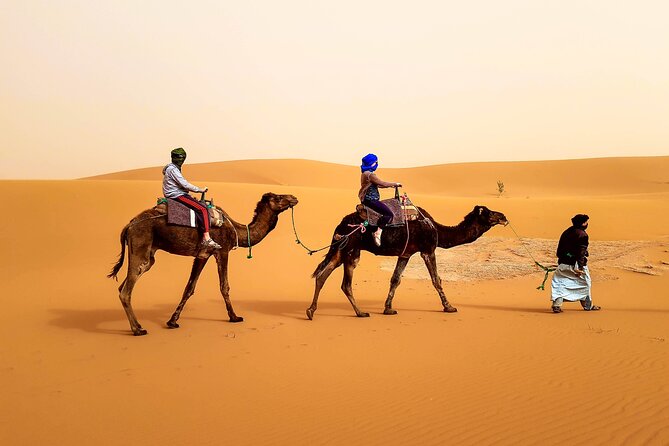
- Wild, uncrowded Draa Valley walking that feels removed from the usual tour crowds
- Mineral terrain variety: rocky massifs, hamadas, ergs, and large dunes
- Guides who run the trip like nomads, including Bakar, Brahim, Hasan, Ibrahim, and Mohamed
- Meals that hold up (breakfast, lunch, dinner) and small energy boosts like dates
- Private group experience with only your group taking part
Why M’Hamid feels like the right starting point
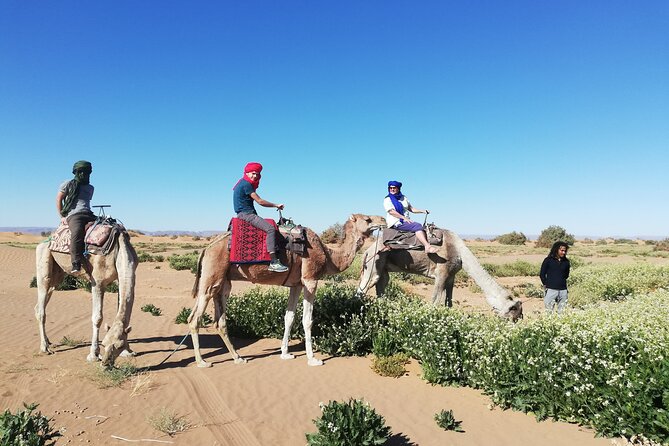
M’Hamid is one of those places where the desert stops being a concept and becomes the main event. The trek starts there, and it also ends back near the meeting point, which matters more than you’d think. You avoid that end-of-trip scramble and can keep your head clear for packing and transfers afterward.
Another practical plus: this activity is listed as being near public transportation, so getting to the meeting area is usually easier than in remote spots where you’d need a private car just to arrive. If you’re planning a longer trip around Morocco, that flexibility helps.
The experience also runs daily (open hours listed from 7:00 AM to 11:00 PM), so you’re not locked into some tiny window. In real life, that means fewer “only this one day” headaches while you’re juggling weather, connections, and your own energy level.
You can also read our reviews of more tours and experiences in MHamid.
The four-day “mineral world” trek: what changes in front of you
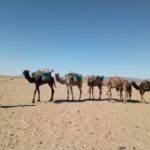
The route concept is simple and smart: follow the Draa Valley, then move through a chain of desert terrains that each feel different underfoot. Even without a rigid, city-style sightseeing checklist, that variety makes the trek feel longer and more interesting—in a good way.
Here’s what you can expect your eyes and feet to keep meeting over the four days:
Rocky massifs and harder ground
Early on (and at points across the trek), you’ll spend time on rockier sections. Rocky ground changes your pace because you’re not sinking the way you do in softer sand. It can feel easier on the body in one way and harder in another: ankle attention matters, and your stride has to adapt.
This is also where the “mineral world” idea becomes real. The color, the texture, the way the light hits stone—it all reads sharper when you’re away from vegetation and crowds. It’s the kind of desert that makes you look up as much as you look down.
Hamadas (rocky desert plateaus)
You’ll also pass through hamadas, which are essentially wide stretches where the surface is mostly stony and bare. These sections tend to feel like an endless, quiet route: not dune-surfing, but long movement across a dry, mineral surface.
The payoff is mental. Hamadas have a way of flattening the world into simpler shapes. That’s great for photos, but it’s also great for your brain—everything gets quiet. You notice wind more. You notice your breathing. You stop thinking about the next hour like it’s a chore.
Ergs and large dunes
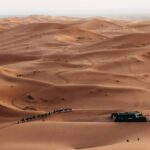
Then comes the part most people imagine when they picture the desert: ergs and large dunes. Large dunes change everything. Your legs work differently, and your pace becomes slower because the sand is doing its own thing under your feet.
This is where the trek becomes “transformation” territory in the best sense. Not dramatic and staged. Just the honest reality of heat, wind, effort, and repetition. You earn the stillness you feel afterward.


Mountains near the Algeria/Morocco border
You’ll also travel through areas where mountain views are visible near the Algeria/Morocco border. That adds depth to the horizon. It’s not just flat sand and sky anymore; you start seeing layers.
Even when you’re tired, those far-off shapes pull you forward because they give your progress a direction. They also help you understand scale: the desert isn’t empty, it’s just spread out.
Camel legs and desert pace: planning for the physical part
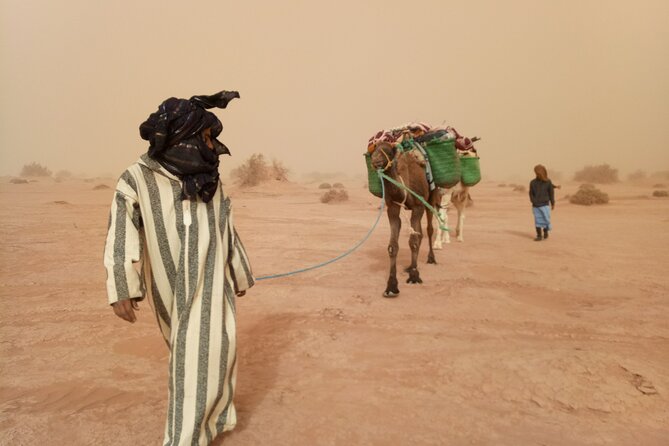
The listing calls out a moderate physical fitness level. I agree with that phrasing: this trek isn’t for marathon athletes, but it also isn’t a stroll.
What “moderate” means in practice is this: you’ll need to handle long days of walking, shifting terrain, and heat. Rocky stretches ask for stable footing. Hamadas ask for endurance. Dunes ask for patience—lots of it.
One of the best things you can do is go into it with your pace set low. Desert hiking punishes ego. If you try to “win” the day, you’ll lose energy fast. But if you focus on steady effort, you’ll feel the day build instead of break.
I also like that the trek is described as wild and uncrowded. That typically means less stopping to wait around. Your rhythm becomes your friend, as long as you build in rest when the group needs it.
What camping life feels like (and what you must bring)
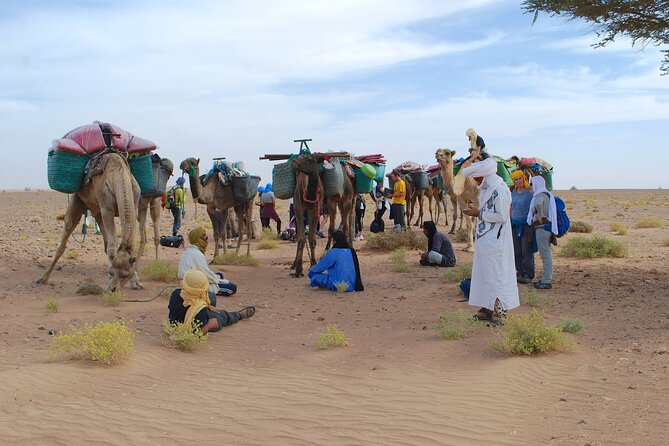
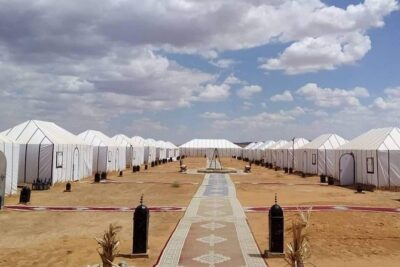
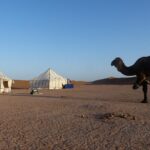
You’ll be provided eating and sleeping equipment, and that’s a big deal for comfort and value. It means you don’t have to pack all the bulky extras that usually make desert trips annoying.
But there’s one missing piece you should handle before you go: sleeping bag is not included. That matters because desert nights can still feel cool, especially when wind kicks up. If you don’t have your own sleeping bag, you’ll spend the trip thinking about warmth instead of enjoying the stars.
The meal setup is another strong point in the experience. The reviews highlight that your guides keep feeding you properly—breakfast, lunch, and dinner are part of the rhythm. And there’s a small but meaningful detail: dates show up during the day as a little energy boost.
That kind of practical food planning makes the trek easier to manage. It’s not about luxury. It’s about keeping you moving without constant snack scrambling.
The guide team: how you get real nomad hospitality
This is a private tour, and that changes the feel immediately. Only your group participates, so the guides can focus on you instead of herding a crowd.
What really comes through is the team of nomad guides. Reviews name several people, including Hasan, Ibrahim, Mohamed, and Bakar, and also Bakar and Brahim. The common thread is care. People describe feeling comfortable right away, looked after through the hard parts, and treated like more than a deposit.
In practical terms, good desert guiding looks like:
- pacing you so you don’t hit a wall too early
- keeping camp running smoothly
- feeding you well, consistently
- making space for the magic moments without losing the basics
That last part matters. The best desert trips don’t just chase views; they also handle the daily work of being far from services. When your team knows the terrain and your routine is stable, your mind can actually enjoy the moment.
And yes, you should expect it to feel personal. One review sums it up with coming as strangers and leaving with friendships. While that’s emotional language, it matches what typically happens when a small group spends days walking, eating, and living together.
The value question: is $528.55 a fair deal?
At $528.55 per person for an approx. 4-day trek, the real question isn’t the sticker price. It’s what you get that usually costs extra elsewhere.
Here’s what’s included:
- Eating and sleeping equipment
- All fees and taxes
And what’s not included:
- Sleeping bag
- Private transportation
Pickup is offered, which helps if you don’t want to figure out transport on your own at the last minute. Still, private transportation isn’t included, so if you need a car from farther away, you’ll likely pay separately.
So does the price make sense? For me, it does if:
- you don’t want to source gear (beyond the sleeping bag)
- you value private guiding and a small-group feel
- you’re buying the “whole package” of camp life, not just time on foot
If you already own a sleeping bag and you can handle getting yourself to the meeting area, you’re set up for a good cost-to-comfort ratio. If you don’t have a sleeping bag, factor that cost into your decision, because it’s essential here.
Timing, start/end, and the day-to-day reality
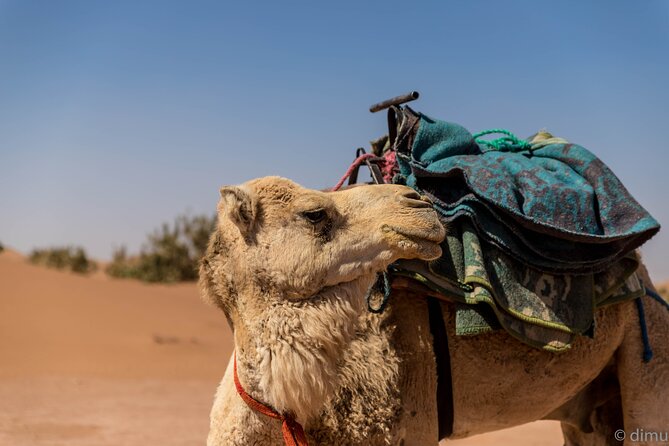
The trek begins in M’Hamid, Morocco and ends back at the meeting point. That structure is simple and practical. It also reduces the “what now” problem that can ruin the last day of a desert adventure.
The posted opening hours (7:00 AM to 11:00 PM) don’t mean you’ll be walking nonstop during that entire time. They’re more about when the operator can coordinate starts and returns. In practice, your real schedule will follow the desert rhythm: walk, rest, camp, and eat.
I’d also take note of confirmation timing. You’ll get confirmation at booking unless you’re booking within 2 days of travel, in which case you’ll hear within 48 hours subject to availability. If you’re traveling close to your departure date, plan with extra buffer so you don’t lose time waiting.
Who should book this trek, and who should skip it
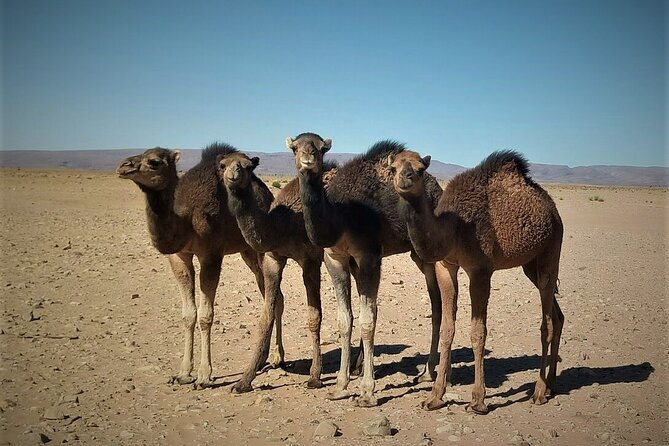
This trek fits best if you:
- want an uncrowded desert experience rather than a crowded assembly-line tour
- like physical days with a real payoff
- enjoy learning through living with a nomad team
- are comfortable traveling in remote areas and rolling with the desert’s pace
It may not be your match if you:
- hate getting sweaty or working your legs for hours
- don’t want the desert’s simple routines (walking + camp + meals)
- refuse to bring a sleeping bag
For families, it can work too, but the key is the kids’ comfort with heat, effort, and long movement days. One review mentions a group of two adults and two children using the trip as a real challenge and change experience. That’s a good sign that the guides can manage mixed ages, but you still need to judge your family’s stamina honestly.
Should you book 4 days: The legs of camels?
My take: if you want a desert trek that feels guided by people who truly live the way you’re visiting, this is a strong choice. The biggest reasons to book are the nomad hospitality, the terrain variety (rocky ground to hamadas to dunes), and the private group setup that keeps the experience personal.
The main reason to hesitate is the physical and gear reality. You’ll need moderate fitness, and you must bring a sleeping bag since it’s not included. If you’re prepared for that, you’ll likely find this trek offers exactly what many people chase: desert days that feel real, not rushed.
If you want a “classic dunes first” trip only, you might find the rocky/hamada parts less dramatic at first. But if you like understanding the desert in all its textures—and seeing how effort changes your relationship with the horizon—this one makes sense.
FAQ
Where does the trek start and end?
The trek starts in M’Hamid, Morocco, and it ends back at the meeting point.
How long is the trek?
It’s listed as 4 days (approx.).
What is the price per person?
The price is $528.55 per person.
Is this a private tour?
Yes. It’s a private tour/activity, and only your group will participate.
Is pickup available?
Pickup is offered. Private transportation is not included.
What equipment is included, and what should I bring?
The experience includes eating and sleeping equipment, but a sleeping bag is not included, so you should bring one.
What kind of fitness level do I need?
You should have a moderate physical fitness level.
How do tickets work?
The experience offers a mobile ticket.
What’s the cancellation refund window?
You can cancel up to 6 days in advance for a full refund, and cancellations within 2 days are not refunded based on the local cut-off times.
When will I get confirmation after booking?
Confirmation is received at booking unless you book within 2 days of travel, in which case confirmation comes within 48 hours, subject to availability.