REVIEW · MHAMID
5-day trek – In the Draa Valley
Book on Viator →Operated by L'oiseau du désert · Bookable on Viator
Silence is the first guide in the desert. This 5-day trek from M’Hamid takes you beyond the usual stop-and-snap moments, following routes shaped by animals and learning what nomadic life looks like up close in Morocco’s Draa Valley. You’ll also see the desert’s surprising “green face,” where plants have adapted to survive.
I love the way this trip balances physical effort with real cultural contact, not just scenery. I also like the practical simplicity: you’re walking 13 to 17 km a day, and then you’re living without the constant buzz of power, phones, and screens—exactly the kind of reset people come for.
One possible drawback: you’ll need a moderate fitness level and you should be ready for long walking days and basic desert comforts. If you’re expecting constant creature comforts or lots of downtime, this isn’t built for that.
In This Review
- Key things that make this trek worth your time
- Draa Valley Trek Basics: M’Hamid Start, Desert Door to a Wilder Kind of Quiet
- 5 Days of Walking: How Those 13–17 km Days Shape Your Experience
- Nomad Guides, Real Hospitality: What the Best Reviews Keep Coming Back To
- Ergs and Animal Paths: Learning to Read the Desert Instead of Just Touring It
- Camp Life Without Power: Eating, Sleeping, and Bread Moments That Stick
- Price and Value: Is $581.62 Fair for a Private 5-Day Crossing?
- Who This Trek Fits Best (and Who Might Want to Rethink It)
- Should You Book L’oiseau du désert’s Draa Valley Trek?
- FAQ
- Where does the trek start and end?
- What time does the trek start?
- How long is the trek?
- How much walking should I expect each day?
- Is pickup included?
- What’s included in the price?
- Do I need to bring a sleeping bag?
- Is private transportation included?
- What fitness level do I need?
- What is the cancellation policy?
Key things that make this trek worth your time
- Nomad-led desert immersion with local guides who focus on sharing daily life, not just guiding footsteps
- 13–17 km walking days that feel like a real trek, with steady movement toward quiet, dramatic dunes
- The Draa Valley’s “two faces”—alternating fertile and arid stretches you can actually feel as you walk
- Star nights and fireside evenings that make the desert feel close, not far away
- Low-tech experience (no smartphone or laptop vibe, and no power outlets) that changes how you see the place
- Private group format where your time with the team feels less rushed and more personal
Draa Valley Trek Basics: M’Hamid Start, Desert Door to a Wilder Kind of Quiet
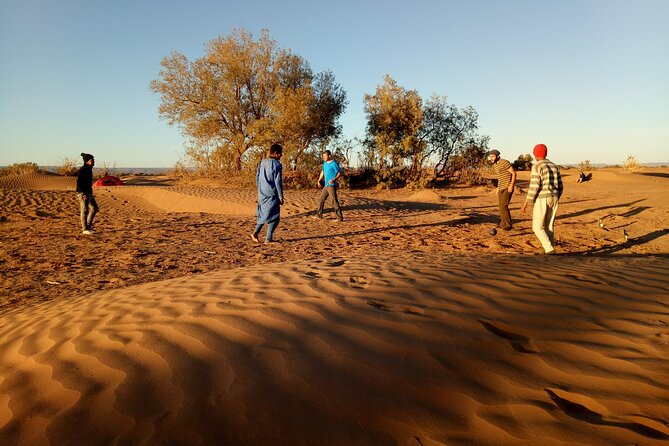
M’Hamid is a common entry point to the Sahara, but this trek doesn’t feel like a generic desert walk. The whole idea is to follow in the footsteps of animals that move through this region—and then learn what that means for nomadic life. That framing matters because it turns the desert from an empty backdrop into a living route system.
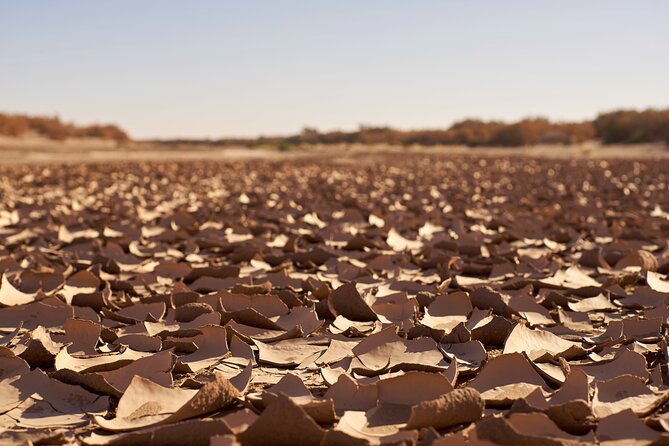
The Draa Valley setting adds another layer. You don’t just pass dunes and call it a day. You’ll move through a corridor that alternates between fertile and arid areas. That’s where the “green face” comes in: you’ll notice plants that have adapted to this harsh environment and made a home where you’d least expect it. It’s a useful mental shift for you as a traveler. You’re not only taking in big views; you’re looking for signs of survival and pattern.
And because this is a private tour, the pace and tone can feel more like a shared journey with a small team than a bus stop with a guide. The meeting point is in M’Hamid, and you start at 8:00 am with the trek ending back at that same meeting point.
You can also read our reviews of more tours and experiences in MHamid.
5 Days of Walking: How Those 13–17 km Days Shape Your Experience
Let’s talk about the part that drives everything: walking. Your daily distance is often described as 13 to 17 km. That isn’t a casual stroll, even if the desert terrain can feel slow and hypnotic. Plan for steady effort more than sudden sprints.
This is where the “moderate physical fitness” note becomes real. You don’t need to be a marathon athlete, but you should be comfortable walking for hours and handling sandy or uneven ground. If you have weak ankles, knee issues, or you bounce off long hikes quickly, you’ll likely feel it here.
The good news? The desert rewards consistency. On days like this, you start to settle into a rhythm: water checks, pace control, and quick pauses to look around. Nights also give you a clear payoff. Multiple write-ups mention unforgettable nights under the stars, which makes sense when your day ends with quiet and minimal light pollution.
One more practical factor: if you’re used to constantly checking your phone, expect discomfort at first. Several accounts highlight no smartphone or laptop and no power outlet. That can sound dramatic until you’re actually there. Then you realize how much time you were spending looking at screens instead of noticing wind, sky, and how people communicate when there’s no glow in your face.
Nomad Guides, Real Hospitality: What the Best Reviews Keep Coming Back To
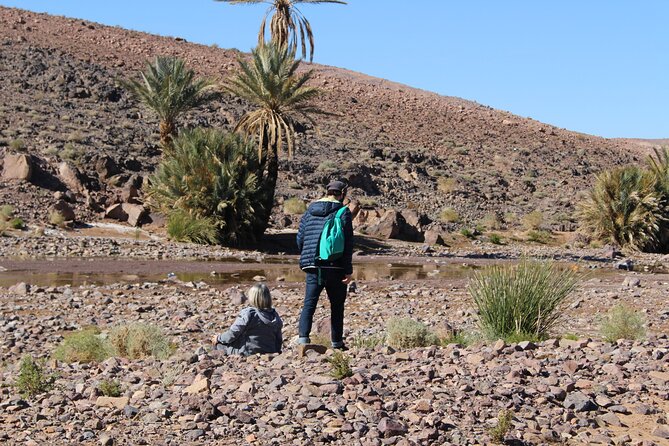
The most praised part of this trek isn’t only the desert itself. It’s the team’s human side—kindness, humor, and an approach that makes cultural learning feel natural.
In the accounts tied to this experience, guides named Bakkar and Mohammed stand out. That’s a big deal for you when you’re trying to choose a trek. When the guides you meet have specific names attached to their care and expertise, it often signals continuity and responsibility, not just a last-minute “driver with a story.”
What you’ll notice in practice is how hospitality shows up in small moments: how they talk to you, how they explain what you see, and how they include you in daily routines. One common theme is a return to basics—no performance, no scripted “tour version” of life. People describe this as authentic, and the reason is simple: you’re living inside the rhythm of the desert camp, not touring around it.
Even the entertainment has a grounded feel. Several accounts mention singing, dancing, laughter, and fireside evenings. It’s not just an after-dinner show. It’s part of the social atmosphere that makes the evenings feel like yours, not something you’re watching from a distance.
Ergs and Animal Paths: Learning to Read the Desert Instead of Just Touring It
You’re there for impressive ergs and a historic sense of place—terrain that many movements have shaped over time. The trek’s design leans into that by treating the route as something you follow, not something you march across. When your day is built around where animals go, your attention changes. You notice how the ground works. You look for signs of movement and survival.
You’ll also discover a less-traveled slice of the long Draa Valley. That’s valuable because it reduces that “we were herded” feeling. With fewer crowds, you get a better chance to experience the real quiet that people describe as total disconnection. When the day is full of walking, and the night is full of stars, the absence of noise becomes part of the attraction.
Here’s the takeaway for you: if you like learning how landscapes function—water availability, vegetation survival, animal pathways—this trek will make sense right away. If you’re only after dramatic photos with minimal effort, you might still enjoy the scenery, but you’ll miss the point of why people rate this so highly.
Camp Life Without Power: Eating, Sleeping, and Bread Moments That Stick
This trek includes eating and sleeping equipment, which is one of the biggest practical wins in the listing. It means you’re not also juggling a gear checklist for basic camp setup. You’ll still need your own sleeping bag—that’s explicitly not included—so plan for that early.
Food also comes up repeatedly. People describe succulent meals and fireside evenings, and at least one account highlights bread baking as something sacred and memorable. That kind of detail matters because it tells you the camp isn’t treated like a parking lot. Food is a routine, and you’re part of that routine rather than just receiving it.
There’s also a low-tech aspect to camp life. Multiple accounts mention no smartphone, no laptop, and no power outlets anywhere. I’m not going to sugarcoat it: if you need constant connectivity, you’ll feel boxed in at first. But if you want the desert to change your attention span—in a good way—this is one of the strongest features.
Finally, sleeping under stars is a major part of the emotional payoff. People mention fantastic nights and unforgettable stargazing. Even if weather shifts how clear the sky is, the general feel is that the desert night takes over.
Price and Value: Is $581.62 Fair for a Private 5-Day Crossing?
At $581.62 per person for about five days, the value question is really about what you avoid paying for and what you’re actually getting. Here’s the honest breakdown based on what’s included and excluded.
Included:
- Eating and sleeping equipment
- All fees and taxes
- A private tour format
- Pickup offered (and a mobile ticket)
Not included:
- Sleeping bag
- Private transportation
So you’re not paying extra for camp basics and administrative costs, which helps. The private format also matters. In a shared group, you often get less time for questions and less flexibility with pace. In a private setup, you’re more likely to get a smoother experience—especially when the focus is cultural learning and team interaction.
One caution: because private transportation isn’t included, your total trip cost can rise depending on how you plan to get to M’Hamid. Some travelers may already be nearby or comfortable using public transport. The listing also notes you’re near public transportation, which can help keep the overall budget reasonable.
If you’re the kind of traveler who wants desert authenticity and you’re okay with basic comfort (plus a sleeping bag requirement), this price can feel fair. If you want a highly cushioned, gear-provided trek with minimal walking, you’ll likely see this as expensive for what you want.
Who This Trek Fits Best (and Who Might Want to Rethink It)
This trek is best for you if:
- You’re okay with moderate fitness and walking 13–17 km/day
- You like nomadic life as a real subject, not just a theme
- You want low-tech peace: no smartphone or laptop energy, no power outlet distractions
- You enjoy nights under stars and evenings around camp
It may not be the right fit if:
- You need easy comfort and lots of downtime
- You strongly depend on phones for navigation, work, or daily routines
- Long walks in desert conditions are tough for your body
The sweet spot is someone who wants to experience the desert as a system—routes, plants, animal paths, daily camp rhythms—guided by people who treat the experience as a shared human moment.
Should You Book L’oiseau du désert’s Draa Valley Trek?
I’d book this if you want a desert trip where the point isn’t just where you stand, but how you travel there: on foot, with nomad-led cultural learning, and with nights that feel like the main event. The strongest signals are the repeated praise for guide kindness, real cultural sharing, and the starry nights paired with fireside routines.
I’d think twice if you’re unwilling to do long walking days or if you don’t want to unplug. The experience is built around less connectivity and more movement. If that sounds like your idea of a reset, you’re likely to be very happy here.
If you do book, bring a solid sleeping bag, and honestly plan your expectations around walking. Everything else—erg scenery, plant surprises, and the warmth of the team—works best once your body has accepted the rhythm of the desert.
FAQ
Where does the trek start and end?
The trek starts in M’Hamid, Morocco at a meeting point and ends back at the same meeting point.
What time does the trek start?
The start time is 8:00 am.
How long is the trek?
It’s listed as 5 days (approx.).
How much walking should I expect each day?
One shared description notes walking between 13 and 17 km per day.
Is pickup included?
Pickup is offered, and the activity is designed around your arrival at the meeting point.
What’s included in the price?
The price includes eating and sleeping equipment and all fees and taxes.
Do I need to bring a sleeping bag?
Yes. The sleeping bag is not included, so you’ll need to bring it.
Is private transportation included?
No. Private transportation is not included.
What fitness level do I need?
You should have a moderate physical fitness level.
What is the cancellation policy?
You can cancel up to 6 days in advance for a full refund. For 50% refund, cancel 2–6 days before the start time. If you cancel less than 2 days before, the amount paid is not refunded.