REVIEW · SA PA
From Sapa : 1 Day Amazing Sapa Trek To Terrace rice field
Book on GetYourGuide →Operated by Vietnam Vacations Travel · Bookable on GetYourGuide
Rice terraces, village life, and fresh air. This 1-day Sapa trek to the Dong Bac area mixes everyday views with a real look at ethnic-minority daily life, not just photo stops. I like the English-speaking local guide who explains what you’re seeing as you move, and I also like the slow-build feel of walking terrace by terrace through rice, corn, and potato fields. One consideration: the route can be steep and slippery when it rains, so expect some muddy, dirty moments and go with grippy shoes.
In about 6 hours, you’re picked up from your Sapa hotel, taken on a non-touristy route, fed with a local-food lunch, then shuttled back to town. The small group size (up to 10 people) helps the guide keep the pace human and answer questions along the way. If you’re short on time but still want an authentic Sapa day outside the main roads, this fits well.
In This Review
- Key things that make this trek work
- Why Sapa terrace trekking feels different than a typical hike
- Getting there: pickup window, shuttle ride, and the group size you’ll feel
- Town edges and daily life: what you’ll notice before the terraces
- From town to fields: rice, corn, potato terraces on a non-touristy route
- Lao Chai village: the stop that turns pictures into understanding
- Waterfall breaks and photo timing you can actually use
- Lunch with local foods: why this is more than just a meal
- Weather and terrain reality check: when the “beautiful” part gets slippery
- Price and value: is $22 for 6 hours a fair deal?
- Who this trek is best for (and who should think twice)
- Should you book this 1-day Sapa terrace trek to Dong Bac?
- FAQ
- How long is the Sapa terrace rice field trek?
- What time does the pickup happen?
- How many people are in the group?
- What language is the guide speaking?
- What’s included in the price?
- What’s not included?
- Do I get time for photos?
- Which areas will I walk through?
- Is lunch included?
- Is the trail ever slippery?
Key things that make this trek work
- Small group (up to 10): easier conversations and less crowding on the paths
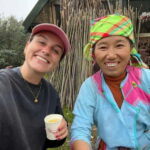
- English-speaking ethnic guide: you learn habits and customs while walking, not after
- Non-touristy walking route: you step onto rice, corn, and potato fields instead of staying on the main trail
- Lao Chai village memories: a village stop built for understanding village life, not a quick drive-by
- Photo time with terraces and a waterfall: the views come in moments, not all at once
Why Sapa terrace trekking feels different than a typical hike
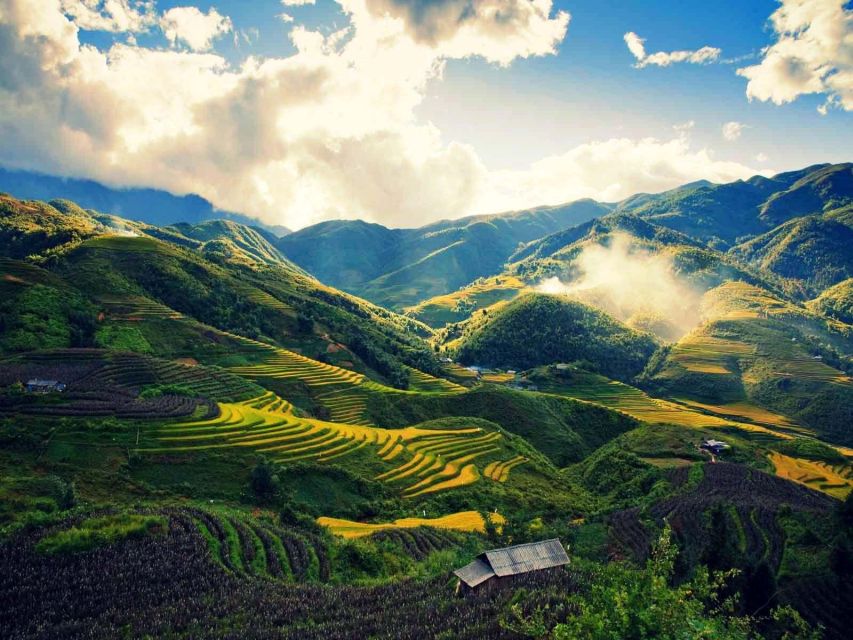
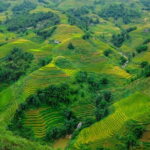
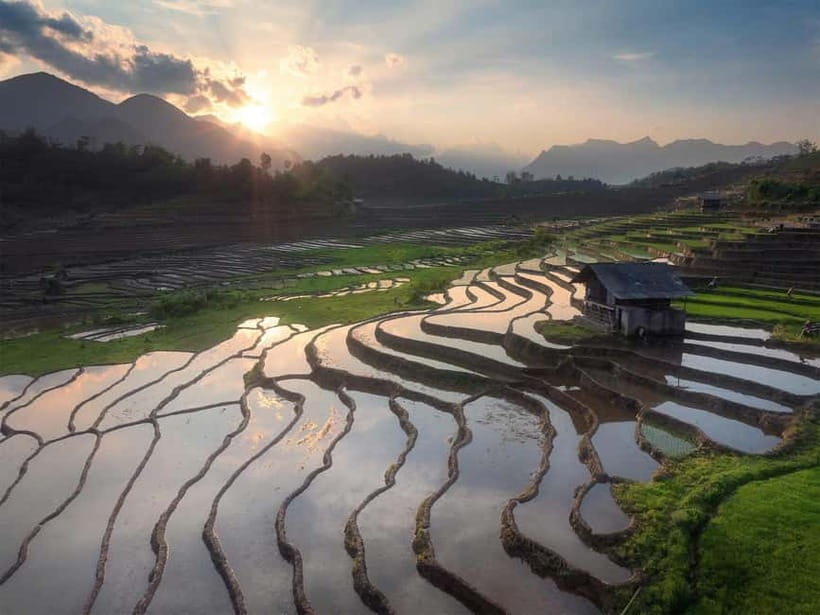
Sapa’s famous for views, sure. But what makes this kind of walk special is the way the terraces shape the day. You don’t just look at the rice fields from one viewpoint; you move through them, so the scenery changes every few minutes.
This trek also leans into the human side of the region. From the start, you’re encouraged to notice the architecture and everyday rhythms in town, then shift into the fields and villages. That blend is what turns it from a workout-with-views into something more meaningful: you get context for why the terrain looks the way it does and how people live with it.
The day is paced for a 6-hour total outing. That’s long enough to feel like you left town, but short enough that you’re back in Sapa by mid-afternoon.
You can also read our reviews of more tours and experiences in Sa Pa.
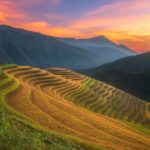
Getting there: pickup window, shuttle ride, and the group size you’ll feel
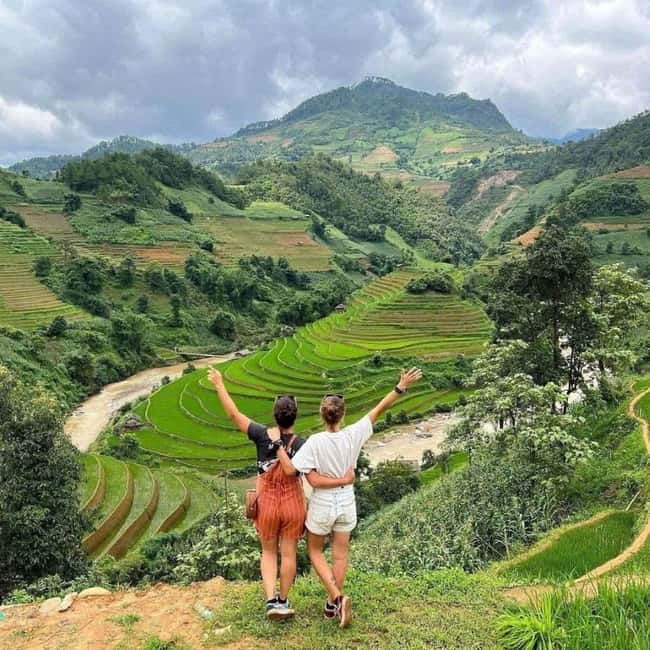
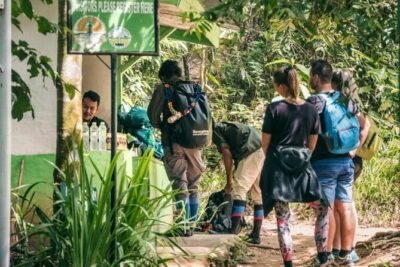
Your day starts with hotel pickup in Sapa town around 08:00–08:30. From there, you head out toward the trekking areas with a guide who speaks English.
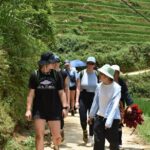
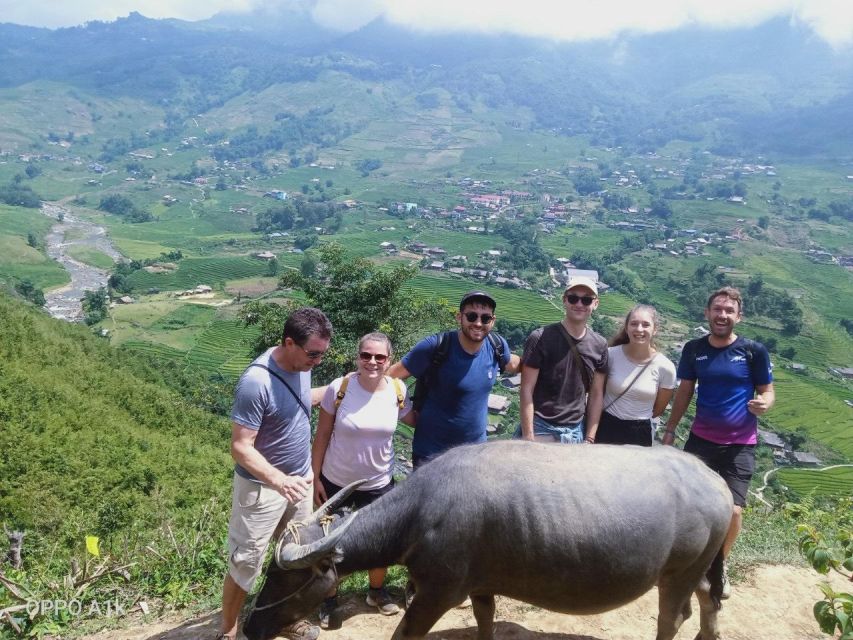
Group size matters here. This is capped at 10 participants, which you’ll notice on narrow paths and around quick stops. In a small group, the guide can slow down when the trail gets uneven and keep things smooth when people stop for photos or questions.
You’ll return to Sapa around 14:00–14:30. The shuttle back to your hotel area is part of the value: you’re not stuck sorting transport at the end of a muddy, tiring walk.
Town edges and daily life: what you’ll notice before the terraces
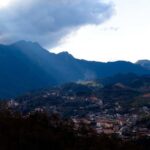
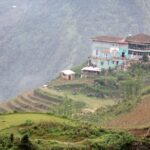
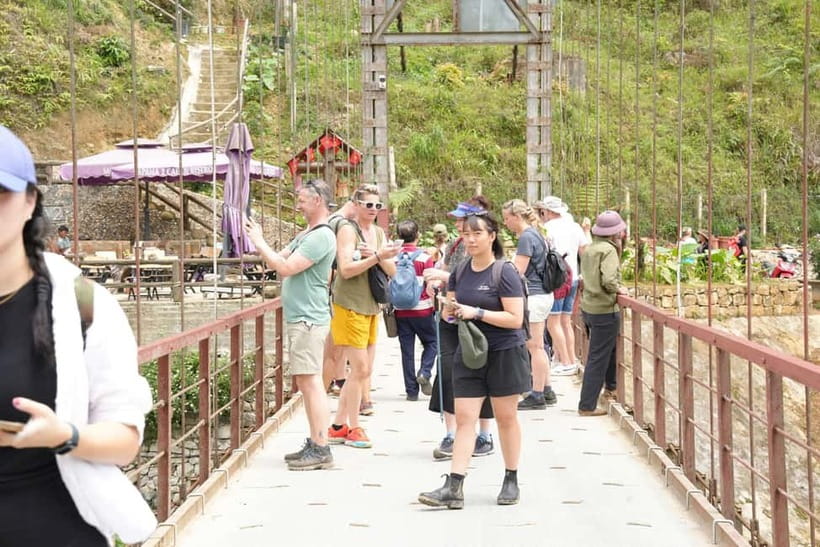
Even before you reach the fields, the first part of the experience is about seeing Sapa’s human side. You’ll trek through Sapa town so you can catch the background of daily life and the look of local architecture tied to ethnic minority communities.
This is useful because it gives you a mental map. When you later arrive at villages like Lao Chai, you’re not only seeing a different place—you understand how the area fits into Sapa as a whole. It also helps you spot the small details that make village life feel real: how people move through their day, how homes are built, and how the surrounding terrain influences what’s possible.
A practical note: since you begin from hotel pickup in town, you’ll want to be ready early. The pickup window is short, and you don’t want to be the reason the group waits.
From town to fields: rice, corn, potato terraces on a non-touristy route
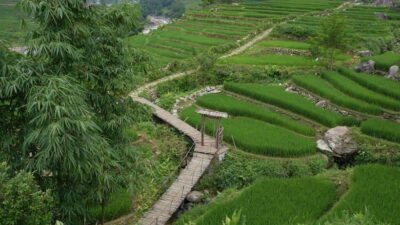
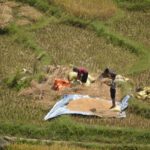
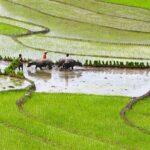
Once you leave town, you step onto terrace systems that grow rice, corn, and potatoes. The route is described as non-touristy, which usually means you’ll spend more time on smaller paths rather than just following the most crowded viewpoints.
What I like about this part is the gradual reveal. Terraces don’t appear all at once. You get them layer by layer, terrace by terrace, and the path shape makes you look down and around instead of only staring forward.
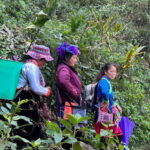
This is also where the guide’s role becomes more than “follow me.” You’re on the move long enough for the guide to share about local culture, customs, and habits. That context helps you see beyond the scenery and understand why the landscape looks engineered and intentional—because it’s tied directly to daily work.
Lao Chai village: the stop that turns pictures into understanding
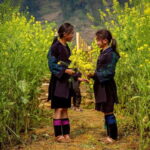
A key village stop is Lao Chai. This is described as a small village on the tribe hill, and it’s set up as a place to gather memories and understand village life more closely.
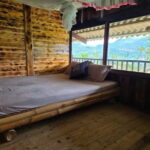
This kind of village visit works best when you treat it like a learning moment, not a sightseeing checklist. The experience is designed so you feel a bit like you’re part of the family—enough to ask questions and notice how simple homes and routines shape daily life.
One thing to keep in mind: village time is often the most “human” part of the day, so it can feel a little different from the rest of the hike. Expect less of the fast, click-and-go style and more of the steady back-and-forth conversations.
Also, the trekking includes entrance fees for local villages, so you don’t have to plan extra payments for this portion of the day.

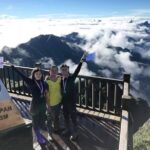
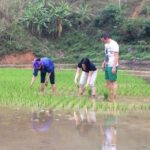
Waterfall breaks and photo timing you can actually use
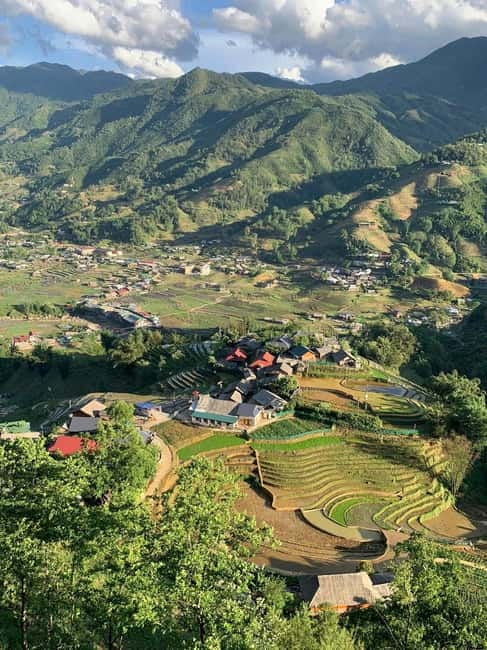
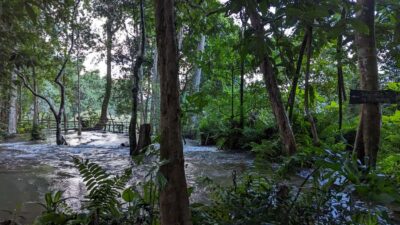
At some point along the route, you’ll reach an area with a lovely waterfall where you’ll have time to relax and take photos. This break isn’t just scenic—it’s a mental and physical reset.
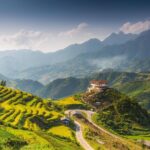
Photo time matters on terrace treks because you’re often surrounded by multiple viewpoints. The terraces and the waterfall give you options: you can shoot wide views of layered fields, or frame the path and people for a sense of scale.
In the real world, the best photos are often the ones you take during short pauses when you’re not rushing. The tour gives you “photo taking time,” which is the difference between snapping a quick shot and getting a few good angles.
Lunch with local foods: why this is more than just a meal
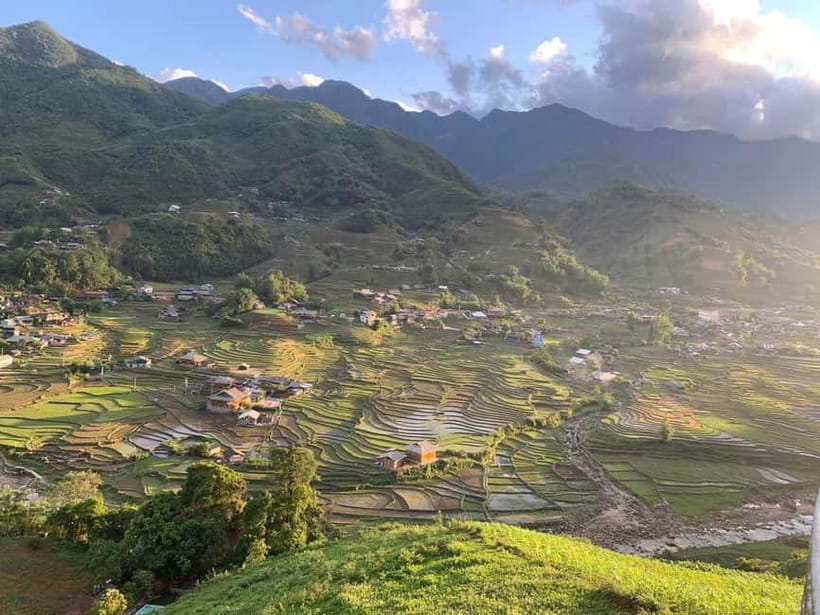
Lunch is included, and it’s at a local restaurant with local foods. Having lunch included in a trek like this is practical—after a few hours walking, you don’t want to start hunting for something that fits your hunger and schedule.
What makes the lunch part feel worth it here is the pacing. You walk through town and then terraces and villages. Then you stop, eat, and recharge before the shuttle back to Sapa. It keeps the day from turning into nonstop effort.
You should still expect that lunch is a cultural experience as much as it is a meal. You’ll likely eat what’s available locally at that restaurant, rather than a Western-style menu. If you have strong dietary needs, you’ll want to communicate that clearly through the provider before you go—though the exact options aren’t specified in the tour details.
Weather and terrain reality check: when the “beautiful” part gets slippery
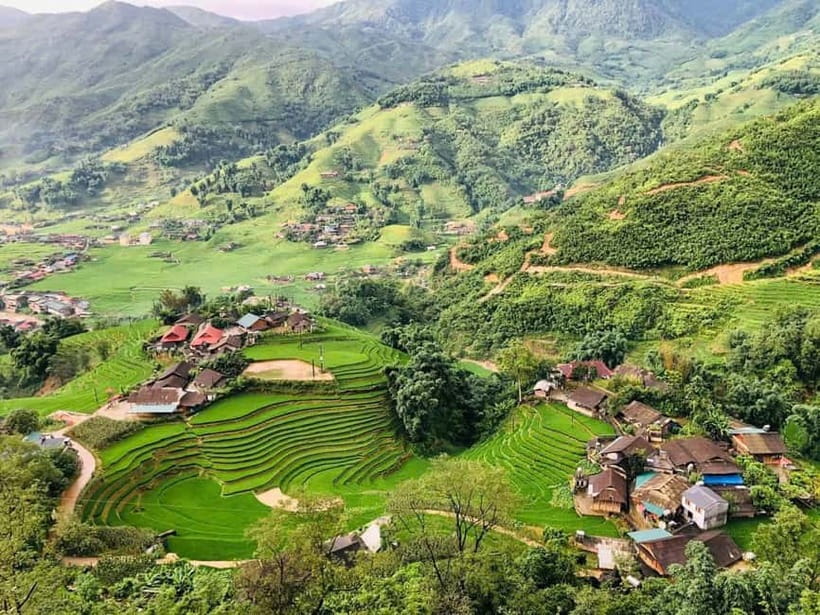
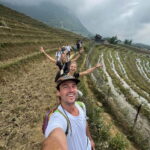
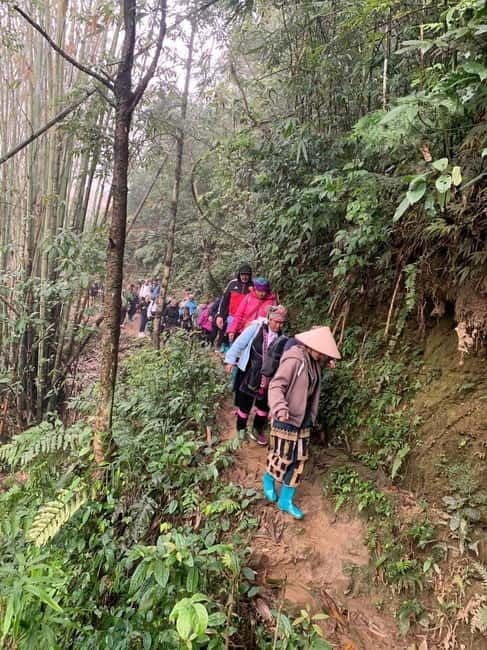
Even with careful planning, Sapa terrain can surprise you. One of the clearest pieces of feedback from past experiences: in January with rain, steep mountainsides became very slippery. The guides were described as helpful getting people down safely.
So here’s the honest advice: treat this as a proper trek, not an easy stroll. You’re walking through uneven ground, terrace paths, and village routes. That means you should plan for:
- grippy footwear
- a willingness to get dirty at times
- extra caution when it’s wet
If you hate scrambling or you’re uncomfortable on sloped trails, this is the one factor that could make or break your day. On dry days it’s likely much more manageable, but you can’t count on perfect weather in northern Vietnam.
Price and value: is $22 for 6 hours a fair deal?
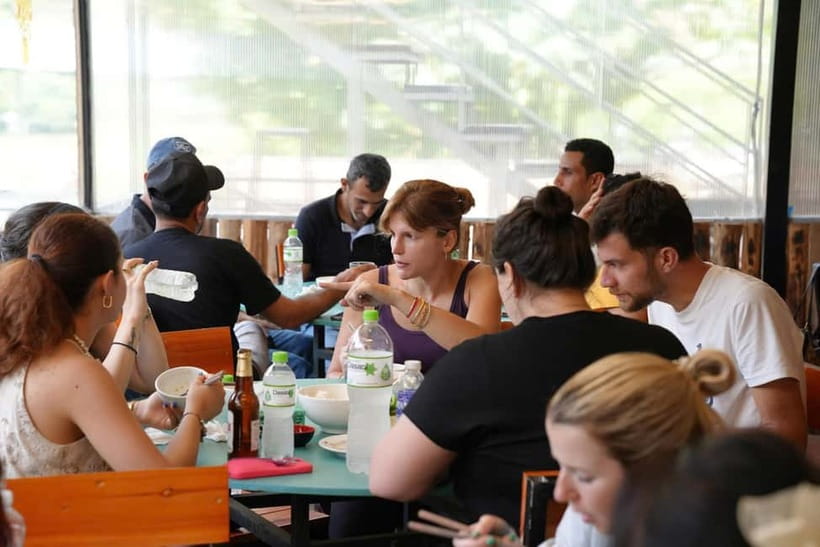
At $22 per person for a roughly 6-hour outing, the value is mostly in what’s included, not in what you pay for separately.
Here’s what you get for that price:
- Hotel pick-up & drop-off in Sapa town
- English-speaking local ethnic guide
- Entrance fees for local villages
- Lunch with local foods
- Time for photos and terrace viewing
- Shuttle bus back to Sapa
If you tried to recreate that on your own—guide, transport, village entry fees, and lunch—your total would usually climb fast. The small-group cap at 10 also helps justify the cost. In other words, you’re not just paying for the route; you’re paying for local guidance that connects the walking to the culture.
The main price-related caution is what’s not included: meals or beverages beyond lunch, transport outside Sapa town, and things like travel insurance. So if your hotel is outside the included pickup area, you’ll need to sort that separately.
Who this trek is best for (and who should think twice)
This is a great choice if you want:
- a short trek that still feels like you left town
- a focus on local life (villages and daily habits), not only views
- a guide who can explain things in English
- a manageable 6-hour time block with lunch included
It’s also a good fit for first-time Sapa visitors who feel overwhelmed by all the different trekking options. You get a structured day: pickup, walking through town and fields, village time, lunch, then shuttle back.
Think twice if:
- slippery trails are a dealbreaker for you
- you need a fully flat walk (this is terrace country)
- you’re looking for a purely luxury experience with minimal time outdoors
The small group size helps most people feel comfortable and supported, but the route still follows the terrain.
Should you book this 1-day Sapa terrace trek to Dong Bac?
If your goal is an authentic Sapa day—terraces plus village life, guided in English, with lunch included—this is an easy “yes” for many visitors.
I’d book it if you:
- can handle some steep, uneven ground
- like learning through conversation while you walk
- want a small-group pace (up to 10)
- prefer a set schedule that gets you back to Sapa by early afternoon
I’d hold off if you’re traveling with limited mobility or you know you won’t do well on wet, slippery slopes.
One more practical reason to consider booking now: the experience offers free cancellation up to 24 hours in advance and a reserve now, pay later option, which gives you flexibility if weather or timing shifts. Just make sure you pack for walking, especially if rain is in the forecast.
FAQ
How long is the Sapa terrace rice field trek?
The tour runs for about 6 hours total.
What time does the pickup happen?
Pickup in Sapa town is scheduled around 08:00–08:30. Return drop-off is about 14:00–14:30.
How many people are in the group?
The group is small, limited to 10 participants.
What language is the guide speaking?
The local ethnic tour guide speaks English.
What’s included in the price?
Included are hotel pick-up and drop-off in Sapa town, entrance fees for local villages, an English-speaking guide, lunch with local foods, trekking through terrace fields, photo time, and the shuttle bus back to Sapa town.
What’s not included?
Meals and beverages not specifically mentioned (besides lunch), pickup/drop-off outside Sapa town, travel insurance, and visa application are not included.
Do I get time for photos?
Yes. The plan includes many beautiful photo-taking moments.
Which areas will I walk through?
You’ll trek through Sapa town first, then move onto a non-touristy route across terrace rice, corn, and potato fields, including a village stop at Lao Chai.
Is lunch included?
Yes. Lunch with local foods is included at a local restaurant.
Is the trail ever slippery?
It can be, especially in rainy weather. Past experiences noted that steep sections can become very slippery in rain, and the guide helps people safely get down.
—
If you tell me your travel month and your hiking comfort level (easy/medium/hard), I can help you judge whether this route is a match for how you like to spend a day in Sapa.