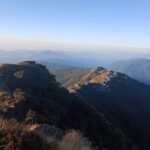
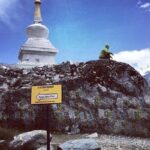
5416 meters is a real-world reset. This 12-day Annapurna Circuit from Pokhara hits that high point on Throng La (5416m), and I like how it stays hands-on and nature-based with guest-house nights along traditional villages. One drawback to plan for: meals and any rescue costs are not included, so you’ll want to budget for food and think about altitude safety.
The route starts with an early push out of Pokhara via shared bus to Besisahar, then day after day it threads through places like Jagat, Dharapani, Chame, Pisang, and Manang before dropping toward Muktinath and finishing in Jomsom. You also get a hotel shuttle in a private car, which is a small thing that saves stress on travel days, and the timing is built around the big pass day.
Guide quality matters on a trek like this, and the reviews highlight strong, calm people in that role. I especially took note of names like Bikram (20+ years, very patient), Prakash (careful, gave context on Himalayas and culture, helped make the pass feel manageable), and Krishna with the CAN team. This is a private trip with your group only, so you won’t be mixed into strangers’ decisions.
In This Review
- Key highlights you’ll feel on the trail
- Pokhara to the first walking day: getting onto the circuit
- Besisahar to Chame: where the circuit feels most human
- Pisang and Manang: the climb that teaches acclimatization fast
- Manang acclimatization and Bhojo Gompa: a smart breather day
- Yak Kharka to Thorong Phedi: building toward the pass
- Thorong La 5416m to Muktinath 3800m: the day you plan around
- Down to Jomsom and the return to Pokhara
- Price and what you’re really getting for $718.77
- Guides and group vibe: why calm leadership matters
- Who this trek suits, and who should think twice
- Quick tips to make the trek smoother (without drama)
- Should you book this Annapurna Circuit trek from Pokhara?
- FAQ
- How long is the Annapurna Circuit trek on this trip?
- Where does the trek start and where does it end?
- What is the highest point on the route?
- Are trekking permits and TIMS included?
- Is an English-speaking guide included?
- Is accommodation included during the trek?
- Are meals and drinks included in the price?
- What should I budget for if something goes wrong?
- Is there free cancellation?
Key highlights you’ll feel on the trail
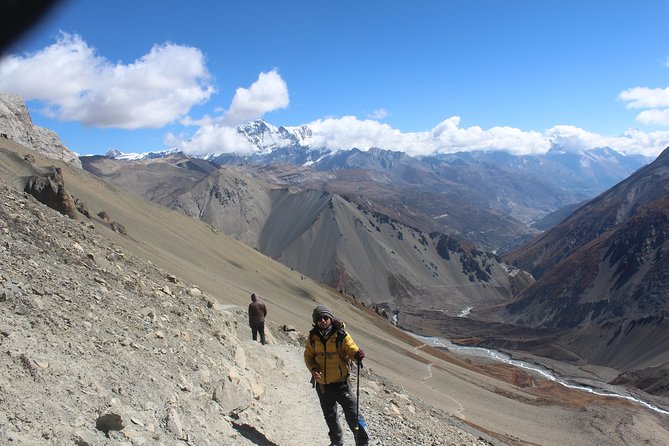
- Throng La 5416m crossing with an early start and a steep-feeling day that ends by descending toward Muktinath
- Manang acclimatization + Bhojo Gompa stop, so you’re not just climbing without a breather
- Village-to-village pacing from Besisahar through Jagat, Dharapani, Chame, Pisang, and onward
- English-speaking trekking guide and guest-house accommodation included
- Permits and TIMS handled (trekking permit + TIMS are included), which reduces paperwork hassle
Pokhara to the first walking day: getting onto the circuit
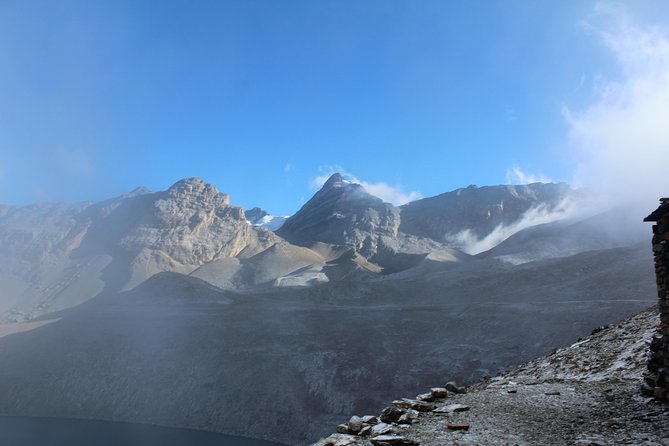
You’ll begin in Pokhara, then the trip uses shared bus transport from and to the trekking areas, plus a private car shuttle for hotel transfers. That mix matters because it keeps the big logistics manageable without turning the trek into a private driver marathon.
Day 1 is built around a morning departure. You leave around 6:15 am, bus to Besisahar, then start walking to Nadi. On paper it’s about 6 hours, but the real point is that you ease in early rather than saving the hardest parts for later. If you’re the type who gets restless waiting around, you’ll probably like the momentum.
If you’re arriving from elsewhere the same day, plan to sleep well the night before. The trek doesn’t start gently at noon. It starts early, and you’ll want your legs ready.
You can also read our reviews of more tours and experiences in Pokhara.
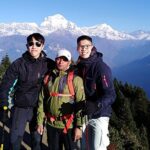
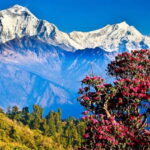
Besisahar to Chame: where the circuit feels most human
From Day 1 into Day 2 and Day 3, the experience stays grounded in villages and everyday mountain life. Day 2 continues to Jagat (about 5 hours). Day 3 pushes to Dharapani via Annapurna Padmaarga (about 7 hours), and that longer walking day is a useful warm-up before you reach bigger altitude changes.
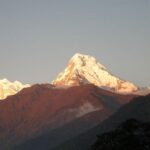
Day 4 then brings you to Chame (about 6 hours), and this is where the views and mountain scale often start to feel more serious. You’ll get sightlines toward Lamjung Himal, Annapurna II, and Annapurna IV, which helps you understand why people dream about this trek for years. You’re not just hiking from tea house to tea house; you’re gradually being moved into a higher, wider setting.
A practical note: these early days can tempt you to walk too fast because it feels exciting. I’d focus on steady steps and controlled breathing. On a circuit, saving energy for later pass time is smarter than sprinting early.
Pisang and Manang: the climb that teaches acclimatization fast
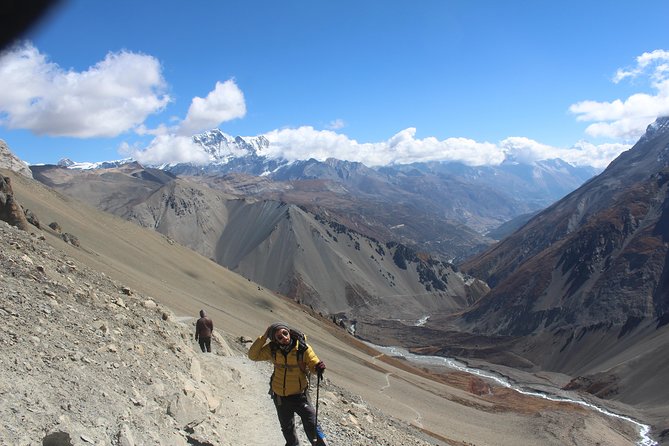
Day 5 goes to Pisang (about 6 hours). Day 6 then continues on to Manang (about 6 hours), and that stretch is often where trekkers notice the rhythm changing. You’re still walking village paths, but the mountains around you start to look sharper and more imposing.
Day 6 includes what you’d expect from a trek at altitude: snow-capped mountain views and a bigger sense of space. Manang is also where the circuit stops being purely about pushing upward and starts becoming about managing your body.
If you’re trying to understand the “why” behind acclimatization, this is where you feel it. Your legs might be fine, but your breathing and sleep can change before you ever hit the pass.
Manang acclimatization and Bhojo Gompa: a smart breather day
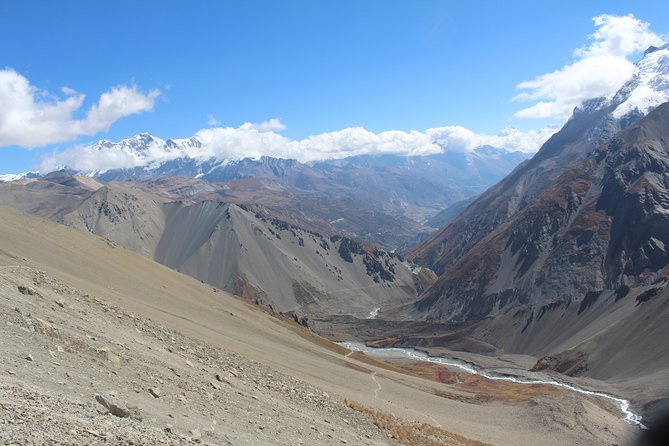
Day 7 is a shorter day on purpose: about 3 hours. It’s designed for acclimatizing with a short walk to higher altitudes, plus a visit to Bhojo Gompa.
This is one of the most valuable pieces of the trip because it’s not only a sightseeing stop. It’s also part of how you set yourself up for the big crossing ahead. By the time you leave Manang, you’ll have already practiced going up a bit, then you’ll go back down as part of the next stages.
The Bhojo Gompa visit adds a cultural layer without stuffing your day with too many moving parts. In a place like this, small religious stops are often a good reminder that this is an inhabited region with routes locals have used for generations.
Tip: on acclimatization days, don’t treat it like a bonus hike. Keep it calm. The goal is adjustment, not exhaustion.
Yak Kharka to Thorong Phedi: building toward the pass
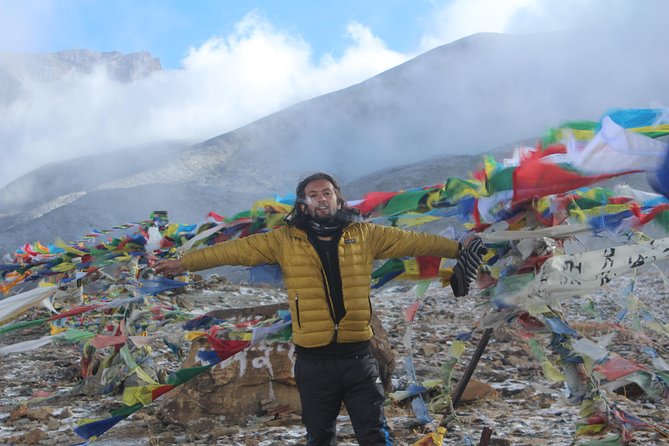
Day 8 moves to Yak Kharka (about 4 hours). The trek is described as increasingly inclined, and the big payoff is the aerial views you get as you climb. This day is where you start mentally preparing for the pass day, even if you still have ground to cover.
Day 9 reaches Thorong Phedi / Thorong La Road (about 4 hours). It’s essentially the staging area for crossing the pass the next day. You’ll feel that “just one more day” tension here, and it’s exactly why the itinerary places Thorong Phedi close to the Throng La start.
For your planning: this is the time to double-check your gear. Make sure you can layer up and down, that your gloves and hats are accessible, and that you know where your essentials live. Cold mornings and quick weather shifts are common on high passes, and the day after Thorong Phedi is long.
Thorong La 5416m to Muktinath 3800m: the day you plan around
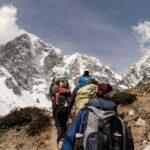
Day 10 is the headline: you trek from Thorong Phedi to Thorong La, starting early in the morning, then you cross the famous Thorong La (5416 meters) and descend to Muktinath (around 3800 meters). The walking day is about 8 hours.
This is the kind of day that rewards preparation and punishes bravado. The early start isn’t for romance; it’s for conditions and timing. High altitude makes effort feel bigger, and long days make mistakes costlier—so you want a steady pace and a guide who keeps the group moving safely.
From a value perspective, this is also where your included guide really matters. You’re not just paying for someone to lead your feet; you’re paying for someone to manage pacing, help you stay focused, and keep the day running smoothly.
You’ll likely notice two phases: the climb up to the pass, and then the physical relief of descending toward Muktinath. Even when the climb feels brutal, the descent often helps your body reset, and it can also help your mind catch up after the big moment.
Down to Jomsom and the return to Pokhara
Day 11 is about descending to Jomsom (about 5 hours), plus time to explore Jomsom village and nearby places. This is your decompression window. Your body is still doing work, but it’s not the same “pass-day stakes” pace.
Day 12 brings you back to Pokhara by morning bus drive, then a hotel transfer when you arrive. The day is about 8 hours total travel time.
That final travel day is why it helps if you pack like a realist: keep what you need accessible, expect the journey to take longer than you want, and avoid scheduling something demanding right after you land in Pokhara. Your legs will be happy to sit down for a while.
Price and what you’re really getting for $718.77
At $718.77 per person for about 12 days, this trek can feel like a strong deal if you compare what’s included versus what you’ll have to pay anyway.
What’s included that often costs you time or money on your own:
- Trekking permit and TIMS (handled for you)
- English-speaking trekking guide
- Guest-house accommodation
- Transport by sharing bus from and back to trekking points
- Hotel shuttle service in a private car
- A private trip format (your group only)
What’s not included:
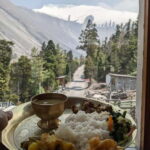
- All meals and drinks
- Rescue costs in an emergency
- Gratitude (optional)
So the best way to think about the price is: you’re paying for less friction. You’re not dealing with permit admin, daily coordination, or accommodation planning across the route. But your biggest extra cost is meals, and your biggest extra risk is altitude emergency planning (which is why you should be sensible and consider travel insurance on your own).
If you’re trying to estimate your total budget, assume meals will be a meaningful slice. Bring cash and plan for the fact that food prices can vary by stop.
Guides and group vibe: why calm leadership matters
One thing that stood out from the reviews is that good guidance makes the trek feel doable. The guide names come up repeatedly, and the details are consistent: patient, experienced, and attentive.
- Bikram is praised for being patient and very experienced (20+ years), which is huge if you’re a slower walker or if altitude makes you second-guess every step.
- Prakash gets credit for briefing about the Himalayas and culture, and for taking care in a way that made it easier to pass Throng La.
- Krishna and the CAN team are mentioned with a clear theme: the trek felt easy for a group of 6, and the guide approach was genuine and knowledgeable.
Even if guides aren’t identical, this points to what you should look for in a strong circuit partner: someone who manages pace, communicates clearly, and stays steady when the day turns tough.
Because this is a private trip with your group only, you’re also less likely to get stuck waiting on mismatched stamina. Still, I’d be honest with yourself about your fitness. The trek data says you should have strong physical fitness, and this circuit will reward preparation.
Who this trek suits, and who should think twice
This Annapurna Circuit option makes sense if you want:
- A guided experience with permits, TIMS, and guest-house stays covered
- A route built around the pass with an acclimatization day at Manang
- Village-to-village hiking that culminates in the big achievement of 5416m Throng La
You’ll want to think twice if:
- You’re not ready for early starts and long walking days (some are around 7 to 8 hours)
- You can’t comfortably manage altitude and exertion
- You don’t want extra planning for meals and emergency coverage (meals and rescue costs aren’t included)
If you’re reasonably fit, have realistic expectations about altitude, and you like the idea of moving through real communities rather than only hitting scenic viewpoints, this is a solid match.
Quick tips to make the trek smoother (without drama)
Based on how this trek is paced, here are the habits that pay off:
- Start slower than you think on the first days; save strength for the later stages.
- On the pass day, treat the early morning as a schedule event, not a suggestion.
- Use the Manang acclimatization day for adjustment, not for pushing.
- Pack for layers; you’ll have colder conditions as you climb, then warmer moments as you descend.
- Keep your cash and essentials separate so you’re not digging around when you’re tired.
Should you book this Annapurna Circuit trek from Pokhara?
I think this is a good booking decision if you want a structured, well-led circuit that handles the big logistics—permits, guide, guest houses, and transport—while still giving you the satisfaction of finishing the hard part: the Throng La crossing at 5416m and the descent toward Muktinath.
If you’re comfortable budgeting for meals and you’re honest about your fitness, you’re likely to enjoy it a lot. If you’re hoping for meals included, or if you’re uncertain about altitude readiness, you may feel stress you didn’t plan for. For many people, the included planning is exactly what makes the difference between fear and confidence on a trek like this.
FAQ
How long is the Annapurna Circuit trek on this trip?
It’s about 12 days.
Where does the trek start and where does it end?
You start in Pokhara, then take transport toward the trekking route. The trek ends back in Pokhara on the final day.
What is the highest point on the route?
The itinerary includes crossing Thorong La at 5416 meters.
Are trekking permits and TIMS included?
Yes. The trip includes the trekking permit and TIMS.
Is an English-speaking guide included?
Yes. An English speaking trekking guide is included.
Is accommodation included during the trek?
Yes. You stay in guest houses included in the trip.
Are meals and drinks included in the price?
No. All meals and drinks are not included.
What should I budget for if something goes wrong?
Rescue costs in an emergency are not included in this trip price.
Is there free cancellation?
Yes. You can cancel up to 24 hours in advance for a full refund.