REVIEW · KATHMANDU
Manaslu Circuit Trek 8th Highest in the World
Book on Viator →Operated by Adventure Glacier Treks & Expedition · Bookable on Viator
A high mountain loop with real remoteness. The Manaslu Circuit is one of Nepal’s most dramatic treks, and what I like most is how the route stays inside a restricted, permit-heavy region that keeps the trail quieter and more local. I also like that the team handling logistics feels human and attentive, and names like Roshan, Sudip, Samir, and Dil show up in strong, consistent stories about safety and comfort.
The circuit also has a couple things you should take seriously: the physical demand is real, and the long travel days (including a bumpy road drive early on) mean you’ll want a calm mindset and a good packing plan.
In This Review
- Key highlights before you commit
- Why the Manaslu Circuit feels special (and not just scenic on a map)
- Price and logistics: is $1,600 actually good value?
- Itinerary in plain English: what each stage gives you
- Day 1: Arrive in Thamel and get your legs sorted
- Day 2: Kathmandu Durbar Square plus a real gear reality check
- Day 3: Kathmandu to Machha Khola by road—expect a long, bumpy start
- Day 4: River valley walking to Tatopani area
- Day 5: First Buddhist culture signs, then Salleri viewpoints
- Day 6: Forest trekking toward Ghap (cooler nights, more mountain presence)
- Day 7: Samagaun—Tibetan influence and your big Manaslu moments
- Day 8: Samdo via KermoKharka—juniper and birch, mostly easier walking
- Day 9: Samdo gives you two choices—wander or do the border side trip
- Day 10: The build-up to Larkya La—juniper, tundra, and the final guesthouse before the pass
- Day 11: Sunrise over Larkya La—start early, keep your torch close
- Day 12: Bimtang to Dharapani—forests and pastures, then you join the Annapurna trail
- Day 13: Dharapani to Jagat—descent plus road options if needed
- Day 14: Back to Kathmandu via Besisahar shared jeep and bus
- What makes the guides and porter support matter on this trek
- The rules of the restricted Manaslu area (and why they’re not a hassle)
- Larkya La prep: the pass day you should plan for hardest
- Guesthouses, meals, and how to manage comfort without overpacking
- Who this trek is best for
- Should you book this Manaslu Circuit trek or skip it?
- FAQ
- How long is the Manaslu Circuit trek on this tour?
- Where does the tour start and end?
- What’s included in the trip price?
- Are meals included during the trek?
- What is not included?
- Do I need a certain number of people in my group?
- Is free cancellation available?
Key highlights before you commit
- Restricted Manaslu region with permits handled so you’re not guessing what paperwork you need
- Guides and porters who focus on comfort and safety (Roshan, Sudip, Dil, Samir are repeatedly praised)
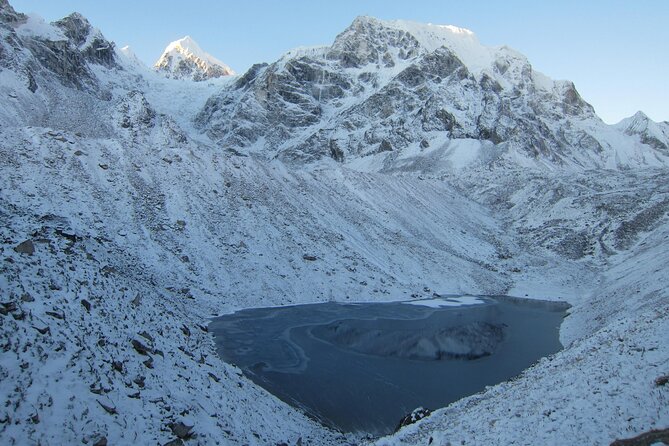
- Ever-changing big views of peaks like Manaslu (8,163 m) from villages such as Samagaun and beyond
- A memorable side trip option near Samdo, including an 8-hour Tibetan border excursion
- Larkya La pass timing that matters, with an early start to catch sunrise and avoid stronger midday wind
- Guesthouse-style trekking with three meals a day, so your day-to-day rhythm is easier to manage
Why the Manaslu Circuit feels special (and not just scenic on a map)
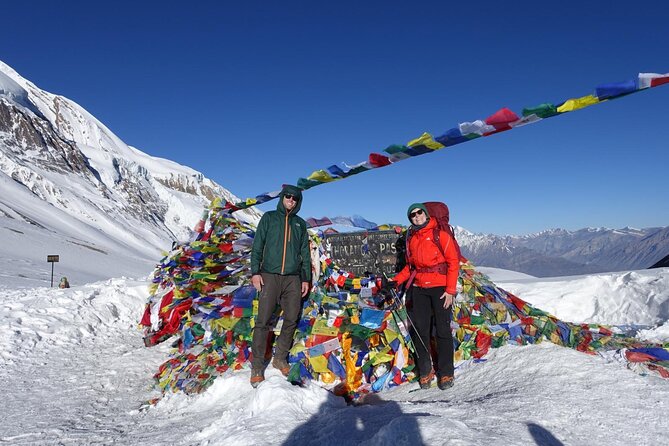
If you’ve been to Nepal and felt like some famous trails turn into a moving crowd, the Manaslu Circuit is a different offer. This trek is famous for the sheer remoteness: fewer people, more spacing between villages, and a sense that you’re moving through communities instead of passing through them like a drive-thru.
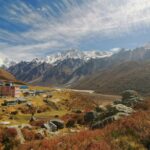
The route also has a “layer-cake” feel. You start in Kathmandu with a quick setup and gear check, then you ease into walking through river valleys. As you climb, you transition into places with a stronger Tibetan influence—Samagaun is a good example—where the culture and mountain walls feel tied together. Then you reach higher, quieter areas like Samdo, where life slows down and the views get sharper.
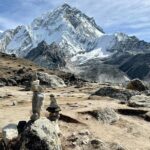
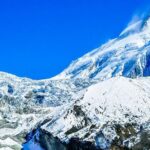
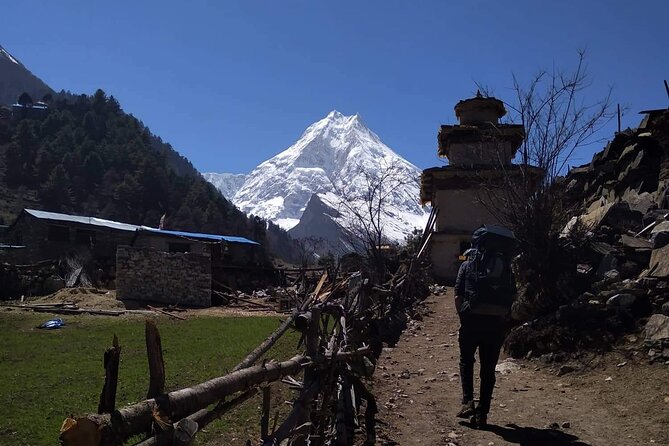
And yes, you’ll get Himalayan moments that feel huge. Manaslu (8,163 m) and other peaks like Manaslu North (7,157 m) show themselves more clearly as the trail pushes you into higher country. That growing sense of exposure is part of why this trek stays popular with people who want depth, not just a single photo spot.
You can also read our reviews of more tours and experiences in Kathmandu.
Price and logistics: is $1,600 actually good value?
At $1,600 per person, the first question is what you’re paying for beyond the hiking. Here’s what stands out in the value math:
- Permits and the required special permit are included, including a special permit listed as $100 plus other necessary permits.
- You get a professional guide and porter/porters, including their expenses, insurance, and equipment.
- Your trip includes three meals a day on the trek (breakfast, lunch, dinner) as stated in the itinerary, plus guesthouse accommodation each night on the trekking portion.
- Kathmandu nights are covered: 3 nights accommodation at a tourist-standard hotel.
That’s meaningful because with trekking in restricted areas, the “hidden costs” can add up fast. Having permits and paid staff built into the price also usually means fewer last-minute hassles and less uncertainty about who’s responsible for what.
Now, the things that are not included are also important to plan around:
- Beverages and tips (you’ll pay these out of pocket).
- Your travel insurance.
- Personal and nature expenses.
- Food in Kathmandu beyond the daily breakfast.
- Some sightseeing entry can be extra (the itinerary notes Kathmandu Durbar Square admission is not included).
So my practical take: this price feels most “right” if you want the route done correctly, with permits managed and a guide/porter team that’s actually there to support your pace and comfort—not just to lead you over a pass.
Itinerary in plain English: what each stage gives you
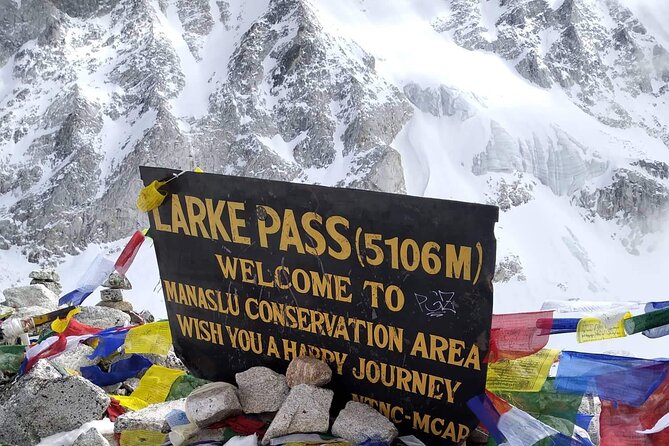
This trek is paced for gradual adjustment. Still, you’ll earn each day’s views, especially as weather and altitude start doing their own work.
Day 1: Arrive in Thamel and get your legs sorted
You arrive in Kathmandu, and a representative meets you based on your flight time. Then it’s straightforward: check in, get a briefing, and settle into Thamel—an area built for travelers, so you can handle the basics without stress.
What you’ll love here is the simple setup. Trek days are not when you want to be figuring out logistics.
Day 2: Kathmandu Durbar Square plus a real gear reality check
After breakfast, you get time in Kathmandu Valley. The itinerary also includes Kathmandu Durbar Square, but the admission is noted as not included, so keep that in mind.
This day has another useful purpose: they analyze your gear needs and can suggest what to buy, rent, or arrange with their help if you’re missing items. That matters because on a high trek, small gear gaps become big discomfort.
Day 3: Kathmandu to Machha Khola by road—expect a long, bumpy start
After breakfast you drive to Machha Khola. The itinerary specifically warns that the bus ride can be lengthy depending on road conditions and that it can be bumpy. Translation: pack for comfort, keep your water handy, and don’t judge the trek based on Day 3.
This drive also has a sneaky benefit: you start seeing Nepal’s terrain shift early, and by the time you’re walking, the journey already feels like part of the story.
Day 4: River valley walking to Tatopani area
Today you cross a river, then climb up toward Khorla Besi from Machha Khola. The walk follows a river valley with waterfalls and even landslide areas you may pass. You then reach Tatopani village.
A practical note: these early days are where you learn how your body handles trail footing after travel. Take the pace your guide sets seriously—you want to arrive tired, not wrecked.
Day 5: First Buddhist culture signs, then Salleri viewpoints
You trek down to Sirdibas at 1,430 m, and this is called out as where you see the first signs of Buddhist culture on the route. You continue along the riverbed and then on a rocky ridge to Salleri at 1,440 m, catching views of Sringi Himal (7,187 m).
This is a good day for your senses. The ridge walking gives you a different feeling than the valley days, and the cultural shift adds a layer beyond scenery.
Day 6: Forest trekking toward Ghap (cooler nights, more mountain presence)
You trek down to the SringiKhola Valley, cross the river, and hike through forests until Ghap. The itinerary notes you’ll feel the ascent and that nights can turn cooler with Himalayan views building in.
If you’re the type who likes “weather windows,” this is where you start paying attention to cloud cover and how fast light changes in mountain valleys.
Day 7: Samagaun—Tibetan influence and your big Manaslu moments
You push toward Samagaun, and the description is clear: Tibetan culture has a strong influence here. The itinerary also notes cliff lines disappearing as you move into a valley viewpoint stage.
Then comes the money shot set: views of Manaslu (8,163 m), Manaslu North (7,157 m), and Naike Peak (5,515 m) as you trek onward. This is the kind of day that makes the effort feel worth it.
Day 8: Samdo via KermoKharka—juniper and birch, mostly easier walking
Today is described as easier because it’s mostly flat through juniper and birch forests via KermoKharka, then you hike down to cross a river and continue to the area where the Budhi Gandaki and ShyaleKhola merge.
This is a helpful reset day. You still earn progress, but you get time to breathe, hydrate, and adjust your trekking rhythm before the bigger pass segment.
Day 9: Samdo gives you two choices—wander or do the border side trip
You’re at Samdo again, and you get an option:
- Take an 8-hour side trip to the Tibetan border with a packed lunch and plenty of water.
- Or simply walk around Samdo and observe daily life.
I like this flexibility. If you want more cultural connection, pick the border day. If you want to conserve energy for the later climb, wandering Samdo can feel surprisingly rewarding.
Day 10: The build-up to Larkya La—juniper, tundra, and the final guesthouse before the pass
You descend to 3,850 m to cross the Budhi Gandaki, then ascend through juniper and tundra in and out of ravines to Larkya Guest House, described as the final stop before Larkya La.
This is a day where pacing is everything. You want to arrive with enough energy for a sunrise start coming up, not already depleted.
Day 11: Sunrise over Larkya La—start early, keep your torch close
This is the classic pass-day setup: you leave early to catch sunrise over the pass and to avoid strong wind after midday. You’ll walk a steep route over several ridges, and the itinerary advises you to keep your torch close by at the start.
That one detail matters. Cold air + early hours + steep ground can make everything feel harder than it does in daylight. Having the right light and not scrambling for it helps you stay calm.
Day 12: Bimtang to Dharapani—forests and pastures, then you join the Annapurna trail
You trek from Bimtang through forests and pastures of the Dudh Khola Valley to Dharapani. The day is listed as about a 7-hour journey and notes you’ll join the more popular Annapurna Circuit Trek trail thanks to Manaslu.
This transition is real. After remoteness, you may start seeing more people and more established traffic on the path.
Day 13: Dharapani to Jagat—descent plus road options if needed
You descend from Dharapani toward Jagat, described as about 6 hours, and you’ll descend near the Marsyangdi Nadi Gorge area. The itinerary also notes that depending on road considerations, you can charter a Jeep for extra convenience.
This day is about finishing with less grind. Even when it’s still a trek, descent often feels mentally easier than the earlier climbs.
Day 14: Back to Kathmandu via Besisahar shared jeep and bus
For the first half of the day you travel to Besisahar in a shared jeep. Then you refresh and take a bus from Besisahar back to Kathmandu, taking about a truncated-but-referenced time period.
It’s a gentle landing after altitude. I’d use this day to eat slowly, drink water, and give your body credit for what it just did.
What makes the guides and porter support matter on this trek
The most consistent praise in the stories tied to this operator is not just friendliness. It’s competence under pressure.
- Roshan is repeatedly mentioned as a guide who watches your needs and helps you feel supported in real time.
- Sudip shows up as an example of a porter who’s helpful and kind, which matters because you’re sharing load boundaries and daily logistics.
- Samir is described as part of a more family-run, attentive approach to planning so the trekking days flow.
- Dil is linked with genuine information and helpful tips, especially when weather concerns come up.
Even if you’re a confident trekker, you’ll appreciate a guide who understands when to slow down, how to read conditions, and how to keep you moving safely toward passes.
The other big support factor: the included guide and porter team comes with insurance and equipment coverage. On a restricted trek, that kind of structure helps reduce stress.
The rules of the restricted Manaslu area (and why they’re not a hassle)
Manaslu Circuit trekking includes restricted access rules. The big ones you should know upfront:
- You trek with a registered Nepali trekking company.
- You need at least two trekkers in the group (not counting the guide and porter).
- Permits for entering the restricted area are required and are described as expensive.
In practical terms, this is why operators matter here. You’re not just buying a route—you’re buying compliance. If you’re trying to DIY it or use an unregistered setup, you risk falling into paperwork trouble right when you want to focus on acclimatizing and enjoying the trail.
Larkya La prep: the pass day you should plan for hardest
Larkya La is the emotional peak of the trek, mainly because the timing is strict. You’re scheduled to start early for sunrise and to avoid stronger wind after midday. The itinerary also mentions a torch for the steep early walking.
So here’s how to make this day work for you:
- Keep your torch where you can reach it quickly when you’re moving.
- Don’t treat the pass day like a slow sightseeing walk. Early start means your energy and temperature are in play before you feel awake.
- Once you’re above the initial climbing stage, keep your breathing steady. Pass days punish rushing.
If you do that, you’ll get the reward the trek promises: a dramatic sunrise moment and the satisfaction of crossing the most famous barrier on the loop.
Guesthouses, meals, and how to manage comfort without overpacking
This trek runs on guesthouses, and the deal includes your guesthouse accommodation plus three meals a day during the trekking portion as listed. That’s a big comfort win: you’re not hunting for meals at the end of a tough day.
You’ll still need to manage:
- Hydration and beverages (not included, so you’ll pay for what you drink).
- Layering for cooler nights as you climb.
- A mindset shift: this isn’t luxury travel. You’re paying for access, safety, and a workable trail routine.
Also, having your gear checked in Kathmandu helps prevent the classic mistakes—things you forget tend to cost more later on the trail, in time, money, or comfort.
Who this trek is best for
This Manaslu Circuit option fits best if you:
- Want a more remote, less crowded feeling than Nepal’s busiest treks.
- Are comfortable with a challenge and have a strong fitness base (the operator notes you should have strong physical fitness).
- Prefer a guided experience where permits and daily decisions are handled for you.
- Like culture mixed with big views—Samagaun’s Tibetan influence and Samdo’s border-option day make it more than just hiking.
If you’re looking for an easy walk with minimal exertion, this won’t match. But if you want something real, this trek has plenty to reward effort.
Should you book this Manaslu Circuit trek or skip it?
I’d book if your priority is a smooth, supported, and compliant restricted-area trek with permits taken care of, plus a guide and porter team that people specifically praise for safety and comfort. The inclusion of permits, meals, and trek logistics at this price makes it feel like solid value, not just a “lowball” hike.
I’d pause before booking if:
- You’re unsure about your fitness level for a challenging circuit.
- You don’t want early starts, steep ridges, or the pass day timing demands.
- You’re trying to keep daily spending ultra-minimal, because beverages and tips are on you.
If you can handle those realities, Manaslu Circuit trekking here offers exactly what you came for: mountain scale, genuine village life, and a route that stays remote enough to feel like Nepal is still bigger than the crowds.
FAQ
How long is the Manaslu Circuit trek on this tour?
The duration is listed as 14 days (approx.).
Where does the tour start and end?
It starts at Best Tour & Travel agency in Nepal – Adventure Glacier Treks in Kathmandu and ends back at the same meeting point.
What’s included in the trip price?
Included items cover airport pickup/drop, 3 nights accommodation in Kathmandu, ground transportation, necessary permits (including special permit $100), a professional guide and porter(s) with their expenses/insurance/equipment, guesthouse accommodation, and three meals a day on the trekking portion as mentioned in the itinerary.
Are meals included during the trek?
Yes. The itinerary states breakfast, lunch, and dinner are included during the trekking days.
What is not included?
Not included are beverages, tips, your travel insurance, personal/nature expenses, and food in Kathmandu except daily breakfast. Some admissions may also not be included (for example, Kathmandu Durbar Square is noted as admission not included).
Do I need a certain number of people in my group?
Yes. The rules for this restricted trek include having at least two trekkers in the group (not including the guide and porter).
Is free cancellation available?
Yes. You can cancel up to 24 hours in advance for a full refund, and changes within 24 hours are not accepted.