REVIEW · POKHARA
Ghorepani Poonhill Trek 5 Days from Pokhara
Book on Viator →Operated by Nepal Social Treks and Expedition · Bookable on Viator
A sunrise hike to Poon Hill changes the way you see Nepal. This Ghorepani Poonhill Trek mixes classic villages, forest paths, and big-mountain views in just five days. I love the small-group size (max 9) because it makes the guide’s guided commentary feel personal, not rushed, and I also love that you get overnight guesthouse stays plus full meals each day. One drawback to think about: early starts mean you’ll need a workable sleep routine and you should pack for cold dawn mornings.
The route is built for a solid intro trek. You’ll hike up through Ulleri and Ghorepani, catch sunrise at Poon Hill, then move to Ghandruk, where stone steps connect teahouses and houses in the Gurung community. The walking is manageable if you’ve got basic hiking fitness, but it still includes long stair sections and a steady rhythm.
Value matters here, and the $450 price isn’t just “a guide and some trails.” You’re also paying for private vehicle transport, required permits (TIMS and Annapurna Conservation Area Permit), a porter system, and included teahouse lodging with one night back in Pokhara. Just note the package doesn’t include travel/medical insurance for emergencies, tips for guides/porters, or your Nepal entry visa fee.
In This Review
- Key things that make this trek worth your time
- Why the Ghorepani Poonhill Trek is a smart 5-day plan from Pokhara
- Price and logistics: what $450 includes and why it can be fair
- The route in plain terms: Ulleri, Ghorepani, Poon Hill, Ghandruk, and back to Pokhara
- Day 1: Pokhara to Ulleri via Nayapul (your first real climb day)
- Day 2: Ulleri to Ghorepani through oak and rhododendron
- Day 3: Poon Hill at dawn for the Annapurna and Dhaulagiri view
- Day 4: Reaching Ghandruk and the Gurung village stair life
- Day 5: The descent to Nayapul and back to Pokhara
- Teahouses, meals, and how to plan your day without stress
- Permits, porter support, and what to consider before you pack
- Fitness level and trail reality: what easy means on the ground
- Weather and sunrise strategy for Poon Hill
- Who should book this trek
- Should you book the Ghorepani Poonhill Trek 5 Days from Pokhara?
- FAQ
- How long is the Ghorepani Poonhill trek from Pokhara?
- Where does the trek start and when?
- What is the maximum group size?
- What does the $450 per person price include?
- Are meals included every day?
- Do I need permits for this trek?
- Is a porter included?
- Does the tour include my Nepal entry visa fee?
- What documents are needed to book?
- Is travel or medical insurance included?
Key things that make this trek worth your time
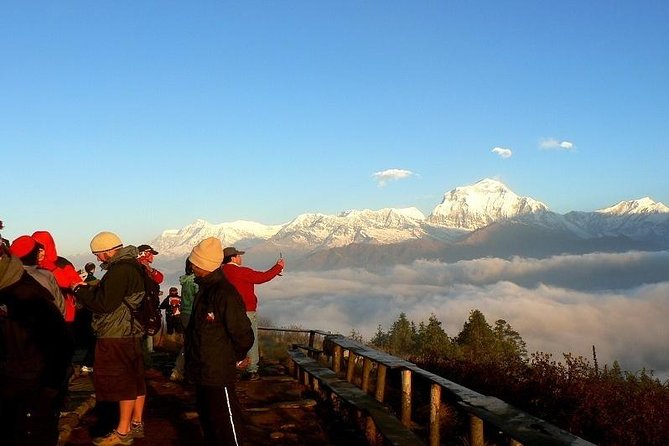
- Poon Hill sunrise timing with an early dawn hike and a short push to the viewpoint
- Small-group trekking (up to 9 people) for more questions and less crowding
- Teahouse nights with meals built in, so you’re not constantly planning food
- Ulleri → Ghorepani forest trekking through oak and rhododendron along a gradual ascent
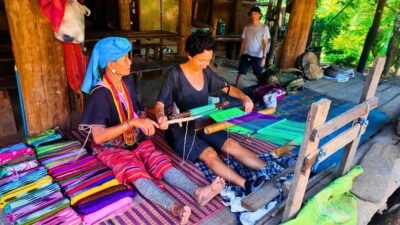
- Ghandruk village experience with Gurung culture and lots of stone steps between guesthouses
Why the Ghorepani Poonhill Trek is a smart 5-day plan from Pokhara
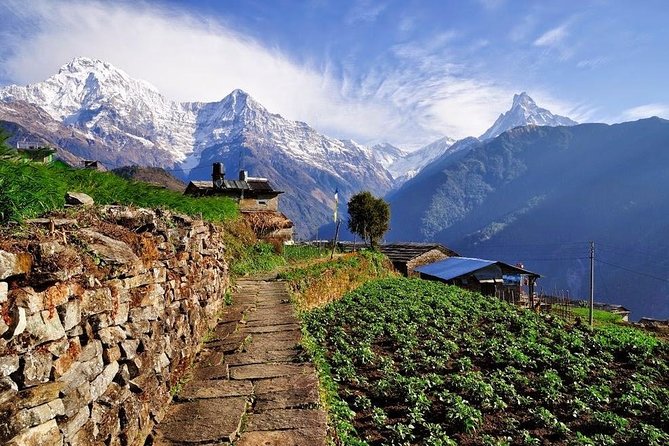
This trek works because it’s short enough to fit real life and still feels like a genuine trek. You’re not just walking to one view and turning around. You’ll move through different trail styles and village routines: steps, quieter forest sections, and a string of teahouses where you can reset each night.
Also, it’s set up as a group experience without turning it into a cattle line. With a maximum of nine people, the guide can keep pace with the group, slow down for questions, and explain what you’re seeing—helpful when you’re hiking in a region where the details matter.
What I like most is that the trek is designed around comfort choices you can actually feel. Teahouse lodging means you’re not carrying everything. Meals are included (breakfast, lunch, and dinner each day within the package), so you’re not hunting for food on the trail. And because there are porters for every two trekkers, you can keep your personal load reasonable and focus on walking.
You can also read our reviews of more tours and experiences in Pokhara.
Price and logistics: what $450 includes and why it can be fair
At $450 per person, you’re paying for more than the hiking itself. The package includes a certified professional guide, private vehicle transport, and the two key permits required for the route: TIMS and the Annapurna Conservation Area Permit.
You’re also covered for logistics that add up quickly when you plan on your own:
- Teahouse accommodation during the trek, plus one night in Pokhara
- Breakfast (5), lunch (4), and dinner (4) included across the days listed
- A porter system (1 porter for 2 trekkers) carrying personal gear and group equipment
- A first aid kit, a trekking map, and the support pieces that make small tours run smoothly
So the real question isn’t whether you can do it cheaper by DIY. It’s whether you want to spend your time organizing permits, transfers, and lodging while you could be walking. If you want an easier planning load with a guided setup, this looks like solid value.
The route in plain terms: Ulleri, Ghorepani, Poon Hill, Ghandruk, and back to Pokhara
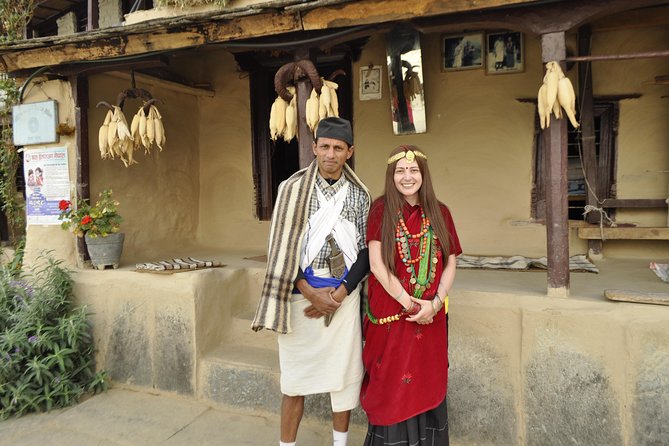
This trek is a loop in the sense that you’ll start in the Pokhara area, reach Ulleri and Ghorepani, climb for sunrise at Poon Hill, then continue onward to Ghandruk before descending back toward Nayapul and Pokhara.
Expect a steady progression:
- Day 1: Pokhara → Nayapul → Ulleri (hike begins after a short drive)
- Day 2: Ulleri → Ghorepani through forest and step sections
- Day 3: early push to Poon Hill for sunrise, then onward toward the next night area
- Day 4: Ghorepani region toward Ghandruk
- Day 5: descent back to Nayapul and return to Pokhara
The big payoff is that you’re hiking toward different “types” of experiences: morning mountain views, forest walking, and village life.
Day 1: Pokhara to Ulleri via Nayapul (your first real climb day)
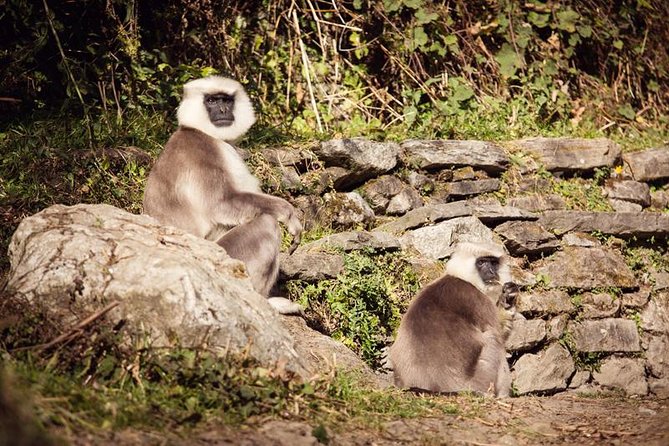
You start from Temple Himalaya Hotel and Spa in Pokhara at 8:00 am. After breakfast, you take a short ride to Nayapul, then begin the hike to Ulleri.
This day is about getting your legs used to the rhythm. Even when the distance isn’t the longest, Ulleri is where your body starts learning how the trail feels: steps, uphill persistence, and the steady focus needed to keep moving comfortably. The itinerary places this day at about 7 hours of hiking.
What you’ll likely enjoy: you’ll transition from city start to real trekking quickly, and you’ll see changing scenery as the trail pulls you away from the road.
What to watch: if you’re not used to stair climbing, take it slow early. Day 1 sets your pace for the rest of the trek.
Day 2: Ulleri to Ghorepani through oak and rhododendron
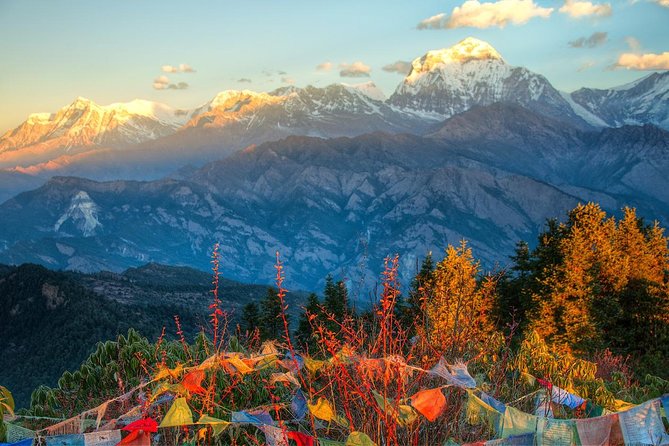
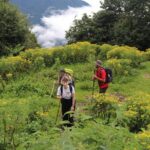
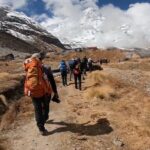
Today you head toward Ghorepani. The trail continues with a gradual ascent and steps, and the route highlights blossoming oak and rhododendron trees. The walking time is about 6 hours.
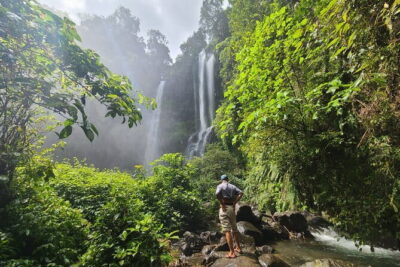
This is one of the best days to appreciate why Poon Hill treks are popular. You’re not only hiking toward a sunrise spot. You’re spending real time on the trail where the environment changes under your feet. Forest sections can help break up the effort mentally, even when you’re still climbing.
What you’ll likely enjoy: the “walk with nature” feel—especially with oak and rhododendron along the way.
Potential drawback: forest paths can mean limited visibility. If you want nonstop mountain views, you may feel the day is more about hiking than spotting peaks.
Day 3: Poon Hill at dawn for the Annapurna and Dhaulagiri view
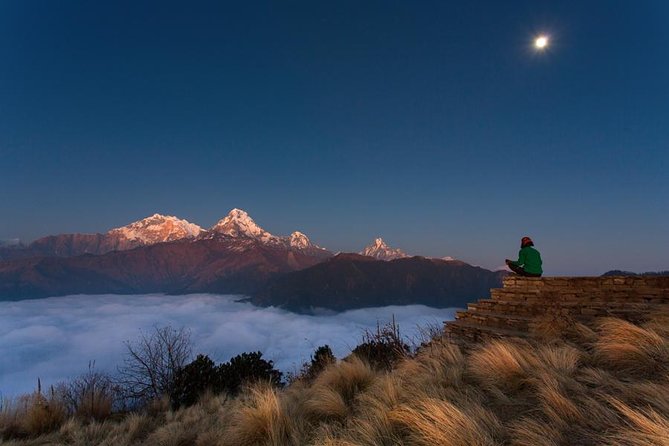
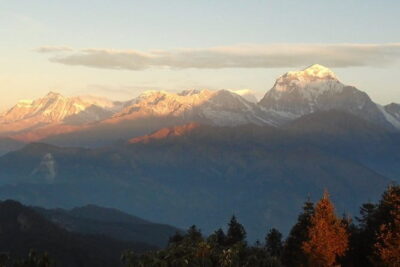
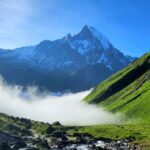
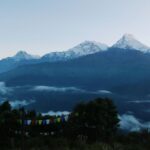
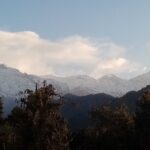
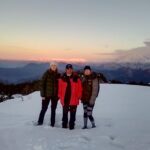
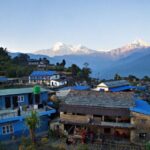
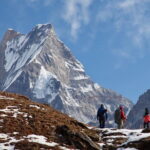
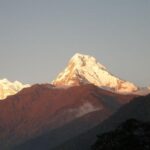
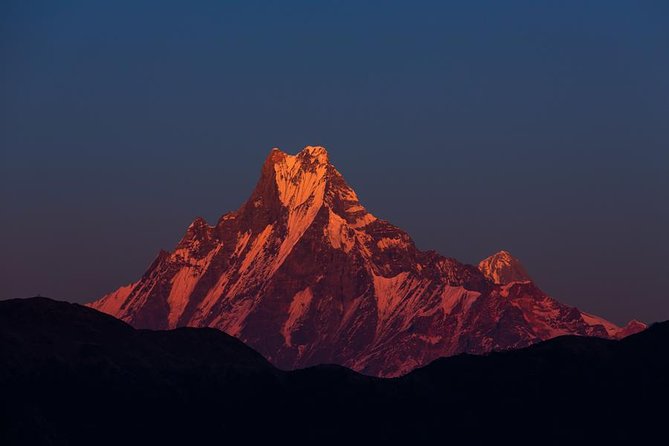
Day 3 is the moment. You’ll go up to Poon Hill early in the morning at dawn, and the hike to the viewpoint takes about one hour. The goal is sunrise, with big-mountain views that include Annapurna, Dhaulagiri, Machhapuchhre, and the Himchuli area.
This is the trek’s headline scene, and it’s why people choose this route. Sunrise from a high viewpoint gives you a sense of depth you don’t get from daytime sightseeing. It also helps explain why many hikers mention that they’re seeing 8000m-class peaks from this vantage—Annapurna and Dhaulagiri are both in that category.
What you’ll likely enjoy: the short, focused climb to the viewpoint followed by that clear “everything is brighter” feeling when the sun finally hits the ridgelines.
What to watch: you’ll be waking up early and walking in cold dawn air. Bring layers you can add and remove, and keep snacks handy. Even on easy treks, timing matters here.
Day 4: Reaching Ghandruk and the Gurung village stair life
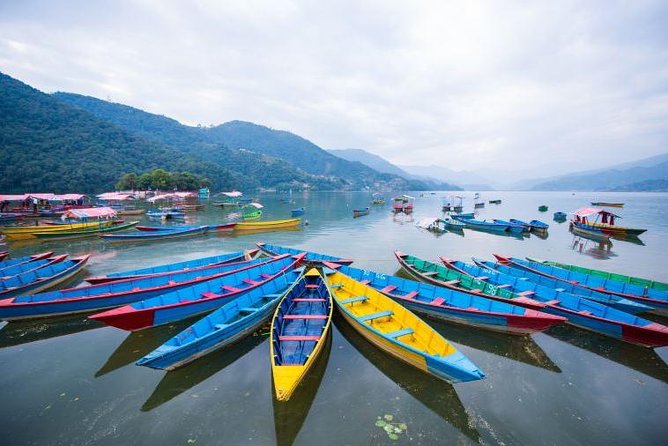
You move from the Ghorepani area to Ghandruk, described as a village of the Gurung communities. The hike is about 4 hours, and the experience emphasizes how the village is built around stair connections between small guesthouses and teahouses.
If Day 3 is about peaks, Day 4 is about people and place. Ghandruk gives you a more lived-in Nepal feel: smaller paths, frequent stairs, and a village layout that makes you slow down. It’s a good day to ask your guide questions about what you’re seeing, since the pace is lighter and the setting is more social.
What you’ll likely enjoy: the rhythm of village trekking where you’re not staring at a single viewpoint all day.
Potential drawback: stairs keep showing up. Even if the day is shorter in hours, the steps can still add up in your legs.
Day 5: The descent to Nayapul and back to Pokhara
On your final day, you descend from the teahouse early after breakfast, heading through familiar stone-step areas built on the gateway of Ghandruk toward Nayapul. The itinerary puts the walking day at about 6 hours.
This is where your body feels the trek most clearly. Descents can be just as tiring as climbs for knees and calves, especially after days of steps. Still, it’s a satisfying ending because you’re moving from village life back toward the easier rhythm of transportation and return to Pokhara.
Once you reach Nayapul, you’ll be transferred back and the activity ends back at the meeting point area.
What you’ll likely enjoy: you get a “close the loop” feeling.
What to watch: take downhill carefully. Short steps and controlled pace help a lot.
Teahouses, meals, and how to plan your day without stress
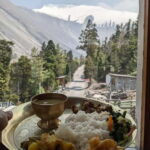
This trek includes overnight accommodations in guesthouses along the way, plus meals every day in the package (breakfast, lunch, dinner counts are included as listed). That matters because trekking in Nepal often becomes easier when food planning is handled.
Teahouses typically mean simple rooms, warm drinks, and the kind of meal schedule that matches trekking days. You’ll likely eat breakfast before hiking, take a lunch break on route, and have dinner when you arrive—so your energy stays predictable.
My practical advice: pack a small range of snacks you like for the gaps between meals, especially on the early sunrise day. Even with meals included, you’ll appreciate having a backup if you’re hungry before breakfast or want something quick during the climb.
Permits, porter support, and what to consider before you pack
Your itinerary includes the required permits for the region:
- TIMS
- Annapurna Conservation Area Permit
It’s also a small-tour setup with a certified professional guide and a porter system: 1 porter for 2 trekkers carrying all personal gear and group equipment. That’s a big comfort factor on a five-day trek. It means you can keep your pack light and focus on trekking rather than logistics.
At the same time, the package doesn’t include tips for guides and porters. If you want to travel with a budget you can manage, decide in advance what you feel is fair for the people doing the work.
Also, your booking will require a valid passport name, number, expiry, and country. Nepal entry visa fees must be paid directly by you.
Practical packing note: carry essentials in a day bag (layers, water, sun protection, and your camera plan). Let the porter handle the heavier items so your trekking bag doesn’t turn into an extra chore.
Fitness level and trail reality: what easy means on the ground
This trek is positioned as an easy excursion to Poon Hill and Ghandruk, and that’s fair in the sense that it’s not a technical climb. But easy doesn’t mean flat.
You’ll hike around 4 to 7 hours on different days, with steps and gradual ascent described on key sections. The trekking style is classic: steady effort, lots of foot placement on stairs, and consistent time moving. If you’re comfortable walking for a few hours and taking stairs without panic, you’re likely a good match.
If you’re new to trekking, it helps that the itinerary keeps days relatively contained and includes lodging and meals along the way. With a small group, your guide can help set a realistic pace.
Weather and sunrise strategy for Poon Hill
Sunrise is the big reason to be here, and the best strategy is simple: be ready, be patient, and don’t overcomplicate it. You’ll start early and hike to the viewpoint so you arrive for dawn. That means your day is already scheduled around a narrow time window.
Bring layers you can manage quickly. Dawn temperatures can feel sharp, and even if the view is clear, wind and cold can make waiting uncomfortable. If you want good photos, plan your spot early and expect some waiting before the mountains fully reveal themselves.
Who should book this trek
This is a great fit if you want:
- a short trek with real Nepal village energy
- the Poon Hill sunrise payoff without a long multi-week commitment
- a small-group experience where your guide can actually talk with you
- included teahouse nights, meals, permits, and porter support
It might not be for you if:
- you dislike early mornings
- you have trouble with repeated stair walking
- you want total freedom to change routes day by day (this trek is a guided plan)
Should you book the Ghorepani Poonhill Trek 5 Days from Pokhara?
If you’re choosing between doing this route solo and joining a structured small group, I think this one is worth serious consideration. The combination of Poon Hill sunrise, Ghandruk village, and a logistics-light setup (meals, guesthouses, permits, private transport, porter support) makes it a good value for most people who want Nepal trekking without turning the trip into a project.
Book it if you want an organized, beginner-friendly trek that still feels authentic. Skip it if early dawn hikes and step-heavy walking would frustrate you more than you can tolerate.
FAQ
How long is the Ghorepani Poonhill trek from Pokhara?
The itinerary is about 5 days.
Where does the trek start and when?
It starts back at Temple Himalaya Hotel and Spa in Pokhara, with a start time of 8:00 am.
What is the maximum group size?
The tour has a maximum of 9 travelers.
What does the $450 per person price include?
The package includes a certified professional guide, private vehicle transport, necessary permits (Annapurna Conservation Area Permit and TIMS), teahouse accommodation during the trek plus 1 night in Pokhara, and porter support (1 porter for 2 trekkers), along with a first aid kit and a trekking map. Meals included are breakfast (5) and lunch/dinner counts as listed in the package.
Are meals included every day?
Yes. Breakfast, lunch, and dinner are provided each day as part of the tour, with the listed counts for the days in the itinerary.
Do I need permits for this trek?
Yes. The tour includes the Annapurna Conservation Area Permit and TIMS.
Is a porter included?
Yes. The tour includes necessary porters, with 1 porter for 2 trekkers carrying personal gear and group equipment.
Does the tour include my Nepal entry visa fee?
No. Nepal Entry Visa fees should be paid directly by the guest.
What documents are needed to book?
A current valid passport name, number, expiry, and country are required at the time of booking.
Is travel or medical insurance included?
No. Travel and medical insurance are not included in the package for emergencies.