REVIEW · MARRAKECH
The secret of the camel trekking desert
Book on Viator →Operated by Vision Berbere · Bookable on Viator
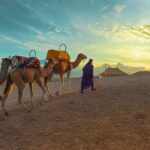
The desert quiet hits fast. This Sahara camel trek pairs big-sky solitude with warm campfire evenings and gives you an easy on-ramp from Ouarzazate. You also end with time in Marrakech, so you don’t just “do dunes”—you get the city buzz too.
I love how the experience leans on real teamwork: a lead guide (Mustapha shows up again and again in feedback) plus camel drivers, cooks, and a chef-style kitchen rhythm that keeps meals feeling like a highlight, not just fuel. I also like that the walking is staged in manageable chunks, with several days that are clearly set up for an “enjoy the pace” kind of trip.
One consideration: at $1,018.99 per person plus time on the road, it’s a serious commitment. If heat, long travel days, or sleeping in a bivouac style setup isn’t your thing, you may feel the trade-offs more than the rewards.
In This Review
- Key reasons this camel trekking desert trip works
- Ouarzazate arrival: your buffer night before the Sahara
- M’hamid and Ras N’Khal: the easy on-ramp into dune walking
- Erg Aït Ounir: when the day turns into views and quiet
- Erg Ezzahar: another half-day walk, then back to the camp rhythm
- Sidi Naji dunes and the M’hamid return: walking with a payoff
- Ouled Driss: the trek keeps its easy-to-moderate feel
- Back to Marrakech: souks, narrow streets, and a real bed
- Price and value: what $1,018.99 per person is buying
- Walking days, fitness level, and what easy means in real life
- Meals and camp atmosphere: why the food matters in the desert
- Who should book this camel trek, and who should skip it
- Should you book the secret of the camel trekking desert?
- FAQ
- How long is the camel trekking desert experience?
- Where does the trip start and end?
- Is pickup offered?
- What’s the maximum group size?
- What kind of fitness level do I need?
- How much walking should I expect?
- What meals are included?
- Are admission tickets included?
- What is not included in the price?
- What happens if weather is bad or the minimum number of travelers isn’t met?
Key reasons this camel trekking desert trip works
- Small group size (max 15) keeps the trek feeling calm and manageable
- Mustapha-style guidance focuses on safety and sharing Moroccan culture
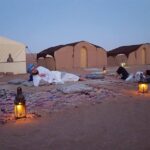
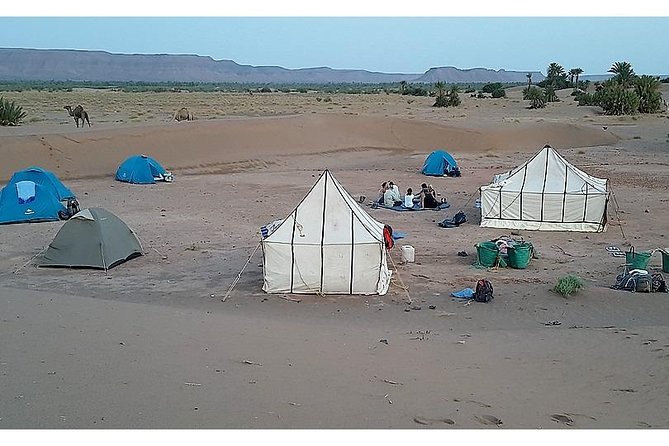
- Bivouac nights mean real “Sahara at night” time, with dinners built around the camp rhythm
- Staged walking (about 1.5 to 4.5 hours on most days) suits moderate fitness
- Marrakech follow-up lets you switch from dunes to souks instead of rushing straight back
Ouarzazate arrival: your buffer night before the Sahara
The trip starts in Ouarzazate, and that first night matters more than you’d think. You arrive, get picked up and transferred, and sleep in a comfortable bed-and-breakfast setup with breakfast included. It’s the kind of start that helps you feel human before you trade city routines for desert time.
What makes this opening night a plus is the pacing. Instead of jumping straight into sand the same day you land, you get a breather and a chance to settle in. Even if you’re coming in tired, you’ll wake up with the energy needed for a first day of moving through desert country.
If you like to ease into big travel changes, this format fits. If you hate waiting around, the “buffer” can feel like an extra stop—but in my view, it’s smart value.
You can also read our reviews of more tours and experiences in Marrakech.
M’hamid and Ras N’Khal: the easy on-ramp into dune walking
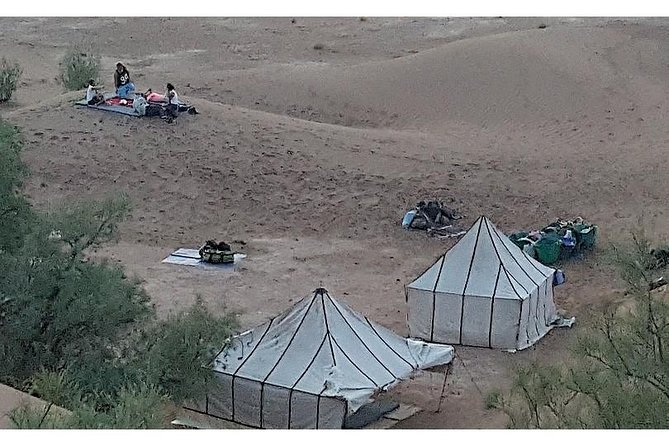
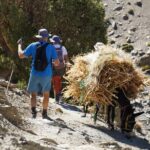
The next stretch moves you toward M’hamid and Ras N’Khal, with a shorter walking day that’s clearly designed to get your body used to the rhythm. You’ll spend the night in a bivouac, and that means the first real taste of Sahara life happens quickly—no long delay before you’re under open skies.
The walk time here is listed as about 1h30, which is unusually friendly compared with what comes later. This is the day you should treat like orientation: focus on steady steps, water habits, and getting your gear sorted before the longer dune days.
A drawback to flag: the day includes movement and then transitions into bivouac life. If you’re the kind of person who hates changing routines, you’ll want to arrive mentally ready for “camp mode” quickly.
Erg Aït Ounir: when the day turns into views and quiet
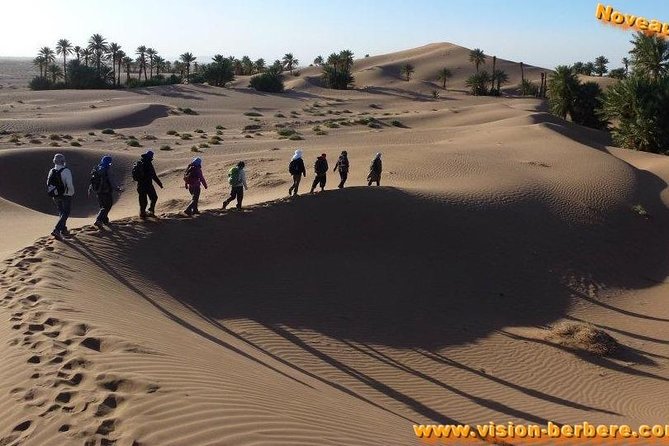
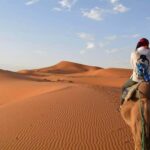
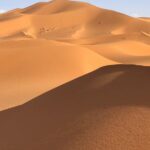
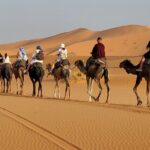
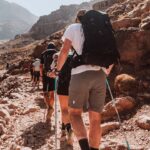
From Ras N’Khal you head toward Erg Aït Ounir with a longer walk (about 4h30). This is where the trip starts feeling like a true trek instead of a series of transfers. You’re out there for a good chunk of the day, and the pace lets you actually notice how the dunes change as the light shifts.
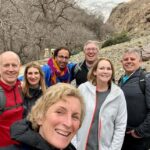
This stretch is also where I’d expect you to feel the group dynamic most. With a maximum of 15 people, you’re not stuck with a crowded pack. That helps because your day becomes conversational—questions from the back, guidance from the front, and time to breathe between steps.
One practical consideration: longer sand walking can feel tougher than expected even when the trip is labeled easy. If you’re fine with moderate effort and you pace yourself, you’ll enjoy this day. If you want a mostly car-based itinerary, you’ll likely feel the difference.
Erg Ezzahar: another half-day walk, then back to the camp rhythm
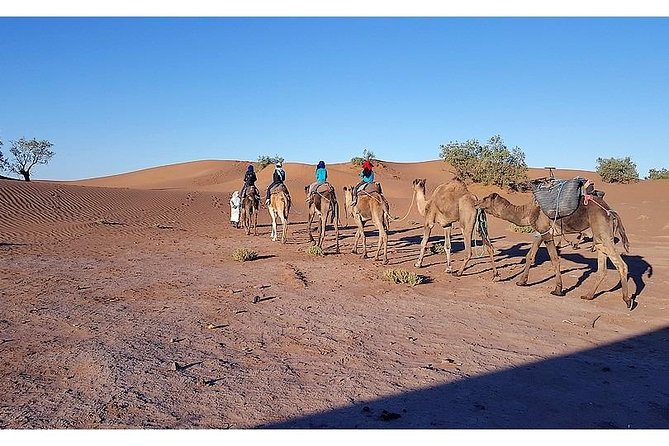
Next comes Erg Zaher and then onward to Erg Ezzahar, again with a long walk window listed around 4h30. The pattern stays consistent: hike, reach the next camp, eat well, rest, and reset for the stars.
I like this repeat structure because it makes the trip feel predictable in a good way. You’re not wondering how the day will go. You’ll have walking time, downtime, and meals that are clearly taken seriously.
This is also a good time to lean into the social side of desert travel—without forcing it. The best moments often come when you stop trying to “fill” silence. Conversations happen naturally around the camp setting, and you’ll get a sense of the people who make this work: camel handlers, cooks, and the broader bivouac team.
Sidi Naji dunes and the M’hamid return: walking with a payoff
On the way to Sidi Naji dunes, the route calls for another about 4h30 walking day and a night in bivouac. Then the plan brings you back toward M’hamid. That pivot matters because it gives the experience a shape instead of being a straight line.
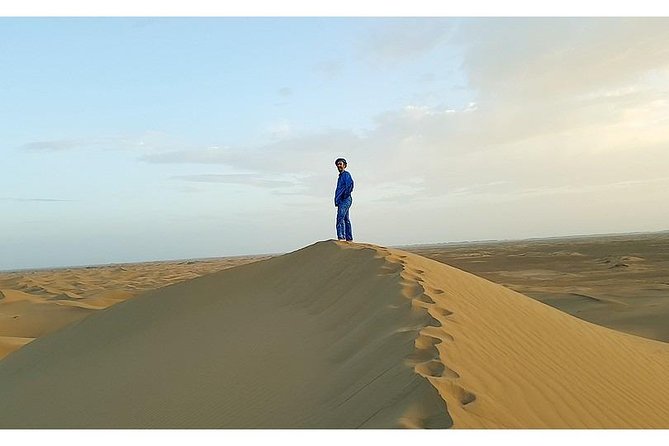
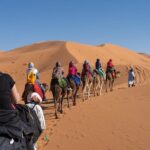
This part is where the promise of desert time becomes real: sunsets over the dunes, a sky that turns dramatically, and evenings that feel like a reset button. The trip description also points to relaxing around the fire, which matches what you’ll want after hours of walking.
If you’re sensitive to heat, this is where good planning pays off. The overall concept is built around desert heat and open air—so bring your sun protection habits and drink water consistently. Comfort in the Sahara is mostly the little decisions you make during the day.
Ouled Driss: the trek keeps its easy-to-moderate feel
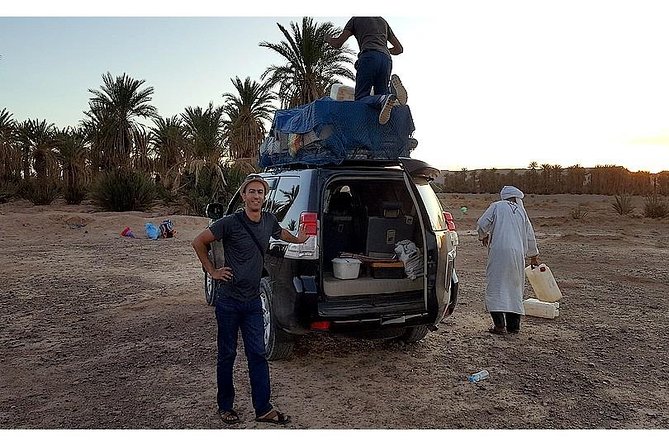
The day leading to Ouled Driss and Ras N’hkal has a slightly shorter walk listed at about 4h00. This is one of the places where your energy management really shows. You’ll be tired, but not fried—and that sweet spot is what makes the later night sky feel extra rewarding.
Also, this is where the “feel safe” reputation of the guide team becomes more than a marketing line. Feedback highlights Mustapha as attentive, experienced, and careful about group safety. In a desert setting, that calm competence matters.
You’ll end the day in another bivouac night. If you’ve been managing your day well, this is where you can fully enjoy it—star time, camp atmosphere, and the sense that you’re far from the normal clock.
Back to Marrakech: souks, narrow streets, and a real bed
After the desert stretch, the trip shifts back to Marrakech. You’ll travel toward Ouarzazate and then onward to Marrakech, with an overnight in a hotel or riad and breakfast included.
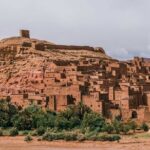
What makes Marrakech a smart finish is simple: it gives you a contrast. After days of open desert sky and camp meals, you get narrow streets and lively souks—plus the comfort of a real bed. The trip description calls Marrakech romantic and lively, and that’s the kind of emotional contrast that helps your desert memories stick.
Practical advice: don’t try to “tour hard” the same evening you arrive. You’ll feel the sleep debt. Instead, do a gentle wander, get oriented, and save your big shopping and sightseeing for the next morning if your schedule allows.
Price and value: what $1,018.99 per person is buying
At $1,018.99 per person, this isn’t a budget impulse. But the value story is clearer when you break down what’s included.
You’re getting:
- Breakfasts, lunches, and dinners across the multi-day stretch (breakfast 6, dinner 5, lunch 6)
- Several nights in a bivouac setup, plus hotel/riad time at the beginning and end
- Pickup offered, which saves hassle when you’re moving between cities
- A small-group cap (maximum 15), which you feel in the pace and atmosphere
- Multiple walking days that are clearly planned with a moderate fitness level in mind
Where the price can feel steep is if you don’t care about desert bivouacs or if you prefer a more comfortable level of rest. Also, this depends on what you consider “included” beyond meals and lodging—since repatriation insurance is not included, you’ll want to plan your own safety net.
Still, when a trip includes full food coverage for most days and runs with a team that handles the camels, cooking, and camp logistics, the cost starts to look more like a “whole system” package than just transport.
Walking days, fitness level, and what easy means in real life
The trip is described as easy with a moderate physical fitness requirement. That usually means: you’re not expected to do technical hiking, and the days are structured around manageable walking blocks.
Looking at the walk times, you’ll see ranges from about 1h30 up to roughly 4h30 on multiple days. Even with a gentle pace, sand walking can tax your legs. The trick is to keep your steps steady, take water breaks, and follow the guide’s lead rather than trying to power through.
If you’re recovering from an injury, have mobility limitations, or hate uneven footing, I’d be cautious. But if you can handle a few hours of walking with breaks and you’re comfortable sleeping in a bivouac setting, this format is built for you.
Meals and camp atmosphere: why the food matters in the desert
A big theme in the experience is the camp rhythm: dinner after walking, time around the fire, and the feeling that the evenings are part of the “destination,” not just downtime. Meals are included daily in a structured way (breakfasts 6, lunches 6, dinners 5).
What I like about this setup is that it removes decision fatigue. In the desert, you don’t want to spend energy figuring out where food is coming from or how it will work. This trip keeps you focused on walking, resting, and enjoying the sky.
Feedback also points to strong cooking and a team approach—camel makers, cooks, and a chef-style presence. That’s exactly what you want when you’re far from restaurants and you’re relying on people to get the logistics right.
Who should book this camel trek, and who should skip it
This trek is a great fit if you want:
- A calm, small-group experience with real desert time
- A structured trek with manageable walking hours
- Strong camp atmosphere—fire evenings and starry skies
- A two-world trip: Sahara days plus Marrakech streets
Skip it (or at least think hard) if you:
- Want mostly comfortable hotel nights throughout
- Don’t like heat-focused outdoor days
- Are unwilling to spend time walking several hours a day
Also, if you love guides who explain culture and keep the group safe, this trip has that energy. Mustapha’s name shows up repeatedly in feedback as someone attentive to the whole group.
Should you book the secret of the camel trekking desert?
I’d book this if you’re looking for a full desert week with meals handled, a real bivouac rhythm, and a confident guide team. The best part is the balance: enough walking to feel like a trek, but structured enough to stay enjoyable, plus a satisfying Marrakech finish.
I wouldn’t book it if your top priority is comfort above all else or if you know you can’t handle sleeping in a bivouac-style setup. And at $1,018.99, make sure you’re booking because you want the whole package, not just a taste of the Sahara.
If you want, tell me your travel month and your walking comfort level, and I’ll help you sanity-check whether this plan matches your energy.
FAQ
How long is the camel trekking desert experience?
The experience runs for 8 days approximately.
Where does the trip start and end?
It starts in Ouarzazate and finishes in Marrakech, after a transfer that also involves Ouarzazate.
Is pickup offered?
Yes, pickup is offered.
What’s the maximum group size?
The tour/activity has a maximum of 15 travelers.
What kind of fitness level do I need?
A moderate physical fitness level is recommended, and the trip is described as easy.
How much walking should I expect?
Walking times vary by day, with listed walking durations ranging from about 1h30 to about 4h30, depending on the day.
What meals are included?
Breakfast is included 6 times, lunch is included 6 times, and dinner is included 5 times.
Are admission tickets included?
Admission tickets are listed as free for the stops shown.
What is not included in the price?
Repatriation insurance is not included.
What happens if weather is bad or the minimum number of travelers isn’t met?
The experience requires good weather; if it’s canceled due to poor weather, you’ll be offered a different date or a full refund. If it’s canceled because the minimum number of travelers isn’t met, you’ll be offered a different date/experience or a full refund.