REVIEW · KATHMANDU
Mardi Himal Trek
Book on Viator →Operated by Ace the Himalaya · Bookable on Viator
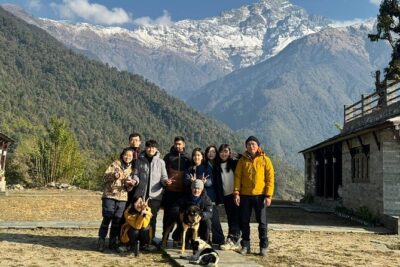
Mardi Himal is quieter than you expect. This 10-day trek in Nepal’s Annapurna region stays mostly off the main foot traffic, then rewards you with up-close mountain views and days spent moving through forest and high ridges.
I especially like how the experience is set up to make trekking feel manageable: transfers are handled, you get a licensed English-speaking guide, and you even receive a down jacket plus sleeping bag for the trail nights. I also like the people side, since groups have been led by guides such as Ishwor, Rajan, Deepak Neupane, Ram, and Krish, with extra support from sherpas like Suka and Bizal and a porter such as Kismat.
One consideration: it’s not a flat walk. You’ll deal with a steep climb, cold air above the tree line, and even snow on the grassy ridges in some seasons, so plan for boots, layers, and a pace you can hold comfortably.
In This Review
- Key things I’d pay attention to
- Why Mardi Himal Feels Different Than the Usual Annapurna Routes
- Kathmandu Arrival: Transfers and the Pre-Trek Setup That Saves Stress
- Pokhara Day: The Drive You Actually Get to Enjoy
- Kande to Australian Camp: Starting With Big Views (and a Real Climb)
- Forest Camp via Deurali: Oaks, Rhododendron, and Real Quiet Trails
- Low Camp and the Ridge Above the Trees: Snow Shows Up
- High Camp to the Upper Viewpoint: Cold Air, Big Panoramas
- The Descent to Sidhing and Back to Pokhara
- Meals, Guides, and Provided Gear: Where This Package Adds Value
- Price and Logistics: What You’re Paying For, and One Thing to Clarify
- Should You Book Mardi Himal with Ace the Himalaya?
- FAQ
- How long is the Mardi Himal trek?
- Where does the trip start and end?
- Is pickup included in the price?
- What accommodations are included?
- Is a guide and porter included?
- What trekking gear is provided?
- Are permits included?
- Do I need travel insurance?
- What is the cancellation policy?
Key things I’d pay attention to
- Small-group trekking (max 15) so the pace and logistics don’t feel chaotic
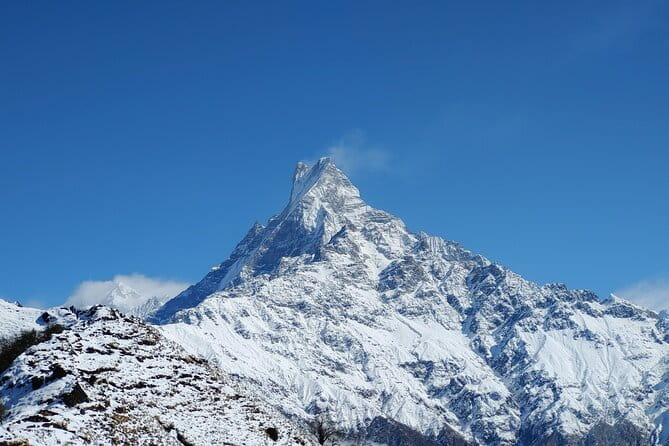
- Forest Camp and Deurali bring a genuine jungle mood with oak, maple, and rhododendron trails
- Ridge days with possible snow add a real mountaineering feel without being technical
- Accomplishment on the upper viewpoint / Mardi Himal Base Camp with big panoramic mountain views
- Provided trekking essentials like a down jacket and sleeping bag, plus a duffel/kit bag and sun hat you keep
Why Mardi Himal Feels Different Than the Usual Annapurna Routes
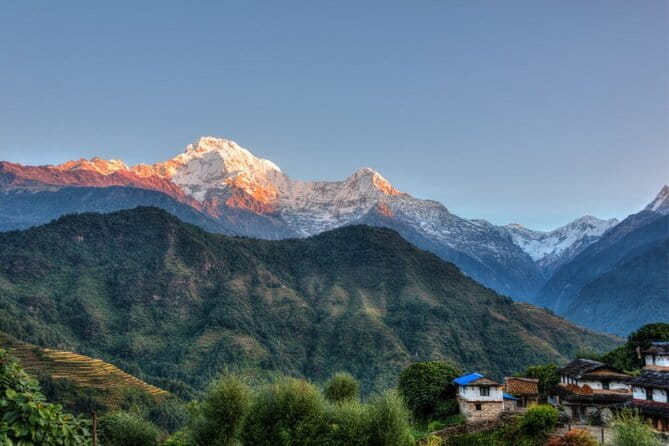
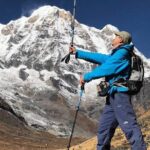
Mardi Himal sits south of the famous Annapurna Base Camp trail, and that location matters. In the favorable seasons, you’re far less likely to feel surrounded by other trekkers day after day. Instead, you’ll feel more like you’re sharing the mountains with local communities and the occasional group—plus the trail has a way of going quiet when you step into the forest stretches.
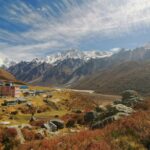
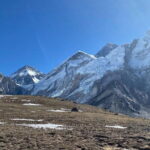
The second difference is the variety of scenery. You start in areas that feel village-and-river close, then you climb through cool wooded paths, and eventually you reach grassy ridges where the mountains seem to grow larger with every hour. That change in “world” is one of the reasons I think people love this trek: you’re not repeating the same view all day, even when the daily routine stays similar (walk, rest, tea, repeat).
That said, fewer crowds doesn’t mean fewer challenges. The route includes steep sections and colder conditions as you move higher, so you’ll want to show up ready to work a little.
You can also read our reviews of more tours and experiences in Kathmandu.
Kathmandu Arrival: Transfers and the Pre-Trek Setup That Saves Stress
Your trip starts in Kathmandu at Tribhuvan International Airport. An airport representative meets you outside the terminal with an Ace the Himalaya signboard and transfers you to a three-star hotel using a private tourist vehicle. It’s a simple detail, but it’s the kind of thing that prevents that first-day confusion where you’re trying to figure out transport with jet lag.
Before you head out, there’s a pre-trek meeting. You’ll meet your trek leader/guide, get your trek duffel bag and cap, and have time to ask questions. The practical paperwork part is worth treating seriously: bring your passport, three passport-size photos, and a readable copy of your travel insurance policy. You’ll also sign a legally binding trip form and a non-liability disclaimer—standard in trekking packages, but still important to read.
This setup is a good fit if you want to travel independently during downtime, but still have the hard parts handled. You’ll also benefit from having a small group size (maximum 15), which tends to make these early instructions actually stick.
Pokhara Day: The Drive You Actually Get to Enjoy
Pokhara is the launchpad for most Annapurna-area treks, and on this plan you get there by tourist bus. It’s about 200 km and typically takes 6–7 hours, starting with an early departure. What makes it feel worthwhile is that you’re not stuck staring at a window the whole time—along the way you pass rivers and changing scenery, including the Trishuli and Marshyangdi Rivers.
Once you arrive, you get transferred to your hotel and you can ease into your trekking mindset without planning every meal and transport step. This also matters for altitude prep in a practical way: you’re not climbing immediately out of Kathmandu. You get a real pause, plus a chance to rest your legs and sort out any last-minute personal gear.
Just keep in mind that travel days still count as travel days. If you’re sensitive to long rides, plan for a slower evening and early sleep.
Kande to Australian Camp: Starting With Big Views (and a Real Climb)
After breakfast in Kathmandu or Pokhara, you head toward Kande by jeep—about one hour—then you begin trekking by walking upward. The early focus here is getting into rhythm: the walk to Australian Base Camp takes around three hours. Even on your first trekking day, the area has that classic Annapurna feel—tight paths, slopes that steadily rise, and a landscape that keeps changing every time you crest a small ridge.
Australian Camp is a key stop because it offers a clear-day view toward major peaks. The plan specifically highlights sights of the Annapurna range, Machhapuchhre (Fishtail), and the Manaslu range. That matters for motivation. When you can point at mountains and realize you’re moving toward them, the rest of the trek feels more meaningful than just distance on a map.
The potential drawback on Day 3 is that it’s an uphill start. It’s not described as technical, but it’s still a climb. If you want to keep the rest of the trek comfortable, use a steady pace rather than pushing to reach the camp quickly.
Forest Camp via Deurali: Oaks, Rhododendron, and Real Quiet Trails
Day 4 shifts the mood fast. After breakfast, you walk for about 6–7 hours to Forest Camp. The route goes slightly downhill from Base Camp to Pothana (1950 m), then climbs again to Deurali (2100 m). From Deurali, you follow a sign pointing right toward Forest Camp.
What you get for that effort is a “quiet jungle” feeling. The trail enters wooded stretches with oak trees, maples, and rhododendrons, and this is where the trek starts to feel more like a living ecosystem than just a corridor to higher viewpoints. Even if you’ve trekked elsewhere, this kind of forest segment is a nice reset from constant mountain staring.
The tradeoff is time and footing. Forest trails can be slightly slippery depending on conditions, and the walk duration is long enough that you’ll want to take short, consistent breaks rather than long rests that cool you down.
When you reach Forest Camp, you finally get your first proper pause in a spot where the mountains are present but not dominating every second. That balance is part of why people find Mardi Himal different.
Low Camp and the Ridge Above the Trees: Snow Shows Up
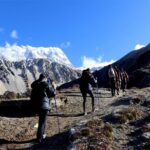
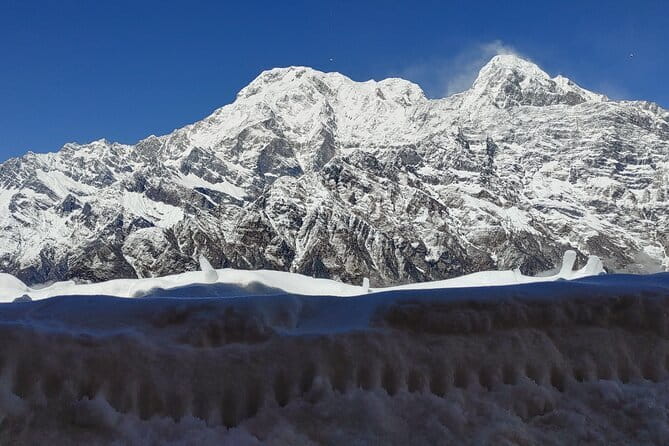
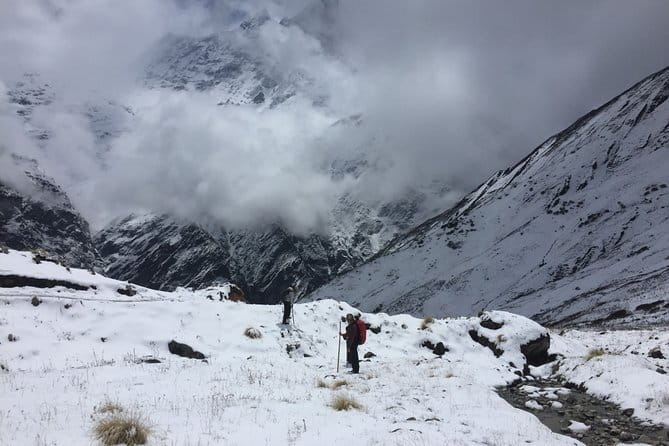
On Day 5, the day’s big moment is leaving the forest and stepping onto a grassy ridge. After a steep climb for a few hours, you’ll come out into open terrain. The plan notes that the ridge can be full of snow at times, which is a real detail to keep in mind.
Once you’re on that ridge, the mountains seem closer. The walking is described as 6–7 hours to Low Camp, and the payoff comes in the afternoon when you can settle in with tea and start acclimatizing while looking at the up-close views of Annapurna South and Machhapuchhre.
This is also a day where your body will tell you what you need. If you push too fast in the steep section, you’ll feel it later. If you pace well, the ridge day becomes one of those rare trek moments where the scenery actively helps you keep going.
Practical takeaway: pack warm layers even if earlier days felt mild. Snow on the ridge doesn’t mean you need mountaineering skills, but it does mean the temperature shift is real.
High Camp to the Upper Viewpoint: Cold Air, Big Panoramas
Day 6 starts with an early wake-up for sunrise views. Then you walk after breakfast along grassy ridges where snow can appear in winter conditions. The route ascends for hours, and eventually you move above the tree line—so you’ll feel the temperature drop as you go.
Your time to High Camp is about 4–5 hours after walking above the tree line. That’s shorter than some other days, but the colder air and the open exposure can make it feel longer than the clock suggests. High Camp is the staging area for your next objective.
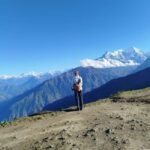
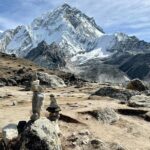
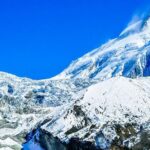
Day 7 is the “you earned this” day. You wake early again and hike for a few hours to the upper viewpoint, also called Mardi Himal Base Camp. The view described here is the main reason people plan this trek: Annapurna Sanctuary visible, plus panoramic views of the south face of Annapurna, Himchuli, and Machhapuchhre.
After spending a few hours there, you return to High Camp for breakfast, then continue with rest and a descent to Low Camp (about two hours). This back-and-forth style is smart. You get your summit-view style payoff without needing technical climbing, and you still get to sleep in the lower area afterward.
A realistic warning: cold mornings can slow your legs even when the trail is straightforward. Dress in layers and don’t wait until you feel chilly to add warmth.
The Descent to Sidhing and Back to Pokhara
Day 8 turns the dial from altitude effort to downhill relief. You descend to Sidhing village, with about five hours of walking described and a drastic change in elevation. Then you stop for lunch in Sidhing and drive back to Pokhara by 4WD jeep.
This day is often where your feet will be most honest. Downhill sections can be harder on knees than uphill feels. If you bring trekking poles (not included, but common personal equipment), you’ll likely appreciate them on descents like this.
Back in Pokhara, you have a built-in chance to reset. The trek ends with a sense of celebration after the successful route back down to the valley life.
Meals, Guides, and Provided Gear: Where This Package Adds Value
The package includes licensed English-speaking trekking guide support, guesthouse accommodation in twin-share and dormitory rooms during the trek nights, and a porter for two clients. That porter detail is a big deal in real life. It means you can keep your load manageable, especially on the steeper days.
You also receive trekking comforts before you start: a down jacket and sleeping bag for the trek (to be returned), plus a duffel/kit bag and sun hat that you keep. That reduces the hassle of packing bulky items for a trip that’s mostly about moving from place to place.
Food is included on the trek itself: breakfast is listed for nine mornings, lunch for six days, and dinner for six evenings. Meals in Kathmandu and Pokhara outside the trek are not included, so you’ll still want to budget for those final nights and the farewell meal area.
The guide experience also shows up clearly in feedback from previous groups. People highlight feeling safe and taken care of, with leaders like Ishwor and others guiding at a comfortable pace and making the whole trip feel organized. Even if you’re comfortable outdoors, this kind of human support is what keeps a trek from feeling stressful.
Price and Logistics: What You’re Paying For, and One Thing to Clarify
At $821.34 per person for roughly 10 days, the value depends on what you’re comparing against. Here, you’re not just paying for trail days. You’re covering airport transfers, Kathmandu and Pokhara hotels (two nights each), tourist bus travel between Kathmandu and Pokhara, and the ground transport between Pokhara, Kande, Sidhing, and back. You also have permits included, plus guide and porter support.
Still, there’s one item you should double-check before you commit. The included list mentions airfare from Kathmandu–Lukla–Kathmandu, but your described trek route starts from Kande and doesn’t mention Lukla days in the day-by-day flow you’ll follow. It might be tied to something not shown here, or it could be a packaging artifact. Either way, ask Ace the Himalaya to confirm exactly what flights are included for your departure dates.
Also note that alcohol, drinks, and personal hot/cold beverages are not included, and tipping for guide and driver is expected. You’ll want a realistic tip budget so you don’t feel pressured at the end.
If you’re traveling with a friend or small group, twin-share and dormitory options help keep costs reasonable. If you need more privacy, ask how room assignment works in practice since you’ll be in twin-share/dorm categories for the trek nights.
Should You Book Mardi Himal with Ace the Himalaya?
If you want a trek that feels quieter than the more famous Annapurna routes, this is a strong choice. The day-to-day mix of forest, ridges, tree-line exposure, and big viewpoint rewards makes it easy to stay interested. I’d also recommend it if you like a structured plan with real support: transfers, permits, guide help, porter support, and provided sleeping gear.
I’d pause and think twice if cold mornings and snow conditions would make you uncomfortable, or if long travel days (Kathmandu to Pokhara and back) wear you out. You also need a moderate fitness level, and some days include steep climbs and long walking hours.
My practical advice before booking: confirm the included flight piece (the Lukla mention), pack layers for open-ridge cold, and keep your pace steady on steep sections. If you do those things, Mardi Himal can feel like a calm, rewarding Annapurna circuit cousin—minus the crowds you were trying to escape.
FAQ
How long is the Mardi Himal trek?
The program runs about 10 days.
Where does the trip start and end?
It starts at Tribhuvan International Airport in Kathmandu and ends back at the meeting point in Kathmandu.
Is pickup included in the price?
Yes. The trip includes airport transfers, and you’ll be met at Tribhuvan International Airport.
What accommodations are included?
The package includes three-star hotel stays in Kathmandu (2 nights) and Pokhara (2 nights). During the trek, you’ll stay in guesthouses in twin-share and dormitory rooms for 5 nights.
Is a guide and porter included?
Yes. A licensed English-speaking trekking guide is included, along with 1 porter for two clients.
What trekking gear is provided?
A down jacket and a sleeping bag are provided for the trek (to be returned). You also receive a duffel/kit bag and sun hat that you keep.
Are permits included?
Yes. Permits for trekking are included.
Do I need travel insurance?
Travel insurance is not included, and you’re asked to bring a readable copy of your travel insurance policy to the pre-trek meeting.
What is the cancellation policy?
Free cancellation is available if you cancel up to 24 hours in advance for a full refund. If it’s canceled due to poor weather, you’ll be offered a different date or a full refund.