REVIEW · POKHARA
4 Days Poon Hill Trek
Book on Viator →Operated by Swami Narayan Travels Pvt Ltd · Bookable on Viator
Four days, one big sunrise. This Poon Hill trek from Pokhara gives you a real taste of the Annapurna region without committing to a long, exhausting climb. Two things I really like are the Poon Hill sunrise panorama and the fact it’s a private trip, so your guide can match the pace to your group.
The one trade-off: the overnight stops are basic guesthouses. They’re workable and clean, but if you expect hotel-level comfort, you may feel a bit underwhelmed.
In This Review
- Key Things to Know Before You Go
- Why This 4-Day Poon Hill Trek Works So Well From Pokhara
- Price and What You Actually Get for $287.92
- Day 1: From Pokhara to Nayapul, then Hile and Ulleri
- Day 2: Ghorepani Through Rhododendron Forests
- Day 3: Poon Hill Sunrise, Then the Trek to Tadapani
- Day 4: Ghandruk Gurung Village and the Jeep Back to Pokhara
- The Private Group Advantage and Guide Support
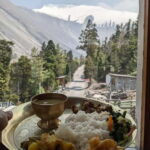
- Guesthouses, Tea Stops, and the Real Food Budget
- Weather, What to Wear, and How to Improve Your Chances for Clear Views
- Who This Trek Is Best For (And Who Might Want a Different Plan)
- Should You Book This 4-Day Poon Hill Trek From Pokhara?
- FAQ
- How long is the Poon Hill trek?
- Where does the trek start and end?
- Do I get hotel pickup and drop-off?
- What trekking difficulty level is expected?
- Are permits and TIMS included?
- Are meals included?
- Is Poon Hill admission included?
- FAQ
- What is the cancellation policy?
- What’s the guide situation for a solo traveler?
- Is it a private tour or shared with other people?
- What transport is included on the return trip?
- Is the trek permit handled by the provider?
Key Things to Know Before You Go
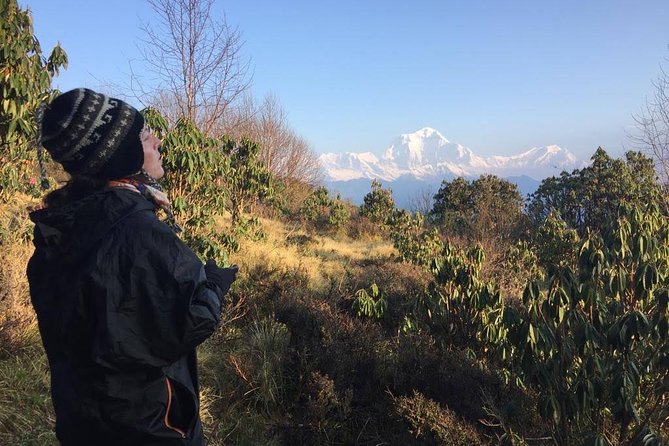
- Private pace, not a cattle-line trek: your guide can adjust the rhythm for your group.
- Rhododendron forests on the way to Ghorepani: green trails plus big views when the sky behaves.
- Sunrise at Poon Hill is the main event: plan to move early for the best chance at clear light.
- Village walking with tea stops: Hile, Ulleri, Ghorepani, Tadapani, and Ghandruk keep the days human-sized.
- Poon Hill entry fee isn’t included: budget a little extra for the viewpoint access.
Why This 4-Day Poon Hill Trek Works So Well From Pokhara
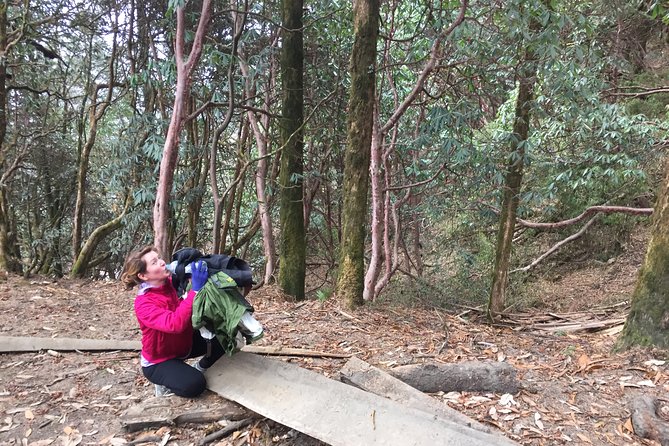
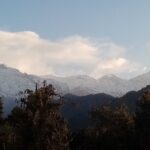
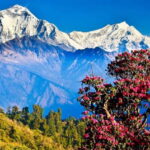
Poon Hill is famous for a reason: it’s one of the most efficient ways to enjoy wide views over the Annapurna Range. The best part of this 4-day format is that it’s paced for a short break in Nepal, not for a hardcore expedition.
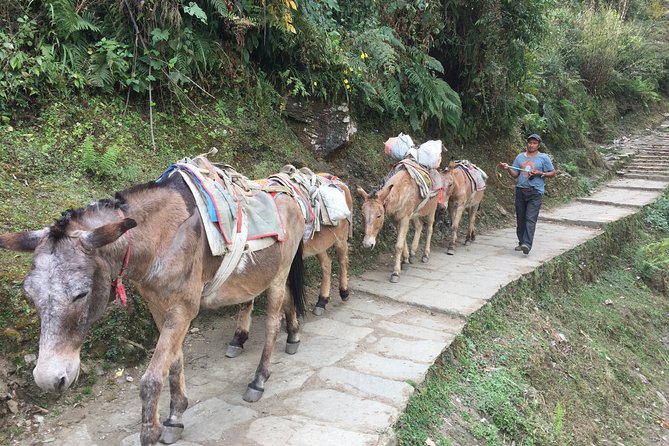
You’ll start in Pokhara and work your way through villages at trekking height but without the kind of brutal, day-after-day altitude suffering you see on longer routes. The trail stays active, yet you’re never stuck in one endless climb. Tea houses and hamlets break up the effort, so you can rest, chat, and actually experience the rhythm of daily mountain life.
You can also read our reviews of more tours and experiences in Pokhara.
Price and What You Actually Get for $287.92
At $287.92 per person, you’re paying for the convenience of a guided, organized trek with key logistics handled. Here’s what you get in practical terms:
- Hotel pickup and drop-off in Pokhara
- Trekking permit and TIMS included
- An English-speaking trekking guide
- Guesthouse accommodation according to the plan
- A private group with your guide
- Transfers: a private car from Pokhara to Nayapul, plus a shared jeep back toward Pokhara
What’s not included matters just as much:
- Meals (you’ll buy food and drinks along the way)
- Poon Hill viewpoint admission
- Rescue costs in an emergency
- Optional gratitude
In other words, this price is strongest if you want structure, paperwork handled, and someone to guide your timing. If you’re the type who already knows the route and prefers total independence, this might feel like extra cost. But if you value smooth coordination and a guide who keeps you moving safely, the value tends to make sense.
Day 1: From Pokhara to Nayapul, then Hile and Ulleri
Day one starts with a private car ride from your hotel to Nayapul. Plan for about 1 hour 30 minutes of driving. It’s a good warm-up and a nice way to avoid wasting your first morning trying to arrange transport.
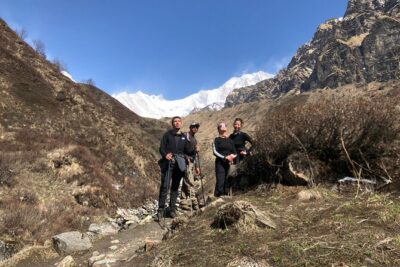
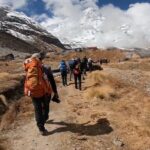
Once you start trekking, the route walks you through village life instead of cutting through empty trails. You’ll trek toward Hile (about 3 hours) and then continue on to Ulleri (another 2 hours). This is a classic way to ease into the rhythm: steady effort, frequent chances to stop, and a sense of the community you’re moving through.
A small but real tip: the first day sets your energy for the rest. If you come in fast because you’re excited, you’ll pay for it later. A good guide will help you find a pace you can repeat for the next days.
Day 2: Ghorepani Through Rhododendron Forests
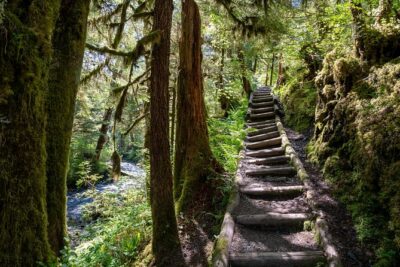
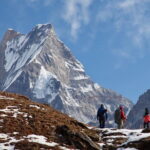
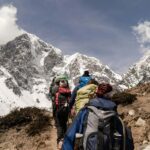
Day two is where the trek starts to feel more scenic and atmospheric. You’ll hike about 6 hours to Ghorepani, moving through rhododendron forests with Annapurna views showing up behind you when visibility is good.
Even if clouds roll in, the forest walking is still enjoyable. The leaves, the shade, and the constant change of direction help break up mental fatigue. And Ghorepani is the staging point for the sunrise goal. You’re not just getting closer to Poon Hill—you’re building the timing you’ll need for early morning.
This is also a good day to pay attention to your breathing and foot comfort. Any blister you ignore on day two becomes a bigger problem when the schedule demands early starts.
Day 3: Poon Hill Sunrise, Then the Trek to Tadapani
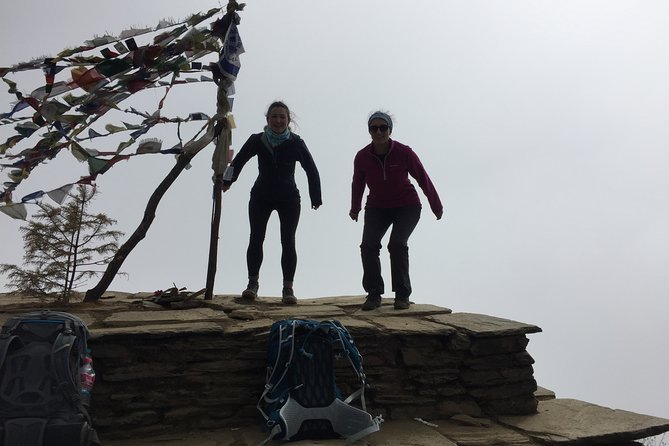
This day is the reason people do the whole trip.
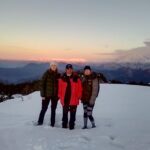
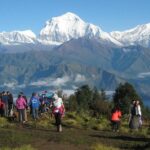
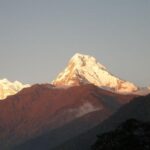
You’ll head from Ghorepani to Poon Hill (about 2 hours), with sunrise as the highlight. Because it’s specifically noted as the best viewpoint for Annapurna views and sunrise, you should expect the morning to feel like a mission: early movement, then a payoff with broad Himalayan sightlines.
After sunrise, you don’t just celebrate and stop. The plan has you hike back toward Ghorepani, then continue on to Tadapani (about 6 hours total for this main portion). That means day three is longer than it looks on paper. The downhill and continued walking after the view can still feel like work.
One small detail that can help: after sunrise viewing, people often get a burst of energy. Then they pay attention to the wrong thing, like standing around too long. If you keep moving and manage your pace, day three stays manageable.
Day 4: Ghandruk Gurung Village and the Jeep Back to Pokhara
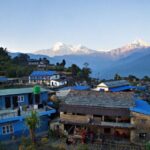
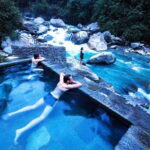
Day four balances views and descent. You’ll trek down to Ghandruk, a Gurung village, for about 3 hours. This part of the route is valuable because it shifts your focus from getting altitude to experiencing culture and settlement patterns.
Then it’s transfer time. You’ll take a shared local jeep from Ghandruk or Kimche back to Nayapul (about 2 hours), followed by a private car drive to Pokhara (about 1 hour 10 minutes). That mix is practical: it saves time and reduces logistics stress at the end.
I like this finish because you come out of the mountains and into a real-world place feeling like you earned it, not just like you checked a box.
The Private Group Advantage and Guide Support
This is set up as a private trip, meaning it’s only your group with your guide. In practical terms, that often matters more than people think. You can ask questions, stop when you want photos, and keep your pace without waiting on a larger group.
The guide support shows up strongly in the feedback too. Names that come up include Krishna and Sunil Dahal, and the service quality is repeatedly praised. One solo trekker specifically highlighted that even when traveling alone, the experience didn’t feel lonely because of the guidance and support.
That’s the kind of detail you should take seriously when picking a short trek. On a small-route itinerary, the guide can make the difference between feeling rushed and feeling in control.
Guesthouses, Tea Stops, and the Real Food Budget
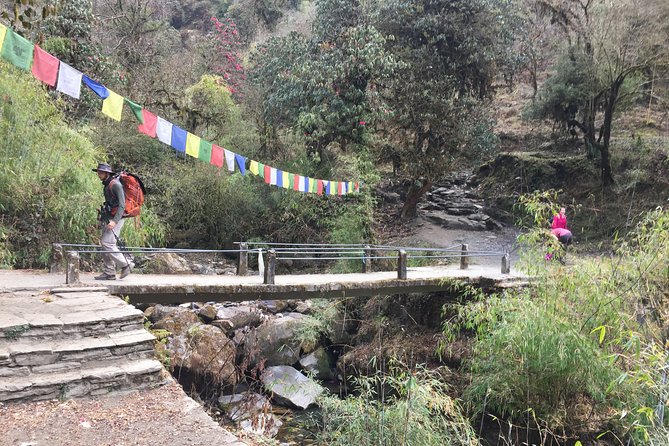
The route is built around village stops and tea houses, so meals are part of the experience even if they’re not included. The plan includes guesthouse accommodation, but expectations should stay realistic.
One review noted that lodges were basic but clean. That matches what you should assume on a short, popular trek: simple rooms, shared bathrooms sometimes, and no luxury promised. Your best move is to pack for comfort, not for hotel living.
Since meals aren’t included, budget for:
- Breakfast before trekking segments
- Lunch along the trail
- Dinner at your guesthouse
- Hot drinks during tea stops
Also remember: on the trail, it’s easy to snack your way through the day. If you’re trying to keep energy steady, plan for regular small meals rather than waiting until you’re starving.
Weather, What to Wear, and How to Improve Your Chances for Clear Views
Short treks tempt people to pack lightly. That’s fine, but Poon Hill mornings can feel cold, especially if skies clear just enough to show the peaks. Your best approach is layers.
From a planning standpoint:
- Start early for Poon Hill so you can enjoy the moment when the light hits
- Keep your schedule realistic even if you feel good after breakfast
- Expect that clouds can change quickly on mountain routes
The itinerary is designed as a moderate trek, and that’s reflected in the time you’ll spend walking each day. But moderate doesn’t mean easy. You’ll still want good shoes and attention to foot care.
If you’re the type who gets cold easily, treat morning temps seriously. Bring layers you can adjust while walking.
Who This Trek Is Best For (And Who Might Want a Different Plan)
This 4-day Poon Hill route is a strong fit if you want:
- A short trek with big Annapurna views
- Village walking and tea stops rather than remote trekking only
- A guide-led experience with a private pace
- Guesthouse stays instead of camping logistics
It’s also a good choice if you’re traveling on your own but don’t want to feel detached. Support from the guide and team is a recurring theme in the feedback.
You might reconsider if:
- You want modern hotel comfort at night
- You hate paying extra for meals and small on-the-ground fees
- You’re looking for a long wilderness challenge rather than a short mountain introduction
Should You Book This 4-Day Poon Hill Trek From Pokhara?
If you’re trying to see the Annapurna Range in a short timeframe, this plan is easy to recommend. The combination of sunrise at Poon Hill, a village route, an English-speaking guide, and the included permits and transfers makes it a practical way to travel smart.
Book it if your priority is a guided, well-paced trek where your group can move at its own speed and you don’t want to manage permits and transport alone. Skip it only if you’re chasing luxury lodging or you want total independence with no guide and no organized logistics.
One last useful move: when you book, ask who your guide will be. Names like Krishna and Sunil Dahal show up in the service feedback, and a good guide choice can set the tone for every day.
FAQ
How long is the Poon Hill trek?
It runs for about 4 days.
Where does the trek start and end?
It starts in Pokhara, with driving to Nayapul at the beginning, and it ends back in Pokhara on the final day.
Do I get hotel pickup and drop-off?
Yes, hotel pickup and drop-off in Pokhara are included.
What trekking difficulty level is expected?
The trek is described as moderate, and travelers should have a moderate physical fitness level.
Are permits and TIMS included?
Yes. The trekking permit and TIMS are included.
Are meals included?
No. All meals and personal expenses are not included.
Is Poon Hill admission included?
No. The Poon Hill viewpoint admission ticket is listed as not included.
FAQ
What is the cancellation policy?
Free cancellation is available. You can cancel up to 24 hours in advance for a full refund.
What’s the guide situation for a solo traveler?
The trip is private, and the service is described as supportive even when traveling alone.
Is it a private tour or shared with other people?
It’s private. Only your group will participate.
What transport is included on the return trip?
You’ll take a shared local jeep from Ghandruk or Kimche to Nayapul, then a private car drive back to Pokhara.
Is the trek permit handled by the provider?
Yes. Trekking permit and TIMS are included in the package.