REVIEW · POKHARA
Annapurna Sanctuary Trek
Book on Viator →Operated by Outshine Adventure Pvt Ltd · Bookable on Viator
A Himalayan trek with real support for your comfort. This Annapurna sanctuary-style package works because you get private car logistics and a trained team handling the hard parts, plus included permits and trekking gear basics. I also like the small-group setup (max 15) and the way the company emphasizes clear briefings. One possible drawback: meals and drinks are not included, and you’ll want to budget for food along the way.
What makes it feel like good value is what’s included on paper and what that means in practice: you get eight nights of lodge/guesthouse accommodation, a licensed English-speaking guide with local porter help, and down jacket/sleeping bag if you need them. My only caution is the itinerary label is a little confusing in the package details, so double-check the exact trekking dates and how many full trekking days you’ll have before you pay.
In This Review
- Key takeaways before you book
- Price and value for an Annapurna sanctuary trek (what you really get)
- Getting started in Pokhara: pickup, meeting point, and first-day expectations
- The trek support you’re paying for: guide, porters, permits, and down gear
- Your guide and communication
- Porter help (shared two-person basis)
- Permits and TIMS card
- Down jacket and sleeping bag
- Altitude reality check: reaching 4,110 meters without drama
- What happens on the trek itself: lodges, day pacing, and meals you’ll choose
- Kathmandu cultural stop: Durbar Square, Swayambhunath, Boudhanath, Pashupatinath
- Trek length vs. the time shown: what to verify before paying
- Group size and pace: who this trek suits best
- Meals, tips, and other real-life costs (budget without surprises)
- Meals and drinks
- Tips
- Other costs not listed
- Value check: what stands out about Outshine Adventure’s team
- Should you book this Annapurna sanctuary package?
- My quick decision checklist
- FAQ
- What’s the pickup and route like for this trek?
- Are meals included during the trek?
- Does the package include trekking permits?
- What’s the highest altitude you reach?
- Are down jackets and sleeping bags included?
- How many people are in the group?
- Do I need a passport?
- Is cancellation free?
Key takeaways before you book
- Private Pokhara transfers to/from Nayapul take the stress out of the start and finish
- Licensed guide + porters (porter shared on a two-person basis) means you won’t haul your own gear
- Permits included (Annapurna Conservation Area permit + TIMS card), so fewer admin headaches
- Eight nights of best-available lodges/guesthouses during the trek
- Down jacket and sleeping bag included if necessary, a big practical plus for cold nights
- Max 15 travelers keeps the trek from feeling crowded
Price and value for an Annapurna sanctuary trek (what you really get)
$668.66 per person can look like a bargain for a trek in Nepal, but the real test is what’s baked into that price. Here, the package covers your core trek scaffolding: accommodation for eight nights, a licensed guide, porter support, key trekking permits, and even down gear (if needed). Add private car pickup/drop between Pokhara and Nayapul, and you’re not paying extra just to get to the trailhead.
The “value” part also shows up in the human support. You’re not just buying a route on a map—you’re getting a professional team to keep you moving safely and comfortably, especially as altitude climbs and weather can change quickly. That matters more on Annapurna than on a city walking tour.
The trade-off is typical for mountain treks: meals and drinks during the trek are not included. So yes, you may pay a bit more once you’re in the rhythm of daily tea houses. Tips for trekking staff are also expected, so plan for that too.
You can also read our reviews of more tours and experiences in Pokhara.
Getting started in Pokhara: pickup, meeting point, and first-day expectations
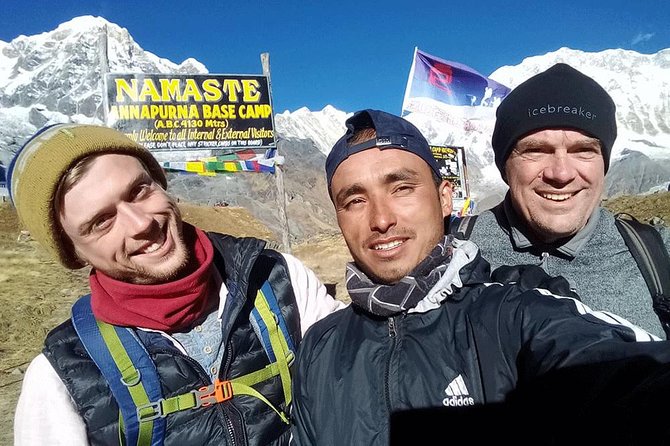
The program starts in Pokhara, with a start time of 7:00 am at the meeting point in the Pokhara area (Gandaki Zone, Western Region). You’ll also have Pokhara to Nayapul and back by private car, which is a big deal if you want a smooth first morning rather than hunting down shared transport.
Day 1 is essentially your handoff day: you meet at Outshine Adventure, and you’re set up with the trek flow. Even if you’re experienced, this first touch matters because it sets your pace and expectations. In past experiences shared with the company, people praised how organized and patient the team (especially owner Gokul) is when plans change or questions pop up.
One practical thing to keep in mind: the package uses a mobile ticket, and you’ll receive confirmation at booking time. If you’re arriving late or your passport details aren’t ready, you’ll want to sort that early.
The trek support you’re paying for: guide, porters, permits, and down gear
This is the part that makes the trek feel manageable.
Your guide and communication
You’ll travel with a licensed guide who speaks English and other native languages. In feedback associated with the company, guides like Kumar, Prakash, and Chhabi were described as kind, patient, and helpful day after day. That kind of personality isn’t fluff—it’s what keeps you on schedule when the trail gets slower and your body starts asking for breaks.
One extra detail: some communication support has included Spanish in past trips, and the company leadership has been described as responsive for language needs. Since that isn’t guaranteed for every departure, treat it as a “ask during booking” item, not a promise.
Porter help (shared two-person basis)
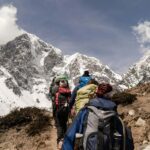
A porter is included to carry your luggage during the trek, and the plan is share-two-people basis. Translation: you should pack smart. Bring what you need for daily hiking and evenings, and keep the rest lightweight. If you show up with a heavy duffel you’d normally carry yourself, it still gets lighter in your hands—but it won’t become magic.
Permits and TIMS card
Your trekking admin is handled: Annapurna Conservation Area permits and TIMS card are included. This matters because it reduces the chance of scrambling mid-trip for paperwork, and it keeps your route legitimate and properly guided.
Down jacket and sleeping bag
Cold nights can be the toughest part, even when your daytime hikes feel fine. The package includes a down jacket and sleeping bag if necessary, which is a real cost-saver if you don’t already own quality cold-weather gear. If you do own gear, you can still ask what’s available and whether you’ll need it based on your comfort level.
Altitude reality check: reaching 4,110 meters without drama
The trekking ceiling listed here is 13,484 feet (4,110 meters). That’s high enough for headaches and fatigue if you push too hard, even if you’re fairly fit.
The best way to use this package safely is to treat the climb as a “go slow, arrive steady” mission. A professional team, plus the fact that you have guide and porter support, usually makes it easier to keep a sensible pace and follow pacing advice without feeling rushed.
Also, remember that even with down gear provided if needed, evenings can cool fast. Bring layers you can add/remove during breaks. If you’re unsure what “enough warmth” means, this is one area where I’d rather over-pack light layers than under-pack bulk.
What happens on the trek itself: lodges, day pacing, and meals you’ll choose
The trek structure is clear even if the exact day-by-day trail plan isn’t spelled out in the details you provided: you’re trekking for a multi-day Annapurna sanctuary/ABC-style journey to Annapurna Base Camp with eight nights of accommodation in best-available lodges/guesthouses.
Here’s what that typically means for your day-to-day experience, and how to prepare:
- Lodges/guesthouses: You’ll have a warm-ish indoor space for the evening, but don’t expect the comforts of a hotel. Plan for simple rooms, shared dining areas, and basic bedding setups.
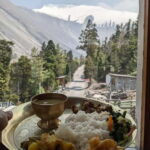
- Tea house meals are on you: Because meals and drinks aren’t included, you’ll pay for breakfast (only two breakfasts are included in the package), lunch, and dinner. This is where budgeting matters.
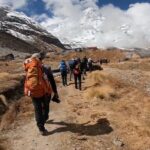
- You’ll hike more efficiently with porter support: Your own job becomes moving your body. Your porter handles luggage, so you can keep water, snacks, and a light day pack for short needs.
One more practical note: the trip is set up for moderate physical fitness. That doesn’t mean “easy.” It means the company expects you to be able to hike for hours at a steady effort. If you’ve only done easy walks lately, build up gradually before you go.
Kathmandu cultural stop: Durbar Square, Swayambhunath, Boudhanath, Pashupatinath
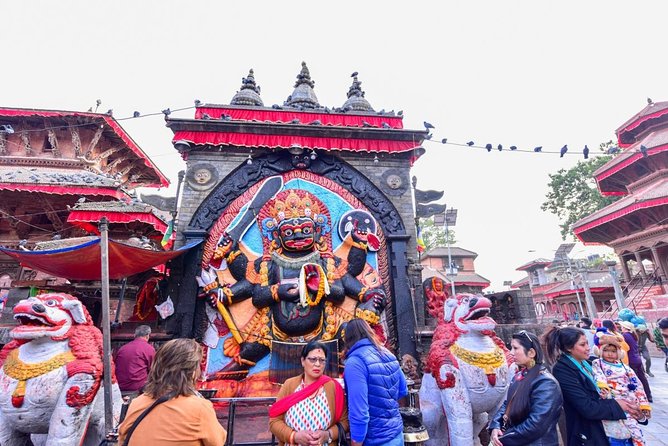
A big chunk of the provided itinerary details includes a Kathmandu sightseeing stop: Kathmandu Durbar Square, Swayambhunath, Boudhanath, and Pashupatinath for about 2 hours. Admission tickets for these are not included.
Even if you’re mainly trekking-focused, this short stop can be a useful contrast. You go from urban temple energy to mountain quiet, and it helps your brain switch gears. It also gives you a chance to see Nepalese religious life up close without turning the trip into a full-on city break.
The main drawback is time pressure. Two hours is enough for getting your bearings, but not enough to linger. If you’re the type who wants slow photos and long rests, consider arriving a bit earlier or asking how much flexibility you’ll have on-site.
Trek length vs. the time shown: what to verify before paying
Your package details show “duration: 2 days (approx.)” while the trek highlights point to a 9-day Annapurna Base Camp package feel. That mismatch doesn’t mean the trek is suddenly shorter in real life, but it does mean you should confirm the exact schedule.
When I’m deciding on a trek, I always check three items:
- your start date and how many full trekking days you get
- where the trekking begins (here it’s tied to Pokhara and Nayapul by private car)
- whether your sightseeing days count inside the same total
If you don’t get a clear answer, ask directly. A good operator should respond quickly and plainly.
Group size and pace: who this trek suits best
This is a small-group trek, capped at 15 travelers. That’s a sweet spot. You get shared vibes and support, without the feeling of walking behind a busload of people.
It also helps if you’re traveling solo. Past travelers associated with this company included solo women who felt comfortable with the support structure. With a guide, porter help, and a small group, you’re never really “on your own,” even if you like personal space.
Who it suits:
- First-time Nepal trekkers who want structure
- People who want porter help so they can hike with less weight
- Travelers who value a guide who stays calm and helpful
Who might need to think twice:
- If you want meals fully included, you’ll be paying extra during the trek
- If you need a very specific pace (slow and frequent stops, or fast single-day hiking), you should clarify expectations with the operator upfront
Meals, tips, and other real-life costs (budget without surprises)
Let’s talk money in a way that saves you stress.
Meals and drinks
The package excludes standard meals and drinks during the trek. Only breakfast (2) is included. That means you’ll be spending daily on lunch and dinner, plus any snacks and hot drinks you want.
The good side: you can choose what you feel like eating each day. The flip side: don’t assume you can “just eat cheaply” every meal. Prices can rise as you climb, and your appetite might change with altitude.
Tips
Tips for trekking staff are expected. You’ll likely be tipping your guide and porter(s). Have small cash ready before you start.
Other costs not listed
Any extra expenses not mentioned won’t be covered. If you’re the type who wants to be safe, set aside a buffer for hot showers (when available), extra snacks, and emergency supplies.
Value check: what stands out about Outshine Adventure’s team
Beyond the package checklist, the team’s reputation shows up in the names and roles people remembered.
- Gokul (owner) gets credit for organization, patience, and being around when plans shift.
- Kumar is described as a nice guide who helped people with what they needed.
- Chhabi is praised for patience, friendliness, and steady encouragement.
- Prakash shows up as a guide name in positive feedback.
- A porter named Parkash was highlighted as excellent support.
- Asmita was mentioned in the context of center quality.
That matters because trekking is equal parts legs and logistics. When the person running the show is attentive, you spend less energy worrying and more energy enjoying the walk.
Should you book this Annapurna sanctuary package?
I’d book this if you want an organized trek that handles permits, gear basics, and day logistics from Pokhara, while keeping you supported with a licensed guide and porter help. The included down jacket/sleeping bag (if necessary) and private transfers are the kind of value items that add up quickly if you tried to DIY it.
I wouldn’t book it if you:
- need fully included meals and drinks
- hate paying for ongoing extras in the mountains
- want a very detailed, guaranteed day-by-day trail schedule written into the itinerary you receive
My quick decision checklist
- Confirm whether your trip is truly the full trek length you want (the details hint at a longer package, so clarify)
- Ask if Spanish support is available for your dates if that matters to you
- Budget for lunch and dinner during the trek and plan to tip trekking staff
If those points check out, you’re looking at a solid, well-supported way to experience the Annapurna sanctuary region without overspending.
FAQ
What’s the pickup and route like for this trek?
You get Pokhara to Nayapul and back to Pokhara by private car, and the meeting point is in Pokhara. The start time is listed as 7:00 am.
Are meals included during the trek?
No. The package includes breakfast twice, but standard meals and drinks during the trek are not included.
Does the package include trekking permits?
Yes. It includes Annapurna Conservation Area permits and a TIMS card.
What’s the highest altitude you reach?
The maximum elevation listed is 13,484 feet (4,110 meters).
Are down jackets and sleeping bags included?
Yes, a down jacket and sleeping bag are provided if necessary.
How many people are in the group?
The maximum group size is 15 travelers.
Do I need a passport?
Yes. A current valid passport is required on the day of travel.
Is cancellation free?
The policy shown offers free cancellation up to 24 hours before the experience’s start time for a full refund.