REVIEW · BALI
From Bali: Private Mount Ijen Crater Volcano Midnight Trek
Book on GetYourGuide →Operated by TripGuru · Bookable on GetYourGuide
Ijen at midnight makes time feel strange. You start in the dark, climb toward the crater rim, and get the payoff: blue flames and a big sunrise view over the sulphur lake. I like that the plan builds in time for star spotting with photo tips, and I also like how the crater moment feels like a front-row seat. The main drawback to watch for is timing: if pickup runs late, your planned midnight start can slide later and change the experience.
This is a long day even if the hike is only a chunk of it. You’ll do a Bali hotel pickup, a multi-leg trip to Java with ferry time, a dinner stop before the mountain, then a cold climb that asks for real pacing and solid footwear. With a small group (up to 5) and an English local guide, it’s more personal than mass tours, but it’s still physically demanding.
In This Review
- Key things I’d plan around
- What This Midnight Ijen Trek Actually Gives You at Dawn
- Bali to Java in One Day: Ferry Time, Dinner Stop, and the Real Schedule
- The Midnight Climb: How the Hike Really Feels Up on the Rim
- Crater Views at the Right Moment: Blue Flames and Sulphur Lake at Sunrise
- What to Pack (Because the Top Can Be Cold and Wet)
- Small-Group Guidance: What You’re Paying For at $139
- Comfort, Safety, and Who Should Skip This Trek
- How to Decide: Should You Book This Bali-to-Ijen Midnight Trek?
- FAQ
- How long is the Mount Ijen midnight trek?
- When does the hike start?
- What’s included in the price?
- What should I bring for this tour?
- How big is the group, and is the guide English-speaking?
- Is the trek suitable for everyone?
- Should you book this tour if timing is critical for you?
Key things I’d plan around
- Blue flames at the crater: the night-to-dawn transition is the whole point.
- Stargazing photo lesson: a guide helps you take better star shots at a first stop.
- Sulphur lake views from the rim: the dawn light turns the crater into a panoramic scene.
- Small group size: up to 5 people means less waiting and more flexibility on the hike.
- Cold, dark logistics: flashlight time, warm layers, and a real early start matter more than people think.
- Guide quality affects everything: mine-experience guides can add a lot to what you’re seeing.
What This Midnight Ijen Trek Actually Gives You at Dawn
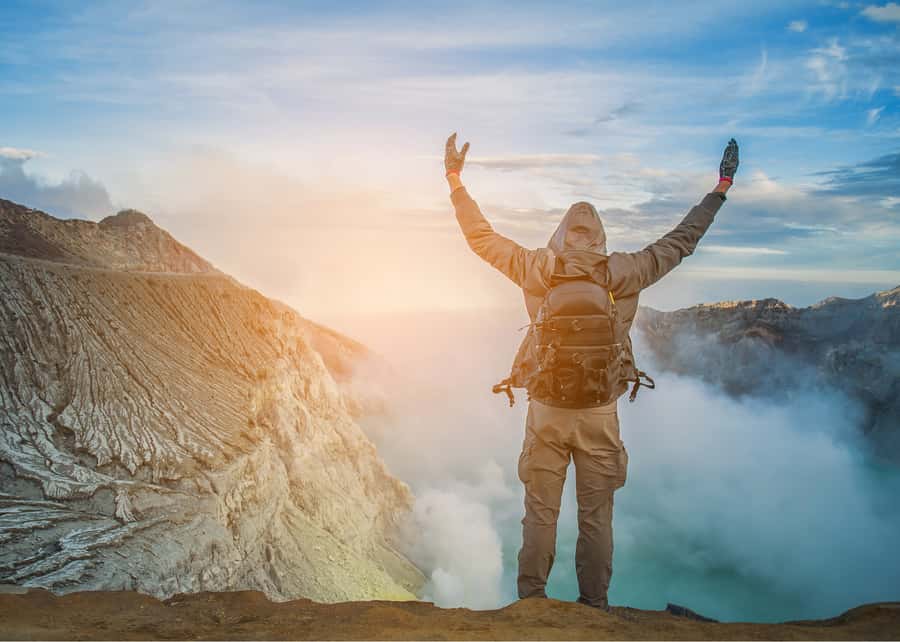
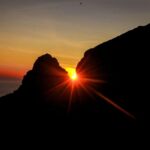
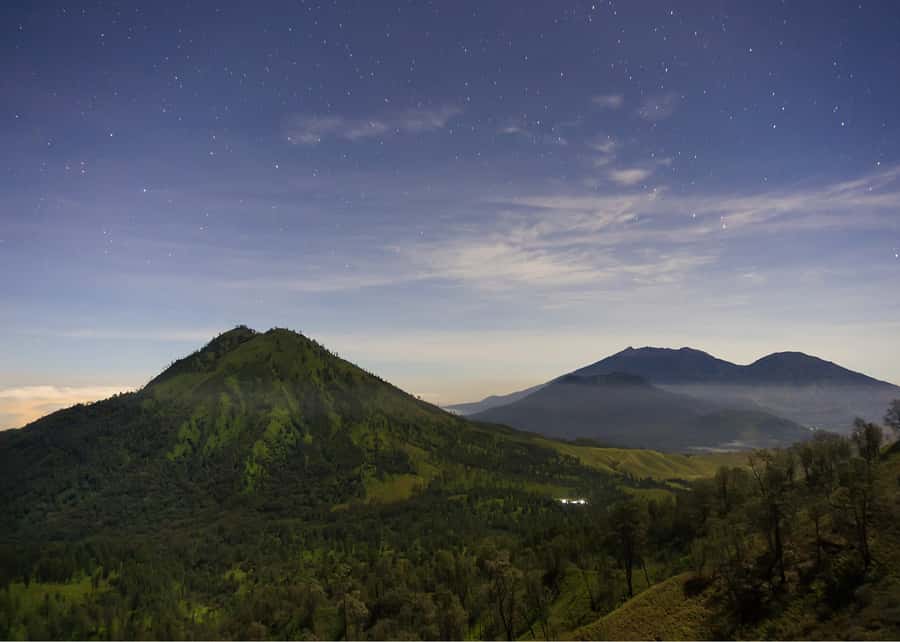
The best part of this experience is the pacing of the senses. You go from pitch-black paths and night air to an opening view that feels almost unreal when the light starts to spill over the crater. If you’re chasing the classic Ijen visuals, this tour is built for that specific payoff: blue flames, sulphur lake panoramas, and the rim view as the sun rises.
You’ll also get more than just hiking photos. At a first stop, there’s time for night sky viewing, plus instruction on how to photograph the stars. That matters because night shots are where most people waste time fumbling with settings instead of actually enjoying the moment.
The trip is designed as one long sweep instead of a flexible schedule. Once you’re on the mountain, you’ll move on a set rhythm: climb, stop, descend, then settle on the rim for sunrise and breakfast. If you’re the type who needs a slow, casual day, this will feel more like mission mode.
You can also read our reviews of more tours and experiences in Bali.
Bali to Java in One Day: Ferry Time, Dinner Stop, and the Real Schedule
Even though the hike is the headline, the logistics are half the adventure. The day starts with pickup from your Bali hotel, then you travel about 4 hours to Gilimanuk Port. After that, you cross by ferry to Java, then continue to the base area.
There’s a dinner stop on the Java side to help you get energy before the climb. The exact meal details aren’t included as part of the cost, so expect to pay for your dinner yourself, then keep your stomach steady through the hike. This is also where you should practice smart energy habits: eat enough to feel safe, but don’t go heavy.
The schedule tightness is why you should plan like a realist. A late pickup can shift the start, and that’s exactly what’s been flagged in past experiences. If blue flames and dawn views are your priority, treat the early timing as sacred, and be ready to depart even if it feels early.
The Midnight Climb: How the Hike Really Feels Up on the Rim
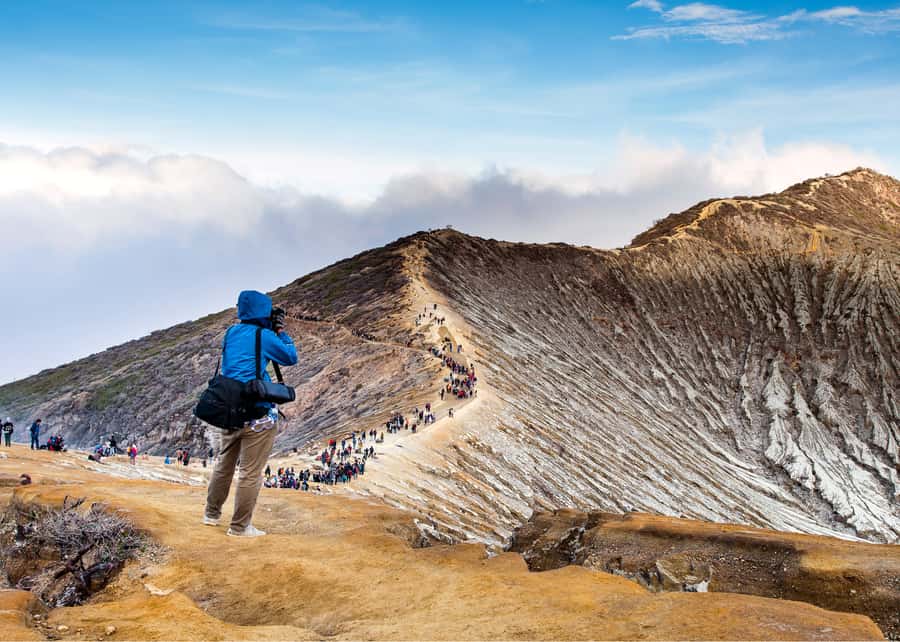
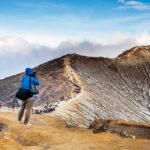
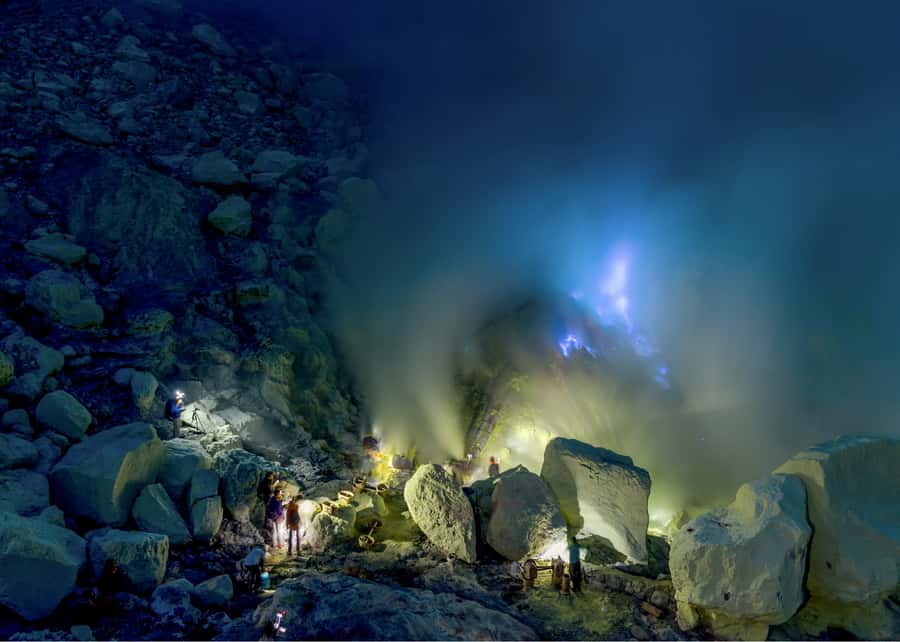
By the time the mountain climb begins, you’re walking in darkness. The plan sets up a trek start around midnight, with the climb taking about two hours. This is not a casual stroll. Expect steep sections, uneven footing, and a pace that rewards steady breath control over bursts of speed.
A useful detail here is the first stop. You’ll pause in the dark to look up at the night sky, and a photographer teaches you how to shoot stars. If you’re new to night photography, this can be surprisingly helpful because you’ll learn what to do before you burn through battery power and patience.
When you head back down, you’ll spend roughly 40 minutes getting toward the crater area. That timing matters because you’re transitioning from the star-stop mood into crater viewing mode. Don’t let your legs get ahead of your head. Take a moment to reset, then enjoy what you’re walking toward.
Crater Views at the Right Moment: Blue Flames and Sulphur Lake at Sunrise
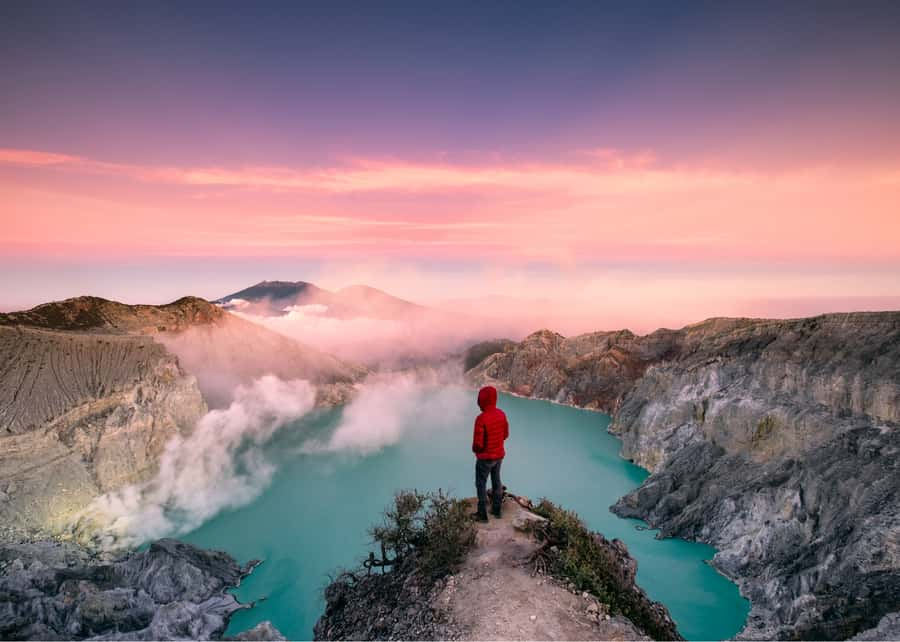
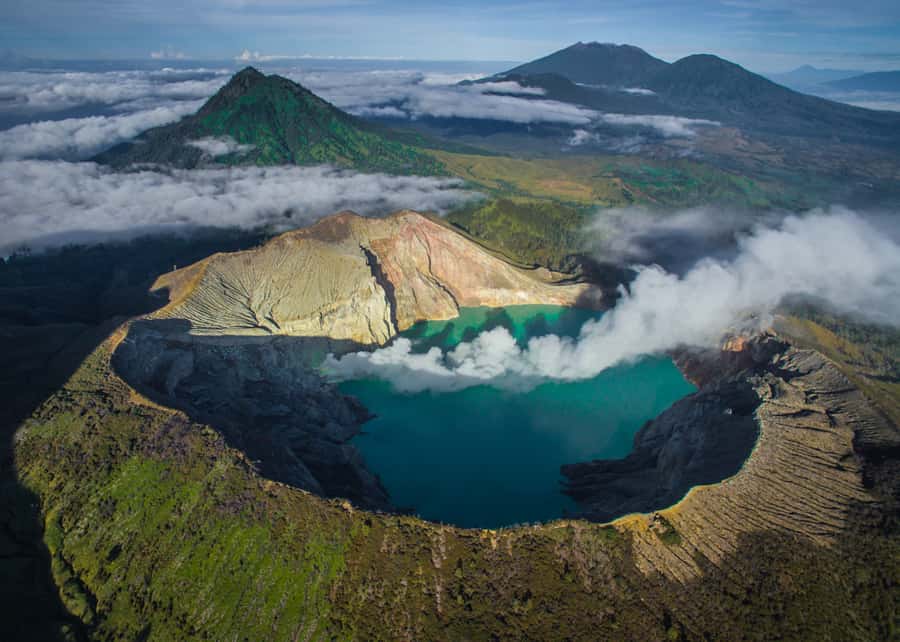
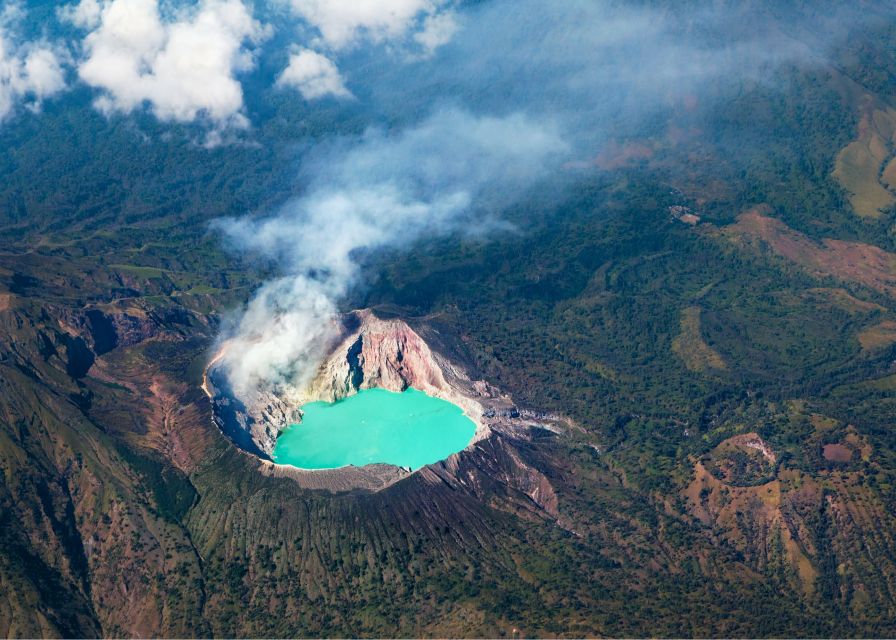
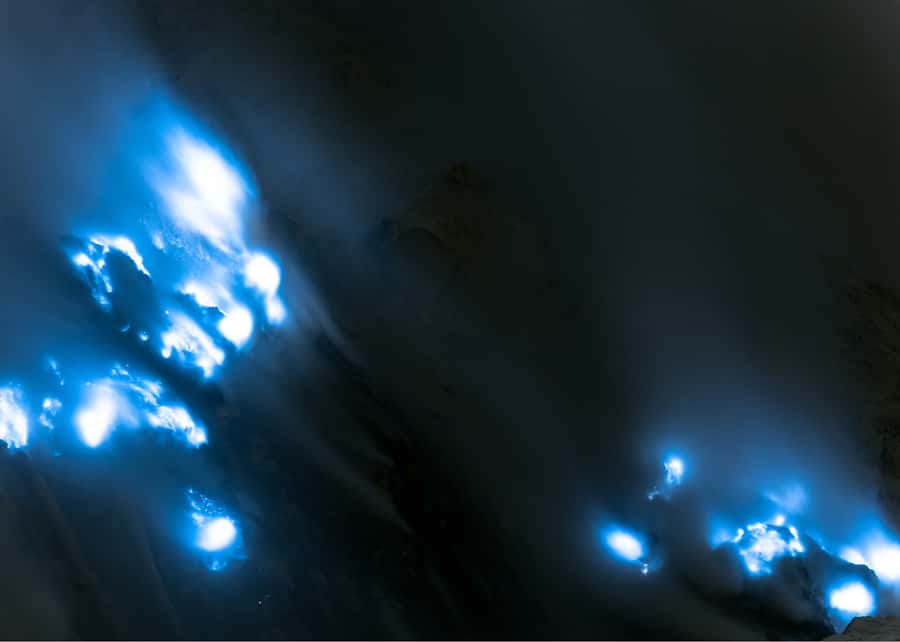
The Ijen crater part is where everything comes together. You’ll be guided to see the crater rim views and the surrounding scenery from that vantage point. This is also where the tour’s big promise shows up: blue flames and panoramic crater sights.
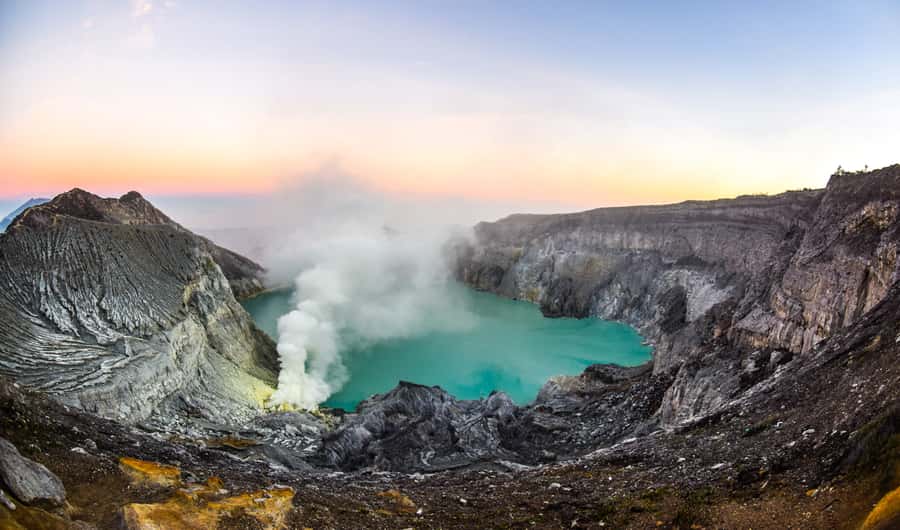
The reason the flames and the dawn light are such a big deal is simple. In the middle of the night, the setting feels like a science-fiction scene. As sunrise approaches, the same area goes from eerie and dramatic to readable and scenic. The sulphur lake look can shift a lot depending on how the light hits, and the rim view gives you the perspective most people never get.
You’ll have a sunrise moment from the rim, and that’s usually the emotional peak of the day. After that, the trek ends at a local warung for breakfast. This is a practical end cap: it gets you fed after a full night of walking, and it’s a chance to cool down and warm up with something simple and real.
What to Pack (Because the Top Can Be Cold and Wet)
The packing list here is short, but it’s not optional. Bring warm clothing, hiking shoes, rain gear, long pants, and a flashlight. If you’re tempted to skip one item, start with the flashlight. Darkness is guaranteed, and you need reliable light on the move.
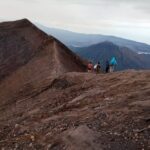
Your footwear matters more than you’d expect. The hike is on a volcano trail, which usually means rock, dust, and uneven ground. Good tread helps you feel confident. Confidence helps your pace. And pace is what keeps you from turning a long night trek into a painful one.
If you have the space, pack trekking gear that keeps your hands free. You’ll appreciate that when you’re climbing in the dark and want to focus on footing instead of juggling straps and layers.
Small-Group Guidance: What You’re Paying For at $139
At $139 per person for a one-day private Mount Ijen trek from Bali, you’re not just paying for the viewpoint. You’re paying for the entire machine: hotel pickup and drop-off in Bali, the local guide, and the entrance and toll fees. The included breakfast at the warung is also part of that value.
Where value can shift is in the details. Meals other than the breakfast aren’t included, so you should budget for dinner and any extra food stops. That’s not a dealbreaker, but it changes what you’ll actually spend on the day.
The group size is another big part of why the price feels fair. Being limited to 5 participants tends to reduce waiting and keep the experience more controlled on a route that’s already time-sensitive. You’re also getting an English-speaking guide, which helps if you want context about what you’re seeing instead of just walking from point to point.
Two guide traits show up as especially meaningful in real-world experience: deep local knowledge and calm handling under pressure. Some guides have mine-related experience, which can add a layer of understanding to the sulphur and the crater activity you’re watching. And on the logistics side, the driver’s competence is huge because the route includes multiple legs and can face delays.
Comfort, Safety, and Who Should Skip This Trek
This isn’t listed as suitable for everyone, and that’s for good reason. It’s not suitable for pregnant women, people with back problems, mobility impairments, wheelchair users, heart problems, or respiratory issues. If any of those apply, skip this one even if you’re tempted by the blue flame promise.
Even if you’re healthy, treat the climb like a test of endurance. You’ll start in darkness, climb for about two hours, then do crater area viewing before returning. That’s a lot of time on your feet with limited recovery.
Also consider the environmental side of the crater. You’re walking near a sulphur environment, so you should be ready for strong smells and potentially irritating air. The tour doesn’t spell out medical strategies, so use your judgment and keep your comfort gear in mind.
How to Decide: Should You Book This Bali-to-Ijen Midnight Trek?
Book it if you want the classic Ijen arc: blue flames in the night, then a dawn rim view you can actually take in. This is a great fit for people who like structured adventures and who can handle cold, dark starts and a physically demanding hike.
Don’t book it if your plan can’t handle schedule wobble. One of the biggest complaints tied to this kind of experience is late pickup and a shifted start time, which can affect when you reach the crater for the best moments. If you’re traveling with tight connections or you’re the kind of person who gets stressed by delays, build in cushion or consider a different format.
If you do book, the best move is mental preparation. Wear your warm layers early, pack your flashlight even if you think you won’t need it, and eat smart at the dinner stop so you don’t feel wrecked halfway through the climb. And if you’re hoping for star photos, set expectations for learning fast and moving on—this isn’t a photography workshop, it’s a midnight hike with a photo stop.
FAQ
How long is the Mount Ijen midnight trek?
The experience is listed as 1 day.
When does the hike start?
The plan says the trek toward the summit begins by midnight.
What’s included in the price?
Included are hotel pickup and drop-off in Bali, breakfast at a local warung, a local guide, and entry and toll fees. Meals besides breakfast are not included.
What should I bring for this tour?
Bring warm clothing, hiking shoes, rain gear, long pants, trekking gear, and a flashlight.
How big is the group, and is the guide English-speaking?
It’s a small group limited to 5 participants, and the live tour guide speaks English.
Is the trek suitable for everyone?
No. It is not suitable for pregnant women, people with back problems, mobility impairments, wheelchair users, or those with heart or respiratory issues.
Should you book this tour if timing is critical for you?
If you’re aiming for a very specific time window at the crater, it’s smart to expect that early-day timing can be tight. The trip includes a long pickup-to-ferry-to-mountain route, so choose this only if you can handle schedule changes.