A cold mountain dream with real logistics behind it. I like that this trip bundles transport + gear + meals so you don’t have to run around Dehradun. I also like the human side: guides such as Aarya, Sonu, Rocky, and Megha show up in good experiences with careful support. One watch-out: even though it’s often marketed as a beginner trek, the elevation and winter terrain can feel tough fast.
You’ll start with a long drive through Mussoorie and the Yamuna Valley, sleep in a guesthouse the first night, then move into alpine tents for multiple cold nights. The itinerary is built around classic Kedarkantha scenery—pine forests, Juda Ka Talab’s frozen campsite, and a summit marked by stonework and a Trishul—so the “work” matches the payoff. Still, this experience is weather-dependent, so be ready for snow and slower days when conditions demand it.
In This Review
- Key things I’d focus on before you book
- What You’re Really Paying For: $120 Value Breakdown
- Dehradun to Sankri: the Road Trip That Sets the Tone
- Sankri to Juda Ka Talab: a Short Trek That Feels Like a Test
- Juda Ka Talab to Kedarkantha Base Camp: where the Forest Turns Magical
- Summit Day from Kedarkantha Base Camp: short hike, big consequences
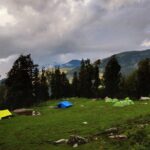
- Camping Setup That Makes Winter Feel Less Impossible
- Guides and Support: names you’ll hear, and why they matter
- Trekking Pace, Elevation, and Who This Really Suits
- Weather Reality for Kedarkantha: how to plan without panicking
- Ending Back in Dehradun: same road, different energy
- Should You Book This Kedarkantha Trek?
- FAQ
- What’s the itinerary like for the 5 days?
- What’s included in the price?
- What kind of lodging will I have on the trek?
- How cold is it likely to be?
- Is this trek really suitable for beginners?
- What safety support is provided?
- Can I get help with luggage?
- What’s the cancellation policy?
Key things I’d focus on before you book
- All-in trek package: guide, cook, support staff, meals, sleeping setup, and trekking/camp logistics are included
- Winter-ready safety basics: first-aid kit plus oximeter and a portable oxygen cylinder are included
- Real mountain camping: you’ll shift from a 1-night guesthouse to 3 nights in alpine tents
- Summit payoff is huge: 360-degree views, including peaks across Uttarakhand and into Himachal
- Short, sharp hike segments: day treks like Juda Ka Talab are short on paper, but winter pace matters
- Support staff can make it comfortable: experiences highlight warm water and responsive help in extreme cold
What You’re Really Paying For: $120 Value Breakdown
At $120 per person, the smartest way to judge value here is to look at what’s included that usually costs extra on other treks.
You’re getting:
- Transport support: Dehradun to Sankri on day 1, and return to Dehradun on day 5
- A staffed team: professional guide, cook, and support staff
- Camp basics that matter in winter: tents, toilet tents with portable toilet seats, mattresses, sleeping bags, tables/stools
- Cold-weather traction included: crampons are part of the provided equipment
- Safety kit that isn’t just marketing: first-aid with an oximeter and portable oxygen cylinder
- Meals: breakfast, lunch, and dinner are covered across the days listed
That combination adds up because Kedarkantha in winter isn’t just hiking—it’s hiking plus cold-weather living. Many add-ons people forget (sleeping setup, toilet setup, equipment carrying) are already handled for you.
Two practical notes:
- The plan includes trekking fee and forest entry charges for Indian nationals. If you’re not Indian, confirm what portion applies to your status.
- If you want to carry personal luggage on a mule, there’s an extra charge (INR 500 per bag/day). Equipment mule support is included, but personal mule support is not.
You can also read our reviews of more tours and experiences in Rishikesh.
Dehradun to Sankri: the Road Trip That Sets the Tone
Day 1 starts with a drive from Dehradun to Sankri, with stops that do more than stretch your legs.
Expect the route to take you via:
- Mussoorie
- Kempty Falls
- The Yamuna Valley, including time at breakfast overlooking the river
- A pass through areas near the Tons River, which is known for rafting and kayaking
- A mention of Netwar as the gateway area to the Govind Wildlife sanctuary
Why this matters: Kedarkantha is a winter trek, and you’ll be happier if day 1 doesn’t feel like one long slog. Breakfast by the Yamuna makes the whole trip feel more like a journey than a ticket to a summit.
You arrive in Sankri by early evening at about 1,920 meters. You’ll also get a 1-night guesthouse stay on a triple-sharing basis.
Sankri to Juda Ka Talab: a Short Trek That Feels Like a Test
Day 2 is all about transition: from road and villages to mountain rhythm.
You leave Sankri early after breakfast and trek toward Juda Ka Talab. The distance is described as about 4 km, usually covered in 2–3 hours.
What makes it interesting is the “human” part of the route:
- You start through village crossings (including a crossing before reaching the trail that leads to Kedarkantha)
- You’ll see daily life: kids on their way to school and local women running errands
- Then the trail pushes into pine and maple forest where shade blocks sun and keeps the walk cooler
The forest climb gets sharper before it evens out on a ridge. From there, you reach the campsite alongside Juda ka Talab.
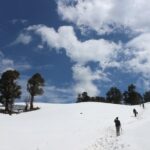
Campsite reality check: Juda Ka Talab can freeze in winters, and snowfall can happen there too. So even if the trek segment is short, your body will work in cold air and uneven footing.
You camp overnight at an altitude of about 2,774 meters.
Juda Ka Talab to Kedarkantha Base Camp: where the Forest Turns Magical
Day 3 moves you deeper into the pine world, with a gradual change from forest walking to open space.
After Juda Ka Talab, you continue on trails that lead you:
- Past denser pine areas
- Toward a meadow dotted with shepherd’s huts
- Then upward again to reach Kedarkantha base camp (at about 3,429 meters)
The listed hiking segment to base camp is around 3 km, often 2–3 hours.
Here’s the key detail that helps you set expectations: the base camp can feel colder than the summit area because it lacks insulation. That seems backward, but in real winter camping, shelter design and wind exposure can matter more than altitude alone.
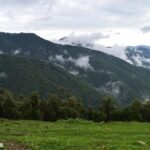
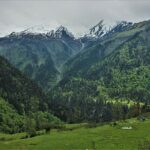
This day is also a photographer’s day. The trek from Juda Ka Talab to base camp is described as deeply beautiful, and you get long sightlines to Uttarakhand peaks in stretches along the way.
That’s why base camp is a good overnight stop: it’s not just “a place to sleep.” It’s where the views start feeling like a reward you can hold onto.
Summit Day from Kedarkantha Base Camp: short hike, big consequences
Day 4 is the summit push.
The trek from base camp to the summit isn’t long on paper, but don’t confuse distance with effort. Winter trails demand careful steps, and the air at higher altitude makes every slow uphill section feel longer.
When you reach the Kedarkantha summit, you’re greeted by:
- A marker made of stones with a Trishul pointing upward
- A claimed 360-degree view of major Uttarakhand peaks
- Views that extend across to Chaainsheel Pass and Kailash ranges in Himachal
- Har Ki Dun valley visible below
If you’re curious about the name, Kedarkantha ties to a Shiva legend: the name refers to Lord Shiva’s throat, and the story includes Lord Shiva disguised as a cow while hiding from the Pandava.
After the summit, the itinerary brings you back to Juda Ka Talab for another overnight.
That repeat stop matters. You’re not just rushing back to the finish line. You’re cycling through the same frozen campsite zone once more, which can be rough if you’re already tired. But it also means you end day 4 with a familiar base for your final day of travel.
Camping Setup That Makes Winter Feel Less Impossible
The included camp setup is one of the biggest reasons this trek works for people with limited experience.
Here’s what you’re told is provided:
- Kitchen tents and common tents
- Toilet tents with portable toilet seats
- Sleeping bags, mattresses, camping stools, and tables
- Alpine tents for the multi-night portion
You also get crampons as part of the equipment list, which can be a lifesaver when snow and ice show up.
Food gets special mention in multiple experiences. The overall picture is that meals are solid and adapted to cold conditions—warm water comes up in feedback as well, including service even around very low temperatures.
Practical tip: on summit and cold nights, the biggest comfort upgrades are the boring ones—dry socks, warm layers you can access quickly, and a sleeping setup that stays as insulated as possible. This package already covers a lot of the infrastructure, so your job is mainly to show up with the right clothing and keep your essentials dry.
Guides and Support: names you’ll hear, and why they matter
The trek company behind this experience is Himalaya Shelter, and the most consistent praise points to guide quality and responsive care.
Specific guide names that show up in positive feedback include:
- Aarya (with Arjun ji mentioned alongside her) for supportive pacing and comfort focus
- Sonu for pushing and helping people reach the summit
- Rocky Bhai for a friendly, attentive approach and strong first-timer support
- Megha for care that includes practical touches like handling washroom needs
- Kamesh Bhardwaj and Surender Rana Sir credited for making trips memorable through support and cooperation
Why that matters on Kedarkantha: winter trekking punishes small mistakes. A good guide doesn’t just lead the way—they manage pace, rest stops, and safety decisions.
Also built into the plan is a real safety setup: first-aid kit with oximeter and portable oxygen cylinder. You may not need it, but having it changes the tone of the trip from risky to managed.
Trekking Pace, Elevation, and Who This Really Suits
This is listed for people with moderate physical fitness.
The route has day hikes that look manageable by distance:
- Juda Ka Talab: about 4 km
- Base camp: about 3 km
- Summit day: described as not long
But winter mountain travel isn’t a treadmill. Your body is working with:
- Higher altitude (base camp around 3,429 meters)
- Cold exposure (Juda Ka Talab freezing; snowfall possible)
- Uneven snow/ice footing in the higher zones
The most honest expectation: you can be capable and still feel the trek is tough. The good news is that the structure is sensible—days are paced to camp nights at specific altitudes and you get guided support.
Who it suits best:
- First-time snow trekters who want a guided setup (especially with equipment included)
- People who handle cold better than crowds, since this is about moving through quiet forest and camps
- Groups who want a custom experience: the provider allows customized group bookings with at least 6 people
Group size is capped at 25 travelers, so you’re not swallowed by chaos.
Weather Reality for Kedarkantha: how to plan without panicking
This experience requires good weather. If conditions are poor, the plan can be canceled with an alternative date or a full refund.
That’s not a “maybe” factor—it’s the key variable in a snow trek. Snow adds beauty, but it also affects:
- Trail footing and traction needs
- How quickly you can climb and descend
- How long it takes to reach viewpoints like the summit marker
You can also expect snow at Juda Ka Talab during winter months. So build your mindset around that: this is not a light hike in jeans and optimism.
What to do mentally:
- Go slow, accept shorter rest cycles, and trust the guide
- Keep your focus on small wins: warm drink, dry socks, proper hydration, steady foot placement
- Don’t treat the summit like a race. On cold hikes, arriving safely is the real victory
Ending Back in Dehradun: same road, different energy
Day 5 returns you to Dehradun on the same attractive road, with a change in scenery:
- Pine forests and winter calm give way to wider roads
- Then you hit more regular city life again
The trip ends back at the meeting point. The vibe shift is always noticeable. Your legs feel it, but you’re also carrying the mountain with you in your head—the stone marker at the summit, the forest sections, the frozen campsite routine.
Should You Book This Kedarkantha Trek?
Yes, if you want a winter Kedarkantha experience where logistics are handled and the team actually shows up for safety and comfort.
Book it if:
- You prefer an all-in setup: transport, camp gear, tents, sleeping bags, and meals are included
- You’re okay with winter trekking being physically demanding even on a short-route day
- You want support from a guide team that has strong feedback tied to caring pacing (and names like Aarya, Sonu, Rocky, and Megha show up in that kind of service)
- You’re willing to respect weather and move with the guide’s plan
Skip it (or choose another option) if:
- You’re seeking a low-effort walk with minimal cold exposure
- You get anxious about altitude effects and would rather not be in a winter mountain environment even with safety measures included
If you do book, set yourself up for success by treating it like winter camping plus hiking, not a scenic stroll. That mindset helps you enjoy Kedarkantha for what it is: cold, beautiful, and worth the effort.
FAQ
What’s the itinerary like for the 5 days?
You’ll travel from Dehradun to Sankri on day 1, trek from Sankri to Juda Ka Talab on day 2, hike to Kedarkantha base camp on day 3, go from base camp to the Kedarkantha summit and then return to Juda Ka Talab on day 4, and drive back to Dehradun on day 5.
What’s included in the price?
The package includes transport support between Dehradun and Sankri (and back), a professional guide, cook, and support staff, camping and toilet tents, sleeping bags and mattresses, crampons, trekking fee and forest entry charges for Indian nationals, mule support for camping equipment, and meals (breakfast, lunch, dinner).
What kind of lodging will I have on the trek?
You stay in a guesthouse for 1 night on a triple-sharing basis, then you use alpine tents for 3 nights on a twin-sharing basis. Accommodation on the last day in Dehradun is not included.
How cold is it likely to be?
Juda Ka Talab freezes in winter, and the site can see significant snowfall. The base camp is also described as colder than the summit due to lack of insulation.
Is this trek really suitable for beginners?
It’s described as suitable for travelers with moderate physical fitness, but the trekking elevation and terrain can still make it tough. The summit day is short in distance but can be demanding in winter conditions.
What safety support is provided?
A first-aid kit is included with an oximeter and a portable oxygen cylinder. There is also a team of guide, cook, and support staff.
Can I get help with luggage?
Mule support is included for carrying the camping equipment mentioned in the inclusions. If you want mule support for personal luggage, it costs INR 500 per bag/day.
What’s the cancellation policy?
You can cancel up to 6 days in advance for a full refund. Cancelling 2–6 days before gives a 50% refund. Less than 2 days before is not refunded. If cancellation happens due to poor weather, you’ll be offered a different date or a full refund.