REVIEW · RISHIKESH
Rishikesh: Kunjapuri Temple Sunrise Trek
Book on GetYourGuide →Operated by Himalayas Within · Bookable on GetYourGuide
Sunrise from Kunjapuri feels like religion and air. I love the 360-degree Himalayan views at dawn, and I also love how a small-group, English-speaking guide brings the temple stories and local practices to life. It’s the kind of morning where you understand why people come back year after year.
One consideration: there’s a real climb to get up to the temple, so comfy shoes and a steady pace matter.
In This Review
- Key highlights you’ll remember
- Why Kunjapuri sunrise is worth the early wake-up
- Getting from Tapovan to the hilltop temple
- Kunjapuri Shakti Peeth: rituals, stories, and a 360-degree view
- Yoga and pranayama before you start walking
- The trek: oak, pine, and rhododendron trails with big sky views
- Neer Waterfall: the break you’ll actually enjoy
- Village trails and Garhwali culture on the return
- Guide quality makes or breaks a sunrise trek
- Price and value: why $60 can make sense here
- What to pack and what to wear (so you don’t suffer)
- Who this sunrise trek fits best (and who should skip it)
- Should you book the Kunjapuri Temple Sunrise Trek?
- FAQ
- How long is the Kunjapuri Temple Sunrise Trek?
- Where do you get picked up?
- What’s included besides the trek?
- Is Neer Waterfall entry included?
- Are there any meals included?
- Is there yoga on this tour?
- What languages are the guides available in?
- What should I wear or bring for comfort?
- Is alcohol allowed?
- Is this trek wheelchair-friendly or suitable for everyone?
Key highlights you’ll remember
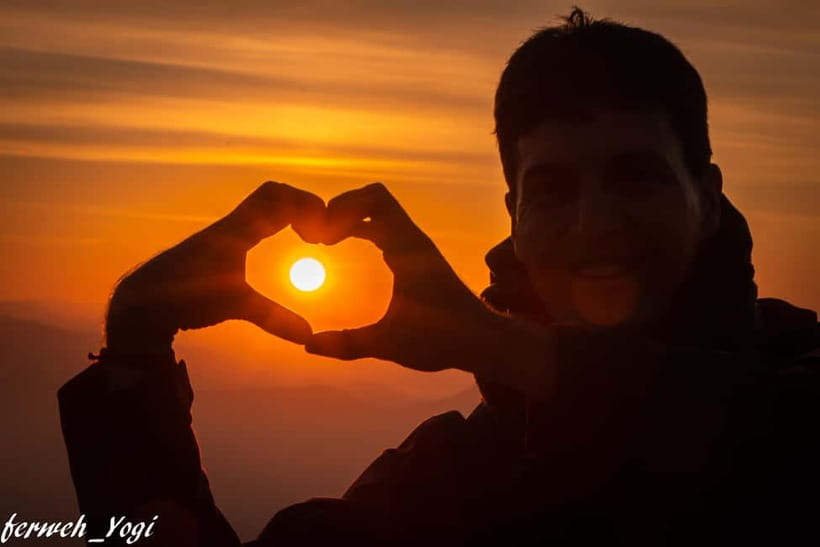
- Swargarohini, Bandarpunch, and Gangotri show up on the horizon when the light turns kind.
- Shakti Peeth legend and temple rituals are explained by your guide before you wander and take photos.
- Short yoga session (meditation & pranayam) adds calm before the day starts moving.
- Neer Waterfall comes with a long enough break to cool off and shoot photos.
- Local village trails and Garhwali culture keep the day feeling human, not just scenic.
Why Kunjapuri sunrise is worth the early wake-up
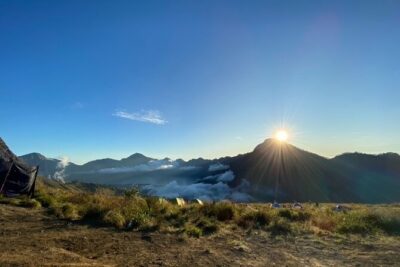
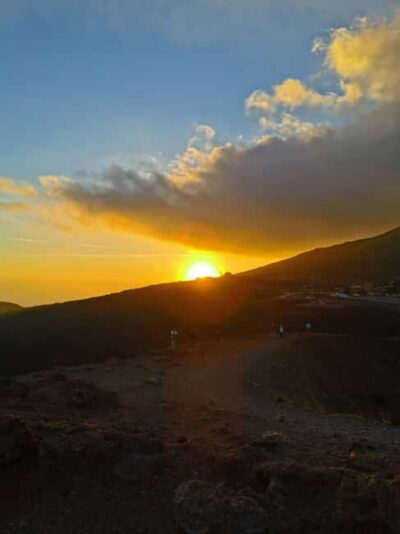
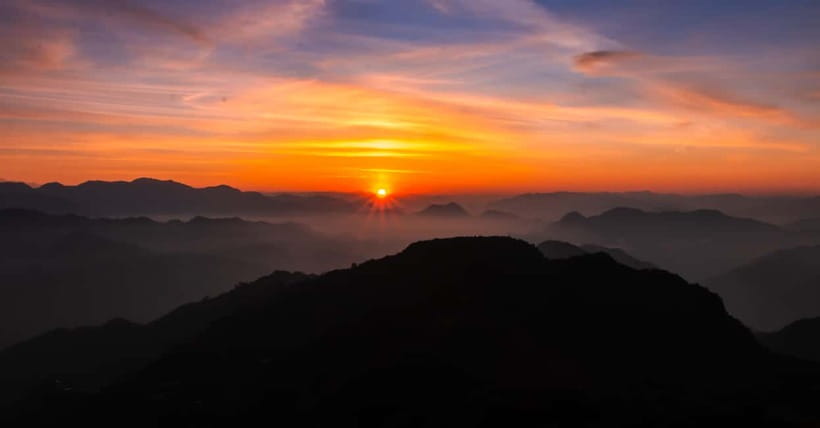
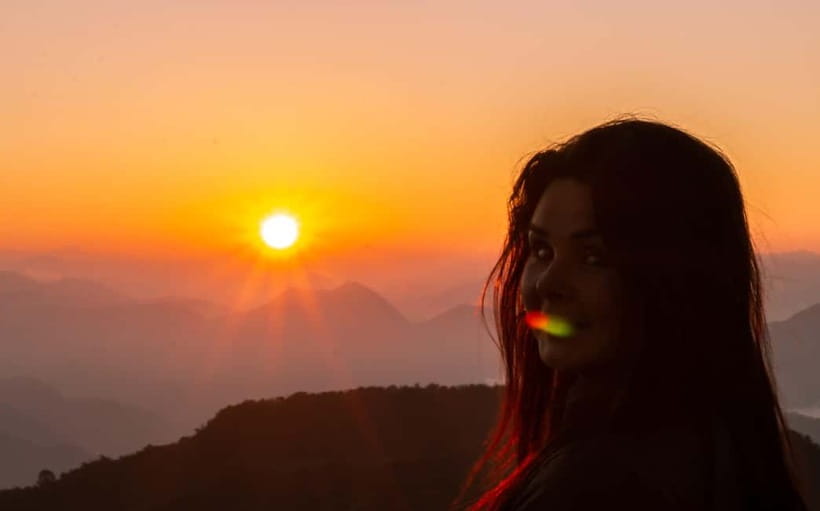
Kunjapuri Temple sits high enough that sunrise doesn’t feel like a time on a clock. It feels like a switch flipping from dark to bright across the Himalayas. Even before you get deep into the trek, the approach and viewpoint set the mood: bells, incense, and that thin mountain air doing its best work.
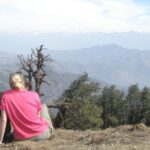
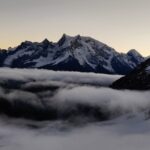
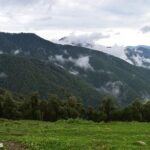
What makes this sunrise special is the view range. You get panoramic sightlines that can include peaks like Swargarohini, Bandarpunch, and Gangotri, plus the Doon Valley spread below. It’s not a tight, postcard-only angle. It’s more like you’re standing inside a wide map.
And if you’re the type who likes small moments, you might catch temple monkeys like Hanuman langur near the area. When you do, it turns the whole temple scene from spiritual to real-life chaotic in the best way.
You can also read our reviews of more tours and experiences in Rishikesh.

Getting from Tapovan to the hilltop temple
Your day starts with pickup from either Tapovan or a location within about 4–5 km of where you’re staying (depending on your chosen option). From there, it’s a scenic drive along winding mountain roads, with jungle-covered hills and village life sliding past the windows.
This ride matters more than you might think. It spaces your energy out. You arrive close to the time you need, without having to plan transportation on your own. Plus, the early start means cooler walking conditions and fewer crowds around the important viewpoint.
Dress for the climb and the changing light. Even if the sky looks warm at first, mountaintops can feel chilly right near sunrise. Comfortable walking shoes are non-negotiable.
Kunjapuri Shakti Peeth: rituals, stories, and a 360-degree view
Kunjapuri is dedicated to Goddess Shakti, and the temple is treated as a meaningful part of local religious life. When you reach the site, you’ll notice the sounds right away: bells, prayers, and incense in the air. It’s also why you’ll get far more out of this than a quick photo stop.
Your guide leads you through the temple experience, including traditional rituals and prayers with local priests. That guidance helps you understand what you’re seeing, especially if temple symbolism isn’t your regular hobby. Your time at the temple is long enough to feel grounded rather than rushed.
Here’s a piece of the deeper legend tied to this place: Kunjapuri is said to be one of the 52 Shakti Peethas in Hindu mythology. It’s believed the chest of Sati fell here during Lord Vishnu’s Sudarshan Chakra attack. Even if you don’t memorize the mythology, hearing it in context makes the temple feel less like a stop and more like a living tradition.
The view is the other main event. The temple area offers 360-degree Himalayan panoramas, so you can shift your angle and still find something new—different ridgelines, different layers of peaks, and the valley fading into the distance.
Yoga and pranayama before you start walking
This trip includes a short yoga session with meditation and pranayam. It’s a smart inclusion for a sunrise trek because it gives you a “reset” right before movement begins. Instead of rushing straight from transport into climbing and photographing, you get a chance to slow your breathing and settle your attention.
Pranayama matters here because the air at this elevation and time of day can make you feel a bit more sensitive to breath and effort. You’re not doing a fitness workout. You’re preparing to be present while your day wakes up around you.
If you like quiet travel moments, you’ll probably feel the benefit most when things get busy at the temple—your mind stays calmer than usual.
The trek: oak, pine, and rhododendron trails with big sky views
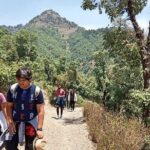
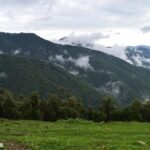
Once you’re through the temple segment, the trek turns into a mix of trail walking and scenic stops. The route runs through dense forests of oak, pine, and rhododendron, which means the temperature and light change as you move. You’ll also get natural chances to watch birds and look for wildlife.
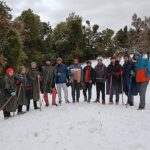
This is the part where the small-group format pays off. With only a handful of people, you’re not getting pulled along like luggage. Your guide can adjust the pace and point out things along the path without turning it into a constant lecture.
Scenery here is practical, not just pretty. You get pauses for photos and viewpoints, which helps if you want to take pictures without sprinting through the best angles. And because you’re walking between forest and open views, your eyes get a break from one type of scenery to another.
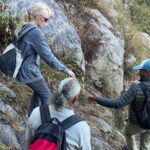
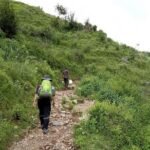
Expect time on foot—your day is built around walking segments totaling several hours. It’s not a casual stroll, but it’s also not described as a technical climb. The main thing is endurance and steady legs.

Neer Waterfall: the break you’ll actually enjoy
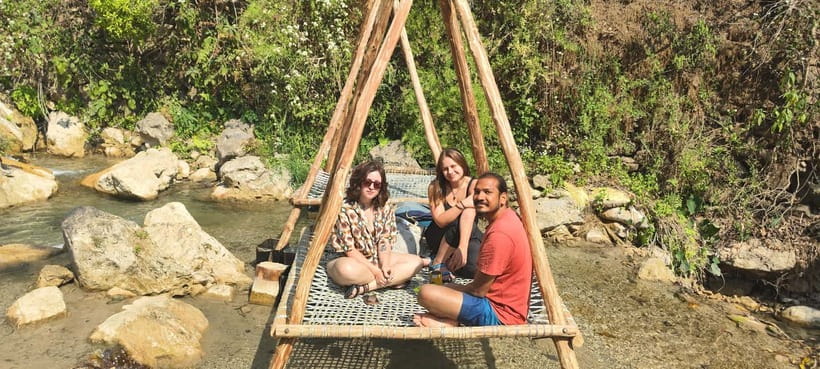
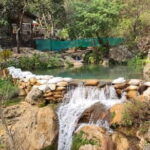
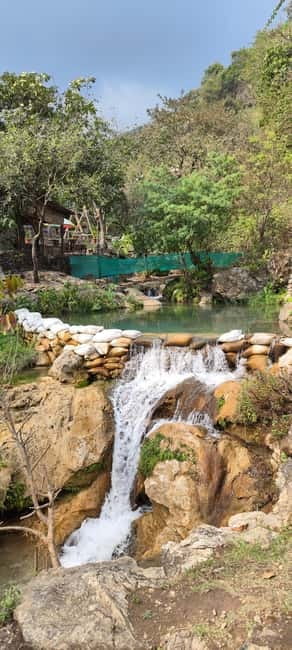
After the walking portion, you reach Neer Waterfall. This is scheduled as a longer break and photo stop (about 1.5 hours), which is key. Too many tours sprinkle in water in a rushed 20-minute glance. Here, you get time to slow down, breathe, and let the day shift from “getting there” to “enjoying it.”
The waterfall break includes the Neer Waterfall ticket, so you’re not scrambling for entry details on the spot. Photo opportunities come naturally because the falls create movement and misty light—great for pictures without needing special effort.
You’ll also have the option to do something that feels more like a local day out than a staged attraction: at the end of the trek, you can jump into a natural swimming pool made with the waterfall. If you want to actually swim, pack beachwear as the activity expects.
Even if you don’t swim, standing near the waterfall is a full-body reset. Your shoulders drop. Your mind catches up.
Village trails and Garhwali culture on the return
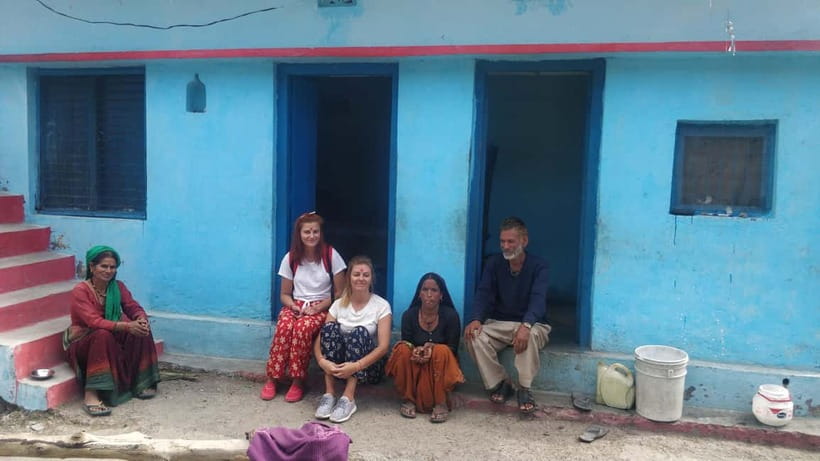
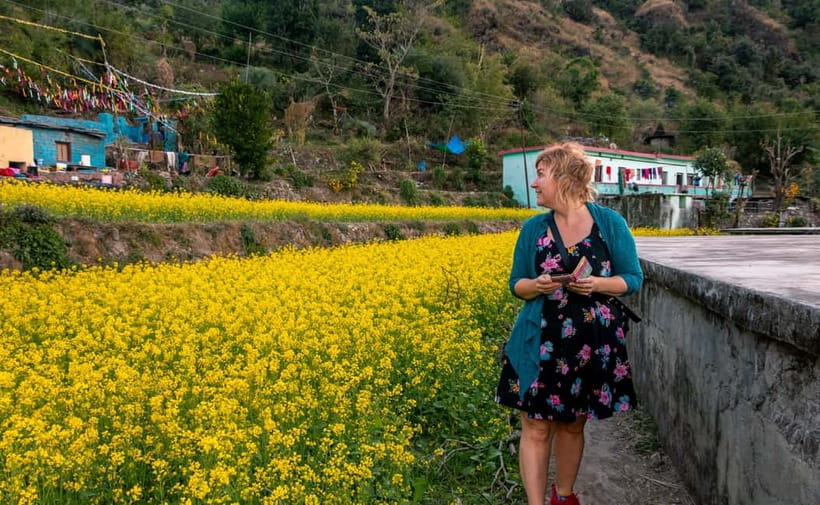
The walk continues after the waterfall, with additional time on foot (about 1 hour) and a return toward the pickup area. Along the way, there’s a local cultural experience element, plus opportunities to see and walk through local villages.
This part is easy to underestimate when you’re planning a sunrise trek. But it’s the difference between a day that feels scenic and a day that feels lived-in. You get to witness more everyday rhythms—houses, paths, and the feel of Garhwali village life rather than only temple architecture and wilderness views.
It also helps you connect the “spiritual hill” moment to the “human valley” moment. Sunrise gives you awe. The village segments give you context.
Guide quality makes or breaks a sunrise trek
The guide is a big reason this experience scores so well. Your tour comes with an English-speaking guide (also available in German and Hindi), and the group stays intentionally small—limited to 5 participants.
That size changes everything: you’re easier to manage, easier to watch for safety, and easier for the guide to keep track of details like timing and comfort. In practice, a caring guide means you arrive at the temple before sunrise, and you don’t feel like you’re guessing the plan.
Two guide names come up in the vibe of the experience: Pramod and Mak. Their style seems to blend practical guidance with spiritual understanding. They’re also described as attentive, safety-minded, and genuinely informed about the natural world—plants, terrain, and the way rituals fit into daily life.
If you enjoy learning—especially history and culture that isn’t stuffed into a textbook—this is the format to pick.
Price and value: why $60 can make sense here
At $60 per person for an 8-hour experience, the value isn’t just “a trek.” You’re paying for several built-in components: round-trip transportation from your pickup area, a guided temple tour with rituals, the included temple entrance fees, and the Neer Waterfall ticket.
You also get morning tea and breakfast plus a yoga session (meditation and pranayam). Add in the local cultural experience and small group size, and you get a day that’s structured for you from start to finish.
Could you do parts of this yourself? Maybe. But sunrise trips are time-sensitive, and temple access plus waterfall tickets plus a guide who understands what you’re looking at saves energy and confusion. For many people, that’s exactly what’s worth paying for.
What to pack and what to wear (so you don’t suffer)
This day blends early sunrise viewing, temple time, forest walking, and a waterfall break. Pack accordingly:
- Comfortable walking shoes for the climb to the temple and the trek sections
- Sun hat, sunglasses, and sunscreen since daylight hits hard once the sun climbs
- Water for the walk (the activity explicitly tells you to carry it)
- Beachwear if you want to use the natural swimming pool
Also keep your behavior respectful. Dress modestly for temple surroundings. And note the rules: no alcohol and no drugs.
If you’re sensitive to cold mornings, consider layers. The light warms up fast, but your body will feel the temperature shift between walking and standing still.
Who this sunrise trek fits best (and who should skip it)
This is a great fit if you want a blend of spiritual morning, nature walking, and a real waterfall break. It’s also a strong pick if you like small groups and don’t want a chaotic crowd experience while viewing the Himalayas.
It may not be right if you’re dealing with physical limitations. The activity notes it’s not suitable for pregnant women and wheelchair users. Since there’s a climb to reach the temple and walking on uneven terrain through forests and paths, you should choose a different option if mobility is limited.
Fitness-wise, think “active day” rather than “long marathon.” You’ll walk and climb enough to feel it, but it’s guided and paced to make the day work.
Should you book the Kunjapuri Temple Sunrise Trek?
Book it if you want sunrise views with meaning, not just a photo. The combination of temple rituals at Kunjapuri Shakti Peeth, a guided understanding of Shakti Peeth mythology, and the nature-and-water rhythm ending at Neer Waterfall is a clean way to spend a full day near Rishikesh.
Skip it if you hate early starts or you’re not comfortable with stairs and uneven climbs. And if swimming at waterfalls is a must for you, plan to pack beachwear, because the natural pool option is part of the point of the day.
If you like learning while you travel, you’re in luck: the guide experience here is clearly a highlight, with names like Pramod and Mak reflecting attentive, safety-minded companionship.
FAQ
How long is the Kunjapuri Temple Sunrise Trek?
The tour lasts about 8 hours.
Where do you get picked up?
You can choose pickup from Tapovan, Rishikesh, or a hotel/location within about a 4–5 km range.
What’s included besides the trek?
You get a guided tour of Kunjapuri Temple, an English-speaking guide (also German and Hindi), a yoga session (meditation and pranayam), round-trip transportation, entrance fees, Neer Waterfall ticket, local cultural experience, and morning tea and breakfast.
Is Neer Waterfall entry included?
Yes. The activity includes a Neer Waterfall ticket.
Are there any meals included?
Yes. Morning tea and breakfast are included.
Is there yoga on this tour?
Yes. The tour includes a yoga session with meditation and pranayam.
What languages are the guides available in?
The guide is available in English, German, and Hindi.
What should I wear or bring for comfort?
Wear comfortable walking shoes for the climb, and bring sunglasses, sun hat, sunscreen, and water. The activity also suggests beachwear in case you want to swim at the waterfall.
Is alcohol allowed?
No. Alcohol and drugs are not allowed.
Is this trek wheelchair-friendly or suitable for everyone?
No. It is not suitable for wheelchair users, and it is also not suitable for pregnant women.