REVIEW · RISHIKESH
Dodital Himalayan Trek and Camping
Book on Viator →Operated by Yeti Outdoors · Bookable on Viator
Dodital makes a beginner trek feel like a summit. This 5-day easy Himalayan camping trek from Rishikesh brings you to Dodital lake (around 3024m) and up toward Darwa Top, with forest trails, big mountain scenery, and the chance to see rare Himalayan Golden trout. I especially like the mix of nature + meaning, and I also like how guides Manish and Rishabh keep things friendly, organized, and grounded in local know-how.
One thing to consider: conditions matter. The trek runs all year, but monsoons can be tricky, and the experience needs good weather to operate smoothly.
In This Review
- Key Highlights You’ll Actually Care About
- Dodital Lake and the Himalayan Golden Trout Factor
- What you’ll notice on the walk
- One practical note
- Darwa Top to 4200m: The Trek’s Real Challenge
- Why this peak works for first-timers
- A drawback to plan around
- The 5-Day Flow: How the Trip Unfolds in Real Life
- What could slow you down
- Camp Life: Tents, Sleeping Bags, and Meals on Trek
- A support system that reduces stress
- What I’d watch for (and how to set expectations)
- Your Guide Team: Manish and Rishabh’s Practical Local Know-How
- Why that support boosts value
- Price and Value: What $191.70 Includes (and What It Doesn’t)
- What you should budget separately
- The smart way to judge value
- Meeting at Yeti Outdoors: Timing and Group Setup That Helps
- Best Time to Go: All Year, With Monsoon Reality
- Who This Trek Suits Best (and Who Might Want Another Option)
- Should You Book Dodital Himalayan Trek and Camping?
- FAQ
- How long is the Dodital Himalayan Trek and Camping?
- What difficulty level is it?
- What is the highest altitude reached?
- What is included in the tour price?
- What is not included?
- Where do we meet, and what time does it start?
- When is the best time to go?
Key Highlights You’ll Actually Care About
- Dodital lake clarity and trout: a crystal-clear alpine lake (around 3024m) known for Himalayan Golden trout.
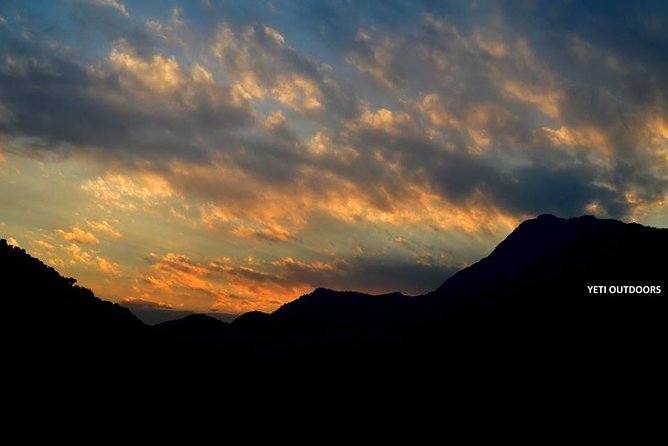
- Darwa Top views up to 4200m: you get a real “top moment” without it being a hardcore technical climb.
- Forest walking with bird-nature energy: oak, pine, and deodar forests make the trail feel alive.
- A trail with local history: the path has been traditionally used by herdsmen and even holy travelers between Yamunotri and Gangotri.
- Camp support is built in: tents, sleeping bags, meals, and kitchen/technical gear are included, plus guides, cooks, helpers, and porters/mules.
Dodital Lake and the Himalayan Golden Trout Factor
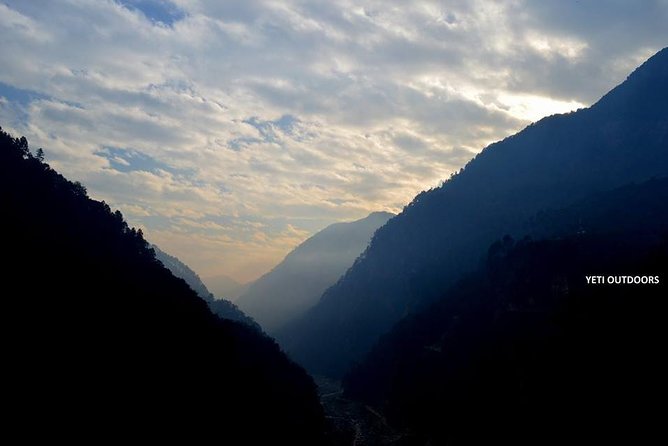
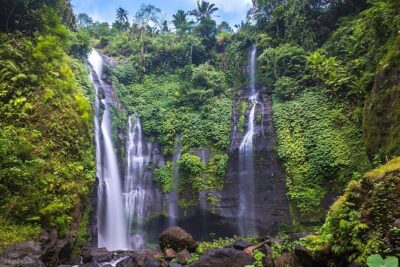
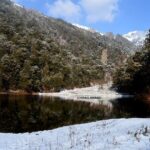
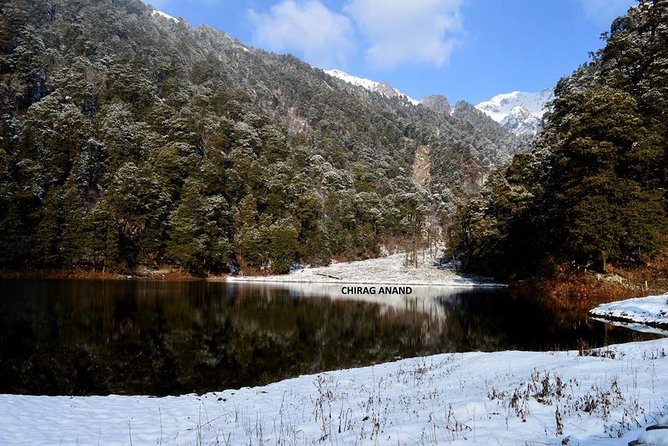
Dodital is one of those treks where the reward isn’t only a view. The big hook is the lake itself: crystal clear water sitting at about 3024m, surrounded by oak, pine, and deodar forests. If you like nature that feels real and unforced—less “look at me” tourism, more “wow, this is a working mountain place”—this delivers.
Then there’s the fish story. The lake is known for Himalayan Golden trout, which adds a rare, specific wildlife element to what could otherwise be a straightforward scenic hike. Even if you don’t see fish easily every day, the whole trek is framed around that unique lake ecosystem.
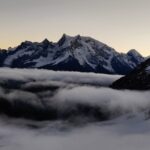
I also like that the scenery has names and scale behind it. On this route, you’ll get peaks like Banderpunch and Kala Naag in the mix, which makes the horizon feel like part of the trek, not an afterthought. And it’s not just mountains and water—there’s also a spiritual layer people associate with the region, including Dodital being described as the birthplace of Lord Ganesha.
You can also read our reviews of more tours and experiences in Rishikesh.
What you’ll notice on the walk
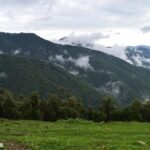
Your eyes keep moving. Forest cover comes first—oak, pine, and deodar—and the trail follows defined paths. Then, as you climb, the world opens up and you start tracking peaks and ridgelines instead of only trees.
One practical note
Because the lake is so central, your pace and the day’s conditions can make the difference between a calm, lingering lake-side moment and a quick stop. If you’re the type who likes to take photos slowly, plan to enjoy your breaks and not rush the scenes.
Darwa Top to 4200m: The Trek’s Real Challenge
The trek is labeled easy, and it is more approachable than many Himalayan adventures. But “easy” doesn’t mean “no effort.” You still go up to a max altitude of about 4200m, and you’ll want to treat that seriously.
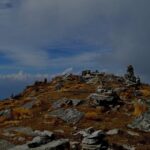
Darwa Top is the summit goal, and it’s the part that tends to justify the whole trip. The payoff is spectacular views—exactly what you hope for when you’re climbing past treeline and into big-sky territory. This is also where a beginner benefits from a guided setup: you’re more likely to move steadily and not panic if the air feels thinner.
Why this peak works for first-timers
If you’re new to altitude trekking, the best training treks are the ones that let you experience height without throwing technical rock-climbing at you. Here, the main work is walking and pacing, with a clear objective (Darwa Top) that helps you stay focused.
A drawback to plan around
At around 4200m, weather can shift fast. Even if the hike is “easy,” fog, wind, or rain can make the top moment less comfortable. That ties into the season note later, especially if you’re traveling during monsoon months.
The 5-Day Flow: How the Trip Unfolds in Real Life
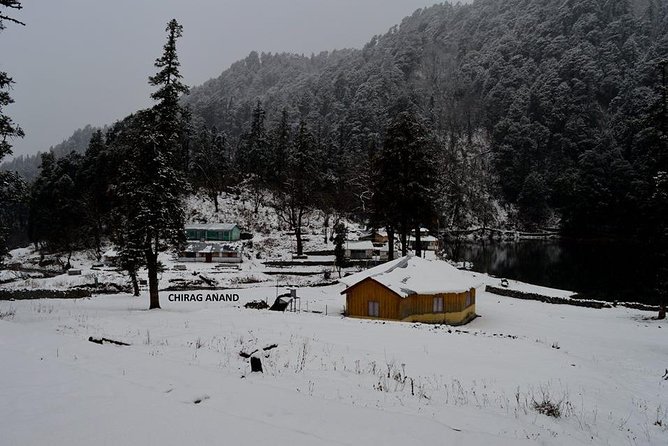
You’re looking at an approx. 5-day program with camping and trekking through Uttarakhand’s Uttarkashi district, north of Uttarkashi. While a day-by-day route map isn’t listed here, the structure is clear: approach and trail time, time focused on Dodital lake, then the Darwa Top push, followed by the return.
Here’s how that typically feels, day-to-day, and what it means for you:
1) Meet-up and start day momentum
You start at Yeti Outdoors at 9:00 am, and the experience ends back at the meeting point. The first day is about getting organized and getting into trekking rhythm—settling in, meeting your crew, and starting the climb toward higher terrain.
2) Forest trail time building into lake-time
As you gain elevation, you move through dense oak, pine, and deodar forests. This kind of trail is a gift if you get bored walking on bare stone. You’ll likely spend a lot of your attention on birds, changing light under the canopy, and the steady rise toward Dodital.
3) Dodital lake as the centerpiece
Once you reach Dodital, the lake becomes your “stay the course” moment. This is the part tied to crystal-clear water and Himalayan Golden trout. You’re in an alpine setting where the atmosphere changes from forest shade to open views and sharper air.
4) Darwa Top summit effort
Then comes the “go up for views” phase. Darwa Top is the target, and you reach the trek’s max altitude around this time (up to 4200m). If you like having a clear goal—rather than just wandering for hours—this is that phase.
5) Return to the meeting point, not to a bus stop
The end of the experience is back at the start point. In practice, the final day or final stretch is when you’ll feel your legs more than your eyes—still worth it, because you’ll be leaving the high terrain with a complete sense of where you’ve been.
What could slow you down
Monsoon timing is the big variable. Even with an easy trek plan, landslides or road issues can interrupt the wider travel. The tour notes explicitly call out disruptions due to natural calamity as outside their control, and they also say the experience requires good weather.
Camp Life: Tents, Sleeping Bags, and Meals on Trek
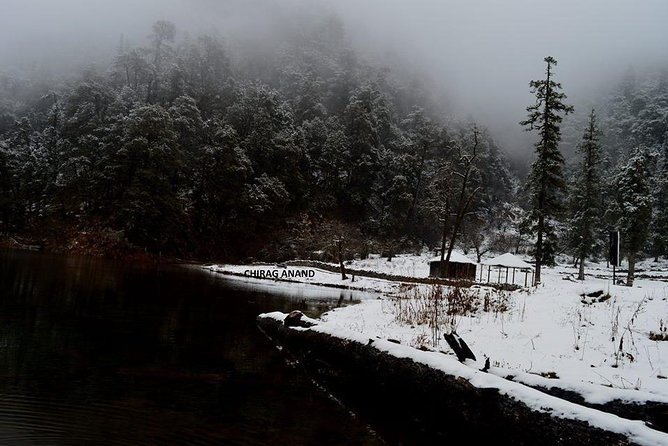
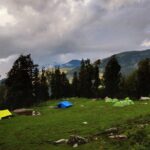
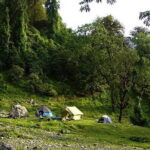
Camping is included, and that matters more than people think. The price covers use of all technical and kitchen equipment—including tents and sleeping bags—so you’re not trying to rent or assemble gear last minute.
Meals are also included on trek, which keeps your budget predictable. And from the way the camp experience is described by people who did the Dodital-Darwa Top trek in October 2021, the food was very tasty, not just “enough to survive.” That’s a real quality marker on multi-day treks, because camp meals are often the brightest part of the day after long walking.
A support system that reduces stress
This isn’t a “you’re on your own” hike. Your team includes guides, cooks, helpers, and porters/mules. That means you’re spending energy on hiking, not on logistics. It also usually means camp setup happens with more consistency, which helps when weather turns weird.
What I’d watch for (and how to set expectations)
If you’re used to ultra-comfy hotels, camping can feel like a culture shift. But since core gear is provided and the food is part of the package, you can focus on the trek instead of playing equipment roulette.
Your Guide Team: Manish and Rishabh’s Practical Local Know-How
The names that come up again and again are Manish and Rishabh—crew leaders who are described as excellent guides with friendly, local knowledge. That matters because the best trekking days aren’t only about summits. They’re about pacing, handling small route uncertainties, and keeping the group calm.
People also mention that the team went the extra mile to listen to requests, and that Manish is both an excellent trek leader and easy to talk to. On a trek like this, you’ll likely benefit from a guide who can explain what you’re walking through—forest patterns, altitude changes, and why the trail matters.
Why that support boosts value
When you’re new, the biggest risk is wasting energy on confusion: starting too fast, worrying about small physical discomfort, or not understanding how to move in changing conditions. A good guide reduces those “wasted hours” by keeping things steady.
Also, since this is a private tour/activity with only your group participating, you’re not squeezed into a mega-team pace. That can make beginners feel safer and can help the leader manage breaks for everyone.
Price and Value: What $191.70 Includes (and What It Doesn’t)
At $191.70 per person for an approx. 5-day easy trek, the headline is straightforward: this isn’t just a guide fee. The package covers a lot of the costly and annoying parts—technical and kitchen equipment, tents and sleeping bags, all entry fees and permits, all meals on trek, and the full support crew.
Included items also cover fees and taxes, plus services like guides, cooks, helpers, and porters/mules. That’s the difference between paying for a trekking plan versus paying for a functioning trip.
What you should budget separately
What’s not included includes:
- insurance and claims due to natural calamity (like landslide/road blockage)
- personal expenses
- stay and food in Mussoorie and food during transit
- transportation can be arranged on request at an additional charge
So your true total depends on how you’re getting to Rishikesh, whether you add any other stop like Mussoorie, and how you prefer ground transport.
The smart way to judge value
Ask yourself: would you rather pay now for permits, equipment, and meals—or pay later while stress-renting gear and tracking food? For most first-timers, the included setup is the value. It also reduces the chance that a last-minute equipment problem ruins your trip days.
Meeting at Yeti Outdoors: Timing and Group Setup That Helps
Your start is Yeti Outdoors at 9:00 am, and the activity ends back at the meeting point. That simple loop is useful. You can show up, get oriented, and not worry about complicated end-of-trek transfer logistics.
Confirmation is expected within 48 hours of booking, subject to availability. The experience is also described as private, meaning only your group participates, which is a big deal for comfort and pacing—especially on an easy trek where the group should move as one.
Pick-up is offered, but transportation can be arranged on request for an additional charge. So check what’s included for your specific pickup route, and don’t assume every transfer is covered at no extra cost.
Best Time to Go: All Year, With Monsoon Reality
The trek is listed as running all year round. That’s a plus if your schedule is fixed. But there’s a clear monsoon note: monsoons are a little tricky.
Here’s the practical takeaway. In monsoon periods, you can expect more slippery ground, possible visibility issues, and higher odds of weather-related disruption. The tour also states that the experience requires good weather, and if it’s canceled due to poor weather, you’ll be offered another date or a full refund.
So you’re not stuck with mystery risk. You’re still making a bet on conditions, but the plan accounts for weather.
Who This Trek Suits Best (and Who Might Want Another Option)
This is a strong choice if you:
- are a first-timer and want an easy trek that still reaches real mountain altitude
- love forest walking and want bird-and-nature time, not just a summit trophy
- want a trek where the destination is meaningful, not only scenic (Dodital’s lake identity and the trout story)
- like having guided support and camping gear handled
It may be less ideal if you:
- get nervous about higher altitude at around 4200m, even if the hike is considered easy
- dislike camping style setups, since tents and sleeping bags are part of the experience
- are set on traveling during monsoon months without flexibility, because conditions can be more challenging
Still, the fact that this is pitched as beginner-friendly is important. It’s built around a trail that’s traditionally been used by herdsmen and holy travelers—meaning it’s not only a modern hiking product. It has a long-walk identity.
Should You Book Dodital Himalayan Trek and Camping?
I’d book it if you want a first Himalaya trek that feels authentic, with real support and a destination that’s more than a view point. The combination of Dodital lake, forest trails, and a guided push to Darwa Top makes it a complete package—especially for people who don’t want to manage permits, equipment, and meal logistics.
I’d think twice if you’re tightly scheduled during monsoon season or if altitude concerns are a major issue for you. In that case, you’d want to pick dates carefully and keep expectations flexible.
If you do book, you’ll get a clear start (9:00 am at Yeti Outdoors), a private group setup, and a trip run by a team that people describe as friendly and attentive—particularly guides like Manish and Rishabh—with camp life and meals set up so you can focus on the trail.
FAQ
How long is the Dodital Himalayan Trek and Camping?
The trek is listed as approximately 5 days.
What difficulty level is it?
It’s listed as an easy trek.
What is the highest altitude reached?
The maximum altitude reached is about 4200m.
What is included in the tour price?
Included items are tents and sleeping bags (plus technical/kitchen/central equipment), all entry fees and permits, all meals on the trek, and services of guides, cooks, helpers, and porters/mules. Fees and taxes are also included.
What is not included?
Insurance and claims related to natural calamity (such as landslide or road blockage), personal expenses, stay and food in Mussoorie, and food during transit are not included. Transportation can be arranged on request for an additional charge.
Where do we meet, and what time does it start?
You start at Yeti Outdoors at 9:00 am, and the experience ends back at the same meeting point.
When is the best time to go?
It’s listed as all year round, but monsoons can be a little tricky.