REVIEW · KATHMANDU
Annapurna Base Camp trek
Book on Viator →Operated by Nepal Trekking Experts Pvt. Ltd. · Bookable on Viator
Base Camp takes effort, and it pays back. This Annapurna Base Camp trek blends classic mountain hiking with village life and tea-house nights, in a small group capped at 10. I love that the plan is built around real walking time and also handles the paperwork—permits and your TIMS card are included—so you spend more energy on the trail than on admin.
I also like the way the company keeps the human part strong: an English-speaking local guide, plus Kathmandu pickup/drop-off and meals mapped out for you. In past trips organized by Nepal Trekking Experts, guides such as Ganesh, Basanta, Amit, Rajan, Resham, and Milan came up for clear pre-trek guidance and hands-on support when situations got complicated.
The one drawback to plan for is comfort level. Tea-house trekking means you should expect limited amenities—no listed wifi and hot showers, and battery charging isn’t included. If you want modern comforts on demand, you’ll need to adjust your expectations.
In This Review
- Key points
- Why Annapurna Base Camp Feels Like a Real Adventure
- Kathmandu Start: Pickup, Permits, and the Briefing You’ll Appreciate
- Tea House Life and the 6-Hour Daily Rhythm
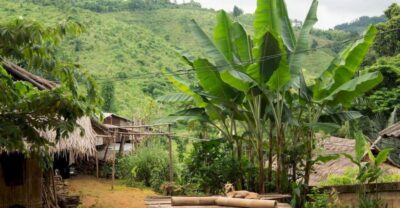
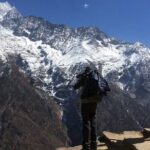
- The Scenic Route: Rhododendron, Bamboo Groves, Terraced Farms, and Villages
- Base Camp Payoff and the Cold Reality at the Top
- Guides and Crew: Small-Group Care You Can Feel
- Price Breakdown: What the $999 Covers (and What It Doesn’t)
- Practical Tips: Staying Comfortable When Comfort Isn’t Included
- Who Should Choose This Moderate ABC Trek (and Who Might Not)
- Should You Book This Annapurna Base Camp Trek with Nepal Trekking Experts?
- FAQ
- How long is the Annapurna Base Camp trek?
- How much hiking is involved each day?
- What group size should I expect?
- Are permits included in the cost?
- Where will I stay during the trek?
- What meals are included?
- Is pickup included from Kathmandu, and will I have a guide?
- What’s not included in the trek price?
- What are the Kathmandu meeting point hours?
- What paperwork and cancellation rules apply?
Key points
- Permits included up front: Annapurna conservation area permit and TIMS card are handled for you
- Small group pacing: max 10 trekkers, so your guide can manage breaks and the day’s rhythm
- Tea-house stays every night: part of the adventure, with simple, practical lodging
- Real daily hiking: about 6 hours walking each day in the Himalaya
- Village-route scenery: rhododendron forests, bamboo groves, terraced farmland, and isolated communities
- Guides with a track record: strong communication and care, including help when someone needs medical attention
Why Annapurna Base Camp Feels Like a Real Adventure
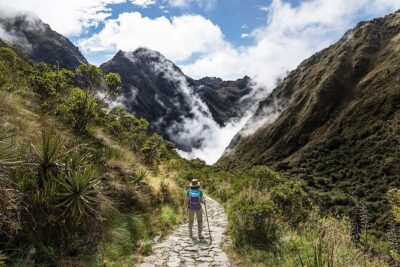
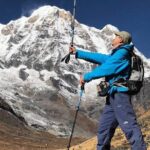
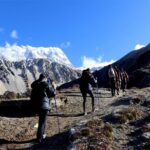
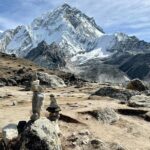
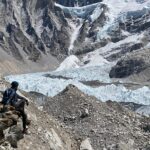
This is the kind of trek that teaches you the Himalaya by walking through it, not just staring at it. You’ll move through different ecosystems and levels of human settlement—forest tracks, farming terraces, and small villages—until the goal turns from a name on a map into a place you can feel getting closer.
The best part for most people is the mix. You’re not just hiking uphill for views. You’re hiking uphill and meeting daily life along the way: paths shaped by generations, tea houses that run on routine, and local culture you pass by at a human pace.
Also, the trek is described as moderately challenging, which matters. This isn’t pitched as a casual stroll, but it’s not sold as technical mountaineering either. If you’re the type who likes steady effort and can handle a full day of walking, you’re in the right lane.
You can also read our reviews of more tours and experiences in Kathmandu.
Kathmandu Start: Pickup, Permits, and the Briefing You’ll Appreciate
Your trip begins in Kathmandu, with hotel pickup and drop-off included. That removes one of the biggest first-day headaches: finding your way through traffic and timing when you’re already nervous about the trek starting.
Then there’s the paperwork piece. The tour includes the Annapurna conservation area permit and your TIMS card. For you, that means less stress around whether something is missing, and fewer chances for delays once you’re already on the move.
One detail I really value on treks like this: pre-trek communication and guidance. In past experiences with Nepal Trekking Experts, the owner figure and guides (including Rajesh) have been praised for quick responses and for meeting trekkers before the hike to cover dos and don’ts. That kind of briefing may sound small—until you’re on the trail and you’re glad you already know how the days work.
Tea House Life and the 6-Hour Daily Rhythm
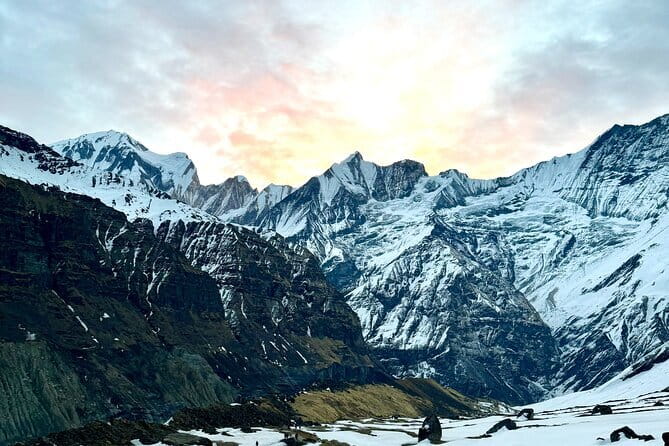
Expect a hiking rhythm of about 6 hours a day in the Himalaya. That’s the core promise of this trek, and it’s a good one to take seriously. Six hours doesn’t mean nonstop trudging. You’ll typically work with breaks, terrain changes, and the fact that you’ll want time to pause for photos and to take in what you’re seeing.
Your lodging during the hike is tea houses. That’s not luxury, and it’s not supposed to be. It’s practical mountain infrastructure: you arrive, eat, sleep, and reset your legs. In return, you get something more satisfying than a hotel experience—the chance to be away from daily life and live inside the trek’s pace.
Meals are included as breakfast, lunch, and dinner according to the itinerary. This is one of those “boring” inclusions that turns out to be a big deal. When food is handled, you can plan your energy without constantly calculating what’s available where. Still, keep in mind that drinks aren’t included, so you’ll want to budget for that part separately.
A final rhythm tip: if you want the trek to feel enjoyable, don’t try to win the day. On a 14-day trek, the smartest pace is the one that keeps your body steady for the long run—especially if weather or visibility changes.
The Scenic Route: Rhododendron, Bamboo Groves, Terraced Farms, and Villages
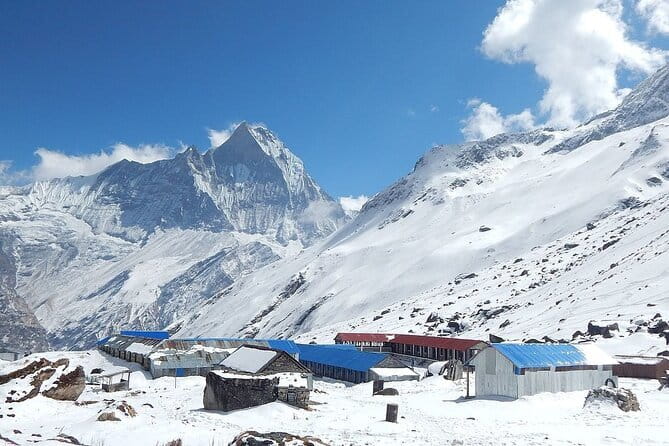
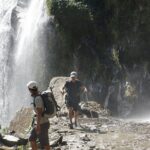
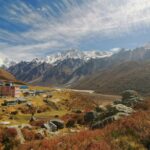
You’re trekking through a mix of scenery that stays interesting because it changes often. The route passes through:
- Rhododendron forests
- Bamboo groves
- Terraced farmland
- Isolated villages
That matters more than people think. A trek can become monotonous if the surroundings don’t shift. Here, you’ll likely get plenty of variety in the same day—forest shade, open stretches, farming patches, and community areas—so your eyes don’t get bored.
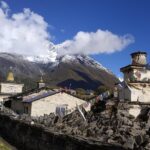
And the villages aren’t just background. Tea-house trekking is one of the best ways to understand mountain life beyond postcards. You’ll see how people work, how they move, and what hospitality looks like when it’s built for hikers but still rooted in daily routines.
Photo and video time also becomes part of the day. The hike isn’t only about reaching Base Camp; it’s about experiencing the changing environment as you go. If you’re the type who likes to capture small moments (doorways, mountain paths, locals at work), this route gives you plenty.
Base Camp Payoff and the Cold Reality at the Top
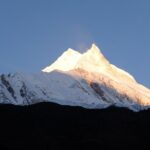
The ultimate goal is to reach the foot area of Annapurna, with the classic dream of getting to Annapurna Base Camp. That’s the reason you’re doing 14 days of hiking: the big payoff moment that feels earned.
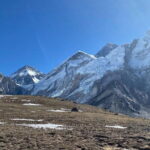
One practical consideration is temperature. Even without guessing exact numbers, you should plan for real cold at Base Camp. Past trekkers flagged that it can be really cold up there—meaning you’ll want to be ready for chilly mornings, windy breaks, and nights that feel colder than you expect.
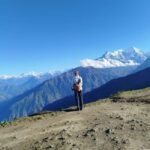
Also remember: mountain weather can change visibility. You might get clear mountain views, or you might hike through cloudier stretches. Either way, the trek is still worth it because the journey is part of the reward. The trail teaches you the mountain’s mood as much as its skyline.
Guides and Crew: Small-Group Care You Can Feel
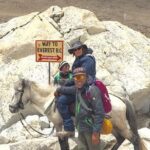
This is a max 10 trek, and that size changes the experience. With smaller groups, your guide can actually manage the pace, help with small decisions, and pay attention to how you’re doing rather than herding everyone along.
The tour includes a government registered English-speaking professional local guide. That’s huge for safety and sanity on a trek. You’re not just walking—you’re learning. You’ll get context about the Nepal Himalaya from your guide, and that turns scenery into stories you can remember.
What stands out from the real-world examples tied to Nepal Trekking Experts is support quality. Different guide names came up for the same theme: people who show up prepared, communicate well, and take care of their group. Examples include:
- Ganesh being praised for taking great care of trekkers
- Basanta being called out for outstanding guide support
- Amit and Rajan being described as excellent throughout the trek
- Resham (with porter Chhwang mentioned) being specifically thanked for safety and comfort
- Milan being praised for help when someone needed urgent medical support
You should still bring your own smart trekking habits—listen to your body, be honest about fatigue—but having a crew that stays calm and helpful is a big confidence boost.
Price Breakdown: What the $999 Covers (and What It Doesn’t)
The price is listed at $999 per person for approximately 14 days. The value isn’t just the headline number—it’s what’s included.
What you get included:
- Accommodation as per the itinerary (tea houses during the trek)
- Permits: Annapurna conservation area permit and TIMS card
- Local taxes
- Meals: breakfast, lunch, dinner as per itinerary
- English-speaking local guide
- Hotel pickup/drop-off
- Round-trip public transportation
- A mobile ticket, plus group discounts (when applicable)
What’s not included:
- Drinks
- Souvenir photos (available to purchase)
- Entrance fees in temples and monasteries
- Wifi, hot shower, and battery charge (not included)
- Personal shopping
- Trekking gears
- Personal insurance
So, what does that mean for you? It means the big costs that usually surprise people—guide time, permits, and most meals—are already built into the price. When you’re trekking for two weeks, that kind of predictability matters. You avoid the constant “how much is this going to be today?” stress.
Your main add-ons will be drinks, entrance fees if you want them, and your own gear/insurance choices. If you’re planning your budget, put extra cash aside for drinks and any optional extras like souvenir photos.
Practical Tips: Staying Comfortable When Comfort Isn’t Included
Even when a trek includes meals and a guide, your comfort comes from preparation. Here’s what the details tell you about the real experience:
- Tea houses are your base. That’s the accommodation plan, so your expectations should match simple mountain lodging.
- No wifi, no hot showers, no battery charging are listed as included. That means you should plan for limited charging and minimal screen time.
- Drinks aren’t included, so you’ll want to think about hydration and warm drinks as part of your daily budget.
- Entrance fees for temples and monasteries aren’t included, so if you want to visit, budget for small payments on top.
Packing advice based on what’s explicitly supported: bring enough warmth for cold Base Camp conditions. Beyond that, focus on trekking essentials. The trek may provide the structure, but you still carry your own comfort layer by layer.
Small mindset shift helps, too. Instead of treating limitations as annoyances, treat them as part of the deal. The payoff is you end up living at trekking speed.
Who Should Choose This Moderate ABC Trek (and Who Might Not)
This trek is best suited for active, adventurous travelers who like hiking and can handle daily walking of about six hours.
You’ll likely enjoy it if:
- You’re comfortable with a moderately challenging pace
- You want a classic Himalayan route with cultural village stops
- You’re happy with tea-house basics and meals handled for you
- You want a local guide who can explain the region while you walk
You might reconsider if:
- You need wifi or hot showers as part of your travel standard
- You can’t commit to multi-day hiking time
- You prefer fully private accommodations and high-end comfort (this is not that kind of trek)
Should You Book This Annapurna Base Camp Trek with Nepal Trekking Experts?
If you want an Annapurna Base Camp trek that feels organized without feeling rigid, this one makes sense. The combination of permits included, a government registered English-speaking guide, tea-house accommodation, and meals planned across the trek removes a lot of guesswork that can drain your energy before the hiking even starts.
I’d book it if you’re looking for a straightforward, moderately challenging trek with small-group pacing and solid support. The added bonus is the kind of staff reputation that shows up in multiple guide names—people who communicate well and genuinely take care of the group when the trail throws curveballs.
FAQ
How long is the Annapurna Base Camp trek?
The duration is listed as 14 days (approx.).
How much hiking is involved each day?
The trek involves trekking/hiking for around 6 hours each day.
What group size should I expect?
The tour has a maximum of 10 travelers.
Are permits included in the cost?
Yes. The Annapurna conservation area permit and the TIMS card are included.
Where will I stay during the trek?
You’ll stay in tea houses during the hike.
What meals are included?
Breakfast, lunch, and dinner are included as per the itinerary.
Is pickup included from Kathmandu, and will I have a guide?
Yes. Hotel pickup and drop-off are included, and you’ll have a government registered English-speaking professional local guide.
What’s not included in the trek price?
Not included are drinks, souvenir photos, entrance fees in temples/monasteries, wifi/hot shower/battery charge, personal shopping, trekking gears, and personal insurance.
What are the Kathmandu meeting point hours?
The meeting point is listed as Monday–Sunday, 5:15 AM to 10:45 PM.
What paperwork and cancellation rules apply?
You’ll need passport details (name, number, expiry, and country) at booking. Cancellation is free, and you can cancel up to 24 hours in advance for a full refund. Canceling less than 24 hours before the start time isn’t refunded.