REVIEW · KATHMANDU
Everest Base camp Trek
Book on Viator →Operated by Mission Summit Treks And Expedition · Bookable on Viator
Everest Base Camp tests you in the best way. This trek earns its reputation for one reason: you get the full Everest-region experience, from the high-drama flight into Lukla to the long, rewarding walk toward Base Camp. You also get a route built around real villages like Phakding, Namche, Tengboche, Dingboche, Lobuche, and Gorekshep, not just a straight line on a map.
What I like most is how the trip supports you where it matters. First, you’ll have a trained, English-speaking government-licensed guide plus porters (listed as 2 trekkers to 1 porter), so you’re not guessing logistics while your body is negotiating altitude. Second, the package includes the hard-to-sort basics—Lukla flights, national park paperwork, and three trek meals—so you can spend your energy on the trail.
One drawback to plan for: this is real trekking country. Accommodations are included, but toilets are outside your room, and the package does not include power, Wi‑Fi, or hot showers, so you’ll need to travel with that in mind.
In This Review
- Key highlights worth knowing
- First, the Big Picture: What 12 Days in the Everest Region Feels Like
- Price and Logistics: Where Your $1,500 Actually Adds Value
- Getting to Lukla: The Flight That Sets the Tone
- Trek Legs That Build Momentum: Lukla to Phakding to Namche to Tengboche
- Lukla to Phakding: river, bridges, and a first taste of the trail
- Phakding to Namche: the big cultural jump
- Namche to Tengboche: prayer flags energy
- Higher Country: Dingboche, Lobuche, and the Long Road to Gorakshep
- Dingboche: altitude reality hits harder
- Lobuche to Gorakshep: the approach to Base Camp space
- Everest Base Camp and Kalapathher: How to Pace the Big Day
- Practical pacing tip
- Guides and Support Team: Why the Reviews Keep Naming Specific People
- Lodging, Meals, and the Not-So-Glitzy Reality of Power
- Packing and Training: The “Moderate Fitness” Part Isn’t a Suggestion
- Who This Trek Suits Best (And Who Should Rethink It)
- Should You Book This Everest Base Camp Trek?
- FAQ
- How long is the Everest Base Camp trek?
- Where does the trek start?
- What is included in the price?
- What is not included?
- Are accommodations and meals provided during the trek?
- Is the trek a private group?
- Is there Wi‑Fi or hot showers included?
- What is the cancellation policy?
Key highlights worth knowing
- Lukla flights included: Kathmandu (or Ramechap) to Lukla, plus the return flight back.
- Everest National Park paperwork handled: saves time and stress before you start hiking.
- Guide-led pace and daily briefings: reviewers highlight calm, organized support during tough sections.
- Classic village-to-village route: Phakding, Namche, Tengboche, Dingboche, Lobuche, Gorekshep.
- Support crew included: porters and a government-licensed guide, with 2:1 trekker-to-porter noted.
- Base Camp plus a higher viewpoint: Kalapathher is listed right after Base Camp.
First, the Big Picture: What 12 Days in the Everest Region Feels Like
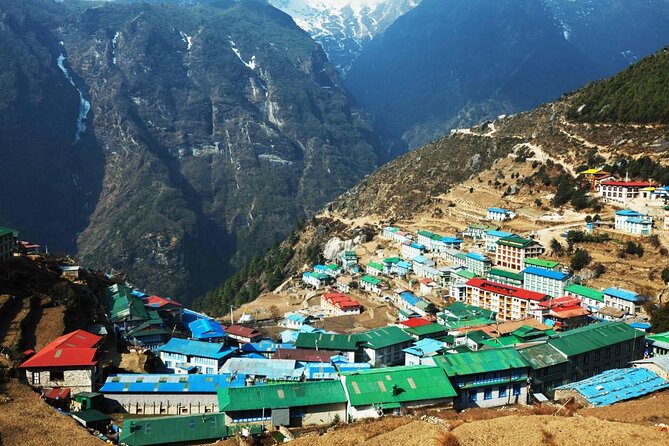
Everest Base Camp is not a lazy hike. It’s a disciplined trek where effort builds day by day, and your mood shifts with the weather and altitude. If you’ve got trekking experience and you’re excited to keep moving, the route makes a lot of sense.
You’ll be walking through different “types” of days: river-and-bridge mornings, village rest stops, and then longer stretches that tighten the schedule. The good news is the itinerary is structured around well-known stopovers like Namche and Tengboche, so you’re not wandering in the dark trying to connect points.
Also, this trek is emotionally loud in the best way. Multiple reviews stress the mental side—patience, humility, and how much the guide matters for keeping things steady when the going gets slower than you hoped.
You can also read our reviews of more tours and experiences in Kathmandu.
Price and Logistics: Where Your $1,500 Actually Adds Value
At $1,500 per person, you’re paying for more than a route. You’re buying the “infrastructure” that can easily turn into hidden hassle on a DIY trip: flights, permits, meals, and guided support.
Here’s what’s included that really matters for value:
- Airport pickup and drop in Kathmandu by private car/van/bus
- Flights Kathmandu/Ramechap ↔ Lukla (and back)
- Three meals daily during the trek (breakfast, lunch, dinner)
- All accommodations during the trek (you bring your sleep system only if you prefer, but lodging is covered)
- Everest National Park permit paperwork plus all government taxes/office expenses
- Domestic airport tax
- Guide plus porters (2 trekkers to 1 porter is listed)
What’s not included is also clear, and it’s important to budget for it:
- Nepal visa fee (USD 40)
- International airfare and travel insurance
- Bottled drinks/mineral water and sweets during the trek
- Hot shower, battery charge, Wi‑Fi (for camera gear, power is limited)
- Tips for guide and porter
The practical takeaway: this price is strongest if you don’t want to assemble everything yourself. If you can’t easily handle flight timing, permits, and day-to-day meals, that included package is exactly what you’re paying for.
Getting to Lukla: The Flight That Sets the Tone
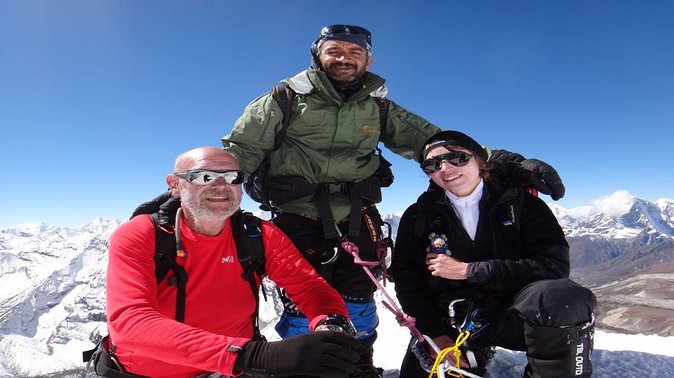
The trek starts with a thrilling flight to Lukla, coming from Kathmandu or Ramechap. That hop is more than transportation—it’s the moment the Everest-region story begins. You go from city logistics to mountain reality fast.
Once you land, the trek doesn’t waste time. You immediately move into the first stretch of trail that takes you past elements like the Dudh Kosi river, suspension bridges, and forest walk before reaching Phakding. It’s a nice setup because it warms up your legs without throwing you straight into the deepest fatigue.
One detail I appreciate in the way the experience is packaged: you’re not left to figure out airport transfers or travel timing alone. Pickup and drop are included, and the meeting point is Tribhuvan Airport, Kathmandu.
Trek Legs That Build Momentum: Lukla to Phakding to Namche to Tengboche
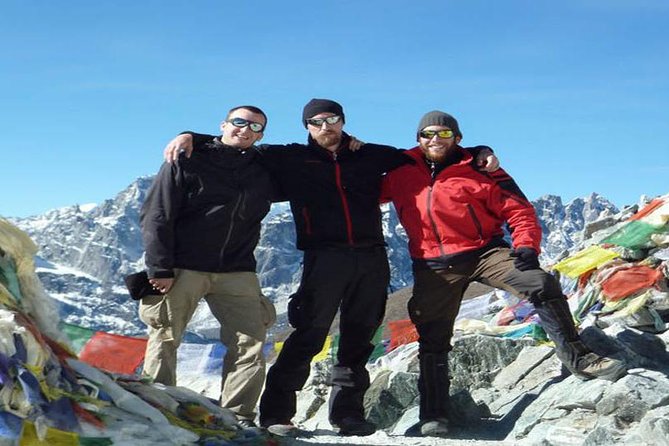
Your first days are about rhythm. This section is where the trek transitions from “adventure” into “routine,” which is good. When routine shows up early, your body adapts instead of panicking.
Lukla to Phakding: river, bridges, and a first taste of the trail
You’ll start from Lukla and head toward Phakding, staying on the bank of the Dudh Kosi. Expect a mix of walking with moments that keep your brain engaged—bridges, water, and shaded forest walking.
Why this leg matters: it gets you moving after the flight and gives you a low-stress entry into trekking altitude and trail pace. It also helps you learn your own rhythm, which is huge later when days get longer.
Phakding to Namche: the big cultural jump
From Phakding, the itinerary continues to Namche. Namche is one of those places that changes your perspective. You’ll feel less like you’re hiking through scenery and more like you’re joining a small community that lives with the mountain every day.
If you want one practical approach: don’t treat Namche like a checkbox. Give yourself time to absorb it, reset your energy, and focus on steady breathing before the next climbs.
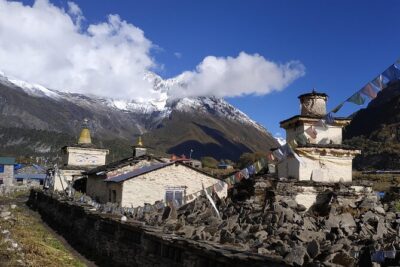
Namche to Tengboche: prayer flags energy
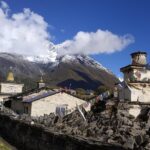
Next comes Tengboche. This is one of the emotional anchors of the route, because the Everest-region trekking experience isn’t only about big views. It also runs on culture, monasteries, and the rhythm of people who’ve done this route with respect for generations.
Tengboche is where you’ll likely slow down on the trail. Not because you have to, but because you’ll want to look around at the mountains and settle your focus for what’s next.
Higher Country: Dingboche, Lobuche, and the Long Road to Gorakshep
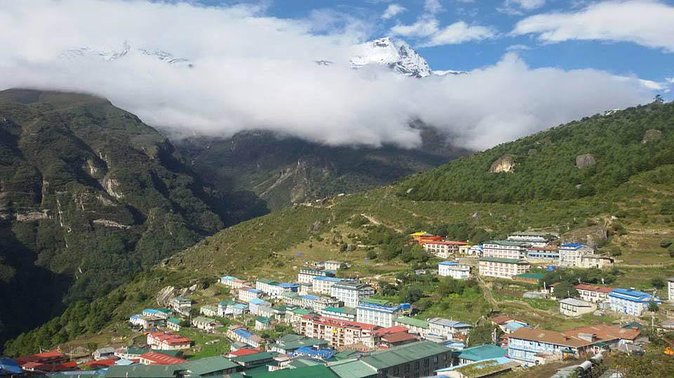
As you move deeper into the trek, the environment starts asking more from you. The itinerary follows a classic progression: Tengboche → Dingboche → Lobuche → Gorekshep.
Dingboche: altitude reality hits harder
Dingboche is a key stop on the way to the higher push. By the time you’re there, you already know the trail, but you’ll feel the altitude more clearly. This is where having a guide you trust becomes real value, not a nice-to-have.
Multiple reviews highlight how guides handle the toughest parts with calm check-ins and organized pacing. That matters because the right pace helps you finish strong.
Lobuche to Gorakshep: the approach to Base Camp space
Then you reach Lobuche and continue to Gorekshep. This stage usually feels like it’s building toward the big moment—your legs start to understand that Base Camp isn’t far away, but it also isn’t instantly there.
Practically, keep your day simple: walk steadily, eat on schedule, and don’t chase speed just to prove something to yourself. The trek rewards consistency.
Everest Base Camp and Kalapathher: How to Pace the Big Day
From Gorekshep, the route continues to Everest Base Camp. This is the surreal payoff. You’ve been climbing (in both altitude and effort) for days, and the landscape becomes a kind of reward you can’t fully screenshot.
Right after Base Camp, the itinerary lists Kalapathher as the next destination above Base Camp. That matters because it gives you another view moment rather than ending the story immediately at Base Camp.
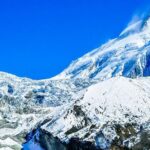
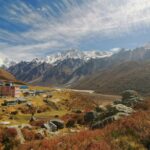
One more thing I like about how the trek is described: the mountain-view emphasis isn’t generic. You’ll get perspectives on peaks and ranges referenced in the overview, including Thamsherkhu, Kusum khangaru, Tabuche, Cholache, Ama Dablam, Lhoste, Island Peak, Makalu, Khumbuste, Chhangaste, Pomari, and Labuche. Even if clouds steal a few angles, that list tells you what you’re aiming for visually.
Practical pacing tip
On your way to Base Camp and Kalapathher, keep your pace controlled. Save your biggest energy for the moments you’ll remember—standing still, looking up, and letting the experience sink in.
Guides and Support Team: Why the Reviews Keep Naming Specific People
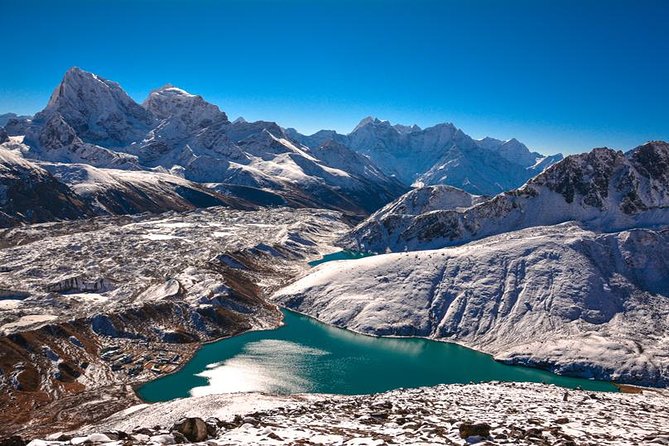
This trek is only as smooth as the team guiding it. The most praised aspect in the reviews is how supportive and organized the guides are day after day.
Names that show up repeatedly include Damu (with mention of Damu’s heart in the details and evening briefings), Damodar Mainali (recognized for management and support), and Kamal (supported by assistants like DB and others). Other guide/porter names referenced include Nir as a guide cum porter, plus multiple “bhai” guides such as Damadar Bhai, DalBahadur Bhai, and Kalu Bhai.
What you can learn from that: this isn’t just a person who hands you a route card. The trip is designed around communication and check-ins—especially during tougher sections. That’s how you avoid the common fatigue spiral where you keep pushing until you’re too wiped out to enjoy the scenery.
Also, you’re going with a private group where only your group participates. That can make pacing and teamwork easier, since you’re not stuck dealing with mismatched expectations.
Lodging, Meals, and the Not-So-Glitzy Reality of Power
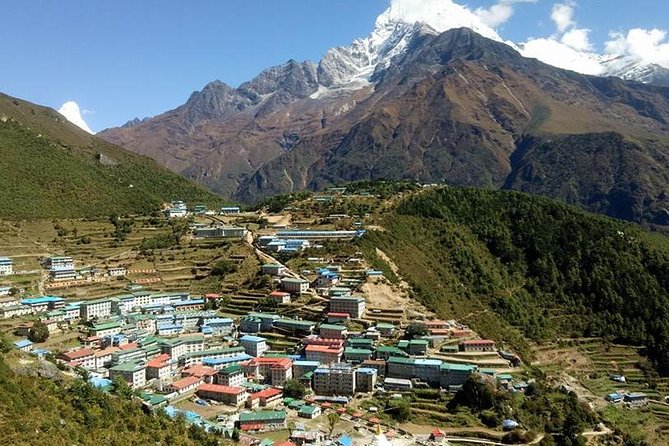
The package includes accommodations and three meals a day during the trek. That’s a big deal. When meals are already planned, you spend less time managing food stops and more time hiking and recovering.
Your lodging comes with one reality check: toilets will be outside your room. It’s not unusual for trek lodges, but it’s worth knowing so you’re not mentally surprised when night falls.
Also, plan for limited comfort extras:
- No hot shower included
- No battery charging and Wi‑Fi included
- You’ll likely need to manage power and device use carefully
If you love photos, bring a strategy. Charge what you can before power gets scarce, and consider a low-drain plan for camera gear. The trek package is about getting you moving, not running a power station.
Packing and Training: The “Moderate Fitness” Part Isn’t a Suggestion
You’re told to have moderate physical fitness, and the trek also implies you should be prepared with trekking experience. That combination is important: Everest Base Camp is doable for many people, but it’s not a beginner walk.
Here’s what you should focus on before you go, based on the trek’s nature:
- Build endurance for long uphill/downhill days
- Practice steady walking at a pace you can maintain
- If you’re traveling with kids or older trekkers, be realistic about how quickly you’ll need breaks
- Expect that some days will feel slower than you want
And please take the altitude seriously. Even when the itinerary is well structured, your body still has to adjust.
Who This Trek Suits Best (And Who Should Rethink It)
This trek makes the most sense if you want:
- A guided, supported trek with permits handled
- Included meals so you can focus on hiking
- A route that hits the classic Everest-region trail stops
- A private group feel rather than a mixed crowd
You might also love it if you enjoy the cultural side of trekking, not just mountain photos. The route goes through villages like Namche and Tengboche, and those stops give the trek more than scenery.
If you hate simple lodging, want guaranteed hot showers, or need steady Wi‑Fi, you may find the comfort limits annoying. But if you’re okay with the tradeoff, the experience stays very worth it.
Should You Book This Everest Base Camp Trek?
I’d book this if you want a strong value package that covers the big friction points: flights to Lukla, park paperwork, meals, accommodations, and a guide team that shows up in the reviews by name for good reason. The $1,500 price looks fair when you compare what’s included versus what you still need to manage yourself (visa, insurance, power/shower options, and tips).
You should think twice if you’re not comfortable with outside-room toilets and limited power, or if you’re expecting easy, stress-free trekking. Everest Base Camp is work. The upside is that the structure and support make the work feel manageable.
If you can handle the trekking basics and you care about having a calm, organized guide, this is the kind of trip that can land in your memory for years.
FAQ
How long is the Everest Base Camp trek?
It’s listed as 12 days (approx.).
Where does the trek start?
The meeting point is Tribhuvan Airport, Kathmandu, Nepal.
What is included in the price?
Included items are airport pickup/drop, flights Kathmandu/Ramechap ↔ Lukla, three meals per day during the trek, accommodations, Everest National Park permit paperwork, a licensed English-speaking guide, taxes/office expenses, domestic airport tax, and a porter setup listed as 2 trekkers to 1 porter.
What is not included?
Not included are the Nepal entry visa fee (USD 40), international airfare and travel insurance, mineral water/bottled drinks/sweets, hot shower/battery charge/Wi‑Fi, and tips for the guide and porter.
Are accommodations and meals provided during the trek?
Yes. All accommodations are included and you get breakfast, lunch, and dinner during the trek. Toilets are outside your room.
Is the trek a private group?
Yes. It’s described as a private tour/activity, so only your group participates.
Is there Wi‑Fi or hot showers included?
No. Hot shower, battery charge, and Wi‑Fi are listed as not included.
What is the cancellation policy?
There is free cancellation. You can cancel up to 24 hours in advance for a full refund. Canceling less than 24 hours before the start means no refund.