REVIEW · SAPA
Muong Hoa Valley Trek & Homestay Experience – 4D3N
Book on Viator →Operated by Trekking Tour Sapa · Bookable on Viator
One valley trek, five villages, and real culture on foot. This 4D3N Muong Hoa Valley experience in Sapa mixes mountain scenery, big rice terrace views, and hands-on learning with a local guide, plus a homestay night. You start at 9:00 am near Sapa Church, and you’ll keep moving at a pace that fits a moderate fitness level.
What I liked most is how it goes beyond photos. You get to meet communities from Hmong, Giay, and Red Dao groups and hear about everyday life and traditions, including Hmong marriage customs and how people work their fields and build houses.
One thing to consider: the trek is not a flat stroll. Even when Sapa feels mild, the valley can run hotter, and paths can be uneven—so pack for weather shifts and plan to walk with steady effort, not casual sightseeing.
In This Review
- Key things you should know before you go
- Muong Hoa Valley Trek: the real Sapa version, not the postcard shortcut
- The 9:00 am start near Sapa Church (and why it’s a good thing)
- Day one: Y Linh Ho, a descent toward Cat Cat’s road, and Ta Van rice terraces
- Day two: Giang Ta Chai waterfalls and learning in the Red Dao area
- Day three: Ban Ho and the Nam Toong stretch for Red Dzao culture
- Day four: the Muong Hoa River walk back to Ban Ho
- Homestay night: included comfort, village rules, and what to expect
- Price and value: why $190 can make sense for this kind of guided trek
- Weather and the June heat lesson (pack like you mean it)
- Who this tour fits best (and who might prefer a different pace)
- Should you book this Muong Hoa Valley Trek & Homestay 4D3N?
- FAQ
- What time does the tour start, and where do I meet?
- How many villages and ethnic groups does the tour include?
- Is homestay included, and for how long?
- What meals and drinks are included?
- What’s the physical level required?
- What happens if the weather is poor?
Key things you should know before you go
- Small-group size (max 15) means more questions and less waiting around.
- Five village visits across Hmong, Giay, and Red Dao areas keeps the trip varied.
- Homestay included for 1 night gives you the rhythms of village life, not just a day hike.
- Meals are mostly covered (multiple lunches, breakfasts, and dinners) so you won’t be constantly hunting food.
- Muong Hoa River return route makes the last day feel like a soft landing after the uphill walking.
- Moderate fitness required with uphill sections and short walking distances like 2 km down and about 3 km to Nam Toong.
Muong Hoa Valley Trek: the real Sapa version, not the postcard shortcut
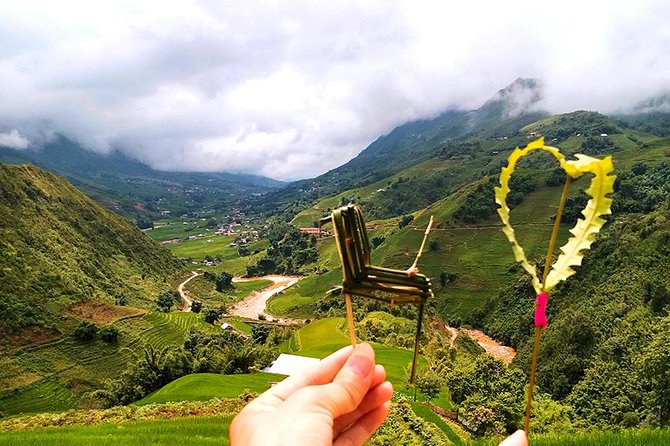
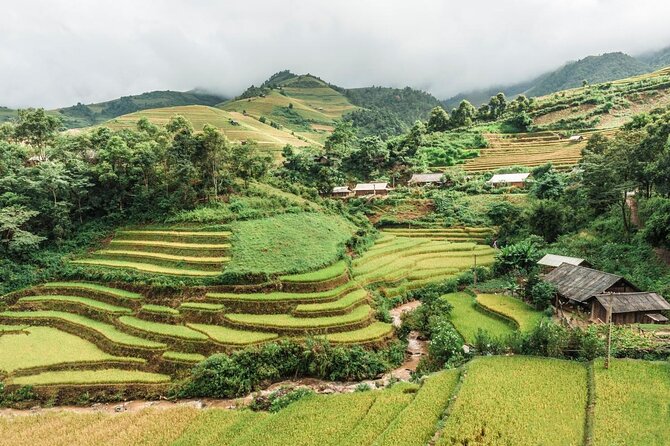
Sapa can feel busy—tour buses, quick stops, and people moving like they’re on a schedule. This trek feels different because you’re walking through the valley and spending time in villages where daily work still shapes the day. The Muong Hoa Valley area is dramatic, but the point here isn’t just a view. It’s the way the landscape and the people are connected: rice terraces, river life, and farming routines all show up as part of the walk.
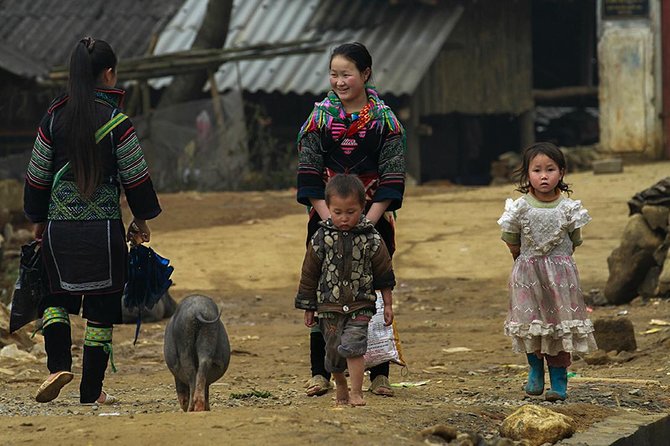
You’ll visit five different villages linked to three key ethnic communities: Hmong, Giay, and Red Dao. That mix matters. Instead of hearing the same story five times, you’ll see how customs and livelihoods shift from one community area to another. And because a local guide is with you, you’re not stuck guessing what you’re seeing.
The trip also has a practical rhythm. You start early, move through the day with stops that feel planned (not rushed), and end each day with meals and a place to rest. That balance makes it a good choice if you want authentic culture without turning the vacation into a survival test.
The 9:00 am start near Sapa Church (and why it’s a good thing)
You meet at Sapa Church area (or your hotel in Sapa Town). The start time is 9:00 am, which is early enough to get going before the day heats up in the valley. Starting from this central point also makes logistics simpler than arranging separate transport to the trailhead on your own.
This tour also offers pickup, and you’ll receive a mobile ticket, so you’re not stuck coordinating paper tickets or extra confirmations at the last minute. If you like knowing where you need to be and when, you’ll probably appreciate the straightforward start.
A quick note: the tour is capped at 15 travelers, so you’ll usually be walking with a small group. That can mean less crowding on paths and fewer delays at village stops.
Day one: Y Linh Ho, a descent toward Cat Cat’s road, and Ta Van rice terraces
Day one is built for perspective. After you meet your guide, you’ll head out and get an early taste of how Sapa village areas connect by footpaths. One of the first movements is a 2 km descent toward Cat Cat’s road, which helps you feel the terrain shift quickly. It’s the kind of early walking that helps you settle into the trek pace without pretending it’s a flat walk.
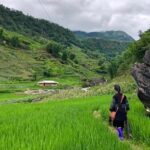
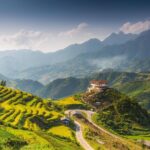
Then you’ll move toward Ta Van Village, one of the highlights for most people because you get to see big rice terrace scenery and wide mountain views over the Hoang Lien area. Ta Van is often associated with rice terraces, and here you’ll understand why: terraces aren’t just a dramatic backdrop. They’re part of how people grow food on steep slopes, and the guide’s explanations help turn the view into something you can actually picture as a working system.
A practical drawback on day one: because you’re starting with both descent and moving toward terrace viewpoints, you’ll want comfortable shoes with grip. Wet or slippery sections can happen, especially around village paths and the valley edges.
Day two: Giang Ta Chai waterfalls and learning in the Red Dao area
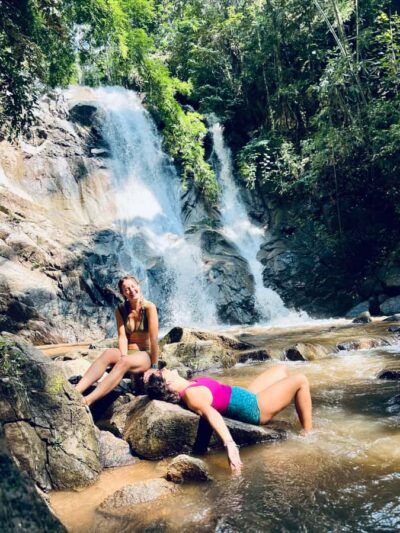
Day two adds altitude work and a different kind of scene change. After breakfast, you head uphill into the mountain area, then you reach the waterfalls of Giang Ta Chai. The waterfalls give you a natural break in the day and a reason to pause and look around without feeling like you’re just catching your breath.
From there, the focus shifts to the Red Dao area. This is where the cultural side becomes more than a quick talk. Your local guide introduces you to their customs and traditions in a way that connects everyday life to what you’re seeing around the village.
One of the best ways to think about this day: waterfalls are a bonus, but the real value is the learning. You’re getting context for what life looks like outside the main Sapa tourist lanes—how people organize their days, how tradition shows up in daily behavior, and what makes the Red Dao community distinct in this region.
The main consideration: uphill walking means you’ll feel the effort more than day one. Bring a light layer and expect your body temp to swing as you climb, especially in the warm months.
Day three: Ban Ho and the Nam Toong stretch for Red Dzao culture
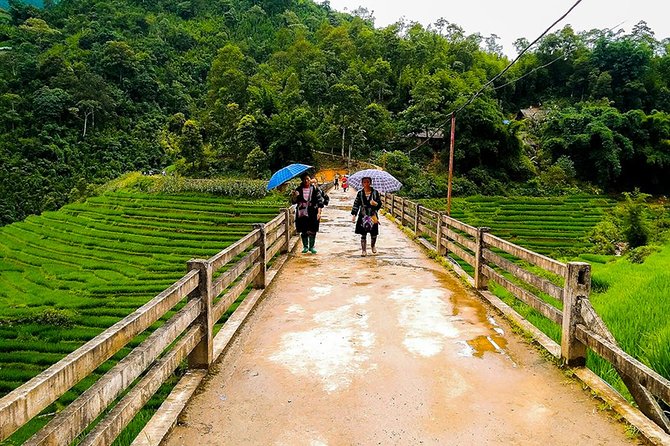
Day three starts with breakfast in Ban Ho Village, then you continue walking to Nam Toong, about 3 km from Ban Ho. That short-to-medium walking segment is long enough to feel like a real trail day, but it’s also short enough that you’re not crushed before the cultural stop.
Nam Toong is where you’ll get a closer look at life for the Red Dzao minority group living in the area. The guide helps explain traditions and day-to-day realities, so you’re not just passing through houses and fields as background. You’re learning what you’re seeing and why it matters to the community.
Ban Ho works as a good base point for this part of the trek. Staying in this rhythm for multiple days gives you a chance to notice details—how people use space around their homes, how the village layout responds to the terrain, and how work ties into the seasons.
If you’re sensitive to heat, pace yourself on day three too. In June, for example, the temperature can feel surprising: one review noted around 23°C in Sapa, but 31–32°C in the valley during the summer wet season. That’s the kind of real-world info that changes how you pack.
Day four: the Muong Hoa River walk back to Ban Ho
Day four is the payoff day. You start with a filling breakfast in Ban Ho, then you walk from Thanh Phu back to Ban Ho using a different route that follows the Muong Hoa River. This is described as an easy but scenic way to end the trek—perfect for easing out after earlier uphill sections.
The river route changes the mood of the day. You’re not climbing as much, and the scenery feels more open and flowing. You’ll likely find it easier to slow down, take photos without rushing, and enjoy the walk as a wind-down rather than a final push.
Keep in mind: easy on paper doesn’t always mean dry. River-adjacent paths can still be slippery if conditions are wet. If you tend to slip in sandals, don’t test it here—go with proper walking shoes.
Homestay night: included comfort, village rules, and what to expect
This tour includes homestay accommodation for 1 night, plus multiple meals across the four days. Dinner is included for three evenings, lunch for four days, and breakfast for three mornings, with a big bottle of water per person provided. That meal coverage is a big part of the value because it removes the daily question of where to eat—especially after a full walking day.
Homestays can vary, and the details here are general rather than ultra-specific. What I can say for sure from the structure of the trip is that the homestay is part of the cultural experience, not just a bed on the way out. Expect a more local rhythm and basic comfort compared with a hotel.
Practical tips for a homestay night:
- Bring a small headlamp or flashlight if you have one, since lighting standards can differ from hotels.
- Pack a light layer even in warm months; temperatures can shift near valleys and mornings.
- Be respectful with household space and routines. If you’re unsure, ask your guide how guests usually behave.
One more note: the tour data says extra drinks at the homestay aren’t included. If you like something specific to drink in the evening, plan for it.
Price and value: why $190 can make sense for this kind of guided trek
At $190 per person, you’re paying for a package that includes more than just a walking route. You get:
- A local guide
- Village entry fees
- Homestay for 1 night
- Transport back to Sapa after the tour ends
- A full set of meals across the trekking days
- One big bottle of water per person
When you compare that to building a trek on your own—guide time, entry fees, and meals—this starts to look like fair value. The guide matters a lot here because the cultural learning is the point. Without that, you’d see the villages but miss the explanations that make the visit meaningful.
Is it worth it for everyone? It’s a strong fit if you want guided cultural context and included food coverage. If you already have a private guide lined up and you’re confident arranging homestay and meals on your own, you might be able to build something cheaper. But for most people, the simplicity of an all-in-one package is the real win.
Also pay attention to timing: this tour is commonly booked around 97 days in advance. If your travel dates are fixed, booking earlier is smart for securing a spot in a small group.
Weather and the June heat lesson (pack like you mean it)
Sapa’s weather can confuse people. A review from late June noted about 23°C in Sapa, but 31–32°C in the valley during the summer wet season. That difference is exactly why you should pack with both comfort and flexibility.
Here’s what I’d do with that kind of info in mind:
- Wear breathable clothes and expect heat in the valley, even if Sapa town feels cooler.
- Bring a light rain layer just in case. The tour requires good weather to run, but conditions can still shift.
- Plan for hydration. The tour includes one big bottle of water per person, which helps, but you may still want to pace your drinking depending on how warm it is for you.
If rain does affect the trek, the tour operator states that you’ll be offered a different date or a full refund when canceled due to poor weather. That’s useful safety net logic.
Who this tour fits best (and who might prefer a different pace)
This trek is designed for people with moderate physical fitness. You’ll handle uphill walking and short segments between villages, plus the final river route back. If you’re comfortable walking a few kilometers over uneven ground and you don’t need everything to be perfectly flat, you’ll probably enjoy the day-by-day structure.
It’s especially good if you care about:
- Culture you can talk about, not just scenery you can screenshot
- Learning about Hmong, Giay, and Red Dao traditions and daily routines
- Meeting people in villages and understanding rice terrace life beyond the view
You might want to pick another option if:
- You need a very gentle, mostly level trek.
- You’re looking for a pure photography-only tour with minimal walking.
- You dislike homestay settings and prefer full hotel comfort.
Should you book this Muong Hoa Valley Trek & Homestay 4D3N?
If you want Sapa that feels lived-in—villages, traditions, rice terraces, and a river valley route—this is an excellent match. The biggest strengths are the small group size, the included local guide and village entry fees, and the fact that the homestay + meals are part of the experience instead of an add-on. With an overall rating of 5 and a 98% recommendation level, it clearly hits what many people come to Sapa for.
Book it if you’re ready for real walking, you like cultural learning, and you want a guided route that removes daily planning stress. Skip it if your priority is maximum comfort with minimal effort, or if you want a trek that’s purely about views with no deeper community focus.
FAQ
What time does the tour start, and where do I meet?
The tour starts at 9:00 am. You’ll meet at Sapa Church area (you may also meet at your hotel in Sapa Town, depending on the pickup setup).
How many villages and ethnic groups does the tour include?
You visit five villages and learn about communities connected to Hmong, Giay, and Red Dao ethnic minorities.
Is homestay included, and for how long?
Yes. You get homestay accommodation for 1 night during the 4D3N tour.
What meals and drinks are included?
The tour includes breakfast (3), lunch (4), and dinner (3), plus 1 big bottle of water per person. Extra drinks at the homestay are not included.
What’s the physical level required?
It’s listed for travelers with a moderate physical fitness level. Expect uphill walking on some days and uneven village-path terrain.
What happens if the weather is poor?
This experience requires good weather. If it’s canceled due to poor weather, you’ll be offered a different date or a full refund.