Jungle steps, temple whispers, waterfall cool-down. This 1-day Bali adventure mixes real rainforest trekking with small cultural stops and a finale at a waterfall. You’re not doing a checklist walk. You’re walking where the jungle still runs the show.
I especially love the combination of the Beji temple visit and the crystal-clear spring water. It’s calm, spiritual, and genuinely beautiful in a way that feels different from the usual photo circuit. I also really like the Balikaru half of the day: a hearty Balinese lunch at Warung Balikaru, plus a farm visit where you can learn about sustainable village life and Trigona honey bees.
One thing to know up front: this isn’t a stroll on a paved path. It’s listed as moderate to difficult, with steep bits, slippery ground, and fully natural trail conditions. If you don’t handle uneven footing well, or if you’re not comfortable with a rougher day outdoors, skip this and choose something gentler.
In This Review
- Key things I think are worth your attention
- Where this trek fits in Bali’s story
- Pickup and timing: what the “small group” really changes
- The jungle trek: natural trails, steep moments, and ranger know-how
- How long and how the walking is broken up
- Snacks, rice-terrace views, and the little breaks that keep you steady
- Beji temple and sacred spring water: the spiritual stop that isn’t just sightseeing
- Warung Balikaru lunch: the food stop that actually feels like a meal
- Balikaru Farm: sustainable village life and Trigona honey bees
- Hot spring photo stop and the drive through rice terraces
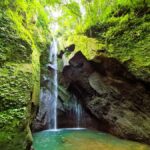
- The finale: Pengempu Waterfall and that last cool-down
- Price and value: why $86 can make sense here
- What to bring (so the jungle doesn’t humiliate you)
- Small rules that keep the day smooth
- Who this trek suits best (and who should skip it)
- Photos, videos, and your day saved after the hike
- Should you book Bali’s Mystical Jungle Trek & Hidden Waterfall Adventure?
- FAQ
- How long is the Bali Mystical Jungle Trek & Hidden Waterfall Adventure?
- What’s included in the tour price?
- Do I need to pay extra for a non-English guide?
- What’s the group size?
- Is this trekking tour challenging?
- Are children allowed?
- Can I eat vegetarian on this tour?
- What should I bring with me?
Key things I think are worth your attention
- Small group (max 6): more guide time and easier maneuvering on tight, natural trails
- Ranger help plus an English-speaking guide: they’re there for safety, pace, and navigating jungle conditions
- Beji temple + spring water: a sacred stop that’s tied to daily local respect for nature
- Balikaru lunch and shower: you finish fed, cleaned up, and not just sweaty and done
- Trigona honey bees at the farm: a hands-on look at village sustainability, not a quick roadside photo
- Pengempu Waterfall finish: the day ends with a refreshing water moment, not a rushed drop-off
Where this trek fits in Bali’s story
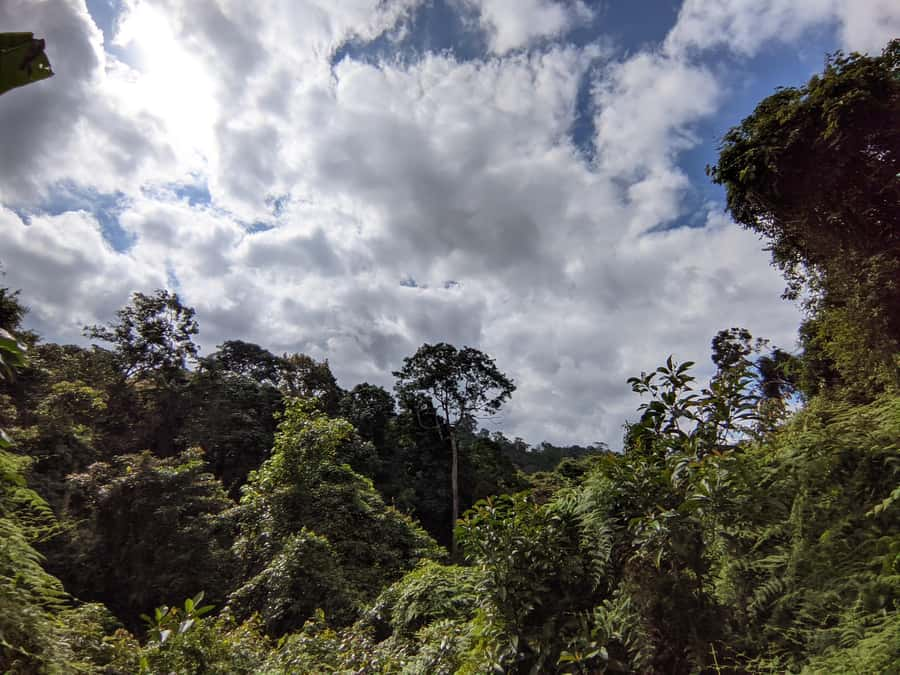
Bali has plenty of easy sightseeing days. This isn’t that. This is a day built around moving through the wild areas around Tabanan Regency, guided by people who know the paths locals use and how to keep you safe in real jungle terrain.
What I like about the approach here is that it treats nature as the main attraction, not a backdrop. You’re walking through rainforest, bamboo groves, and mossy riverbanks. Then you get cultural context through a sacred forest temple and a village eco-stop.
If your Bali dream is jungle air, muddy shoes, and a calmer kind of connection, this style fits. If you want a smooth, step-by-step itinerary with paved walkways the whole way, you’ll probably feel stressed instead of relaxed.
You can also read our reviews of more tours and experiences in Bali.
Pickup and timing: what the “small group” really changes
Pickup is included by air-conditioned car from a broad set of Bali areas within about 50 km east and south of Belulang village. That can include places like Ubud, Sanur, Canggu, Denpasar, and nearby areas, depending on where you’re staying.
You’ll start with a transfer to the hiking area, then make short stops along the way. Expect a quick snack break before the main guided trek stretch. The day is structured so you’re not just hiking straight through without pauses, but it still keeps the pace outdoors.
With a group capped at 6, you’ll feel the difference on narrow trail sections. It’s easier to spread out, harder to get separated, and you spend more time actually talking with the guide instead of waiting for a crowd.
The jungle trek: natural trails, steep moments, and ranger know-how
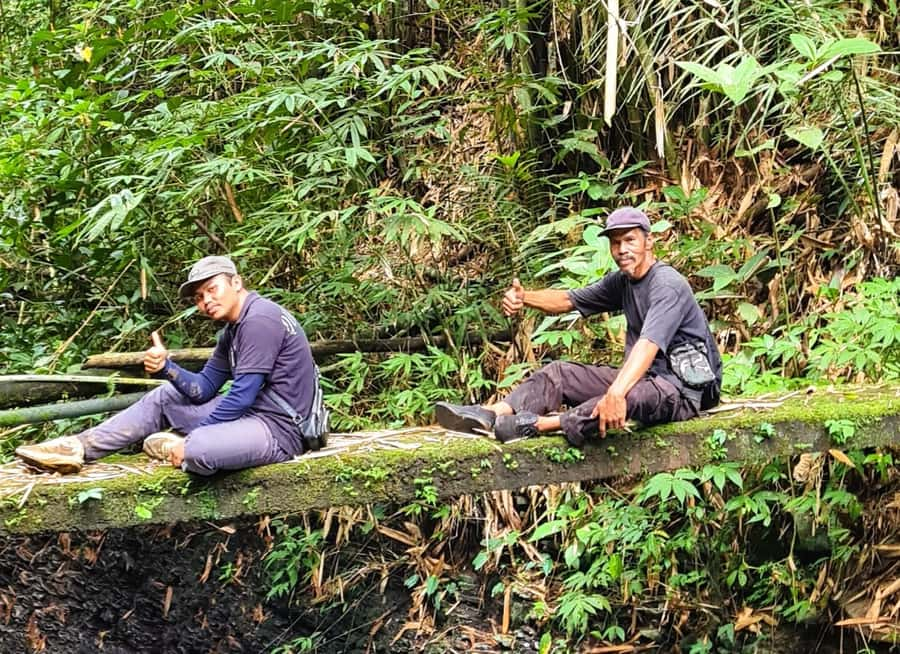
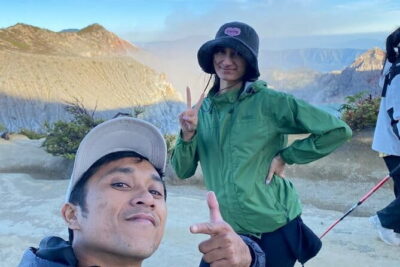
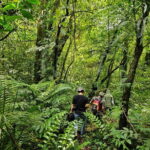
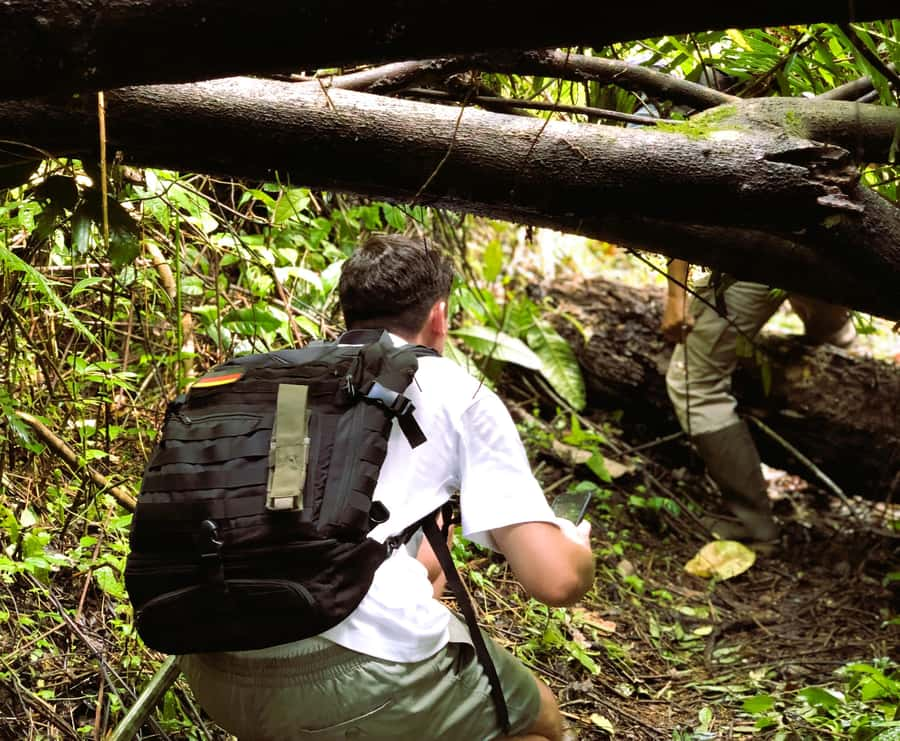
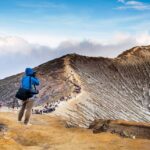
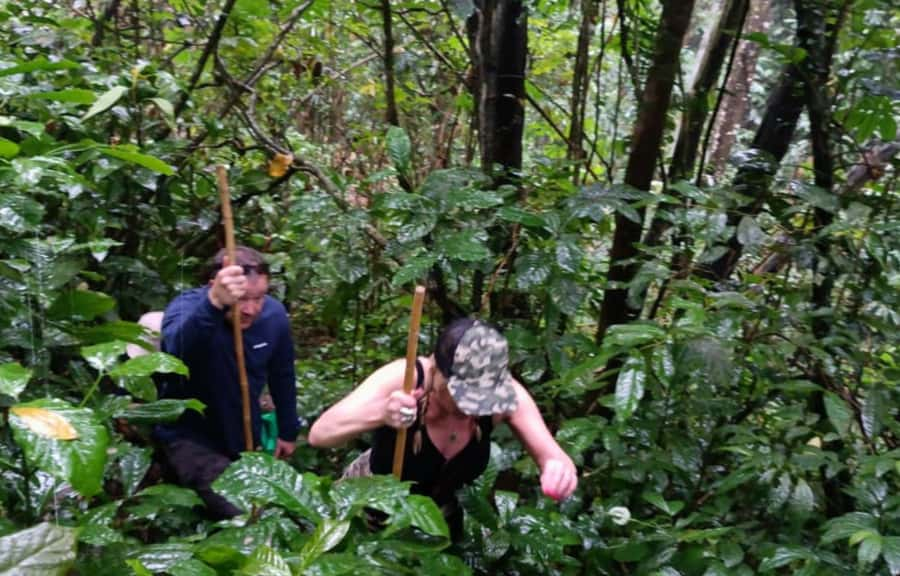
The trek itself is the star event. The route goes through dense rainforest and overgrown bamboo, with narrow paths and steep climbs. The tour is clear about one key point: there are no prepared paths. That’s not a scare tactic. It’s a heads-up that your footing matters.
There will be moments where your ranger clears the way, and the ground can be slippery. That’s also why sturdy, well-worn hiking shoes are a real requirement, not a suggestion. Your shoes are basically your safety gear today.
Also, weather can change. You get a rain cape included, which helps if you hit a passing shower. Still, plan for real jungle conditions—cool damp patches, warmer sunny stretches, and riverbank humidity that can make everything feel wetter than it looks.
How long and how the walking is broken up
The day uses a mix of short hikes and guided segments. You’ll have an initial hiking stretch to reach the first area, then a guided stretch of about 2.5 hours. After lunch later, there’s another hiking stretch, a couple of scenic/photo moments, and a final guided part before you return.
That rhythm matters. It helps you keep steady energy. It also gives you time to cool off at water stops instead of only pushing forward.
Snacks, rice-terrace views, and the little breaks that keep you steady
You’ll stop for local snacks early in the day. I like these breaks because they’re small, but they keep the hike from turning into pure endurance. You’ll also have water and snacks during the trekking tour.
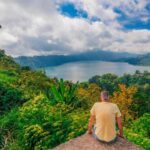
Later, you’ll pass through viewpoints like rice terraces during the drive back. Even if you’re focused on the hike, these quick sight windows add that “this is why I came to Bali” feeling without stealing your whole afternoon.
Beji temple and sacred spring water: the spiritual stop that isn’t just sightseeing
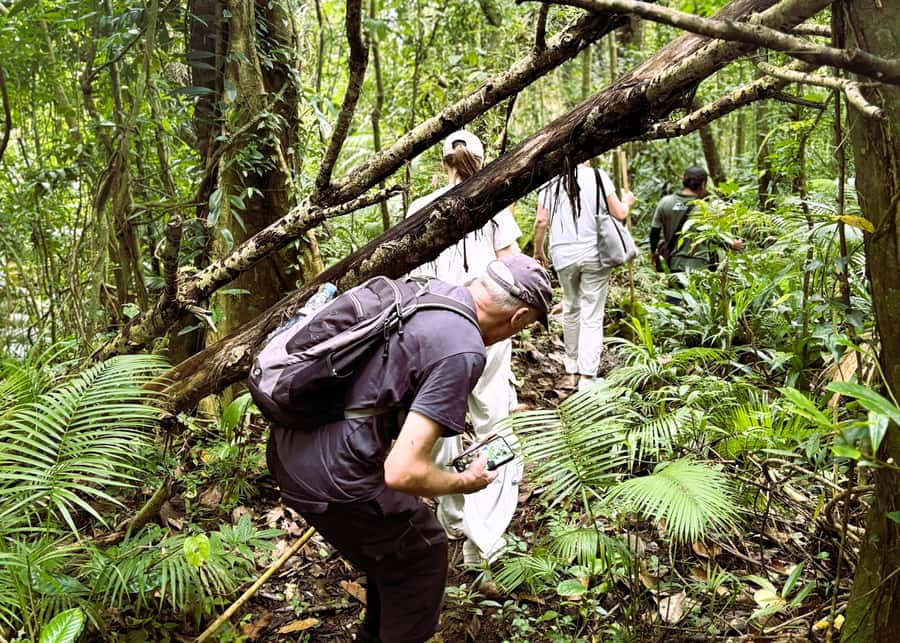
One of the most memorable parts is the sacred forest area with the Beji temple. This is where people bring offerings to honor nature spirits, and you’ll see that kind of local spiritual relationship firsthand.
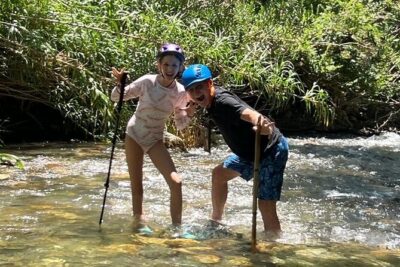
Then comes the best reason to slow down: cool spring water flowing over rocks. The water is described as crystal-clear, and it’s the kind of place where you instinctively lower your voice. It’s not a staged performance. It’s a living spiritual spot embedded in the jungle.
In practice, expect the time here to be both scenic and reflective. You might cool off, listen to the rhythm of the jungle, and take a breath away from the louder parts of Bali.
If you’re the type who likes culture without the museum feeling, this stop lands well.
Warung Balikaru lunch: the food stop that actually feels like a meal
After the trekking, you return to the Balikaru activity area for lunch at Warung Balikaru. This is one of the best “value moments” of the day because lunch is included and it’s not a sad snack box.
The lunch is described as healthy and homemade. You’ll also get a welcome drink. If you’ve ever done tours where lunch feels like an afterthought, this one feels like part of the experience—especially after the kind of walking that leaves you hungry in a good way.
There’s also a big practical win: you’ll have the chance to shower afterward, and towels are provided. That’s a small thing until you’re tired and sweaty. Then it becomes a big thing fast.
Balikaru Farm: sustainable village life and Trigona honey bees
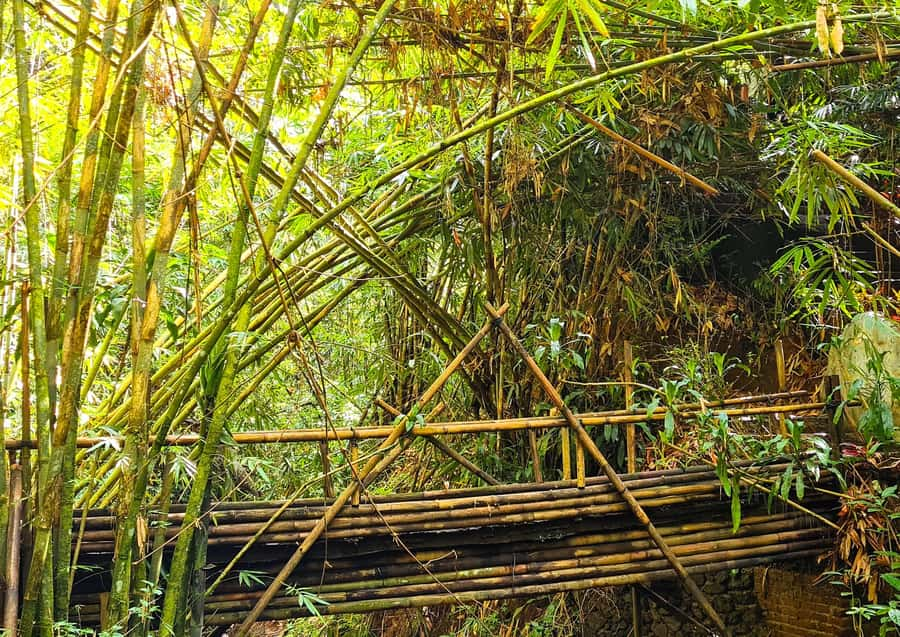
Next comes Balikaru Farm. This part is a break from hiking, but it still keeps you close to how people live locally. You’ll learn about sustainable village life and spice plants, and you’ll visit the Trigona beehives.
I like this because it answers a real question: where does the food and agriculture actually come from? You’re not just watching nature—you’re seeing how people work with it.
You also get animals at the farm visit, which adds a gentle, everyday feel to the day. It’s the kind of stop that makes the jungle trek feel less like a random adventure and more like a connection.
Hot spring photo stop and the drive through rice terraces
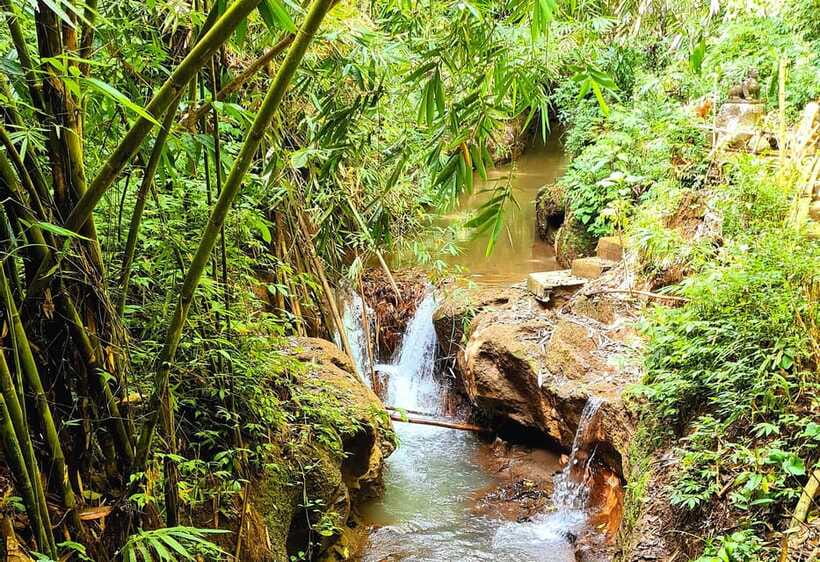
After lunch and the farm time, the schedule includes a hot spring photo stop. The tour lists this as a photo moment with about 20 minutes there.
Then you drive back through rice terrace scenery. Think of it as a decompression section. Your legs may be done, but your eyes get one last refresh before the final water finish.
The finale: Pengempu Waterfall and that last cool-down
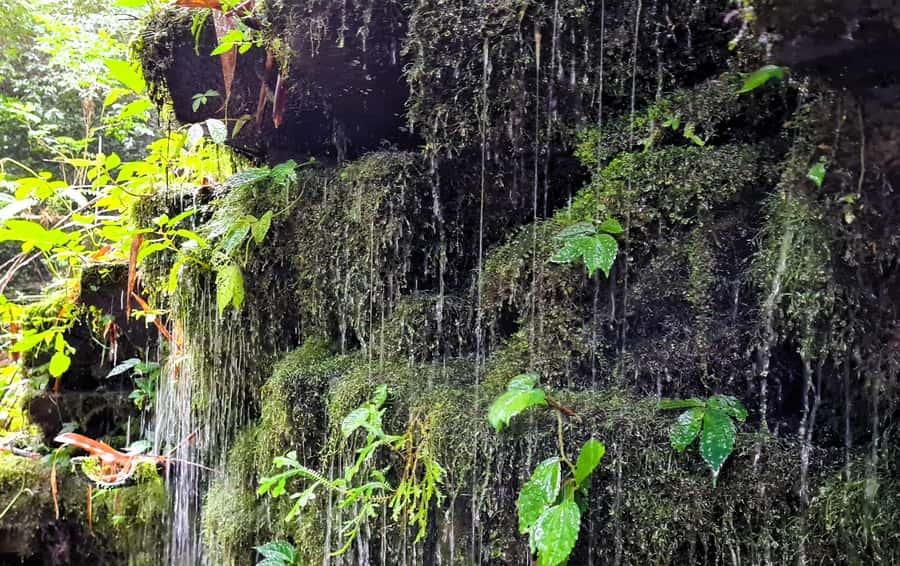
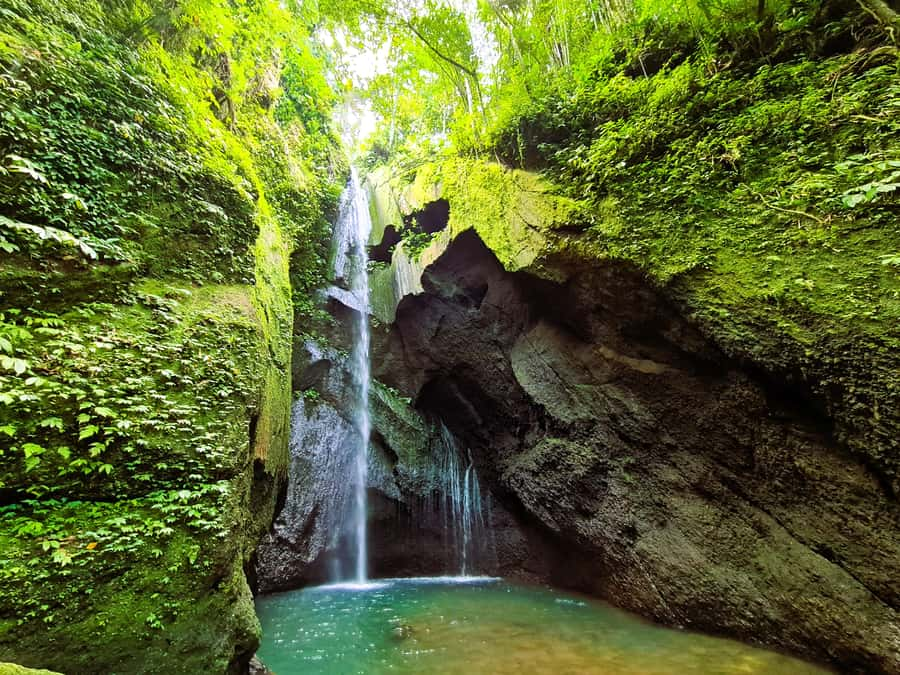
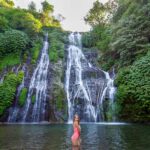
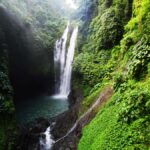
The day ends with a stop at Pengempu Waterfall. This is the kind of finale that makes all the effort feel worth it, because the reward is immediate and physical: time at the waterfall to cool off and soak in the setting.
From a practical standpoint, expect it to be a calmer end to a challenging trek. The waterfall stop is short enough that it doesn’t drag your schedule, but it’s long enough to actually enjoy the cooling moment.
If you’re someone who likes a day to end with a clear payoff, this works.
Price and value: why $86 can make sense here
At $86 per person for a 1-day trek, the value comes from what you’re getting bundled together. This isn’t only a guide and a hike. You also get:
- Air-conditioned transfer to/from your hotel area
- English-speaking guide plus a local experienced ranger
- Snacks and water during the trek
- Welcome drink and lunch at Warung Balikaru
- A shower at the Balikaru activity centre (towels provided)
- Rain cape included for bad weather
- Visits to Balikaru Farm (including Trigona honey bees) and the waterfall
- Photo memories sent after the tour by email
What you’ll still want to budget for is also clear: drinks outside what’s included, personal expenses, and tips/gratuity.
For me, the biggest value signal is the combination of jungle trekking help + real meals + shower access + farm and waterfall time in one day. That’s hard to piece together as cheaply if you hire things separately.
What to bring (so the jungle doesn’t humiliate you)
Bring comfortable shoes that you don’t mind getting dirty. If your shoes are new and stiff, break them in. The trail can be slippery, and you’ll feel it.
Other musts:
- Hat and high SPF sunscreen
- Insect repellent
- Camera
- Water
- Long sleeves and long legs (breathable) for jungle protection
Also bring a change of clothes. You’ll be able to shower after trekking, but you still need something clean to put on afterward.
Small rules that keep the day smooth
No smoking, no littering, no making fire, and don’t touch plants. These rules aren’t there to ruin your fun. They protect the natural area and the people running the activity.
Who this trek suits best (and who should skip it)
This tour is for people who want a real hike with natural conditions. It’s listed as moderate to difficult, and it expects good physical condition and fitness.
It is not suitable for:
- Children under 13
- Pregnant women
- People with mobility impairments
- People with heart problems
- Wheelchair users
- People with low level of fitness
If you’re active, comfortable with uneven ground, and okay with a few tough moments, you’ll likely love it. If you’re traveling with a knee problem or you get nervous on slippery trails, this is the wrong match.
Photos, videos, and your day saved after the hike
You’ll have photo stops during the trek and the ranger team helps document the experience. After the tour, you receive gift items and photo memories by email.
That matters if you want a “proof” of your day without constantly stopping to wrestle your camera out of a damp jungle bag.
Should you book Bali’s Mystical Jungle Trek & Hidden Waterfall Adventure?
Book it if your Bali trip needs one day that feels raw, active, and connected. This is the kind of tour where you come back with muddy legs, a full stomach, and a mental image of spring water over rocks at the end of a steep trail.
Don’t book it if you want polished, easy walking or if your fitness level isn’t ready for slippery, unprepared conditions. Also skip it if you’re in one of the listed non-suitable categories.
If you fall in the middle—curious but cautious—my advice is simple: wear the right shoes, use the insect repellent, and take the challenge seriously. The payoff at Pengempu Waterfall feels earned.
FAQ
How long is the Bali Mystical Jungle Trek & Hidden Waterfall Adventure?
It runs for 1 day, with the tour schedule starting at set times based on availability.
What’s included in the tour price?
You get transfer by air-conditioned car to/from your hotel area, an English-speaking guide plus a local ranger, snacks and water during trekking, a welcome drink and lunch at Warung Balikaru, rain cape, shower (towels provided), visits to Balikaru Farm and the hidden waterfall, and photo memories by email.
Do I need to pay extra for a non-English guide?
English and German are offered. The information says other languages may have a surcharge.
What’s the group size?
The tour is a small group limited to 6 participants.
Is this trekking tour challenging?
Yes. It’s described as moderate to difficult, with natural trail conditions, slippery surfaces, and steep climbs. It requires good physical condition.
Are children allowed?
No. It’s not suitable for children under 13.
Can I eat vegetarian on this tour?
Vegetarian meals are available if you indicate it under special requirements when booking.
What should I bring with me?
Bring comfortable hiking shoes, a hat, sunscreen, insect repellent, a camera, and water. You should also bring a change of clothes since you can shower after trekking.