REVIEW · HANOI
4-Day Jungle Trekking in Ba Be National Park
Book on Viator →Operated by Mr Linh's Adventures · Bookable on Viator
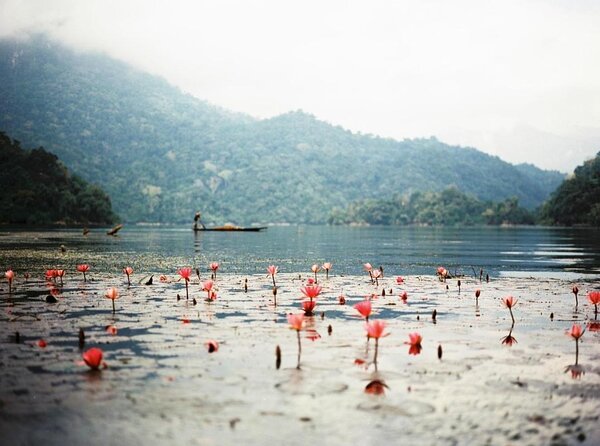
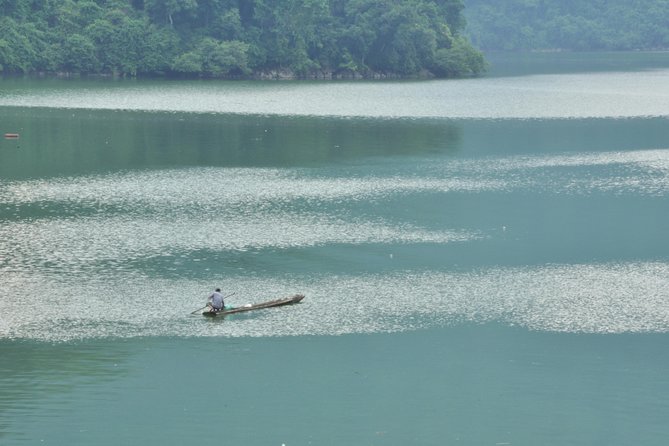
One good reason to come to Ba Be is simple: you walk in. This 4-day, door-to-door trek in Ba Be National Park mixes boat time on Ba Be Lake with real on-foot trail days through mountains and villages. I love that you get three different homestays (including a Tay stilt house and time in a Dzao village), not just a “pass-through” visit.
Two things I like a lot are the rhythm of the days and the guide-led access to people. You’re guided by an experienced English speaker, and the program puts you in front of communities like Tay, Dzao, and Hmong, with moments like corn wine and a homestay meal count that’s unusually generous for Vietnam.
One drawback to plan around: this is not a casual stroll. You’ll hike roughly 16 miles (25 km) over the course of the trip, and the route includes steep, rough terrain and forest walking, so you’ll want a moderate fitness level and solid shoes.
In This Review
- Key takeaways before you go
- Why Ba Be National Park hits different on a guide-led trek
- Price and logistics: what $679 really buys you
- Day 1: Hanoi culture stop, then a Tay stilt house by Ba Be Lake
- Day 2: Coc Toc fishing life, Pe Lu Stream, then steep trail rewards
- Day 3: Dzao clothing photos, black H’mông village, Dau Dang Waterfall, and Mr Pirate
- Day 4: Hua Ma Cave on the way back to Hanoi
- The cultural side: Tay, Dzao, and Hmong in real places
- Food and drink: 10 meals plus corn wine
- Trekking reality check: how hard is it, really?
- What “no crowds” feels like on this kind of route
- Who should book this Ba Be trekking experience
- Should you book this Ba Be jungle trek?
- FAQ
- FAQ
- How long is the Ba Be National Park trekking tour?
- Where does the tour start in Hanoi?
- How much trekking is included?
- What level of fitness do I need?
- Are meals included?
- What safety and trekking gear comes with the tour?
- Do I need a passport?
Key takeaways before you go
- Door-to-door pickup from your hotel in Hanoi saves time and stress.
- Three homestays in three communities, including a Tay wooden stilt house and Dzao village time.
- 25 km of guided trekking plus lake cruising, so you get both effort and scenery.
- Cave visiting (Hua Ma is part of the day 4 route, and Puong Cave is also included in the experience).
- All meals included across 10 total meals, so you can budget once and be done.
- Water and trekking gear included (dry bags, life jackets, and more), which matters when you’re actually out there.
Why Ba Be National Park hits different on a guide-led trek
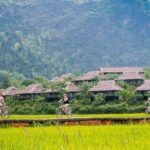
Ba Be is not just “a place with a lake.” It’s a working region of ethnic communities and forest routes, and it changes fast depending on where you stand—on water, in a village lane, or on a climb with views across valleys.
A guided itinerary like this is the difference between seeing Ba Be and understanding it. A lot of the meaningful moments come from pacing. You don’t rush past the Tay stilt houses or try to figure out local names and trails on your own. You get a human translator and a human guide, and the day feels like it’s moving because you’re moving with it.
The program also gives you cultural contact without turning it into a show. You’ll spend time in homes, share meals, and learn the basics of daily life—fishing-centered Tay food culture around the lake, Dzao clothing for photos, and Hmong village stops where corn wine is part of the experience.
You can also read our reviews of more tours and experiences in Hanoi.

Price and logistics: what $679 really buys you
At $679 per person for 4 days and about 3 nights, the value comes from how many “small costs” the trip removes. You’re paying for:
- Door-to-door transfers (hotel pickup and hotel drop-off in Hanoi)
- An experienced local English-speaking guide
- Accommodation in homestays for three nights
- All sightseeing tickets that come with the route
- Trekking and water safety gear, including life jackets and dry bags
- 10 meals (3 breakfasts, 4 lunches, 3 dinners)
That matters because the trip isn’t only about walking. It’s about being able to do everything on the timetable without hunting for transport, entrance fees, or gear. The schedule is also designed around “getting there” days: you depart Hanoi early enough to reach Ba Be with time to settle in and have dinner with your host family.
This is a private tour, so it’s only your group participating. That’s a big practical advantage when the trail is uneven and the pace needs to match your comfort level.
Day 1: Hanoi culture stop, then a Tay stilt house by Ba Be Lake
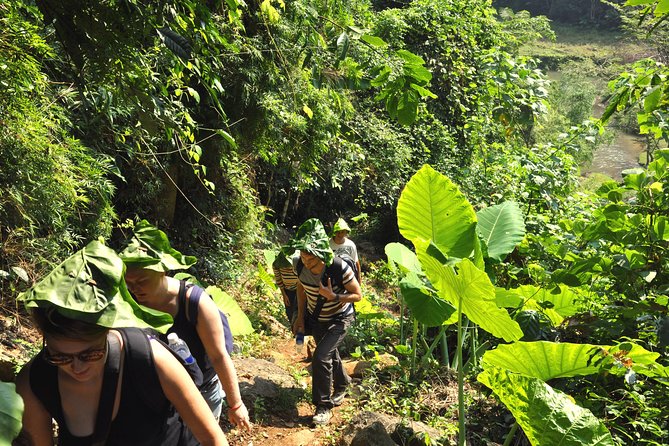
Your day starts at 8:00 am, with pickup offered and the drive northeast to Ba Be. The route isn’t just transportation. First, you visit the Museum of the Cultures of Vietnam’s Ethnic Groups, which helps set the context before you see the communities in real life.
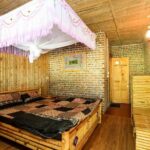
After that, you stop for lunch at a local restaurant, then continue to Ba Be. You arrive early in the afternoon, rest up, have dinner, and sleep in a Tay minority family’s traditional wooden stilt house.
This first day is a great “soft landing.” You’re not expected to start with a mega-hike. Instead, you get the structure of the area, you get oriented, and you spend your first night in a home—so you’re not arriving and immediately switching into guest mode.
One practical note: that Tay stilt-house setting is part of the charm, but it also means you’re sleeping in a traditional style. Bring the mindset that this is a cultural stay, not a hotel with thick soundproof walls.
Day 2: Coc Toc fishing life, Pe Lu Stream, then steep trail rewards
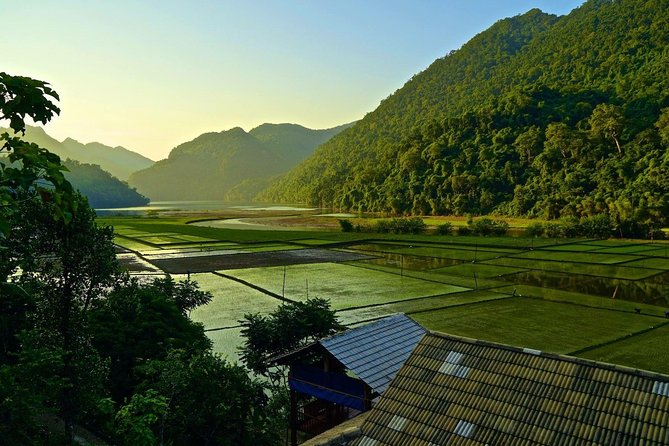
Day 2 is your main trekking push. You start by going to Coc Toc Village, where you meet the Tay community. They’re described as skilled at fishing in Ba Be Lake, and you see that fish-centered diet ties directly to how daily life runs.
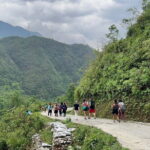
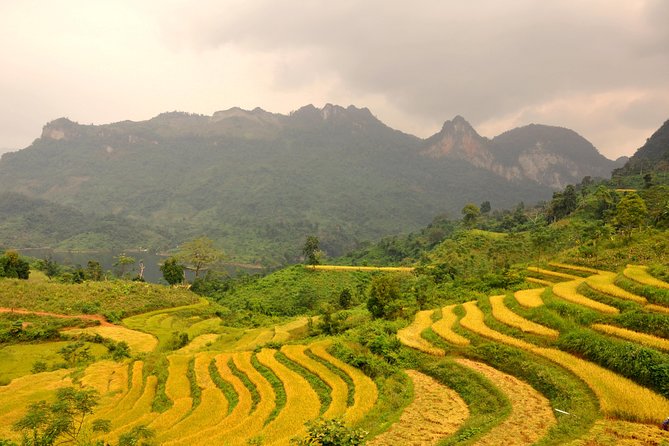
From there, you cross the Pe Lu Stream and then hit rougher, steeper terrain. This is the part where the tour earns its “jungle trekking” name. The climb is physical, but the payoff is the kind of view you can’t fake with a scenic viewpoint bus stop: countryside stretching out as you gain height.
You continue pressing toward the uplands, and you stop for a picnic lunch in a H’mong ethnic village. That’s a useful rhythm choice—food break at a community stop, not only on the trail edge.
The day also includes the behind-the-scenes comfort of planning. You’ll have your guide handling route details while you focus on your footing and breathing. That’s where a good English-speaking guide makes a difference—not just translation, but pacing and safety.
Day 3: Dzao clothing photos, black H’mông village, Dau Dang Waterfall, and Mr Pirate
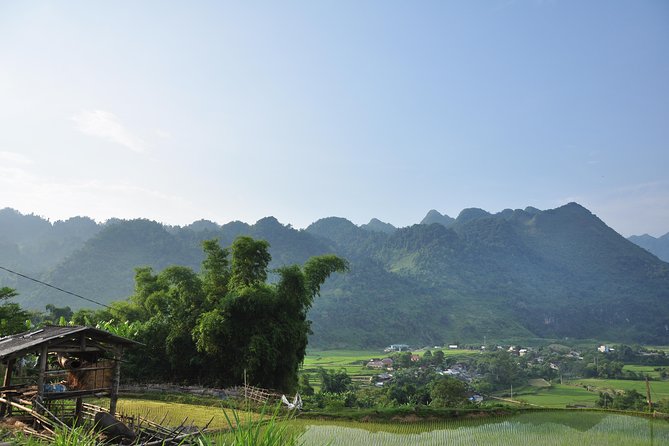
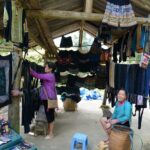
Day 3 begins with breakfast at the homestay and then a small but memorable cultural moment: you can try on traditional Dzao ethnic clothing for photos before you set out.
After that, the trek shifts toward more forested trails. You visit a black H’mông ethnic village, then descend through thick forest with views that open up as you move. This is the “movement through green” day—walking that feels like it changes texture every hour.
The waterfall stop is the signature landmark: you go to Dau Dang Waterfall, on the border of Bac Kan and Tuyen Quang. Even if waterfalls vary by season, the experience is still about reaching a specific place after a stretch of walking—one of the best ways to make a trek feel earned.
Lunch is different on Day 3 too. Your guide takes you to eat with Mr Pirate, an actor known for playing the lead in the Ba Be Lake Pirate movie. If you’re into local media pop culture, it’s a fun switch from purely nature-and-tribes into something more human and local to the region.
This day is also a reminder that the trek isn’t only for photos. It’s for the in-between moments: conversations on the way to a village, rest stops with water, and the shared pause that comes when the group regroups after climbs.

Day 4: Hua Ma Cave on the way back to Hanoi
Day 4 is shorter, but it doesn’t feel like an “admin day.” You have breakfast at the homestay, then head back toward Hanoi with a stop at Hua Ma cave.
Hua Ma cave is described as newly made accessible, with locals historically avoiding it due to ancient beliefs. You descend a concrete staircase and get the classic cave atmosphere: thousands of stalactites and stalagmites in a space that feels cooler and darker than the trail outside.
Then you continue back to Hanoi, stopping briefly for lunch at a local restaurant. You arrive in Hanoi around 17:30, with drop-off at your hotel.
This is a smart finish. After three days of hiking and village time, caves are a nice change of pace. You still walk—just at a slower, controlled tempo—and you end the trip with a sensory change before you hit the city.
The cultural side: Tay, Dzao, and Hmong in real places
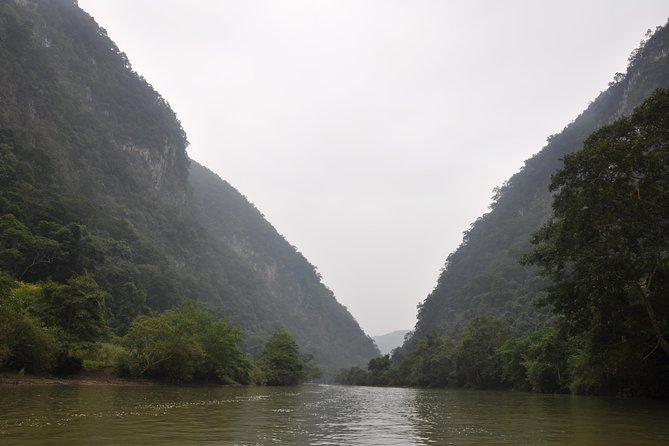
What makes this trip work culturally is that the itinerary names the communities you’ll meet and builds time around them.
- Tay: Day 1 sets you up in a Tay stilt house, and Day 2 links that life to lake fishing at Coc Toc Village. It’s not abstract. You see how food habits connect to environment.
- Dzao: You get Dzao clothing time for photos on Day 3, and the trip’s homestay rhythm indicates you spend at least one night with the Dzao community before trekking out.
- H’mong (including black H’mông): You get picnic lunch in a H’mong village on Day 2 and a black H’mông village visit on Day 3. Corn wine is part of the experience with Hmong people, so you’re not only observing—you’re sampling social hospitality.
One detail that stands out from real-world guidance: the route has been led by guides like Giang and Mr Hung, and other English-speaking leadership like Kevin shows up in past experiences. That matters because with minority communities, your comfort often depends on having someone who can explain what you’re seeing without turning it into a script.
Food and drink: 10 meals plus corn wine
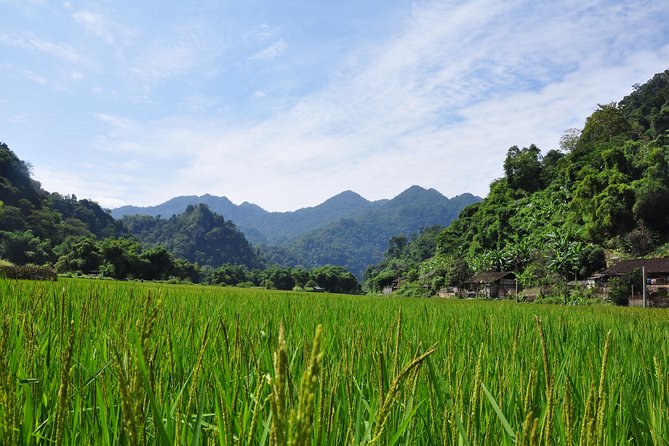
The meals on this trip are set in the itinerary: 10 total meals, with 3 breakfasts, 4 lunches, and 3 dinners. That’s valuable when you’re trekking. You’re not calculating what to eat at the next stop or worrying you’ll go hungry between trail segments.
You also get specific cultural flavor: the program includes dining and drinking corn wine with Hmong people. Corn wine is usually something you’ll either love or politely sample—either way, it’s part of the lived social side of the region rather than a “tour tasting” booth.
Practical expectation: since you’re in homestays and local restaurants, meal style can be simple and communal. Bring a flexible attitude. If you eat vegetarian or have strict allergies, you’ll want to confirm details with your operator before you go, because the data here doesn’t spell out dietary substitutions.
Trekking reality check: how hard is it, really?
Here’s the honest part. You’re looking at moderate fitness requirements and a total hiking distance around 16 miles (25 kilometers). The day-by-day schedule shows two long trekking days (about 8 hours each on Days 2 and 3), with steep and rough terrain on Day 2.
That steep stretch after crossing the Pe Lu Stream is the moment to respect. Even fit travelers feel it if they haven’t hiked on uneven ground recently. Also, forest paths can be slippery, and weather can shift.
What helps:
- You have an English-speaking local guide managing route decisions.
- You’re provided gear like dry bags and life jackets for water-related time.
- Your day includes breaks: stilt-house settling on Day 1, picnic lunch on Day 2, waterfall and community lunch on Day 3, and a cave visit on Day 4.
What to bring matters. Pack light comfortable clothes for outdoors, comfortable walking shoes, and a small day pack. Also follow the recommended checklist: insect repellent, sunblock, raincoat, sun hat—and yes, bring your passport.
What “no crowds” feels like on this kind of route
The best versions of Ba Be don’t feel like a theme park. A big part of that is the homestay structure and the fact you’re moving through villages and forest trails rather than staying only at a single viewpoint.
Because this is a private tour for your group, you won’t be fighting for space on narrow paths. The program also seems designed to avoid long waiting: you’re given daily destinations and meal stops, so the day has momentum.
If you want the feeling of getting away from the main tourist track, this itinerary’s mix—lake, caves, and overnight village stays—keeps you from spending all day in the same kind of crowd.
Who should book this Ba Be trekking experience
This trip is a strong match if you want:
- Guided access to Tay, Dzao, and Hmong communities
- A real balance of hiking + water + cave visits
- A planned schedule with all meals and tickets included
- The comfort of door-to-door transfers from Hanoi
It’s likely less ideal if you:
- Want a purely luxury comfort level each night
- Have zero tolerance for uneven trail walking
- Are hoping for a lightweight sightseeing day only
Should you book this Ba Be jungle trek?
If you like active travel that still feels human—walking through villages, sharing meals, and sleeping in traditional homestays—this is a solid choice. The itinerary earns its price by bundling transportation, guide service, entrance tickets, gear, and 10 meals into one package.
My tipping point is the combination of experiences in four days: Tay stilt house, Coc Toc village fishing life, a steep trekking day with waterfall time, and Hua Ma cave before you head back to Hanoi. That’s a lot to fit in, and it’s exactly the kind of mix that’s hard to DIY without losing time, safety, and context.
FAQ
FAQ
How long is the Ba Be National Park trekking tour?
It’s a 4-day experience with about 3 nights in homestays.
Where does the tour start in Hanoi?
The start time is 8:00 am, and pickup is offered for this door-to-door tour from your hotel.
How much trekking is included?
The route includes trekking around 16 miles (25 km) over the trip, with longer hiking days on Days 2 and 3.
What level of fitness do I need?
The tour is listed for travelers with a moderate physical fitness level.
Are meals included?
Yes. Meals are included as stated in the itinerary: 3 breakfasts, 4 lunches, and 3 dinners for 10 meals total.
What safety and trekking gear comes with the tour?
Included items mention tent, dry bags, sports equipment, and life jackets, plus guidance for the route.
Do I need a passport?
Yes. It’s essential to bring your passport on this trip.