REVIEW · SA PA
Sapa: Epic 1-Day Trek to Fansipan Mountain Peak
Book on GetYourGuide →Operated by Chestnut Travel · Bookable on GetYourGuide
Fansipan doesn’t do low effort. This 1-day trek from Sapa is built around one big goal: reaching the summit of Fansipan (3,143 m), then getting back down safely the same day. You’ll spend hours in primary forest and bamboo country, then break for breakfast partway up before pushing on toward the views above the clouds.
I really like how organized the day feels. You get an English-speaking guide and a small group size (up to 10), so the pace stays human and questions get answered fast. I also like the rhythm of the route: a planned break at 2,600 m for breakfast, then a summit lunch around noon with time to take photos and actually enjoy being there.
One thing to consider: the meal quality can be a weak spot for some people. If food is a big part of your travel enjoyment, don’t expect a restaurant experience.
In This Review
- Key highlights to know before you go
- Fansipan 1-day trek: what makes this route special
- The early start in Sapa (5:30 am) and how the pickup works
- Climbing through primary forest: pine, bamboo, and real effort
- Breakfast at 2,600 m: the reset that makes the summit possible
- Reaching the summit at noon: time, views, and the payoff moment
- Weather, footwear, and staying safe on steep ground
- Value and price: what about $104 gets you
- Who this trek fits best (and who should skip it)
- Food, comfort, and expectations on a one-day summit run
- What it feels like to do it: summit pride and an organized guide
- Should you book Chestnut Travel’s Fansipan 1-day trek?
- FAQ
- What time does the Fansipan 1-day trek start?
- How long is the tour?
- What’s included in the price?
- Is a cable car ticket included?
- Do I need my own trekking equipment?
- Is the group small?
- Who is this tour not suitable for?
Key highlights to know before you go
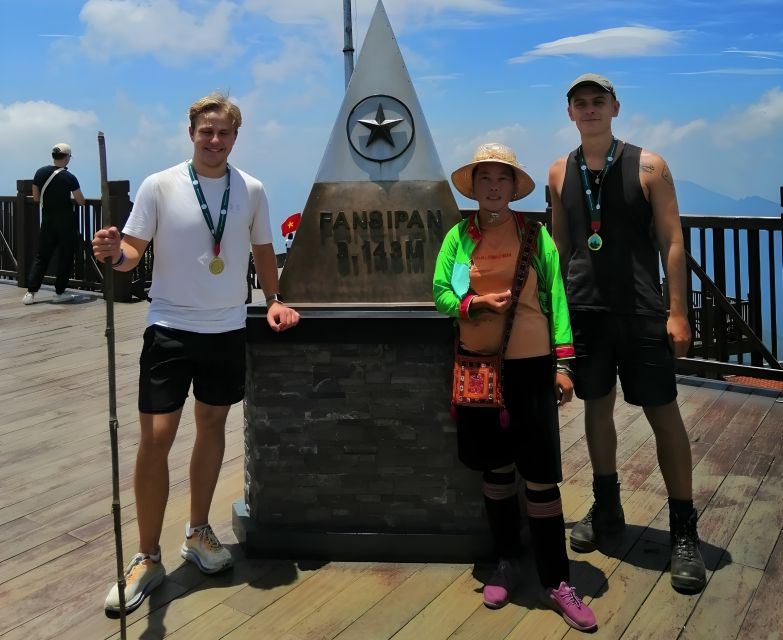
- Indochina’s highest point in one day: Fansipan summit (3,143 m) plus same-day descent
- Untouched primary forest trekking with old pine trees and yellow bamboo
- Breakfast at 2,600 m with a short rest before the final push
- Summit lunch around noon plus panoramic time for photos
- Small group (up to 10) and a local English-speaking guide for route support
- Cable car not included (optional, if you’re thinking about other descent options)
Fansipan 1-day trek: what makes this route special
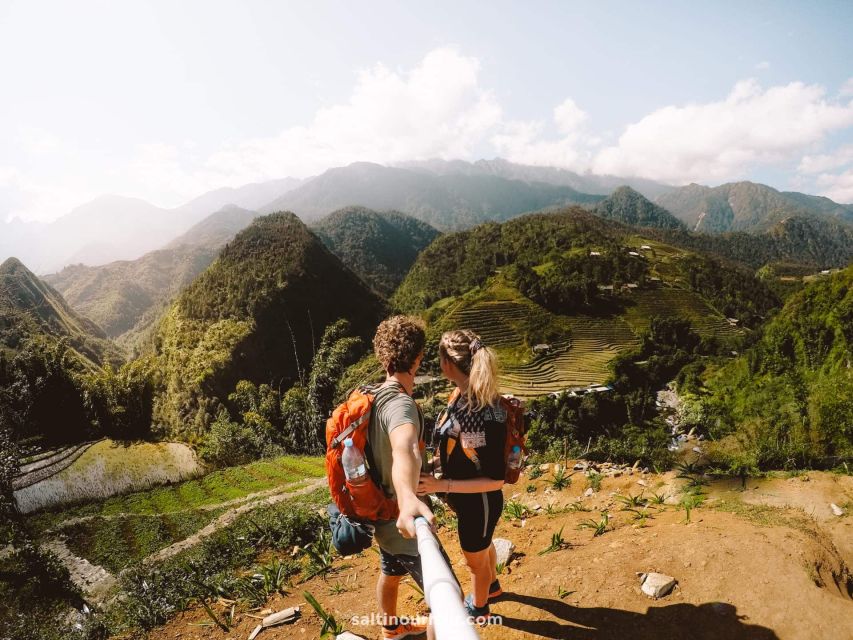
A one-day Fansipan trek is not a casual hike. It’s more like a mountain day with a clear mission: climb high, take the summit time you earned, then go down before the day runs out. That structure matters because you’ll never feel like you’re wandering. You’ll follow the same general route up and back, and the day is timed so the group reaches the top in daylight.
What I like about this approach is that it’s not trying to be a “multi-day adventure” in a 24-hour wrapper. Instead, it treats the climb like a real commitment. You start early (5:30 am), move through the forest, and then hit two key pauses—breakfast at 2,600 m and lunch at the summit around noon—so you’re not just burning calories with no recovery.
You’re also getting the best kind of “high mountain payoff.” Even if weather changes your view, the fact that you reached the peak still lands. You’ll get that mix of effort, altitude, and quiet satisfaction that makes the Sapa region famous for hikers.
You can also read our reviews of more tours and experiences in Sa Pa.
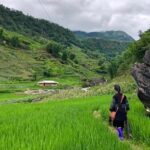
The early start in Sapa (5:30 am) and how the pickup works
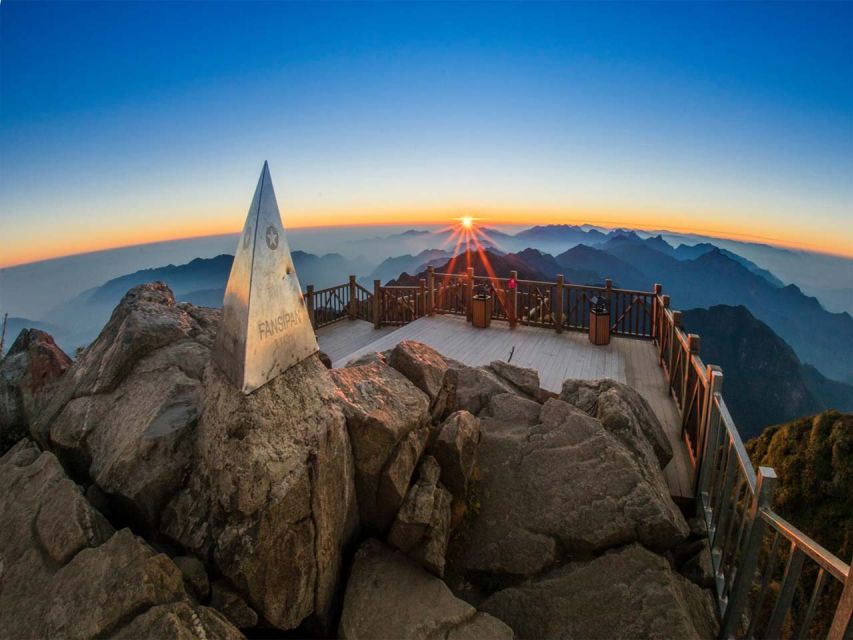
Your day begins in central Sapa. You’ll meet your group at the designated meeting point, check in with the receptionist at the reception area, and then get underway. The timing is set for a reason: you start at 5:30 am, which gives you the best chance to climb before conditions get worse and to finish descent while there’s still daylight.
Transport is simple and included. A comfortable car picks you up for both ways. After you return around 4:30 pm, you’ll head back to Sapa and finish at the meeting point again. That matters if you want to avoid the stress of figuring out shared taxis after a long day on steep ground.
Also note the group size. Up to 10 participants means you’re not stuck behind a massive line. In a climb like this, that can be the difference between enjoying the pace and feeling rushed.
Climbing through primary forest: pine, bamboo, and real effort
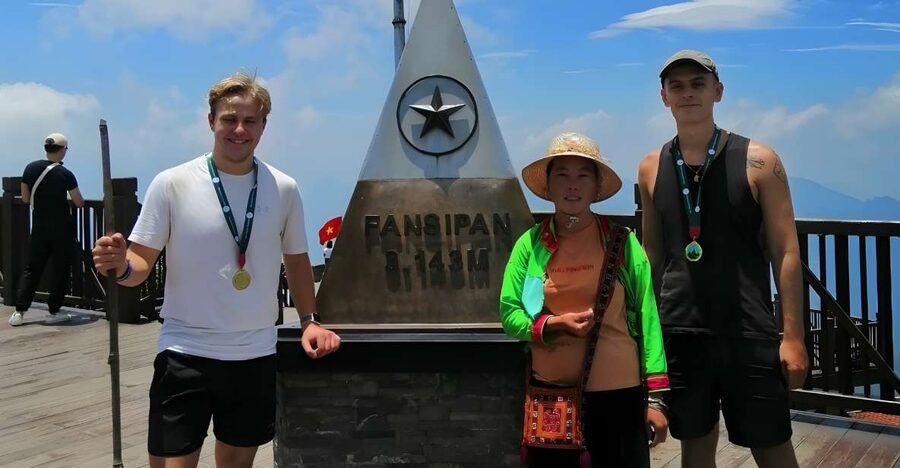
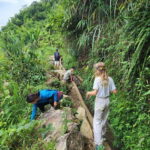
The trek starts with forest hiking through untouched primary forest. This isn’t “scenic walk for Instagram.” Expect sustained movement on changing terrain. You’ll move among centuries-old pine trees and areas with yellow bamboo, which helps break the monotony of climbing straight up.
This part is where the day’s character shows. The forest gives you cover on some days and a cooler, more shaded feel than open mountain slopes. But it also means the trail can be uneven and slippery when weather turns. The route is still rugged by mountain standards, and you should plan to put your full attention on your footing.
From a practical perspective, this is also the part where your pacing matters. Go too fast at the beginning and you’ll pay later on the upper sections. Go steady, keep your breathing controlled, and treat the early forest as your warm-up for altitude and effort.
And if the day starts rainy (as it has for some hikers), you may find the first hours feel slow and slippery. That doesn’t mean you’re doomed. It just means you’ll need careful steps, especially during transitions on the trail.
Breakfast at 2,600 m: the reset that makes the summit possible
After ascending to 2,600 meters, you stop for a planned breakfast and rest for about 25 minutes. This is more than a snack break. It’s a built-in checkpoint that helps you regroup physically and mentally before the final push.
Why this matters: the summit day depends on energy. By the time you reach this elevation, you’ve already done serious climbing. A proper reset gives you a chance to drink, eat, and check your gear—water, sunscreen, hat, and anything you’ll want for windier or cooler conditions higher up.
The tour includes a 1-liter water bottle per person, which is helpful. Still, I recommend treating water as “management,” not “bonus.” Sip regularly rather than waiting until you’re thirsty, especially if you’re sweating through your layers.
This is also where you’ll likely notice how weather is behaving. Clouds, mist, and rain can change visibility quickly in the Sapa mountains. A steady approach here helps you keep calm and focused for the climb ahead.
Reaching the summit at noon: time, views, and the payoff moment
The plan is to reach Fansipan’s summit at noon. That timing is part of the value of doing this as a guided day hike. You’re not left calculating your own schedule with no margin. The group climbs with checkpoints, so you can aim for the top without feeling like you’re guessing.
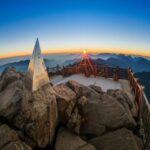
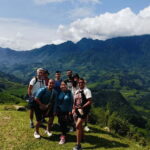
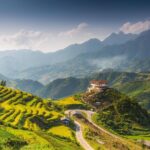
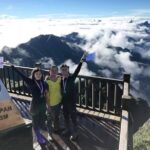
At the summit, you get a 40-minute lunch break. That matters because it’s your chance to stop fighting for the top and start experiencing it. You’ll get time for photos and time to look around. On clearer days, the panorama is the reason people talk about Fansipan. Even on worse visibility days, standing at the highest point in Indochina still feels like a real achievement.
Then comes the part people underestimate: the descent. You’ll start going back from the summit and follow the same route down. Descents can be harder on knees and legs than people expect, especially after you’ve already worked hard for hours. Move carefully. Don’t rush just because the hard work is “done.”
If you’ve had rain earlier in the day, expect the trail surface to remain slick. Take smaller steps. Use trekking shoes with grip. This isn’t the time to prove you have strong ankles.
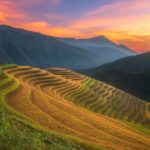

Weather, footwear, and staying safe on steep ground
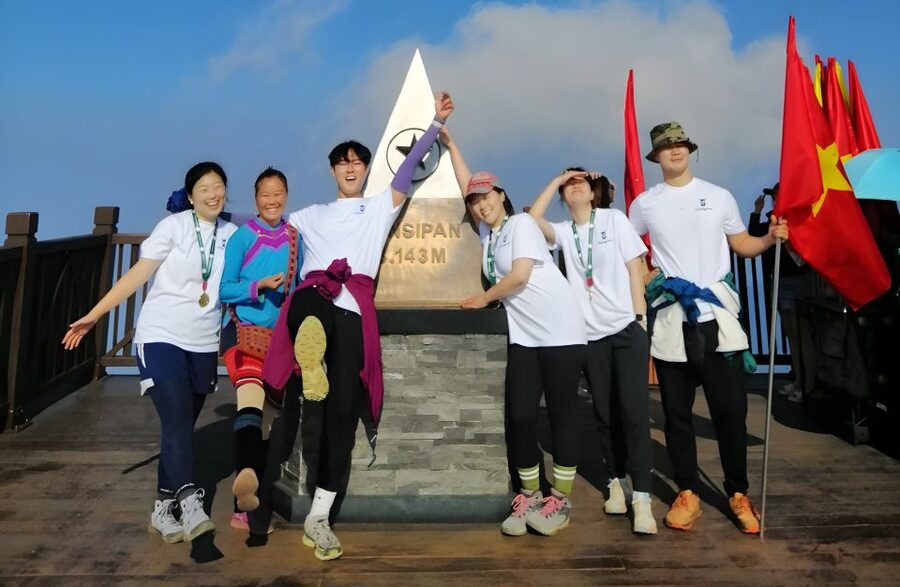
This trek requires a good fitness level. It’s long hours of hiking with steep ascents and challenging terrain. The route is doable for fit people, but it’s not appropriate for “I hike sometimes” stamina.
Weather is the other big variable. One of the most practical pieces of advice I’d take from people who’ve done this: prepare for all seasons. Sapa mountain weather can shift quickly. Early rain can make conditions poor at the start, and higher elevation can feel cooler and more exposed.
That’s why footwear matters so much. The tour doesn’t provide personal trekking equipment, so you’ll need to bring your own hiking shoes with good grip. If your shoes slip on wet rock or roots, you’ll feel it immediately. You should plan for uneven ground and treat the trail like it’s a moving obstacle course.
Safety is mostly about attention. Stay on designated paths, follow the guide’s instructions, and keep your group together. The best day on Fansipan is the one where you finish with energy instead of panic.
Also pack the basics the tour asks for: sunscreen and a hat. Even if the day looks cloudy, the climb and exposure add up.
Value and price: what about $104 gets you
At $104 per person, this is not a cheap activity, but it’s also not overpriced for what you’re buying. You’re paying for a guided day hike to the top of Indochina’s highest peak—plus the logistics that make it smooth.
Here’s what’s included:
- Car pick-up both ways between Sapa and the trail area
- 1-liter water bottle per person
- Tickets to visit the tourist area
- Local English-speaking guide
- Skip the ticket line
- Small group capped at 10
And here’s what you should expect to pay for separately:
- Drinks and personal expenses
- Personal trekking equipment (you bring your own)
- An optional alternate descent route
- A cable car ticket is listed as 737,000 VND, if you choose that option
For value, I think the biggest part is the guided structure: route support, English communication, and timing so the group reaches the summit around noon. When you’re dealing with steep terrain and altitude, guidance isn’t a luxury. It’s how you get a good day instead of a scary one.
If you’re the type who likes to plan every detail yourself, a day like this can feel tempting to self-guide. But with weather changes and rugged trails, the built-in support is worth paying for.
Who this trek fits best (and who should skip it)
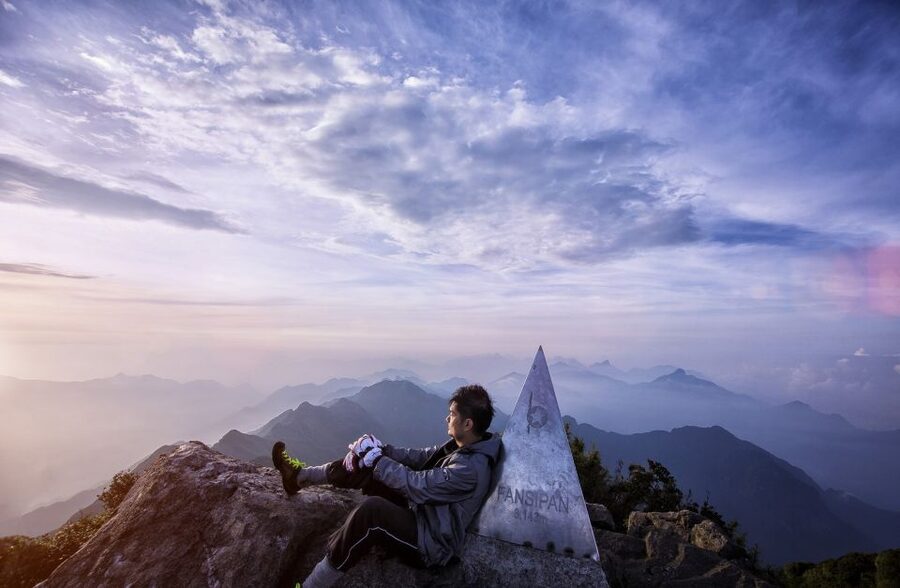
This is for people who enjoy a hard day and want a real goal. You’ll love it if you want a mountain achievement that fits into a single Sapa day. It also works well if you’re traveling solo or in pairs and want a small, social group with guidance.
It’s not suitable for:
- Children under 15
- People over 95
- People with heart problems
- Pregnant women
That’s not just legal fine print. Altitude, exertion, and steep terrain make this a serious physical challenge.
Also think about what kind of traveler you are. If you need gourmet food and perfect comfort, you might be disappointed. One strong note from past experience: the food can be subpar for some people. The positive tradeoff is that the schedule is clear, the guide support is solid, and you’re doing the main event—Fansipan.
Food, comfort, and expectations on a one-day summit run
Let’s be honest: on a day trek, food is often secondary to the climb. Still, it affects your overall mood. Breakfast at 2,600 m and lunch at the summit are timed breaks, so you’re not hiking on empty.
But the quality can vary. At least one person noted the food wasn’t great. That doesn’t mean the breaks aren’t useful. It just means you should treat them as fueling stations, not a highlight meal.
Comfort expectations should be realistic too. You’re outdoors most of the day. There’s no spa after the summit. You’ll want to dress for movement and accept that your pack and clothing will get used hard—especially if rain shows up early.
If you care about drinks beyond what’s provided, plan ahead. Drinks are not included, so bring cash if you want options during the day.
What it feels like to do it: summit pride and an organized guide
The standout from people’s experiences is the guide factor. A strong English-speaking guide can make a hard day feel manageable. That comes through in how smoothly the day runs, how pacing gets adjusted, and how confidence builds when conditions are rough.
Even when weather is not ideal, a good guide keeps the group moving with purpose and helps you stay calm. If you’re worried about the difficulty, remember this: reaching the summit and getting back down in one day is only possible for most people because of the guide’s know-how and steady route management.
So if you’re deciding whether you can handle it, focus on one thing: your ability to hike for long hours with steep parts. The route and schedule are built around that effort.
Should you book Chestnut Travel’s Fansipan 1-day trek?
If your heart is set on a summit, and you can handle steep hiking, I’d say book it—especially if you value a small group and an English-speaking guide. The early start, the forest trek, the planned breaks at 2,600 m and the summit lunch around noon, and the included transport back to Sapa make it one of the more straightforward ways to do Fansipan in a day.
I would hesitate if any of these are you:
- You don’t have solid hiking stamina
- You’re sensitive to slippery terrain after rain
- You expect high-end meals and comfort like a tour bus day
For the right traveler, this trek delivers the real mountain feeling: effort, altitude, and that moment when you’re standing at the top and the day finally clicks.
FAQ
What time does the Fansipan 1-day trek start?
The trek starts at 5:30 am.
How long is the tour?
It’s listed as 1 day, with timings dependent on availability.
What’s included in the price?
The tour includes car pick-up both ways, 1-liter water bottle per person, tickets to visit the tourist area, and an English-speaking local guide.
Is a cable car ticket included?
No. The cable car ticket is not included (listed price: 737,000 VND).
Do I need my own trekking equipment?
Yes. Personal trekking equipment is not included, so bring your own.
Is the group small?
Yes. It’s a small group limited to 10 participants.
Who is this tour not suitable for?
It’s not suitable for children under 15, people over 95, people with heart problems, and pregnant women.