REVIEW · SA PA
Sapa: Private Muong Hoa Valley and Homestay Trekking 2-Day
Book on GetYourGuide →Operated by Sapa Trekking Hiking Tours · Bookable on GetYourGuide
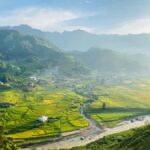
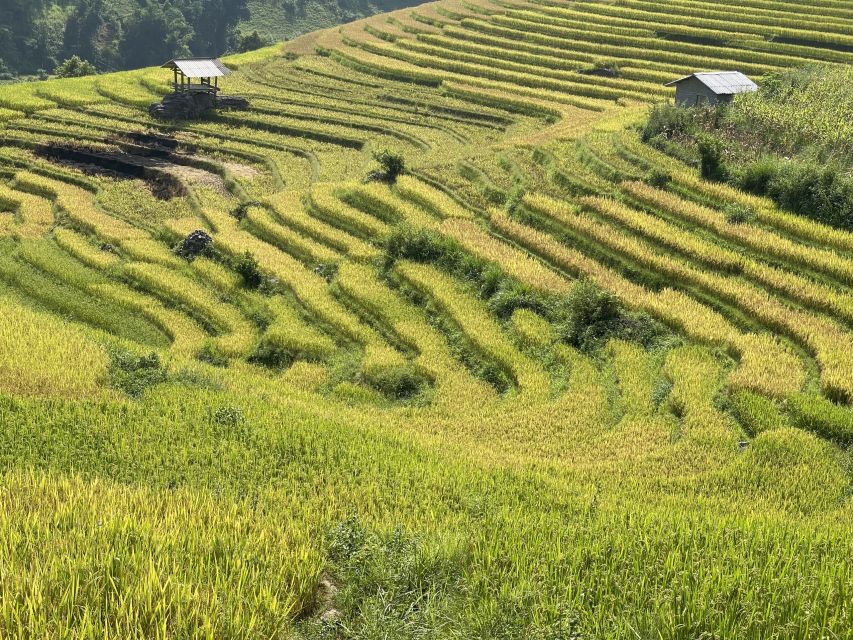
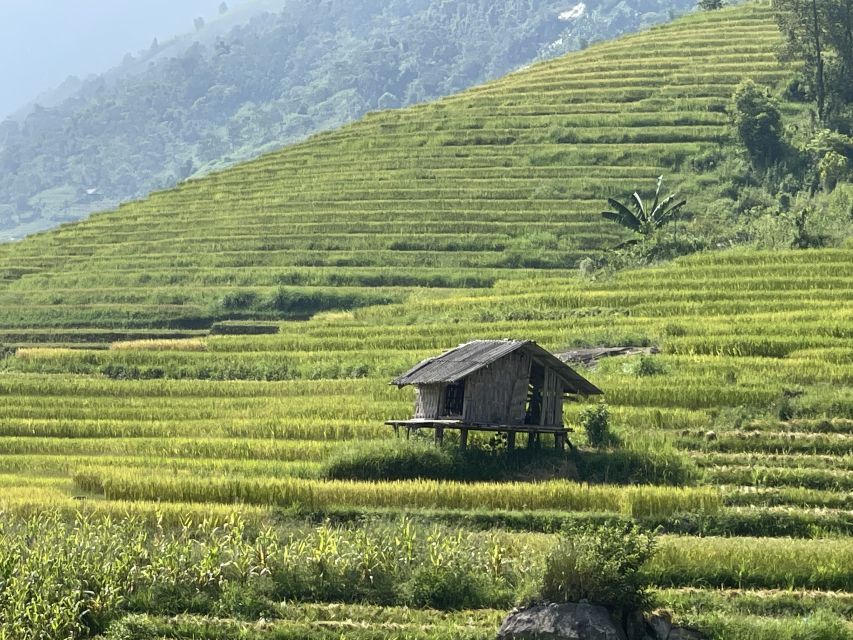
Muong Hoa Valley feels like a living postcard. This private 2-day trek weaves through terraced rice fields and six ethnic villages in Sapa’s Muong Hoa valley, then ends with a real night at a Giay homestay. You’re not just looking at views—you’re learning how people live, farm, cook, and dress.
I especially love the slow moments: watching Black Hmong people work the rice terraces at Y Linh Ho, and then stepping into traditional village homes where the guide explains culture in plain, human terms. The second big win is the homestay night, where you get a side-by-side feel for how Giay and Black Hmong traditions can look different in home life and everyday routines.
One thing to consider: this is active trekking. You’ll be walking on uneven paths with real elevation changes, and the homestay setup is more basic than a hotel bed, so pack for comfort and simplicity.
In This Review
- Key Highlights You’ll Actually Care About
- Muong Hoa Valley, Sapa: What Makes This Trek Different
- Day 1: Y Linh Ho Terraces, Black Hmong Homes, and a Giay Homestay Night
- The Culture Stops That Make the Walking Worth It
- Day 2: Terraces, Bamboo Forest, Giang Ta Chai Falls, and Hau Thao
- Price and Logistics: Why $78 Can Be a Good Deal
- What’s Included on the Trail (and What You Should Plan for)
- Pacing, Comfort, and a Straight Talk About the Homestay
- Who This Trek Suits Best
- Should You Book This Tour?
- FAQ
- What time does the Day 1 trek start?
- Where does pickup happen?
- How many villages do you visit?
- Which ethnic groups are included?
- Do you have an overnight homestay?
- What meals are included during the 2 days?
- What trekking gear and water are provided?
- How do you get back to Sapa at the end?
- Is travel insurance included?
Key Highlights You’ll Actually Care About
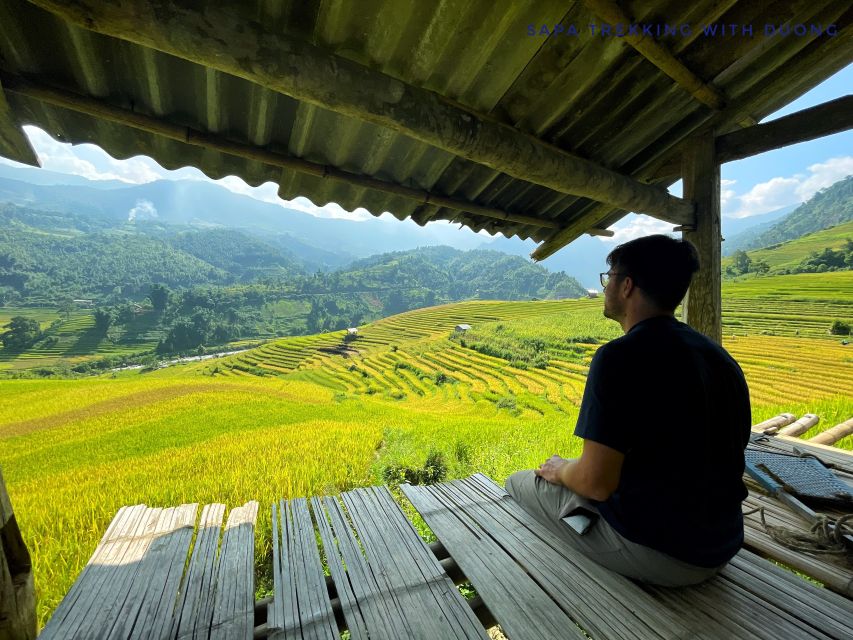
- Black Hmong rice-terrace views at Y Linh Ho: see planting and farming life up close.
- A true Giay homestay night: learn culture through food and conversation, not just photos.
- Three ethnic minority cultures: Black Hmong, Giay, and Red Dao are included as part of the six-village route.
- Waterfall and lake stop on Day 2: Giang Ta Chai waterfall/lake break includes local stories.
- Indigo-dye and clothing knowledge on Day 2: you’ll learn how fabric is made with the indigo plant.
- English guidance that feels personal: guides like Du (Zu) and Pang Chou are described as warm and energetic.
Muong Hoa Valley, Sapa: What Makes This Trek Different
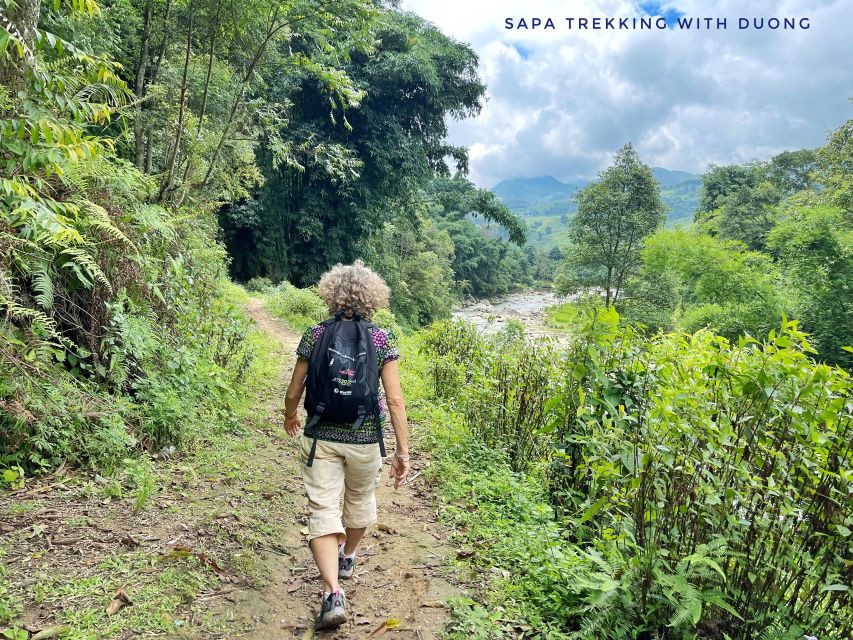
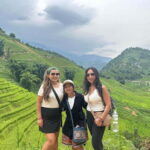
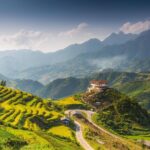
Sapa gets busy, but Muong Hoa feels calmer—like the valley is holding the rhythm of farming. This tour’s value is that it’s not a straight line to one viewpoint. It’s a route through villages and farming land, where you see how terraces, forests, and daily work connect.
The six-village structure is also smart for first-timers. You get a “big picture” of the area in two days without trying to do everything in one long, exhausting push. And because it’s a private group, you’re more likely to ask questions, pause for photos, and move at a pace that fits you.
You can also read our reviews of more tours and experiences in Sa Pa.
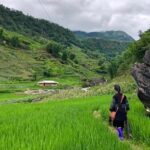
Day 1: Y Linh Ho Terraces, Black Hmong Homes, and a Giay Homestay Night
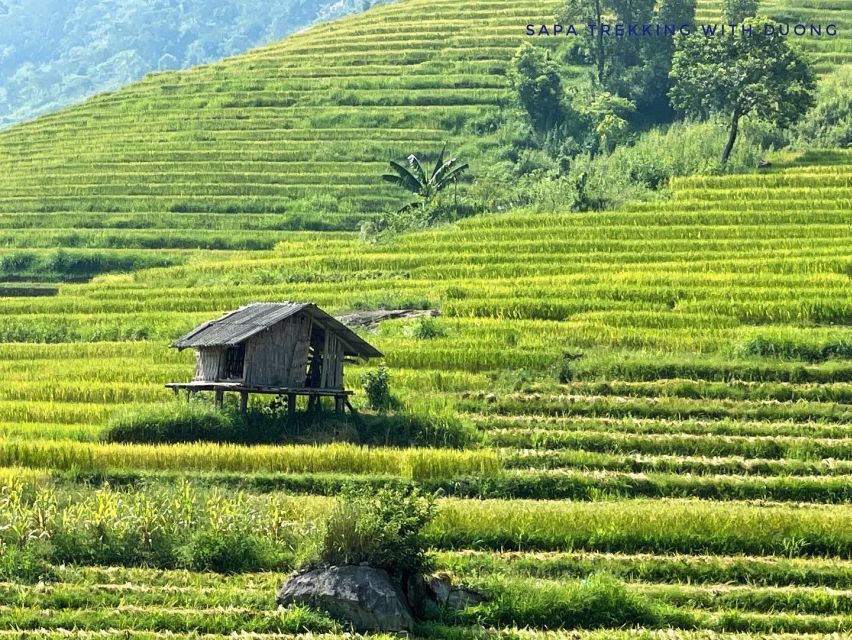
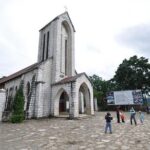
Day 1 starts with a hotel pick-up in central Sapa (or Sapa Church), then a drive into the walking area with the local English-speaking guide. The first hike segment takes you to Y Linh Ho village, right where the terraces begin to look like they were built by hand and patience.
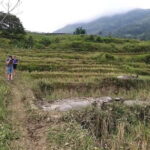
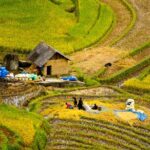
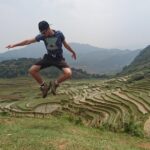
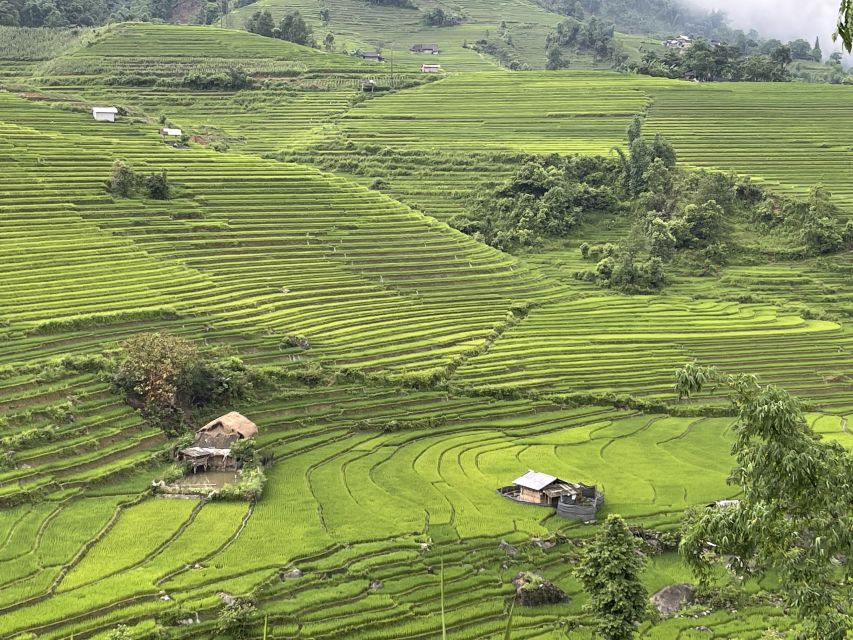
At Y Linh Ho, you’ll spend time among Black Hmong families and see rice terraces up close—especially the farming moments like planting rice. This is where the tour earns its keep. Instead of only admiring the scenery, you watch people do the work that created and maintains that famous view.
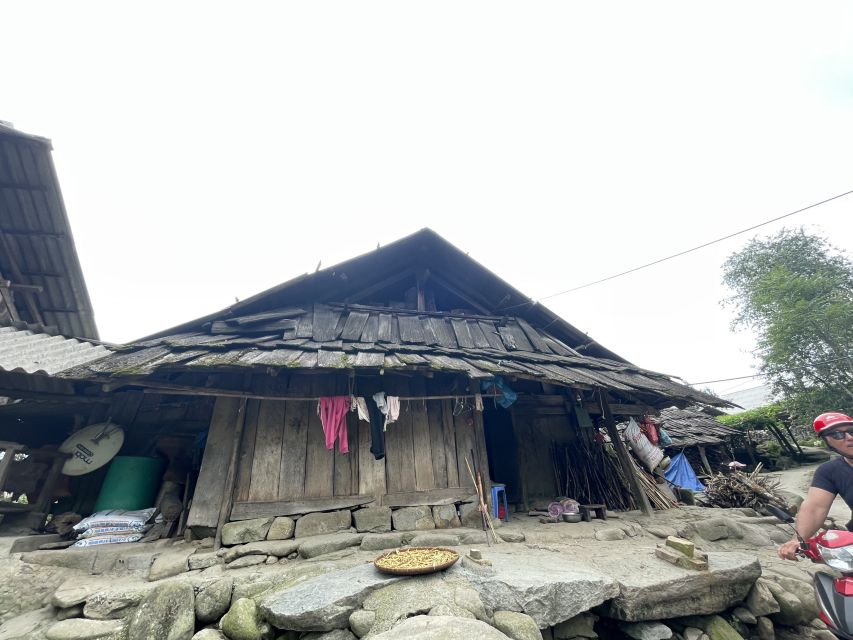
After that, you’ll visit a traditional Black Hmong house. You’ll also get a cultural explanation that helps you understand what you’re seeing—homes, clothing, and village life—without turning it into a lecture. Lunch follows at a local home, with local food and time to talk with the people there. This is one of those parts where questions matter more than your camera.
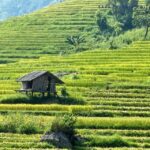
Then you switch into the longer walking section toward Lao Chai San village. You’ll explore a village nearer the forest and walk through some of the best terrace scenery on the route. When you arrive, there’s more time to learn about the Black Hmong wooden traditional house and the traditional clothes people wear.
By late afternoon, the day shifts from Black Hmong spaces to your overnight base. Around 4:30 PM, you reach the Giay homestay and get the chance to learn Giay culture, food, and traditions. You’ll stay there for one night, which is the practical difference between a quick stop and an experience that sticks.
The Culture Stops That Make the Walking Worth It
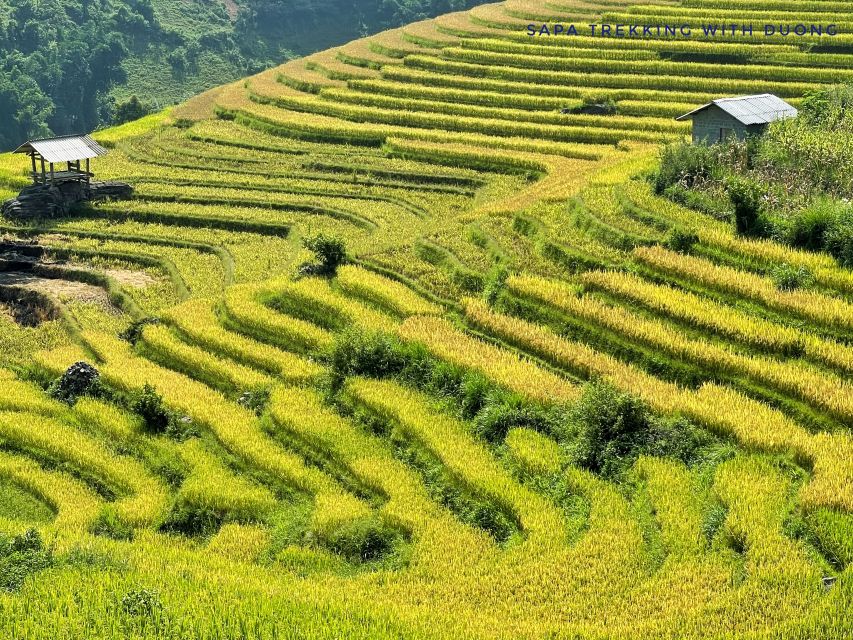
A lot of treks promise culture, then spend five minutes at a doorway and move on. This one works better because it ties culture to specific moments: planting fields, eating meals, visiting houses, and talking about how things are made and worn.
For example, the tour includes time with Black Hmong traditional homes and traditional clothing, then later contrasts that with Giay culture during the homestay. That contrast helps you notice details you might otherwise miss—like how home life and daily routines can differ even when communities live in the same valley.
On the Day 1 side, the lunch at a local house isn’t just about food (though it’s a highlight). It’s also the best time to ask what daily life looks like in that village, because you’re sitting together and the pace is slower.
Also worth noting: the homestay part is specifically described as a chance to see the different between Black Hmong and Giay people about culture, home, and traditions. That’s exactly what you want if you’re trying to understand the region instead of collecting random stamps.
Day 2: Terraces, Bamboo Forest, Giang Ta Chai Falls, and Hau Thao
Day 2 begins early with a wake-up routine and breakfast, and you can enjoy morning coffee or tea. Then the main hike starts around 9:30 AM, and the scenery changes in a useful way: terraced rice fields first, then bamboo forest, then waterfall.
A key moment is the stop at Giang Ta Chai waterfall and lake. You rest there while listening to stories connected to local life. Even if you’re not a “story person,” this pause gives your legs a breather and your brain time to connect what you saw on Day 1 with what you see now.
Lunch on Day 2 is at a Black Hmong house, and the idea here is simple: you eat dishes made by local people in that village. You’re not going to get the same experience by hopping into a restaurant back in Sapa, because this is tied to the household and the day-to-day rhythm of the community.
Then you continue hiking toward Hau Thao village, which is the last village stop for the day. Along the way, you’ll see daily life and learn about how Hmong people raise the indigo plant used for indigo dye and clothing. The tour also includes conversation about Hmong wedding traditions and ends with a powerful cultural moment: the oldest men of Black Hmong blow the trumpet.
That trumpet detail matters because it’s not just decorative. It’s a living sound linked to community and tradition, and it gives the trek a memorable finish. At around 3:00 PM, you return to Sapa by private taxi.
Price and Logistics: Why $78 Can Be a Good Deal
At $78 per person for a two-day private trek, what you’re really paying for is the package: guide time, village entry fees, meals, one homestay night, and the transportation back to Sapa from the last village.
Here’s the value logic. If you tried to build this yourself, you’d pay separately for a local English-speaking guide, village permissions/fees, a homestay, and the end-of-route taxi. This tour folds those pieces together. On top of that, it includes practical trekking gear like a raincoat and trekking stick per person, plus 1.5L of water per person per day.
You also get pick-up and drop-off from your hotel in the Sapa center area (or Sapa Church). That saves you from having to organize the handoffs yourself—especially helpful if you’re not traveling with strong local language skills.
What isn’t included is also clear: travel insurance, tips for the guide/driver, and extra drinks. If you’re the type who always tips generously, build that into your budget so it doesn’t feel like a surprise later.

What’s Included on the Trail (and What You Should Plan for)
Included items you’ll feel during the walk:
- Pick-up and drop-off in Sapa center
- Villages entry fees
- Local English-speaking guide
- English live guidance plus an English audio guide
- One night homestay (Giay people)
- Meals: 1 breakfast, 2 lunches, 1 dinner
- Water: 1.5L per person per day
- Raincoat per person
- Trekking stick per person
- Private taxi back to Sapa around 3:00 PM on Day 2
Because rain and mist can happen around Sapa, having a raincoat included is a real comfort. And a trekking stick matters on uneven ground—especially if you’re not used to hillside walking.
What you should bring:
- Layers for cool mornings and warmer afternoons (the itinerary starts early)
- Shoes with grip for steep, uneven paths
- A small day bag so you’re not juggling things during village stops
Also, expect that meals are traditional and served in a local setting. If you’re very picky about food textures or spice levels, it’s smart to let your guide know what you’re comfortable with.
Pacing, Comfort, and a Straight Talk About the Homestay
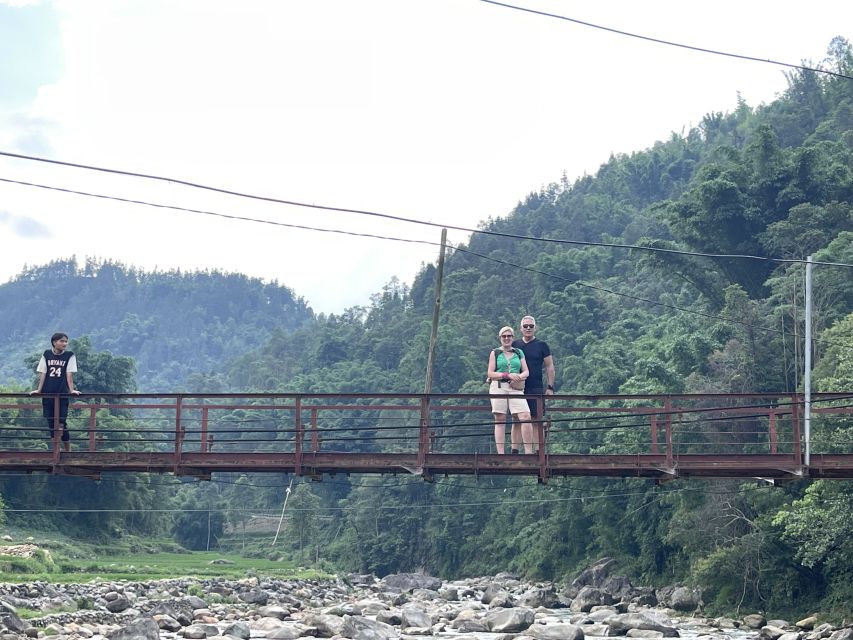
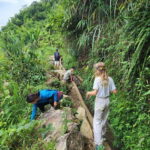
This isn’t a “sit on the bus and take selfies” tour. You’ll hike in two long segments across two days, with the most walking on Day 1 and Day 2 spread around village visits and scenic breaks.
The good news: the schedule builds in stops. You’ll visit houses, eat lunch, rest at waterfall/lake, and end each day at a clear destination. That makes the trek feel structured instead of chaotic.
For comfort, here’s the trade-off: one night at a homestay is not the same as sleeping in a hotel. The tour is designed for cultural closeness—sharing food, asking questions, and learning routines. If you want modern comforts above all else, this may feel basic. If you want real village life, it’s exactly the point.
Who This Trek Suits Best
This private 2-day trek is a strong fit if you:
- Want real interaction with Black Hmong and Giay communities (not just quick photo stops)
- Like cultural explanations tied to real places—homes, clothing, farming, and daily work
- Prefer a private group pace so you can ask questions and pause
- Are comfortable with trekking as the main activity
It’s also a good choice if you want a balanced mix of scenery and culture: terraced fields, bamboo forest, waterfalls, and village life, all within a manageable two days.
Should You Book This Tour?
Yes—if your idea of a good Sapa day involves walking through Muong Hoa valley and learning from people as you go. The best part for me is how the trek connects terraces and traditions, then adds a homestay night so you get more than a daytime visit.
Book it with confidence if you value warm guidance and a human pace. Guides you might encounter, like Du (Zu) and Pang Chou, are described as friendly and able to explain what you’re seeing in an engaging way, and the homestay hosts help create a welcoming feeling.
Skip or rethink if you want minimal hiking, hotel-level comfort, or guaranteed high-end dining. This tour is about community life, trekking, and culture in the valley—not luxury.
FAQ
What time does the Day 1 trek start?
Day 1 starts with pickup and then trekking begins around 9:30 AM in Sapa center.
Where does pickup happen?
Pickup is included at your hotel in Sapa center or at Sapa Church.
How many villages do you visit?
You explore 6 villages across the route in Muong Hoa valley.
Which ethnic groups are included?
The tour includes ethnic minority communities including Black Hmong, Giay, and Red Dao.
Do you have an overnight homestay?
Yes. You spend one night at a Giay homestay.
What meals are included during the 2 days?
Meals included are 1 breakfast, 2 lunches, and 1 dinner.
What trekking gear and water are provided?
You get raincoat per person and trekking stick per person, plus 1.5L water per person per day.
How do you get back to Sapa at the end?
On Day 2, you return to Sapa by private taxi around 3:00 PM.
Is travel insurance included?
No. Travel insurance is not included.