REVIEW · CALI COLOMBIA
Cali: Pico de Loro Trekking Adventure – Farallones de Cali
Book on GetYourGuide →Operated by Valley Adventours · Bookable on GetYourGuide
Pico de Loro is where a big Cali hike gets real. You’re in Farallones de Cali National Natural Park, with a serious climb, Spanish-speaking guidance, and built-in environmental interpretation along the way. I especially like how the hike combines physical challenge with learning—so the day feels more than just cardio. One drawback to plan for: this is an experienced-hiker trek, and the steep sections (including the final push) can feel brutal if you’re not conditioned.
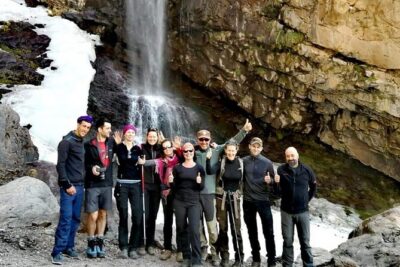
I also like the small-group setup—limited to 7 participants—which makes it easier to keep a steady pace and get help when the trail tilts up. You’ll spend about 10 hours on the mountain, so you’ll want to show up rested and ready.
In This Review
- Key Highlights You’ll Care About
- Pico de Loro: Why This Trek Feels Like the Real Farallones
- Trail Stats That Tell the Truth About Difficulty
- Inside Farallones de Cali: 4 Ecosystems and 540 Bird Species
- The 10 Hours on the Mountain: What Happens When
- Start and early momentum
- The climb: where your legs learn the route
- Environmental interpretation stops
- El Topacio environmental education center
- Descent and finishing strong
- Views From Pico de Loro: Worth the Sweat
- The Guide Team in Spanish: How Julián-Style Leadership Helps
- What to Pack (So You Don’t Regret It Mid-Trek)
- Weather Reality: The Trail Runs, You Adapt
- Price and Value: Is $49 Actually Fair?
- Who Should Book, and Who Should Skip
- Should You Book This Pico de Loro Adventure?
- FAQ
- How long is the Pico de Loro trekking adventure?
- What distance and elevation does this hike include?
- When does this tour run?
- How steep is the trail?
- How big is the group?
- What language are the guides?
- What’s included in the price?
- Do I need transport or pickup from my hotel?
- Do they cancel the trek for bad weather?
Key Highlights You’ll Care About
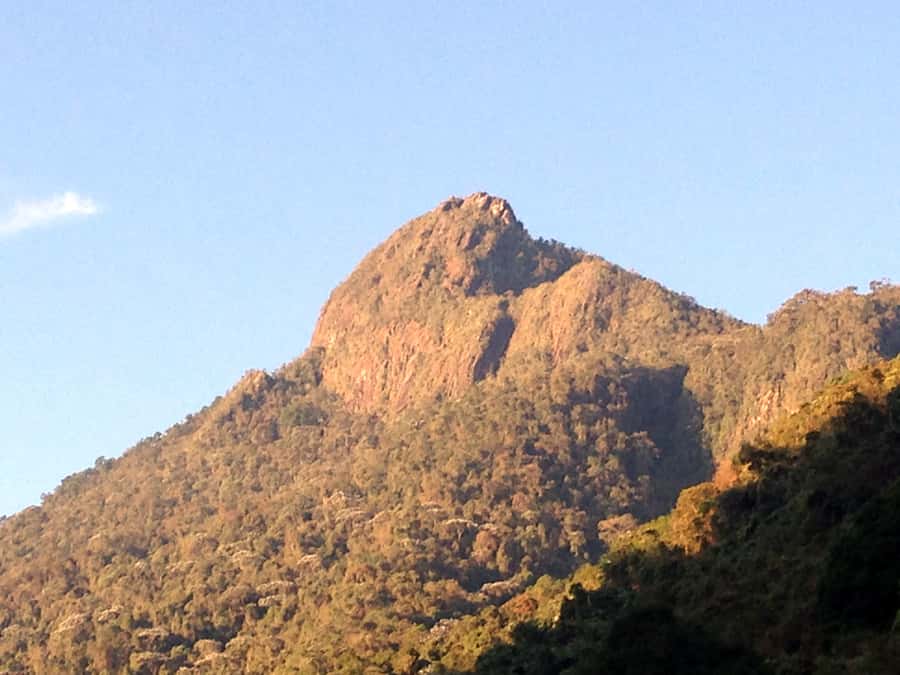
- 9K total distance with 4.5K ascent and 4.5K descent, plus steep grade changes from 45° up to 75° in some sectors
- Big altitude gain from 1,600m to a final altitude of 2,860m for wide, payoff views
- El Topacio environmental education center visit, so you’re not just walking—you’re learning
- Bird-rich protected park context, including 540 bird species and unique endangered wildlife
- Spanish guide team: local guide plus an expert hiking guide, both in Spanish
- Small group of up to 7, which matters on steep, uneven terrain
Pico de Loro: Why This Trek Feels Like the Real Farallones
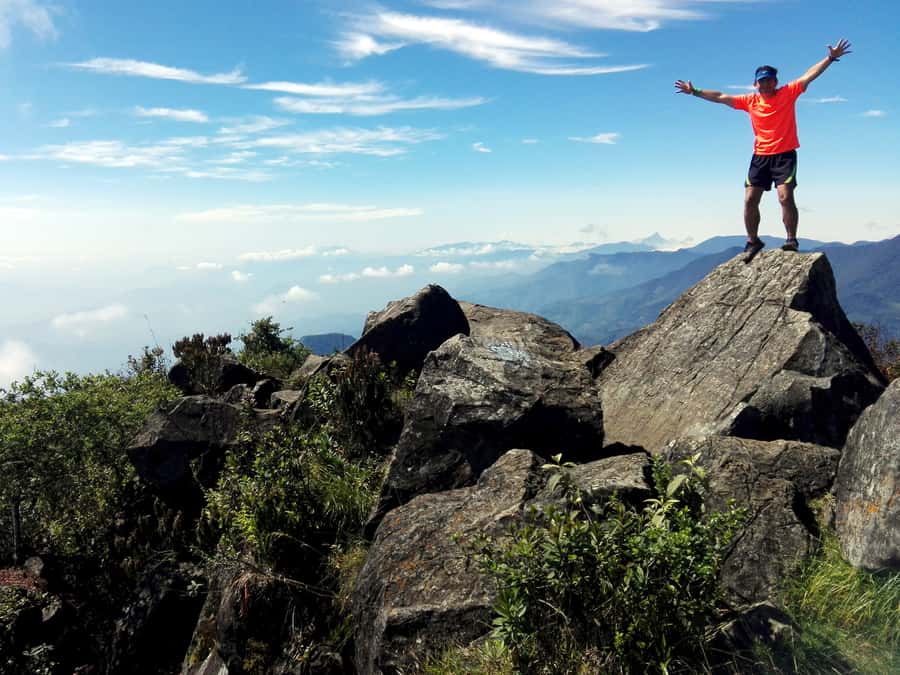
If your idea of Cali is city vibes, tropical heat, and quick day trips, this hike shifts the story. Pico de Loro is the park’s most prestigious trail, and the whole experience is built around you spending real time inside the Farallones de Cali National Natural Park rather than doing a quick walk and calling it nature.
You’ll feel that the second you start climbing. This trail isn’t a gentle stroll; it’s a steep, demanding route that forces you to slow down and respect the mountain. And that’s exactly why it’s worth it—when you finally look back, you understand why it’s famous.
Trail Stats That Tell the Truth About Difficulty
Let’s talk numbers, because they help you judge if this day fits your body.
- Total distance: about 9K
- Ascent / Descent: 4.5K up and 4.5K down
- Altitude change: starts around 1,600 MASL and reaches about 2,860 MASL
- Steepness: level changes can hit 45° to 75° in some sectors
- Time on trail: about 10 hours total
That grade range is the big deal. Even if you’re fit, steep segments turn hiking into sustained effort, and your breathing becomes part of the pacing. If you’ve only done flat or moderate trails, you’ll want to be honest about your conditioning before you sign up.
Inside Farallones de Cali: 4 Ecosystems and 540 Bird Species
This hike sits in a protected area that’s known for variety. Farallones de Cali is one of Colombia’s older protected spaces and one of its most diverse, with 4 ecosystems and 4 thermal floors. That matters because you’re moving through changing environments during the day, not staying in one uniform landscape.
You’ll also get context about wildlife. The park is home to 540 species of birds, and it includes other species that are in danger of extinction and unique in the world. In practical terms, this is why the tour includes environmental interpretation breaks—it’s a chance to connect the scenery around you with what’s living there.
The 10 Hours on the Mountain: What Happens When
This trek runs on a steady rhythm: climb, stop, learn, acclimatize, then climb again. There are short breaks and stops during the hike focused on environmental interpretation and acclimatization, which is smart on a route with that kind of altitude gain.
Start and early momentum
You begin at about 1,600 MASL, and the hike quickly becomes a test of pacing. You’ll want to keep your effort controlled early so you don’t burn out before the steeper stretches.
The climb: where your legs learn the route
As you move upward, expect sections with sharp grade changes, including parts that can feel dramatically steep. In reviews, people point out that the last segment is especially hard—so even if you feel okay halfway, keep saving energy for the final push.
Environmental interpretation stops
These aren’t just rest stops. The tour includes moments meant for learning and acclimatizing, which helps you understand what you’re seeing and gives your body brief recovery. If you’re the type who gets distracted by big views, these planned pauses help you slow down and notice the details.
El Topacio environmental education center
You’ll also visit the environmental education center called El Topacio. This is a key part of why the day feels meaningful. Instead of leaving the park without context, you get a structured way to connect the hike to the protected area’s mission and ecology.
Descent and finishing strong
When it’s time to go down, you’ll still work. Descents can beat up knees and calves, especially after hours of steep climbing. The upside is that the views can feel even better on the way out because your perspective widens when you’re dropping in altitude.
Views From Pico de Loro: Worth the Sweat
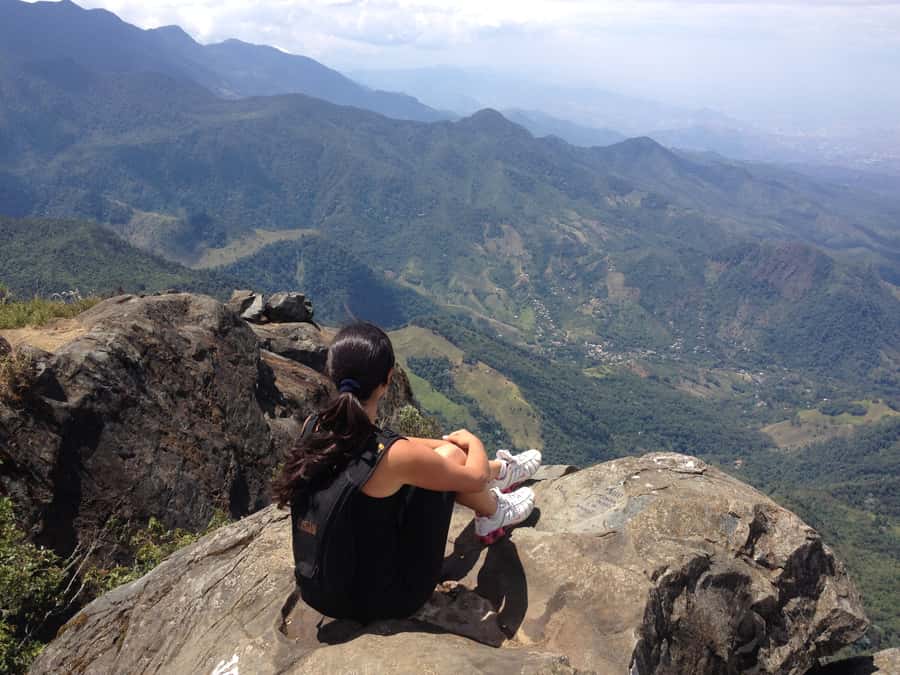
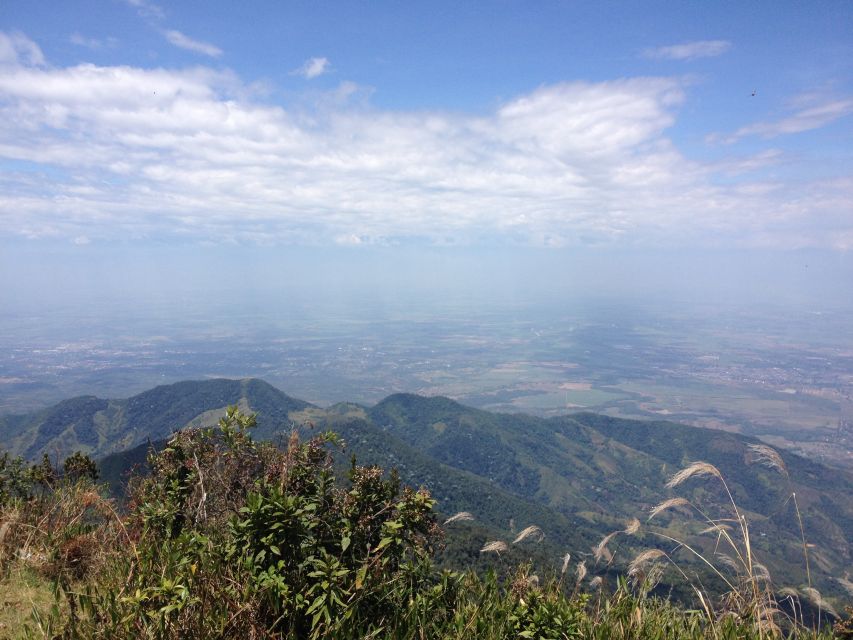
The reward for all that effort is the perspective from high ground. You’re climbing to around 2,860 MASL, and by the time you reach the upper portions, you’ll understand why Pico de Loro is described as the most prestigious trail in the park.
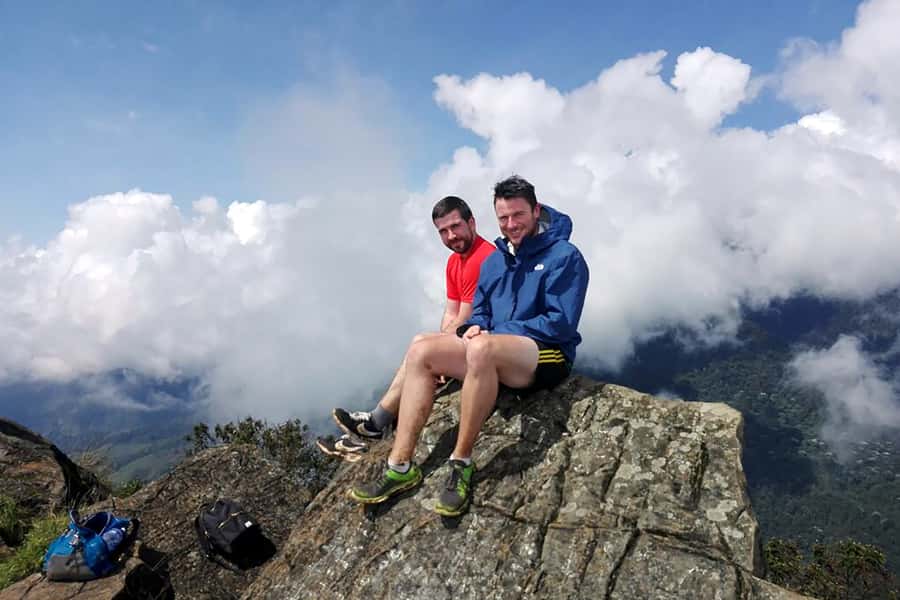
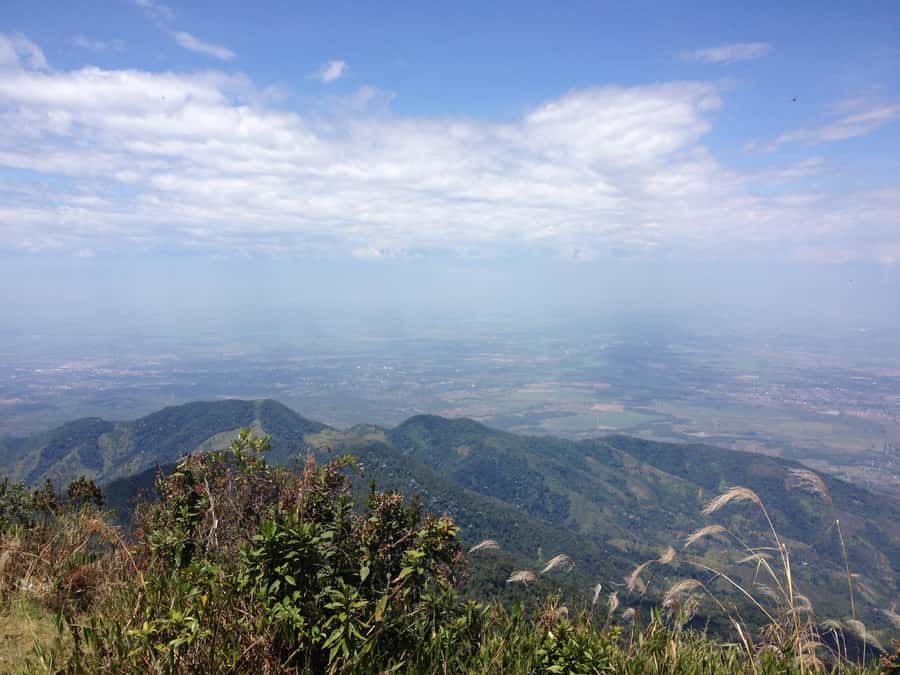
Cloud cover can change the look of the mountain, and one review mentioned the day was fairly cloudy. The good news: even in less-than-perfect sky conditions, the experience still lands as memorable because you’re surrounded by real terrain and real effort, not just a postcard peak.
The Guide Team in Spanish: How Julián-Style Leadership Helps
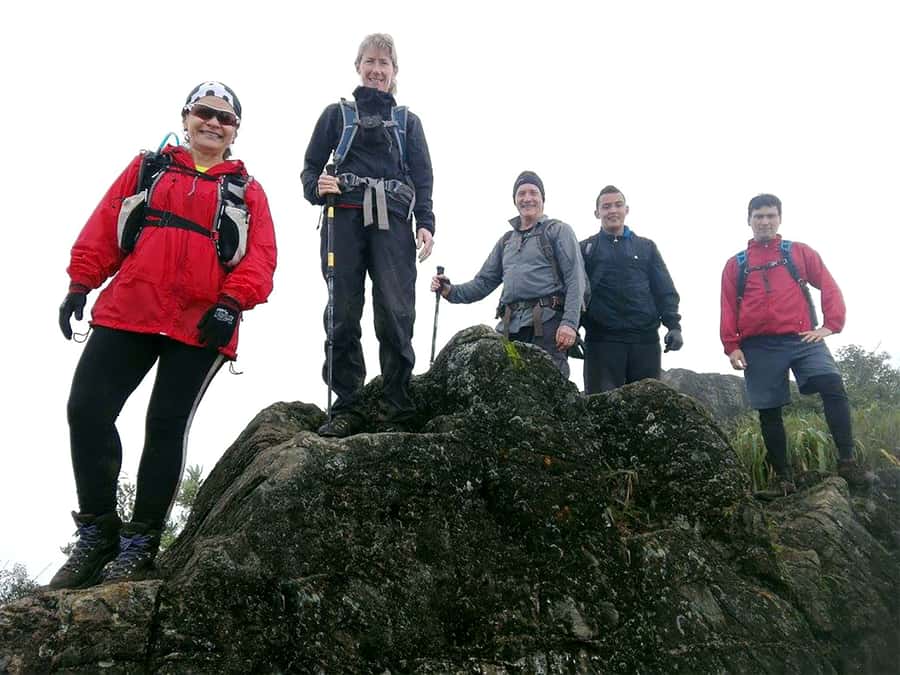
This is not a do-it-alone hike. You get both a local guide in Spanish and an expert hiking guide in Spanish. That two-person structure matters on a steep route because the team can manage pacing, explain the park, and keep the group moving safely.
One reviewer specifically highlighted a guide named Julián for being full of knowledge, patient, and respectful of different walking possibilities. That’s the kind of approach you want on a mountain hike, because not everyone climbs at the same speed—and steep trails make that difference feel bigger.
What I like about this setup for you: environmental interpretation plus hiking expertise. It’s not either/or. You get coaching for the trail and context for the landscape.
What to Pack (So You Don’t Regret It Mid-Trek)
A $49 price tag is great, but only if you show up prepared. This tour’s packing list is clearly built for a long mountain day that can involve changing conditions.
Bring:
- Passport or ID card
- Sunglasses and a sun hat
- Towel
- Sandals
- Snacks
- Hiking shoes (good grip) and comfortable clothes
- Sunscreen
- Insect repellent
- Swimwear
- Rain gear
- Optional: walking poles and a camelback
Two practical packing habits I recommend:
- Bring a rain poncho or waterproof jacket even if the forecast seems fine. The tour notes it typically does not get canceled for bad weather.
- Use a small bag/briefcase setup to keep extra clothes, sunscreen, and mosquito repellent dry. Waterproof a second time if you can.
Also note a detail that trips people up: the tour says items you take to the trail must be waterproof. Pack like you might get surprise rain, because mountain weather loves plot twists.
Weather Reality: The Trail Runs, You Adapt
This activity is not canceled just because it’s bad weather. That’s not a problem if you pack correctly—but it is a problem if you show up with a cotton shirt and hope for the best.
So plan for:
- Wet trail conditions (hence waterproof gear)
- Reduced visibility (cloudy days happen)
- Slippery footing, especially on steep grades
If you’re deciding what to wear, choose long-sleeve long pants sportswear. The idea is to handle sun and insects and still be comfortable when temperatures shift with altitude.
Price and Value: Is $49 Actually Fair?
At $49 per person for about 10 hours, the value is strong—mainly because the cost is tied to more than just walking.
Included:
- Local guide and expert hiking guide (both in Spanish)
- Entrance fee to the natural reserve
- Medical insurance and assistance
- Visit to El Topacio education center
- The ascent to Pico de Loro
Not included:
- Transport, plus no accommodation pickup/drop-off
For me, the value calculation hinges on this: you’re paying for a guided, steep, high-altitude day in a protected area. The guide staffing, entrance fees, and medical coverage add real cost on their own. You only lose value if you also have to pay for complicated transport and you can’t coordinate your own arrival well.
If you already know how you’ll get to the designated meeting point, this price feels like a reasonable entry to a serious trek.
Who Should Book, and Who Should Skip
This hike is for people who can handle steep terrain and sustained climbing. The tour is clear that it’s designed for experienced hikers in good physical condition, and it won’t be a good match if you have certain health concerns.
Not suitable for:
- Pregnant women
- People with back problems
- People with mobility impairments
- People with heart problems
- Wheelchair users
- Also, it notes you won’t be able to do it if you suffer from respiratory problems, recent fractures, etc.
My practical advice: if you’ve never trained for steep hikes, don’t treat this as your first mountain day. The grade can hit up to 75°, and the altitude gain is significant enough that your body needs time to acclimatize.
Best fit:
- People who’ve done similar elevation hikes before
- Anyone who enjoys steep trails and wants both views and nature education
- Hikers who like small groups and Spanish guidance
Should You Book This Pico de Loro Adventure?
Book it if you want a real challenge with real payoff. The combination of steep route stats, high altitude, small-group handling, and the El Topacio learning stop makes this more than a checklist hike.
Pass for now if:
- You’re not confident on steep grades (especially late-stage climbing)
- You have any of the health concerns listed
- You’re relying on luck for weather and don’t want to pack waterproof gear
One last tip before you decide: check your schedule. This tour runs Monday to Friday, and it takes about 10 hours, so plan a lighter day afterward. If you’re the type who hates soreness, don’t stack another big activity immediately after.
If you’re ready for a tough-but-rewarding day in the Farallones de Cali, Pico de Loro is a strong choice.
FAQ
How long is the Pico de Loro trekking adventure?
The tour lasts about 10 hours.
What distance and elevation does this hike include?
The total distance is about 9K, with 4.5K ascent and 4.5K descent. It starts around 1,600 MASL and reaches a final altitude of about 2,860 MASL.
When does this tour run?
It is available exclusively from Monday to Friday.
How steep is the trail?
The tour notes changes in level between 45° and 75° in some sectors.
How big is the group?
The group is small, limited to 7 participants.
What language are the guides?
Both the local guide and the expert hiking guide work in Spanish.
What’s included in the price?
Included items are local guide (Spanish), expert hiking guide (Spanish), entrance fee to the natural reserve, medical insurance and assistance, a visit to the El Topacio environmental education center, and the ascent to Pico de Loro.
Do I need transport or pickup from my hotel?
Transport is not included, and there is no pick up or drop off at your accommodation. You’ll need to get to the designated meeting point.
Do they cancel the trek for bad weather?
The tour is not canceled for bad weather, so you should bring waterproof gear and protect what you take to the trail.