REVIEW · KATHMANDU
From Kathmandu: 5-Day Gosaikunda Lake Trek
Book on GetYourGuide →Operated by Cordial Trek Pvt. Ltd. · Bookable on GetYourGuide
Short trek, sacred lake reward. A 5-day guided hike from Kathmandu to glacial Gosaikunda Lake takes you through Langtang National Park and leads you to a 4,380m milestone without dragging it into a long expedition.
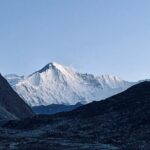
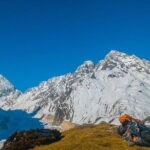
I also love the way the itinerary mixes serious mountain effort with real nature time. You’ll hike through forests and then reach multiple alpine lakes—think Bhairav Kunda, Chandra Kunda, and Saraswati Kunda—while the Langtang range shows up in the background.
The main consideration is the altitude. Even though this is a short trek, the Day 2 climb and the final push to 4,380m mean you’ll want to pace well and arrive in Kathmandu feeling fit.
In This Review
- Key Things You’ll Really Care About
- Why a Gosaikunda Lake Trek Fits a 5-Day Trip From Kathmandu
- The Kathmandu to Dhunche Start: That Long Drive Sets Expectations
- Day 1: Dhunche to Deurali (2,790m) and the First Real Climb
- Day 2: Chandanbari to Laurebina (3,910m) Up the Steep Path
- Day 3: Laurebina to Gosainkunda (4,380m) and the Alpine Lake Circuit
- Day 4: Descent Through Rhododendrons, Pine, and Bamboo to Dhunche
- Day 5: Dhunche Back to Kathmandu (1,350m) With a Final Mountain View
- What You Get for the Price: $190 and the Included Value
- Your Guide and Small-Group Pace: Where the Trek Feels Human
- Altitude, Fitness, and What to Pack for This Type of Short Trek
- Should You Book the 5-Day Gosaikunda Lake Trek?
- FAQ
- What is the highest altitude on the trek?
- How long is the trek?
- Does the price include guide and permits?
- Are meals included?
- Is transportation included?
- What equipment do I need to bring?
- What is the group size?
- Who is the trek not suitable for?
- Are alcohol and drugs allowed?
Key Things You’ll Really Care About
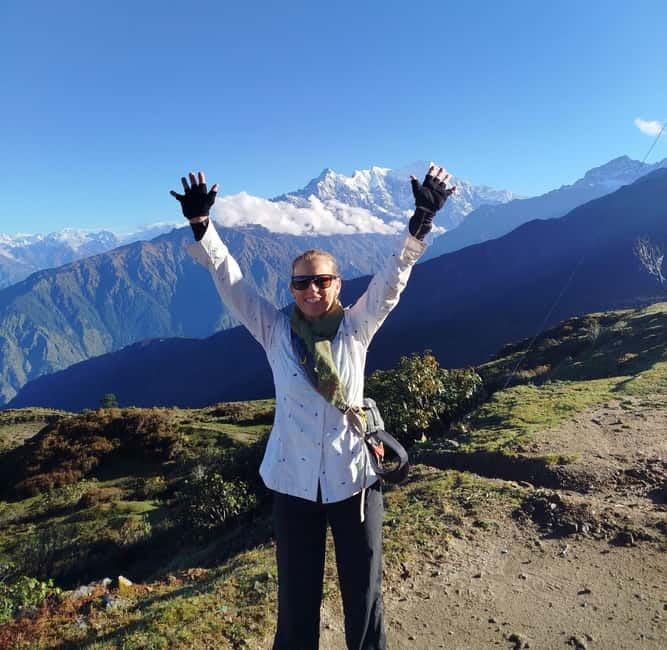
- Gosaikunda at 4,380m in just 5 days, with an up-and-down trail plan that keeps things moving
- Langtang National Park nature time, including rhododendron, pine, and bamboo forests on the way down
- Multiple sacred lakes on Day 3, not just one quick photo stop
- Small group size (up to 14), which makes the pace and logistics feel calmer
- Included permits and gear, including TIMS, trek permits, a borrowed sleeping bag, and trekking poles
- Guides who explain the plan, including examples like Raj and Terens who focus on communication and support
Why a Gosaikunda Lake Trek Fits a 5-Day Trip From Kathmandu
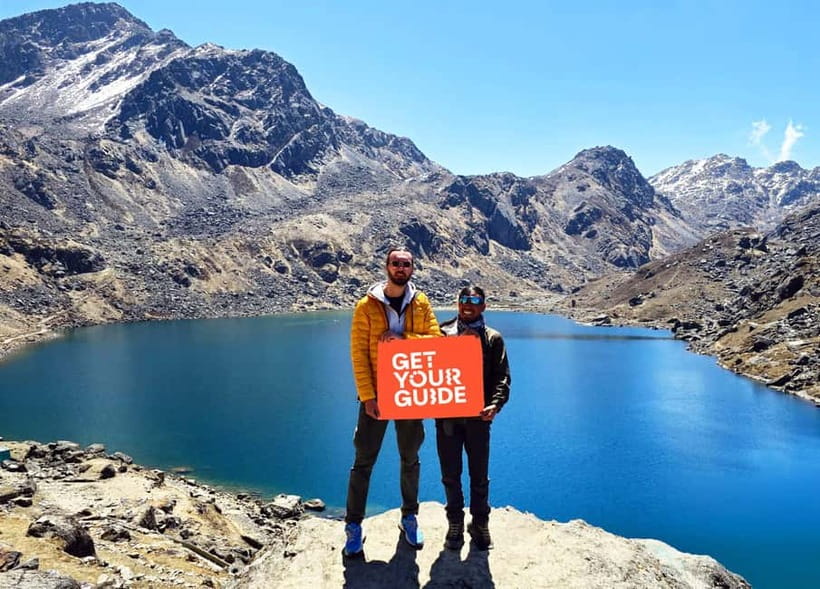
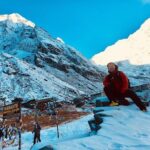
This trek works because it’s short, focused, and scenic in a way that doesn’t need a week of logistics to enjoy. You’re aiming for Gosaikunda, a sacred glacial lake in Langtang National Park at 4,380m. And you’re doing it via a route that also showcases the region’s higher-altitude ecosystem—alpine lakes, cold-season lake freeze, and forests lower down.
The best views come when the skies stay clear. When cloud rolls in, you’ll still get the hike and the lake experience, but the central Himalayas won’t look as dramatic. So if you can choose dates, you’ll usually enjoy it most on a stretch of better weather.
At $190 per person, the value is tied to what’s handled for you: pickup/drop, a licensed guide, guesthouse nights, transportation, permits, and necessary equipment. If you’ve priced out doing this style of trek independently, it’s often the permits plus a reliable guide that quietly eat your budget.
You can also read our reviews of more tours and experiences in Kathmandu.
The Kathmandu to Dhunche Start: That Long Drive Sets Expectations
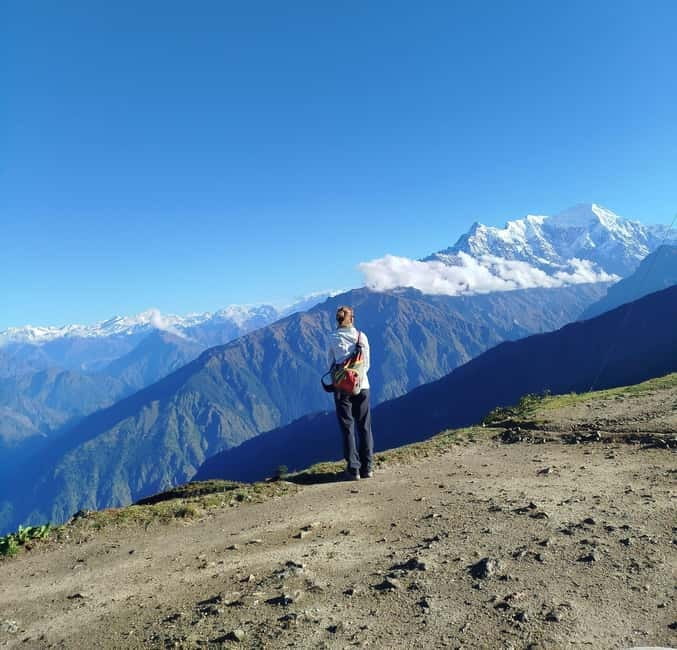
Your trek begins with a hotel pickup in Kathmandu and a ride that can take about 5–6 hours to reach Dhunche. This is more than just getting from A to B. On the drive, you get long mountain sightlines: lush green hills, terraced fields, and snow-capped peaks in the distance, including views that can include Manaslu, Ganesh, and the Langtang area.
Why this matters: that early “mountain preview” helps you understand what’s coming. It also gives you time to settle into the routine—eat, hydrate, keep your layers handy—before you start walking.
When you arrive in Dhunche, you take a short break, then start the hike. Dhunche is the town base for the trek. It’s not a destination in the romantic sense; it’s a staging point. But as a first taste of trekking life, it’s practical and useful.
Day 1: Dhunche to Deurali (2,790m) and the First Real Climb
Day 1 is your ramp-up day. After the drive, you begin with a brisk walk toward Deurali (2,790m), around a 2-hour hike. It’s not the hardest part of the journey, but it does help your body switch from “bus legs” to “trail legs.”
You’ll sleep at a mountain guest house in Deurali. This is where you learn the rhythm of the trek: eat early, follow the guide’s instructions, and don’t treat the first night like a party night. You’re still gaining altitude, and even short days can feel more intense when you’re starting from Kathmandu elevation and heading upward fast.
A small practical tip: keep your daypack organized. You’ll be reaching for the same items each morning—camera, water, layers—and simple systems save energy.
Day 2: Chandanbari to Laurebina (3,910m) Up the Steep Path
Day 2 is where the trek starts feeling “serious.” You’ll begin with breakfast and a brief from your guide about what the day looks like, then hike toward Laurebina (3,910m) via Chandanbari.
Expect an ascent on a steep path. The route doesn’t pretend to be gentle, and that’s part of why this trek gets labeled short but intense. You’re moving to a much higher altitude than Day 1, and the climb asks for steady pace over speed.
Here’s the smart way to handle it: go slower than you think you need to. If you push early, you’ll feel it more on the approach to higher elevations. The route design helps you gain altitude through the week, but your job is to keep the effort smooth—especially if you’re sensitive to altitude changes.
You’ll sleep at a guest house in Laurebina that night, which positions you perfectly for the big Day 3.
Day 3: Laurebina to Gosainkunda (4,380m) and the Alpine Lake Circuit
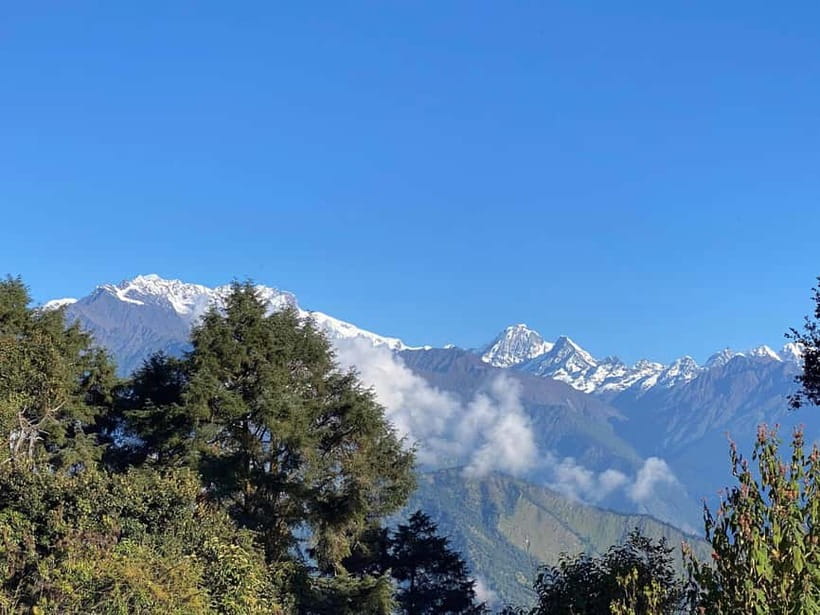
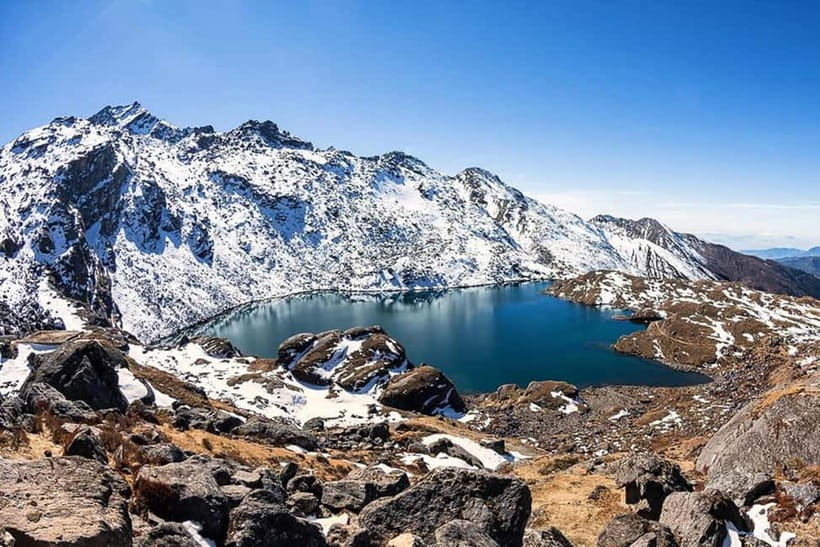
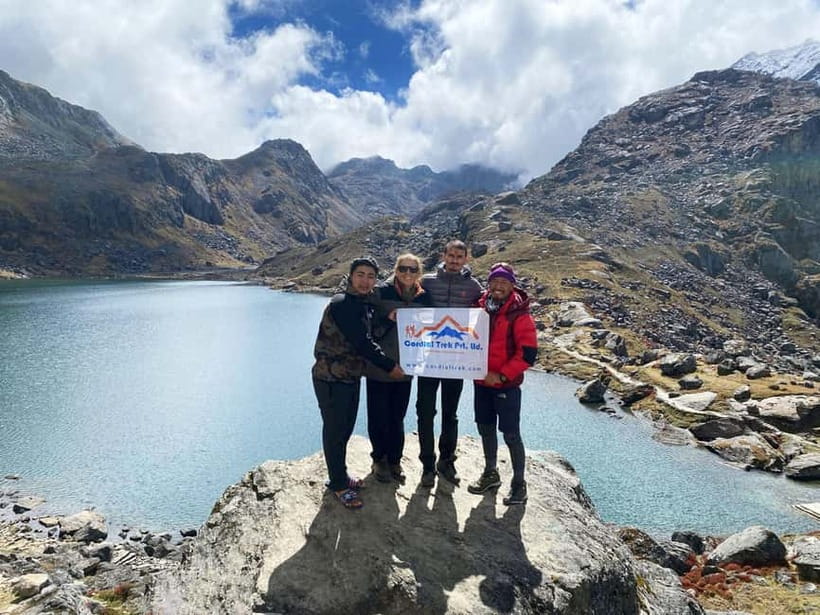
Day 3 is the centerpiece. After breakfast and a plan brief, you hike to Gosainkunda (part of the Gosaikunda lake area) in Langtang National Park, reaching a maximum altitude of 4,380m.
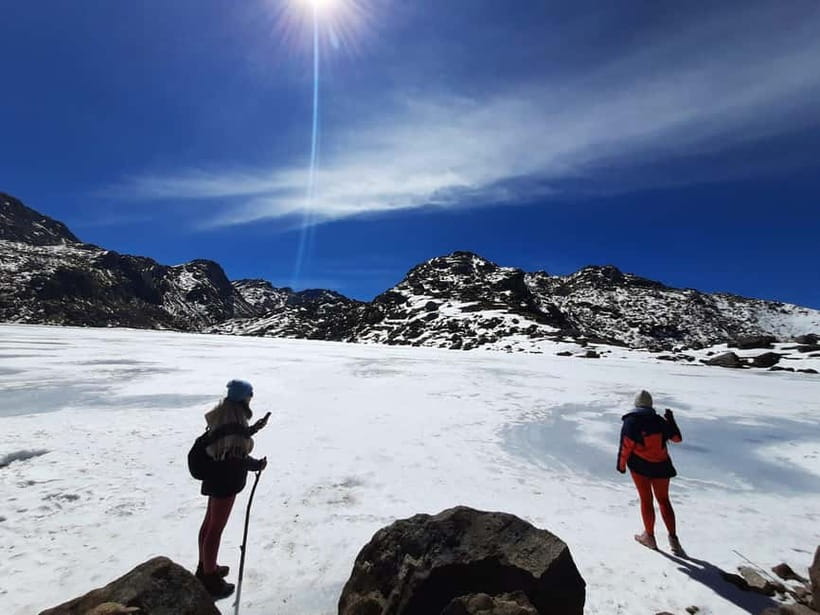
Gosaikunda is described as an alpine freshwater oligotrophic lake. In practical terms, that means it’s a high-elevation lake ecosystem with clear, cold water and strong seasonality. The lake melts to feed the Trishuli River, and it remains frozen during winter. If you go in colder months, the lake experience can feel even more dramatic because of that freeze-thaw cycle.
Once you reach the area, you don’t just arrive and leave. You’ll explore other lakes in the region as well:
- Bhairav Kunda
- Chandra Kunda
- Saraswati Kunda
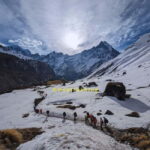
This matters because it gives you time to slow down, take in the setting, and compare viewpoints. The background view of the Langtang range is a major payoff, especially when the light is clear and calm.
Later in the afternoon, you hike back to Laurebina for your night. That return is part of what makes the trek manageable: you get the big altitude experience, then you’re not stuck adding more climbing before sleep.
Day 4: Descent Through Rhododendrons, Pine, and Bamboo to Dhunche
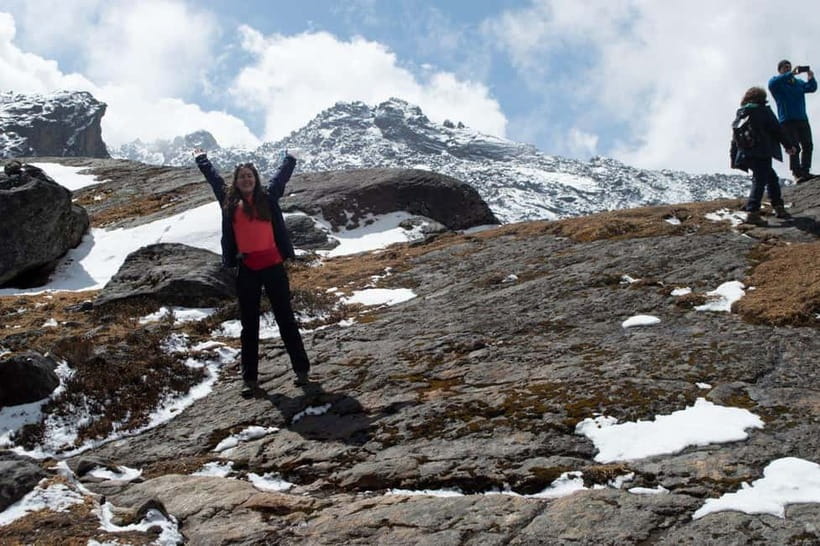
Day 4 is a gradual descent, which many hikers love because it lets your legs recover a bit while still keeping you outside and moving. The trail leads through rhododendron, pine, and bamboo forests, then you pass dense forest sections and cross a river to descend toward Dhunche.
Even though you’re going down, it’s not automatically easy. Descents can be tough on knees and ankles, especially when you’ve already hiked at higher altitude. Go controlled. Short steps often work better than long strides on uneven ground.
By the end of the day, you’ll be back in Dhunche for your night stay. This sets you up for an easier final day: drive, eat well, and sleep in your own bed when you return.
Day 5: Dhunche Back to Kathmandu (1,350m) With a Final Mountain View
Day 5 starts with breakfast and then a scenic drive back to Kathmandu, finishing around 1,350m elevation. You’ll transfer at the bus station and be taken back to your hotel.
The quiet truth about a final drive: you’ll feel both relief and mild soreness. That’s normal. Keep water handy, eat something comforting, and plan a low-key evening in Kathmandu.
If you’re the type who loves documenting a trip, this is also when you’ll look back through your photos and realize how many angles of the Langtang region you saw across multiple days—not just one lookout.
What You Get for the Price: $190 and the Included Value
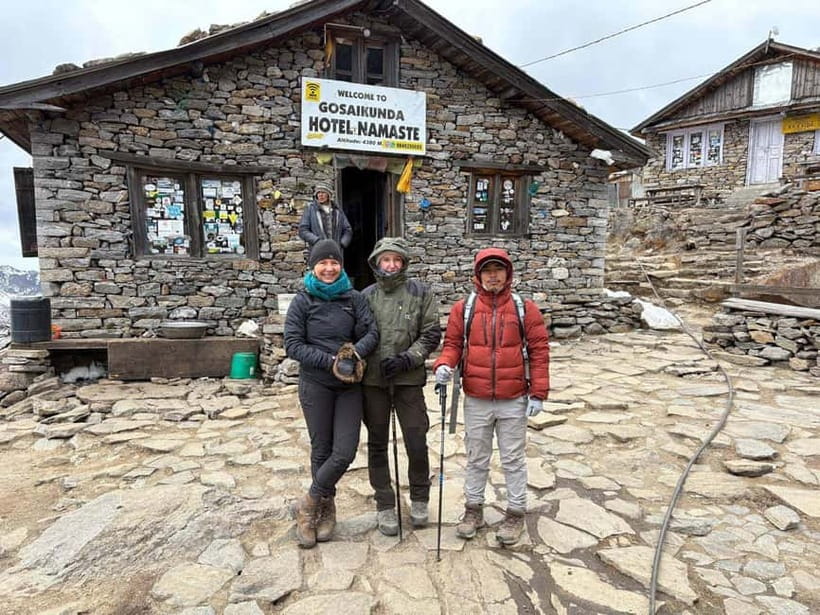
At $190 per person, this trek is priced for travelers who want the essentials handled. Here’s what’s included:
- Hotel pickup and drop
- Experienced and licensed trek guide
- 4-night accommodation at mountain guest houses
- Full board meals for the inclusive option (4 breakfasts, 5 lunches, 4 dinners)
- Bus transportation KTM–Dhunche–KTM
- Necessary trek permits and TIMS card
- Necessary equipment: borrowed sleeping bag and trekking poles
- First aid if needed
- Company T-shirt
- Government tax and service charges
What’s not included (so you can budget calmly):
- Personal expenses
- Travel insurance (recommended)
- Meals for the budget option
- Porter add-on (optional)
Value judgment: the big cost savers are usually the guide, permits/TIMS, and equipment. If you would otherwise spend your own time chasing those details, this price starts to look pretty reasonable. The full-board inclusive option also matters if you don’t want meal decisions mid-trek.
Your Guide and Small-Group Pace: Where the Trek Feels Human
This is a small group trek with a limit of up to 14 participants. In mountains, smaller groups tend to mean fewer bottlenecks on narrow paths and better communication when conditions change.
The trek also includes a live tour guide on the route, with languages listed as English, Icelandic, and Hindi. And in real terms, the most helpful part is the daily briefing style. Guides like Raj have been praised for giving clear information about the regions and communicating the plan ahead. Other guide support like Terens has also been described as competent and supportive.
You’ll notice the difference on Day 2 and Day 3, where the climbing and altitude ask for a plan—not just motivation. A good guide helps you pace, pick safe decisions, and stay focused on what matters: the trail, the lakes, and conserving energy.
Altitude, Fitness, and What to Pack for This Type of Short Trek
This trek is listed as not suitable for:
- children under 10
- people with mobility impairments
- people over 309 lbs / 140 kg
Even if you’re within those limits, take the altitude seriously. You’re climbing from Kathmandu (you’ll drive from around 1,350m on return) to 4,380m. That jump is the defining factor in how hard the trek feels. You don’t need to be an athlete, but you do need steady stamina and the patience to hike at a controlled tempo.
What to bring:
- passport
- camera
- cash
And note the rules:
- alcohol and drugs are not allowed
- bare feet are not allowed
- baby carriages are not allowed
You’ll borrow a sleeping bag and trekking poles, which helps cut down on what you have to carry. Still, you’ll want your own comfort plan for cold nights—layers and a simple system for keeping essentials accessible.
Should You Book the 5-Day Gosaikunda Lake Trek?
Book it if you want a short but real trek with a clear goal: Gosaikunda at 4,380m, plus an alpine lake circuit inside Langtang National Park. It’s a good fit if you like nature, want dramatic mountain views when the sky cooperates, and prefer guided pacing over DIY uncertainty.
Consider another option if you hate steep climbs, have concerns about altitude, or you’re not comfortable with a tight 5-day schedule that leaves little room for extra rest days. This trek is designed as a compact adventure, not a slow scenic stroll.
If you’re deciding between dates, aim for times when skies are mostly clear. The trek’s lower forest sections are lovely, but the central Himalayas and the lake views are what you’ll be remembering.
FAQ
What is the highest altitude on the trek?
The maximum altitude is 4,380m at Gosainkunda/Gosaikunda.
How long is the trek?
It runs for 5 days total, including the Kathmandu–Dhunche travel days.
Does the price include guide and permits?
Yes. It includes an experienced licensed trek guide, necessary trek permits, and a TIMS card.
Are meals included?
Meals are included for the full board inclusive option (4 breakfasts, 5 lunches, 4 dinners). A budget option may not include meals.
Is transportation included?
Yes. Transportation by bus is included from Kathmandu to Dhunche and back.
What equipment do I need to bring?
You need your own passport, camera, and cash. Trek-specific equipment like a sleeping bag and trekking poles is included via borrowing.
What is the group size?
The trek is a small group limited to 14 participants.
Who is the trek not suitable for?
It is not suitable for children under 10, people with mobility impairments, and people over 309 lbs (140 kg).
Are alcohol and drugs allowed?
No. Alcohol and drugs are not allowed on the trek.