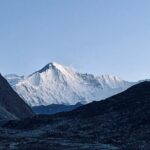
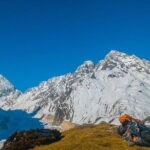
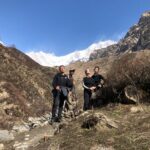
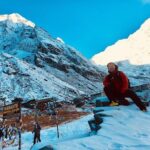
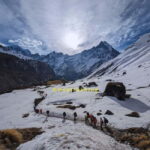
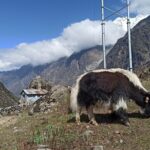
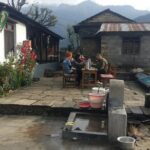
A high pass, real villages, and Tibetan-style culture. That’s the Manaslu Circuit, a trek that mixes big views with small-town pace and real work on the trail. You’ll move from Kathmandu into the Budhi Gandaki River valley, climb through Manaslu Conservation Area scenery, then cross Larkya La Pass with time built in for altitude recovery.
I especially like the English-speaking guide support and the practical logistics that keep the trek focused on walking, not chasing details. I also like that you’re not on your own for the basics: teahouse/guesthouse stays, meals on the trail, and purified drinking water are included.
One consideration: this is high-altitude trekking, and you’ll want a moderate fitness base plus patience for slow days around acclimatization.
In This Review
- Key highlights to know before you go
- Why Manaslu feels different from other Nepal treks
- The price: what you’re paying for (and where you might save)
- Group size and your day-to-day comfort on the trail
- Kathmandu start: Thamel base and a proper handoff to trekking life
- Day-by-day: what you’ll actually do and what to expect
- Day 1: Arrive in Kathmandu and get briefed
- Day 2: From Kathmandu drive to Machha Khola
- Day 3: Machha Khola to Jagat via the Budhi Gandaki
- Day 4: Jagat toward Deng (through river valleys and forests)
- Day 5: Deng to Namrung, with bigger mountain feel
- Day 6: Namrung to Shyala and the dramatic peaks backdrop
- Day 7: Shyala to Samagaun, a big village with cultural weight
- Day 8: Samagaun acclimatization + optional Manaslu Base Camp trek
- Day 9: Samagaun to Samdo, close to the border region
- Day 10: Another acclimatization day in Samdo
- Day 11: Dharamsala (time to get ready for the pass)
- Day 12: Larkya La Pass day—high effort, big payoff
- Day 13: Over the pass area from Bimthang to Tilche
- Day 14: Tilche to Dharapani, then drive toward Besisahar
- Day 15: Back to Kathmandu and final farewell dinner
- The service that makes the trek feel stress-free
- Weather, altitude, and the one reality check to respect
- Is it worth it for your travel style?
- Should you book this Manaslu Circuit Trek?
- FAQ
- FAQ
- How long is the Manaslu Circuit Trek on this itinerary?
- Where does the trek start and end?
- What’s included in the trek meals?
- Are permits included?
- Do you have a guide and porter?
- How is drinking water handled on the trek?
- Are stays included during the trek?
- Is Kathmandu lodging included?
- Do I need travel insurance?
- Is the trek refundable if weather is bad?
Key highlights to know before you go
- Larkya La Pass: the trek’s high point, demanding but unforgettable when weather cooperates
- Built-in acclimatization days in higher villages like Samagaun and Samdo
- Teahouse/guesthouse trekking with twin-sharing and a porter for your duffel bag (2:1 guest-to-porter ratio)
- Manaslu Conservation Area + Tibetan-influenced culture as you head toward the border region
- Small group size (maximum 16) for a smoother trek rhythm
- Human service from the crew: in past trips, guides like Mr. Raman Shrestha and team members such as Mr. Bipin have left strong impressions
Why Manaslu feels different from other Nepal treks
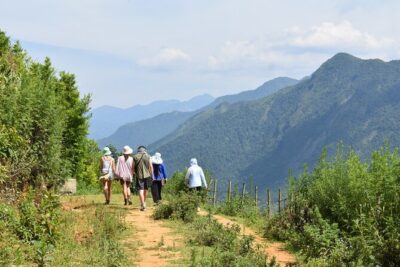
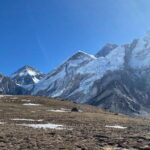
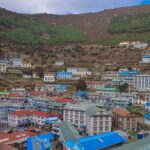
The classic Nepal trekking routes can feel busy. Manaslu tends to feel more like a working trek: you’re walking through villages where life continues, and the trail asks for your attention more often than your camera. You’ll get Himalayan scenery, yes—but the real pull is how the culture shifts as you get higher, especially around the Tibetan border influence.
What I like for you here is the balance. On paper, it’s a 15-day trek (approx.), but the rhythm is spaced out. You’re not pushed like a sprint toward the pass. You get rest days for acclimatization, and you also get options—like the chance to add time for Manaslu Base Camp from Samagaun—without the itinerary turning into a forced march.
The logistics also look designed for actual trekkers. You travel with an English-speaking guide the whole time, and there’s a porter to carry your duffel bag with a 2:1 ratio. That means you can keep your daypack light for water, layers, and snacks, rather than hiking a bag that feels like you’re moving house.
You can also read our reviews of more tours and experiences in Kathmandu.
The price: what you’re paying for (and where you might save)
At $1,900 per person, this is not a budget trek. But it’s also not just a guide and a handshake. Your included package covers the big-ticket operational items: permits (including a restricted area permit), an English-speaking guide, porter support, teahouse/guesthouse stays on a twin-sharing basis, and most trail meals (breakfast daily, plus lunch and dinner on the trek days listed). It also includes welcome and farewell dinners in Kathmandu and purified drinking water during the trek.
Here’s how I’d think about value if I were comparing options:
- If you’re trying to avoid the hassle of piecing together permits, guides, and staffing yourself, this price becomes easier to justify.
- The porter system matters. A lighter load helps on the hard altitude days.
- Purified water on the trail is a real comfort point. It’s not glamorous, but it keeps your stomach happier.
Where you’ll still spend money: Kathmandu lodging and meals before/after the trek aren’t included (other than the welcome/farewell dinner). Also, travel insurance and emergency evacuation coverage aren’t included—so you’ll want those. And the data you have flags that private transfers from Kathmandu to the trek starting location and the return drive from Besisahar aren’t included as private transfers, so you’ll want to confirm how you’ll handle that segment depending on your booking arrangement.
Group size and your day-to-day comfort on the trail
This trek runs with a maximum of 16 travelers. That’s small enough to keep things organized and not too large to feel chaotic. It also helps your guide manage pace, especially on ascent and on the altitude days.
You stay in teahouses/guesthouses on a twin-sharing basis. That’s the standard trekking style in Nepal, but it’s worth saying clearly: these places are simple. Expect shared rooms, basic facilities, and the reality that comfort is mostly about warmth, layers, and using downtime wisely.
If you’re the type who worries about being “the slow one,” you’ll still want to be honest with yourself. The itinerary includes acclimatization days, which helps. But you’ll still climb high. If you show up with moderate fitness and an ability to hike steadily, you’ll enjoy it more.
Kathmandu start: Thamel base and a proper handoff to trekking life
You begin in Kathmandu at the Kathmandu Business Hotel in Thamel. On arrival, you’re greeted and transferred to the hotel. There’s also a welcome and farewell dinner included, which is a nice way to meet the group and get your head straight before hiking starts.
This matters because Kathmandu can scramble your first day. Jet lag plus paperwork plus finding the right gear can turn into a stress stew. Having pickup and a defined meeting point helps you settle in fast. You’ll also want to use Kathmandu day time to check your layers and shoes. Nepal treks punish poor footwear more than bad weather ever does.
Day-by-day: what you’ll actually do and what to expect
Day 1: Arrive in Kathmandu and get briefed
After landing at Tribhuvan International Airport, you get a representative meet-and-transfer to your hotel. This is your buffer day: you can rest, eat something familiar-ish, and confirm your gear is ready.
Day 2: From Kathmandu drive to Machha Khola
The trek officially starts with a scenic drive to Machha Khola. This day is about easing in. You’ll pass green hills and rural villages along the ride, then begin trekking life at a lower altitude.
Why it’s valuable: your legs learn the rhythm before the steep climbs start. A good day for steady walking, not fast walking.
Day 3: Machha Khola to Jagat via the Budhi Gandaki
You continue with the trek to Jagat along the Budhi Gandaki River. Expect suspension bridges, terraced fields, and plenty of chances to see how villages shape the valley.
Practical note: this is where a small daypack helps. You’ll want water, a warm layer, and something quick for energy. The purified water policy starts on the trek, so don’t assume you can just refill anywhere without asking.
Day 4: Jagat toward Deng (through river valleys and forests)
Today starts with an early rise and a trek that moves you toward Deng. The itinerary highlights river valleys and lush forest trails, which is a good change from open valley walking.
What to watch: mornings can be cool. Start early, but don’t overheat. The goal is steady effort.
Day 5: Deng to Namrung, with bigger mountain feel
From Deng you head toward Namrung. As the trail ascends gradually, you’ll gain panoramic views of the surrounding peaks and you’ll pass traditional settlements.
This is often a turning point day psychologically. You start seeing how high you’ll go, and you’ll feel the scale.
Day 6: Namrung to Shyala and the dramatic peaks backdrop
You trek to Shyala, a village surrounded by majestic peaks. The itinerary points to a mix of scenery and cultural chances, and this is the day where you’ll start noticing the Tibetan-influenced feel more clearly as you climb.
Takeaway: your breaks will be shorter today, because you’ll want photos and also because your legs will start noticing elevation.
Day 7: Shyala to Samagaun, a big village with cultural weight
You reach Samagaun, described as a large village with deep cultural heritage. The day is about moving through traditional villages and high scenery until you settle in for the night.
This is also where trekking slows down naturally. You’re higher, and your body works harder per step.
Day 8: Samagaun acclimatization + optional Manaslu Base Camp trek
You spend an extra day in Samagaun to acclimatize. You also get an option to trek toward Manaslu Base Camp, depending on conditions and energy.
This is one of the best-feeling parts of the itinerary because it gives you choice without breaking the overall structure. If you want the extra hike, this is the day to do it. If you want to play it safe, you can keep it light and focus on rest.
Day 9: Samagaun to Samdo, close to the border region
The trek moves to Samdo, a village located near the Tibetan border. The itinerary notes studded views of high-altitude landscapes and serene paths, plus a quieter trekking pace.
The cultural shift is part of why Manaslu is famous. As you near the border, you’ll feel the different rhythm and architecture more strongly.
Day 10: Another acclimatization day in Samdo
You take another day for acclimatization, with a scenic hike mentioned in the plan. This is the trek’s “breathing room” day before the real pass effort.
If you’re tempted to push forward too hard, don’t. This is the day you thank yourself later.
Day 11: Dharamsala (time to get ready for the pass)
You spend time in Dharamsala as part of the acclimatization sequence before the pass. The itinerary stresses that rapid altitude shifts are in play and that you’re visiting border-region terrain.
I read this day as a buffer: you’re positioning for a challenging crossing soon, without burning your legs early.
Day 12: Larkya La Pass day—high effort, big payoff
This is the trek’s signature day. Larkya La Pass is the highest altitude you’ll reach, and the plan has you start early to tackle a demanding section that’s “most challenging yet rewarding.”
What to expect: a long day, with cold and thinner air likely impacting how fast you can move. Your pace will be slower than on lower trails. The guide’s role is crucial here—pace management is not optional on a pass day.
Bring mental tools: you’ll want to break the climb into small goals. One step at a time. Then another.
Day 13: Over the pass area from Bimthang to Tilche
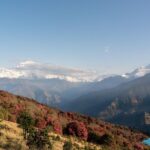
You trek from Bimthang to Tilje Village (Tilche) through alpine meadows and forests, with lots of open scenery for tired eyes and good recovery vibes.
This day is a morale stabilizer. After a pass, you still walk—but the scenery can feel like a reset.
Day 14: Tilche to Dharapani, then drive toward Besisahar
You trek to Dharapani and then transition to a drive to Besisahar. The day is framed as the closure of the circuit on foot, with scenic drive time afterward.
This is where you’ll feel the trek ending. Keep your energy up even if you’re ready to be done. A steady finish helps you enjoy the last transition instead of rushing it.
Day 15: Back to Kathmandu and final farewell dinner
You return to Kathmandu by scenic ride. The plan notes that you’ll arrive back and transfer to your lodging setup, with that farewell moment marking the trip end.
This day is mostly about rehydration, hot food, and remembering that “trek recovery” is a real activity.
The service that makes the trek feel stress-free
The reviews point to consistent organization and responsive support. People praised the team from planning through the last day, and they also liked that the itinerary felt tailored to what they wanted.
Two names came up clearly in feedback: Mr. Raman Shrestha as a standout guide for a Manaslu Circuit Trek in March, and Mr. Bipin for friendly, thoughtful gestures that made the experience feel smooth. That lines up with what you want in a trek: clear communication, steady guidance, and no drama when the mountain decides to change conditions.
The porter system matters too. With your duffel carried and you keeping a manageable daypack, you’ll spend more energy on hiking and less on hauling.
Weather, altitude, and the one reality check to respect
This experience requires good weather. In Nepal, weather can make or break high-altitude trekking, especially around pass crossings. If weather affects the trek, you’ll be offered a different date or a full refund, so it’s not a blind gamble.
Altitude is the other reality check. The itinerary includes acclimatization days in higher villages like Samagaun and Samdo, which is smart and practical. Still, the plan requires moderate physical fitness, and you should take the acclimatization days seriously, not as optional extras.
If you’re thinking of going but you’re not sure about fitness, be honest. A trek like this rewards steady hikers. It doesn’t reward bravado.
Is it worth it for your travel style?
This Manaslu Circuit suits you if you want:
- A quieter, less crowded feel than the most famous trekking corridors
- A mix of scenery and Tibetan-influenced village culture as you approach border-region terrain
- A trek with structure: guide support, porter help, and included permits
It might not suit you if:
- You want luxury lodging every night
- You strongly dislike long hike days and cold, high passes
- You don’t want to plan around acclimatization and weather
Should you book this Manaslu Circuit Trek?
If your goal is a serious trek with real cultural contact and fewer crowds, I’d say this one is a strong choice. The package includes the key pieces that usually make trekking stressful: permits, guide, porter support, teahouse stays, and purified drinking water. At $1,900, you’re paying for that hard-to-solve convenience, not just a route on a map.
Book it if you’re ready to hike consistently and you’ll treat acclimatization as part of the adventure, not a pause button. Think of it this way: the trek looks like it’s about the pass. But the real win is how the itinerary helps you get there safely, so you can enjoy the views when Larkya La Pass finally shows its work.
FAQ
FAQ
How long is the Manaslu Circuit Trek on this itinerary?
It’s listed as 15 days (approx.).
Where does the trek start and end?
The meeting point is Kathmandu Business Hotel, Thamel, Kathmandu 44600, Nepal, and the activity ends back at the same meeting point.
What’s included in the trek meals?
Your package includes breakfast (15), and lunch and dinner on 14 days during the trek.
Are permits included?
Yes. The trek includes all required permits, including a restricted area permit.
Do you have a guide and porter?
Yes. There’s an English-speaking guide throughout the trek, and a porter carries your duffel bag with a 2:1 guest-to-porter ratio.
How is drinking water handled on the trek?
The package includes water purification using a water purifier or chemical purifying tablets during the trek.
Are stays included during the trek?
Yes. You stay in teahouses/guesthouses on a twin-sharing basis during the trek.
Is Kathmandu lodging included?
No. Accommodation and meals in Kathmandu are not included, except for the welcome/farewell dinner.
Do I need travel insurance?
Travel insurance and emergency evacuation service charges are not included, so you should arrange them separately.
Is the trek refundable if weather is bad?
The experience requires good weather. If it’s canceled due to poor weather, you’ll be offered a different date or a full refund.