REVIEW · MOUNT ETNA
Mount Etna: scenic Summit Trek with a volcano Guide and Gear
Book on GetYourGuide →Operated by Kemedia · Bookable on GetYourGuide
Etna feels close enough to touch. This Mount Etna summit trek takes you up from the Sapienza area to the higher reaches near the active craters, with an alpinist guide explaining what you’re seeing as you go. I like that it’s not just sightseeing from afar—you’re actually walking the volcanic terrain and looking down at formations shaped by recent activity.
I also like the practical safety setup: you get key gear like a helmet, and the guide team keeps the group moving at a steady, manageable pace. The main catch is simple: this is physically demanding terrain and the day can change with conditions, since the tour depends on weather and whether Etna is calm. Fitness matters.
In This Review
- Key Points Worth Knowing Before You Go
- Why a Summit Hike on Etna Is Different From a Typical Volcano Tour
- Sapienza Start: How the Day Gets Rolling
- Cable Car Up: Saving Energy for the Craters
- The Cratere Centrale Trek: What “4 Hours” Actually Means
- What You See Along the Way: Summit Colors, Active Plumes, and Lunar Ground
- Break Time and the Descent: Recharge, Then Explore Recent Eruption Ground
- Gear, Footing, and Safety: What’s Provided vs. What You Should Bring
- Price, Value, and the Cable Car Add-Ons You Need to Plan For
- Who This Trek Fits Best (and Who Should Skip It)
- Timing, Weather, and What to Do When Conditions Change
- Final Thoughts: Should You Book This Mount Etna Summit Trek?
- FAQ
- Where is the meeting point?
- How long is the tour?
- Does the tour include the cable car?
- What’s included in the tour price?
- What languages is the guide available in?
- What should I bring to be comfortable on the hike?
- What’s not allowed during the tour?
- Is the hike weather dependent?
- Who should not take this trek?
Key Points Worth Knowing Before You Go
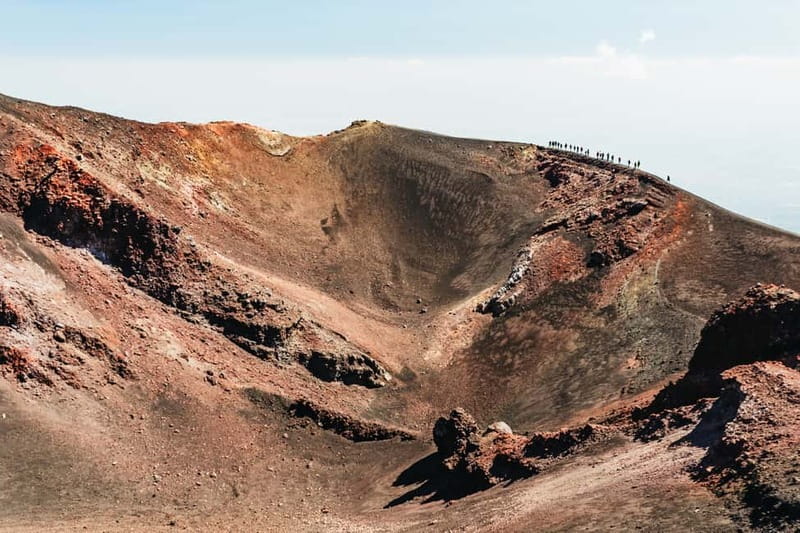
- Cratere Centrale dell’Etna views at high altitude with a real guide, not a casual walk
- Alpinist-style guidance from pros such as Vicenzo and Pietro (seen in past groups), with patient pacing
- You start high via cable car, then hike the summit area on foot
- You descend through crater scenery from recent eruptions, when visibility and conditions allow
- Provided helmet and trekking footwear, plus extra hiking support in practice (like poles/jackets)
- A comfortable cable car return means you’re not stuck hiking all the way back
Why a Summit Hike on Etna Is Different From a Typical Volcano Tour
A lot of volcano tours show you rocks and then send you back. Here, the point is walking through the volcanic world at the highest active zones you can reach with a guide. You’re trading a quick photo stop for a real sense of altitude, slope, and scale—then getting taught the meaning of it along the way.
The fact that you’re focused on the summit areas makes it feel more like a high-mountain experience than an easy excursion. And because Etna’s activity is ongoing, the colors and textures of the crater rims, ash slopes, and gas plumes tend to look otherworldly in a way that never feels staged.
You can also read our reviews of more tours and experiences in Mount Etna.
Sapienza Start: How the Day Gets Rolling
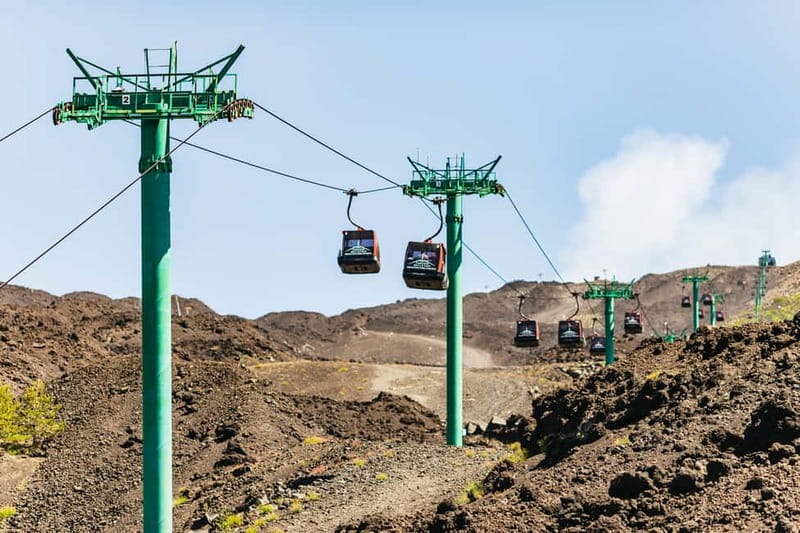
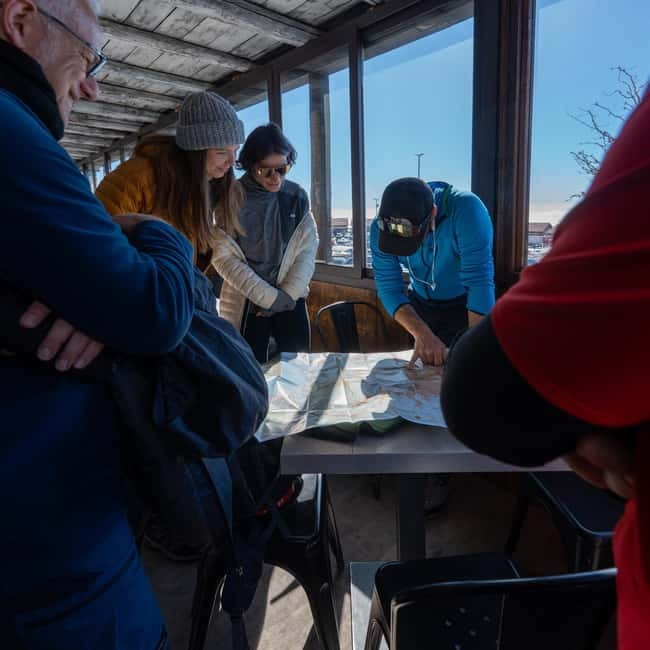
Your tour starts at Piazzale Rifugio Sapienza, the hub area above Nicolosi on Etna’s south side. This is where the day’s rhythm clicks into place: you meet, get organized, and then move toward the cable car stage.
The cable car ride takes about 30 minutes, and it matters because it saves you from wasting hours on altitude gain before the real trekking begins. It also sets expectations: you’ll be starting the hike from around 2,500 meters, where even “warm” days can feel cool once wind and clouds show up.
If you’re the type who likes to avoid stress, arrive a bit early. The meeting zone can feel busy, and having your voucher ready helps you find the right check-in quickly.
Cable Car Up: Saving Energy for the Craters
The cable car takes you up from the Sapienza area, and it’s more than just a transfer. It puts you right near the beginning of the climb, so you can spend your effort where it counts: on the volcanic terrain and crater viewpoints.
It also gives you a first taste of the environment. Once you’re higher, the air often feels sharper, and the mountain changes fast—smoke and steam may be visible, and the ground can look dustier and darker than you expect. You’ll also feel how windy it can get at altitude, which is why you should bring a windbreaker even when the day starts out mild.
The Cratere Centrale Trek: What “4 Hours” Actually Means
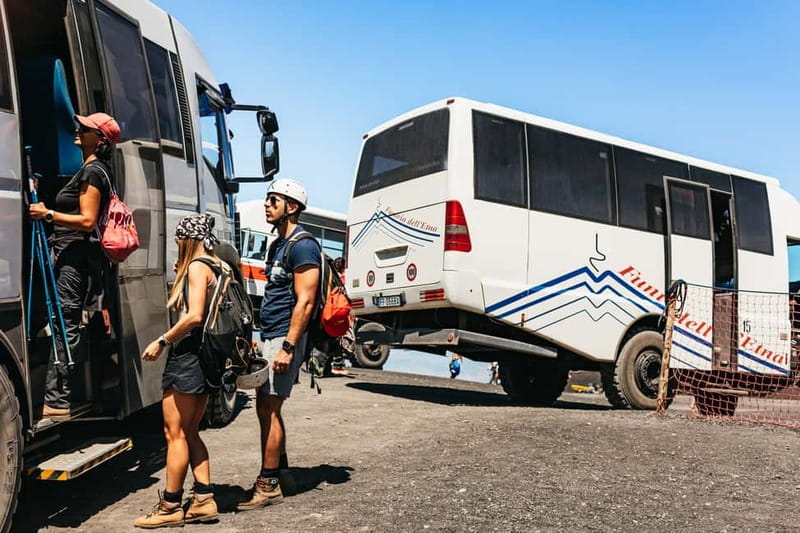
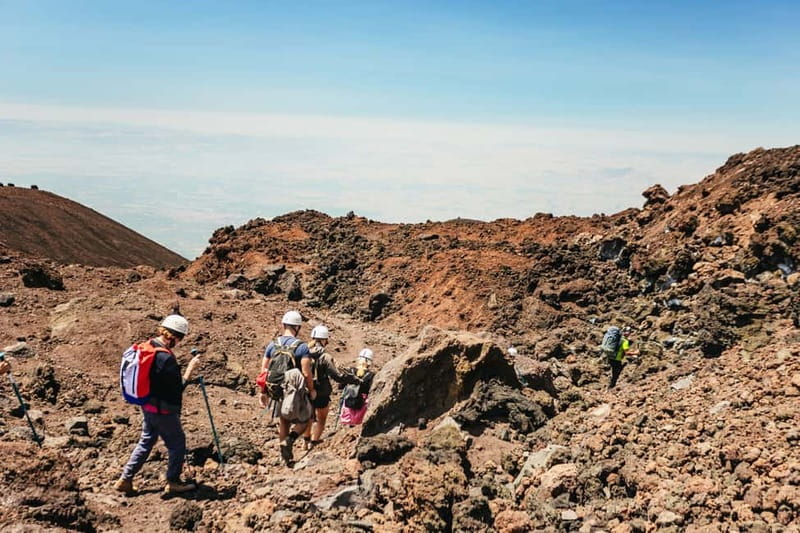
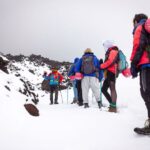
The guided hiking portion is around 4 hours focused on the Cratere Centrale dell’Etna area. This is the core of the experience: a trek on active volcanic terrain where your guide’s job is to explain what you’re seeing and keep you moving safely.
Expect a route that feels both rewarding and demanding. Reviews describe it as steep at times and not just a gentle stroll. The ground can be rocky with loose stones, so your footing matters more than your speed. You’ll likely walk in sections where the pace slows naturally because you’re paying attention—watching formations, stepping carefully, and listening for geology explanations.
What I like about this setup is that it turns “volcano watching” into “volcano understanding.” When your guide points out the shapes of craters and talks about how Etna’s eruptions leave visible traces, the scenery stops being random. You start seeing patterns: crater rims, color shifts, and where activity has built up or stripped away material.
What You See Along the Way: Summit Colors, Active Plumes, and Lunar Ground
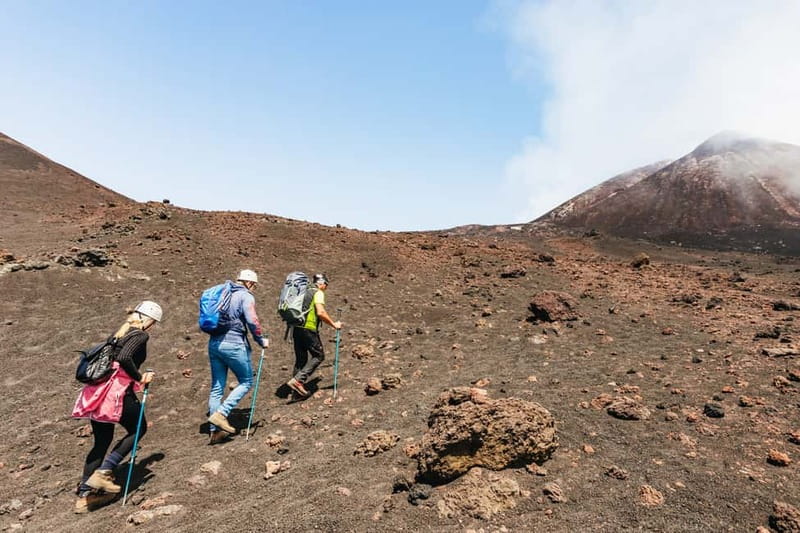
The summit areas are known for a lunar-like look, and that’s exactly what you’re aiming for. As you climb, you’ll notice how the terrain changes: fewer plants, more gray and black volcanic textures, and crater formations that look sharply carved.
On clearer days, the guide can often take you over the center of the volcano toward a north-east side viewpoint, including the chance to look down into an additional crater where you may see rumbling or intermittent activity. That kind of variation is a reminder that Etna isn’t a theme park. The mountain decides what it shows you.
Even when you’re not watching lava, you can still get that intense “active volcano” feeling from steam, smoke, and shifting gases over the crater rims. And because you’re trekking rather than riding past viewpoints, you get multiple angles of the same place—each one changing as the slope and your position change.
Break Time and the Descent: Recharge, Then Explore Recent Eruption Ground
After the main crater viewing, you’ll have a break to recharge. Some tours include small treats during the day’s pause, and you should plan around the idea that food options may be limited unless you add them separately.
Then comes the descent. This part is often described as physically hard in a different way than the ascent. You might spend time walking on uneven rocks and loose stones for a few hours. The upside is that you’re not just walking back—you’re using your time to explore crater areas shaped by recent eruptions, which can look dramatically different from older volcanic slopes.
This is also when you’ll likely feel the wind most. At higher points, clouds can move in quickly, and you may need to move steadily to avoid getting trapped in bad weather. A good guide reads the sky fast.
Gear, Footing, and Safety: What’s Provided vs. What You Should Bring
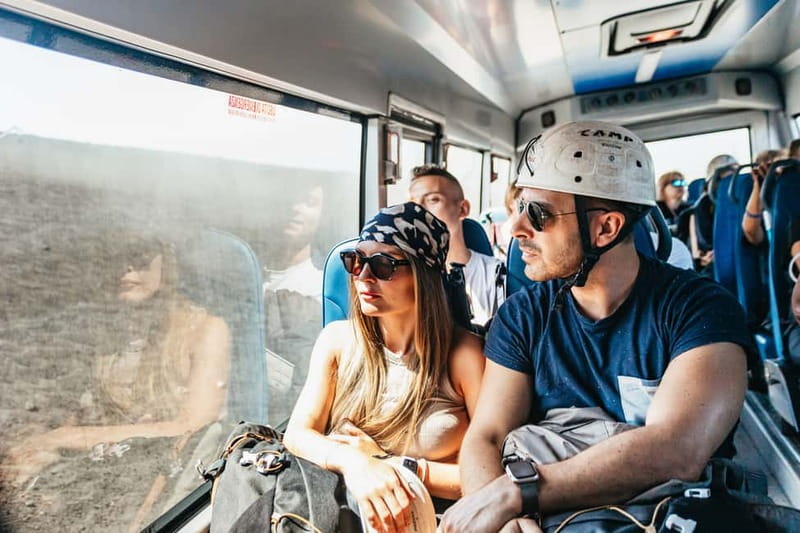
This experience is set up like a proper mountain outing, not a casual walk. Gear is part of the deal: you get trekking shoes, a helmet, and insurance, and you’ll be with an alpine/volcano guide. In practice, some groups report getting additional support like jackets and walking sticks—so don’t assume you’ll be totally on your own even if you pack light.
That said, you should bring the items that protect you from common Etna problems:
- Windbreaker (altitude wind can cut fast)
- Hat (sun and wind both get aggressive)
- Water (you’ll sweat more than you think at 2,500+ meters)
- Weather-appropriate layers
- Long socks if you want fewer foot issues (a smart tip from past hikers)
- A simple paper mask can help if you’re sensitive to sulfur fumes (some people specifically suggest this)
Also note what you can’t bring: pets aren’t allowed.
Price, Value, and the Cable Car Add-Ons You Need to Plan For
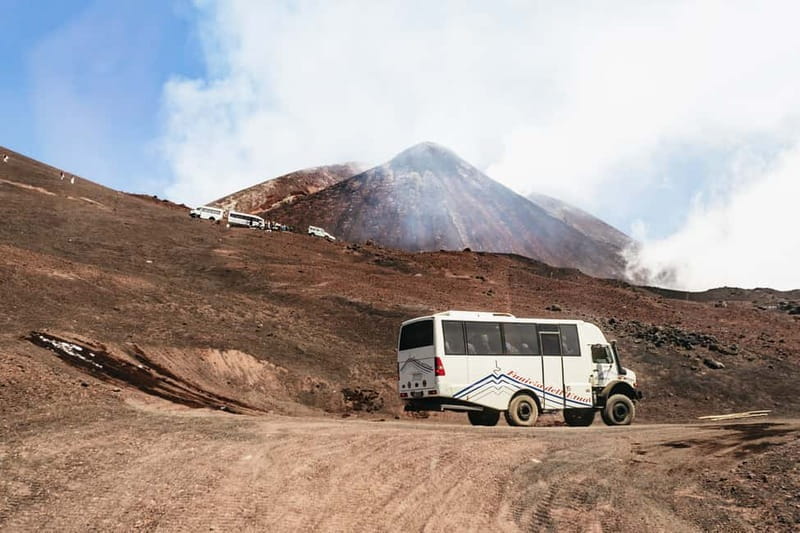
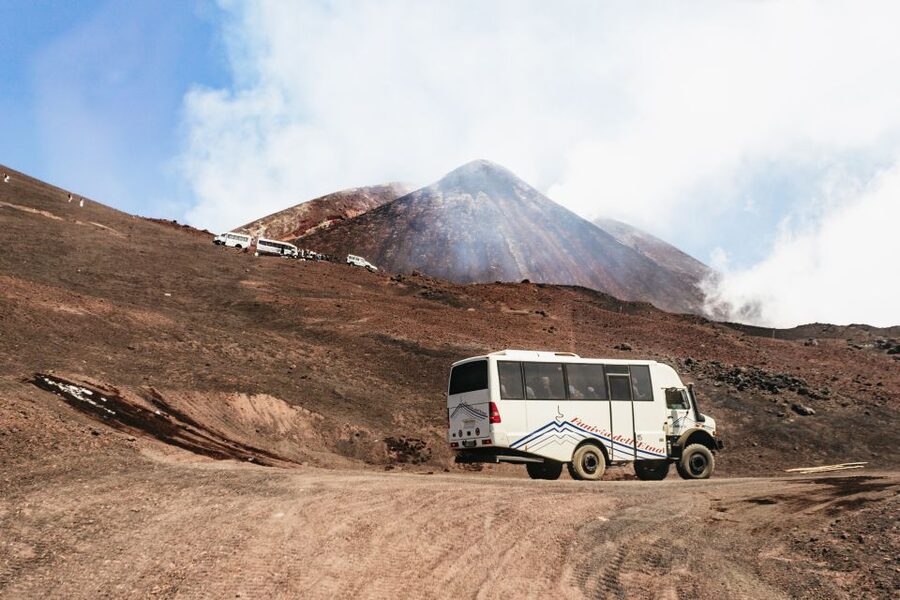
The headline price is listed as $41 per person, and that’s a good sign for the base tour. The key detail: cable transport tickets aren’t always included. The tour options you select determine whether you’re covering cable car and any extra transport (like a 4×4 bus) in the price.
Past groups have mentioned paying extra for cable car access and 4×4 transport—figures like €33 per person and totals that ended up around €100 per person for some people. So when you budget, don’t just lock in the $41. Treat it like the starting point and confirm what your specific option includes.
Is it still good value? In my view, yes—if you compare it to the real cost of the thing you’re buying: paid guide time in a controlled area, helmet and hiking equipment, insurance, and the ability to reach crater viewpoints that you can’t safely do alone. Paying extra for transport is common on Etna tours because the terrain and access are controlled. Your value comes from the guide-led portion and the access it enables.
Who This Trek Fits Best (and Who Should Skip It)
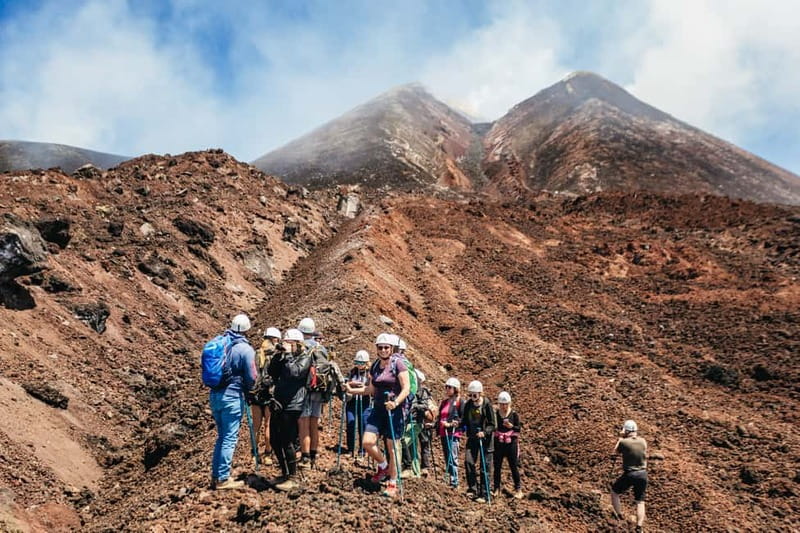
This is for you if you want a hands-on Etna experience and you’re comfortable with a hike that’s described as challenging. The tour requires a reasonable fitness level, and the day can be adjusted based on weather and volcanic calm.
It’s not suitable for:
- Pregnant women
- People with mobility impairments
- People with heart problems
- People with high blood pressure
If any of those apply to you, I’d skip this one. Mountain altitude plus exertion plus wind is not the place to improvise.
If you’re a casual sightseer who wants flat walking, you’ll probably feel it. But if you’re the type who enjoys earning your view, you’ll likely find the crater walking genuinely satisfying.
Timing, Weather, and What to Do When Conditions Change
Etna is weather-first. Even if the schedule says four to six hours, the real timing depends on visibility and conditions. On some days you get thick cloud cover at the top station area, and then you need to move quickly and smartly so the group doesn’t get caught in storms.
That’s why your layering matters. A windproof outer layer can make the difference between tolerating the summit environment and feeling miserable. Past hikers have reported jacket help being a big plus when it got cold and windy.
The good news is that the guide team is there to manage the day. You’re not left guessing where to go. You’re hiking with instructions, gear, and safety checks.
Final Thoughts: Should You Book This Mount Etna Summit Trek?
If you want the Etna experience that feels real—guided, active, and crater-focused—this is a strong pick. You get the high-altitude start near Sapienza, a serious guided hike around Cratere Centrale, and time to see volcanic features up close rather than from behind a fence.
I’d especially recommend it if you:
- Like guided hikes with geology talk (and you want patience in your questions)
- Want crater views that depend on terrain, not just viewpoints
- Can handle rocky walking and wind at altitude
I’d hesitate if you:
- Are sensitive to exertion or have heart/high-blood-pressure concerns
- Want an easy, level stroll
- Don’t want weather-dependent plans
FAQ
Where is the meeting point?
The meeting point is Piazzale Rifugio Sapienza.
How long is the tour?
The duration is 4 to 6 hours.
Does the tour include the cable car?
Cable car access is not included in the base price. Cable car (and possibly a 4×4 bus, depending on your selected option) is paid separately.
What’s included in the tour price?
Included: an alpine/volcano guide, a hiking tour, trekking shoes, a helmet, and insurance.
What languages is the guide available in?
The live tour guide is available in Italian and English.
What should I bring to be comfortable on the hike?
Bring a windbreaker, hat, water, and weather-appropriate clothing, plus a passport or ID card (a copy is accepted).
What’s not allowed during the tour?
Pets are not allowed.
Is the hike weather dependent?
Yes. The tour depends on weather conditions and the volcano being calm.
Who should not take this trek?
It is not suitable for pregnant women, people with mobility impairments, heart problems, or high blood pressure.
If you’d like, tell me your travel month and fitness level (beginner, intermediate, strong hiker), and I’ll suggest what to pack and whether this sounds like your best Etna option.