REVIEW · MOUNT ETNA
Catania: Mount Etna Trekking Tour Beyond the Tourist Trails
Book on GetYourGuide →Operated by Etnaround Mount Etna Tours · Bookable on GetYourGuide
Etna feels close up and personal. This Mount Etna trekking tour from Catania takes you off the usual paths with a naturalist guide to Silvestri Craters, Valle del Bove, a lava cave, and a volcanic sand descent.
I especially like two things: the small group size (up to 8) and the fact that you get real hiking support with shoes, trekking sticks, plus extra warm and rain jackets. I also like how the route builds to big views at around 2,400 meters, not just quick look-and-leave stops.
One thing to plan around: the day includes an active ~550-meter altitude difference, and conditions can get cold and windy, with the cave sometimes skipped if volcanic activity is too high.
In This Review
- Key things that make this Etna trek worth your time
- Why This Etna Trek Feels Different Than the Usual Trips
- Catania Pickup and Trecastagni: The Day Starts Like a Local Plan
- Silvestri Craters and the 2001 Lava Flow: Where the Volcano Shows Its Work
- Valle del Bove: Black Lava Terraces, the Southeastern Crater, and Ionian Views
- The Lava Sand Descent and a Lava Cave You Can Actually Reach
- Rifugio Sapienza Break: Coffee, Snacks, and Time to Reset
- Price and Value: What You Actually Get for Around $81
- Who This Tour Is For (and Who Should Skip It)
- Should You Book This Mount Etna Trek? My Straight Answer
- FAQ
- How long is the Mount Etna trekking tour?
- Where does the tour start in Catania?
- Is the lunch included?
- What trekking equipment is included?
- Is the lava cave always visited?
- How big is the group?
- What languages are the guides?
Key things that make this Etna trek worth your time
- Small-group routing that gets you away from the biggest crowds
- Silvestri Craters and recent lava, including the 2001 lava flow
- Valle del Bove walking plus Ionian coast views from high altitude
- Inside a lava cave when safety conditions allow
- Soft volcanic sand descent that feels more playful than you expect
- Real gear provided, so you can show up with normal travel clothes and adjust on the fly
Why This Etna Trek Feels Different Than the Usual Trips
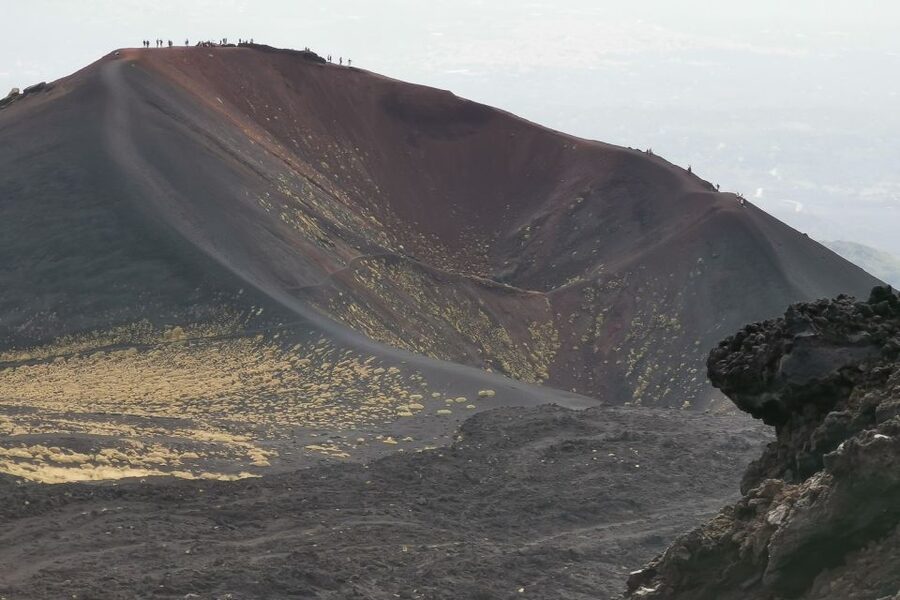
If you only do the standard Etna viewpoints, you mostly see the volcano from the edge. This tour is built around walking through the evidence: craters, lava fields, and the kind of terrain that tells you how the mountain actually moves. You don’t just look at the volcano, you step through it.
I like that the guide framing is practical. You’ll get explanations tied to what you’re standing on, not abstract facts from a distance. And because it’s a small group, the pace tends to stay human, with time for questions and photos along the way.
The other big difference is the mix of “wow” moments. You get the high-altitude views, but you also get the unusual stuff: a lava flow cave and a descent on volcanic sand rather than a typical route back down.
You can also read our reviews of more tours and experiences in Mount Etna.
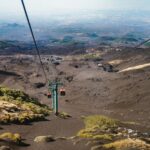
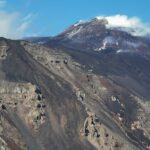
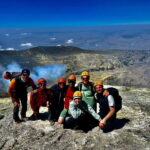
Catania Pickup and Trecastagni: The Day Starts Like a Local Plan
The tour meets in central Catania at McDonald’s, which is surprisingly helpful. You don’t need a complicated rendezvous point hunt, and the pickup timing is straightforward for a day that still needs energy for hiking.
From there, you ride in a van to Trecastagni, a small town stop that works because it’s not just a photo pause. You’ll get a coffee and breakfast/lunch setup plus a safety briefing, which matters when you’re heading into a cold, rocky, high-altitude environment. You can also buy what you need for the hike here, like a locally-prepared sandwich and drinks.
In plain terms, this start helps you show up prepared. Since food and drinks aren’t included, you’ll want to treat that Trecastagni stop as part of the experience, not an inconvenience. Grab what you can eat comfortably on the way up, and don’t overthink it.
Silvestri Craters and the 2001 Lava Flow: Where the Volcano Shows Its Work
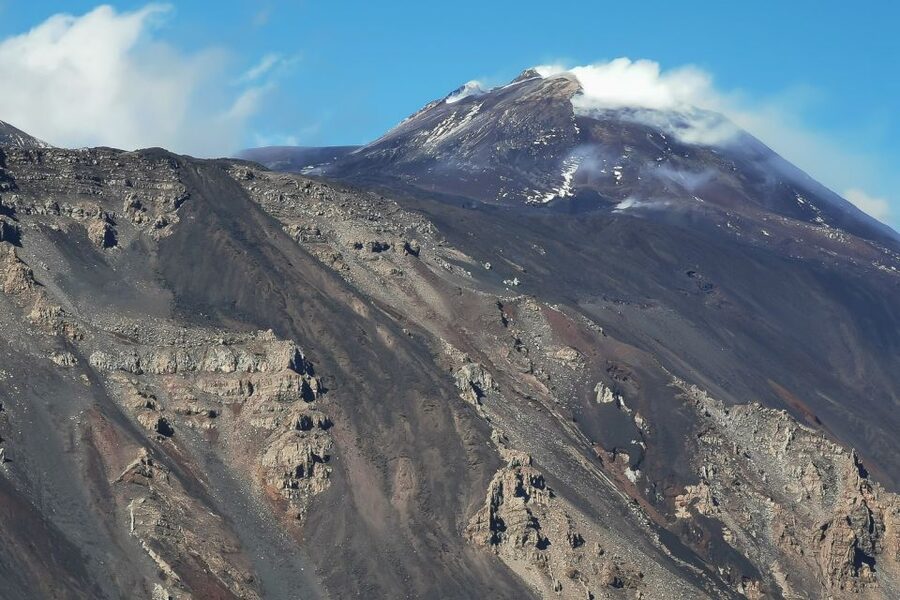
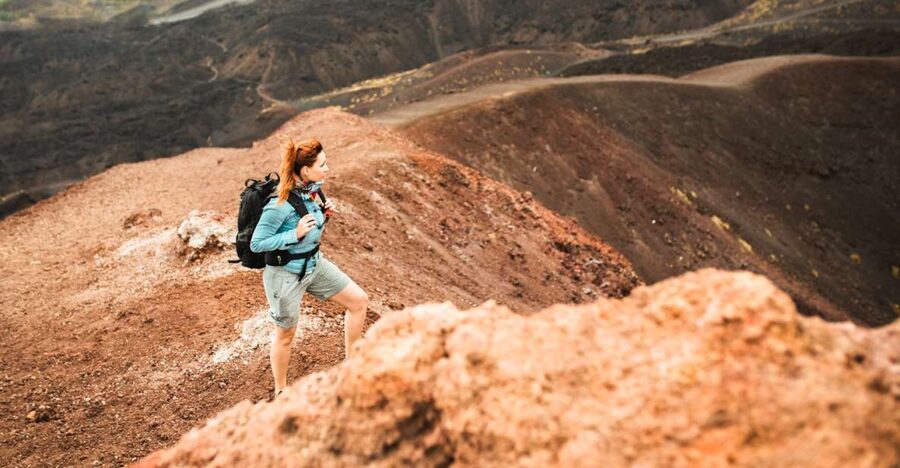
The hiking begins at about 1,850 meters, then you climb toward 2,400 meters with the goal of reaching the Silvestri Craters. This is one of those Etna sections where the terrain looks almost impossible until you learn to read it: layers, textures, and the shape left behind by eruptions.
You’ll walk toward striking volcanic formations created by past activity, then connect it to more recent history via the 2001 lava flow. What makes this stop satisfying is that you’re not just viewing lava from afar. You’re moving through the area in a way that helps you understand how the ground changed and how the mountain reshaped itself.
Even if you’ve seen Etna in photos, this part tends to land differently when you’re standing at altitude with wind around you. Bring a hat and sunscreen even in cooler months, and don’t underestimate how quickly you’ll feel cold once you gain height.
Valle del Bove: Black Lava Terraces, the Southeastern Crater, and Ionian Views
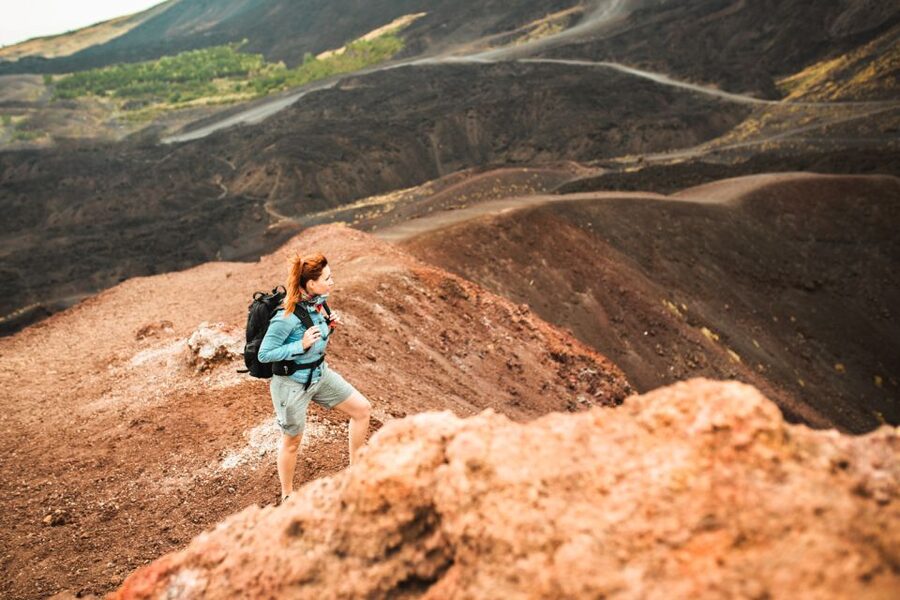
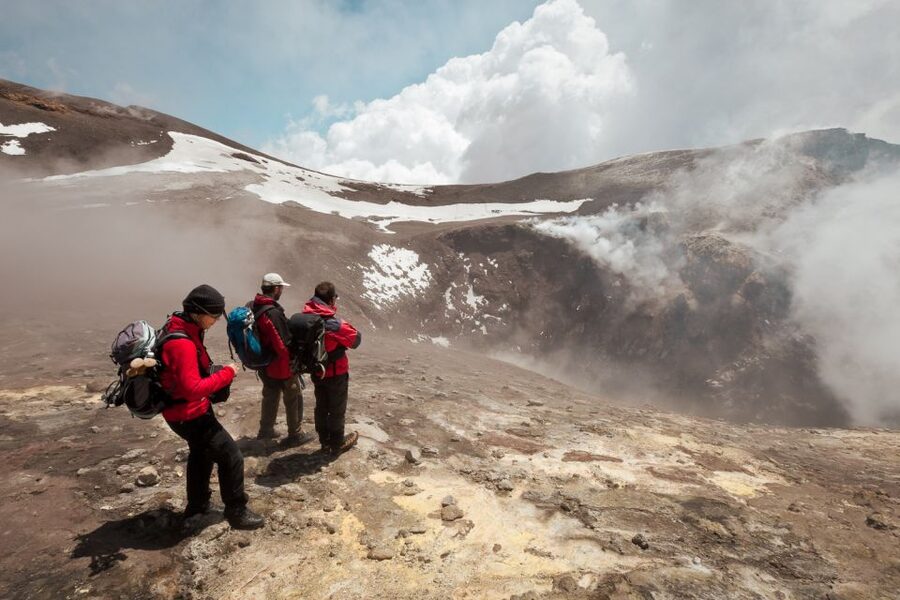
After the craters, the route heads into Valle del Bove, a vast natural amphitheater made by a major volcanic collapse. This isn’t a flat stroll. You’ll be walking along the edges and through rugged paths that put you right on the boundary between calm views and harsh geology.
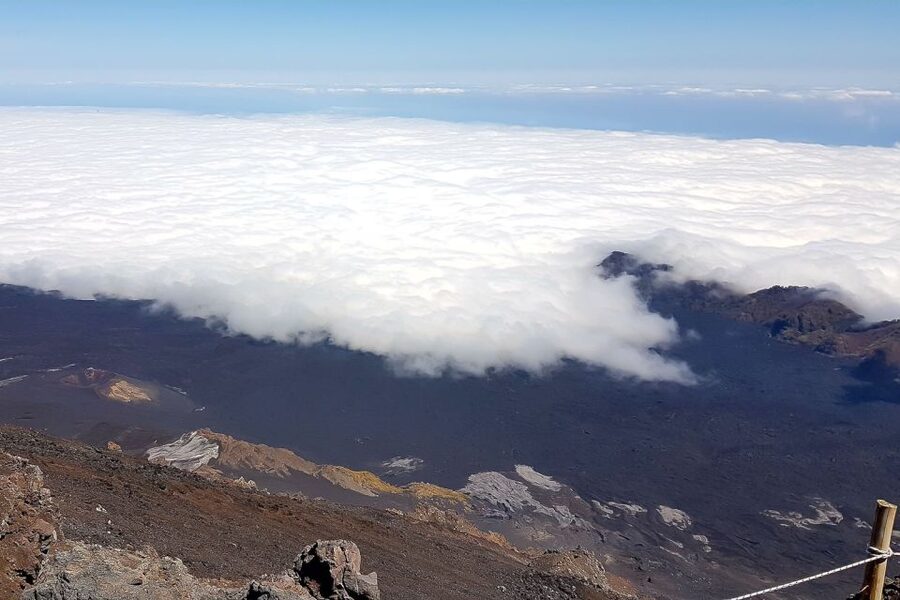
A major payoff here is the viewpoint rhythm. You’ll pause and look out over the valley while the guide explains what you’re seeing: lava beaches, the scale of the collapse, and how the volcano’s activity shaped this huge bowl. Then you’ll get a lunch break at about 2,400 meters, with one of the day’s best combinations: the active southeastern crater area plus the Ionian coastline far below.
This is also where the tour avoids the typical “drive to a viewpoint” approach. Being on foot at that height changes how you experience distance. The sea looks farther. The valley looks deeper. And the volcanic textures look sharper.
The Lava Sand Descent and a Lava Cave You Can Actually Reach
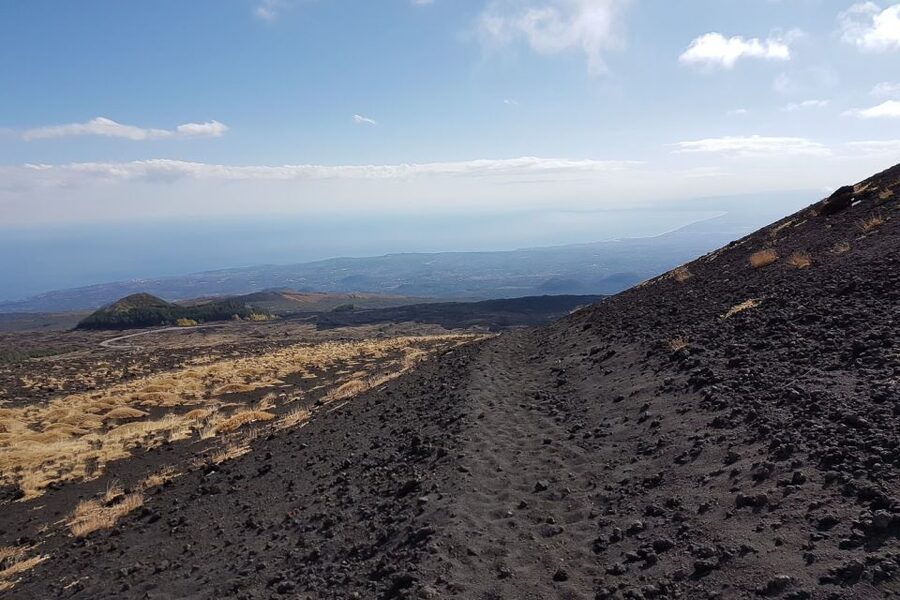
After lunch, the tour shifts from big, exposed viewpoints to something more playful: a descent through the lava sand beaches. This is soft volcanic material, steep enough that it feels like you’re sliding in spots rather than just walking. It’s fun, but it’s also why trekking sticks can matter. Your footing gets easier when you use them.
Then there’s the cave stop, which is the most distinctive part of the whole day. If conditions allow, you’ll explore a lava flow cave formed when molten rock carved its way underground and left a cooled basalt interior. It’s the kind of place that makes you rethink the word volcano, because you see how the flow moved beneath the surface, not just on top of it.
Important practical note: cave access can be affected by high tremors and eruptions even if the eruption has finished. So don’t plan your whole emotional arc around one single moment underground. If it’s not possible, you’ll still have plenty of terrain to absorb above ground.
Rifugio Sapienza Break: Coffee, Snacks, and Time to Reset
Near the end, you’ll reach Rifugio Sapienza for a break. This is your window for coffee, shopping, and picking up local snacks. It’s also a good time to warm up again if the wind is still biting.
This stop matters because the day has two physical phases. First, you climb and walk at altitude. Later, you descend on volcanic materials that can be tiring on your legs even when the hiking feels “fun.” A short reset at Sapienza helps you finish the day feeling human rather than cooked.
When you’re ready, the van brings you back toward Catania, with the total tour time landing around 7 hours. That’s a solid chunk of a day, but it also means you get more than one Etna zone.
Price and Value: What You Actually Get for Around $81
At about $81 per person for a roughly seven-hour small-group hike, the value comes from three places: expert guidance, included gear, and access to the less-touristy walking routes.
First, you’re not just buying transport and a viewpoint. You’re paying for a naturalistic guide who explains the geology and the living behavior of a very active volcano. Guides are often credited by name in the experience, including Renato and Antonio, with Marco and Maria mentioned for driving support. That combination matters because it affects how smoothly the day flows.
Second, the gear is included: extra warm jacket, rain jacket, trekking sticks, and shoes. Even if you bring your own hiking shoes, having a backup pair and poles makes you safer and less stressed. In winter especially, some people mention extra layers like gloves as part of the cold-weather setup.
Third, the route is designed to avoid the busiest areas. Multiple people highlight that the trails feel like they’re far from the standard crowds, and that you’re out on paths that are harder to recreate on your own.
What you still need to budget for: food and drinks during the day. You can buy a sandwich locally before the hike, and you’ll have that Sapienza snack window later. If you plan your calories and hydration, you won’t feel like the price tag is sneaky.
Who This Tour Is For (and Who Should Skip It)
This trek is ideal for people who want more than a quick Etna stop and who enjoy walking on uneven, volcanic ground. The route starts higher than sea level and includes an active ~550-meter altitude difference, so you should be comfortable with hills and stamina at altitude.
You also need to be okay with conditions changing. Winter can bring snow and route changes, and wind can be strong at elevation. So pack layers, not just one jacket and hope.
This tour is not suitable for:
- children under 10
- pregnant women
- people with heart problems
- people with respiratory issues
- people with altitude sickness
- people with low fitness
- people with mobility impairments
If you’re near the edge of fitness-wise, you’ll still want to be honest with yourself. Many people describe the hike as challenging, even when it’s not technical climbing. The upside is that the route is guided, and the group tends to stay small enough for the pace to be managed.
Should You Book This Mount Etna Trek? My Straight Answer
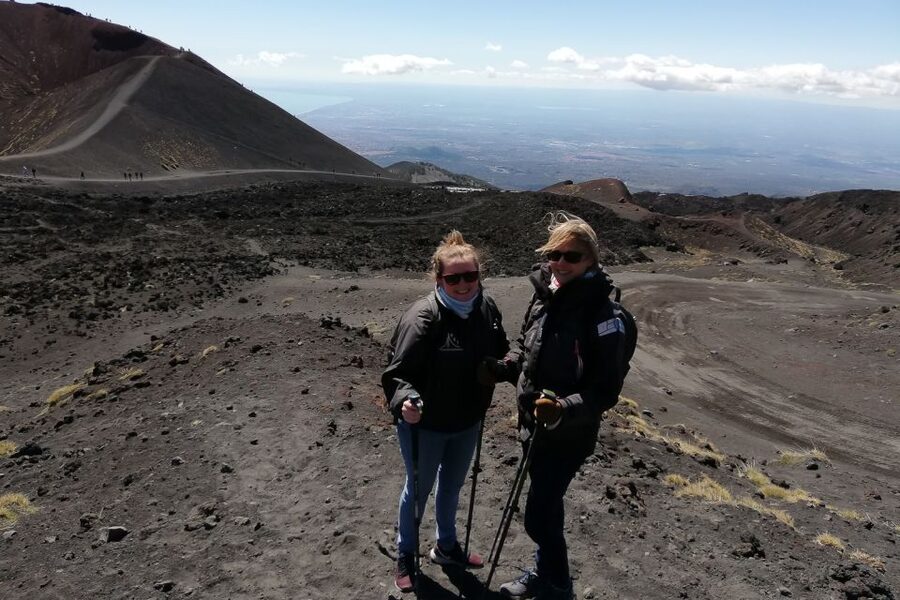
Yes, if you want a guided Etna day that feels like geology you can touch. You’ll get Silvestri Craters, time in Valle del Bove, a chance to see inside a lava cave when conditions allow, and the memorable volcanic-sand descent. The included gear makes it easier to do well even if you’re traveling light.
I’d skip it if you know altitude and cold wind will be a problem for you, or if you fall into any of the listed medical or mobility categories. Also, if you’re expecting an easy walk the whole time, manage expectations. This is a real hike in volcanic terrain.
If you match the fitness and weather reality, this is one of the more “Etna-shaped” ways to spend a day from Catania.
FAQ
How long is the Mount Etna trekking tour?
The duration is listed as 7 hours.
Where does the tour start in Catania?
The starting location is at McDonald’s in Catania city center.
Is the lunch included?
Food and drinks are not included. You can buy a locally-prepared sandwich before the hike, and there are breaks where you can get coffee and snacks.
What trekking equipment is included?
You get trekking sticks and shoes, plus an extra warm jacket and a rain jacket.
Is the lava cave always visited?
No. In the case of high tremors and eruptions, the cave visit is not possible even if the eruption has finished.
How big is the group?
It’s a small group limited to 8 participants.
What languages are the guides?
The live tour guide speaks Italian and English.