REVIEW · MOUNT ETNA
Catania: Mount Etna Trekking Trip off the Tourist Path
Book on GetYourGuide →Operated by EtnAround · Bookable on GetYourGuide
Etna feels real when you walk it. This trek from Catania follows off-road lava country and quiet trails with guides like Renato and Antonio, away from the main tourist push.
I especially love the long, guided walk in the Valle del Bove caldera, where you get time to actually look at Etna’s recent lava and how the ground formed. I also love that the day includes hands-on stops like a lava cave and the more active southeastern area explanations. One consideration: this is a proper hike, usually between about 1850 and 2400 meters, and wind/rocky sections can make it tough if you are not used to walking uphill.
Key highlights at a glance
- Off-road lava flows you can walk past on quiet routes instead of the main paths
- Valle del Bove caldera time with a guided tour and a long photo-and-hike stretch
- Recent eruption scenery, including views toward the coastline
- Lava cave stop, with cave access dependent on safety conditions
- Silvestri Craters break with a short rest and free time
- Included gear: trekking poles, shoes, warm jacket, plus a rain jacket
In This Review
- Why this Etna Trek Feels Different Than the Usual Tourist Version
- The Day’s Flow: Pickup, Village Stop, and a Safety Brief That Actually Helps
- Trazzere and the Lava Flows: Where History Becomes Ground Under Your Feet
- Valle del Bove: Etna’s Biggest Caldera and the Walk That Takes Time
- Silvestri Craters: A Break, Then More Etna Up Close
- Lava Cave Stop: Worth It, But Conditional on Volcanic Safety
- Included Gear: What Makes the Trek Less Stressful
- Pace and Fitness: Medium Difficulty, Not a Couch-to-Crater Stroll
- Weather and Route Changes: Be Ready for a Plan B
- Food and Drinks: Budget for Snacks, Keep Meals Simple
- Price Value: About $78 for a Full Etna Day
- Who Should Book This Trek (And Who Might Want a Different Day)
- Should You Book This Mount Etna Off-Path Trek?
- FAQ
- How long is the Mount Etna trekking trip?
- Where do you meet for pickup?
- What’s included in the price?
- Is food included?
- What altitude range is the hike?
- Can you always visit the lava cave?
- What should I bring?
- What health or activity restrictions apply?
- What languages are the guides?
- What’s the cancellation policy?
Why this Etna Trek Feels Different Than the Usual Tourist Version
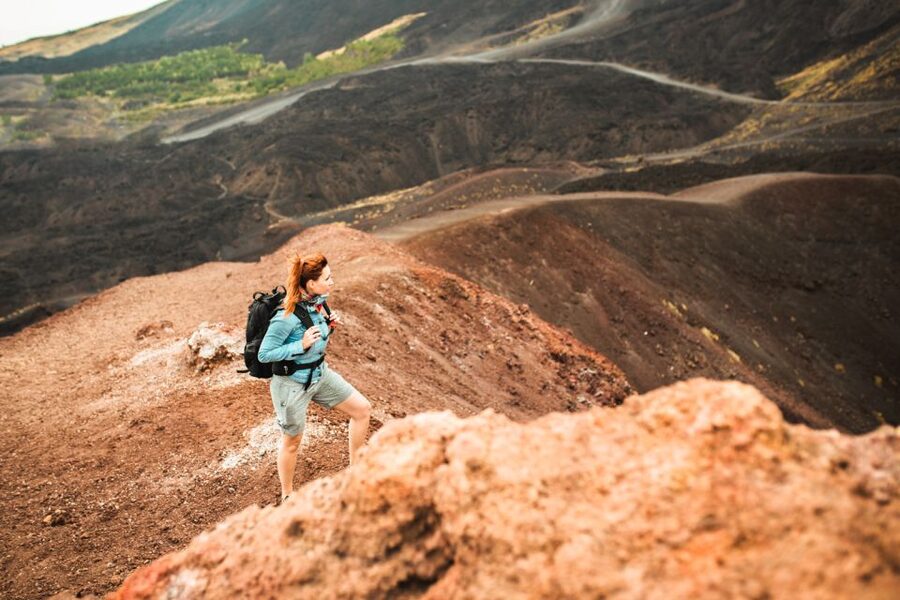
Mount Etna can feel like a theme park if you only see it from crowded viewpoints. This trip gives you something better: movement. You walk through the real volcanic terrain, following trails that skirt the busiest areas.
You also get the sense of a day run by people who care about pacing and safety. Guides like Renato and Antonio are frequently praised for keeping things organized, explaining what you are seeing, and adjusting when conditions make things uncomfortable.
The value here is not just the altitude. It is the combination of how you get there (van + off-road routes) and what you do once you reach hiking altitude (quiet walking time, guided stops, and geology you can connect to your feet).
The Day’s Flow: Pickup, Village Stop, and a Safety Brief That Actually Helps
You start by meeting for pickup outside McDonald’s in central Catania. From there, you head toward Etna by van, with a first transport leg that sets the tone: this is structured, not chaotic.
A traditional village stop breaks the journey up nicely. You get a short window for coffee and breakfast, and the day also allows for lunch options at your own expense. It is a smart setup because once you hit hiking altitude, you will want your body fueled.
Before the main hike time ramps up, there is a viewpoint safety briefing. It sounds basic, but it matters on Etna. Higher elevations can bring wind and uneven ground, and you are about to walk somewhere that does not behave like a city sidewalk.
You can also read our reviews of more tours and experiences in Mount Etna.
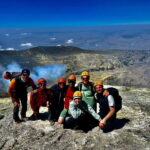
Trazzere and the Lava Flows: Where History Becomes Ground Under Your Feet
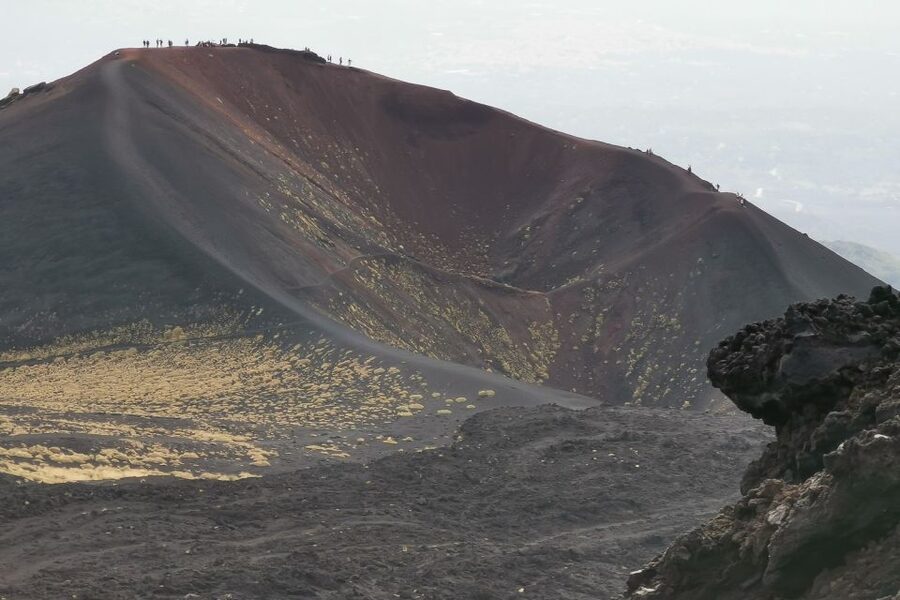
One of the most memorable parts is passing through areas like Trazzere, where you can see lava flows from earlier eruptions (including the 1792 flows). This is one of those details that makes the mountain feel specific, not vague.
Your guide talks about the volcano’s life cycle while you move through off-road passages. You do not just hear a lecture in a bus seat. You watch the terrain change as you go, and the explanations land faster because you are standing in the evidence.
This is also where you start getting the “few people, not crowds” vibe. Several guides and participants emphasize that the route avoids the busiest tracks, so your hiking time feels more like a long walk with a purpose than a cattle-line tour.
Valle del Bove: Etna’s Biggest Caldera and the Walk That Takes Time
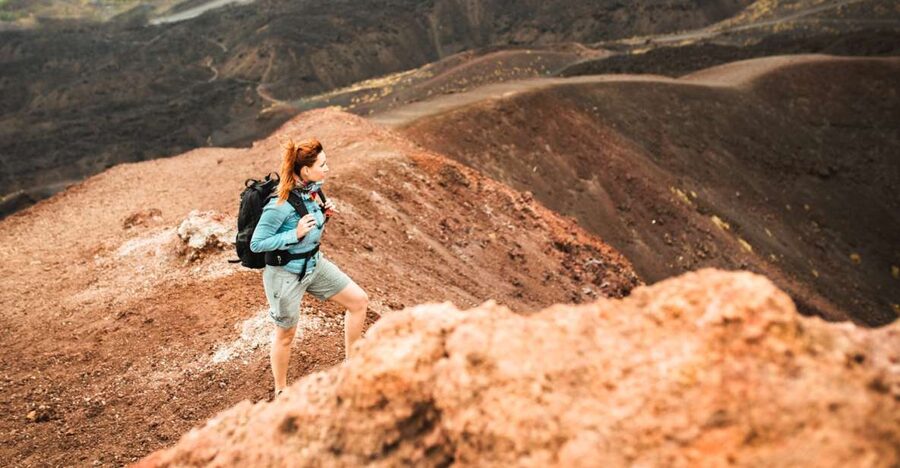
The highlight stop is Valle del Bove, Etna’s ancient caldera formed about 64,000 years ago from the collapse of two major eruptive centers. You spend around 3.5 hours here, which is important. Short tours skip the slow looking part. This one gives you time.
During this segment, you get a guided walk plus photo stops. You will pass areas with recent lava flows, and you can absorb views that include the coastline on clearer stretches. Even if visibility is cloudy, you still learn the terrain’s logic: where volcanic material piled, where it flowed, and how the ground you step on tells a story.
If you like hiking that mixes exercise with explanation, this stop is the reason to book. People consistently praise the guidance here, calling out how the pace and breaks make the hike feel doable even when the uphill work adds up.
Silvestri Craters: A Break, Then More Etna Up Close
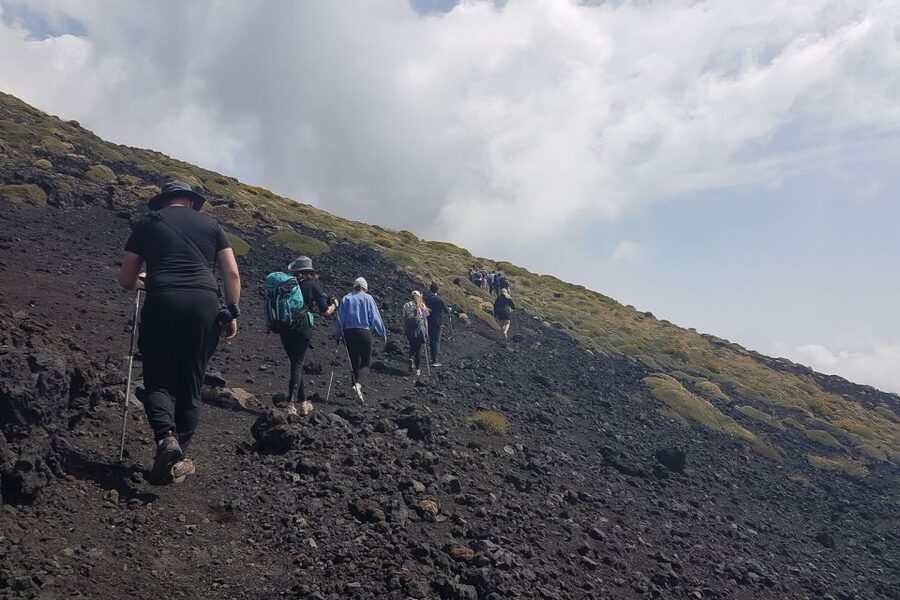
After the long Valle del Bove portion, you shift to Silvestri Craters. This is a shorter stop—about 20 minutes—and it is built around reset time: a break plus free time.
There is also the option for something simple like beer, coffee, or tea. Keep your expectations realistic: this part is not an extended crater hike. It is more like a quick window to see another side of Etna before you head back down and back to Catania.
Even though the time is brief, it helps balance the day. You get one extended walking block (Valle del Bove), then a smaller “pause and look” moment, then the trip closes with the return van ride.
Lava Cave Stop: Worth It, But Conditional on Volcanic Safety
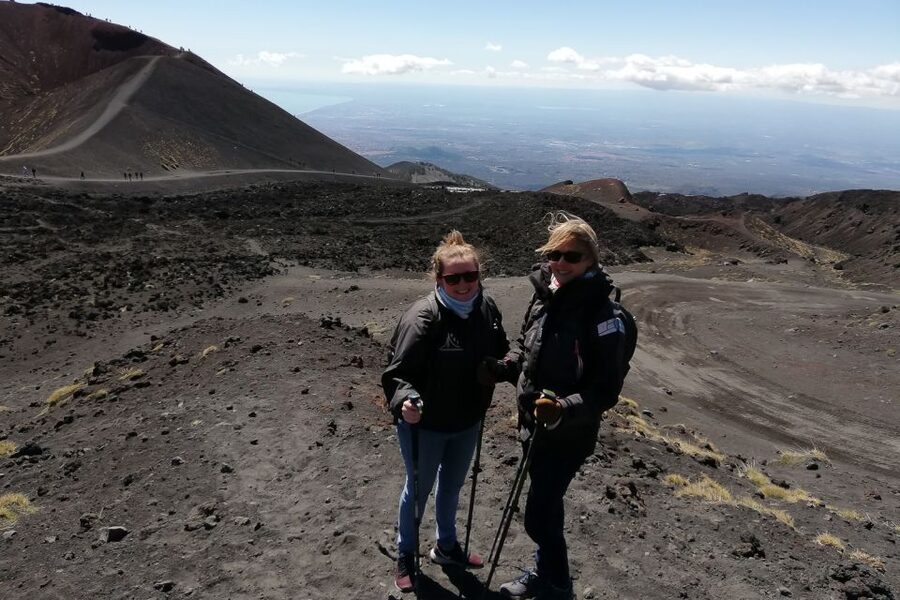
A lava cave visit is part of the experience plan, and it is a cool one. Seeing a volcanic cave makes Etna feel less like a chart and more like a living system.
That said, cave access can be changed. If there are high tremors and eruptions, the cave visit may not be possible even if the eruption has finished. This is the right kind of caution, even if it is disappointing when you came specifically for the cave.
The practical takeaway: if cave access is canceled, do not treat it as a failure. The rest of the day still focuses on walking the volcanic ground and understanding what you are seeing.
Included Gear: What Makes the Trek Less Stressful
For a hike, the packing list can turn into a headache. Here, you get the essentials, which helps a lot if you do not travel with technical gear.
Included items:
- Trekking poles
- Shoes
- Warm jacket plus a rain jacket
You still bring your own basics like comfortable clothes and socks, but getting the key traction and weather layers included lowers the chance you ruin the day because you forgot something.
That inclusion also shapes the pace. Guides can keep the hike moving without stopping repeatedly for gear adjustments. In the feedback you see a pattern: people say the provided equipment made a real difference, especially with wind and chilly higher elevations.
Pace and Fitness: Medium Difficulty, Not a Couch-to-Crater Stroll
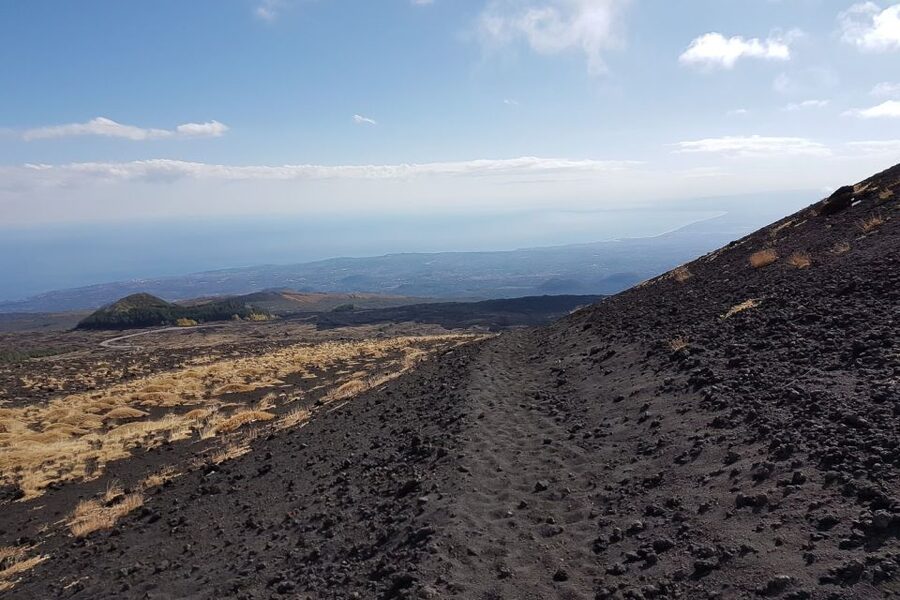
This is not described as a beginner stroll, and the feedback supports that. The trek takes place roughly between 1850 and 2400 meters, so altitude plus uphill sections can feel like double work.
The good news: you are not thrown into a grind with no support. Guides build in breaks and keep the group moving at a manageable rhythm. People also note that the hike can be challenging depending on weather—wind and rocky ground tend to be the main culprits.
My practical advice:
- If you can handle uphill walking for a few hours, you are likely in the right zone.
- If you are mainly sedentary, plan for slower pacing and expect to work.
- Wear comfortable shoes, and bring the hat and sunscreen they recommend. Wind can still reflect sun.
Also: you are not meant to show up with big luggage. Stick to what you can carry comfortably, because large bags are not allowed.
Weather and Route Changes: Be Ready for a Plan B
Etna does not control the forecast, and your guide cannot control safety conditions either. That is why the tour includes built-in flexibility.
In winter, the hiking route may change due to snow. And as mentioned, the lava cave stop can be dropped when tremors and eruptions trigger safety limits.
One more angle: even in decent conditions, the top can feel cold and exposed. Extra warmth is not a luxury here. The included warm jacket and rain layer help you stay comfortable enough to keep moving.
Food and Drinks: Budget for Snacks, Keep Meals Simple
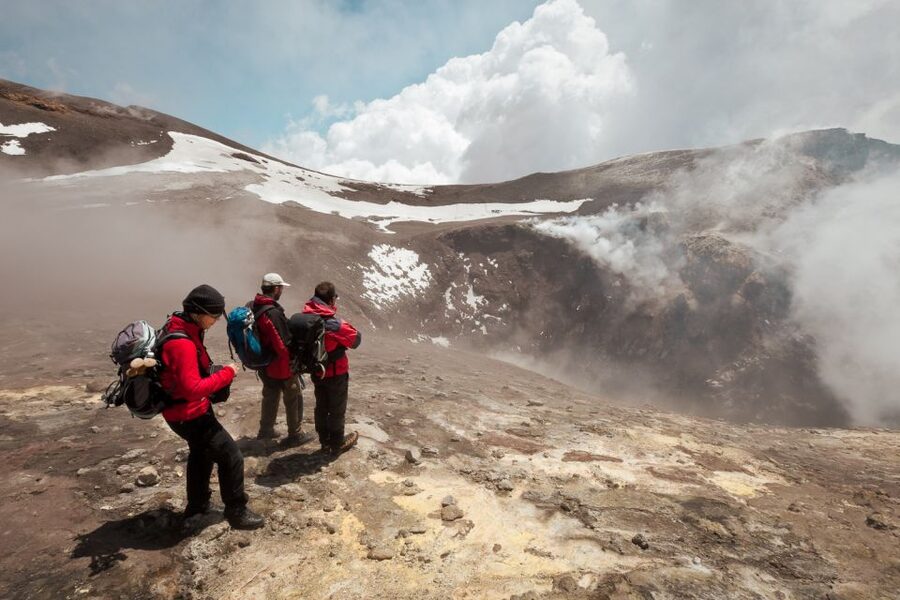
Food is mostly on you. You can buy sandwiches and local products before hiking, and you may stop for food breaks during the day at your own expense.
There is no full restaurant-style meal included. The idea is light fueling: coffee/breakfast at the village, then a snack option before the hike. If you do not like waiting to eat, bring an extra small snack even if sandwiches are available, especially if you get hungry on uphill climbs.
One sweet detail from the tour experience: people often mention the recommended Sicilian sandwich as a highlight. It is a good reminder that you can keep the hiking day focused without turning it into a complicated food quest.
Price Value: About $78 for a Full Etna Day
At around $78.17 per person for a 7-hour day, you are paying for more than the view.
You are getting:
- Pickup and drop-off in Catania city center and Trecastagni
- A naturalist guide
- A serious hike duration with guided walking time
- Included trekking gear (shoes, poles, warm layers, rain jacket)
- Transport to/from the mountain area
If you tried to piece this together yourself, the cost would often creep up once you factor in guide time, proper footwear/poles, and transport. The price also reflects that you are covering a lot of ground in one day, with multiple stops that are not just photo opportunities.
So for many visitors, the best value is the combination: gear included + off-tourist walking + guide explanations. It is a lot of “stuff that matters” for a day that is still reasonably short.
Who Should Book This Trek (And Who Might Want a Different Day)
This is best for:
- Adults and older teens who can handle medium hiking difficulty
- People who love learning about volcanic terrain while walking
- Travelers who want Etna without a heavy crowd vibe
- Anyone who would rather have gear handled than pack and pray
It may not fit if:
- You want a low-effort walk (this takes real stamina)
- You have respiratory issues, heart problems, are pregnant, or have altitude sickness risk
- You have mobility impairments
- You want a trip for children under 10 (not suitable)
One more practical point: the experience starts with a minimum of 2 participants for the trek. If you are traveling solo, make sure you connect before booking.
Should You Book This Mount Etna Off-Path Trek?
If your goal is to experience Etna as a working, physical place—not just a postcard—this is an excellent pick. The best reasons are the long Valle del Bove walk, the chance to see recent lava flows, and the off-path feel that keeps the day from turning into a crowd shuffle.
I would book it if you are comfortable hiking uphill at elevation and you like guided explanations you can match to what you see. If your fitness is low or weather worries you, talk with the provider before you go and be ready for possible route or cave changes.
For most people, this is one of the smarter ways to spend a day around Catania: active, educational, and still practical thanks to the gear.
FAQ
How long is the Mount Etna trekking trip?
The experience runs for about 7 hours.
Where do you meet for pickup?
You meet for pickup outside McDonald’s, and the tour returns to the same meeting point.
What’s included in the price?
Included are pickup and drop-off in Catania city center and Trecastagni, the hike, a naturalist guide, an extra warm jacket, a rain jacket, trekking poles, and shoes.
Is food included?
No. Food and drinks are not included, though you can buy a locally-prepared sandwich and there are stops where you can purchase items.
What altitude range is the hike?
The trek takes place roughly between 1850 and 2400 meters above sea level.
Can you always visit the lava cave?
Not always. In the case of high tremors and eruptions, a visit to the cave is not possible even after an eruption has ended.
What should I bring?
Bring comfortable shoes, a hat, sunscreen, a jacket, comfortable clothes, and socks.
What health or activity restrictions apply?
It is not suitable for children under 10, pregnant women, people with heart problems, respiratory issues, altitude sickness, low fitness, or mobility impairments.
What languages are the guides?
Guides provide live commentary in Italian and English.
What’s the cancellation policy?
Free cancellation is available up to 24 hours in advance for a full refund.